Bridal Fabric
Everything for the wedding dress and veil: silk satins, dupion and organza, Chantilly, corded and guipure lace, embellished and veil tulle, trims and motifs. Mostly in ivory and white.
- Silk, lace, tulle and trims
- Mostly ivory and white
- Visit our Melbourne showroom


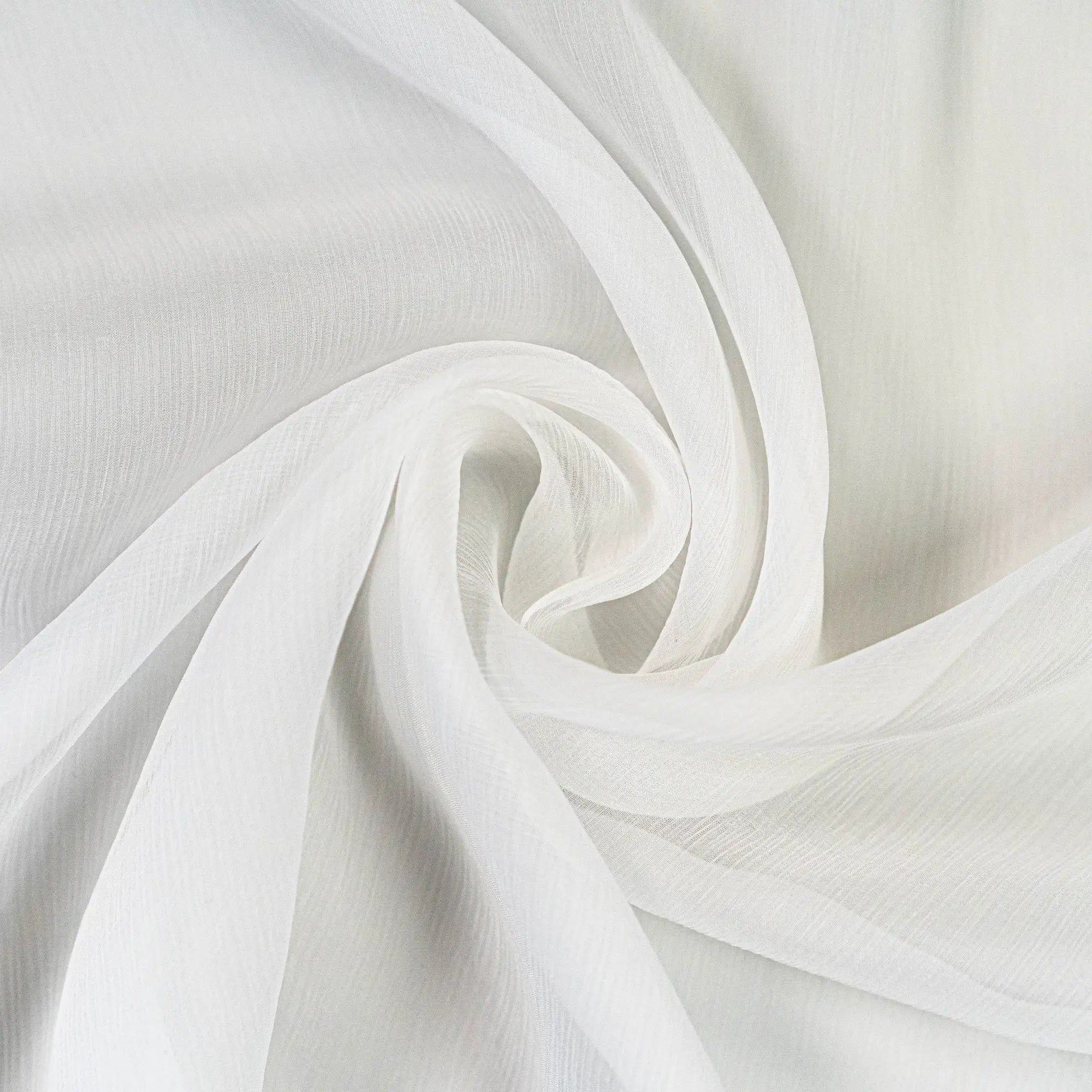
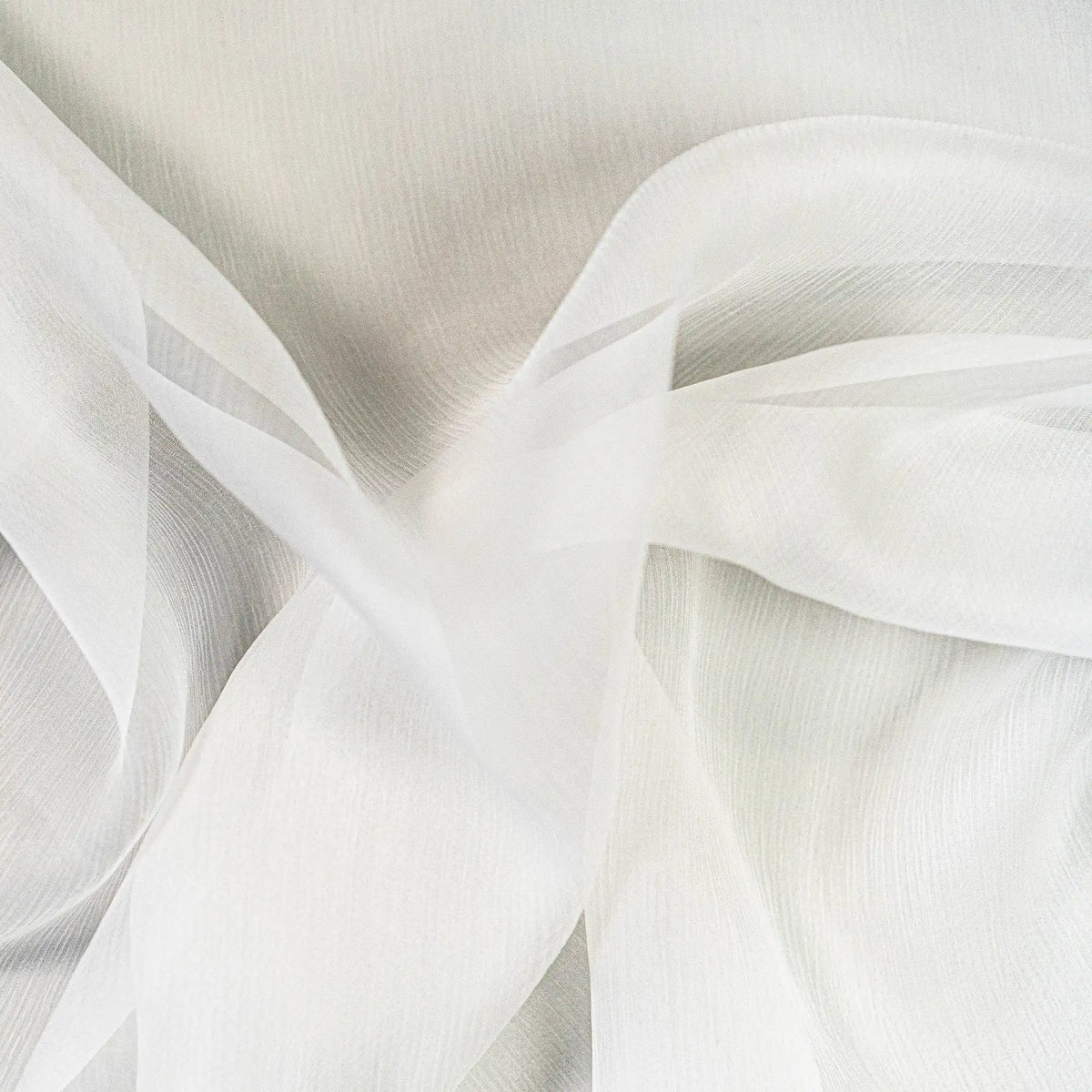


 Sold out


Guide
Bridal Fabric: How to Choose and Sew It
What we have for brides and dressmakers, which fabric suits each part of the dress, and tips for sewing a wedding dress at home.
What's in our bridal range
- Silks. Bridal satins (duchess, queen and hammered), crepe satin, dupion, organza, georgette and satin chiffon.
- Lace. Chantilly and fine lace, corded, guipure and beaded lace.
- Embellished tulles. Embroidered, beaded and sequinned, some with 3D flowers.
- Plain tulles and nets. For veils, skirts and petticoats.
- Trims and motifs. Lace and beaded trims, and motifs to sew onto a gown or veil.
- Other fabrics. Polyester satins, dupion, zibeline and faille, jacquards and more.
Which fabric for each part of the dress
Most wedding dresses use a few fabrics together. Here's where each one shines.
| Part of the dress | Fabrics to try |
|---|---|
| Bodice | Structured: duchess satin, silk dupion, or corded or beaded lace over satin |
| Full skirt | Queen satin or duchess satin, with layers of polyester tulle underneath for volume |
| Draped gown | Crepe satin, with satin chiffon or georgette over it |
| Sheer sleeves | Chantilly lace, embroidered tulle, silk organza or georgette |
| Illusion back | Soft tulle in a skin tone, with lace motifs |
| Veil | Silk tulle, soft tulle or 2D tulle |
| Underlining | Silk organza |
| Lining | Silk habotai, sandwash satin or stretch silk satin, or a polyester lining |
| Details | Lace trims, beaded trims and motifs |
Silk or polyester?
We sell both, and both make beautiful gowns. Here's how they differ.
| Silk | Polyester | |
|---|---|---|
| Look | A soft, luminous glow | A smooth, even sheen |
| On the day | Breathes, so it's comfortable to wear all day | Doesn't breathe like silk, but resists creasing |
| To sew | Presses crisply and takes a shape well; handle it gently | Springier and harder to press to a sharp edge, but forgiving to handle |
Which veil tulle?
We have five tulles made for veils. They all look lovely, and the main difference is how they fall: soft and flowing, or crisp and full. Here's a quick look to help you choose.
| Silk tulle | Soft tulle | 2D tulle | Bridal tulle | Crystal tulle | |
|---|---|---|---|---|---|
| Fibre | 84% silk, 16% polyamide | 100% polyester | 100% nylon | 100% nylon | 100% nylon |
| How it falls | The softest, most fluid drape | Ultra-soft, with a natural give | A soft fall | Crisp, holds its volume | Crisp, with a light crystal shimmer |
| Veil look | Flowing and romantic | Soft and floaty | Soft and classic | Full, standing away from the body | Full, with a subtle sparkle |
| Weight | 19 gsm | 15 gsm | 19 gsm | 12 gsm | 14 gsm |
| Width | 180 cm | 300 cm | 300 cm | 300 cm | 300 cm |
| Sold | By the metre | By the metre | By the metre | By the bolt, about 50 m | By the bolt, about 50 m |
Silk, soft and 2D tulle are cut to your length. Bridal and crystal tulle come on full bolts of about 50 metres, so they suit dressmakers and larger orders.
Linings
A lining makes the dress feel smooth against the skin and helps it hang well. For stretch fabrics and close-fitting styles, choose a lining that stretches too.
- Silk. Habotai is the classic light silk lining, crepe de chine is a little more fluid, and sandwash satin has a soft satin face. For a fitted dress, stretch silk satin moves with you.
- Polyester. Polyester lining, or stretch polyester lining for fitted styles. Both are light, with a satin face and a matte back.
- Faux acetate satin. Faux acetate satin is satin on both sides with a very fluid drape, so a draped or bias-cut dress can be lined in the same fabric.
Ivory, white and matching
Most of our bridal fabrics come in ivory and white, with some off-white, champagne and nude. Ivory varies a little from fabric to fabric, so if you're pairing a lace with a silk, it helps to see them together. You're welcome to visit our Melbourne showroom to compare them side by side, or order samples.
What to make
- Wedding gowns and separates
- Veils
- Bridesmaid and flower girl dresses
- Mother-of-the-bride and mother-of-the-groom outfits
- Christening gowns
- Debutante dresses
Sewing your wedding dress
- Make a test version first. Sew the dress in calico and fit it before you cut into your silk or lace. Fit changes are much easier to make on calico.
- Underline with silk organza. Cut each piece again in organza, hand tack it to the wrong side of your fabric, then sew the two as one. It adds support without weight, and keeps lace from stretching.
- Cut lace and embellished fabrics flat, as a single layer, never folded and cut double. Plan where the main motifs will sit before you cut.
- Use a fresh, fine needle and a thread to suit the fabric: a fine mercerised cotton for sheer and light silks, and a good-quality polyester or mercerised cotton for satins and heavier fabrics. Each fabric's page has the details. Silk thread is lovely for tacking and hand sewing.
- Pin only inside the seam allowances, and sew a test seam on a scrap first: unpicked stitches can leave marks on satin.
- Handle silk with clean, dry hands, and keep the dress covered between sewing sessions.
- Sew the zip in by hand for a neat, invisible finish, and line the dress so it feels smooth against the skin.
Hems and edges
Each bridal fabric has its own best hem. Duchess, queen and bridal satin: a deep hem with the raw edge bound in silk and blindstitched by hand, or a faced hem on curves and trains. Chiffon, georgette and organza: a hand-rolled hem. With a scalloped lace edge there's nothing to hem: just use the finished edge. Tulle doesn't fray, so a veil or tulle skirt can be left with a raw edge.
Pressing
Press silk from the wrong side on the silk setting, through a pressing cloth, with no steam: water drops can leave marks. Press lace and embellished fabrics face down on a thick, clean towel. Test on a scrap first.
Questions
What is the best fabric for a wedding dress?
It depends on the shape you want. Duchess satin for a structured, sculptural gown, queen satin for soft volume that holds its shape, and crepe satin for a draped or bias-cut gown. Many dresses add lace or embellished tulle over the top.
What is the difference between duchess and queen satin?
Both are 100% silk with a low-sheen finish. Duchess satin is very structured and sculptural, while queen satin is softer but still holds its shape, so it suits voluminous gowns without stiffness.
What is the best tulle for a wedding veil?
Silk tulle has the softest, most fluid drape. Soft tulle and 2D tulle are 300 cm wide, so even a long veil needs no joins.
What should I line my wedding dress with?
Silk habotai, crepe de chine or sandwash satin feel lovely against the skin, and stretch silk satin suits fitted styles. We also have polyester lining, stretch polyester lining and faux acetate satin. For support, underline the dress with silk organza as well.
How is bridal lace sold?
Most of our lace is made in panels about 3 metres long and sold in whole-metre pieces. Guipure lace, stretch lace and embellished tulles come in longer lengths.
Wholesale for fashion labels, bridal studios and designers buying in bulk. Apply for an account