

Italian Wool Crepe
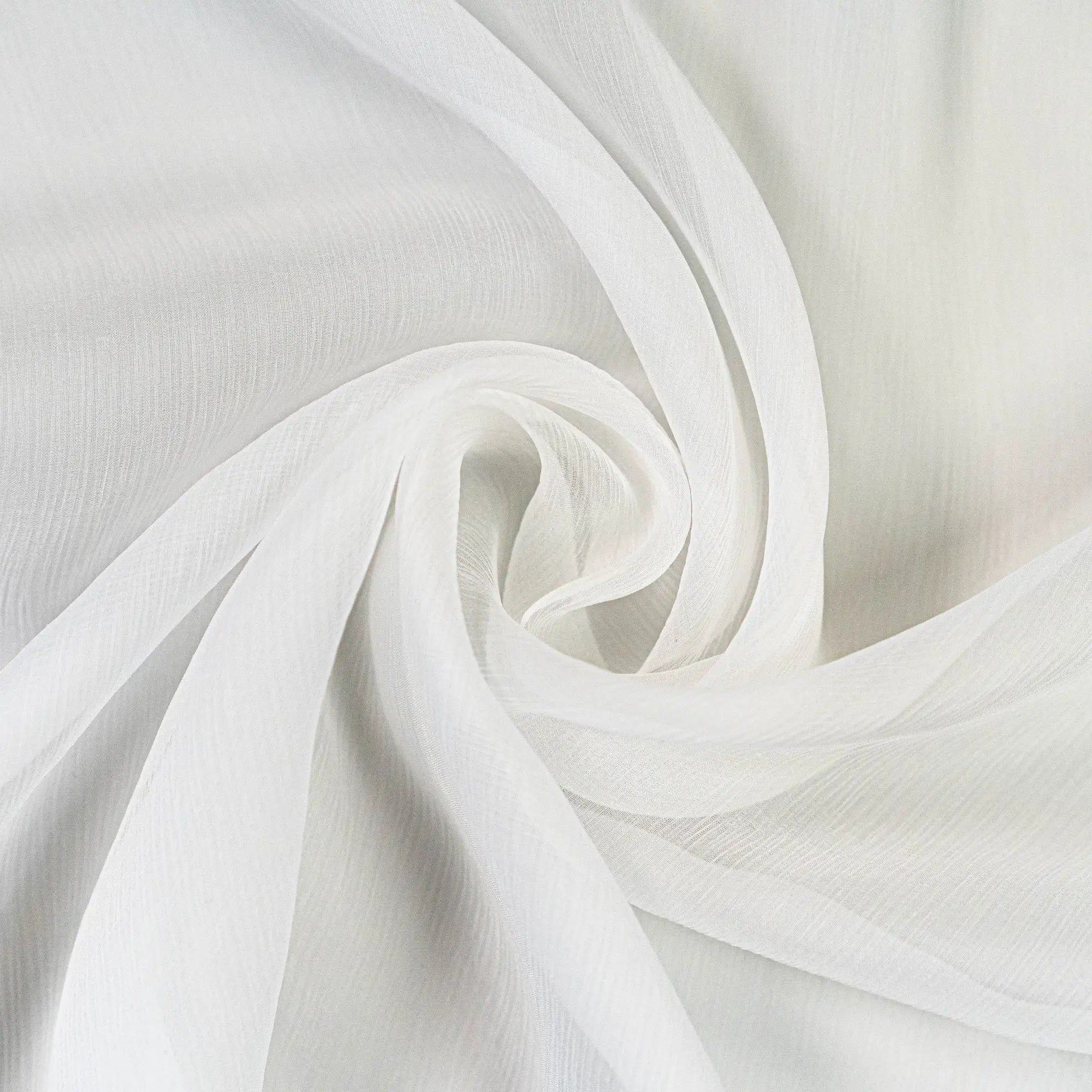
A fine Italian wool crepe with a crinkled surface and a soft, matte drape. 39% wool, 137 cm wide, in black, navy and maroon, for tailored jackets, trousers, skirts and dresses.
- 3 colours
- 137 cm wide
- 39% Wool, 36% Viscose, 25% Acetate
- From $52.80 per metre


Guide
Wool Crepe: Uses and How to Sew It
What our Italian wool crepe is like, what to make with it, and tips for tailoring and dressmaking with it at home.
About our wool crepe
- Made in Italy. A wool blend of 39% wool, 36% viscose and 25% acetate.
- A fine crepe surface. Tightly crimped yarns give it a crinkled texture and a soft, matte look.
- Medium to light weight. Enough body for jackets and trousers, with a soft drape for skirts and dresses.
- Three colours, 137 cm wide. Black, navy and maroon.
Wool crepe or stretch crepe?
We sell both, and both are lovely for tailoring. Here's how they differ.
| Wool crepe | A wool blend with a fine crinkled surface and a soft, matte drape. No stretch. 137 cm. Great for: tailored jackets, trousers, skirts and dresses. |
| Stretch polyester crepe | Heavier, with a textured matte finish and two-way or four-way stretch. 140 cm. Great for: fitted dresses, pants and jackets that move with you. |
| Bouclé and tweed | Textured, structured coatings, 147 cm. Great for: jackets and coats. |
What to make with it
- Tailored jackets and blazers
- Trousers and wide-leg pants
- Pencil and A-line skirts
- Shift and sheath dresses
- Light coats and outerwear
Cutting
- Press the fabric before you cut, and line up the grain with the edge of your table.
- Fold it right sides together and cut double, with all the pieces facing the same way so the colour looks even.
- Mark with tailor's tacks or tailor's chalk, tested on a scrap first.
- Wool crepe frays, so finish the cut edges with an overlocker or zigzag soon after cutting.
Sewing
- Use a fresh needle (size 80) and a good-quality polyester or mercerised cotton thread.
- Sew with a 2.5 mm stitch, and press each seam as you go.
- Wool crepe shapes beautifully with steam, so sleeve caps and curved seams ease in smoothly.
- For collars, cuffs and jacket fronts, use a sewn-in interfacing such as cotton organdy, or test a fusible on a scrap first.
- Line jackets, skirts and trousers so they slide on easily and hang well. See our lining guide.
- On a skirt, face the waistband with petersham ribbon instead of a second layer of crepe, to keep the waist flat.
Hems
Finish the raw edge with an overlocker or zigzag, turn the hem up once (4 to 5 cm on skirts, jackets and trousers), and stitch it by hand with a loose catch stitch, so nothing shows on the outside. On a lined jacket, the lining is sewn to the hem allowance so it hides the edge.
Pressing
Press on a wool setting with steam, through a pressing cloth, so the crepe surface doesn't flatten or go shiny. Use a seam roll for seams, so the edges of the allowances don't mark the front. Our crepe includes acetate, which doesn't like too much heat, so test on a scrap first.
Questions
What is wool crepe?
A wool fabric woven from tightly twisted, crimped yarns, which give it a fine crinkled surface and a soft drape. Ours is an Italian blend of 39% wool, 36% viscose and 25% acetate.
What is wool crepe used for?
Tailored jackets, trousers, skirts and dresses, and light coats.
Does wool crepe stretch?
Ours has no stretch. For a crepe with stretch, see our stretch polyester crepe.
How wide is it?
137 cm.
Wholesale for fashion labels, bridal studios and designers buying in bulk. Apply for an account