Silk Fabric
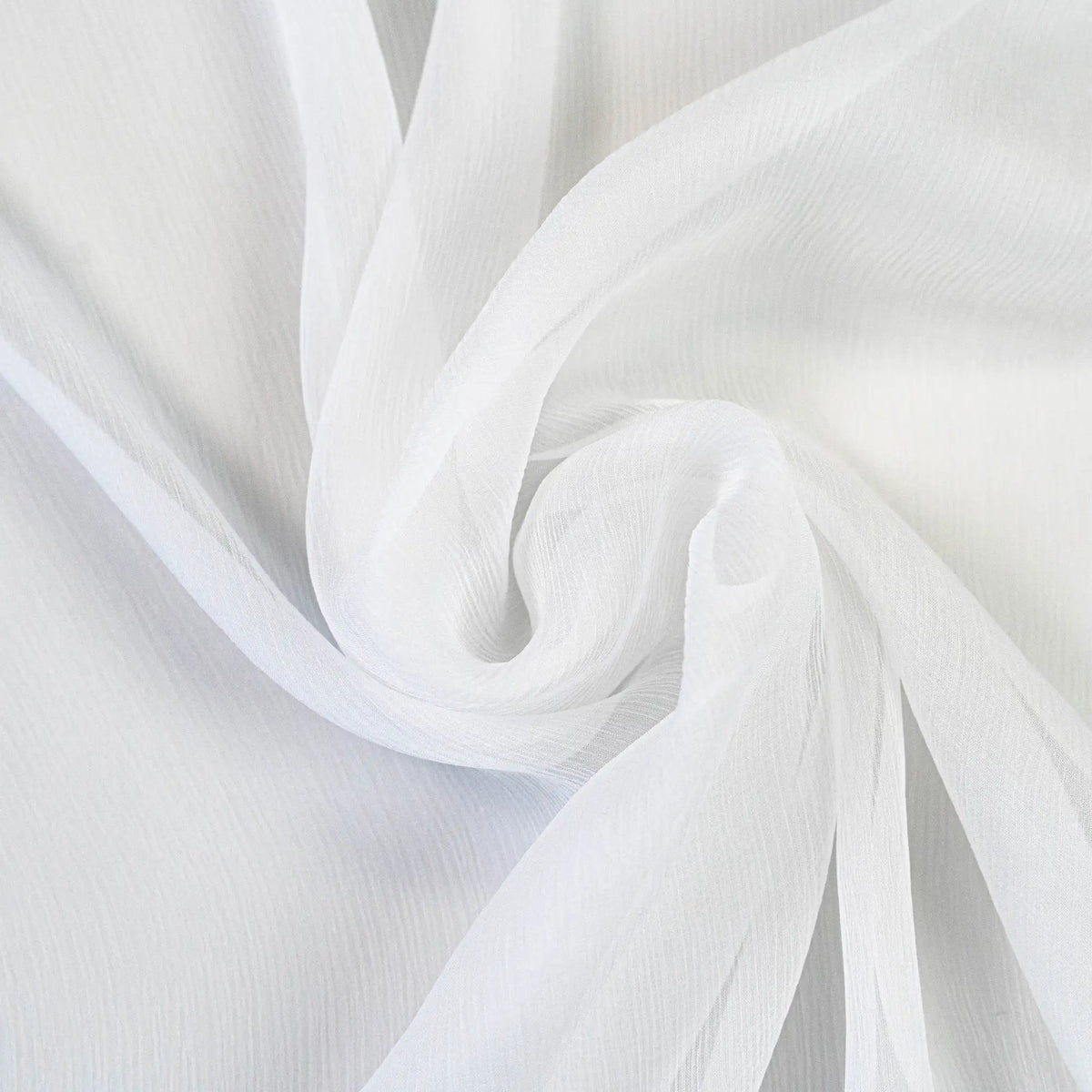
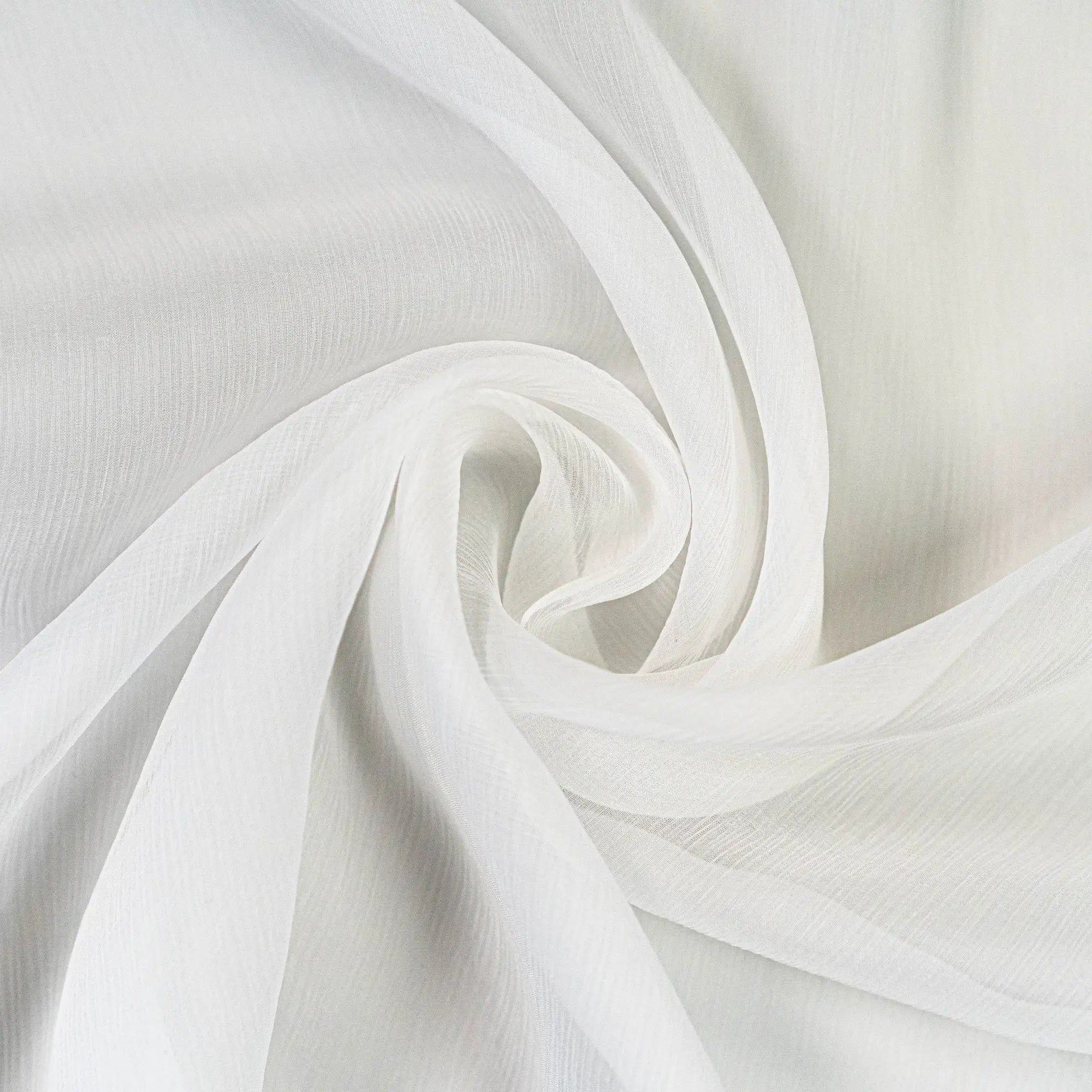
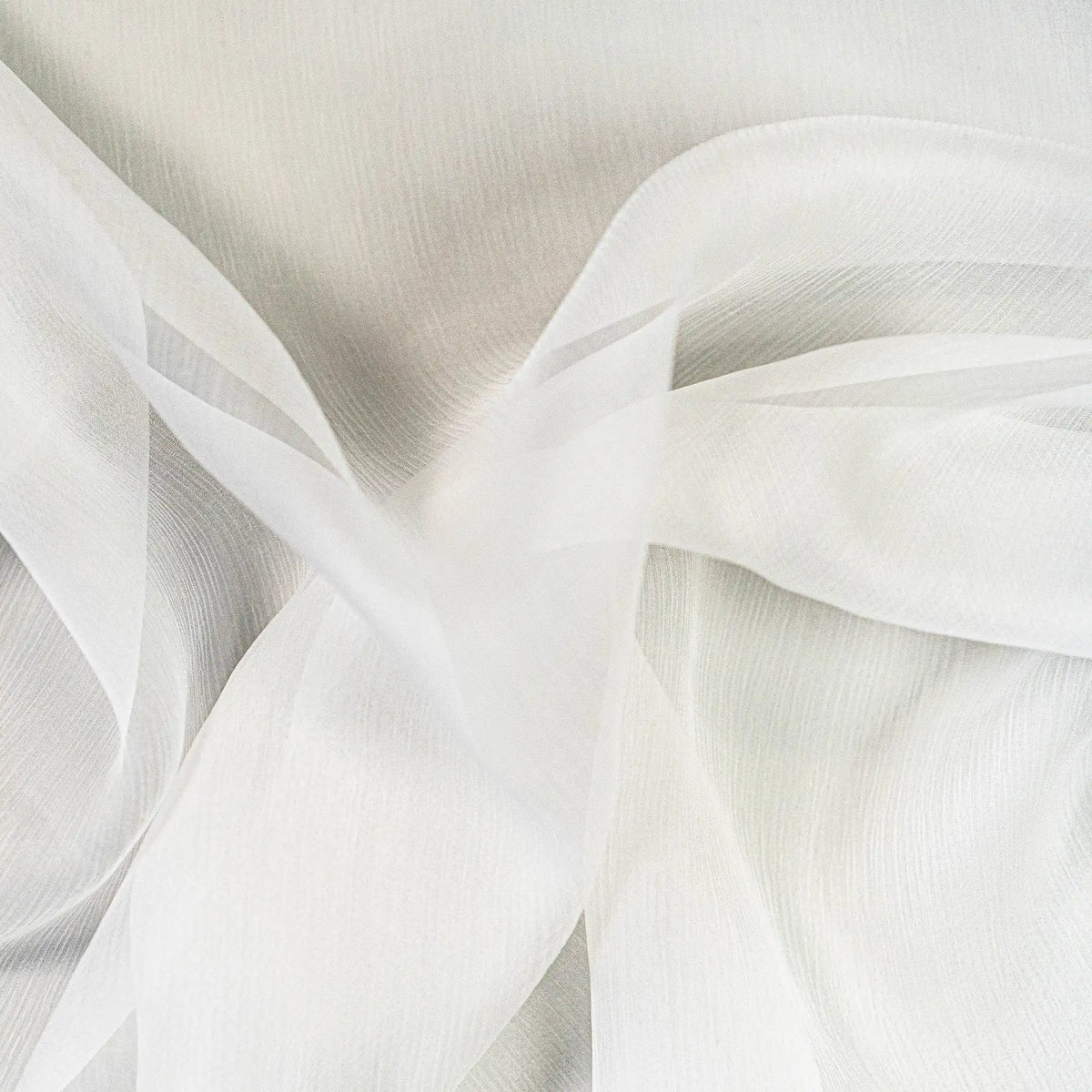
Silk by the metre, from sheer organza, georgette and chiffon to habotai, crepe de chine, dupion and bridal satins, plus stretch silks. Most are 100% mulberry silk.
- Sheer to heavyweight, plus stretch
- Most 137 cm wide






Guide
Silk Fabric: How to Choose and Sew It
Our silks from sheer to heavyweight, which one suits your project, and easy tips for sewing silk at home.
Why silk?
- A soft, natural glow. Silk has a gentle lustre that looks beautiful in daylight and in photos.
- It breathes. Silk is a natural fibre, so it's comfortable to wear all day, in warm weather and cool.
- From sheer to sculptural. The same fibre can float as chiffon, drape as crepe satin or stand away from the body as duchess satin.
- It takes colour beautifully. That's why our silks come in so many shades.
Certified silk. Many of our silks are 100% pure mulberry silk, certified to two independent standards. Each product shows its certifications.
- GOTS (Global Organic Textile Standard): the silk is organic, and traced from the farm to the finished cloth.
- OEKO-TEX Standard 100: tested for harmful substances, so it's safe against the skin.
Which silk?
Here are our silks from the lightest to the heaviest, with what each one is like and what it's for.
| Sheer | |
|---|---|
| Organza | Crisp, holds its shape. Volume, puffy sleeves and the hidden layer inside garments. |
| Georgette | Springy, with a soft grainy texture. Floaty skirts, sleeves and blouses. |
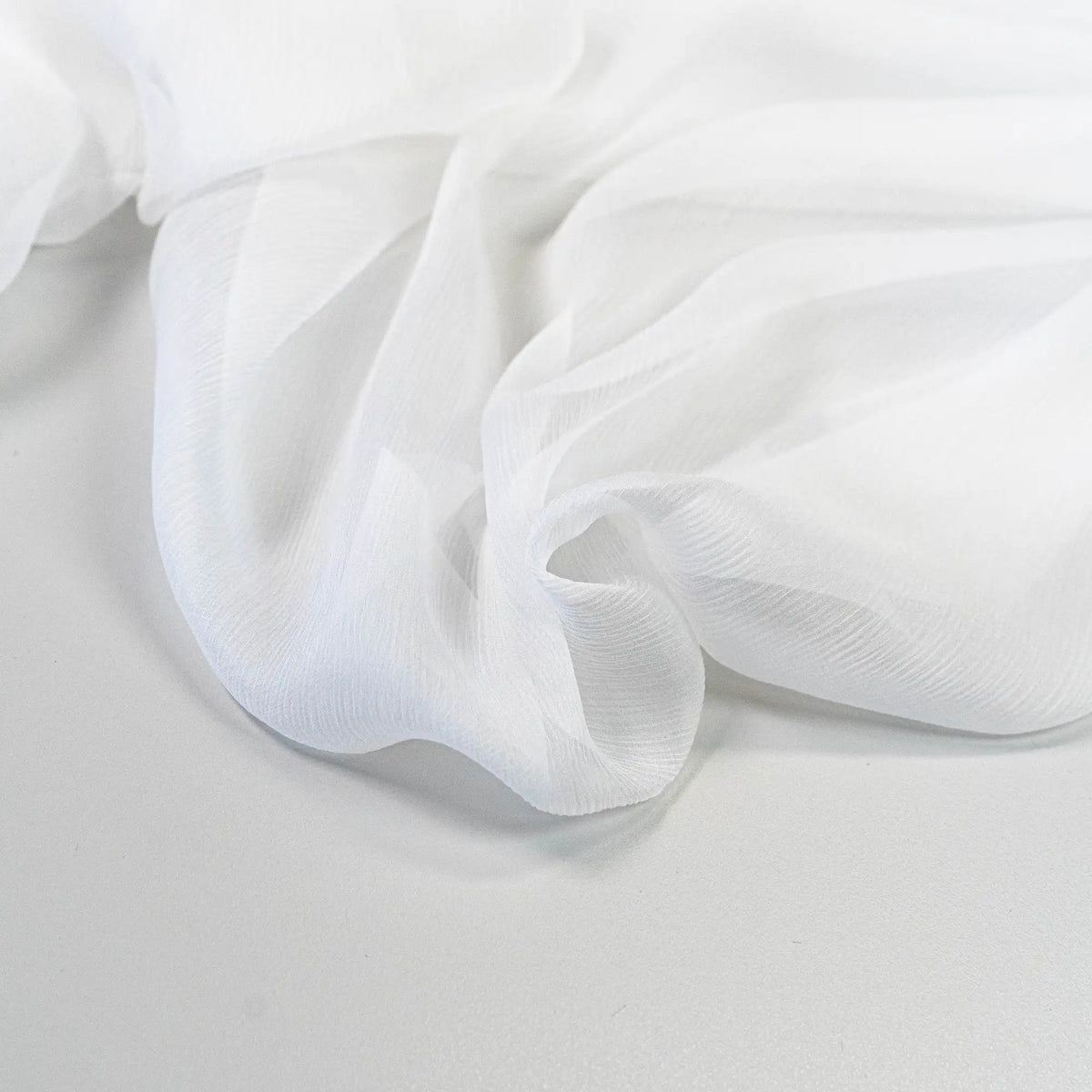
| Satin chiffon | Soft, with a gentle satin shine. Draped and gathered styles, soft layers. |
| Crinkle chiffon | Feather-light, with a soft crinkle. Scarves, sleeves and easy layers. |
| Lightweight | |
| Habotai | Smooth, with a light sheen. Linings, blouses and scarves. |
| Crepe de chine | Fluid, with a fine grainy texture. Blouses, shirts and slip dresses. |
| Sandwash satin | Soft satin with a matte side. Slips, blouses and lingerie. |
| Medium weight | |
| Dupion | Crisp, with natural slubs. Dresses, jackets, cushions and curtains. |
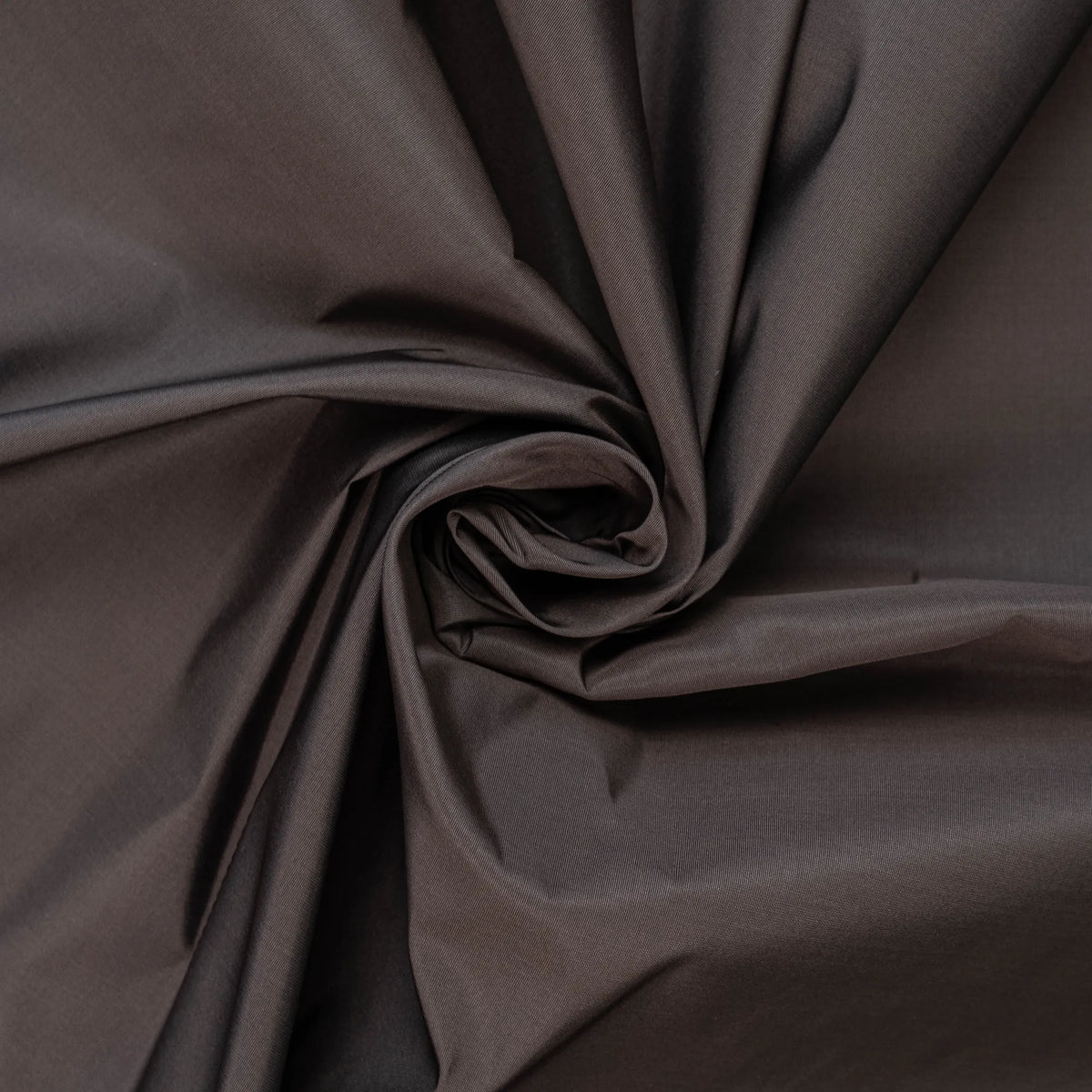
| Taffeta | Crisp and smooth, with a rustle. Full skirts and ball gowns. |
| Duchess satin | Very structured, with a low sheen. Sculptural bridal gowns and bodices. |
| Queen satin | Soft, but holds its shape. Voluminous couture and bridal gowns. |
| Heavyweight | |
| Crepe satin | Satin on one side, matte crepe on the other, with a weighty fall. Draped and bias-cut gowns. |
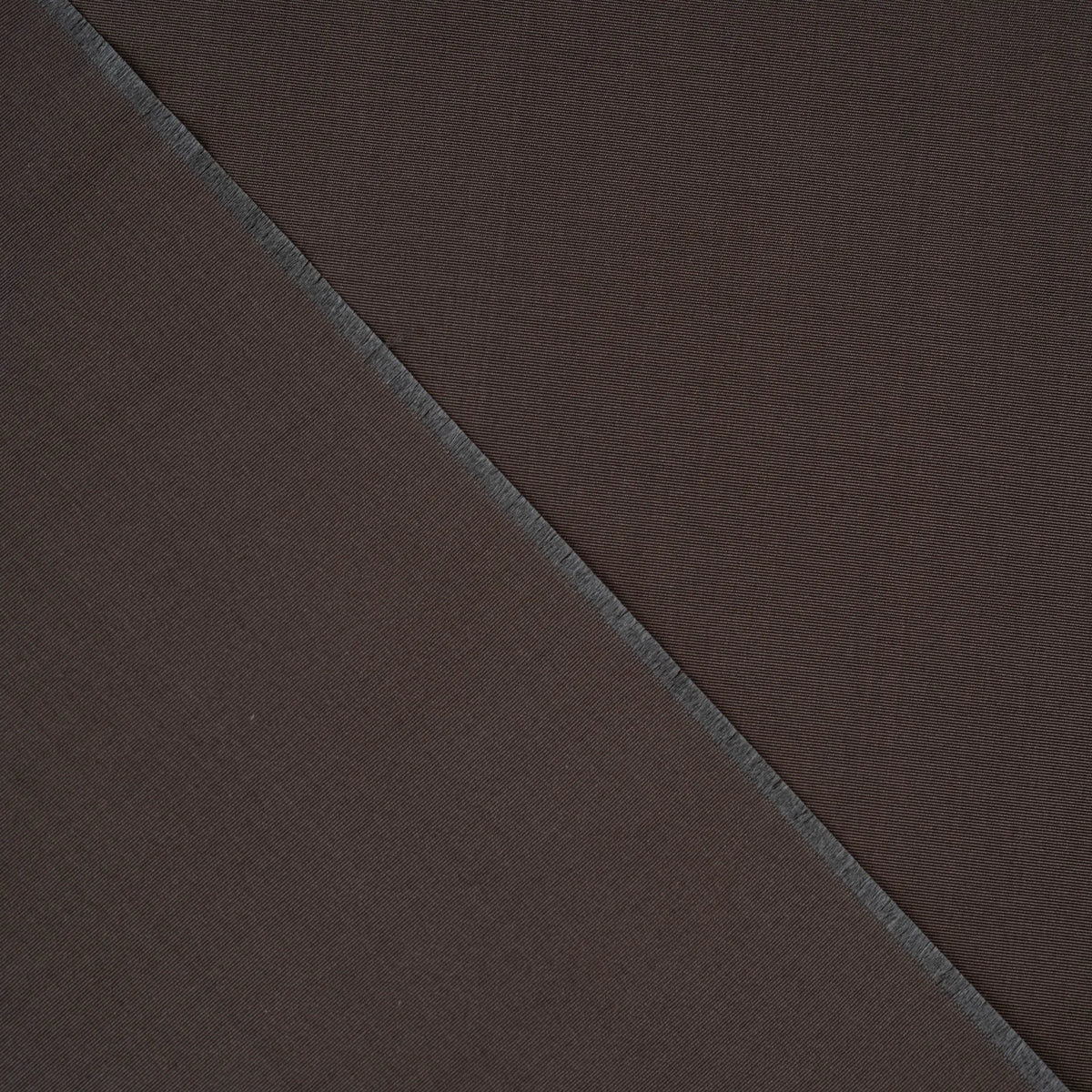
| Faille | Matte on both sides, with a soft fall. Dresses, skirts and pants. |
| Zibeline (mikado) | Firm, with a fine diagonal weave and a low sheen. Sculpted gowns and coats. |
| Silk jersey | A soft, heavy knit. Dresses, tops and loungewear. |
| Stretch | |
| Stretch satin | Silk with a little Lycra and a satin face. Fitted dresses, skirts and pants. |
| Stretch georgette | Georgette with a little stretch. Fitted tops and dresses. |
What is momme?
Momme (written mm) is how silk is weighed: the higher the number, the heavier and denser the silk. Our organza is 5.5 momme, satin chiffon 6.5, habotai 8.5, georgette 10, crepe de chine 16 and sandwash satin 19. One momme is about 4.3 gsm.
Which silk for your project?
| Making | Silks to try |
|---|---|
| Blouses and shirts | Crepe de chine, habotai or sandwash satin |
| Slip dresses | Sandwash satin or crepe de chine |
| Draped and bias-cut gowns | Crepe satin, with satin chiffon or georgette over it |
| Structured gowns | Duchess or queen satin, zibeline or taffeta |
| Floaty skirts, sleeves and scarves | Georgette, satin chiffon or crinkle chiffon |
| Fitted styles | Stretch satin or stretch georgette |
| Linings | Habotai or crepe de chine |
| Body and support | Organza, as a hidden layer inside the garment |
| Cushions and curtains | Dupion |
Cutting
- Cut slippery silks as a single layer, on a large, clean table. Laying them on paper or a cotton sheet stops them sliding.
- Use pattern weights, or pin only inside the seam allowance: pins can mark satins.
- Use sharp scissors or a rotary cutter, and mark on the wrong side with tailor's chalk, tested on a scrap first.
Sewing
- Use a fresh, fine needle: size 60 or 70 for sheer and lightweight silks, 70 or 80 for medium and heavy ones.
- Choose the thread to suit the silk: a fine mercerised cotton for sheer and lightweight silks (polyester is stronger, but it can make fine silk pucker), a good-quality polyester or mercerised cotton for medium and heavy silks, and polyester for stretch silks, as it has a little give. Silk thread is lovely for tacking and hand sewing.
- On lightweight silks, sew with a short straight stitch, 1.5 to 2 mm. Sew over tissue paper if it catches.
- A walking foot, if you have one, feeds the layers evenly so they don't shift. A single-hole (straight-stitch) needle plate stops fine silk being pushed down into the machine.
- To start a seam, hold the needle and bobbin threads taut behind the foot, and turn the wheel by hand for the first stitch.
- As you sew, hold the silk gently taut in front of and behind the needle, like an embroidery hoop, but let the machine feed it: don't pull it through.
- French seams are the neatest finish on sheer and lightweight silks: the raw edges are tucked away inside. On crisp sheers like organza, a flat-felled seam works well too.
- Sew a test seam first, and try not to unpick: needle holes can show on satin.
- Let bias-cut pieces hang overnight before you hem them, as the fabric can drop a little.
- Handle silk with clean, dry hands.
Hems
Each silk has its own best hem: a hand-rolled hem on chiffon, georgette and habotai; a machine baby hem on blouses and slips; a deep bound or faced hem on duchess, queen satin, taffeta and other structured silks; and a single-turn hem with a stretchy hand stitch on jersey and stretch satin. Each fabric's guide has the details.
Pressing
Press from the wrong side on the silk setting, through a pressing cloth, with no steam: water drops can leave marks. Test on a scrap first.
Questions
What is mulberry silk?
Silk from silkworms raised on mulberry leaves. It has long, fine, even fibres, which give a smooth, lustrous fabric.
What does momme mean?
Momme is how silk is weighed. The higher the number, the heavier the silk: our organza is 5.5 momme and our sandwash satin 19 momme.
Which silk is best for a blouse?
Crepe de chine is fluid and easy to sew, habotai is light and smooth, and sandwash satin gives a soft satin finish.
Which silk is easiest to sew?
Dupion and organza stay put, so they're the easiest to start with. Of the lightweight silks, crepe de chine is the easiest.
How wide are your silks?
Most are 137 cm wide. Each product shows its width.
Wholesale for fashion labels, bridal studios and designers buying in bulk. Apply for an account