

Daywear Fabric
Fabric for everyday clothes: breathable linen and silk cotton voile, soft silks and silk jersey, plant-fibre banana and rose petal fabrics, and dupion and wool blends with more body.
- Linen, voile and plant fibres
- Soft silks and silk jersey
- Dupion and wool blends




 Sold out


Guide
Daywear Fabric: How to Choose and Sew It
Silk, linen and more for everyday clothes: which fabric suits each piece, and easy tips for sewing shirts, dresses and pants at home.
Which fabric for your project?
Our daywear fabrics, grouped by how they feel to wear.
| Light and breathable | |
|---|---|
| Linen | 100% linen, mid weight, 135 cm. It softens with wash and wear. Great for: shirts, pants, dresses and jackets. |
| Silk cotton voile | 30% silk, 70% cotton: light, with a low sheen. Great for: shirts, summer dresses and linings. |
| Banana peel fabric | Plant fibre with a silky handle and a slight sheen. Great for: tops and summer dresses. |
| Rose petal satin | Plant fibre with a satin face and a soft drape. Great for: shirts and slip dresses. |
| Soft silks | |
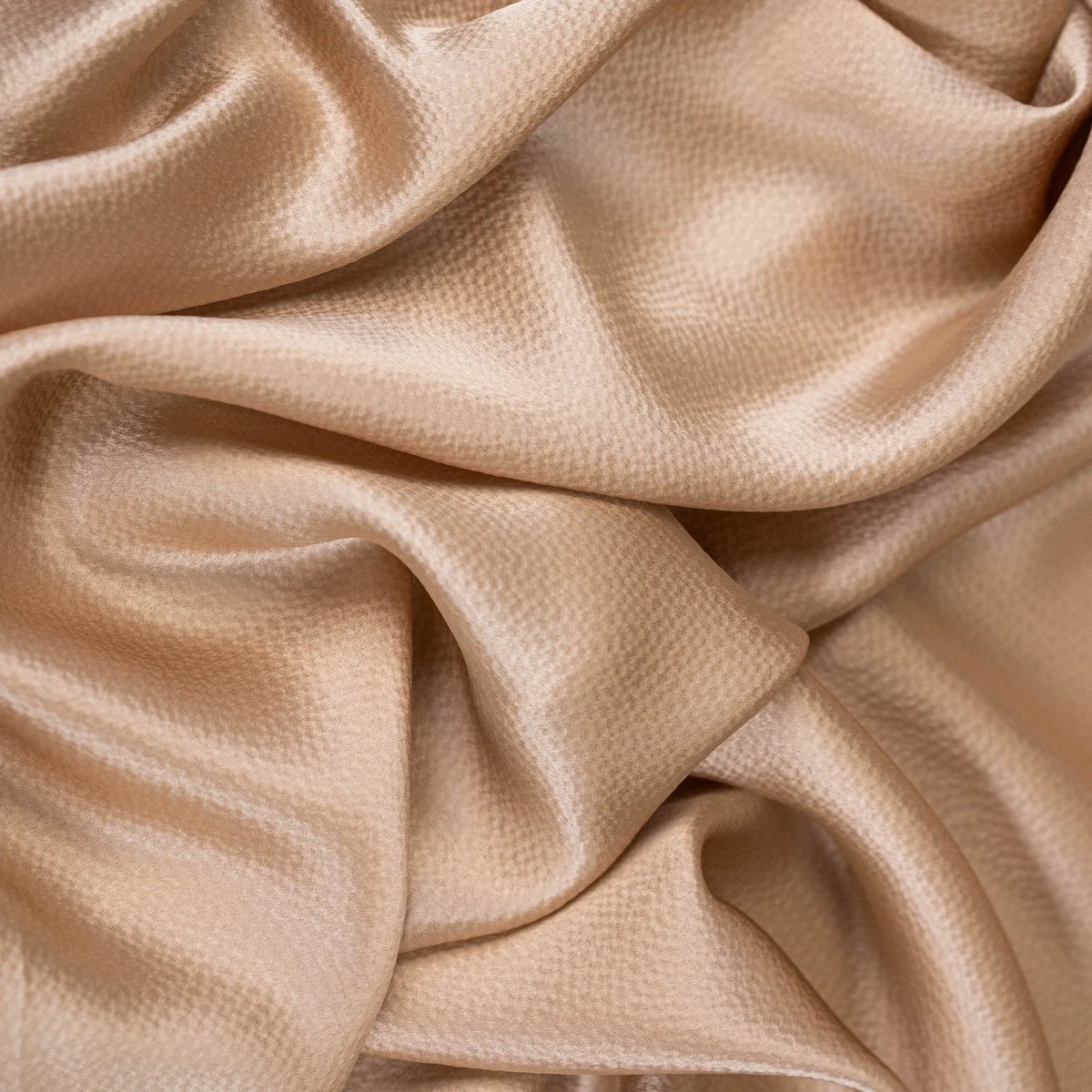
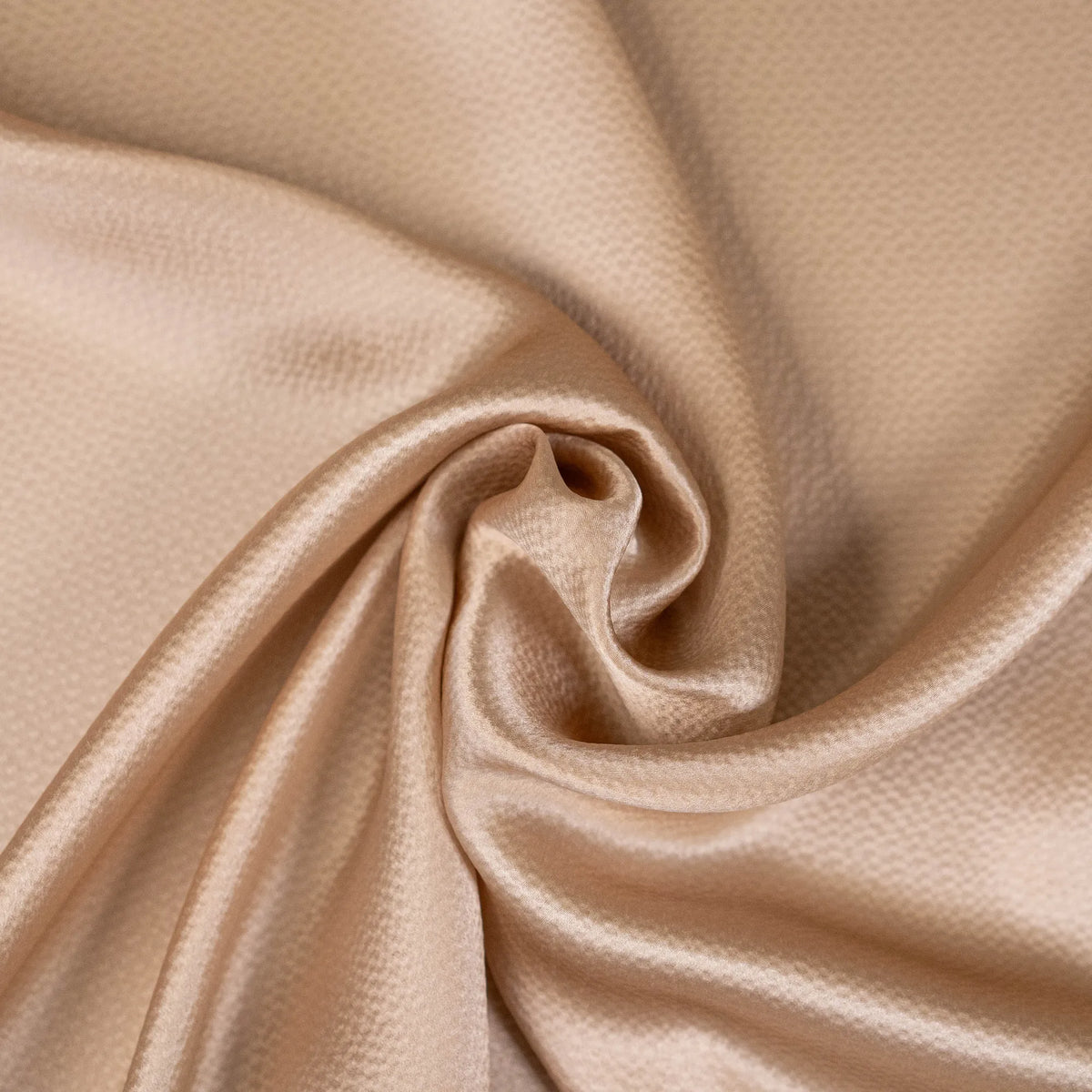
| Sandwash satin | Soft silk satin with a matte reverse. Great for: blouses, skirts and slip dresses. |
| Habotai | Light and smooth. Great for: scarves, linings and light tops. |
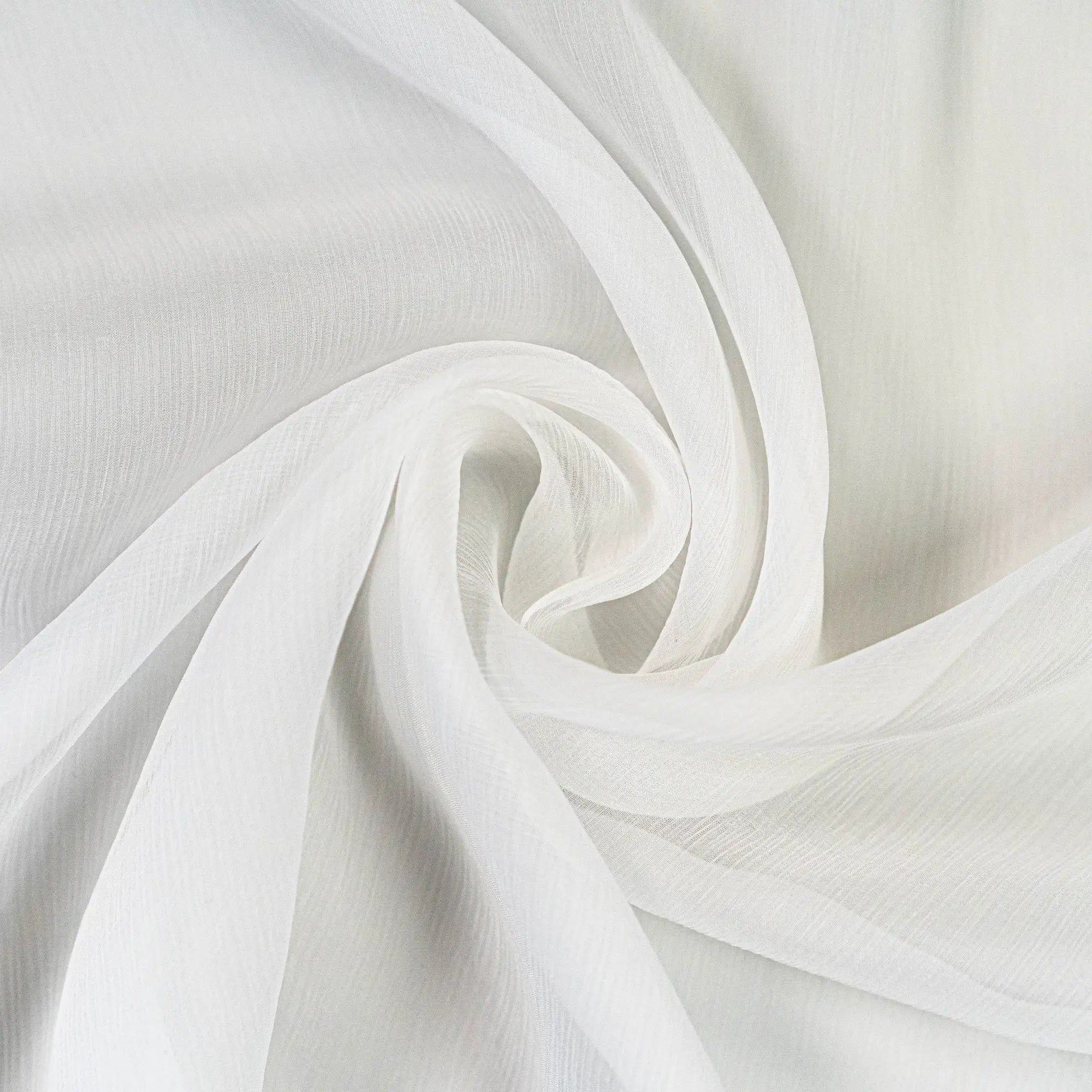
| Satin chiffon | Light and semi-sheer, with a satin lustre. Great for: floaty blouses and skirts. |
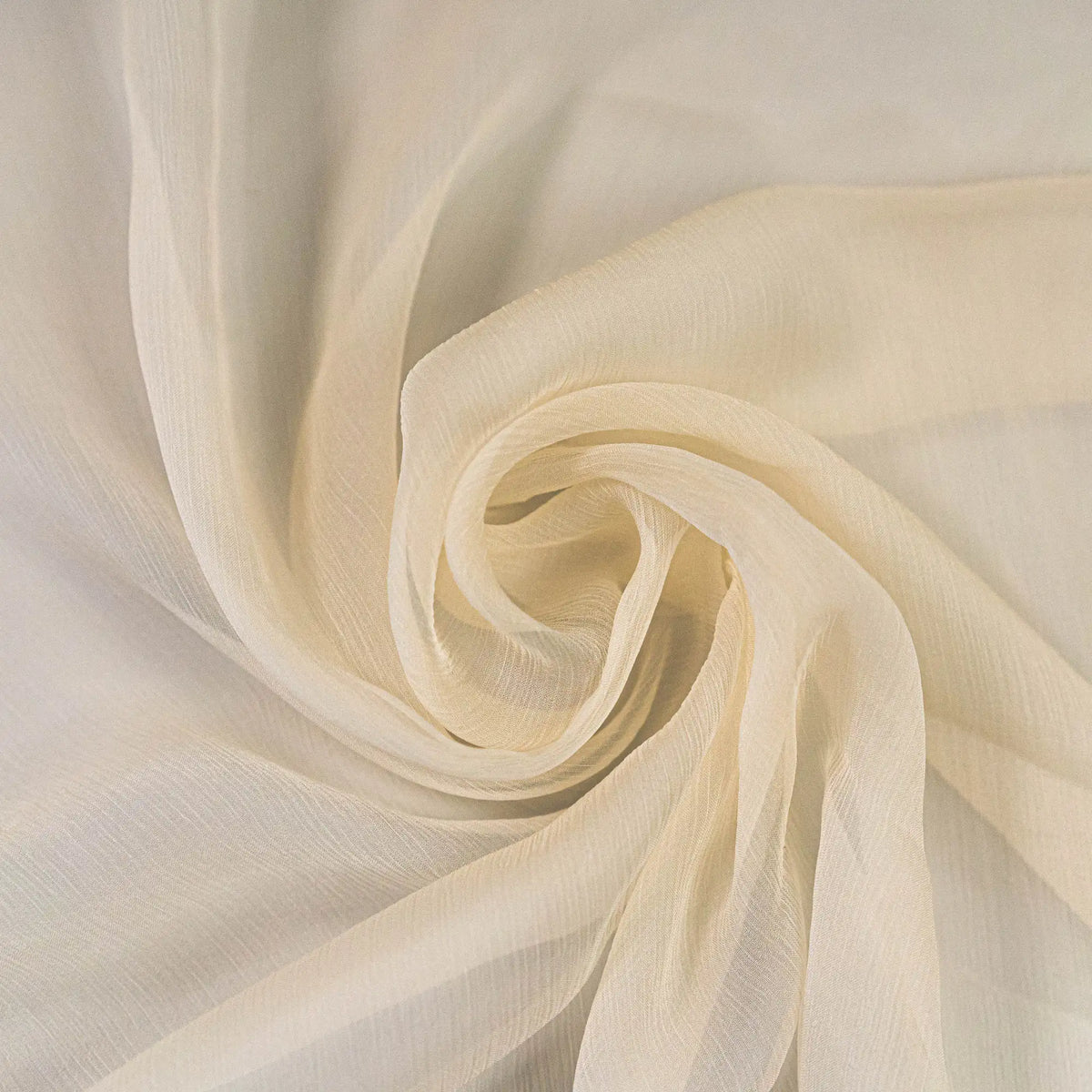
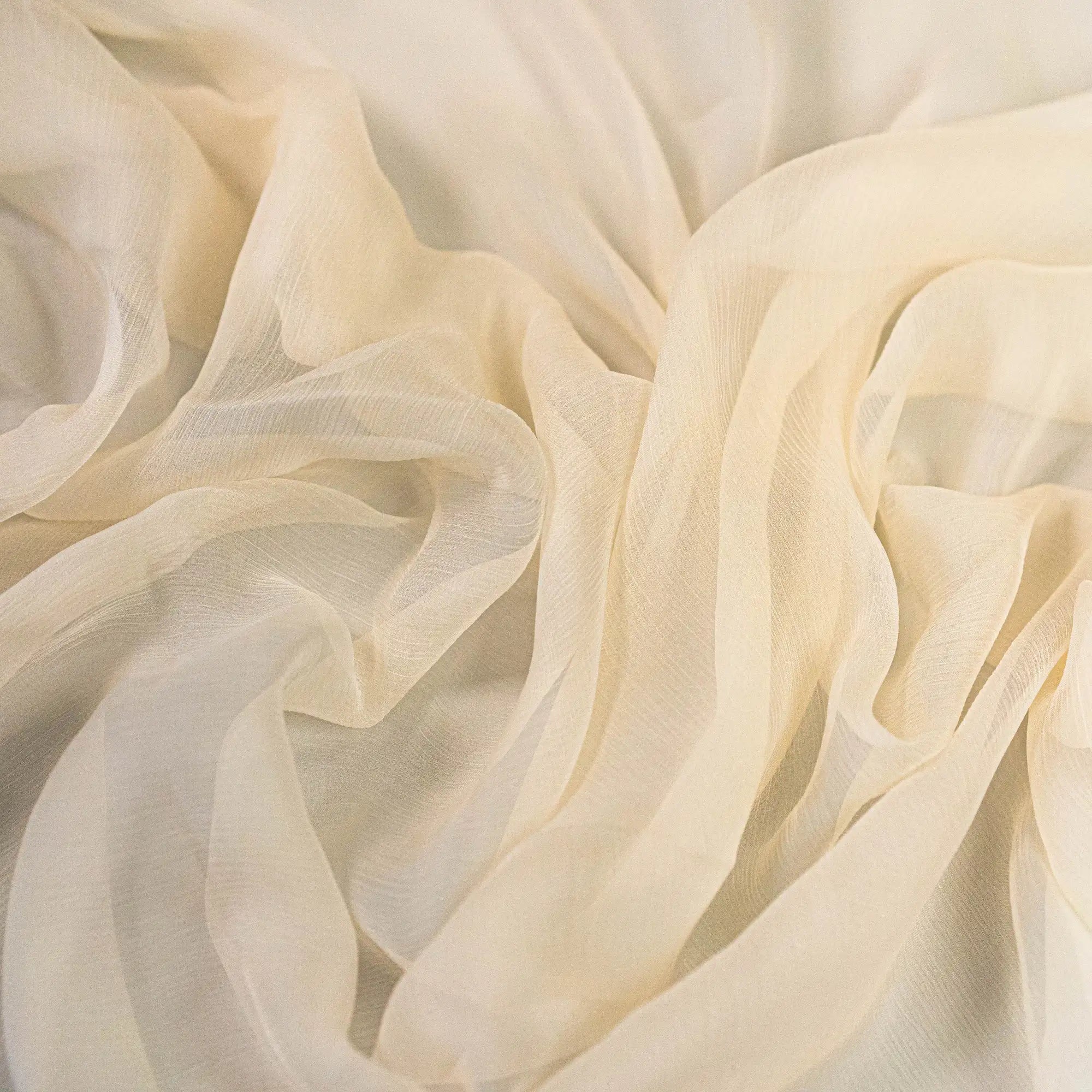
| Crinkle chiffon | Feather-light, with a soft crinkle. Great for: easy, floaty tops. |
| Silk jersey | A soft silk knit. Great for: tops, pants and dresses. |
| With more body | |
| Dupion | Crisp, with natural slubs. Great for: structured dresses, skirts and jackets. |
| Wool blends | Italian wool crepe, tweed and bouclé. Great for: jackets, skirts and tailored pants. |
What to make with it
- Shirts and blouses
- Summer dresses and skirts
- Pants and shorts
- Jackets
- Tops and tees in silk jersey
- Scarves
Cutting
- Cut slippery silks as a single layer, with pattern weights or pins only inside the seam allowance.
- Linen and dupion fray, so finish the cut edges soon after cutting.
- Satin looks different from each direction, so cut every piece facing the same way.
Sewing
- Light silks and voile: use a fresh, fine needle (size 60 or 70) and a fine mercerised cotton thread. Polyester thread is stronger, but it can make fine silk pucker. Silk thread is lovely for tacking and hand sewing. French seams give a neat, soft finish inside.
- Linen: use a fresh needle (size 80 or 90) and a good-quality polyester thread, with a 2.5 mm stitch. Flat-felled seams are strong and neat on shirts and pants.
- Dupion and wool blends: use a fresh needle (size 70 or 80) and a good-quality polyester or mercerised cotton thread. Silk thread is lovely for tacking and hand sewing.
- Silk jersey: use a fresh stretch needle (size 70) and a good-quality polyester thread, which has a little give, so the seams stretch without snapping. Sew with a narrow zigzag or a stretch stitch, and let the fabric feed through on its own without pulling it.
Hems
- Linen: a double-fold hem: turn up 1 cm, then 3 to 4 cm, and topstitch it, or slipstitch it by hand for an invisible finish.
- Voile, sandwash satin and habotai: a machine baby hem: press up 1 cm, stitch close to the fold, trim the allowance right up to the stitching, then turn it once more and stitch again.
- Chiffon: a hand-rolled hem.
- Dupion: a bound hem: turn up 4 to 5 cm, wrap the raw edge in a bias strip of silk habotai, and blindstitch it by hand.
- Silk jersey: turn up once, 2 to 3 cm, and sew by hand with a loose figure-eight stitch, or use a twin needle.
Colour matching
Colours look different on every screen, so we always recommend ordering samples before you buy.
Pressing
- Linen: a hot iron and steam, while the fabric is slightly damp, through a pressing cloth so it doesn't go shiny.
- Voile: the silk setting, on the reverse, while slightly damp, with light or no steam.
- Light silks and satins: a dry iron on the silk setting, on the wrong side, through a pressing cloth. Satin marks easily, so test on a scrap first.
- Dupion: the same, with no steam or water spray, as water drops can leave marks.
- Crinkle chiffon: try not to press it flat, or you'll lose the crinkle.
Questions
What is the best fabric for summer clothes?
Linen and silk cotton voile are light and breathable, and our banana peel and rose petal fabrics are plant fibres with a silky handle.
Which silk is good for a shirt?
Silk cotton voile makes light, crisp shirts, and sandwash satin gives a softer, fluid blouse.
Does linen soften?
Yes. Our linen has a slightly stiff handle at first and softens with wash and wear.
What thread should I use for linen?
A good-quality polyester thread, with a fresh size 80 or 90 needle.
Wholesale for fashion labels, bridal studios and designers buying in bulk. Apply for an account