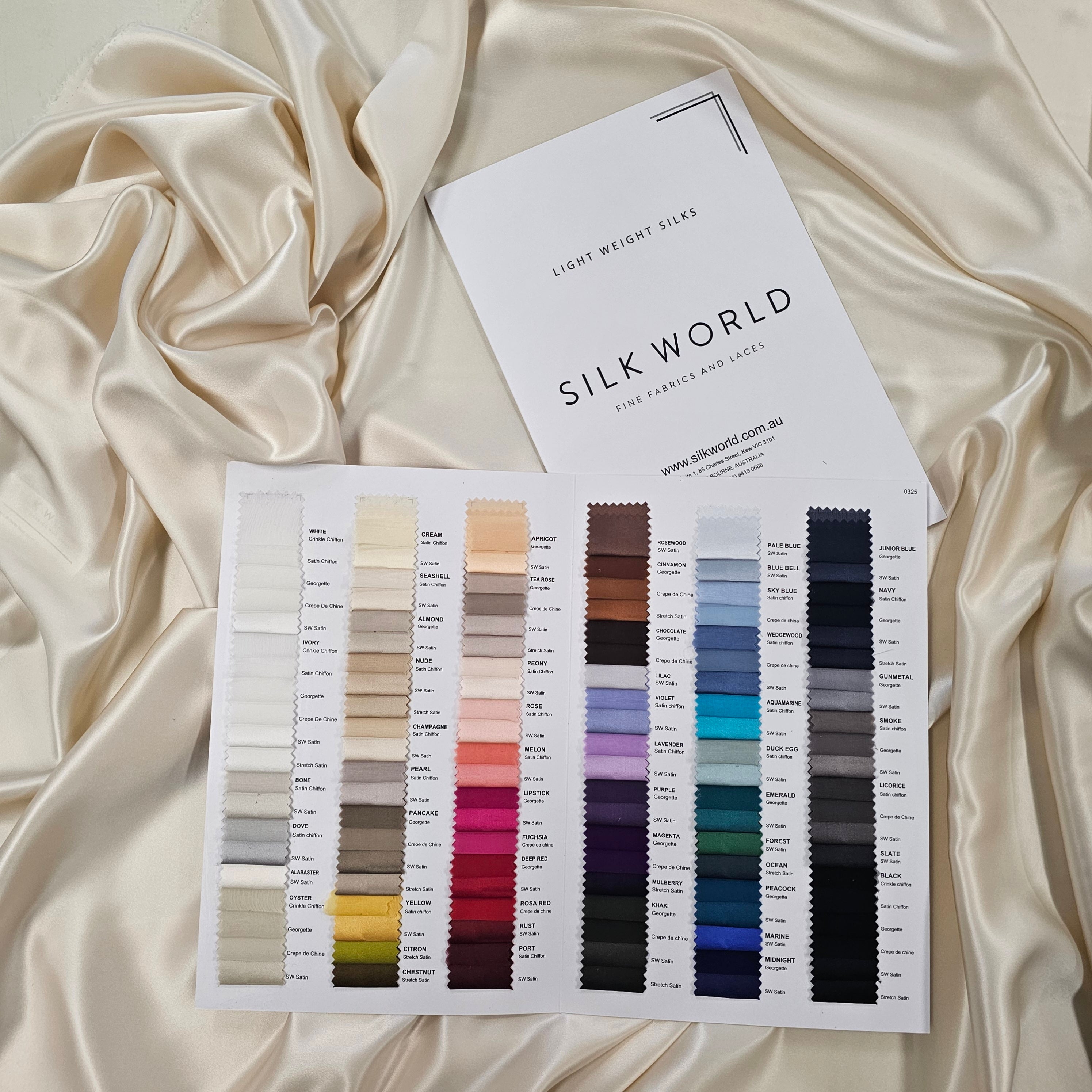
Faux Acetate Satin
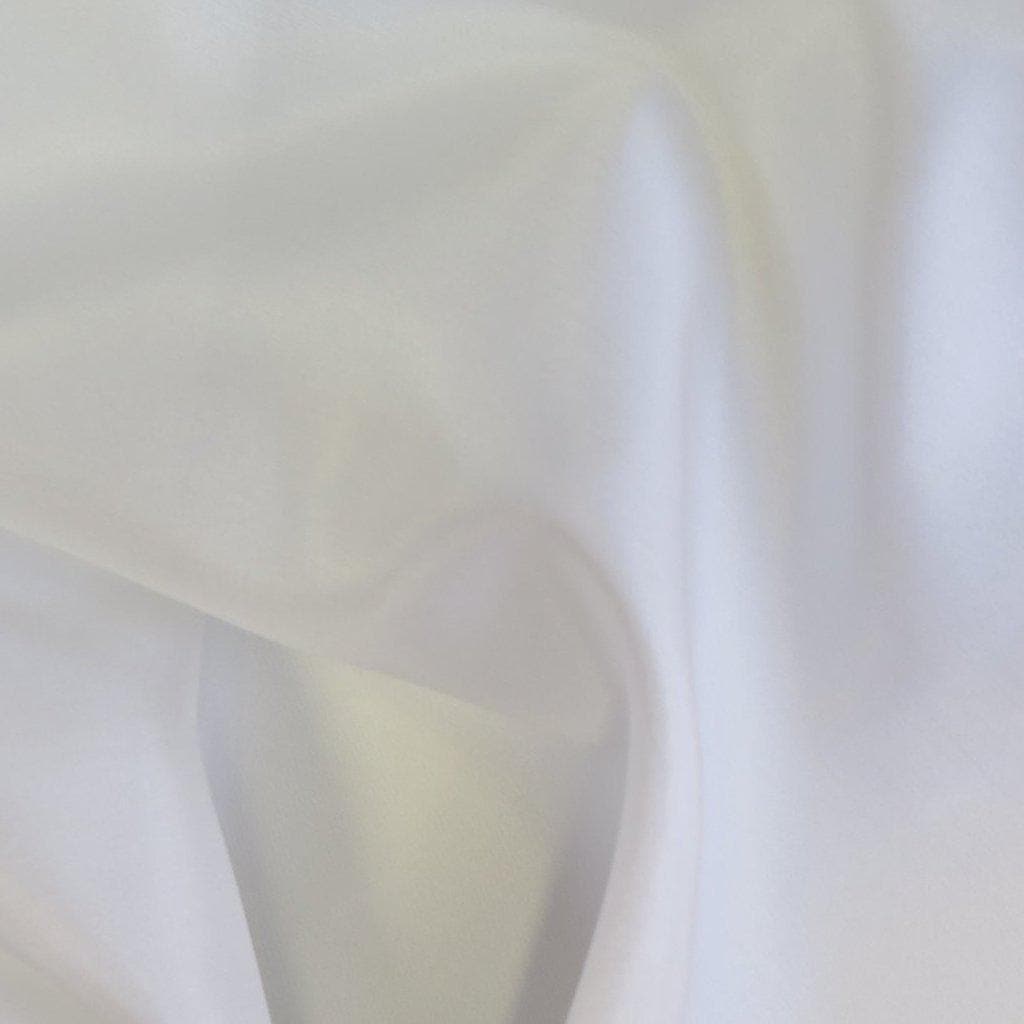
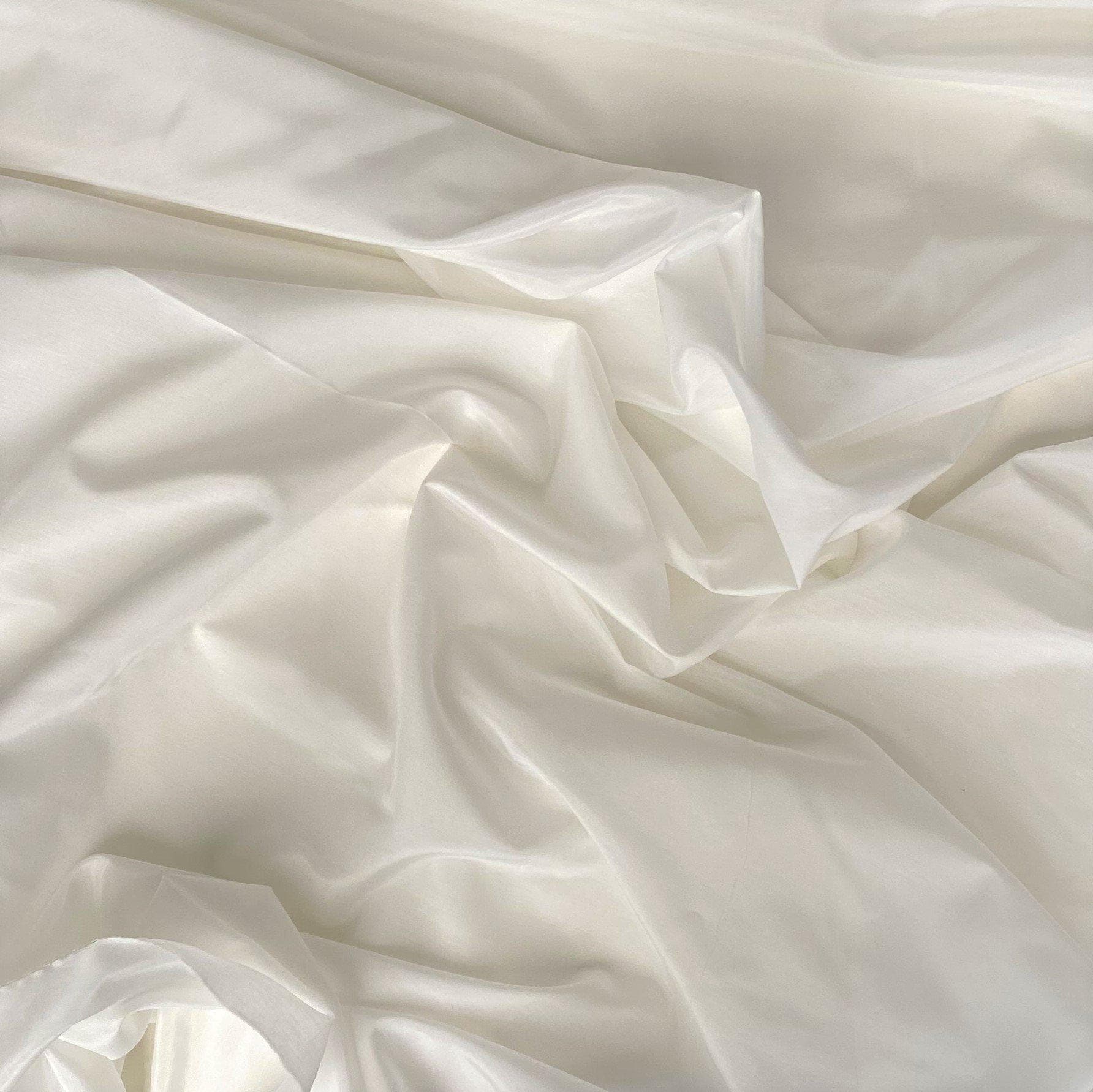
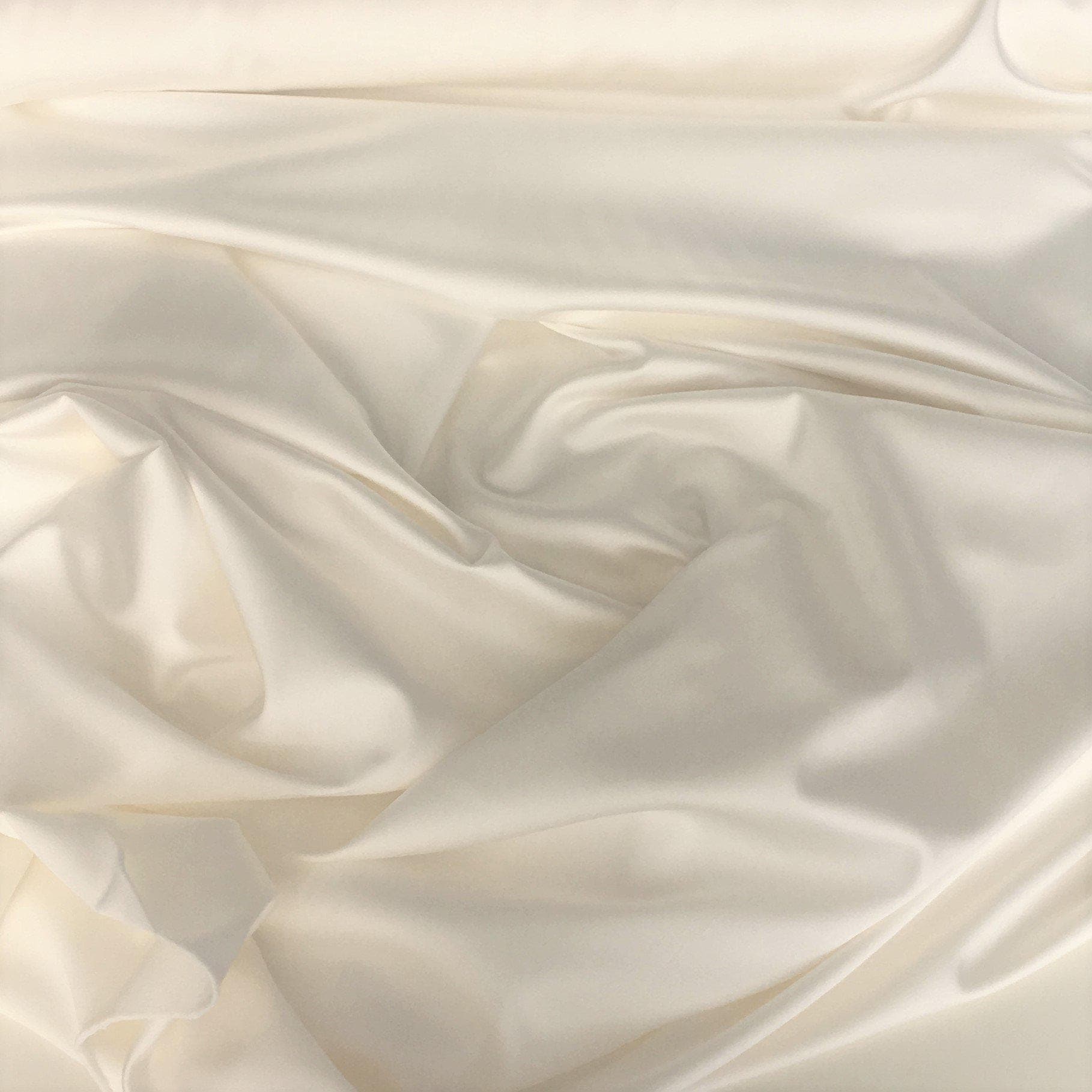
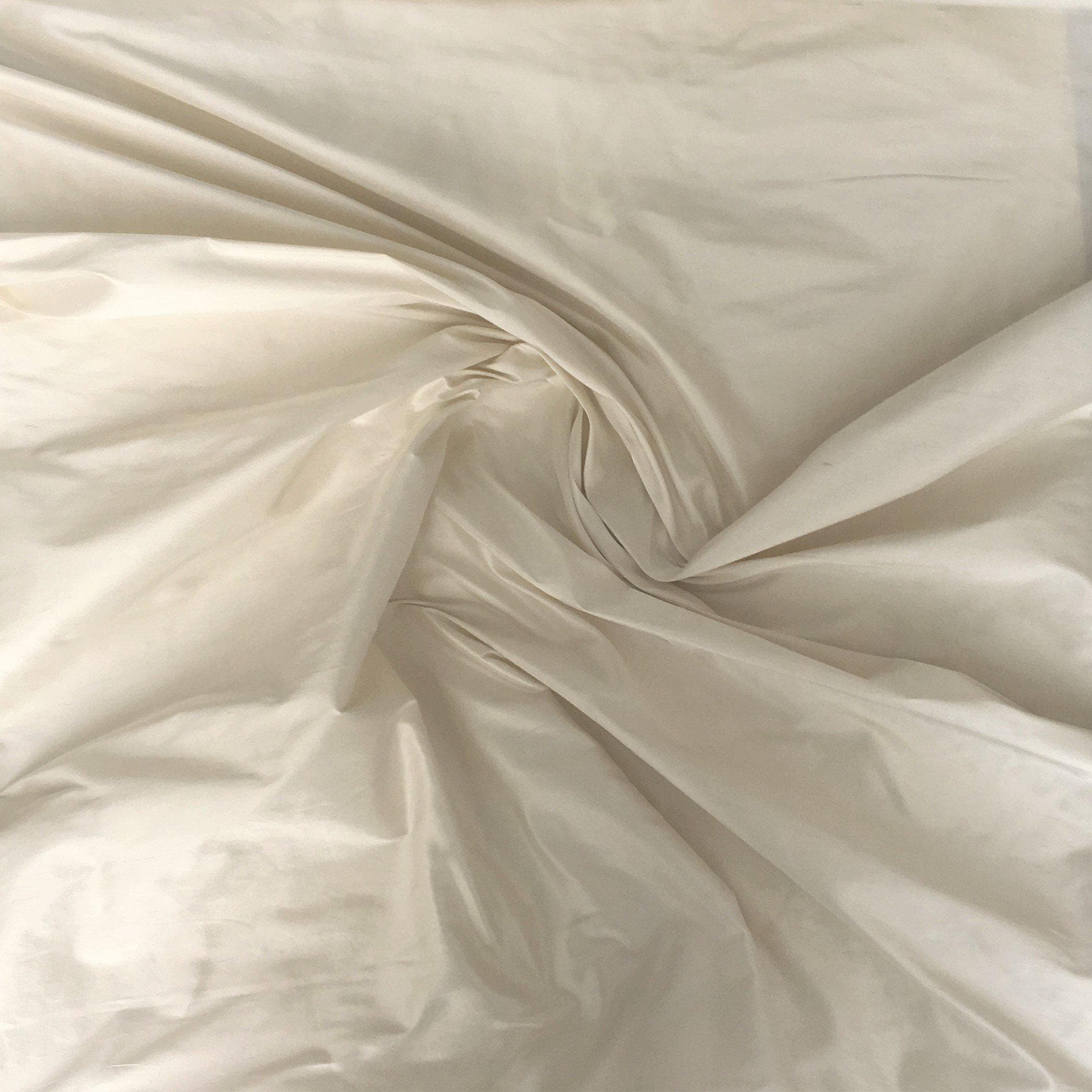
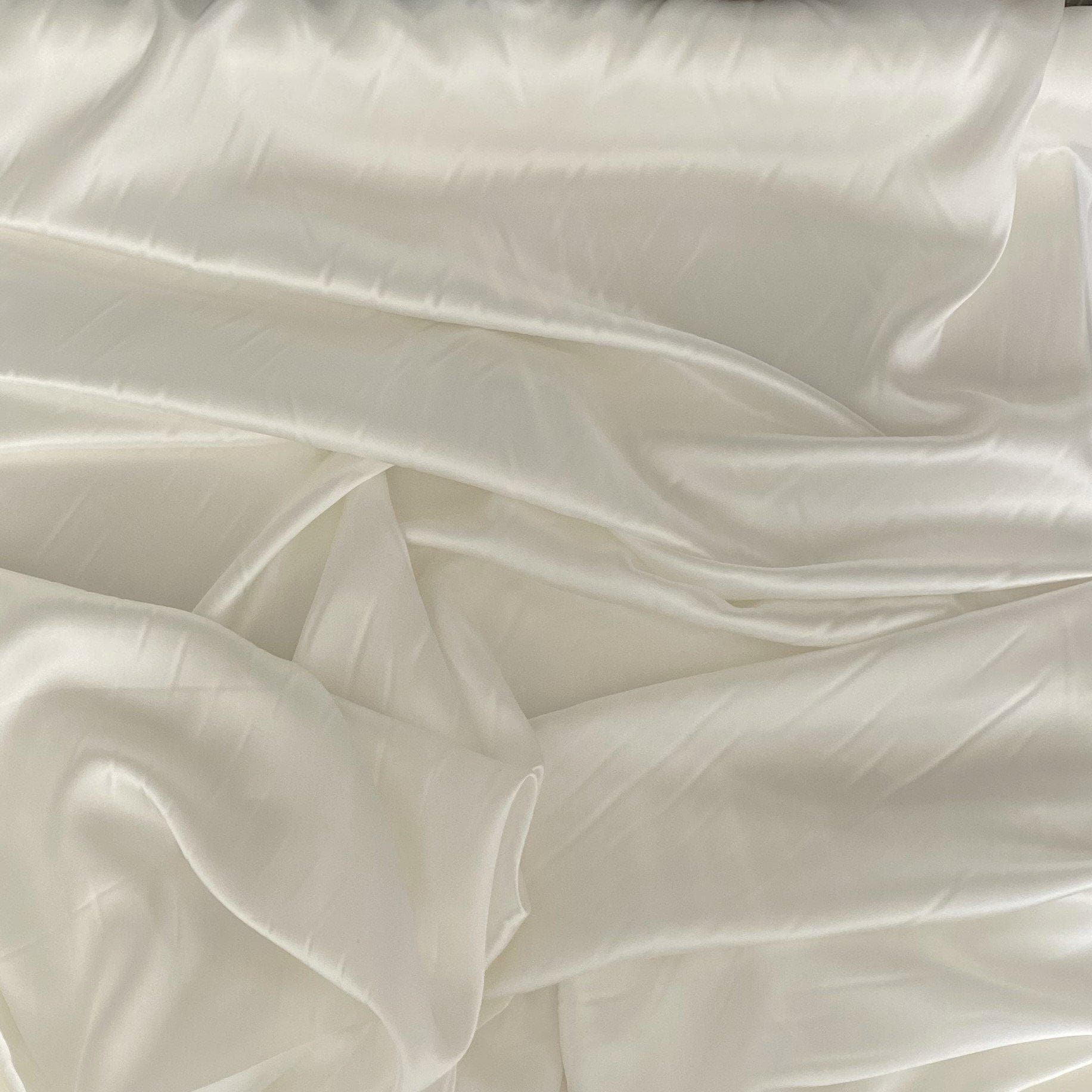
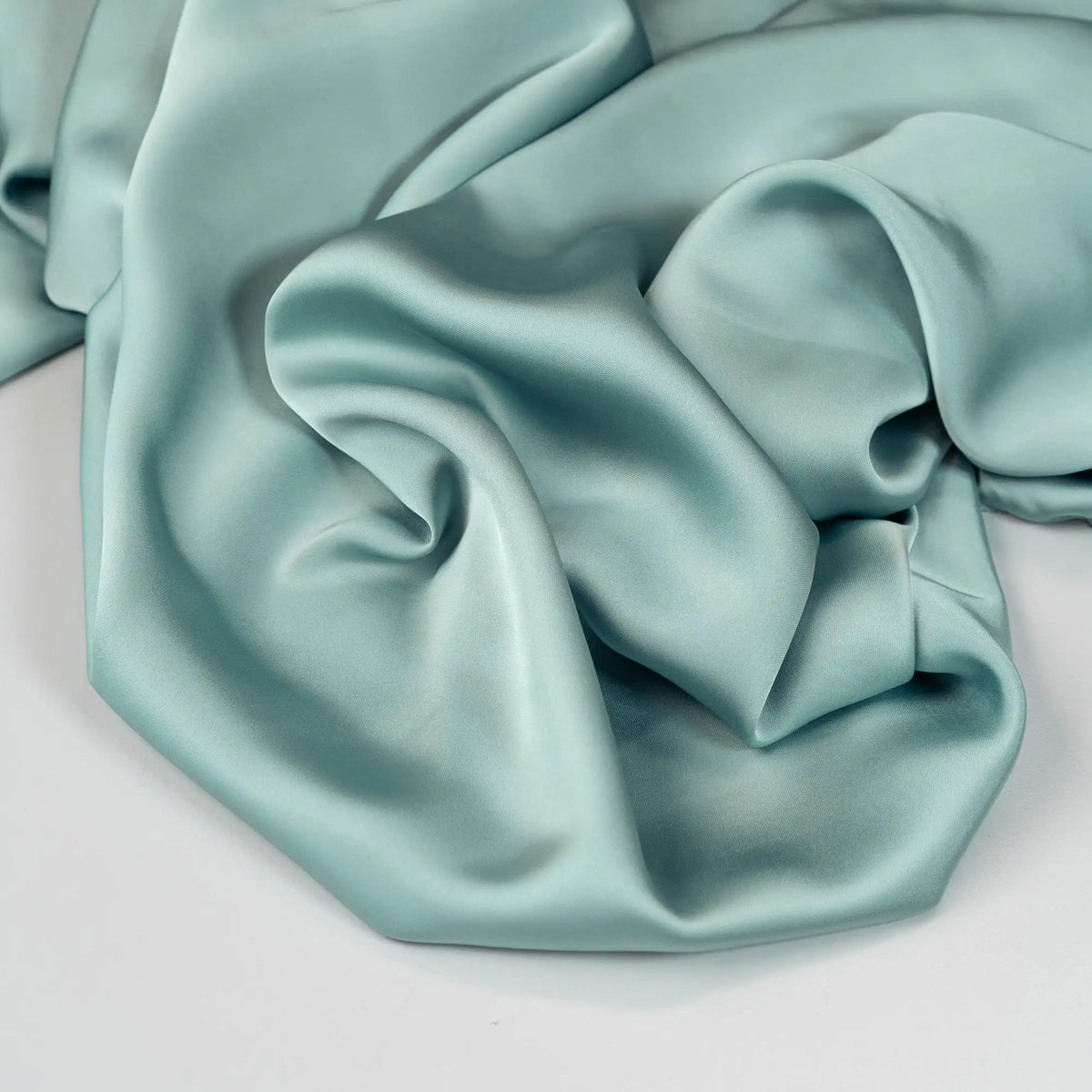
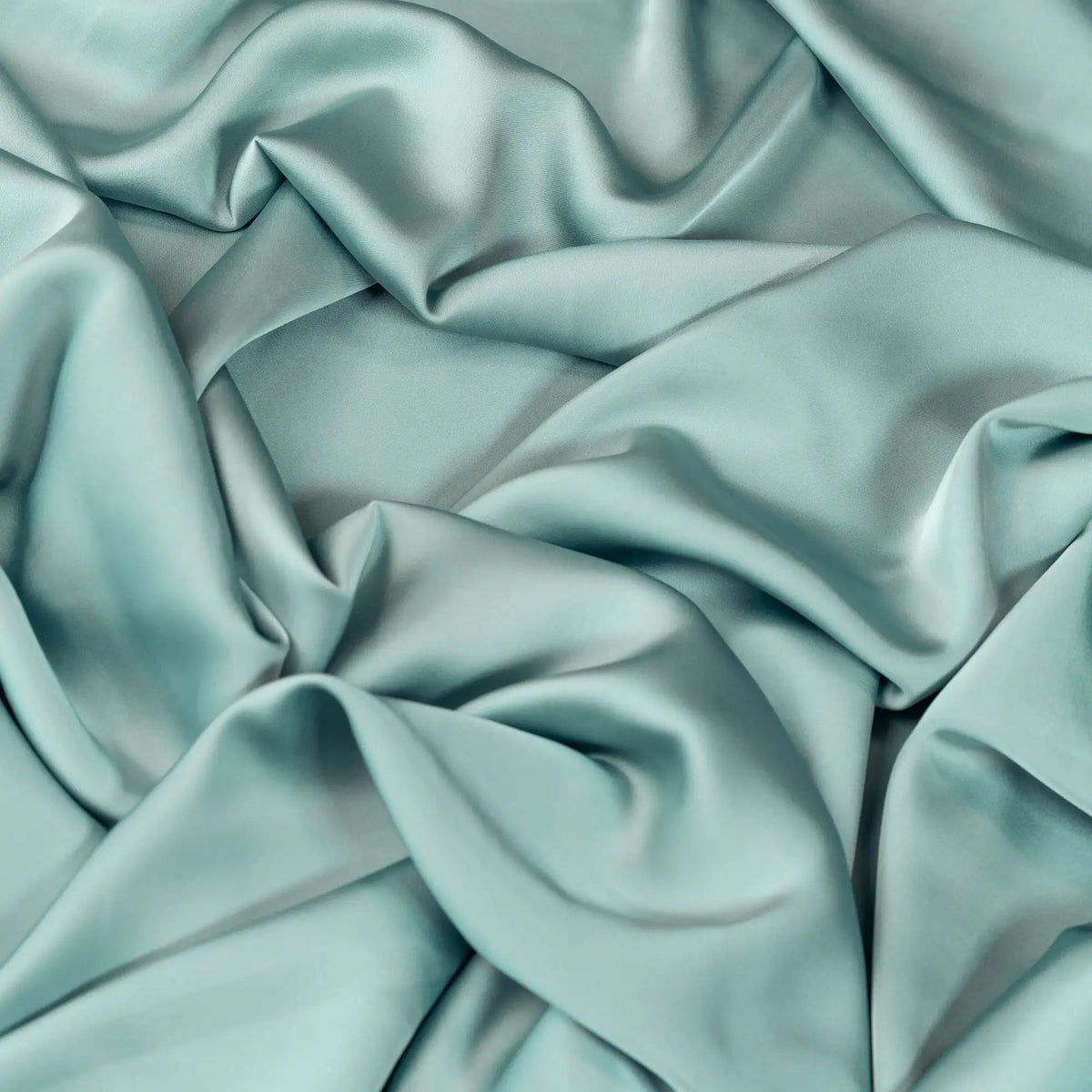
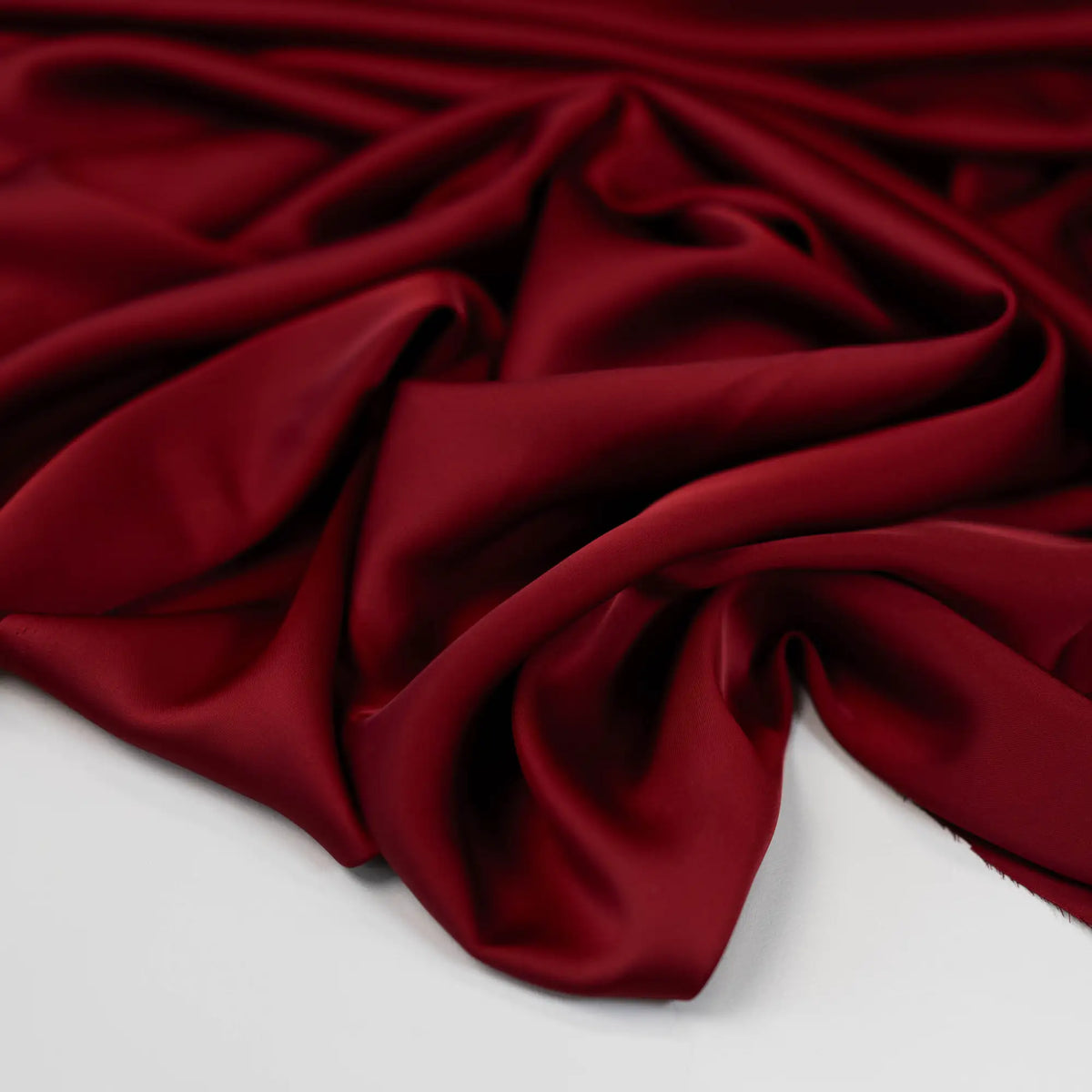
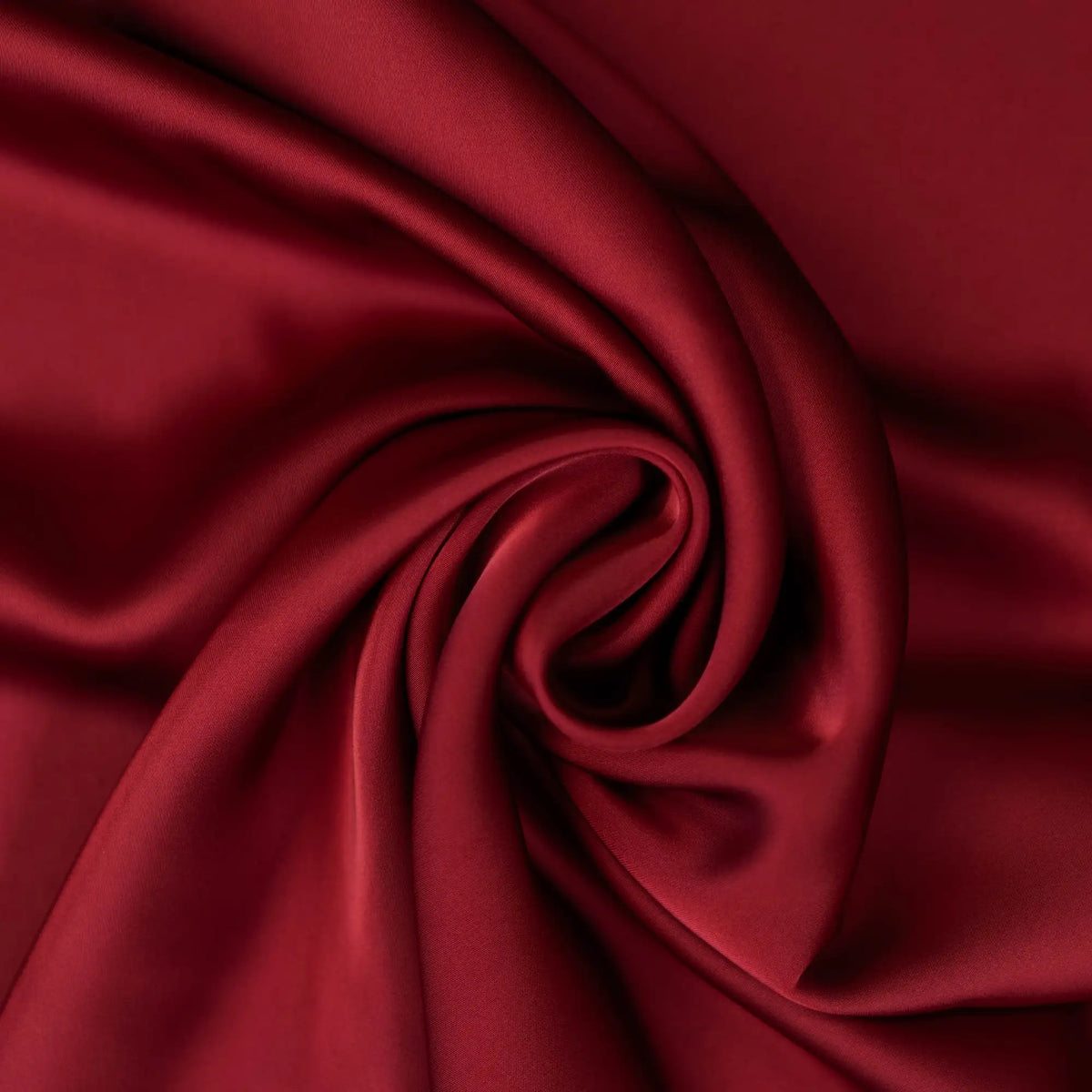
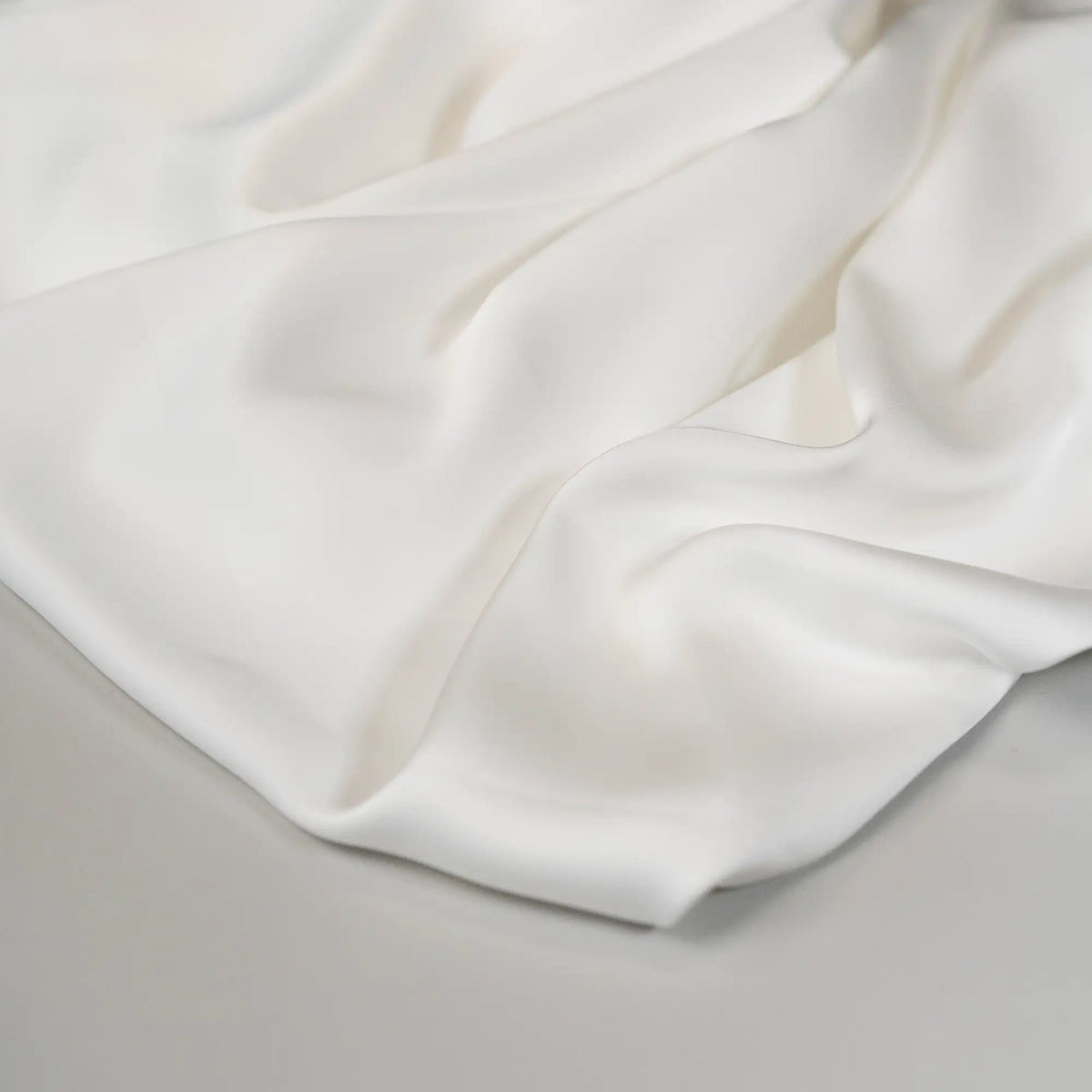
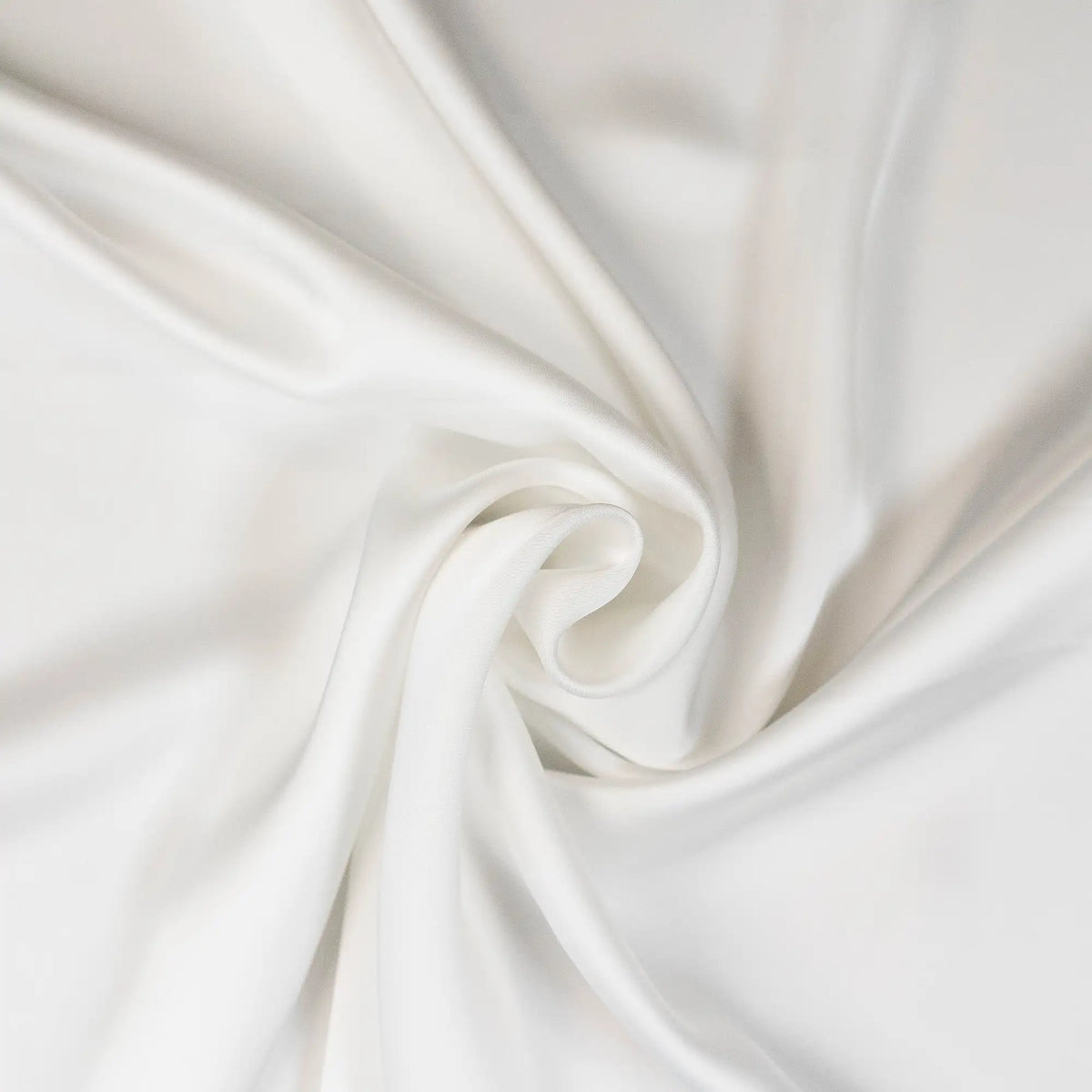
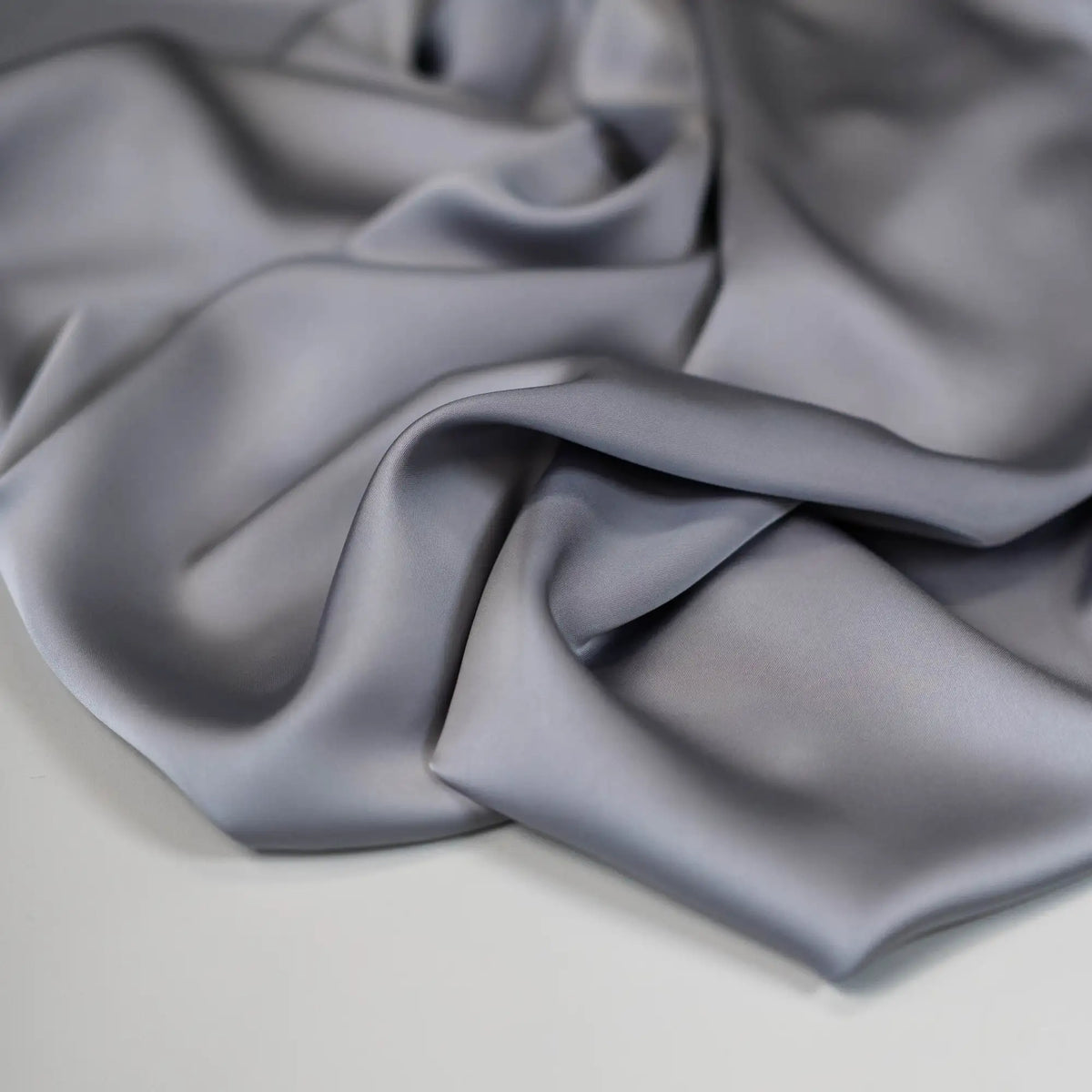
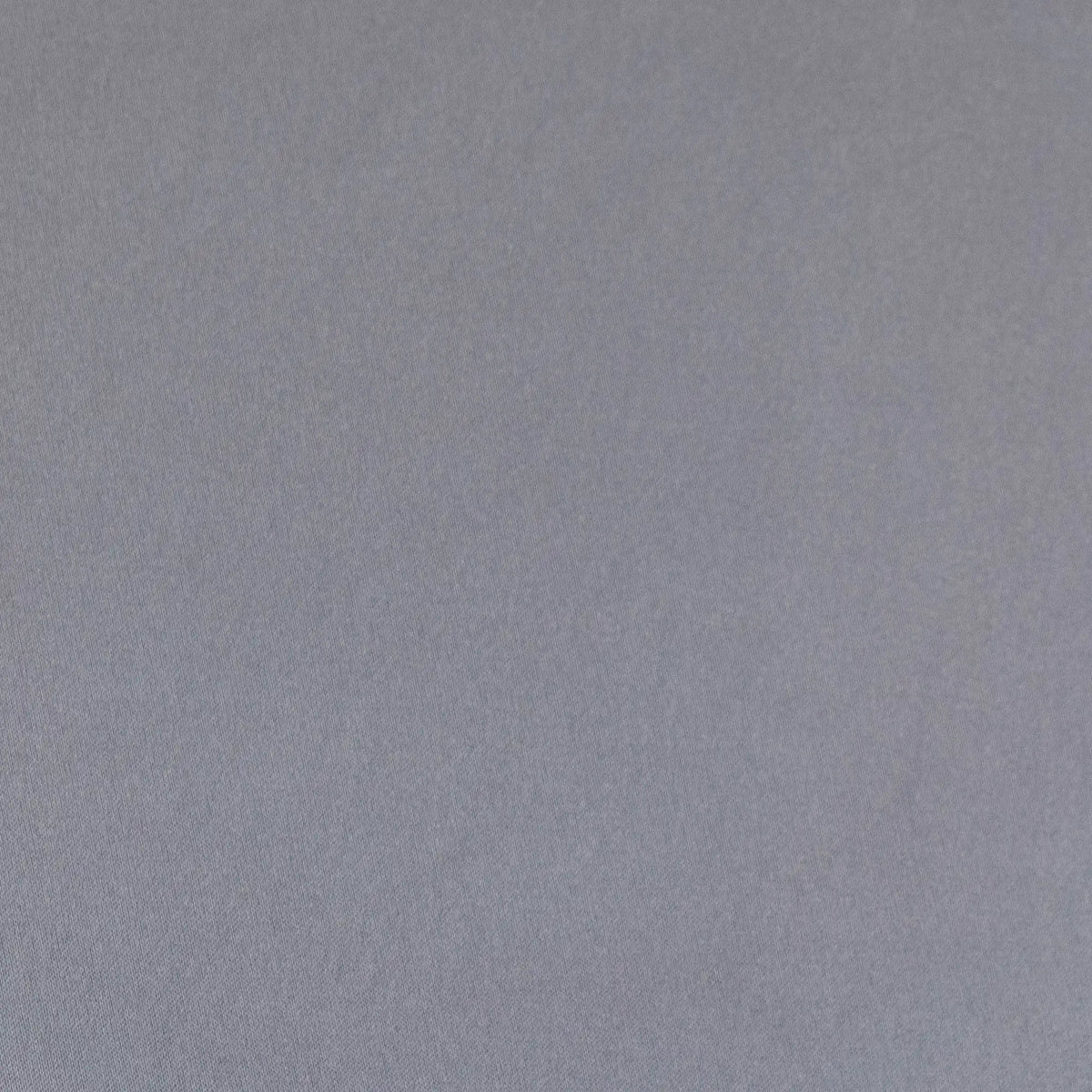
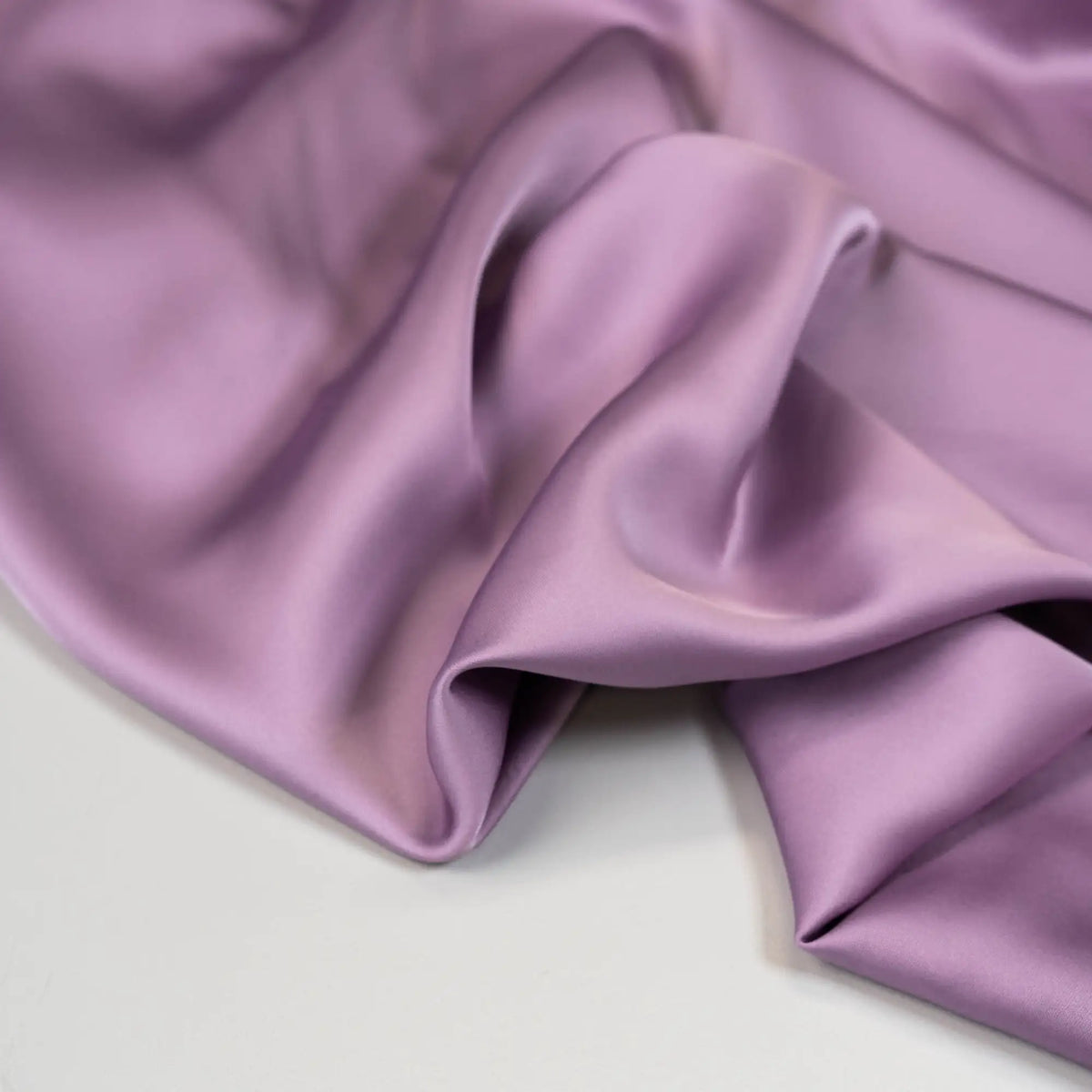
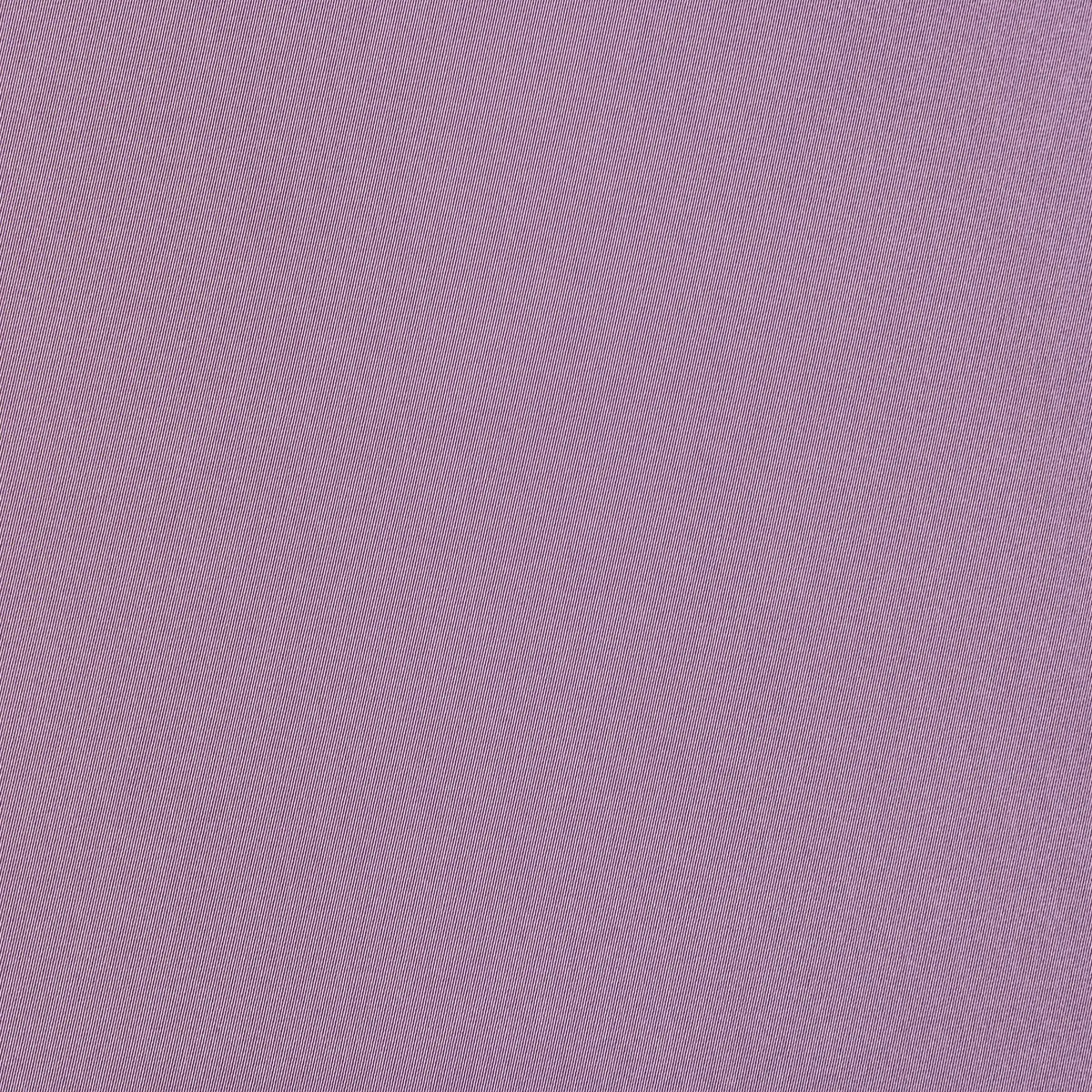
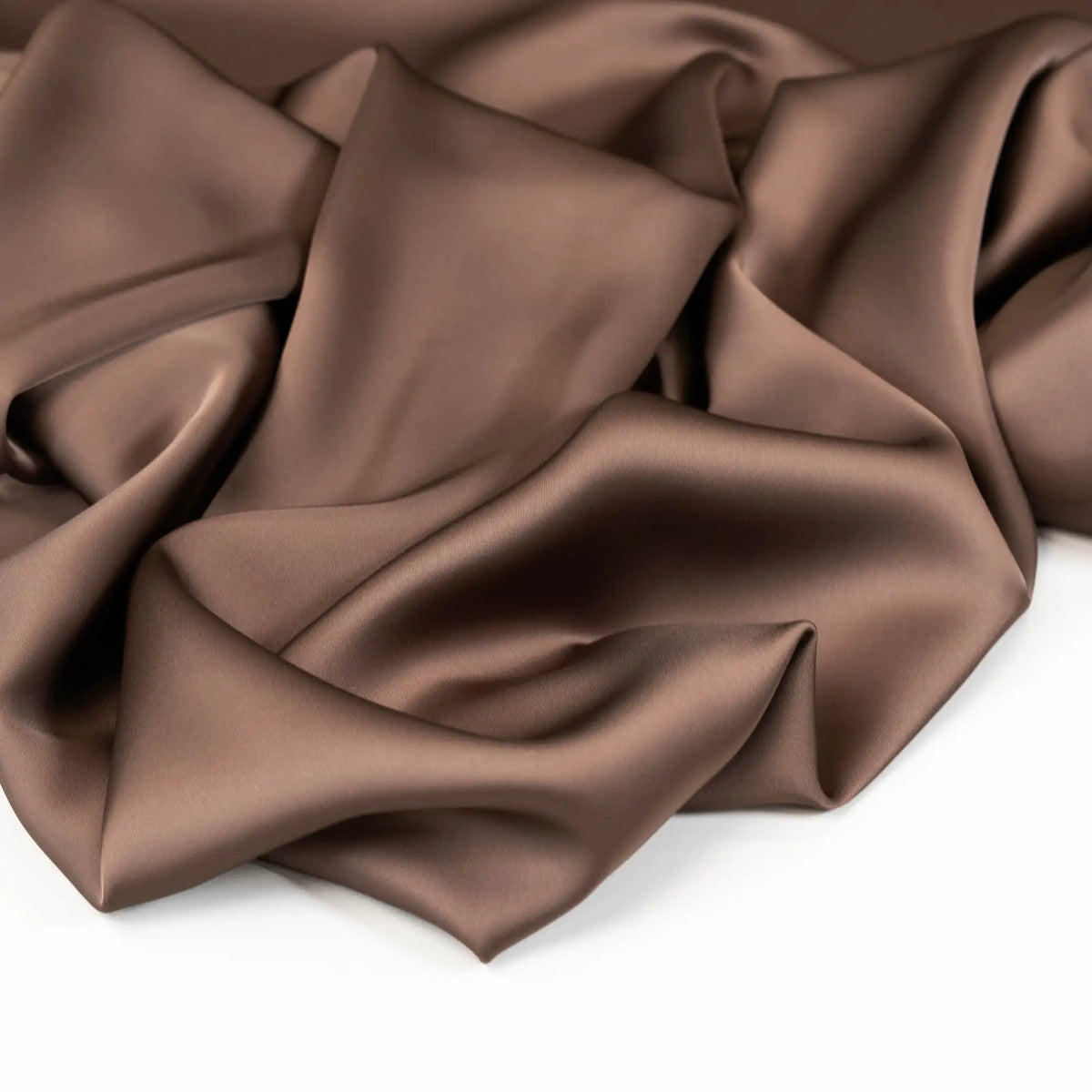
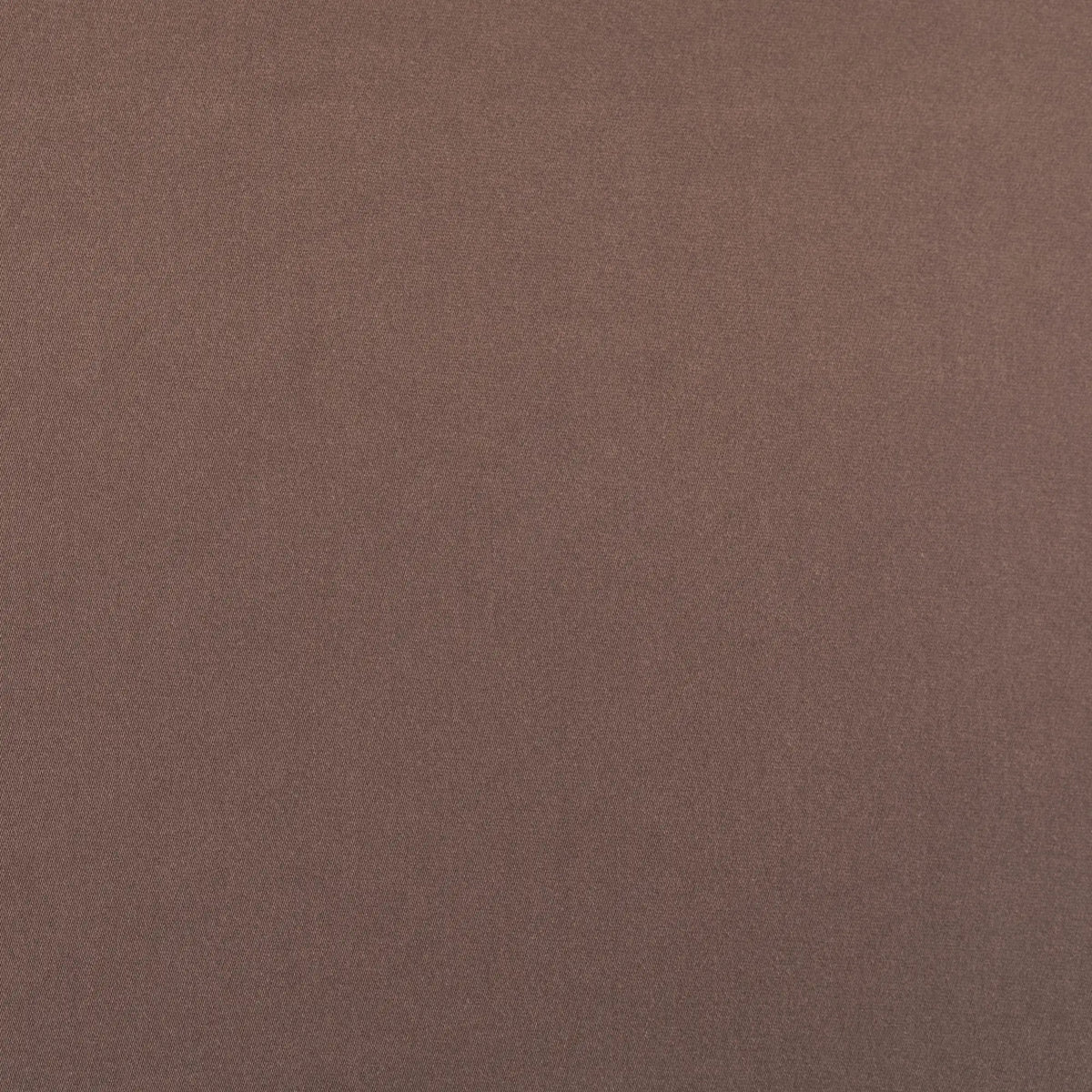
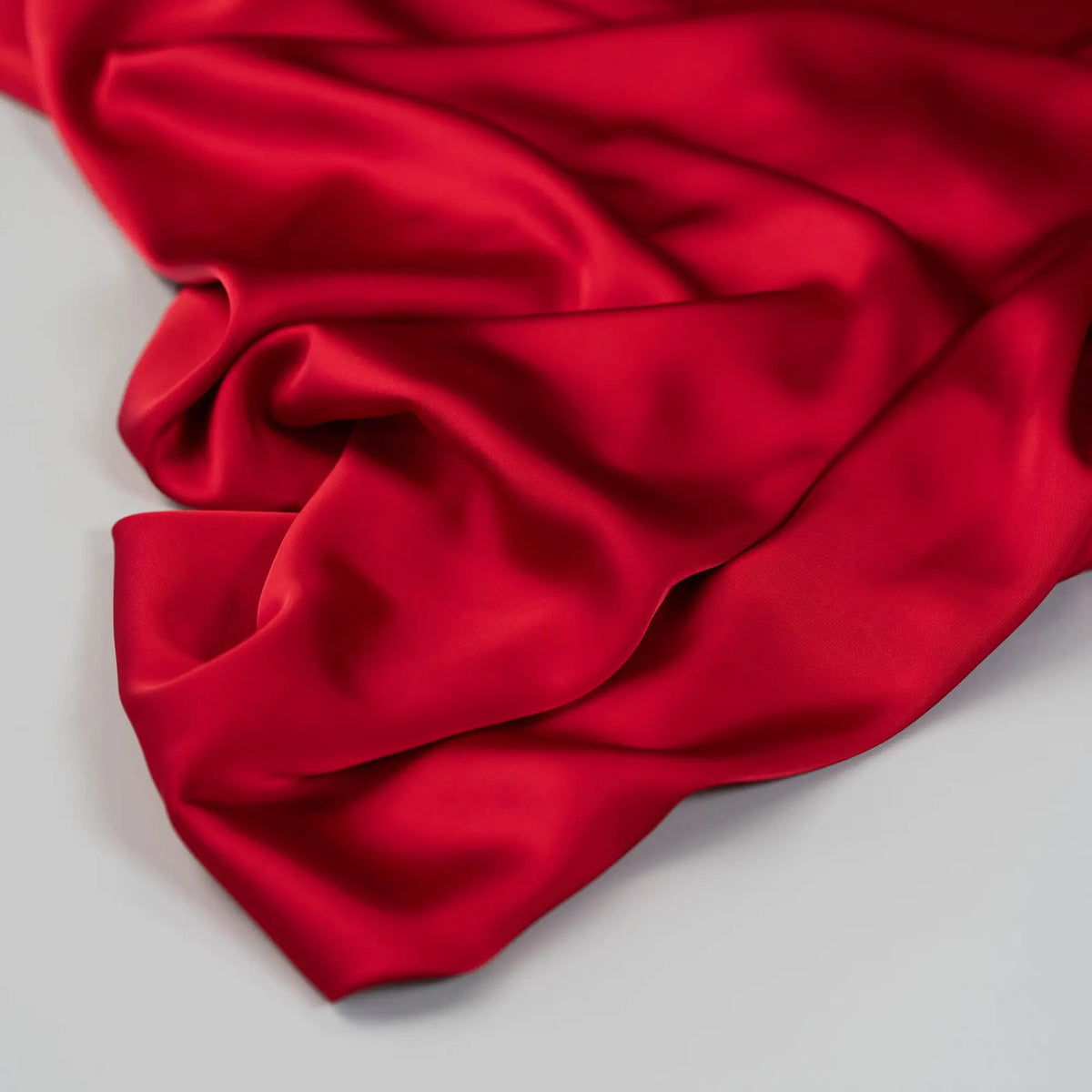
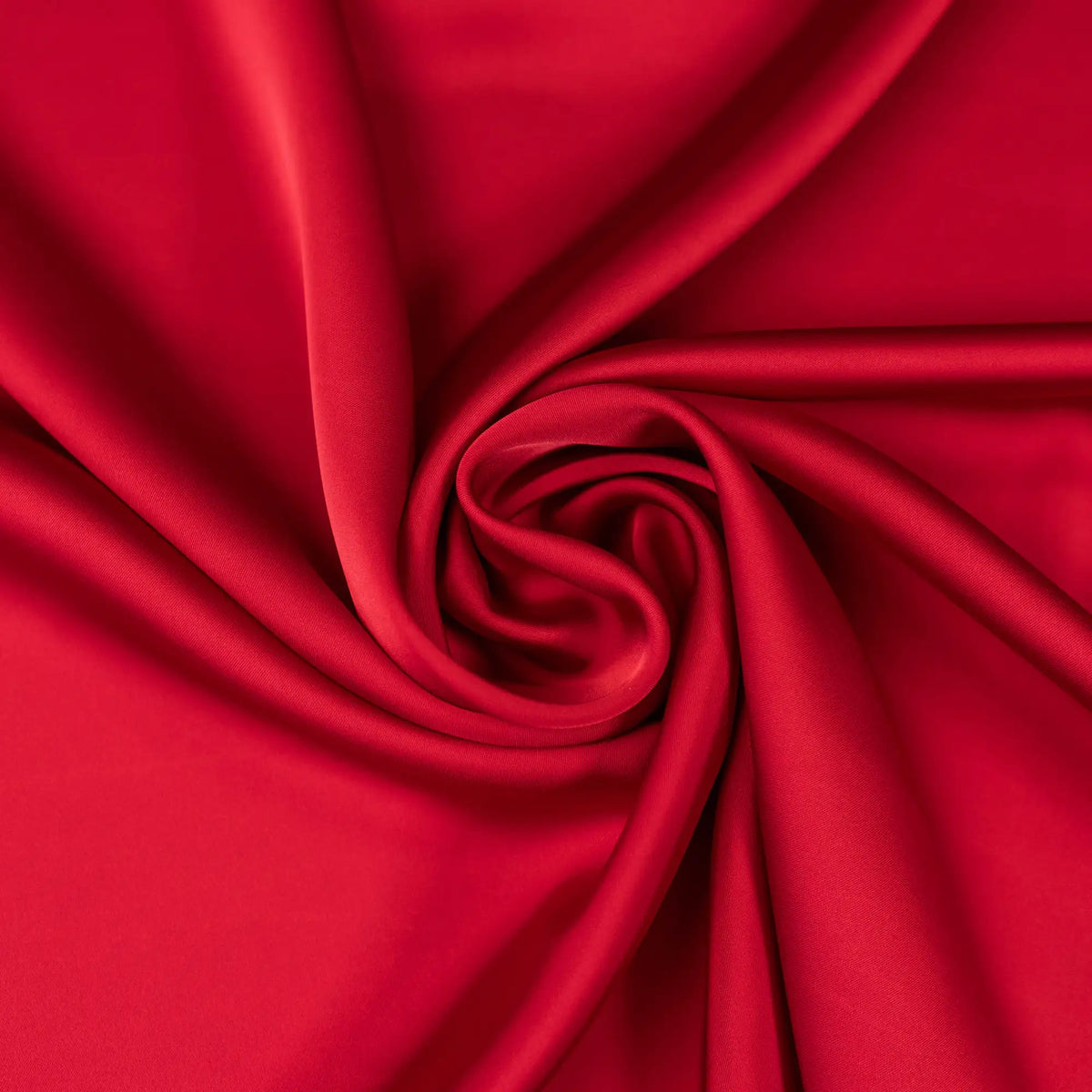
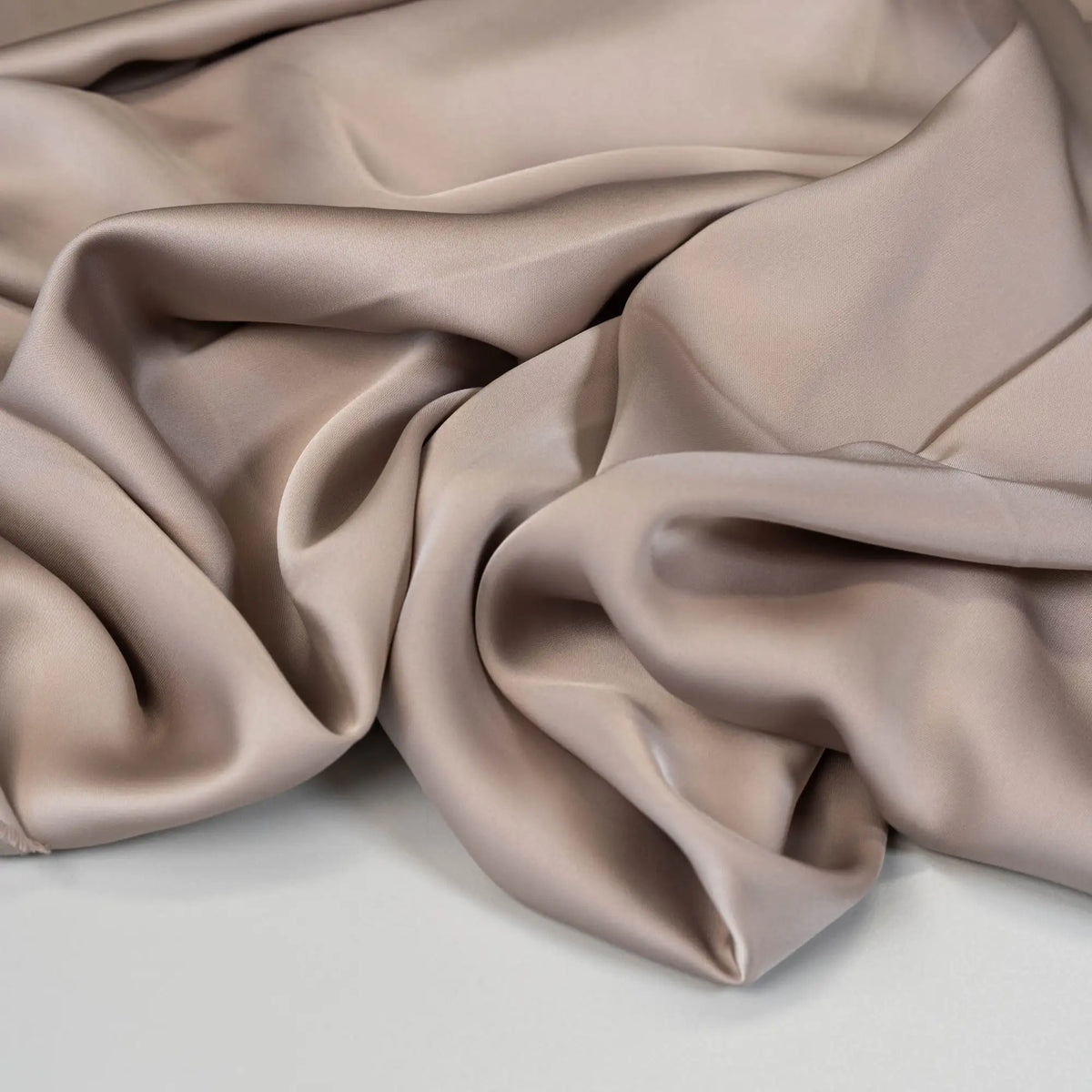
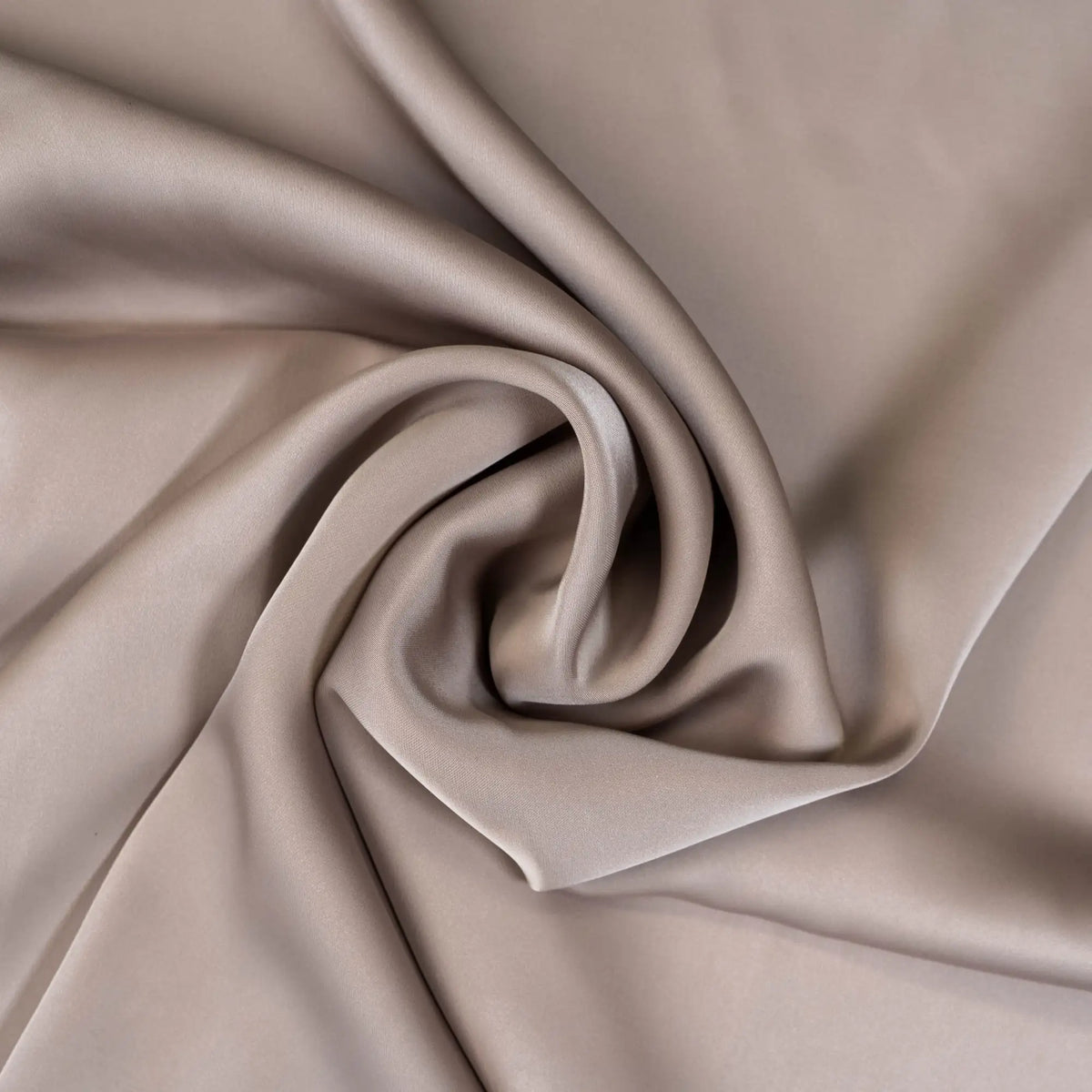
A double-faced polyester satin with a soft, delustred finish on both sides and a very fluid drape, made to look like acetate satin. In 8 colours, for draped gowns and bias-cut slips.
- 8 colours
- 150 cm wide
- 100% Polyester
- From $39.60 per metre
new
new
new
new
new
new
new
new
Guide
Faux Acetate Satin: Uses and How to Sew It
What faux acetate satin is like, how it compares with our other polyesters, and tips for sewing it.
About faux acetate satin
- Satin on both sides. A double-faced polyester satin with a soft, delustred finish on both sides, made to look and drape like acetate satin.
- Very fluid. A soft handle and a fluid drape, for draped and twisted gowns.
- A little give. There's no spandex, but the weave has a little mechanical stretch.
- 8 colours. 170 gsm and 150 cm wide.
Which polyester?
Our polyester fabrics, side by side.
| Look and feel | Weight | Stretch | Great for | |
|---|---|---|---|---|
| Polyester dupion | Crisp, with subtle, regular slubs | Mid weight | None | Bridal, skirts and jackets |
| Polyester mikado | Heavy and stiff, with a twill weave and a soft sheen | 215 gsm (stretch: 310 gsm) | None, or one-way | Structured bridal gowns, skirts and jackets |
| Polyester faille | Smooth and matte, soft but voluminous | 246 gsm | None | Bridal, evening wear and costume |
| Faux acetate satin | Delustred satin on both sides, very fluid | 170 gsm | A little mechanical stretch | Draped gowns, bias-cut slips and bridesmaids |
| Liquid satin | Ultra smooth and glossy, with a soft fall | 140 gsm | None | Evening wear, dresses, skirts and tops |
| Stretch polyester satin | Heavy, with a satin face and a matte back | 228 gsm | One-way | Fitted dresses, pants, skirts and bridal |
| Stretch polyester crepe | Heavy, with a textured matte finish | 270 to 304 gsm | Two-way or four-way | Jackets, pants, dresses and bridal |
| Scuba | Heavy and smooth, low sheen on one side, matte on the other | 328 gsm | Two-way | Sculpted gowns, trains, jackets and skirts |
What to make with it
- Draped and twisted goddess gowns
- Bias-cut slips and dresses
- Bridesmaid dresses
Cutting
- Cut as a single layer, laid on paper or a cotton sheet so it doesn't slide, with all the pieces facing the same way.
- Pin only inside the seam allowance, or use pattern weights, as pins can leave marks.
- Use sharp scissors or a rotary cutter.
Sewing
- Use a fresh, fine needle (size 70 or 80) and a good-quality polyester thread.
- Sew with a 2 to 2.5 mm stitch, holding the fabric gently taut in front of and behind the needle.
- Both sides are satin, so mark the wrong side of each piece as you cut.
- Let bias-cut pieces hang overnight before you hem them.
Hems
- Let it hang first. Bias-cut and draped pieces drop as they hang. Leave the garment on a hanger or dress form for a few days, then level the hem on the body before you cut it.
- Weighted narrow hem. For bias slips and draped gowns, stitch 1.5 cm from the edge, press the allowance under along the stitching, stitch close to the fold, trim close to that stitching, then turn under once more and stitch. The extra rows of thread add a little weight, so the hem hangs straight without stiffening the drape.
- If the garment is lined, cut the lining hem a little shorter so it never peeks out.
Pressing
Polyester can melt or go shiny under a hot iron, so press on the synthetic (low) setting, through a pressing cloth. Test on a scrap first.
Questions
What is faux acetate satin?
A double-faced polyester satin with a soft, delustred finish on both sides, made to look and drape like acetate satin.
Which side do I use?
Either: both sides are satin.
How wide is it?
150 cm.
Wholesale for fashion labels, bridal studios and designers buying in bulk. Apply for an account