

Sleepwear Fabric
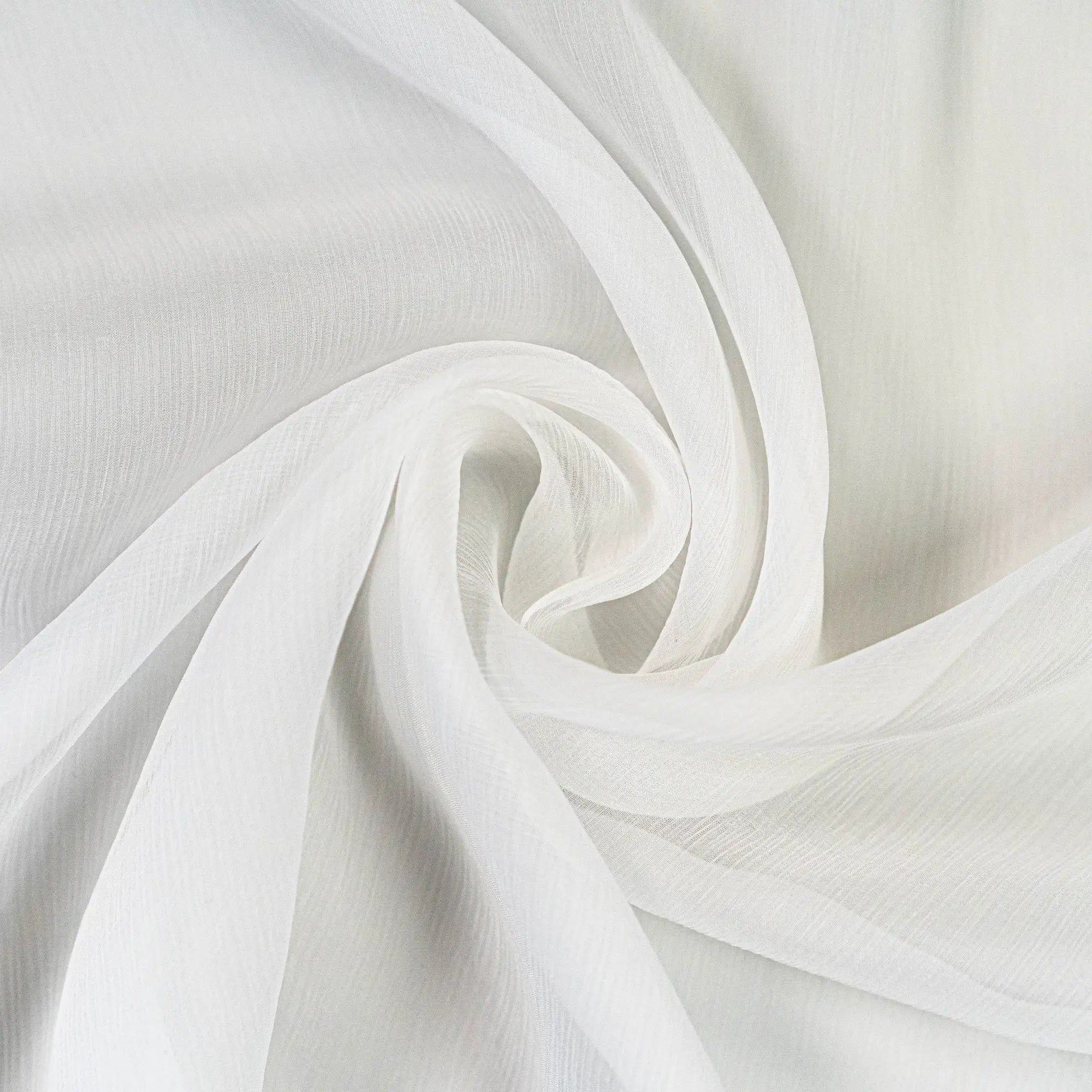
Soft, smooth silks for pyjamas, slips, camisoles and robes: sandwash satin, hammered and stretch silk satin, satin chiffon, georgette and silk jersey, with lace trims to finish.
- Sandwash, hammered and stretch silk satin
- Chiffon, georgette and jersey
- Lace trims


 Sold out


 Sold out


Guide
Silk Sleepwear Fabric: How to Choose and Sew It
Why silk is lovely to sleep in, which of our silks suits each piece, and easy tips for sewing silk pyjamas, slips and robes at home.
Why silk for sleepwear?
- Smooth against the skin. Silk satin and crepe feel cool and soft, and slide easily as you move.
- It breathes. Silk is a natural fibre, so it's comfortable to wear all night.
- Lots of colours. Sandwash satin and satin chiffon come in a wide range of colours, from ivory and nude to deep reds and navy.
Certified silk. Our sandwash satin, satin chiffon, georgette, stretch silk satin, hammered silk satin and silk jersey are certified to two independent standards:
- GOTS (Global Organic Textile Standard): the silk is organic, and traced from the farm to the finished cloth.
- OEKO-TEX Standard 100: tested for harmful substances, so it's safe against the skin.
Which silk for sleepwear?
| Sandwash satin | Soft silk satin, 19 momme, with a matte reverse; both sides can be used. Great for: pyjamas, slips and camisoles. |
| Hammered silk satin | Silk satin with a softly rippled, textured surface. Ivory and black. Great for: pyjamas, robes and slips. |
| Stretch silk satin | Silk with 7% Lycra, a satin face and a moderate stretch. Great for: fitted slips and camisoles. |
| Satin chiffon | Light and semi-sheer, with a soft satin lustre. Great for: robes, negligees and layers. |
| Georgette | Semi-sheer, with a matte crepe texture. Also in a stretch version. Great for: nightdresses, robes and layers. |
| Silk jersey | A soft silk knit, 110 cm wide. Great for: loungewear, sleep tops and pants. |
| Lace trims | Narrow lace with a finished edge. Great for: necklines, hems and cuffs. |
What to make with it
- Pyjamas and sleep shorts
- Slip dresses and nightdresses
- Camisoles
- Robes and kimonos
- Loungewear
Cutting
- Cut slippery silks as a single layer on a large, clean table, with all the pieces facing the same way, as satin can look different from each direction.
- Use pattern weights, or pin only inside the seam allowance, as pins can mark satin.
- For bias-cut slips, let the pieces hang overnight before you hem, as the fabric can drop a little.
Sewing
- Sandwash satin, hammered satin, satin chiffon and georgette: use a fresh, fine needle (size 60 or 70) and a fine mercerised cotton thread. Polyester thread is stronger, but it can make fine silk pucker. Silk thread is lovely for tacking and hand sewing. Sew with a short stitch, about 2 mm, and use French seams for a soft, neat finish inside.
- Stretch silk satin, stretch georgette and silk jersey: use a fresh stretch needle (size 70) and a good-quality polyester thread, which has a little give, so the seams stretch without snapping. Sew with a narrow zigzag or a stretch stitch, and let the fabric feed through on its own without pulling it.
- Lace trims: sew them on with a narrow zigzag along the outline of the motifs.
- Try not to unpick on satin: needle holes can show.
Hems
- Sandwash satin and hammered satin: on pyjamas and camisoles, a machine baby hem gives a fine, fluid edge: press up 1 cm, stitch close to the fold, trim the allowance right up to the stitching, then turn it once more and stitch again. On a bias-cut slip, roll the hem by hand for the softest finish.
- Satin chiffon and georgette: a hand-rolled hem is the classic finish. For a rolled hem, trim the hem allowance to about 3 mm, then roll it over to hide the raw edge and stitch by hand or machine.
- Stretch silk satin: turn it up once, 2 to 3 cm, and sew it by hand with a loose catch stitch, or use a stretch blind hem or a narrow zigzag.
- Silk jersey: it doesn't fray, so turn it up once and sew it by hand with a loose figure-eight stitch, or use a twin needle.
Colour matching
Colours look different on every screen, and "ivory" covers many different shades of off-white, so we always recommend ordering samples, especially if you're matching a silk to a lace trim.
Pressing
- Light silks and satins: a dry iron on the silk setting, on the wrong side, through a pressing cloth. Satin marks easily, so test on a scrap first.
- Silk jersey: press from the wrong side with no steam, lifting the iron rather than sliding it, so the knit doesn't stretch.
Questions
What is the best silk for pyjamas?
Sandwash satin is a favourite: a soft 19 momme satin with a matte reverse, and both sides can be used. Hammered silk satin gives a textured look.
Is silk good for sleepwear?
Yes. Silk is a natural fibre, so it breathes, and it feels smooth and soft against the skin.
Which silk has stretch?
Stretch silk satin and stretch georgette have 7% Lycra, and silk jersey is a knit.
What thread should I use?
A fine mercerised cotton thread for sandwash satin, satin chiffon and georgette, and a good-quality polyester thread for stretch silks and jersey.
Wholesale for fashion labels, bridal studios and designers buying in bulk. Apply for an account