

Polyester Tulle
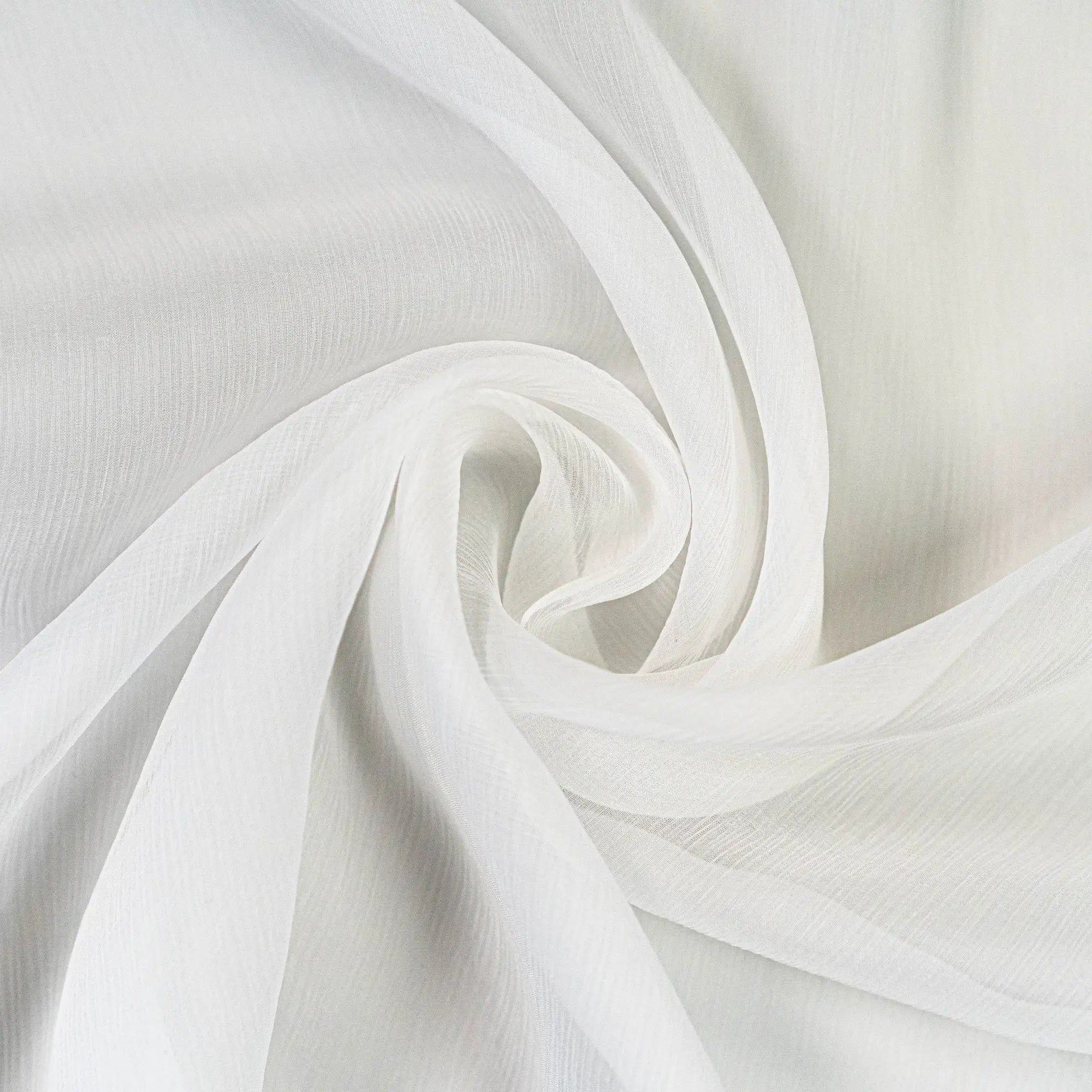
Soft polyester tulle with a sturdy hexagon net, 150 cm wide. A versatile tulle for full skirts, layering and appliqué, in bridal and evening wear.
- 7 colours
- 150 cm wide
- 100% Polyester
- From $26.40 per metre

 Sold out

 Sold out


Guide
Polyester Tulle: Uses and How to Sew It
How polyester tulle compares with our veil tulles, what to make with it, and easy tips for sewing it at home.
Polyester tulle or a veil tulle?
Polyester tulle is our everyday tulle: a sturdier net that holds its shape, so it's the one to reach for when you're building volume. Our veil tulles are lighter and softer, made to float and drape.
| Polyester tulle | Veil tulles | |
|---|---|---|
| Feel | Soft, with a sturdy net that holds its shape | Feather-light, with a soft fall |
| Weight | 36 gsm | 12 to 19 gsm |
| Width | 150 cm | 180 to 300 cm |
| Great for | Full skirts, layering, a base for appliqué | Veils, overlays and delicate bridal layers |
| To sew | Easy: stable and forgiving | Lighter, so handle gently |
Making a veil? Have a look at our soft tulle, 2D tulle and silk tulle.
What to make with it
- Full skirts and overskirts, built up in layers
- A base for sewing on lace motifs, beads and appliqué
- Illusion panels: our nude tone suits warmer and tanned skin tones
- Soft layers under dresses and skirts
Cutting
- Polyester tulle is stable, so you can cut a few layers at once. Pin them together first so they don't shift.
- Use sharp scissors or a rotary cutter.
- For a full skirt, cut long, straight panels: you'll gather them up later. Cut them a little longer than you need and trim the hem at the end.
Sewing
- Use a fresh needle (size 70) and a fine thread in a matching colour, or clear monofilament thread. Test it on a scrap first.
- To gather a layered skirt, gather each layer separately with two rows of long stitches, then join them to the waistband one at a time.
- If the tulle catches on the machine, sew with tissue paper underneath.
Edges
Tulle doesn't fray, so there's no need to hem: just trim the edges neatly. For a decorative edge, bind it with ribbon.
Making a full tulle skirt
- Use several layers, four or five for a full-length skirt, so it looks full rather than see-through. The layers can be different colours for a soft, blended look.
- Firmer nets like our stiff net and crinoline are stiffer and scratchier than tulle, so keep them for a petticoat underneath.
- Pins slip out of tulle, so push each one through a small scrap of felt as well.
- To gather several layers together instead, zigzag over a strong thread or fine cord inside the seam allowance, then pull the cord up.
- Tack the waistband on and try the skirt on before you stitch it for good. Then sew a second row of stitching inside the seam allowance to flatten the bulk.
- Put the zip in the lining, or in the inner layers only. The outer layers float over it and hide it. If you line the skirt, finish the lining with a narrow double-fold hem.
- For the hem, let the skirt hang, mark where it meets the floor, then cut in long strokes with a rotary cutter. Stitch across the bottom of each seam so it doesn't come undone. For a soft sweep, let it be a little longer at the back. For a shorter, puffy skirt, cut it 2 to 5 cm longer than you want: it looks shorter once it puffs out.
Pressing
Use the lowest setting, with no steam, through a pressing cloth: a hot iron can melt it. A handheld steamer held at a distance is a gentle way to relax creases.
Questions
Does polyester tulle fray?
No. You can leave the edges raw, which makes layered skirts quick to finish.
Which colour is best for an illusion neckline or sleeve?
Pick the shade closest to the wearer's skin. Our nude polyester tulle suits warmer and tanned skin tones.
How do I get creases out?
Hang it up for a while, or use a handheld steamer held at a distance. If you iron it, use the lowest setting through a pressing cloth.
Wholesale for fashion labels, bridal studios and designers buying in bulk. Apply for an account