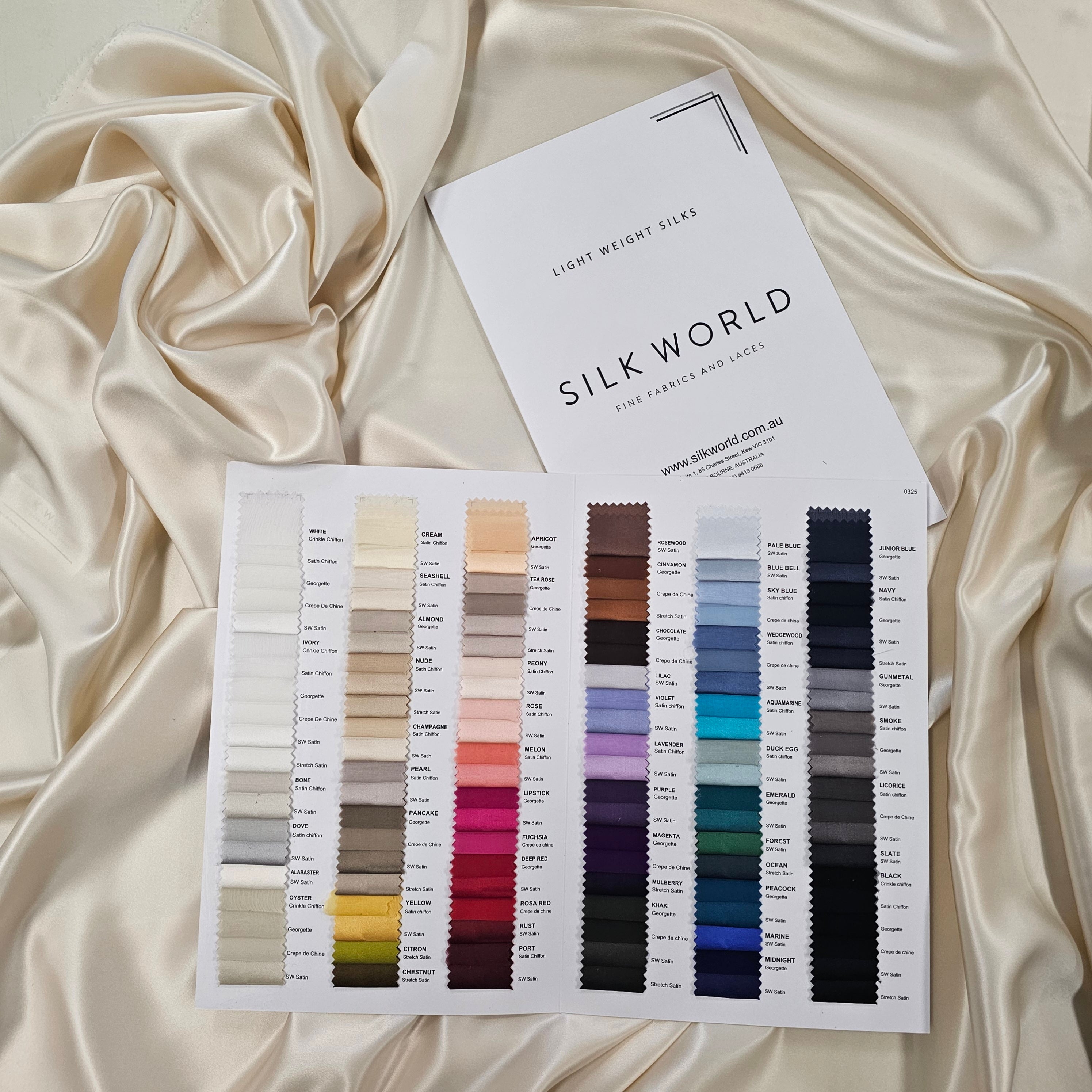
Silk Crepe Satin
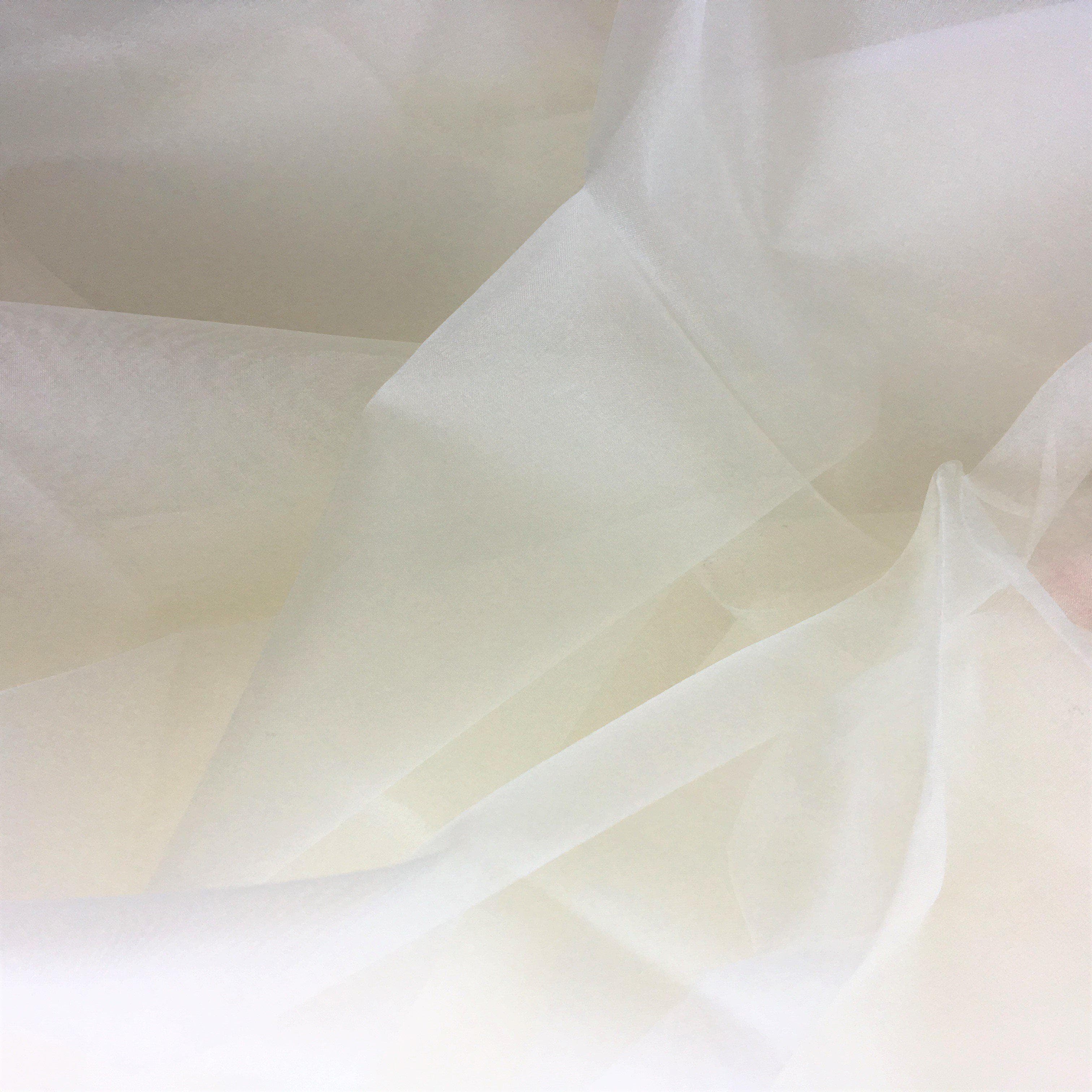
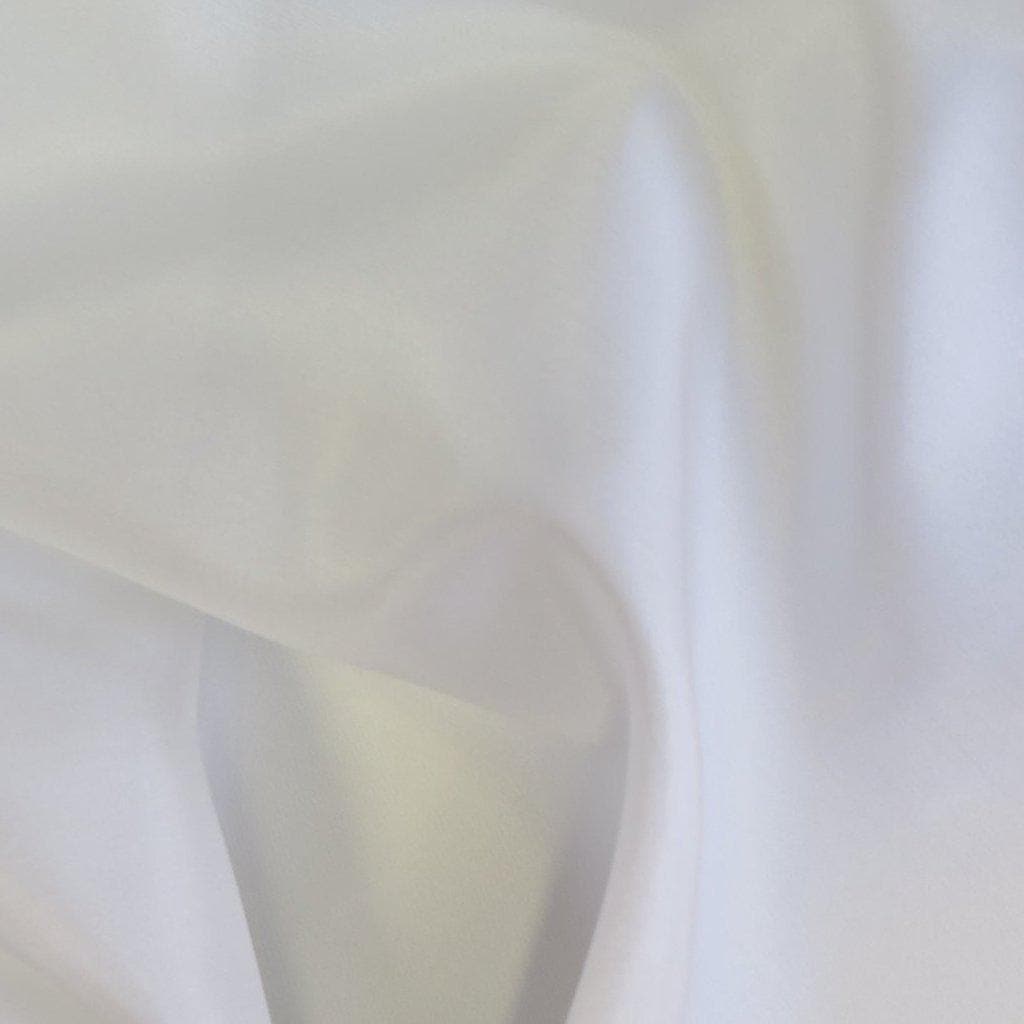
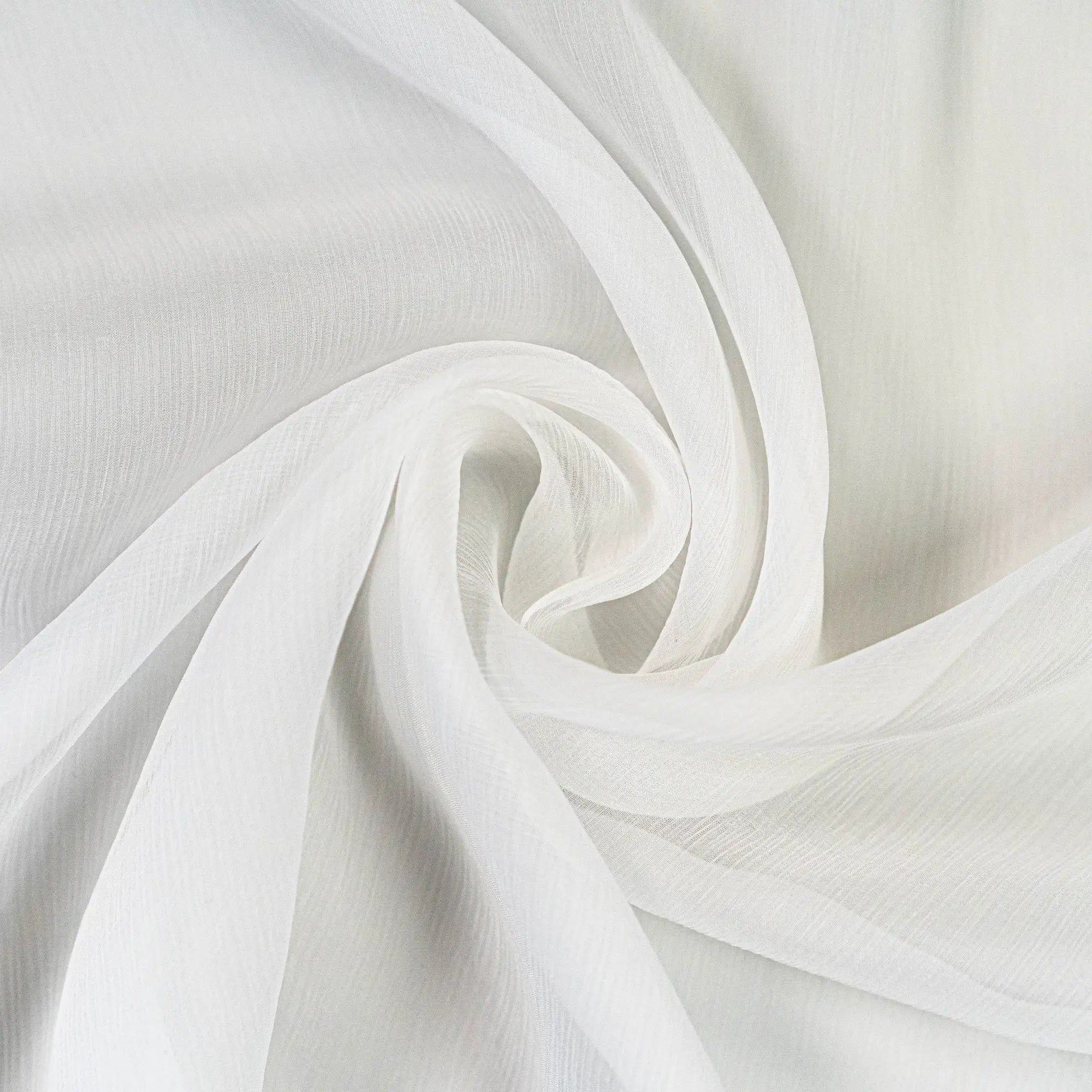
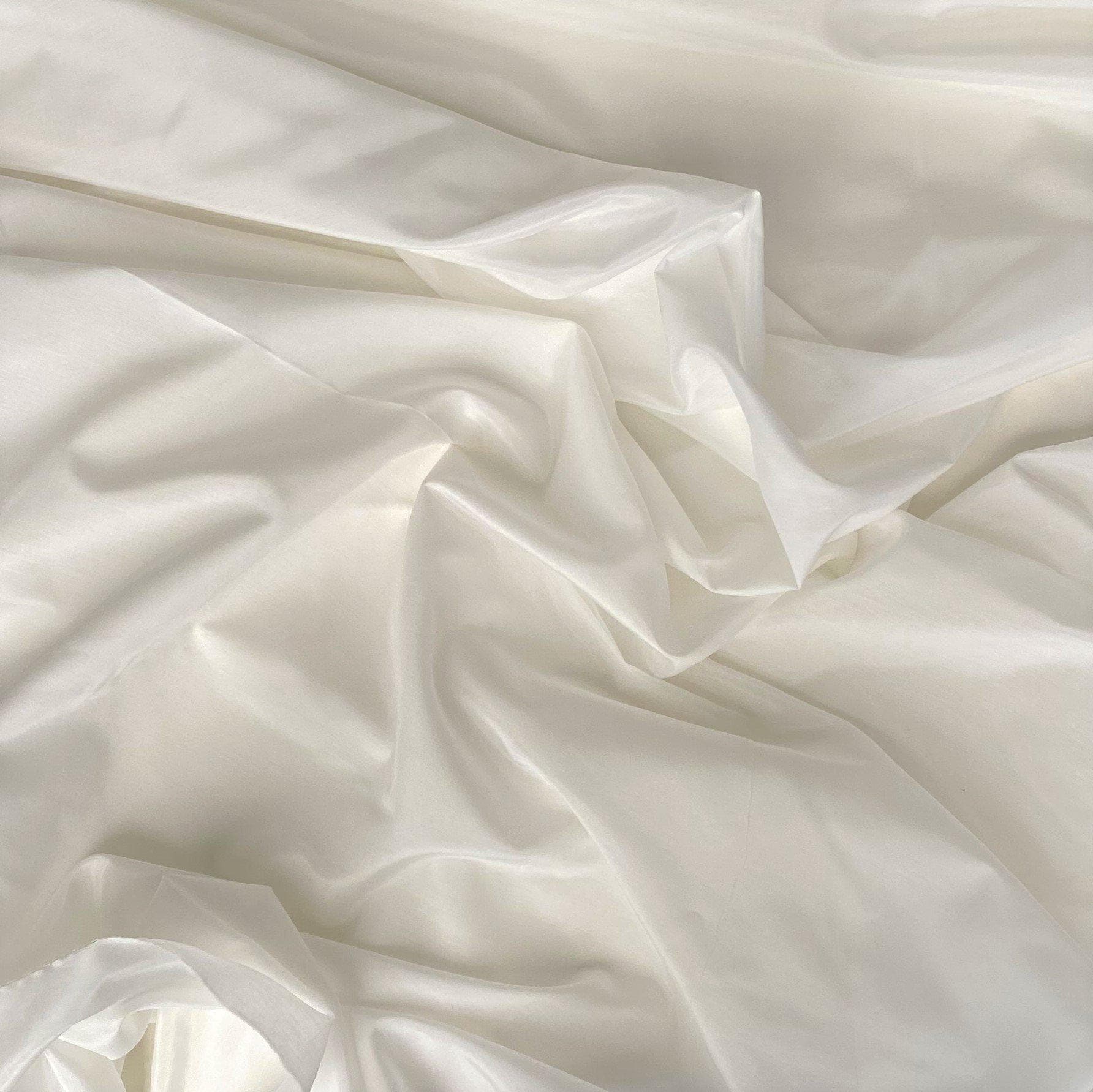
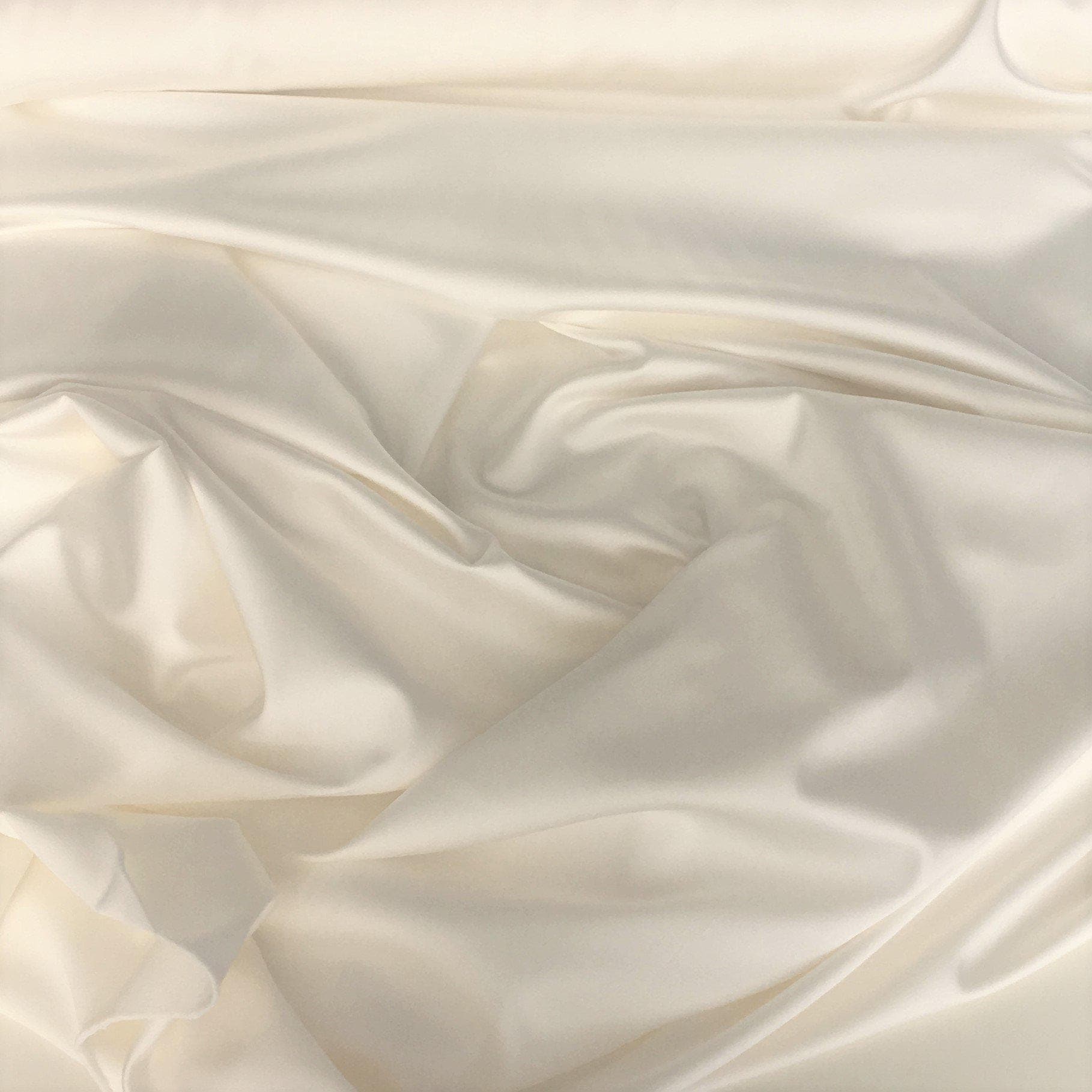
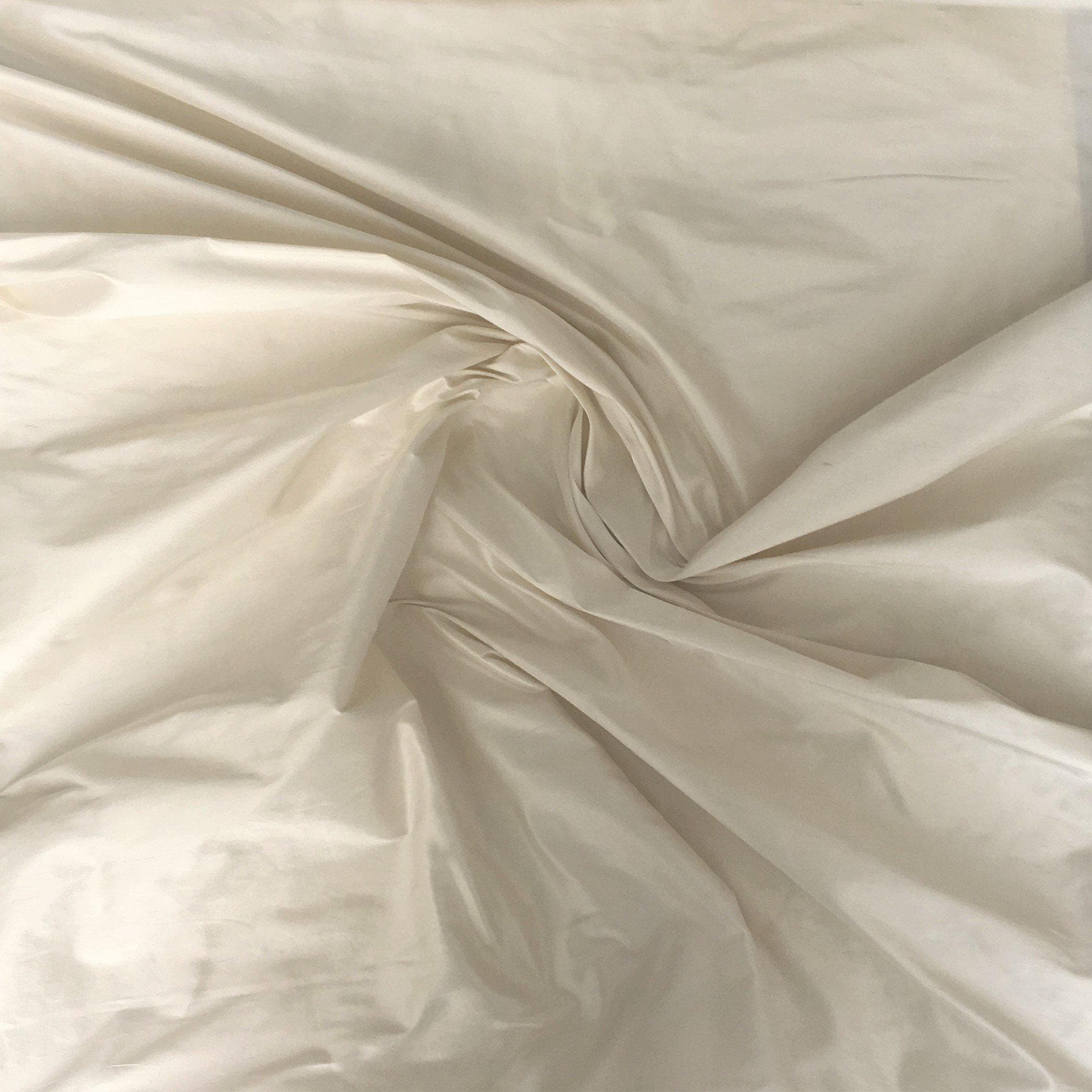
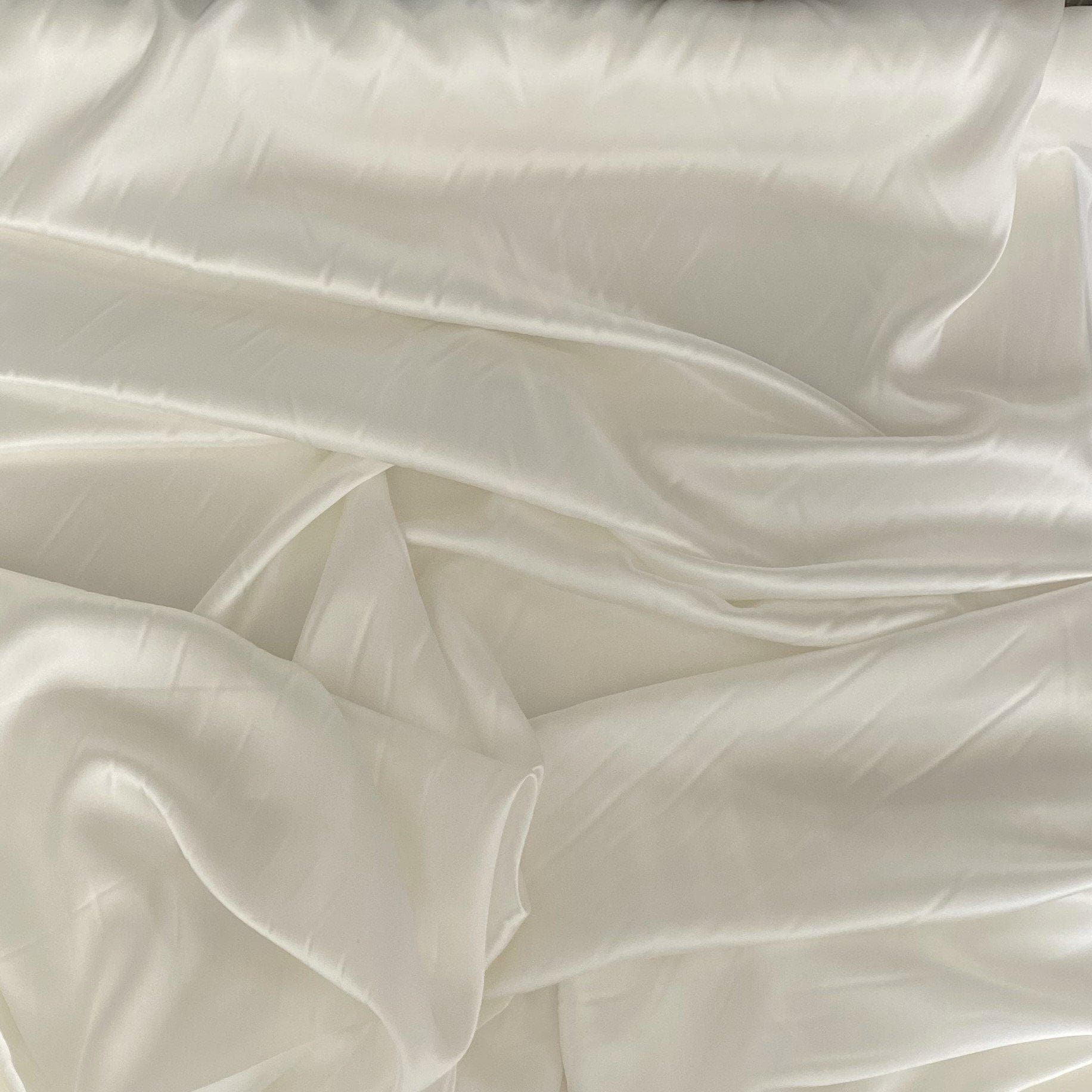
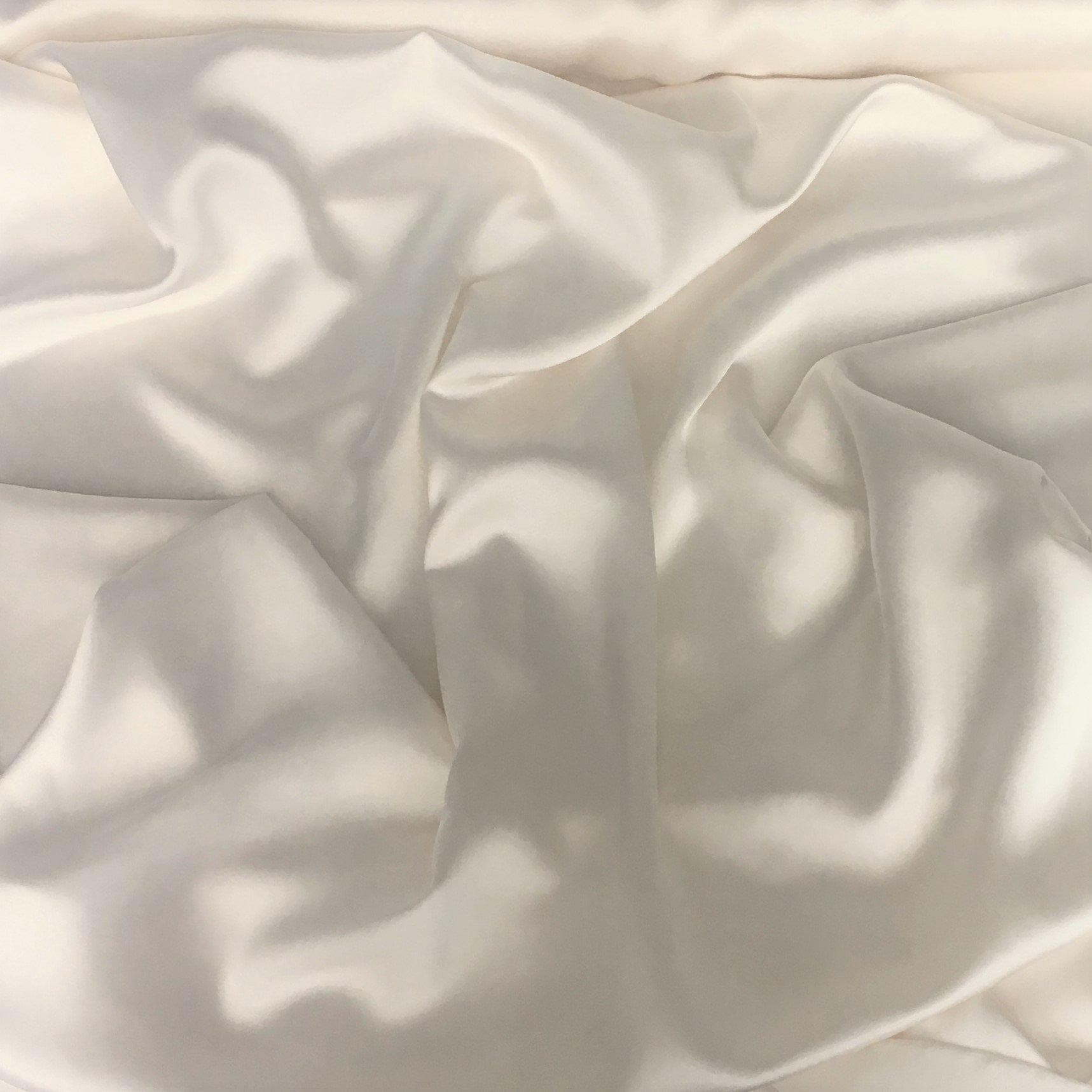
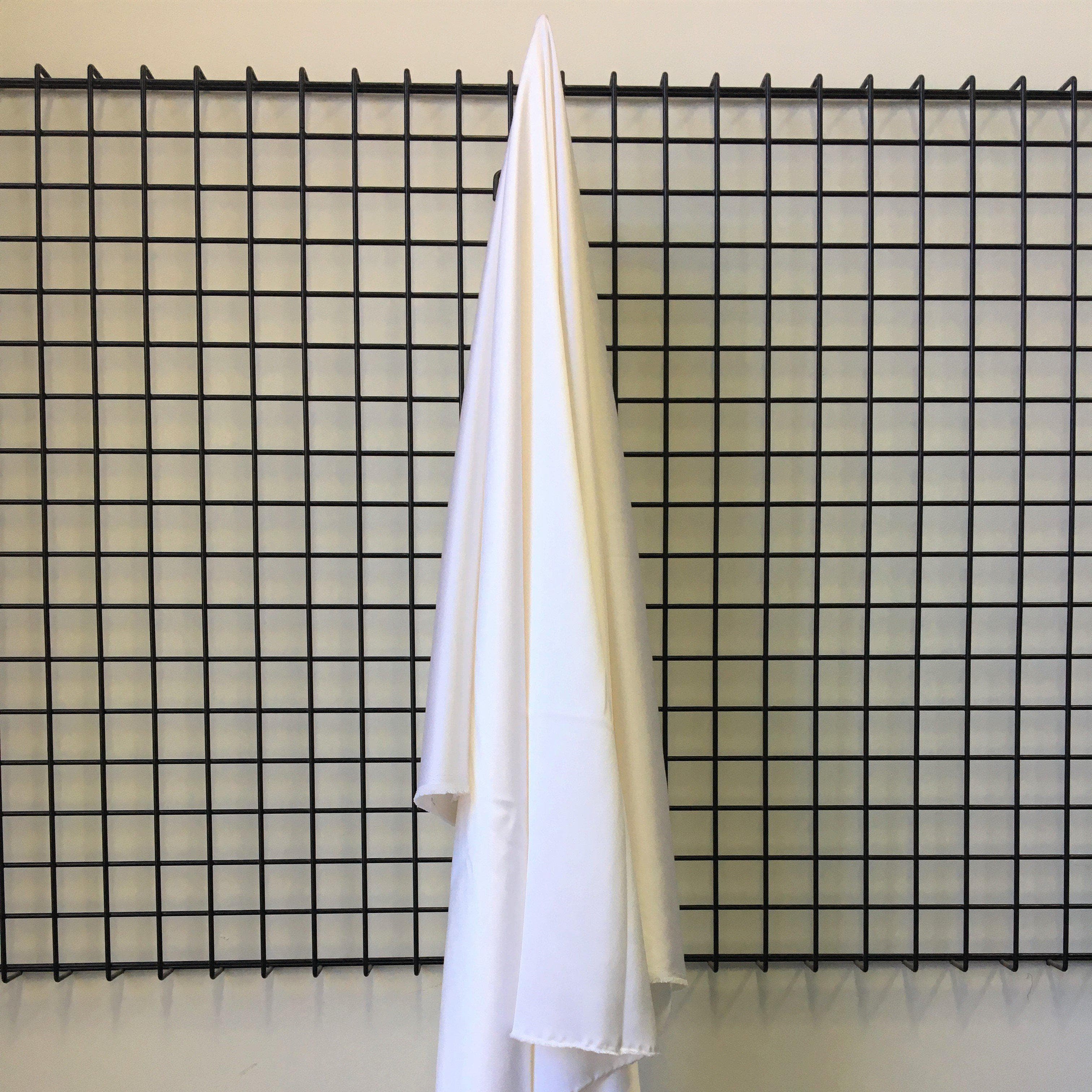
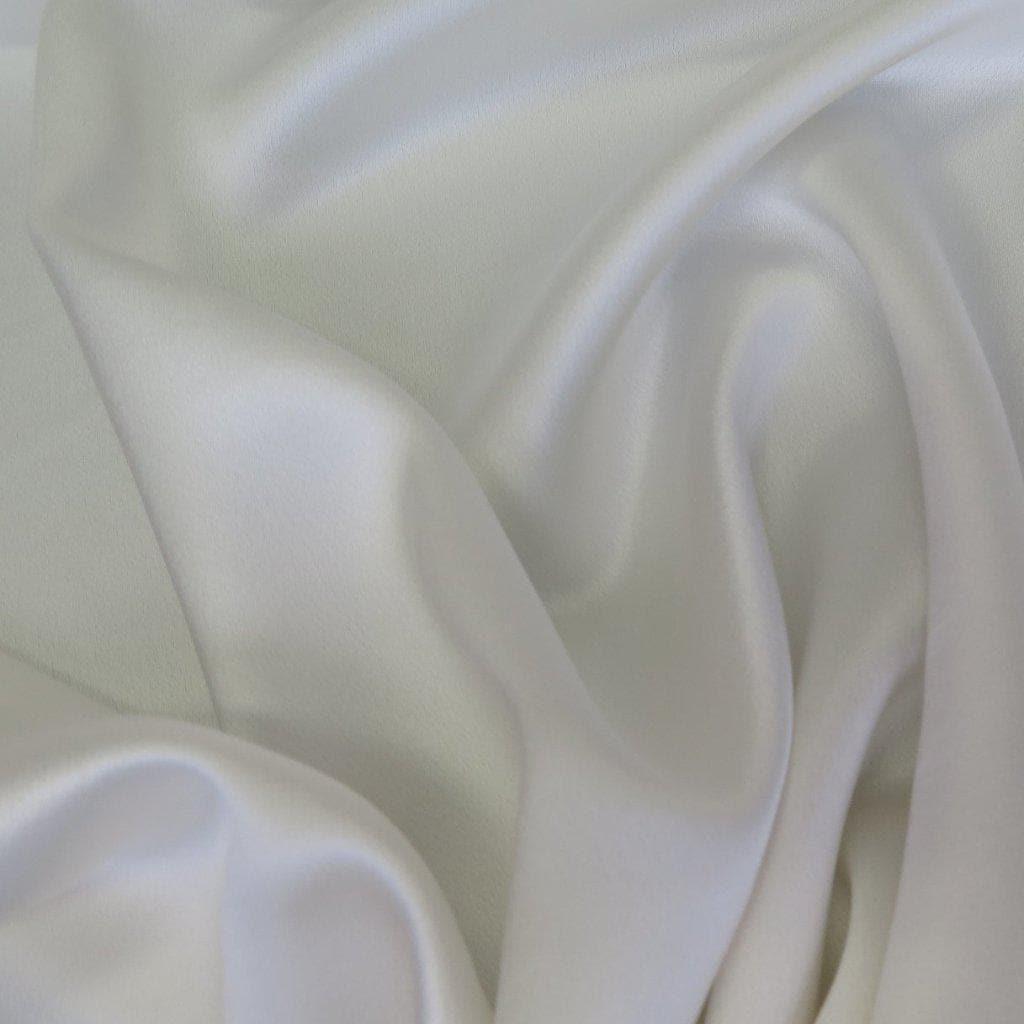
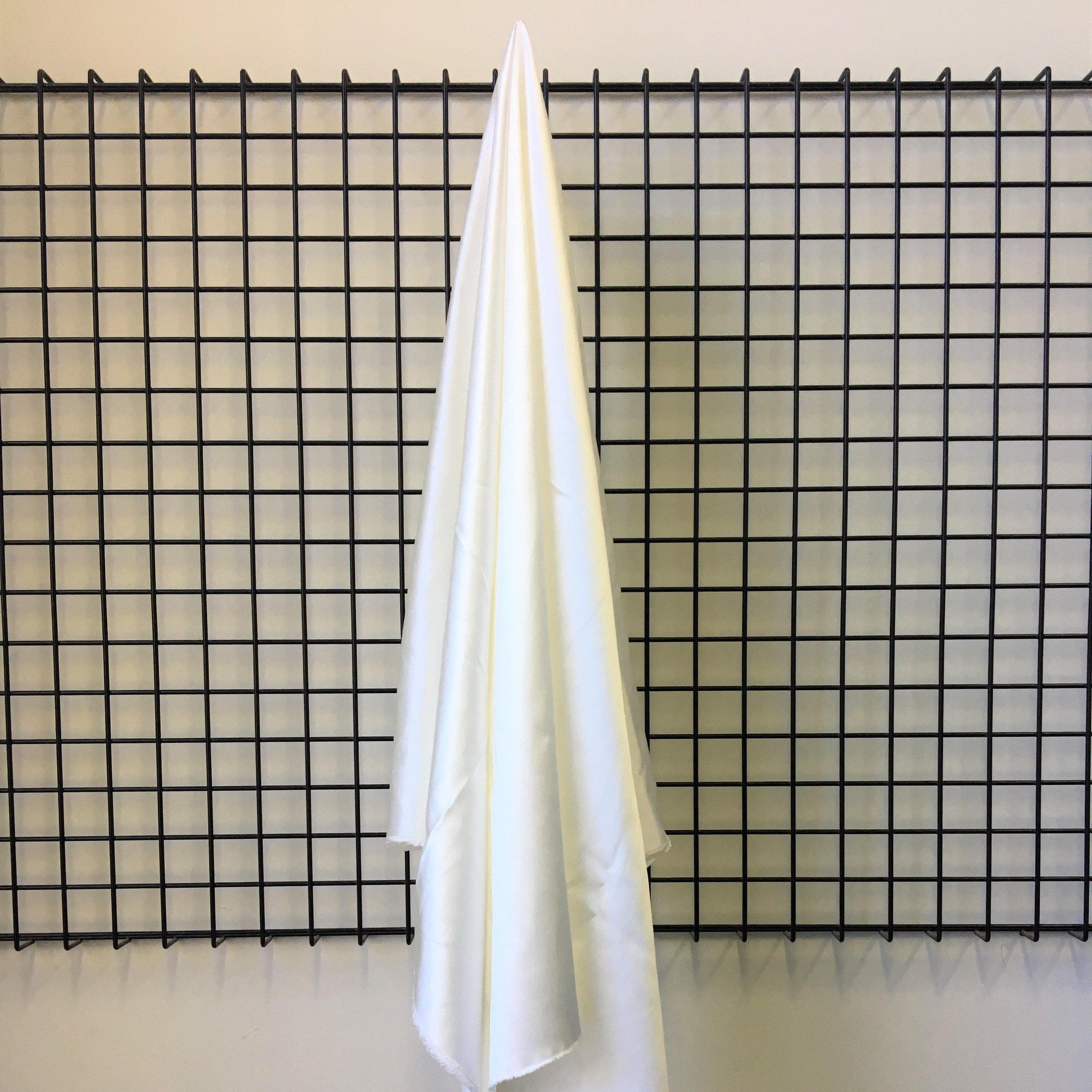
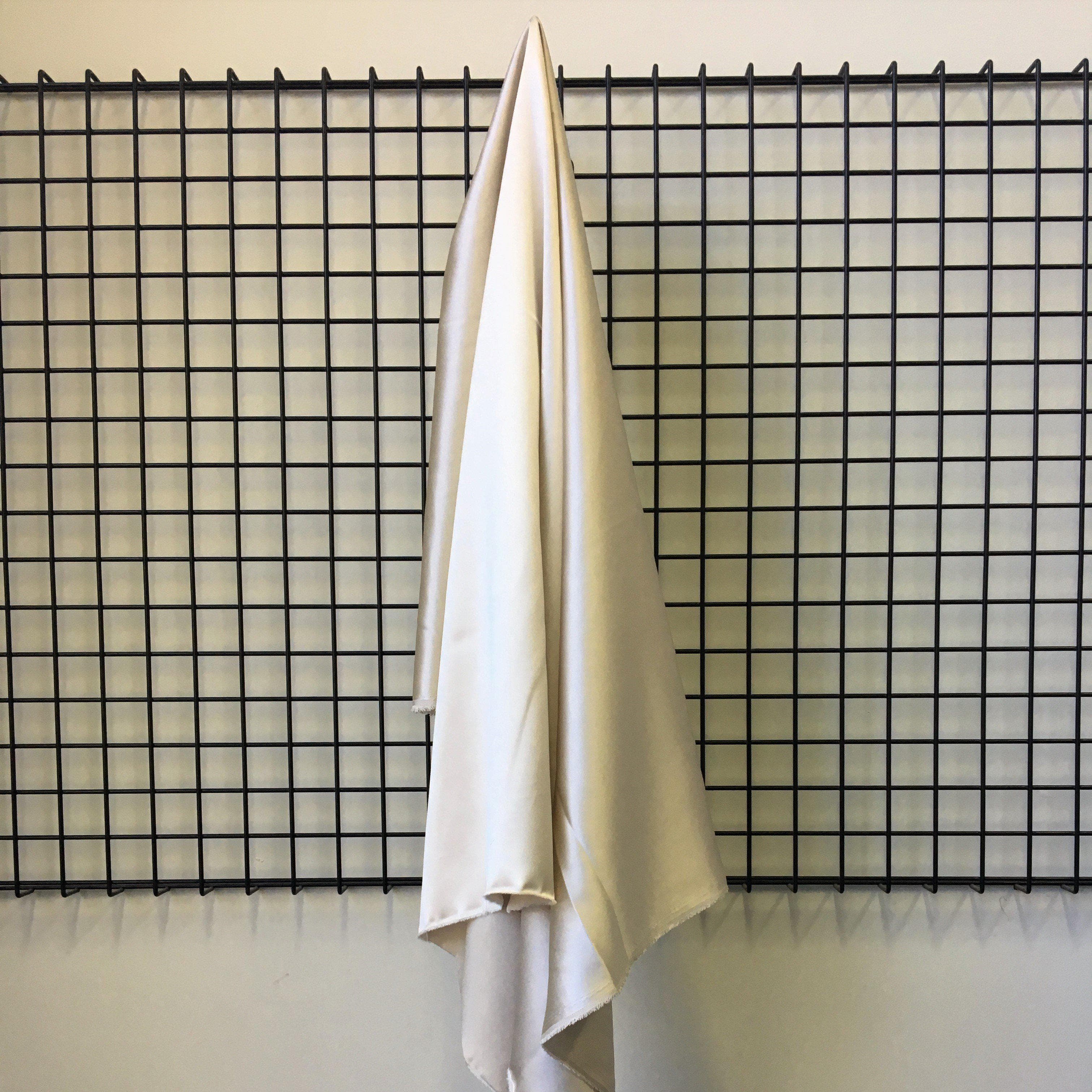
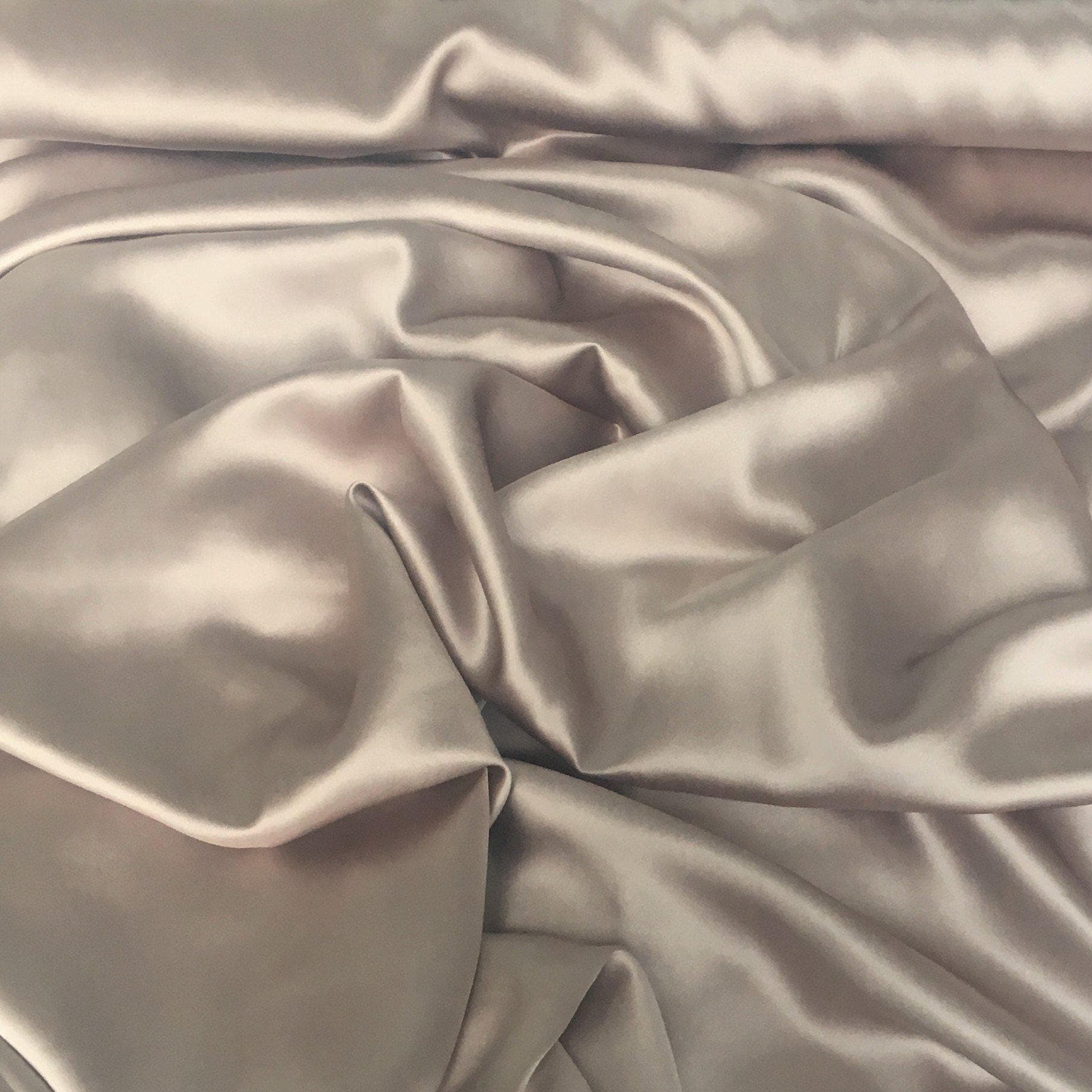
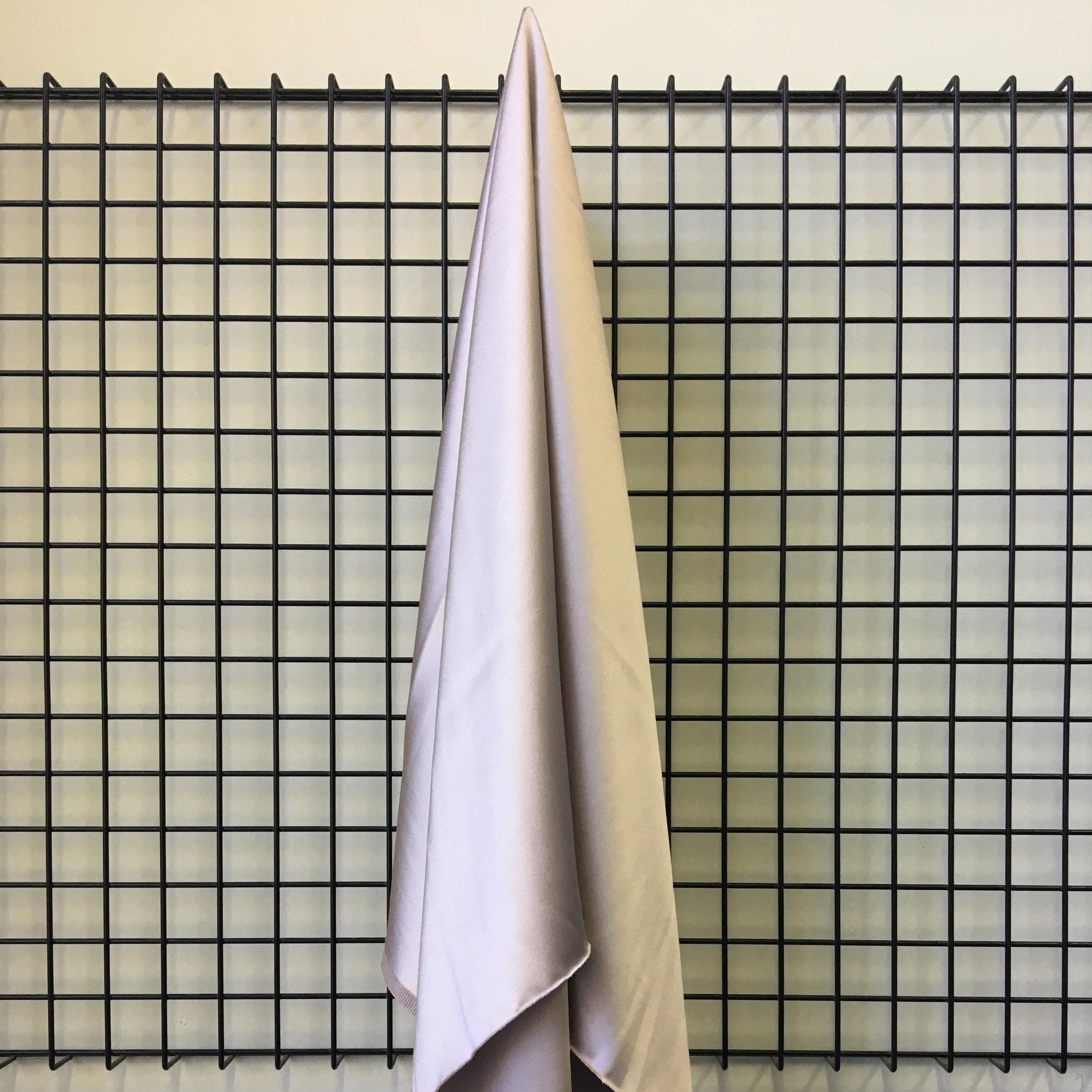
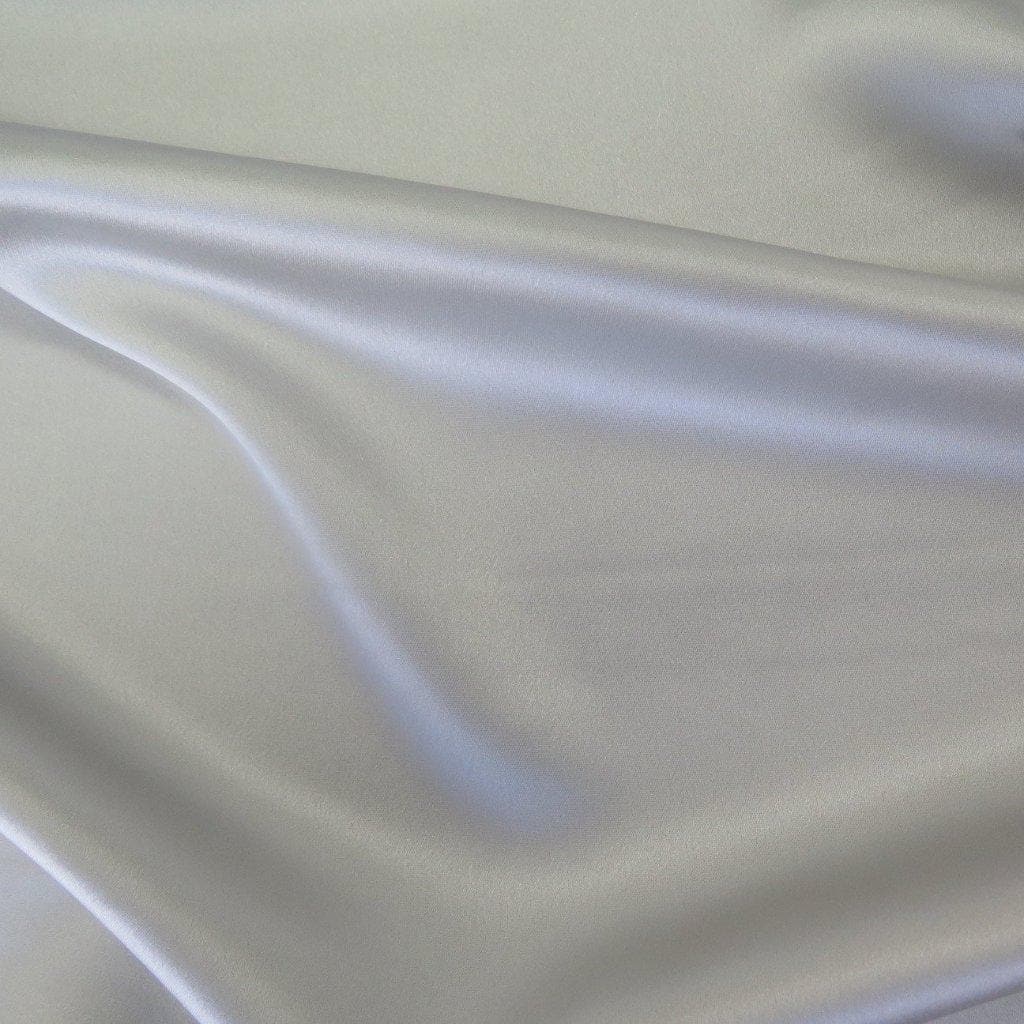
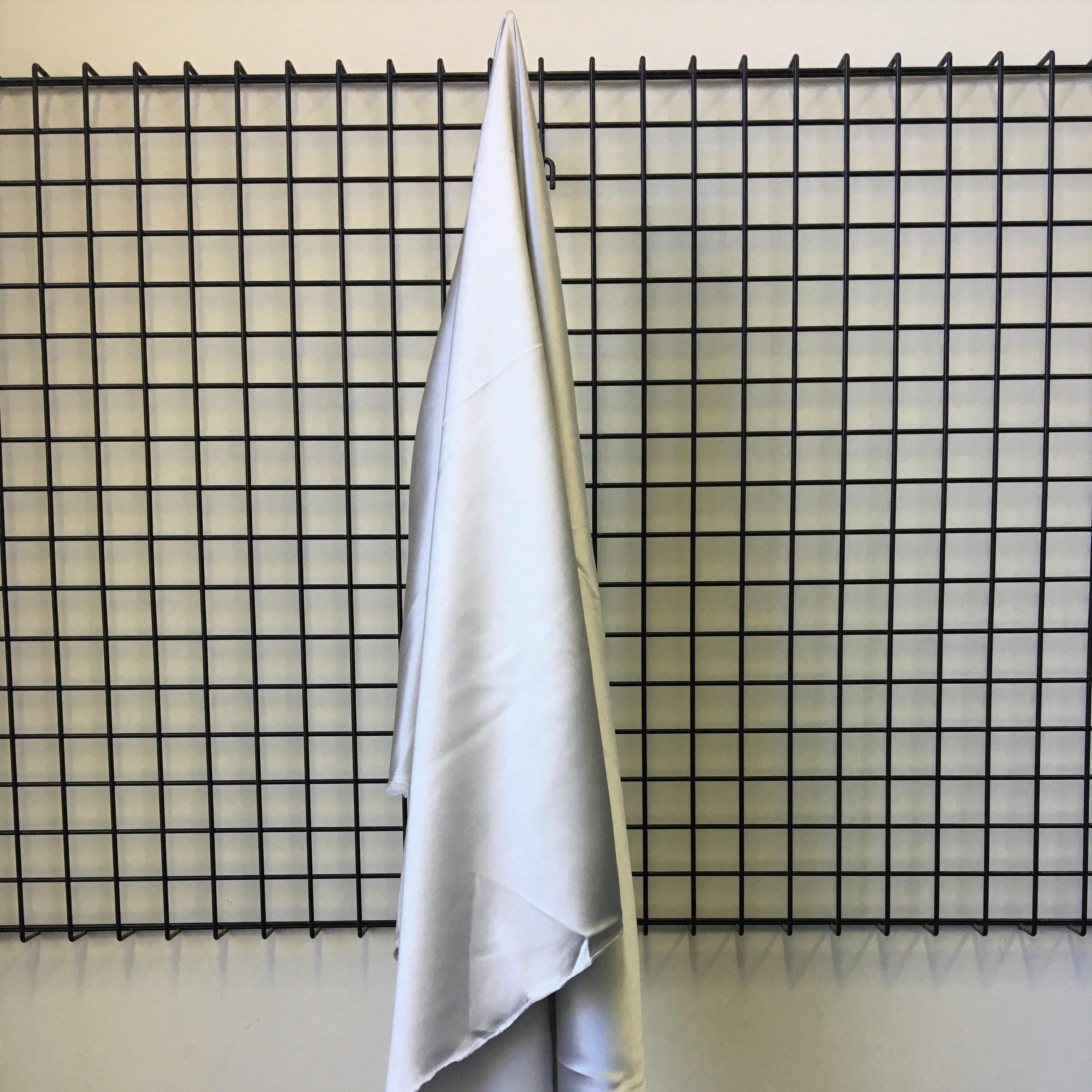
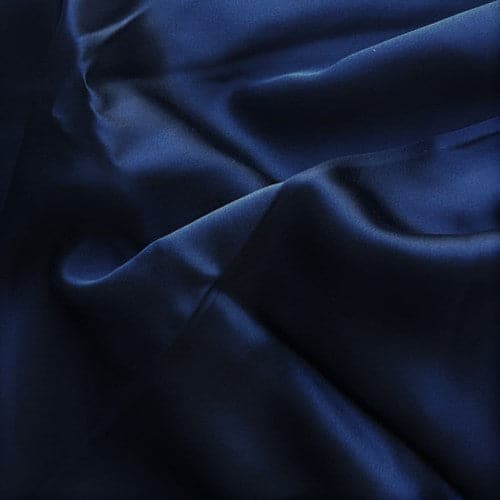
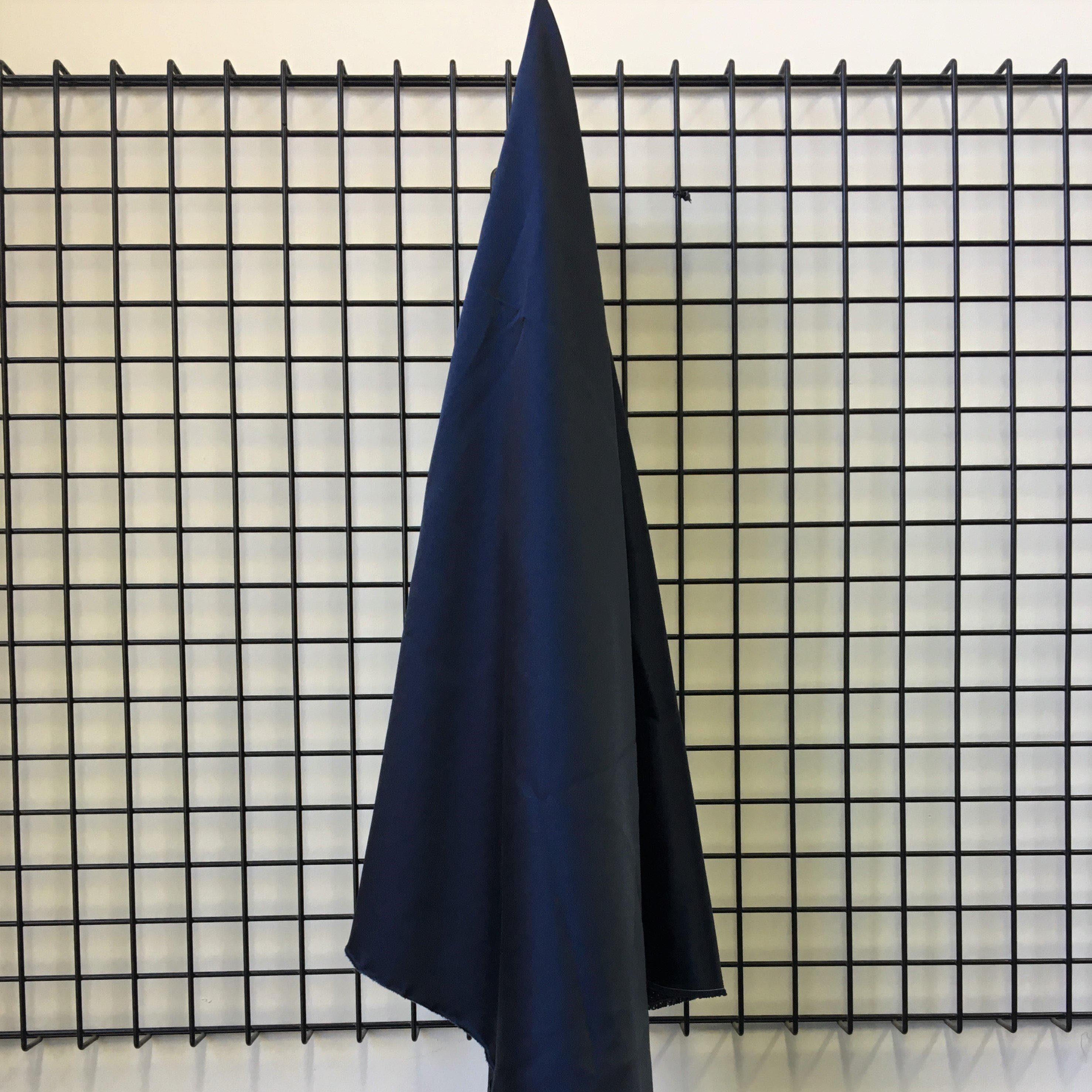
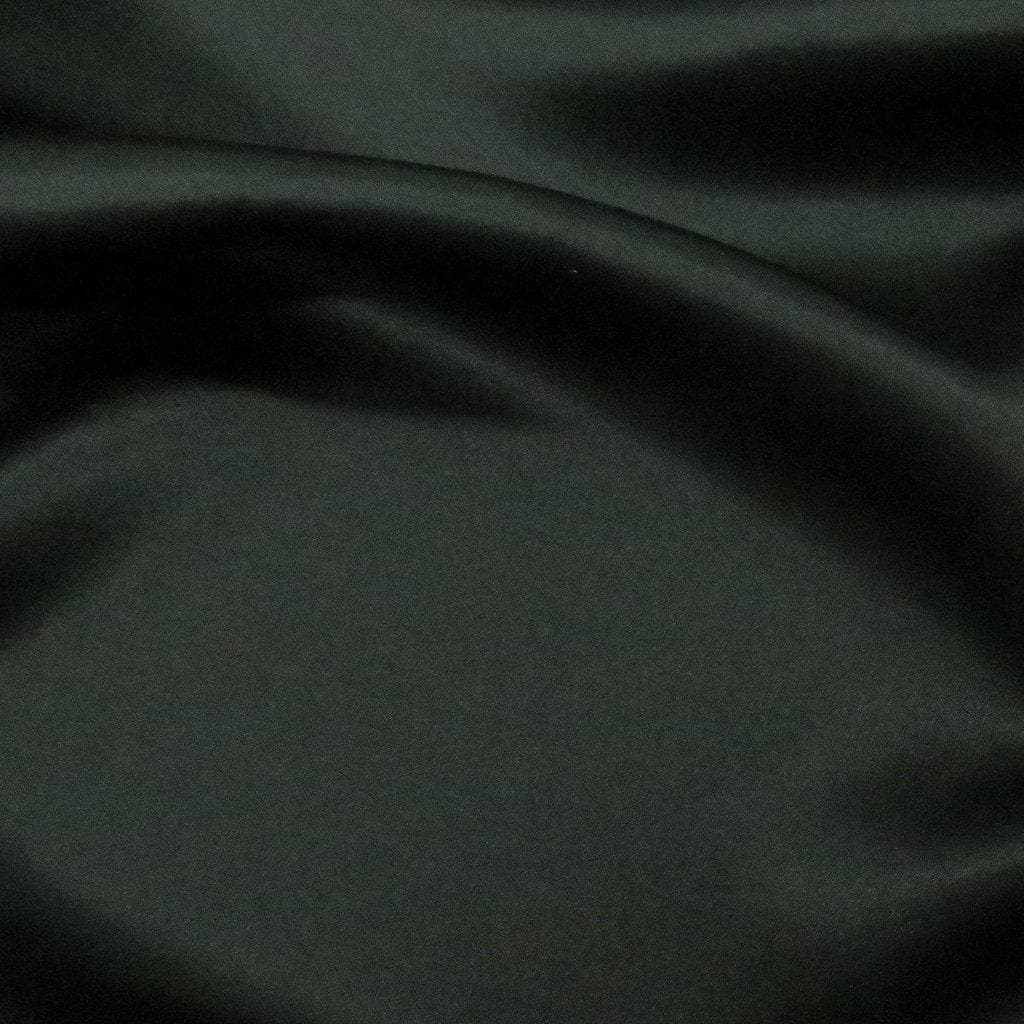
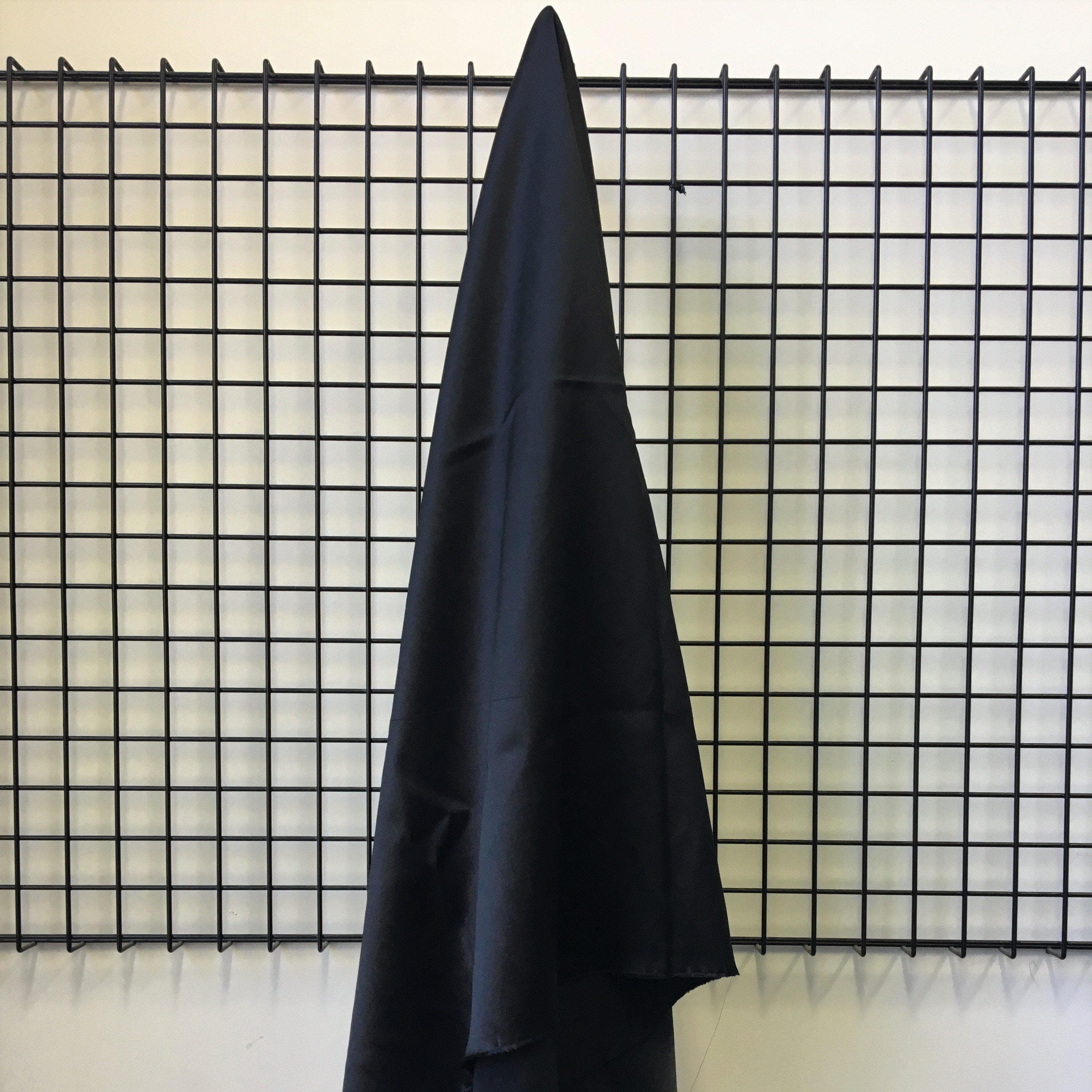
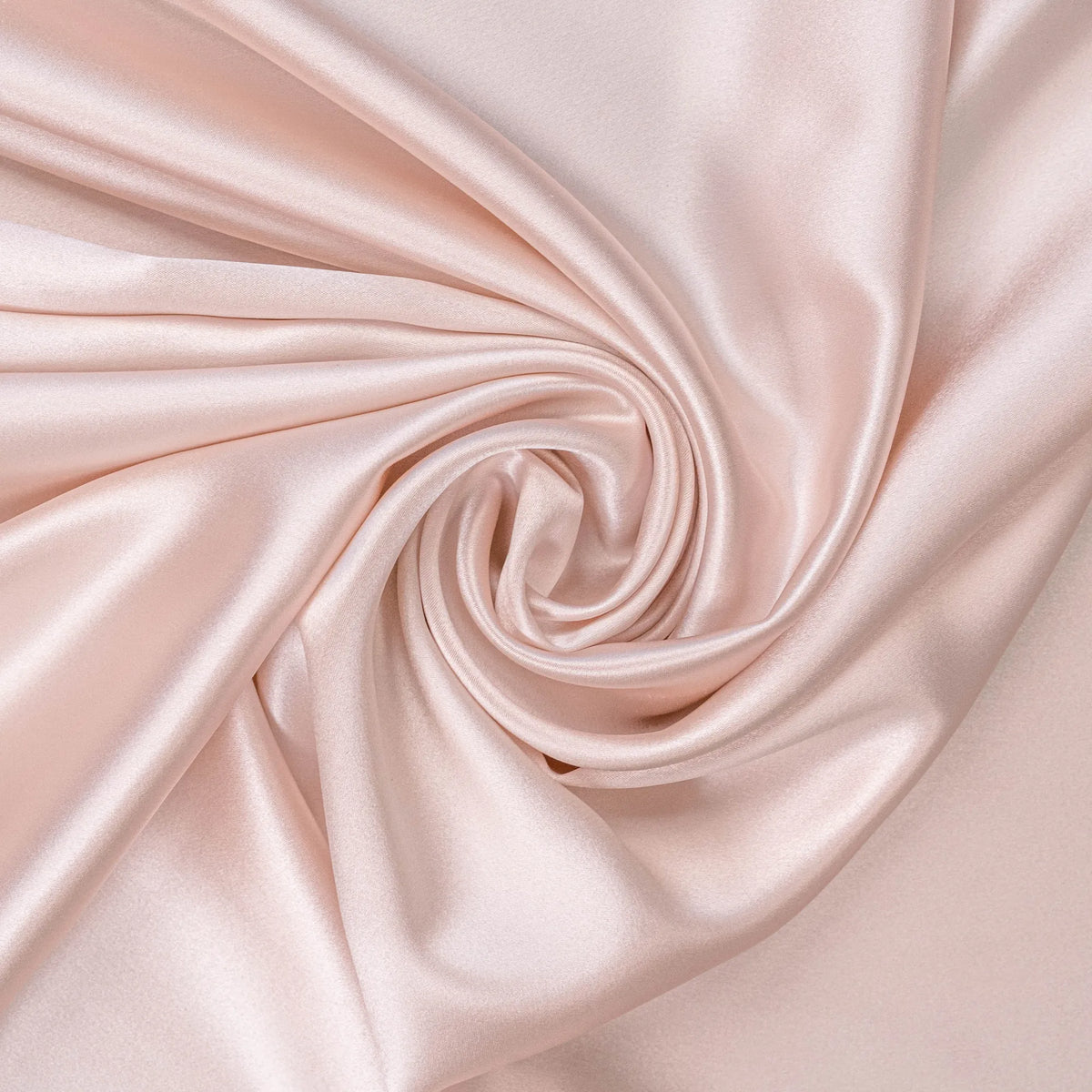
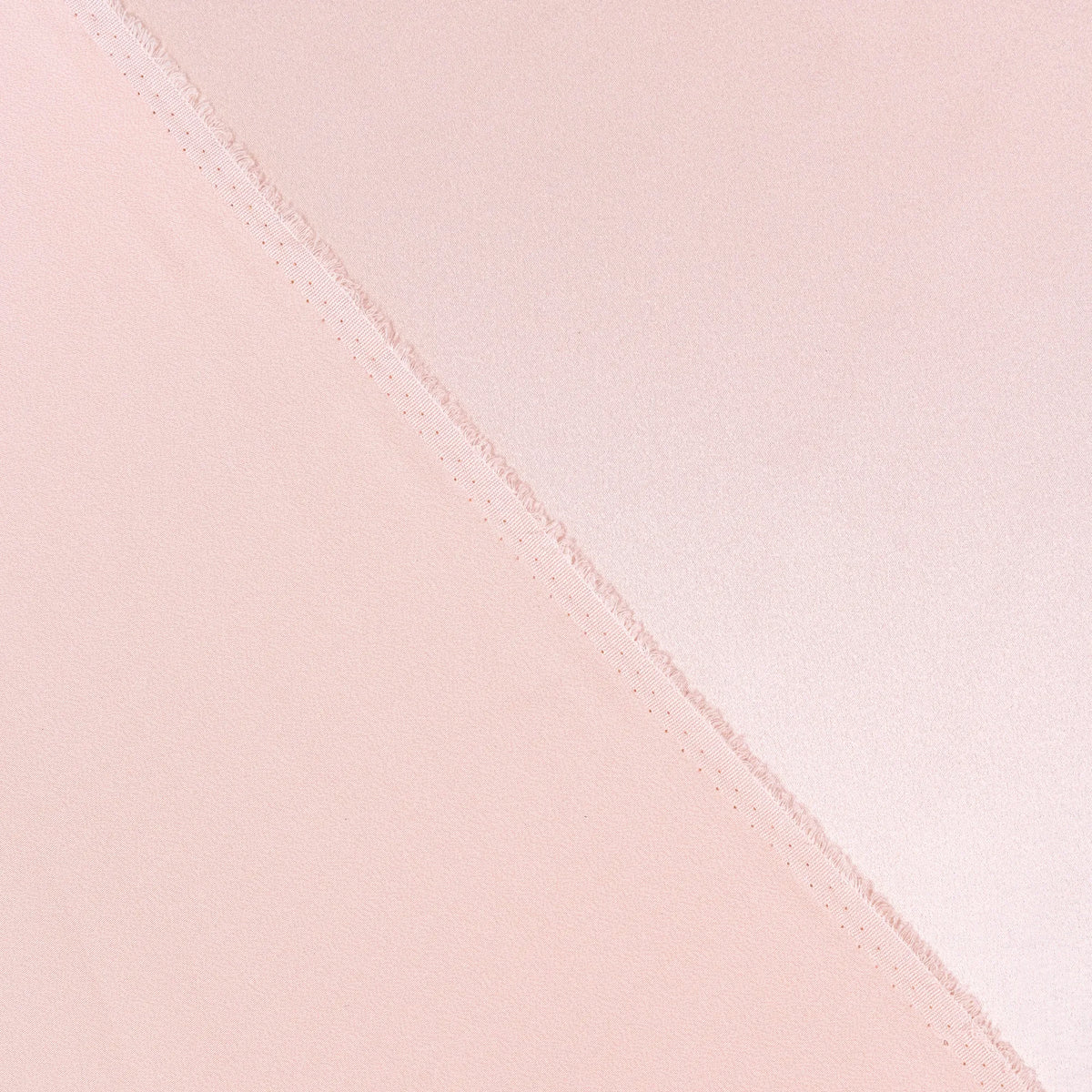
A heavy silk satin with a soft satin face and a matte crepe back, so either side can be the right side. Its weighty, fluid drape suits gowns and bias-cut styles.
- 8 colours
- 137 cm wide
- 100% Silk
- From $139.70 per metre
Guide
Silk Crepe Satin: Uses and How to Sew It
Why silk crepe satin is worth it, how it compares with our other silk satins, what to make with it, and easy tips for sewing it at home.
Why silk crepe satin?
- A beautiful, weighty drape. At 174 gsm it falls into soft, fluid folds and moves as you walk.
- Two right sides. A soft satin face and a matte crepe back, so you can use either side, or both for contrast.
- It breathes. Silk is a natural fibre, so it's comfortable to wear all evening.
- A soft, rich sheen. A gentle glow, with colours that look deep and clear.
Certified silk. All of our silk crepe satin is 100% pure mulberry silk, certified to two independent standards:
- GOTS (Global Organic Textile Standard): the silk is organic, and traced from the farm to the finished cloth.
- OEKO-TEX Standard 100: tested for harmful substances, so it's safe against the skin.
Which silk satin?
Our silk satins range from soft and fluid to crisp and structured. Here's how they compare, to help you pick the right one for your project.
| Sandwash satin | Silk satin 25mm | Crepe satin | Stretch satin | Duchess satin | Queen satin | |
|---|---|---|---|---|---|---|
| Fibre | 100% silk | 100% silk | 100% silk | 93% silk, 7% Lycra | 100% silk | 100% silk |
| Finish | Soft satin, with a faille-like matte side | Lustrous satin face, matte back | Satin on one side, matte crepe on the other | Satin face, matte back | Low-sheen, delustred satin | Low-sheen, delustred satin |
| Handle | Soft and fluid | Super soft, drapes and layers beautifully | Soft, with a weighty fall | Soft, with a moderate one-way stretch | Very structured, sculptural in one direction | Soft, but holds its shape |
| Great for | Slips, blouses, lingerie | Blouses, lingerie, draped dresses, luxurious linings | Draped and bias-cut gowns | Fitted dresses, skirts and pants | Structured, sculptural gowns and bodices | Voluminous couture and bridal shapes |
| To sew | Slippery: take your time | Smooth: take your time | Weighty and smooth | Easy to fit | Stays put, but shows pin marks | Stays put, but shows pin marks |
| Weight | 82 gsm | 108 gsm | 174 gsm | 82 gsm | 109 gsm | 117 gsm |
| Width | 137 cm | 137 cm | 137 cm | 137 cm | 140 cm | 140 cm |
For a soft, flowing gown, look at crepe satin. For crisp, sculptural structure, look at duchess satin, and for soft volume that holds its shape, queen satin.
What to make with it
- Draped and bias-cut gowns
- Cowl necks and soft, flowing skirts
- Evening and bridal wear, using the crepe side for contrast panels
- Wide-leg pants and soft tops
Cutting
- Decide which side you'll use as the right side, and mark the wrong side of each piece.
- Cut one layer at a time on a large table, so the weight doesn't pull the fabric off grain.
- Use sharp scissors or a rotary cutter, and pins inside the seam allowance only.
Sewing
- Use a fresh, fine needle (size 70 or 80) and a good-quality polyester or mercerised cotton thread. Silk thread is lovely for tacking and hand sewing.
- Pin within the seam allowance, as pins can mark the satin side.
- For bias-cut pieces, let them hang overnight before you sew and hem.
- French seams or neatly finished edges give a clean inside.
- Sew with a 2 mm stitch to stop puckering.
- Guide the fabric lightly with one hand in front of the needle and one behind, keeping it gently taut. Don't pull it through.
- A walking foot, if you have one, helps two slippery layers feed evenly.
- To start a seam, hold both thread ends behind the foot and turn the wheel by hand for the first stitch, so the fabric isn't pulled down into the machine.
- Press each seam flat as soon as you've sewn it, before you press it open: this settles the stitches.
Hems
Crepe satin is heavier than most silks, so a bias-cut skirt can drop more: let it hang overnight, then level the hem and finish it with a machine baby hem for a fluid edge. On straight skirts and dresses, a bound hem is the couture choice: wrap the raw edge in a bias strip of silk habotai, turn up 3 to 4 cm and blindstitch it by hand, catching just a thread so nothing shows on the right side.
Pressing
Press on the silk setting from the crepe side, through a pressing cloth. Test on a scrap first.
Questions
Is crepe satin the same as crepe back satin?
Yes. Crepe satin is also called crepe back satin, because it has a satin face and a crepe back.
Which side of crepe satin is the right side?
Either. The satin side is shinier and the crepe side is matte. Many designers use both in one garment.
Is crepe satin good for a wedding dress?
Yes, especially for softer, draped or bias-cut gowns.
How heavy is crepe satin?
It's 174 gsm (40 momme): heavy enough to drape beautifully without being stiff.
Wholesale for fashion labels, bridal studios and designers buying in bulk. Apply for an account