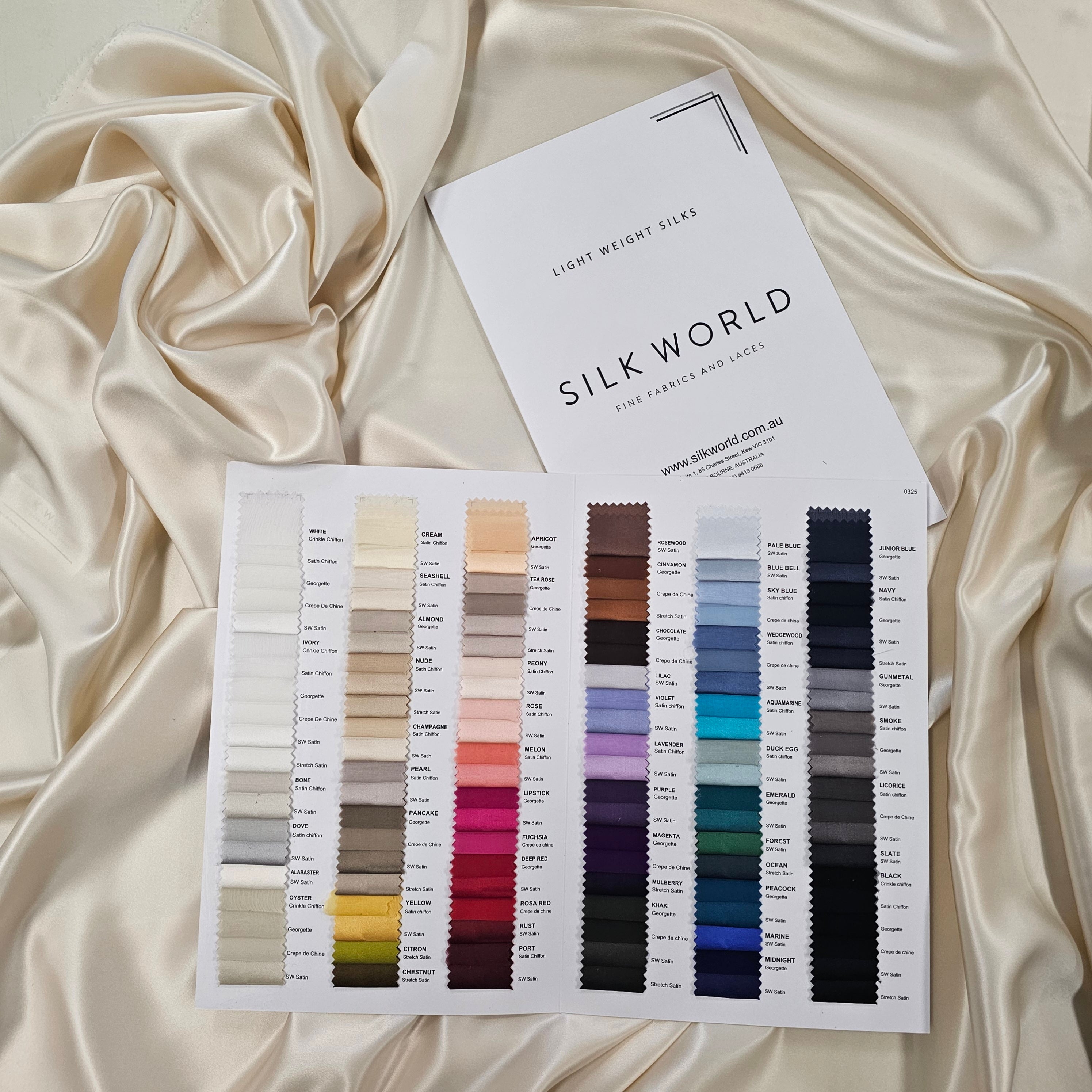
Jacquard & Brocade Fabric
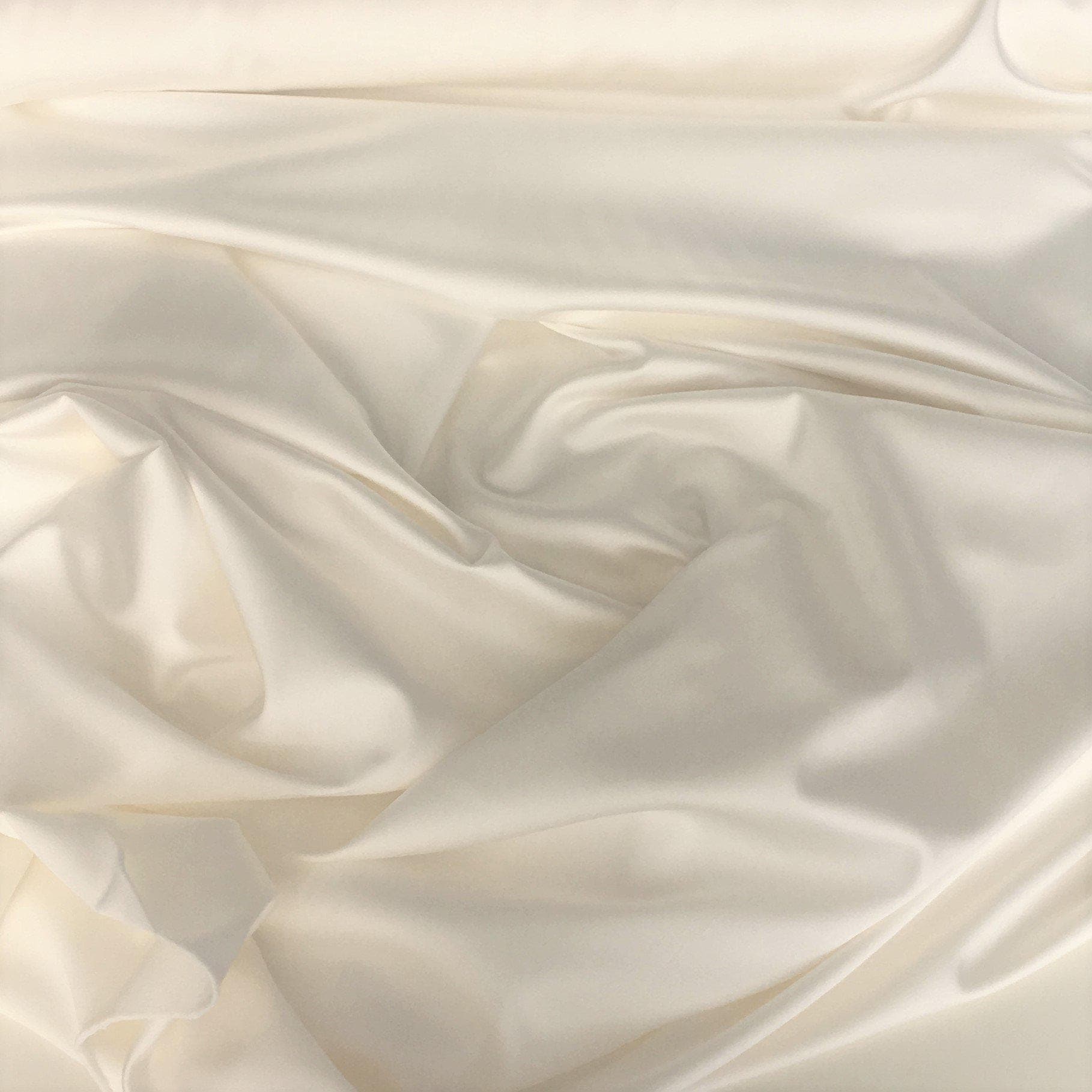
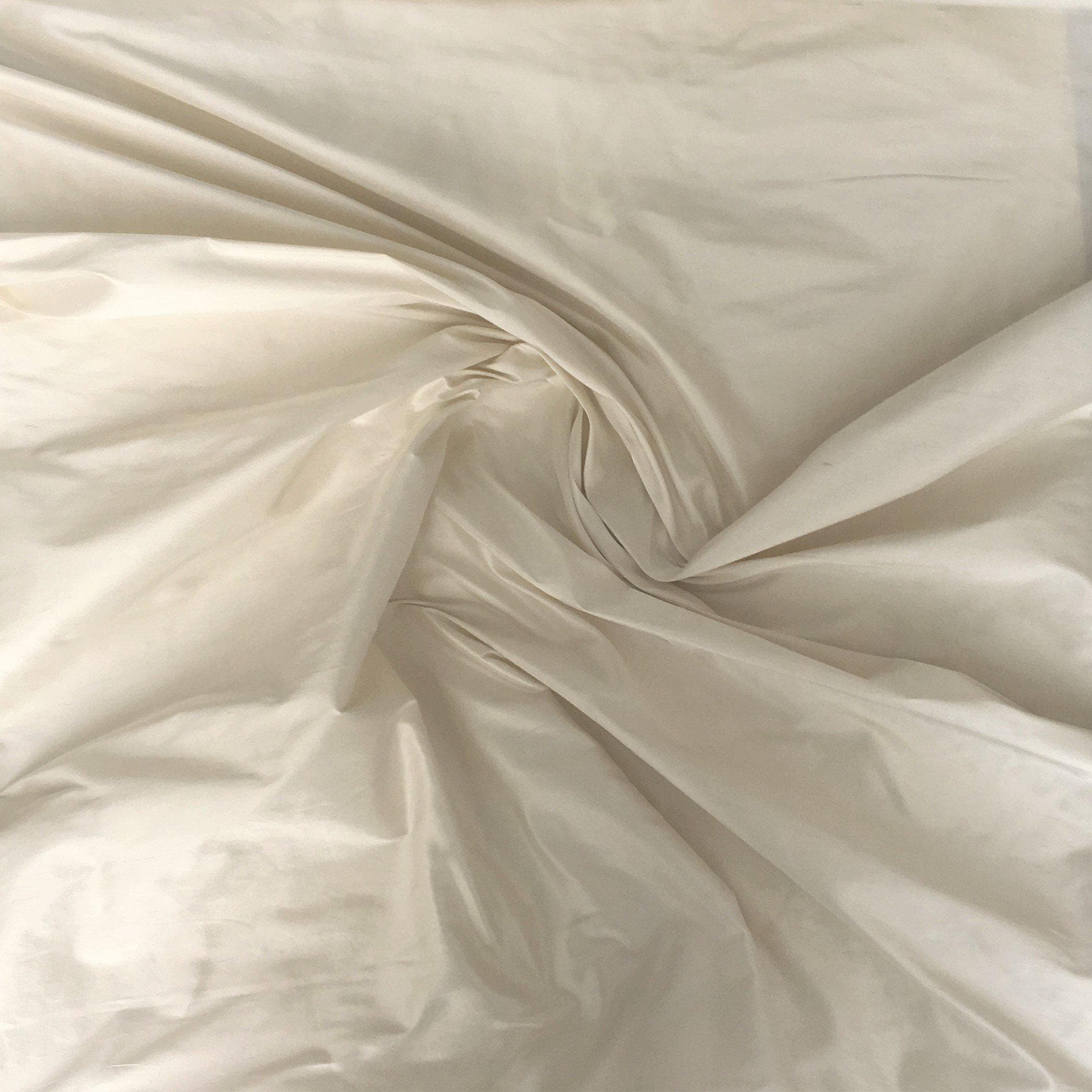
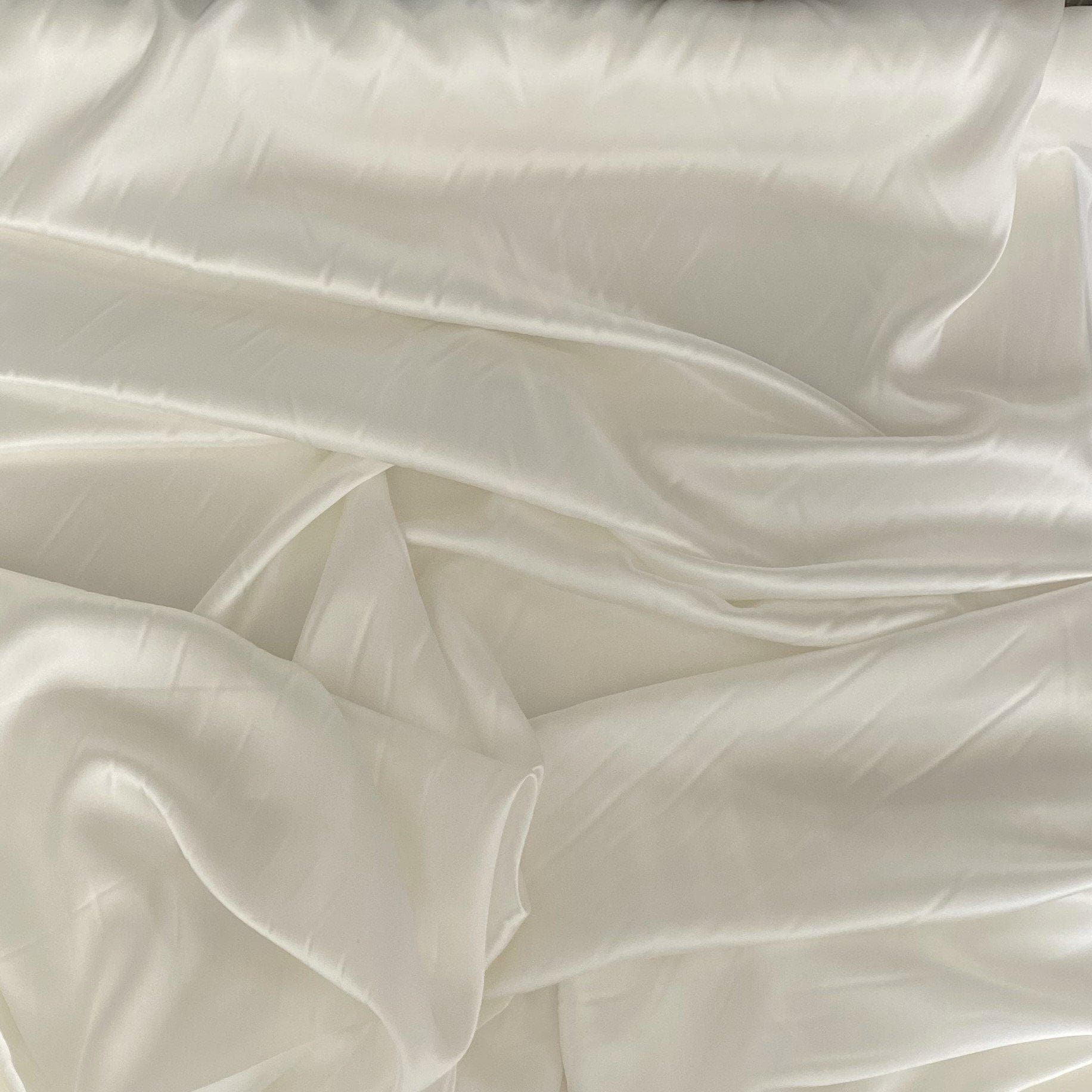
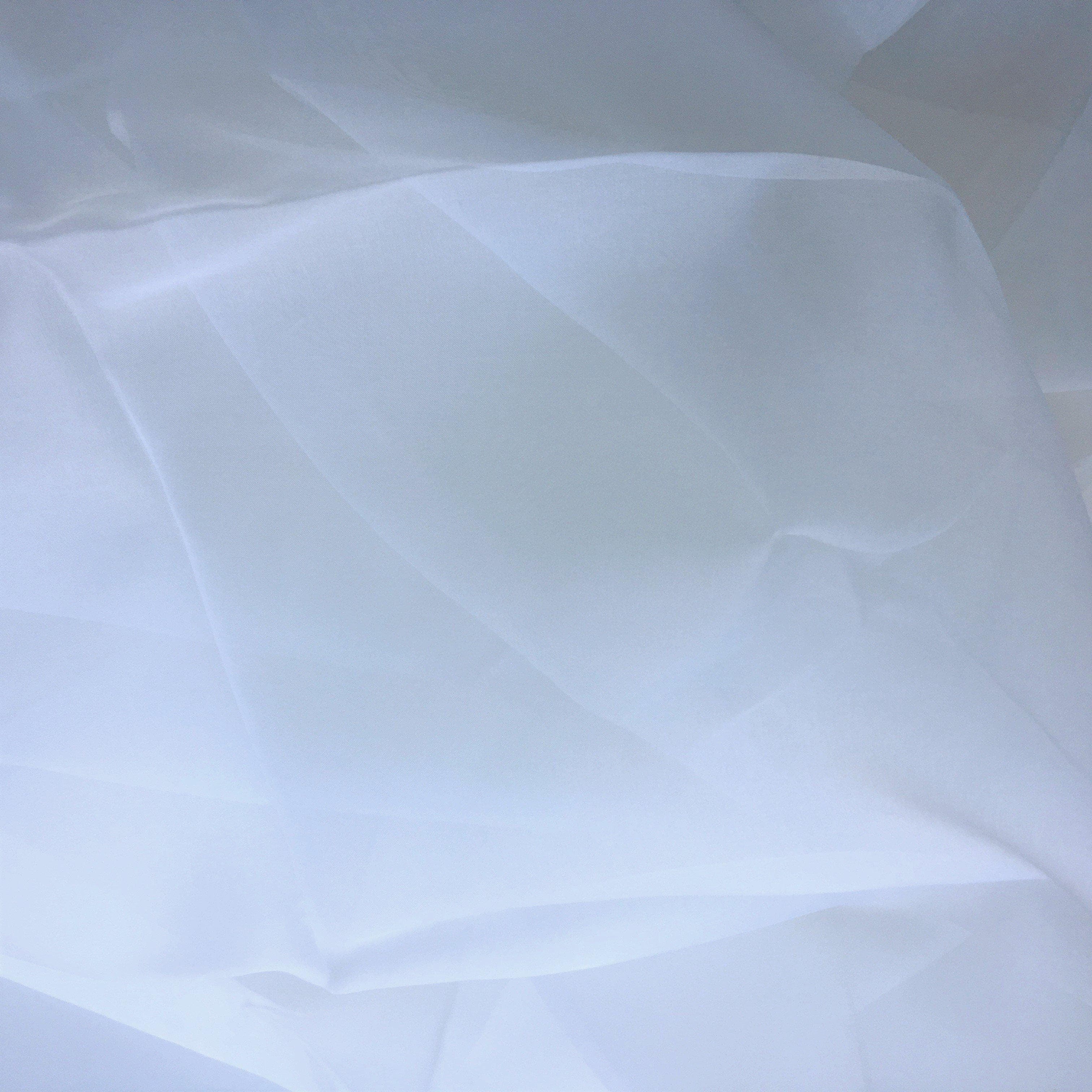
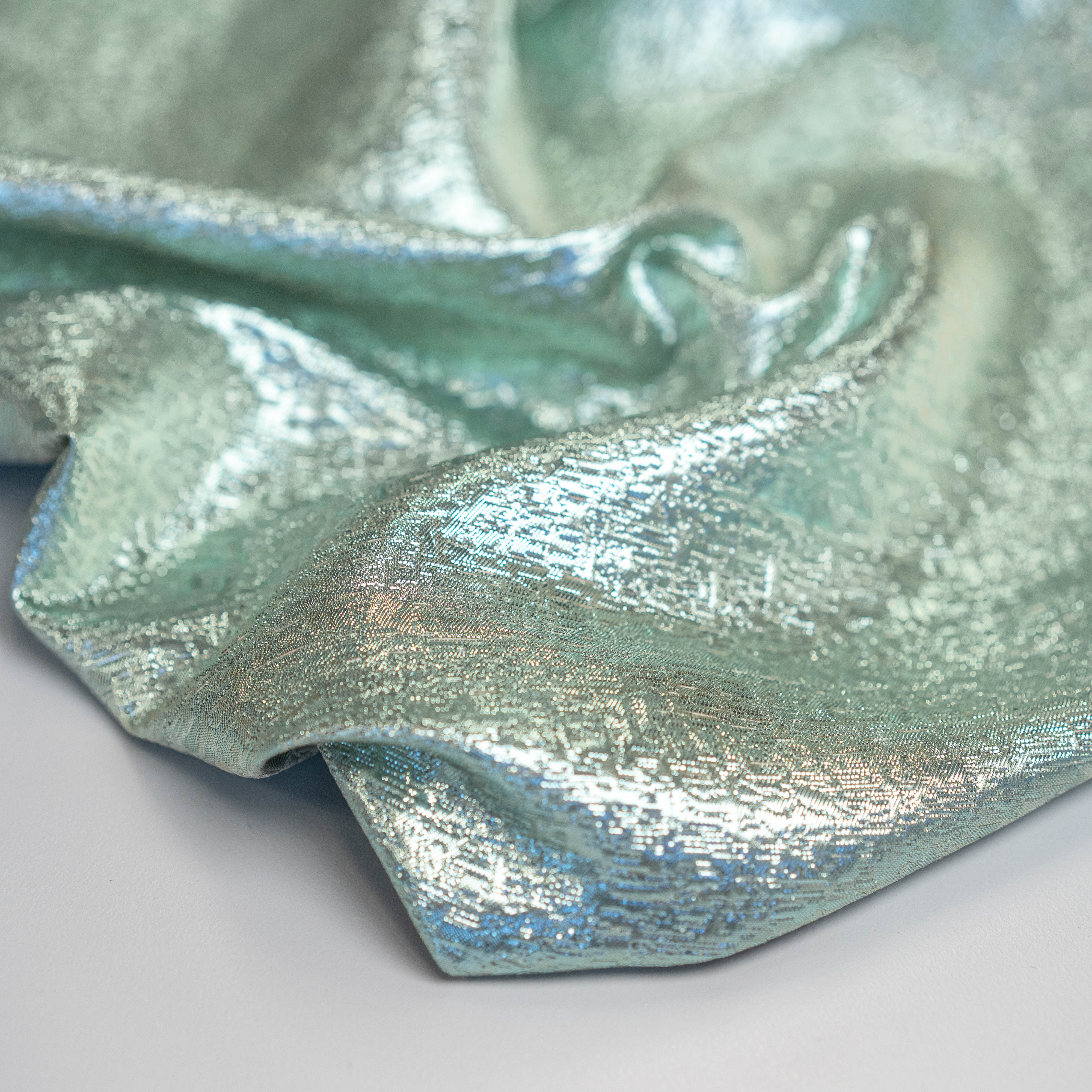
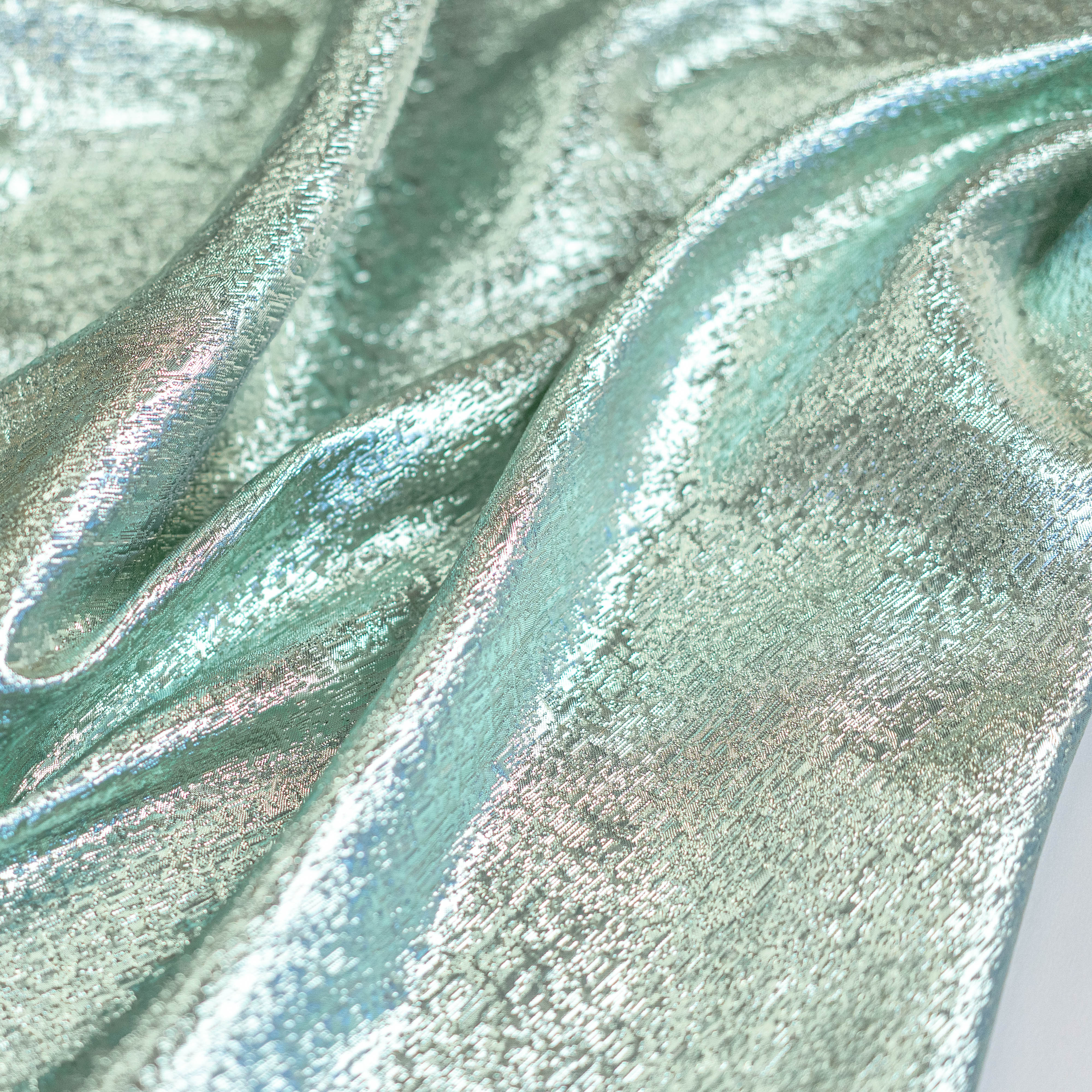
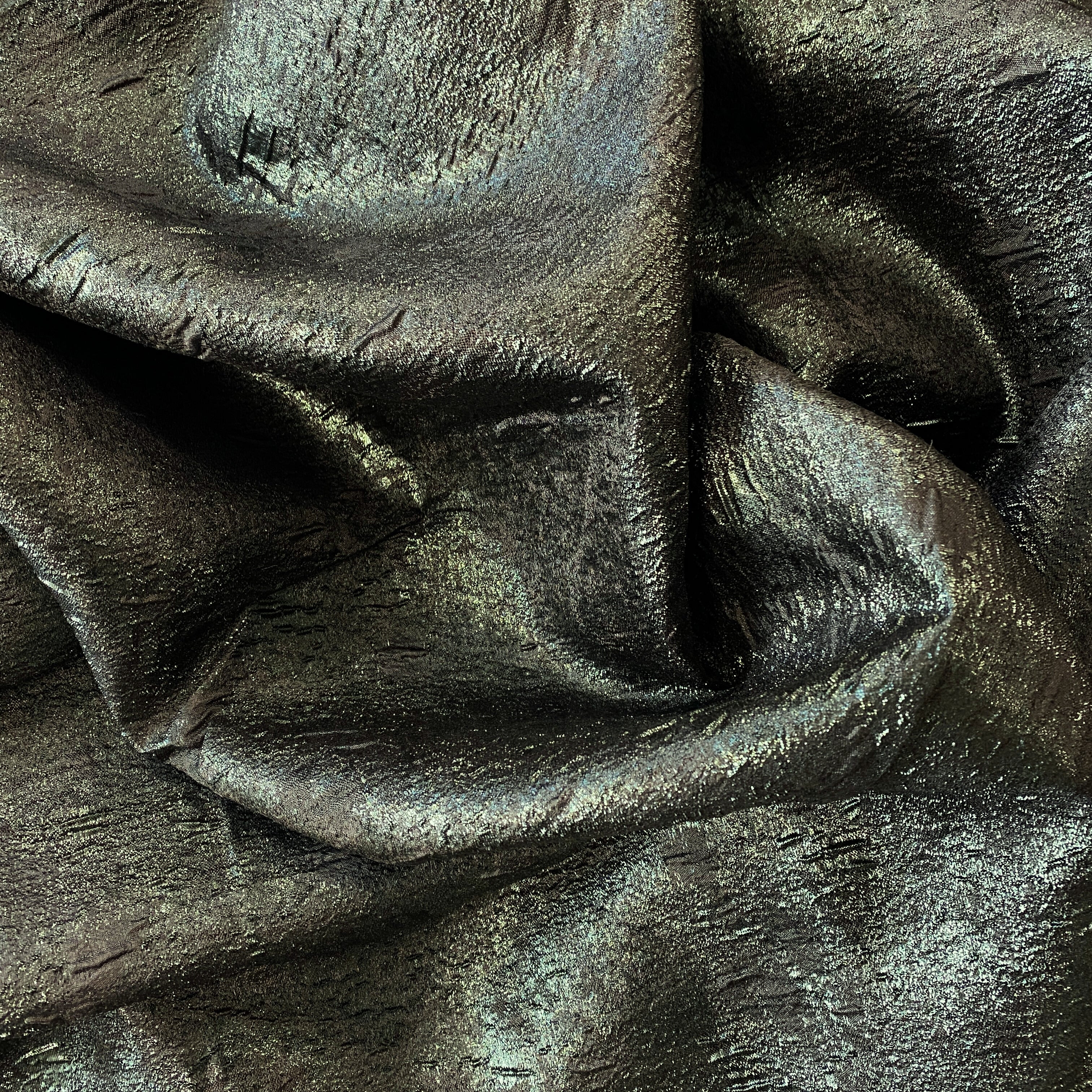
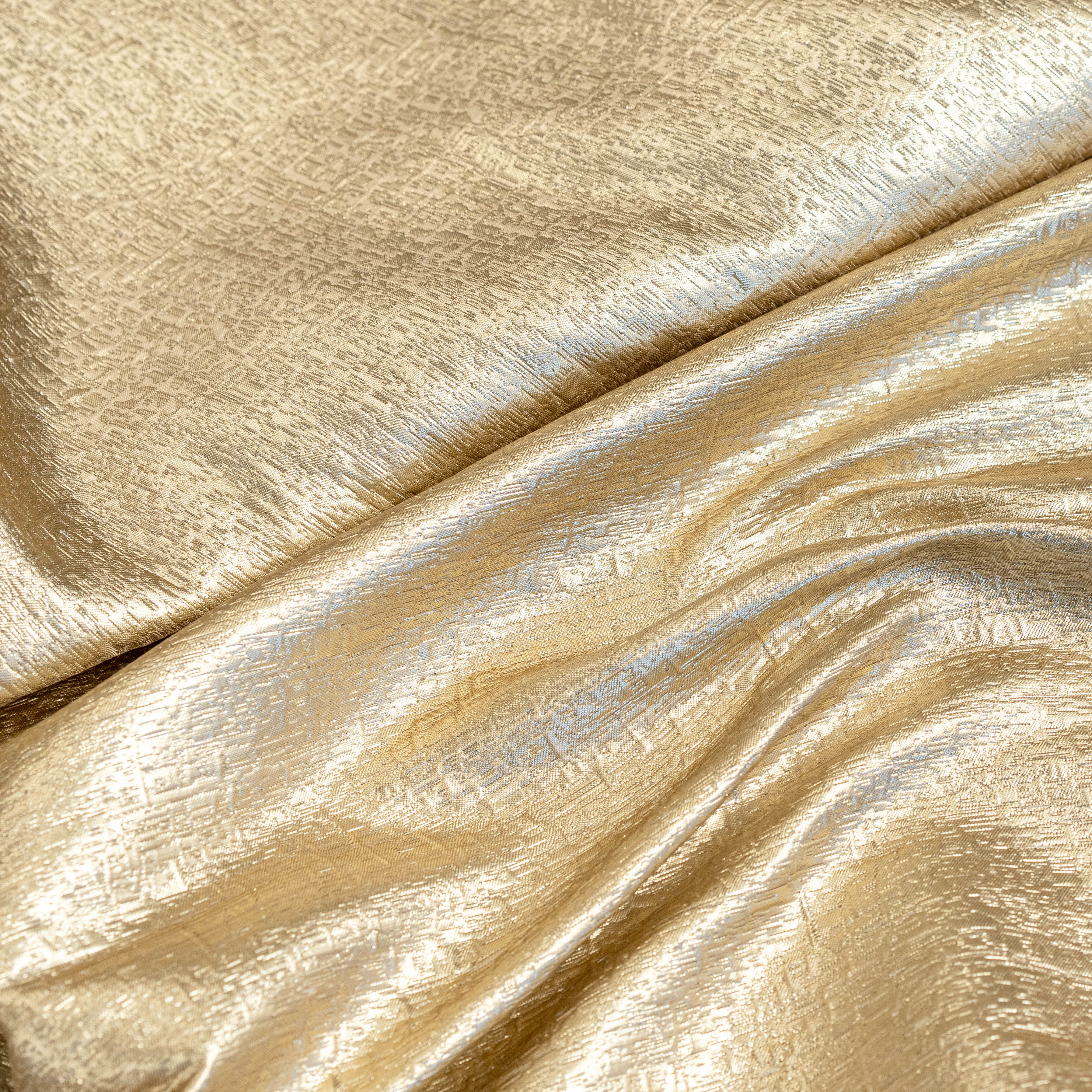
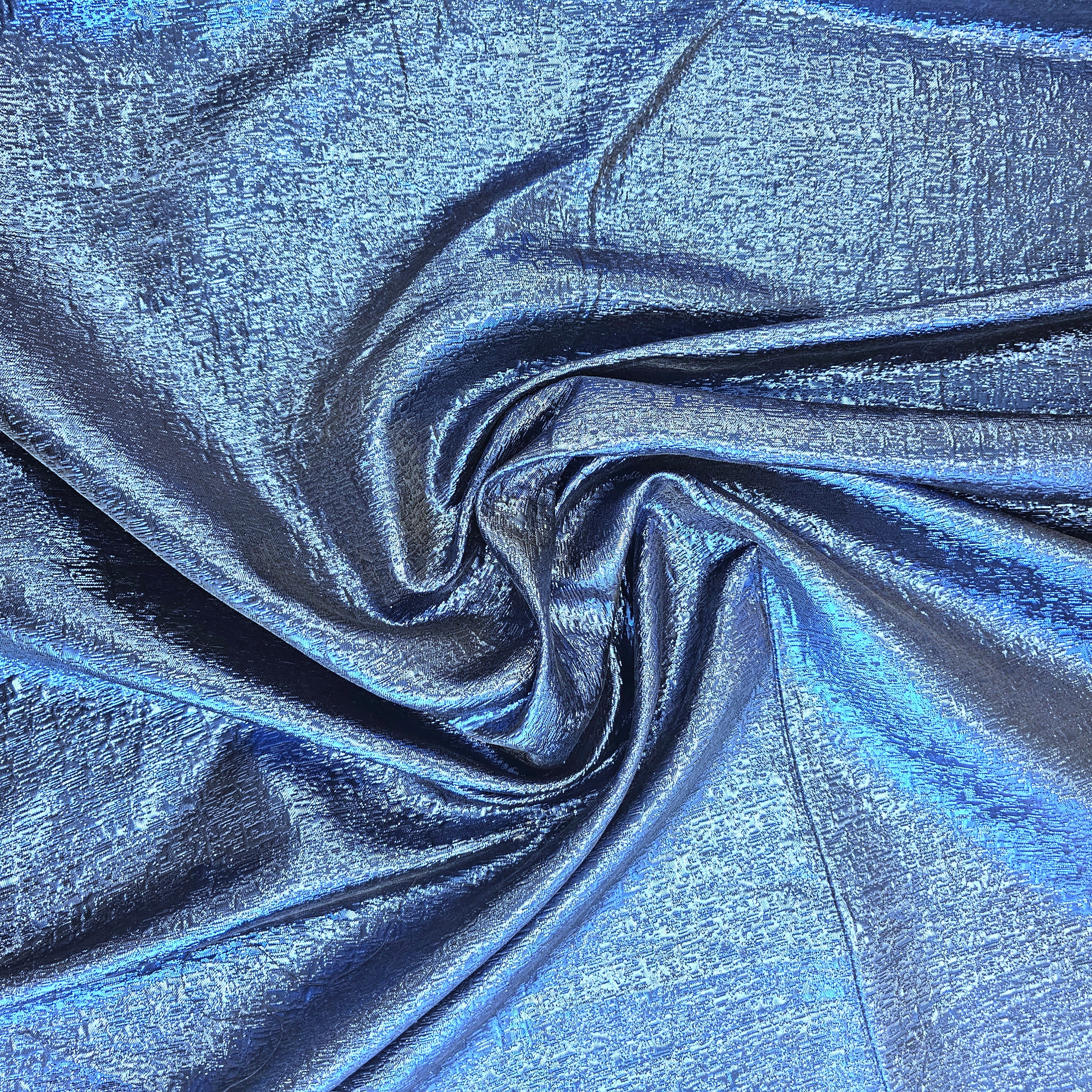
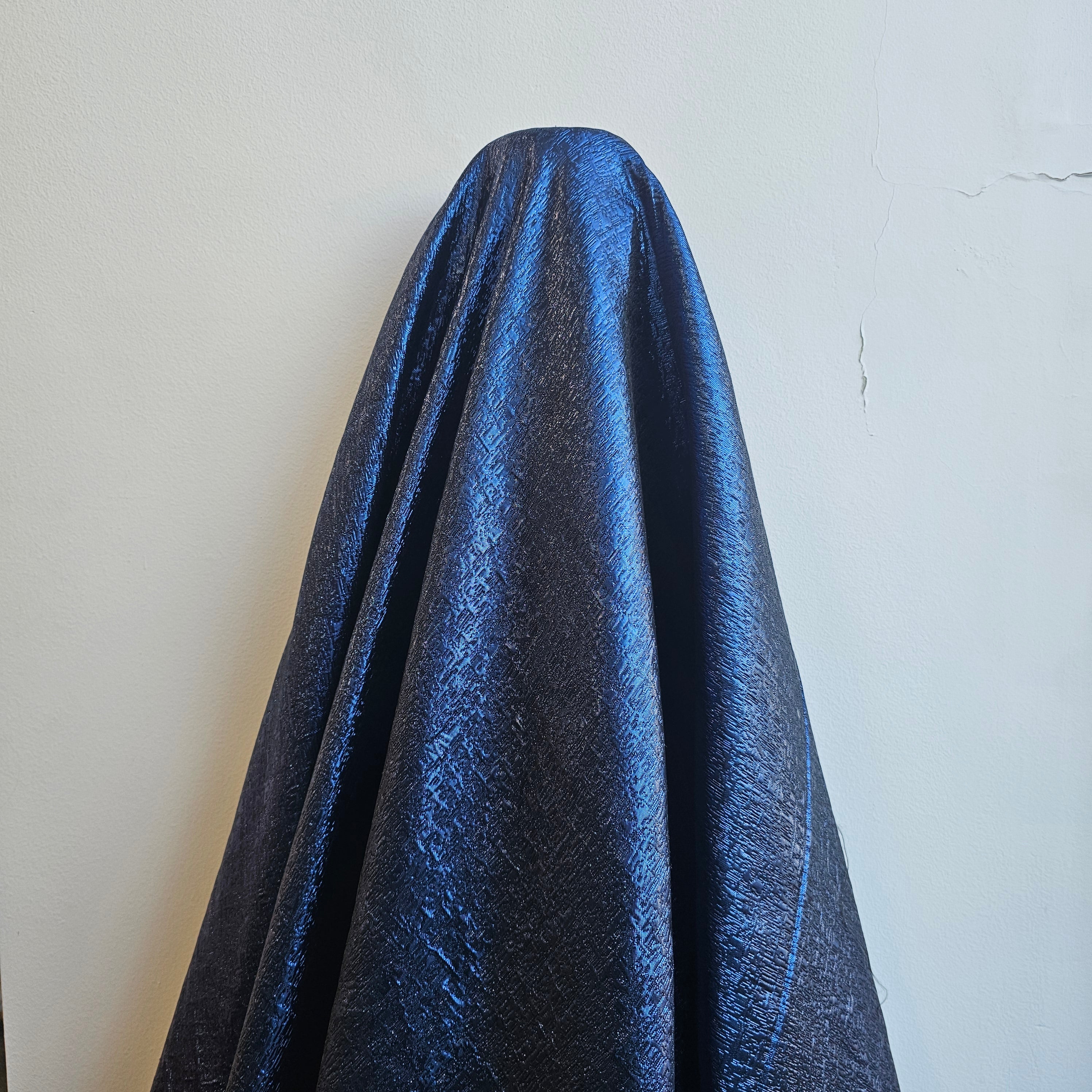
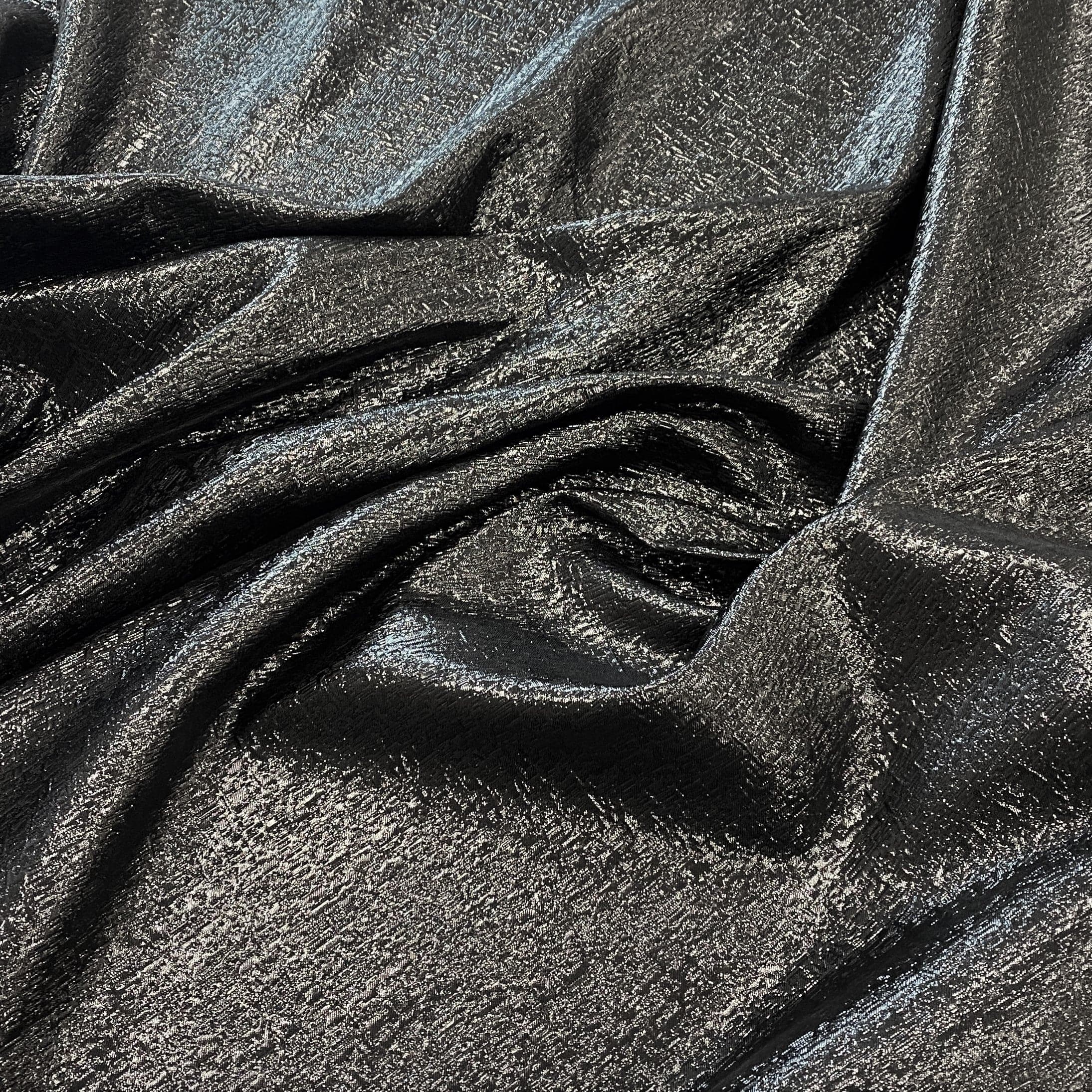
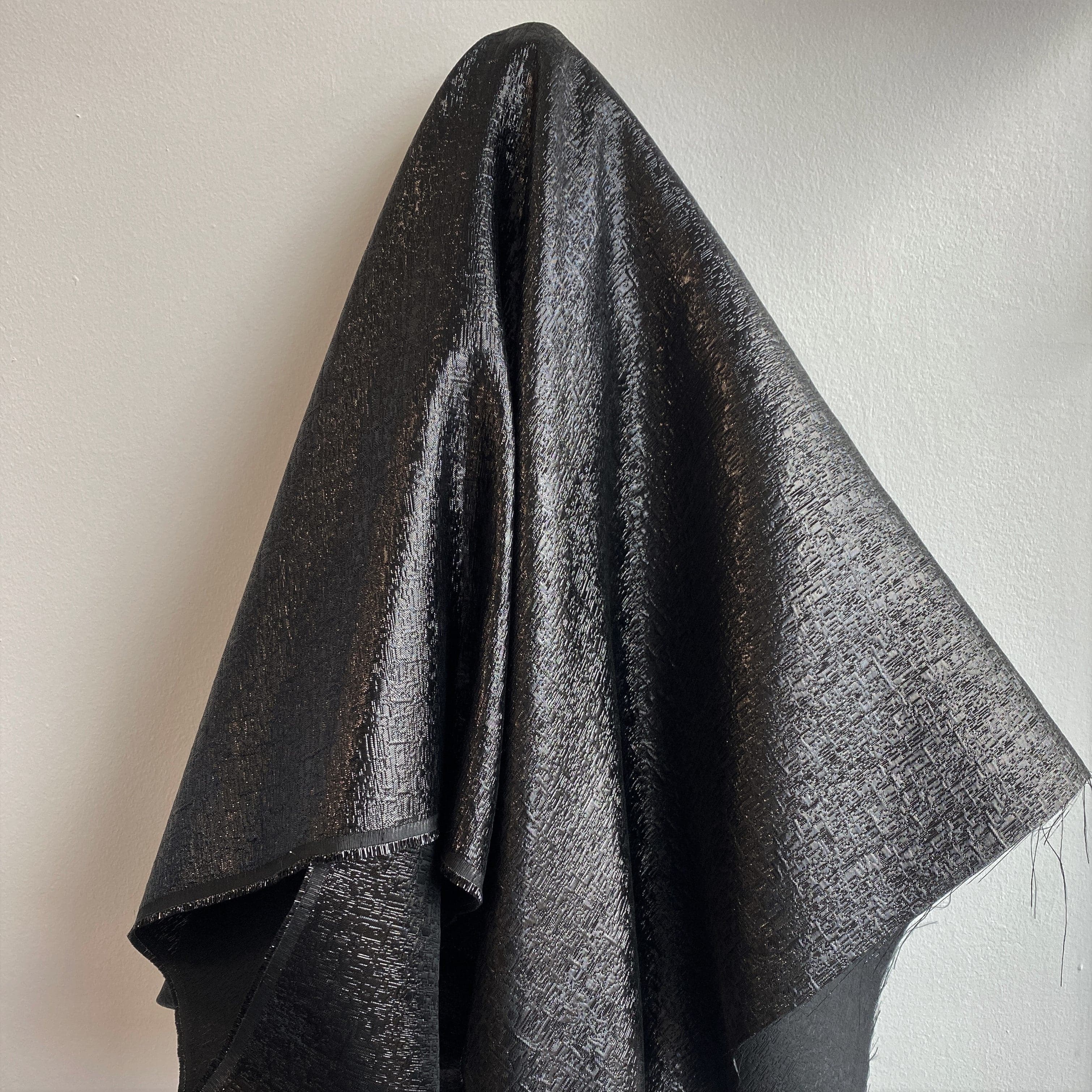
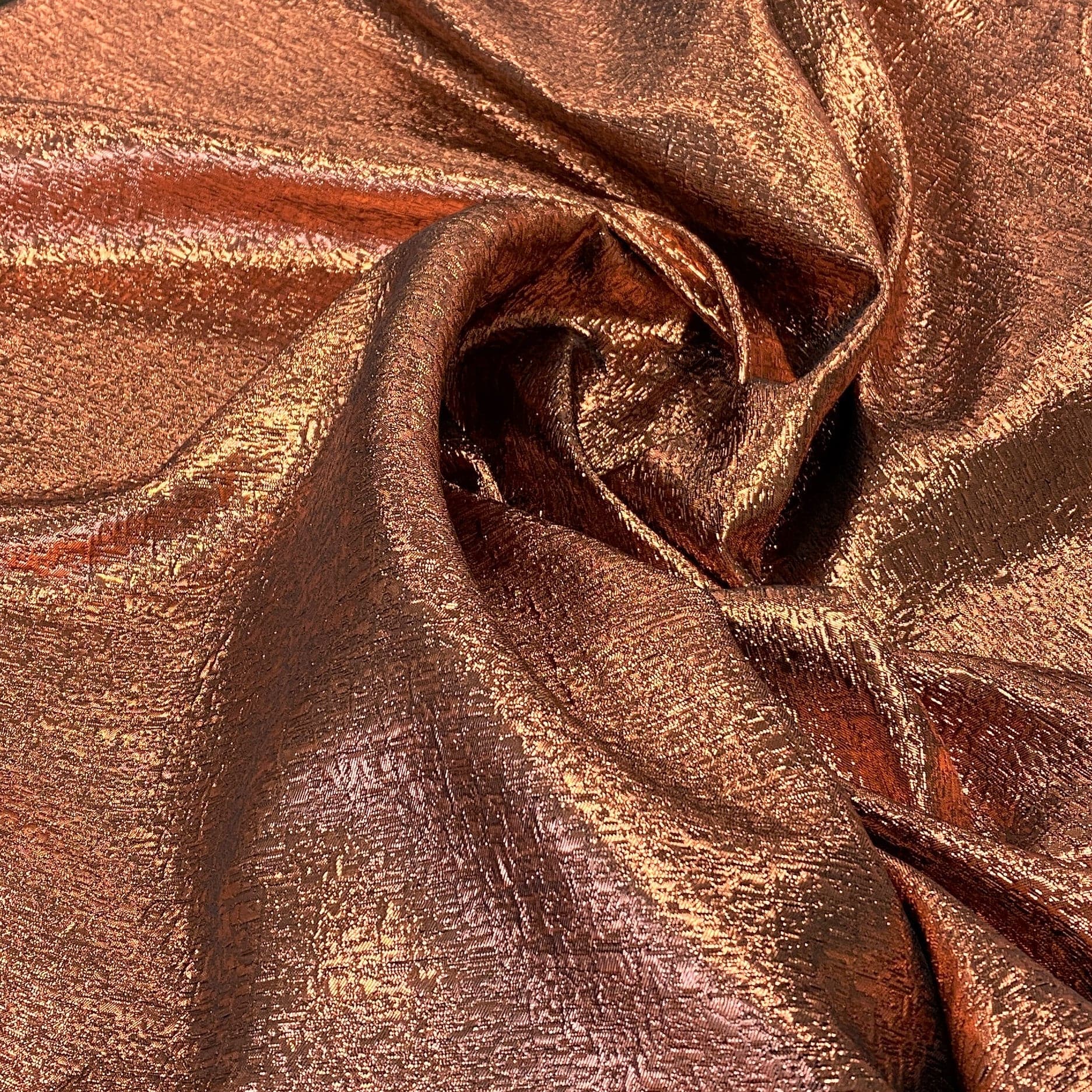
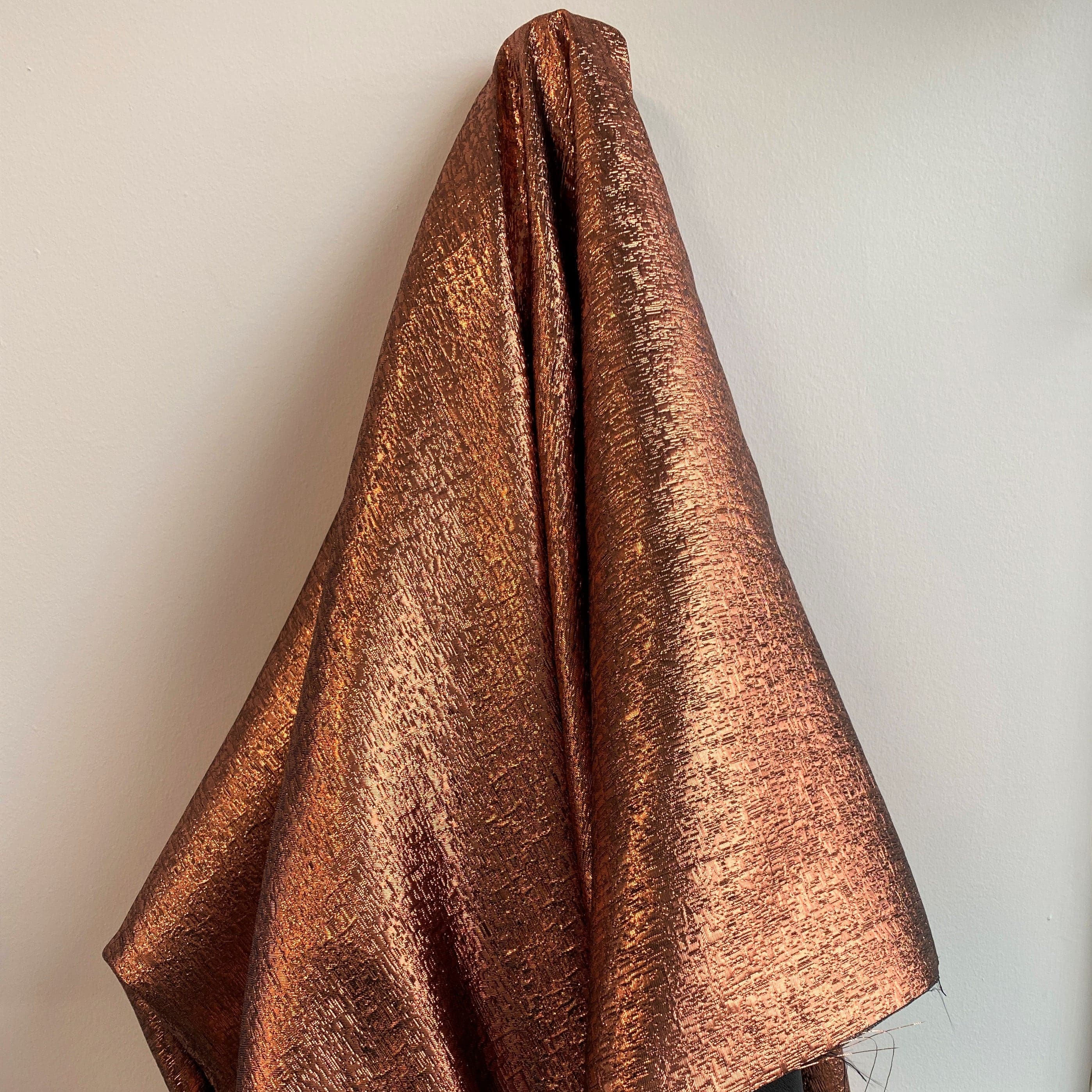
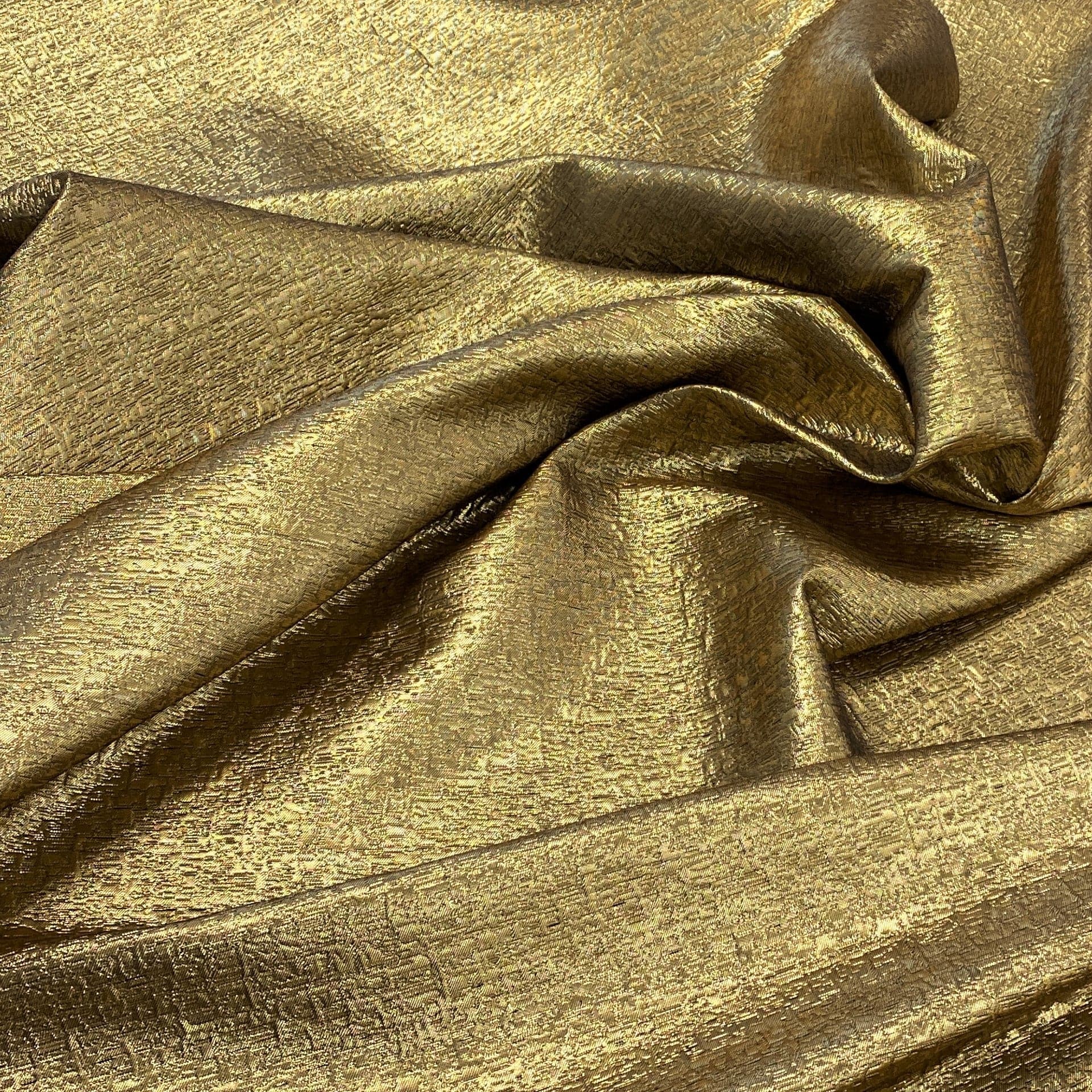
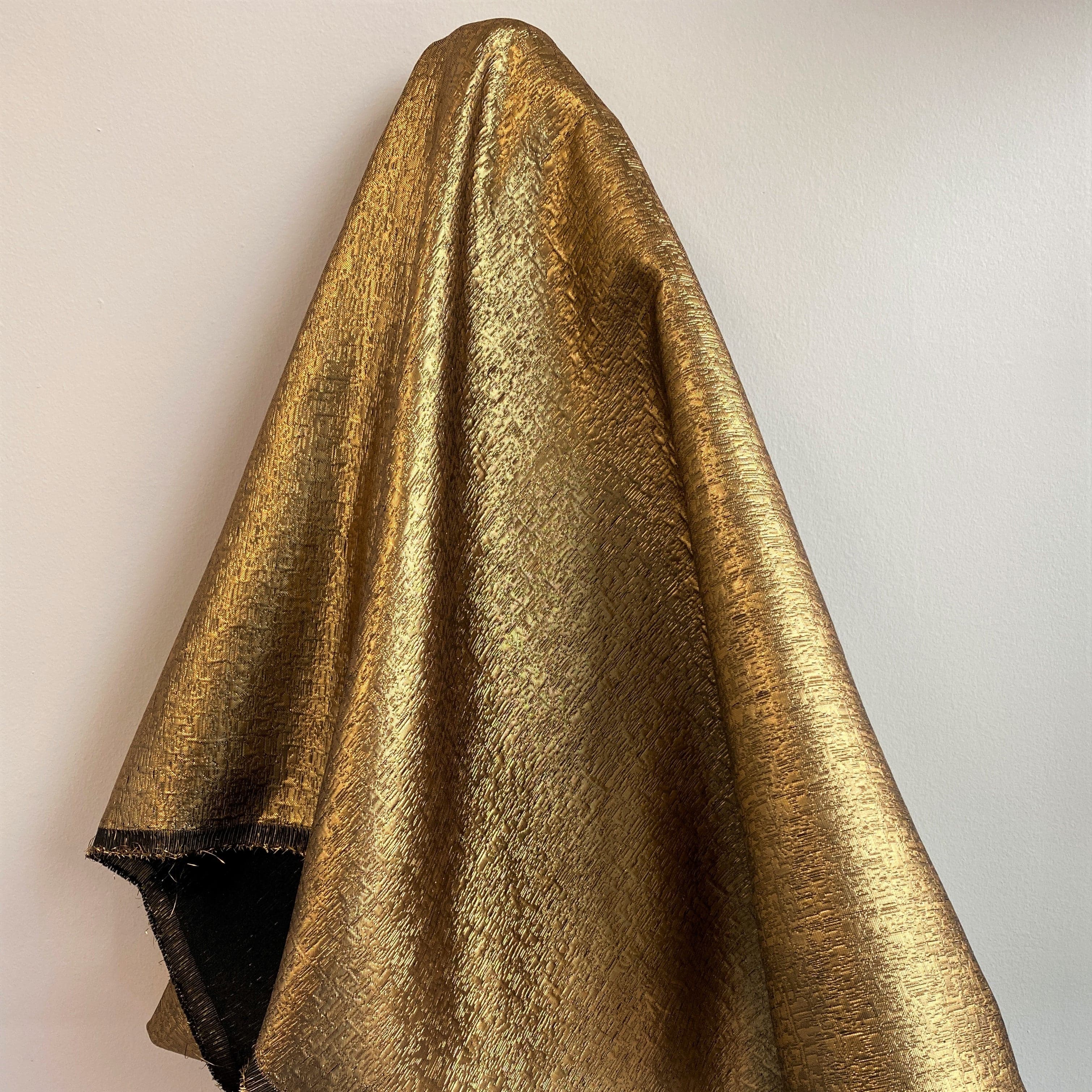
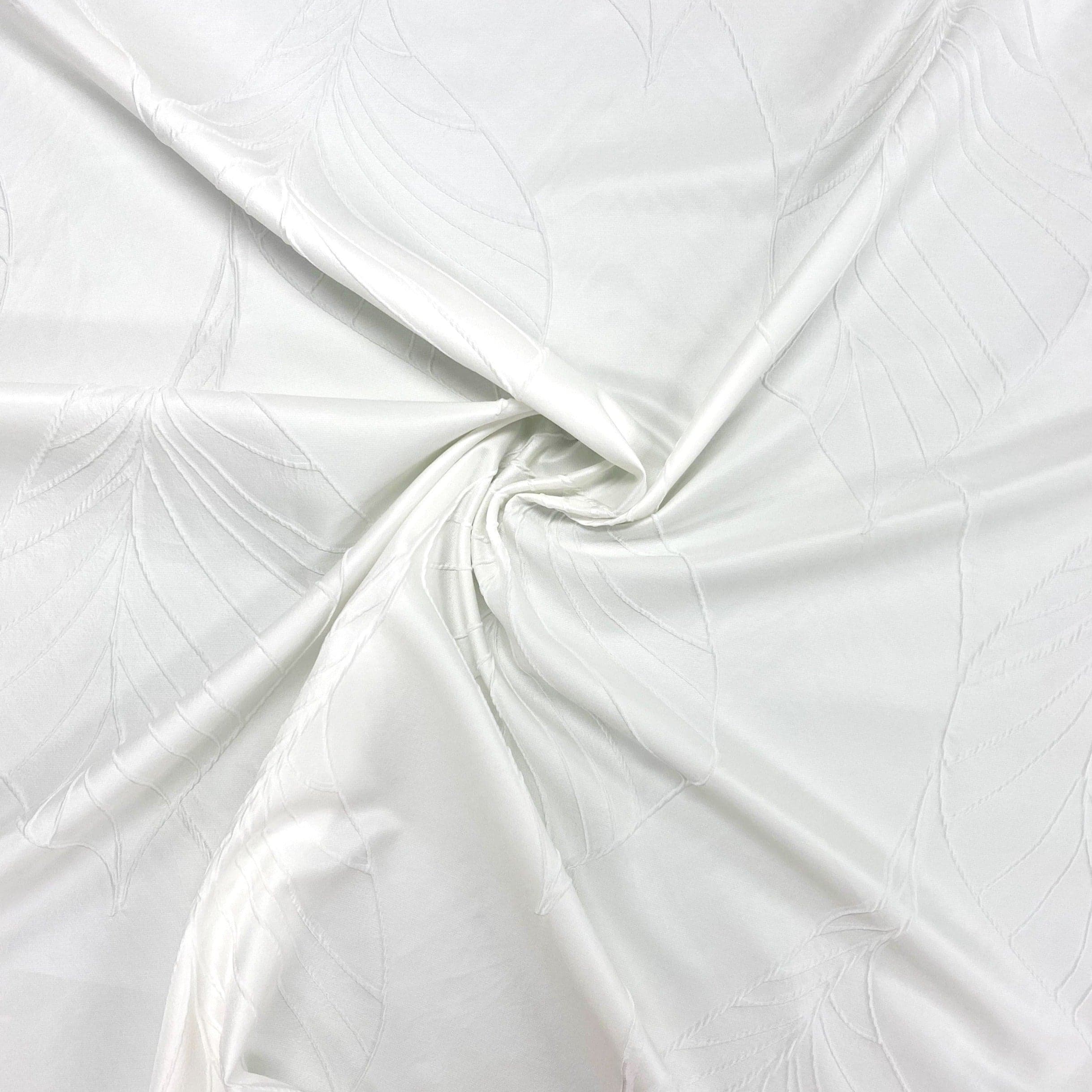
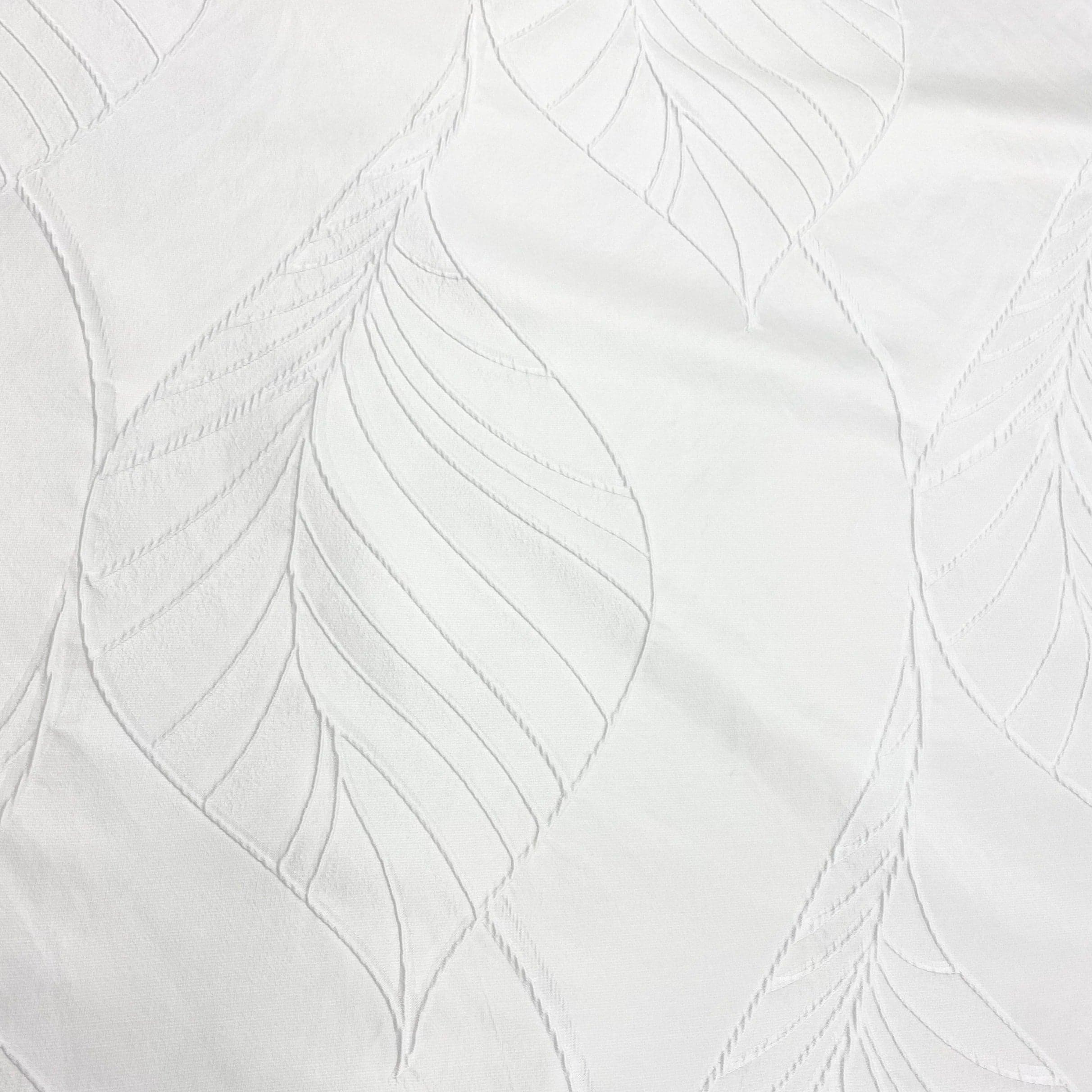
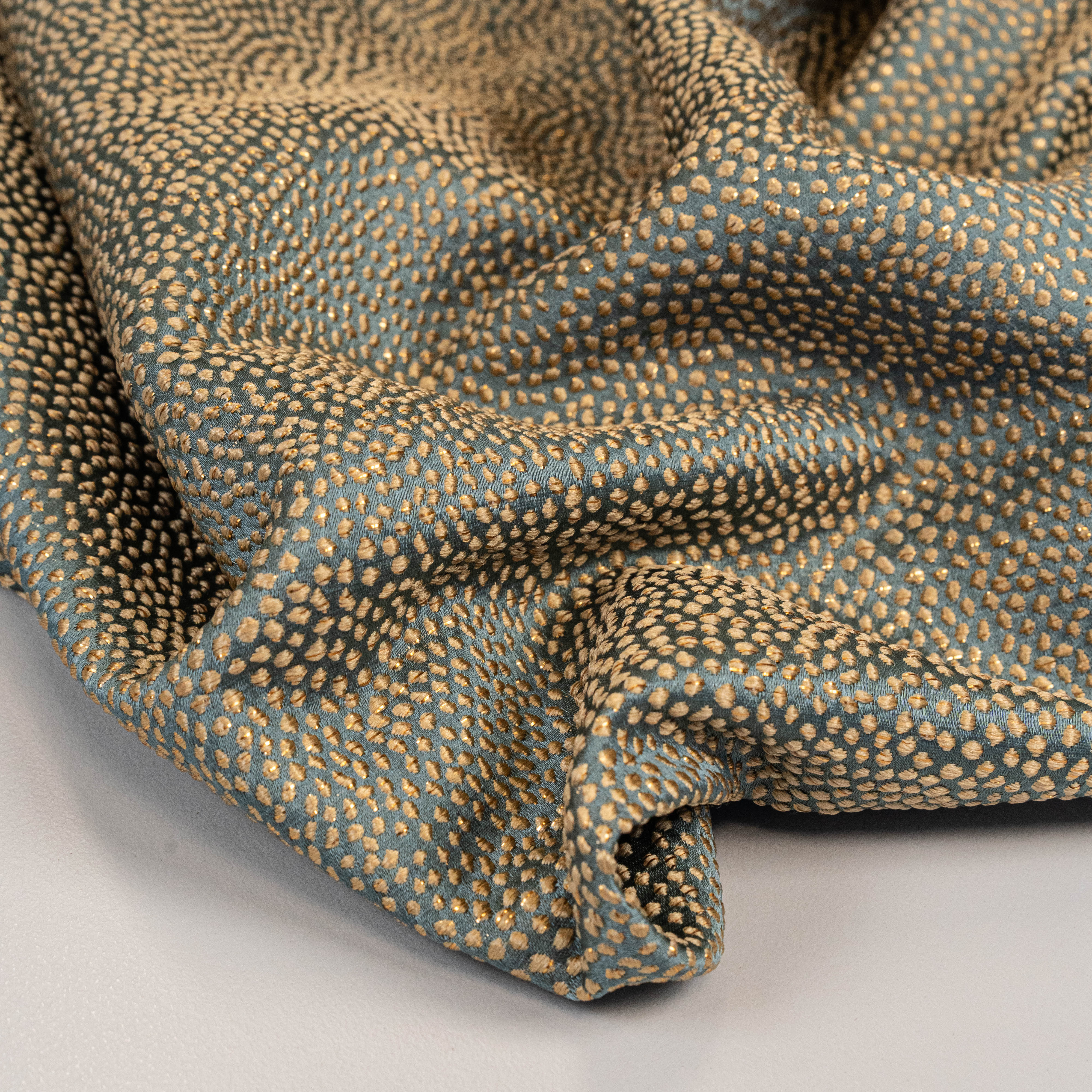
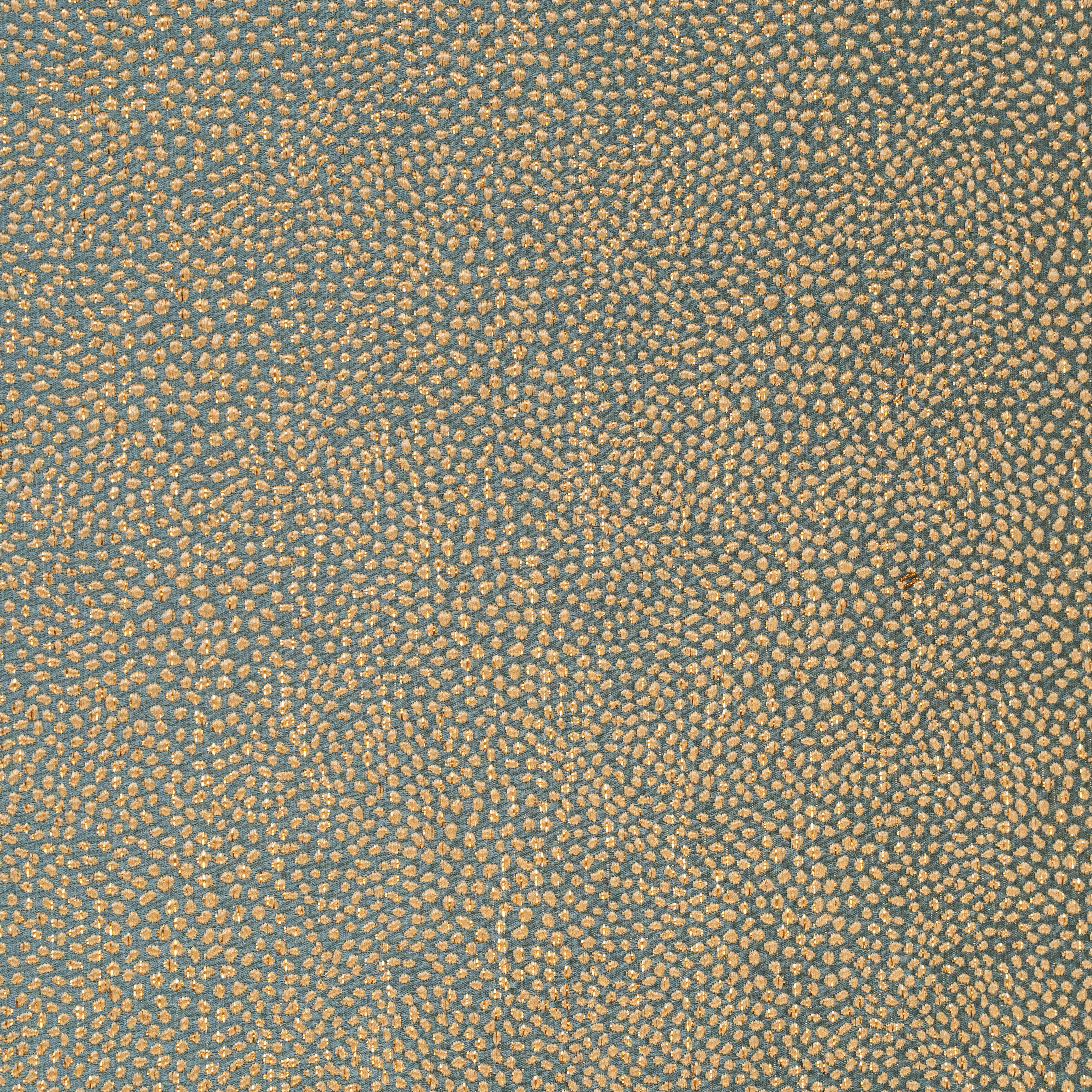
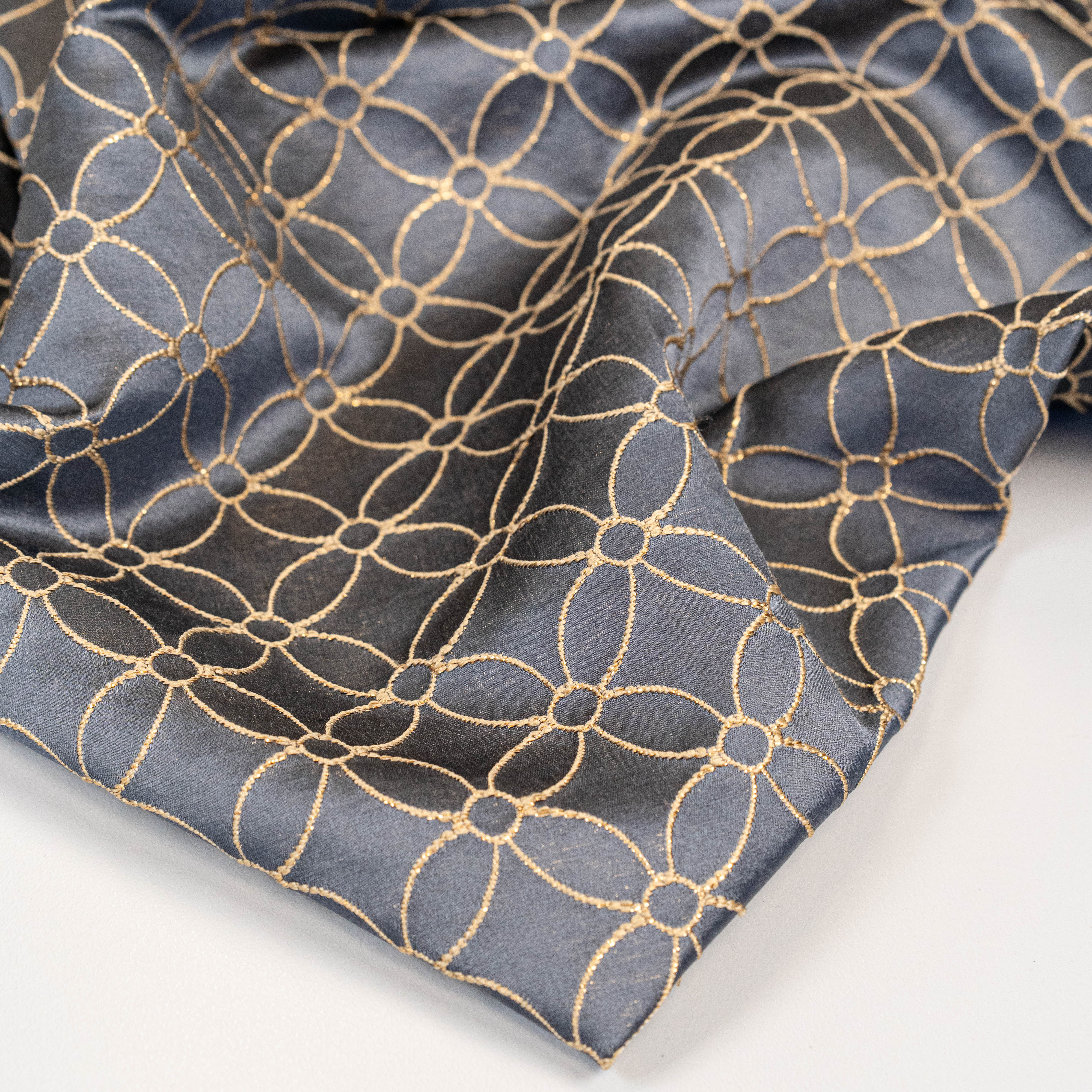
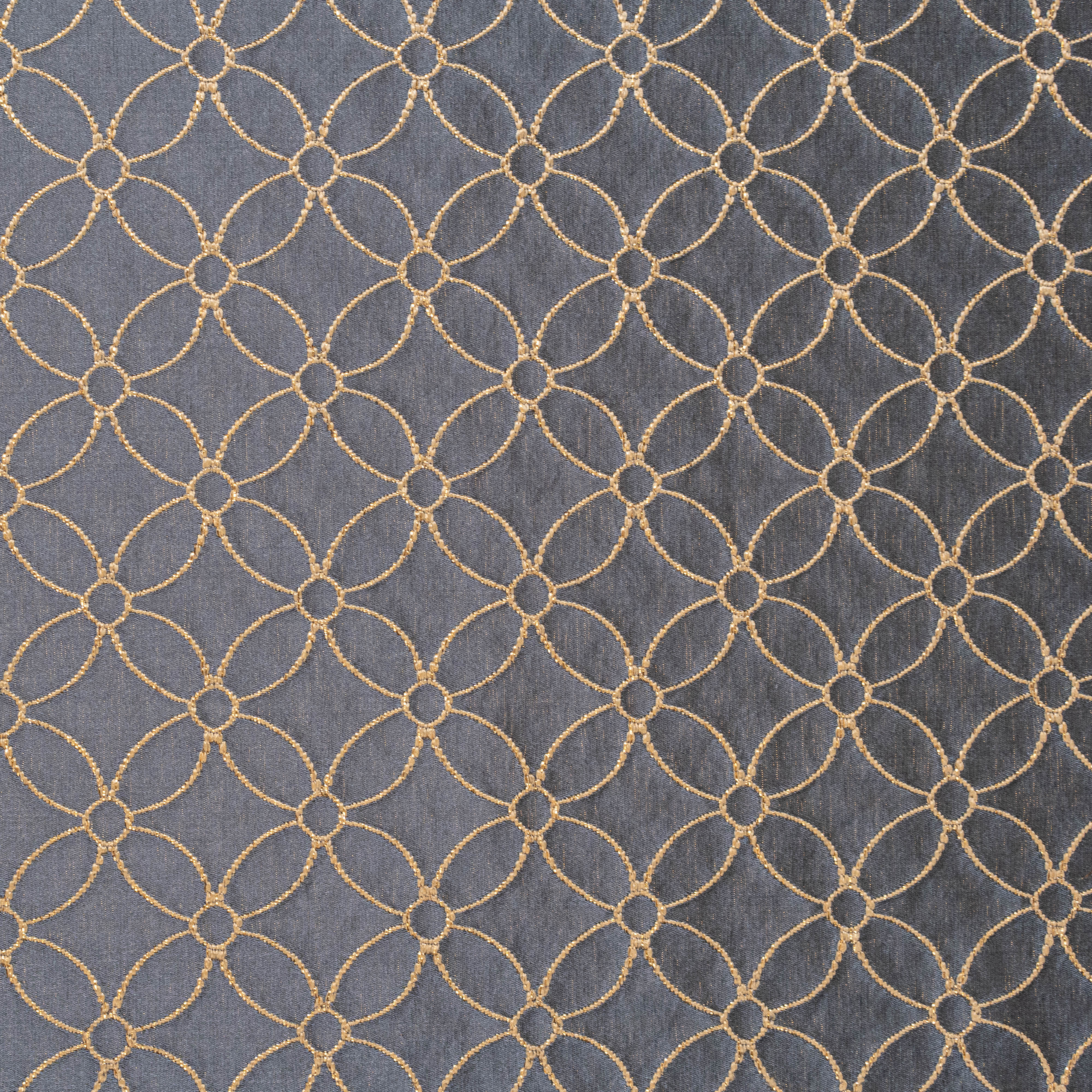
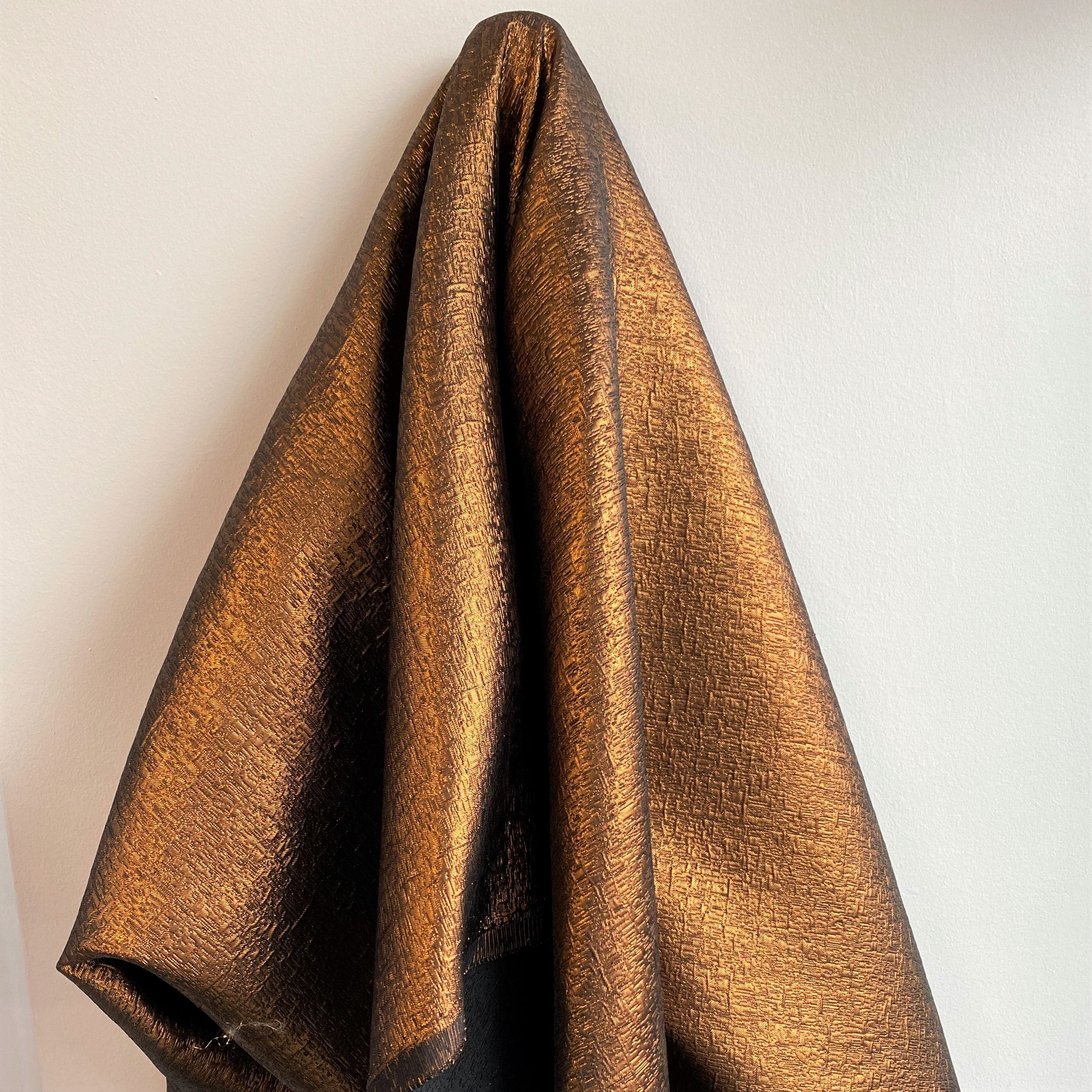
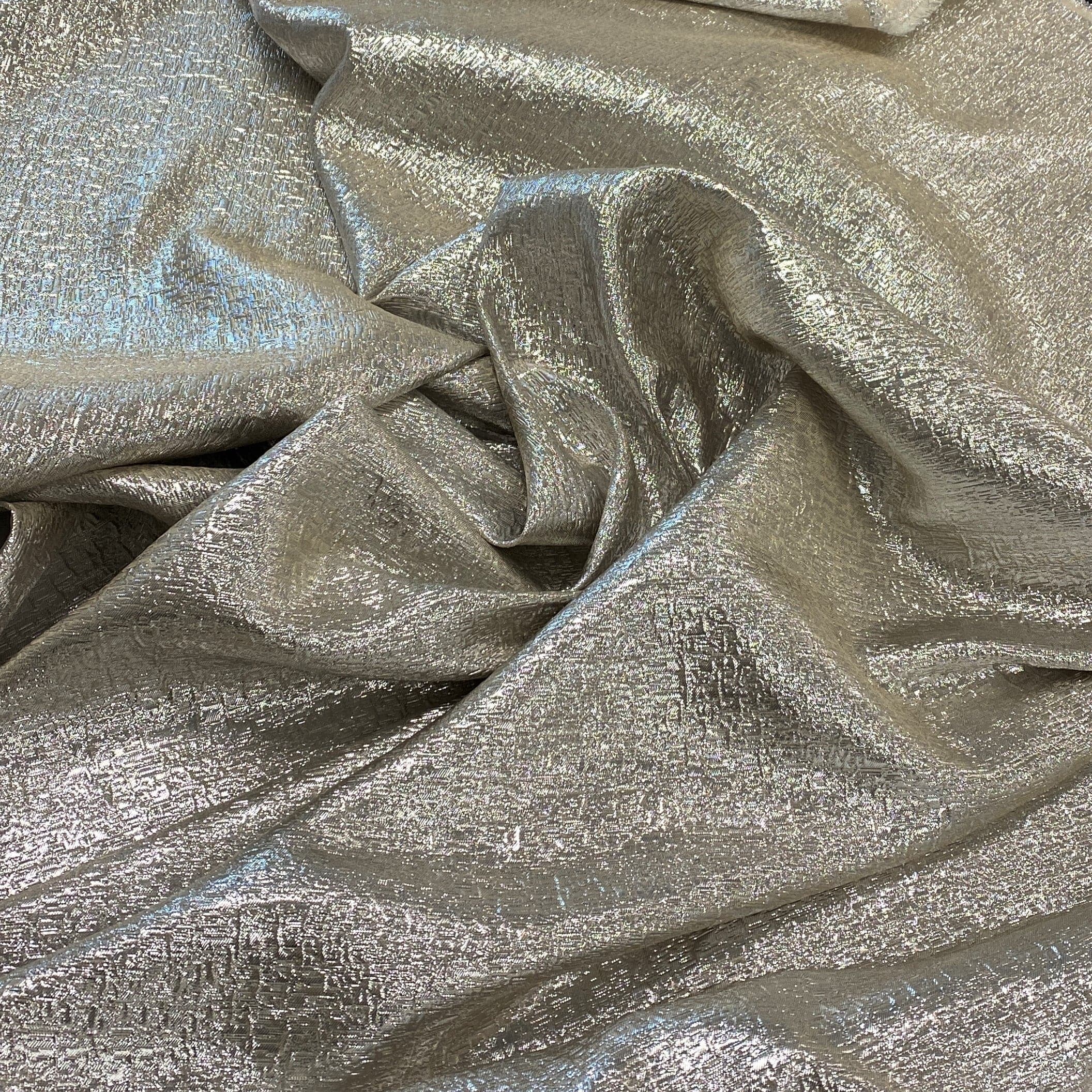
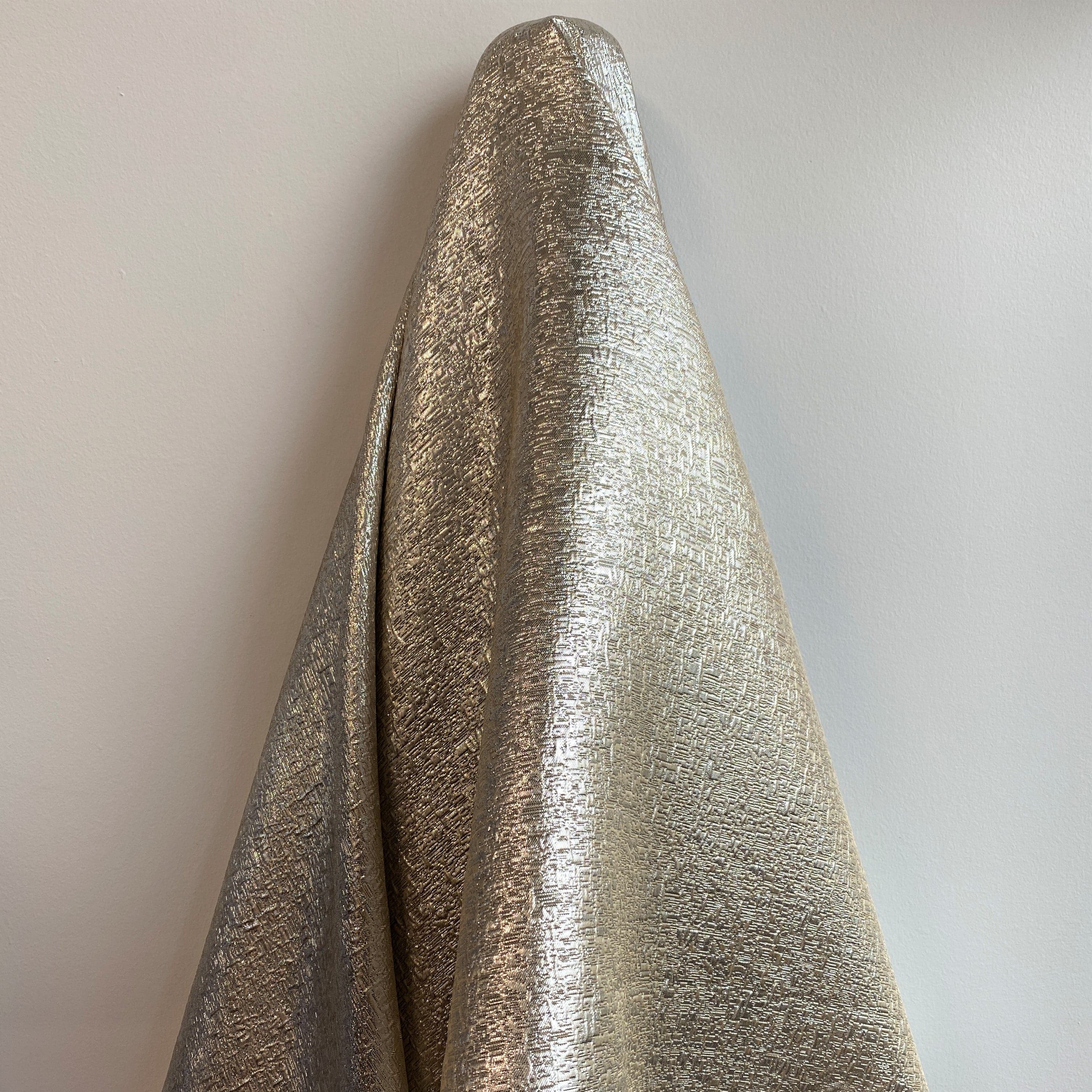
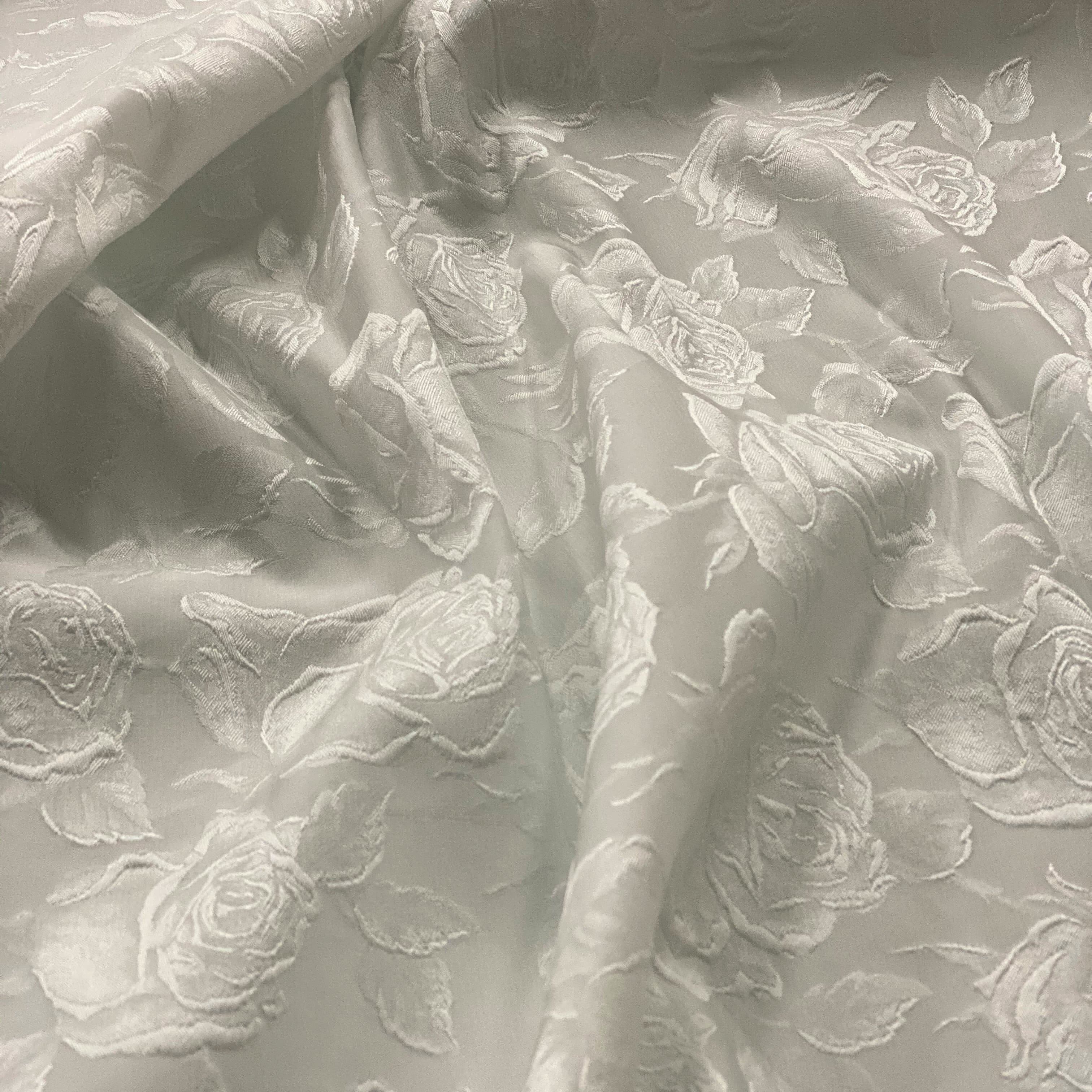
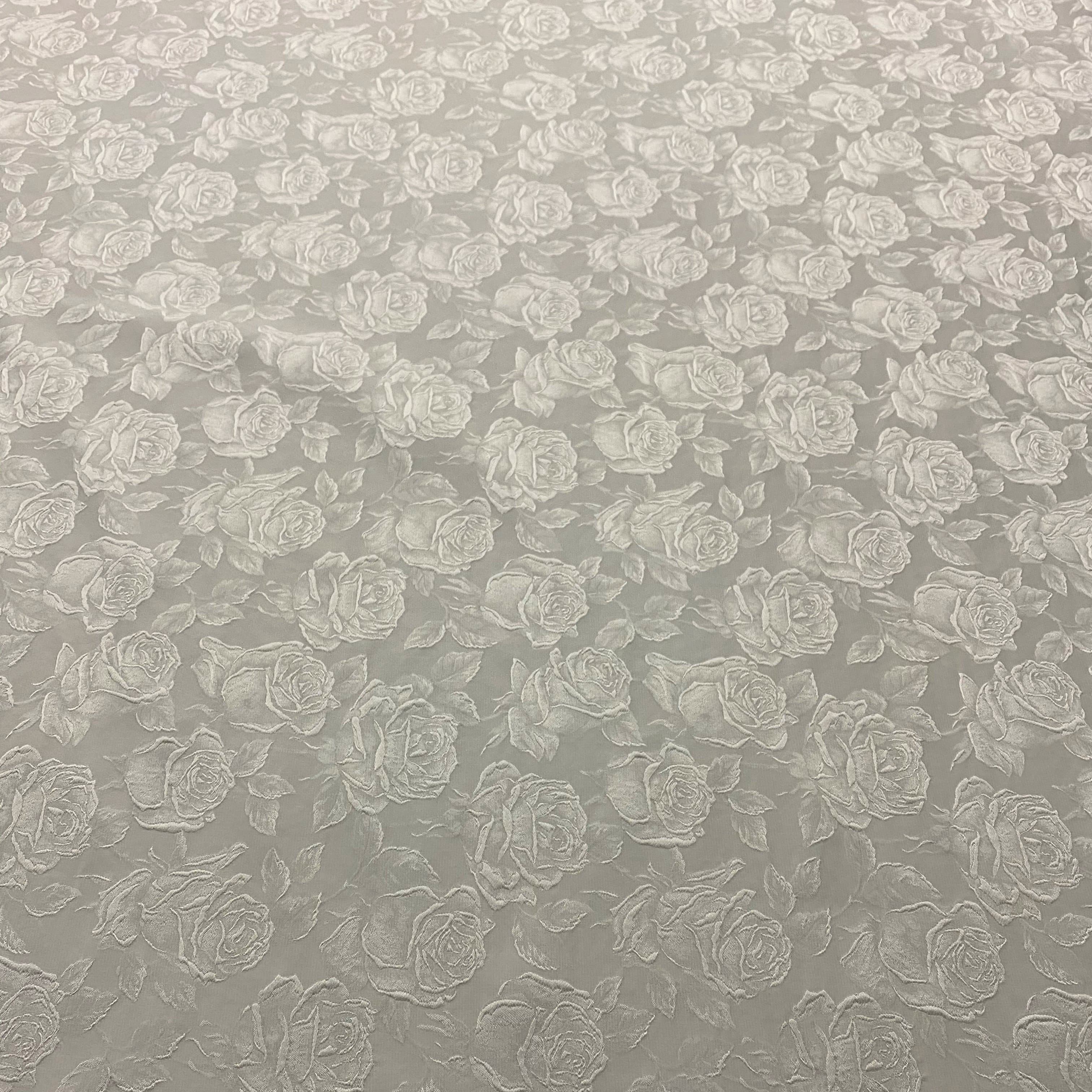
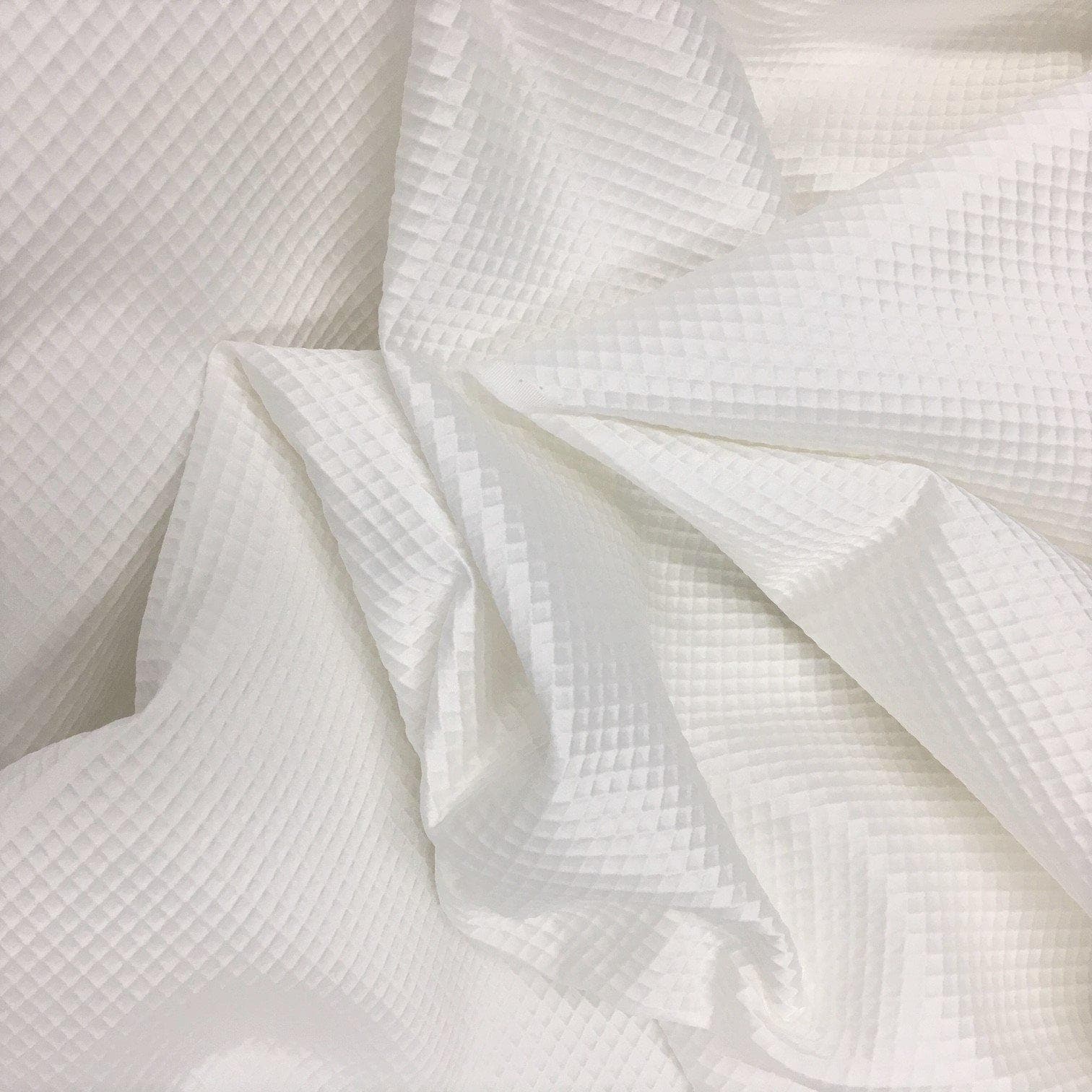
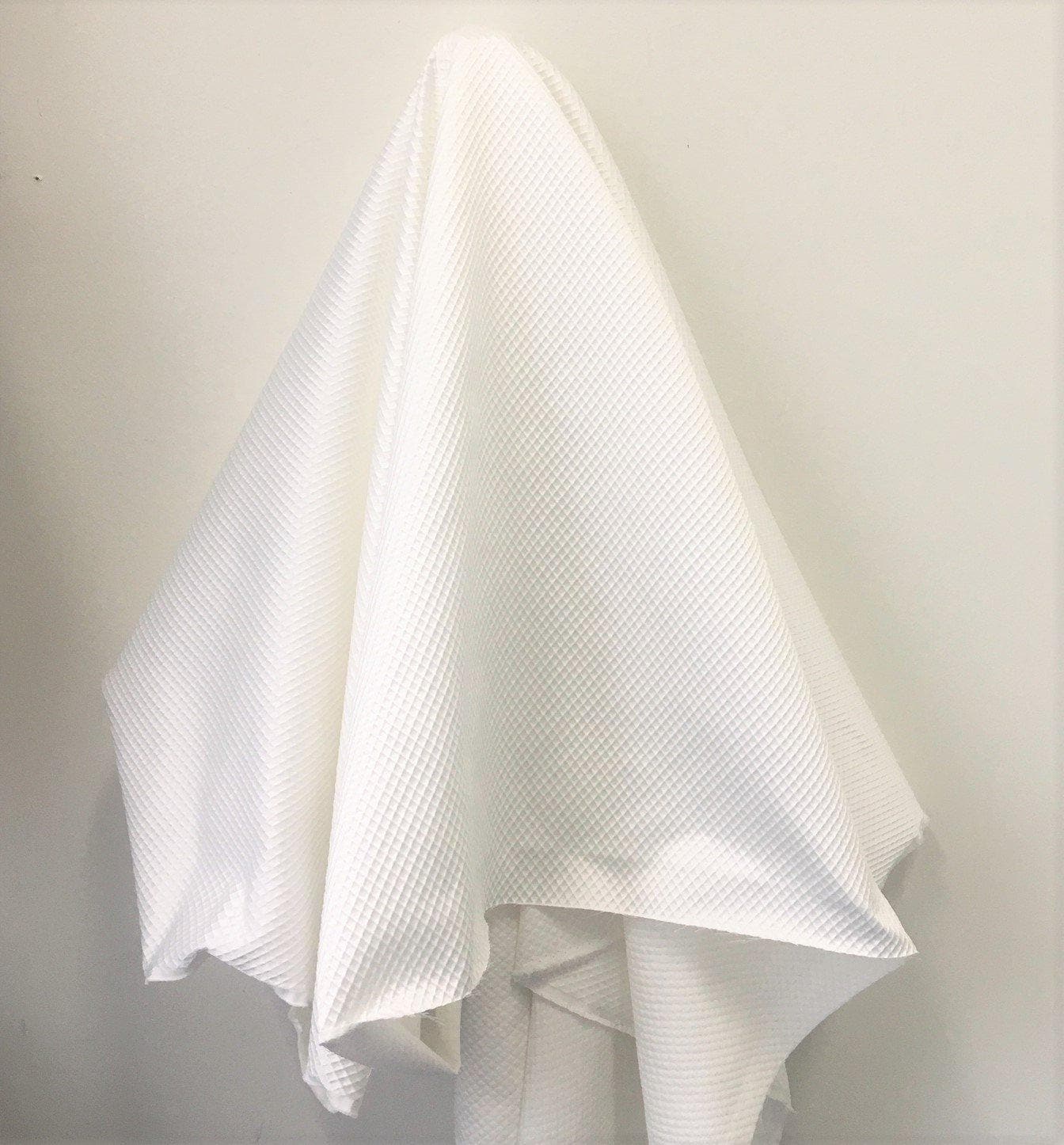
Fabrics with the pattern woven in: metallic jacquards in gold, copper, gunmetal and jewel colours, and ivory bridal jacquards with rose, leaf and waffle textures. For structured skirts, jackets, evening and bridal wear.
- 16 colours
- From $31.90 per metre
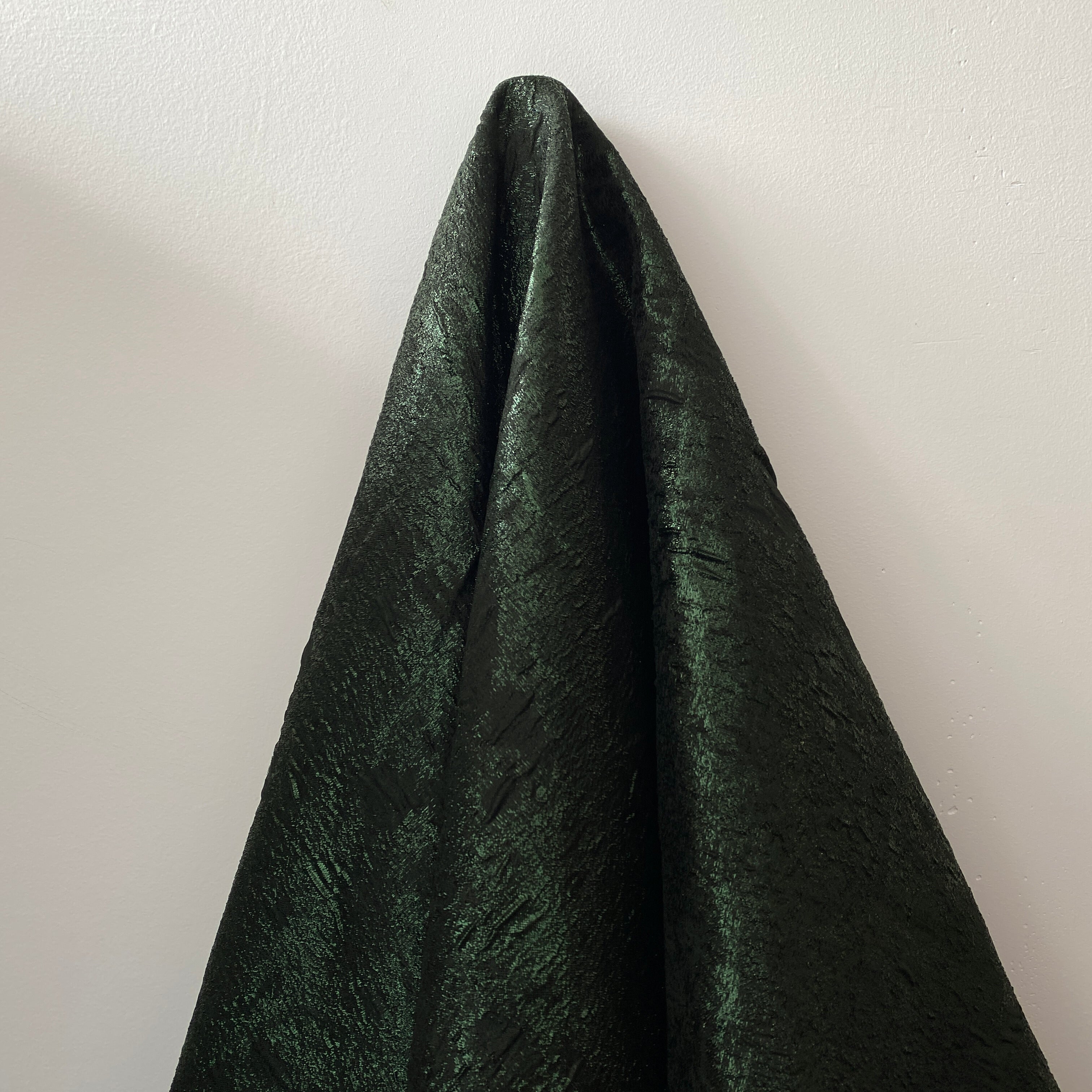
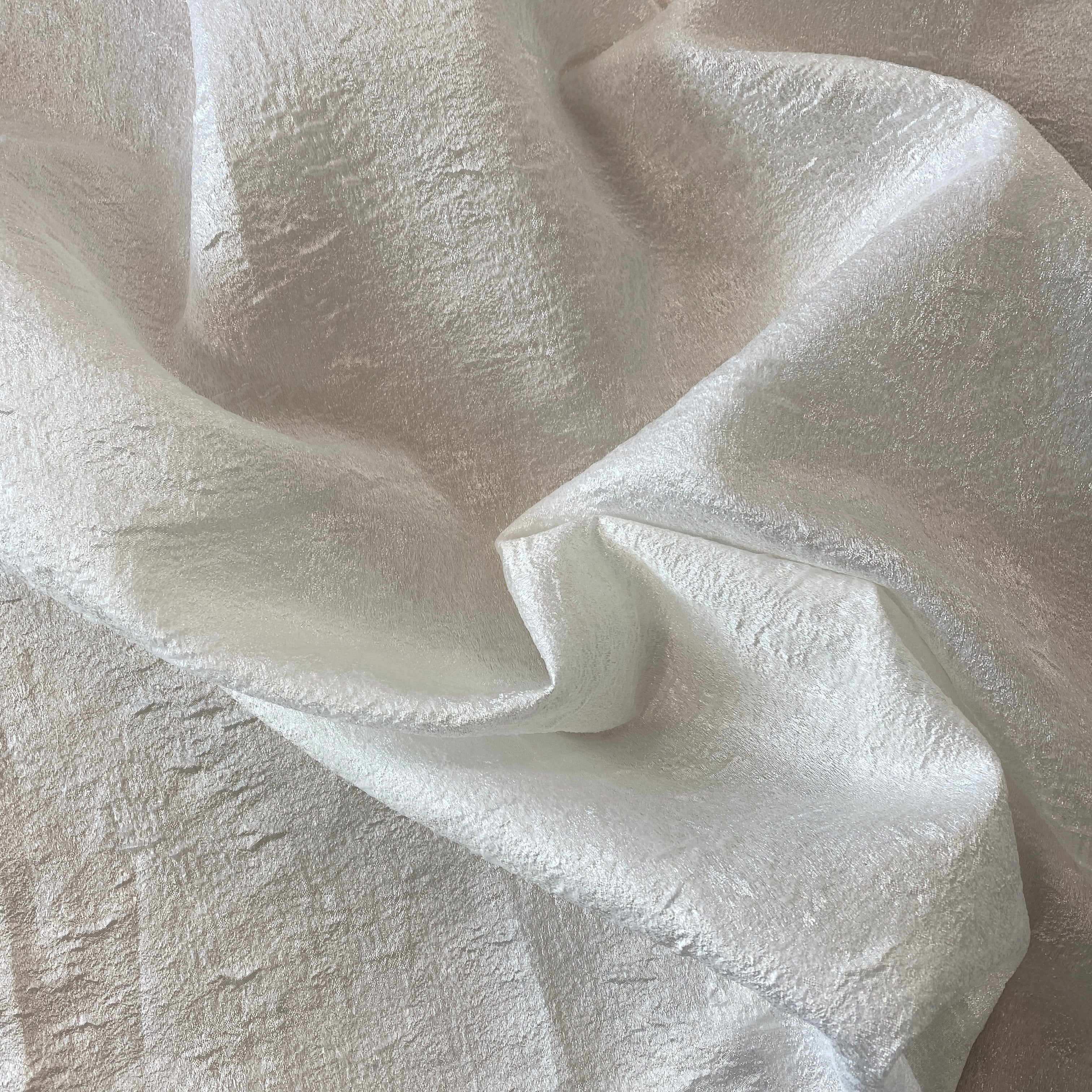
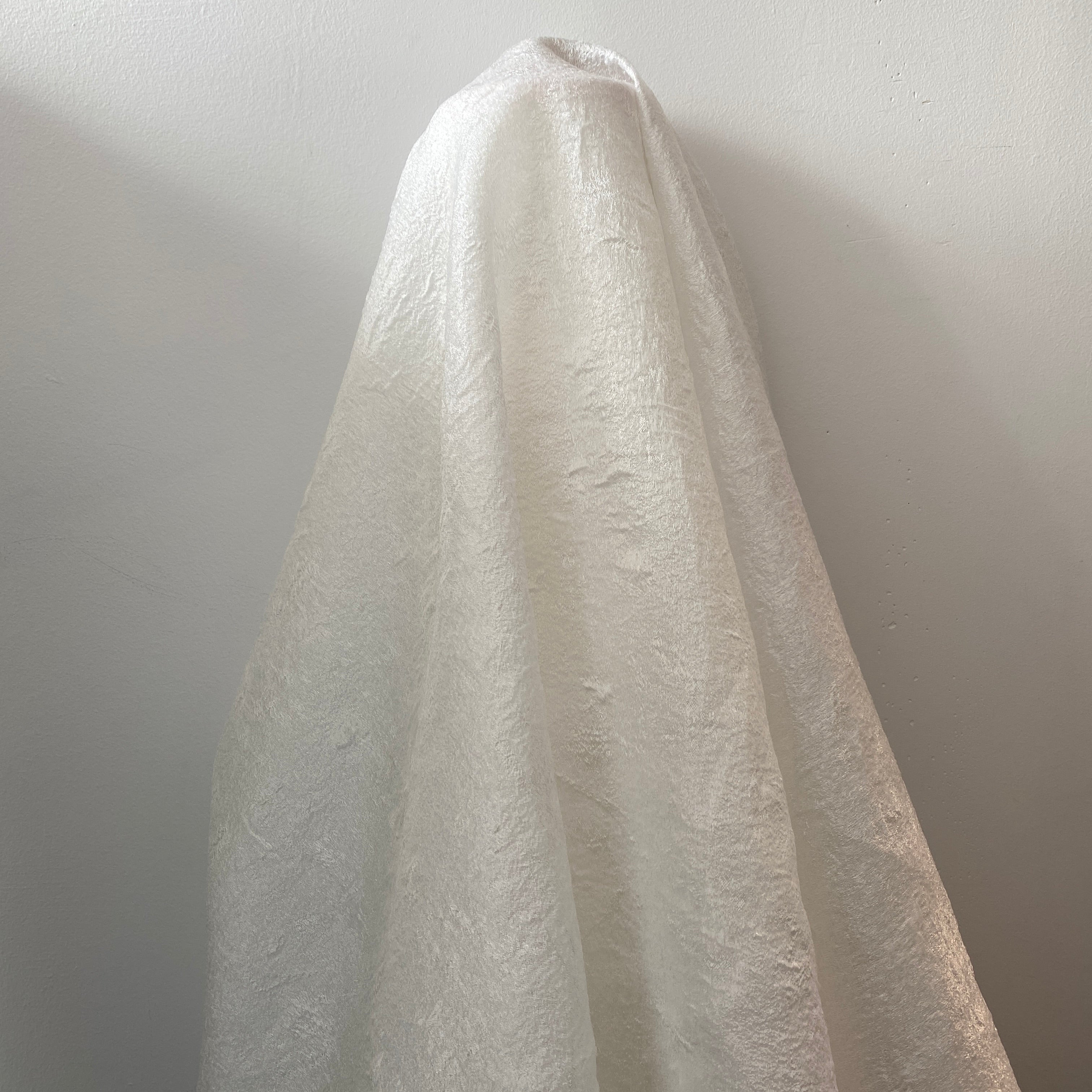 Sold out
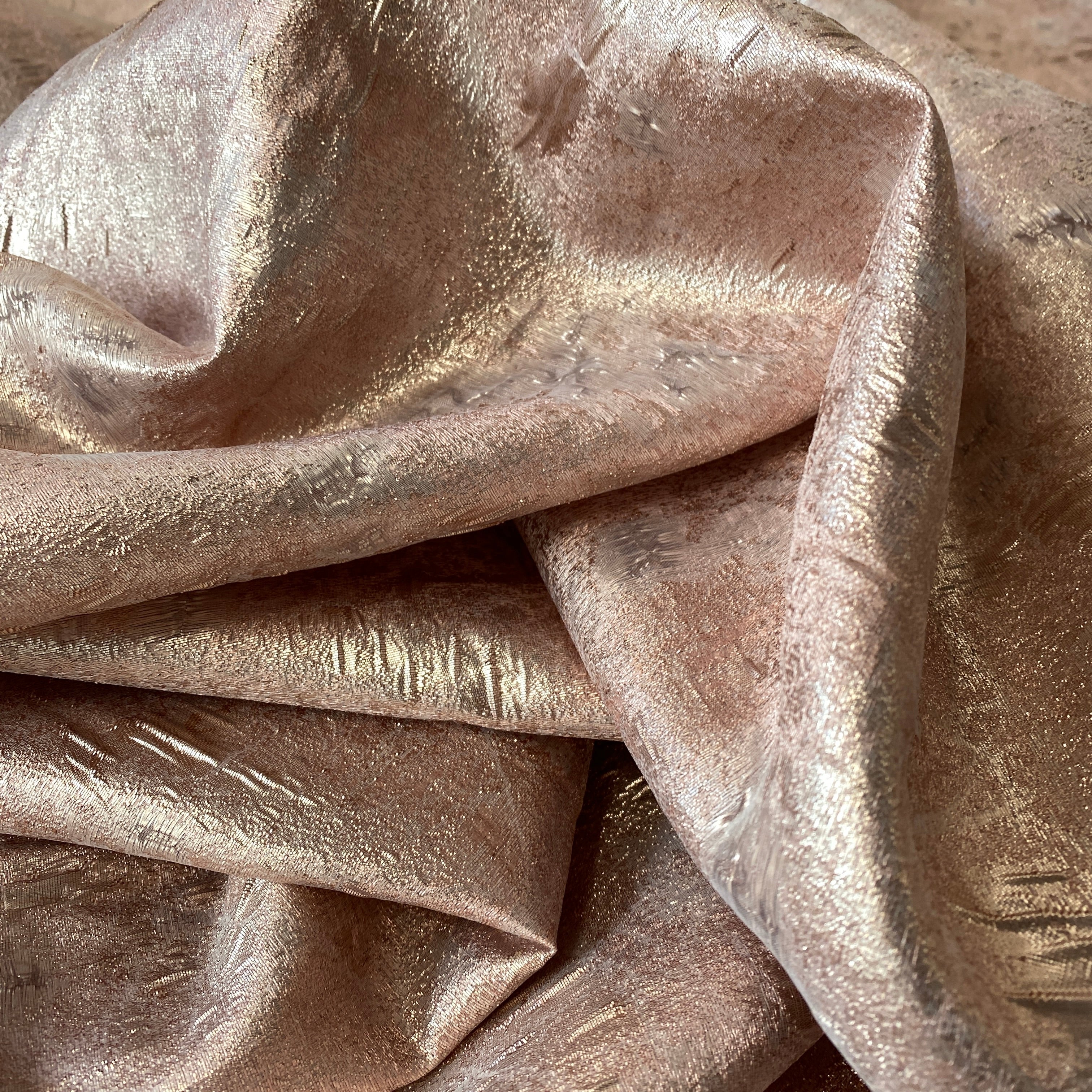
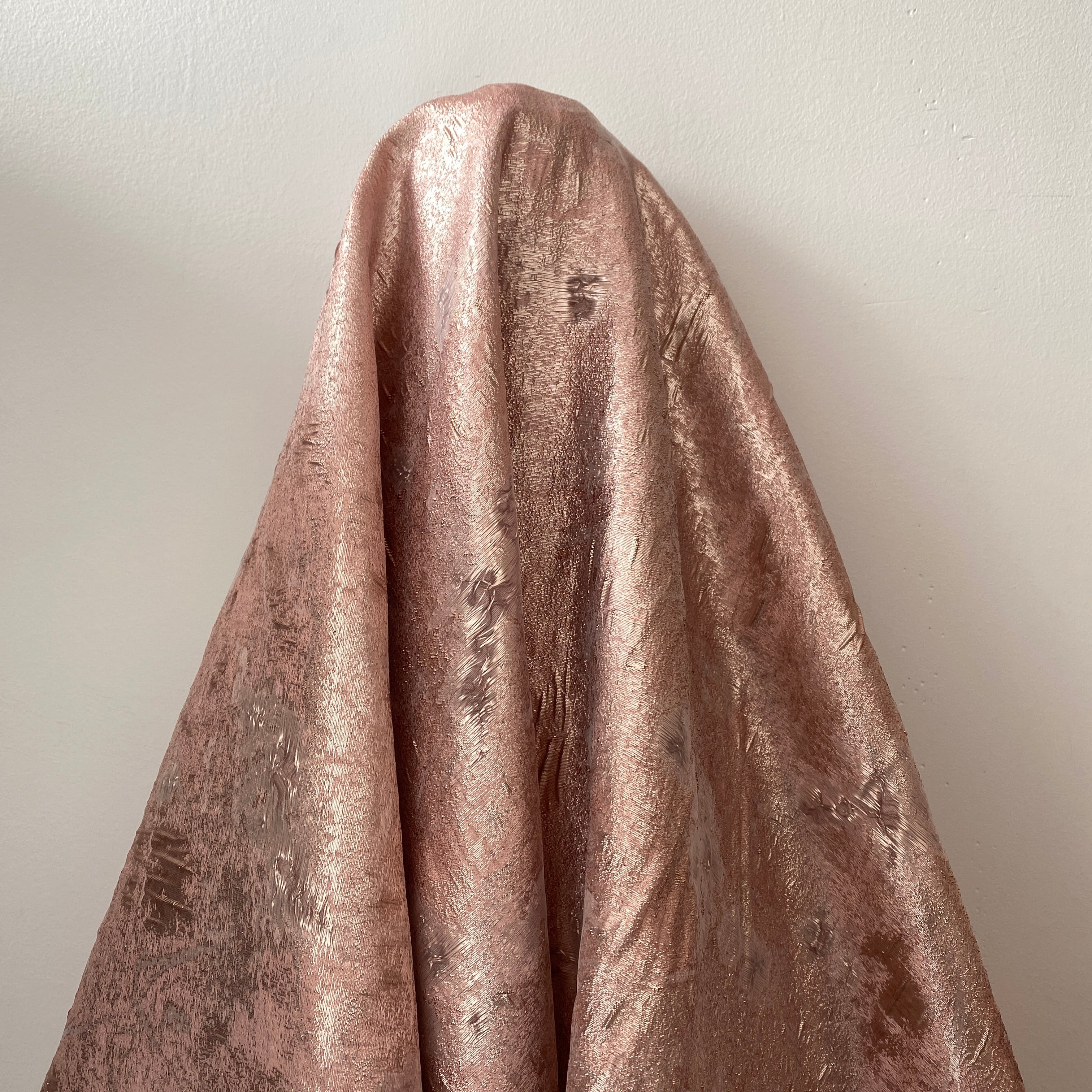
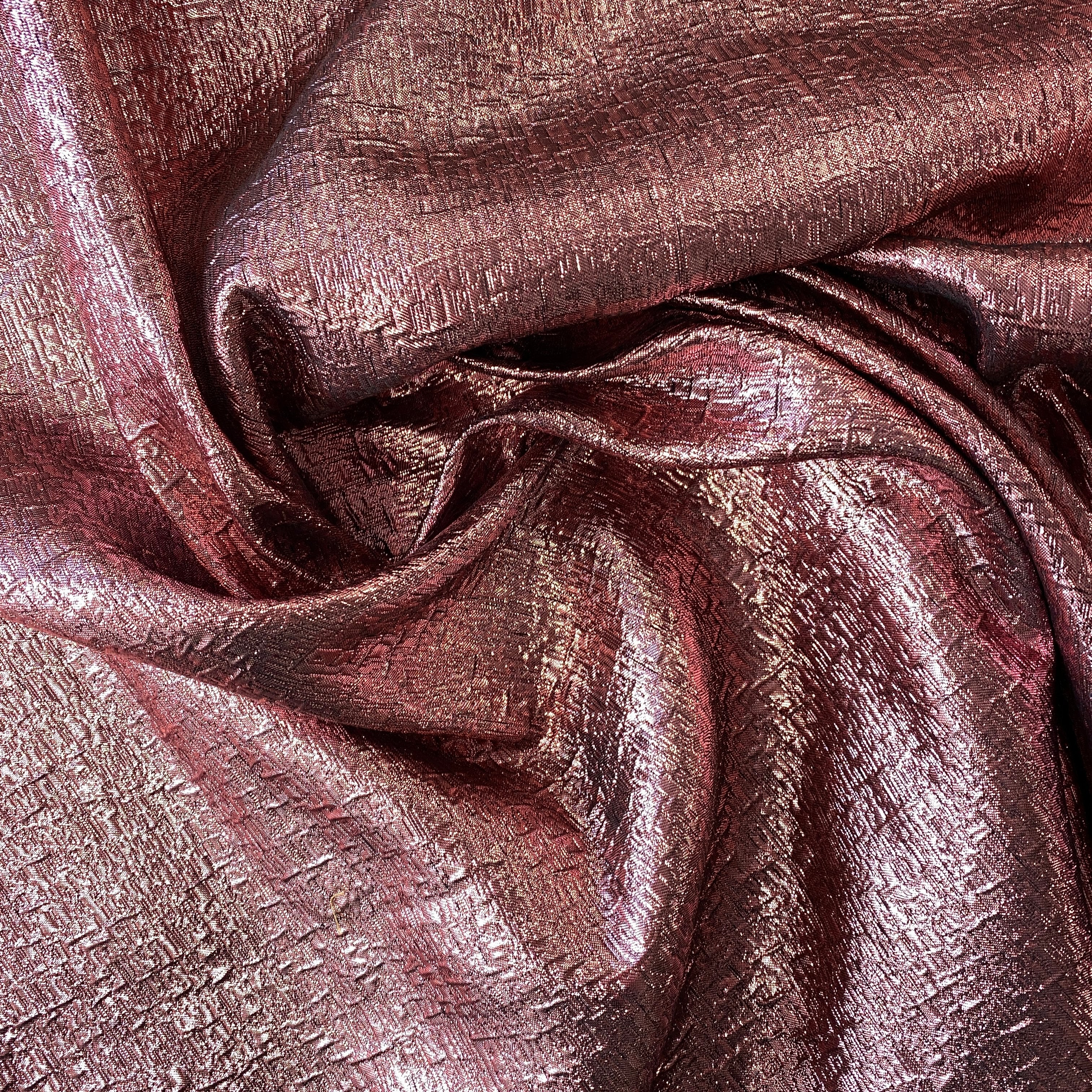
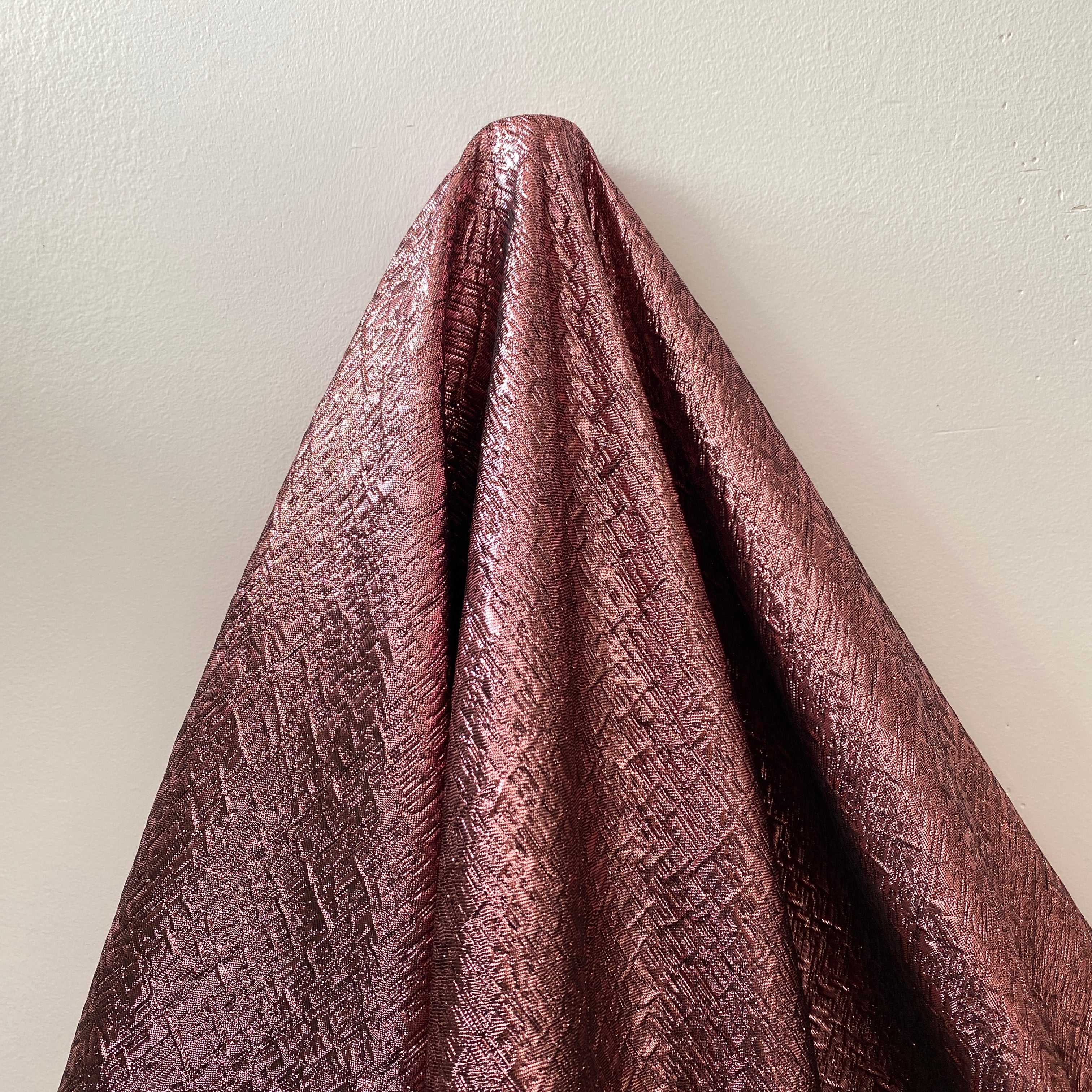
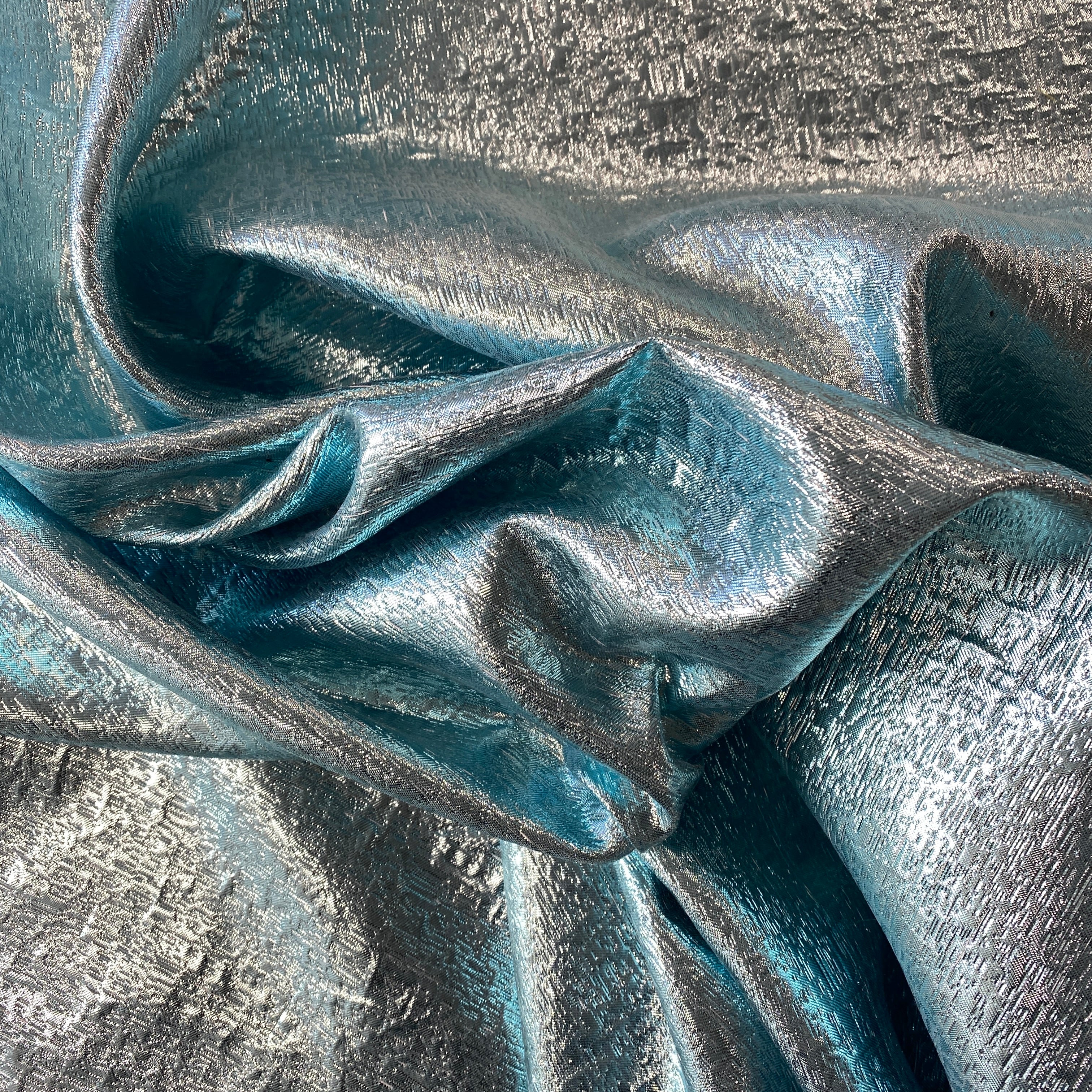
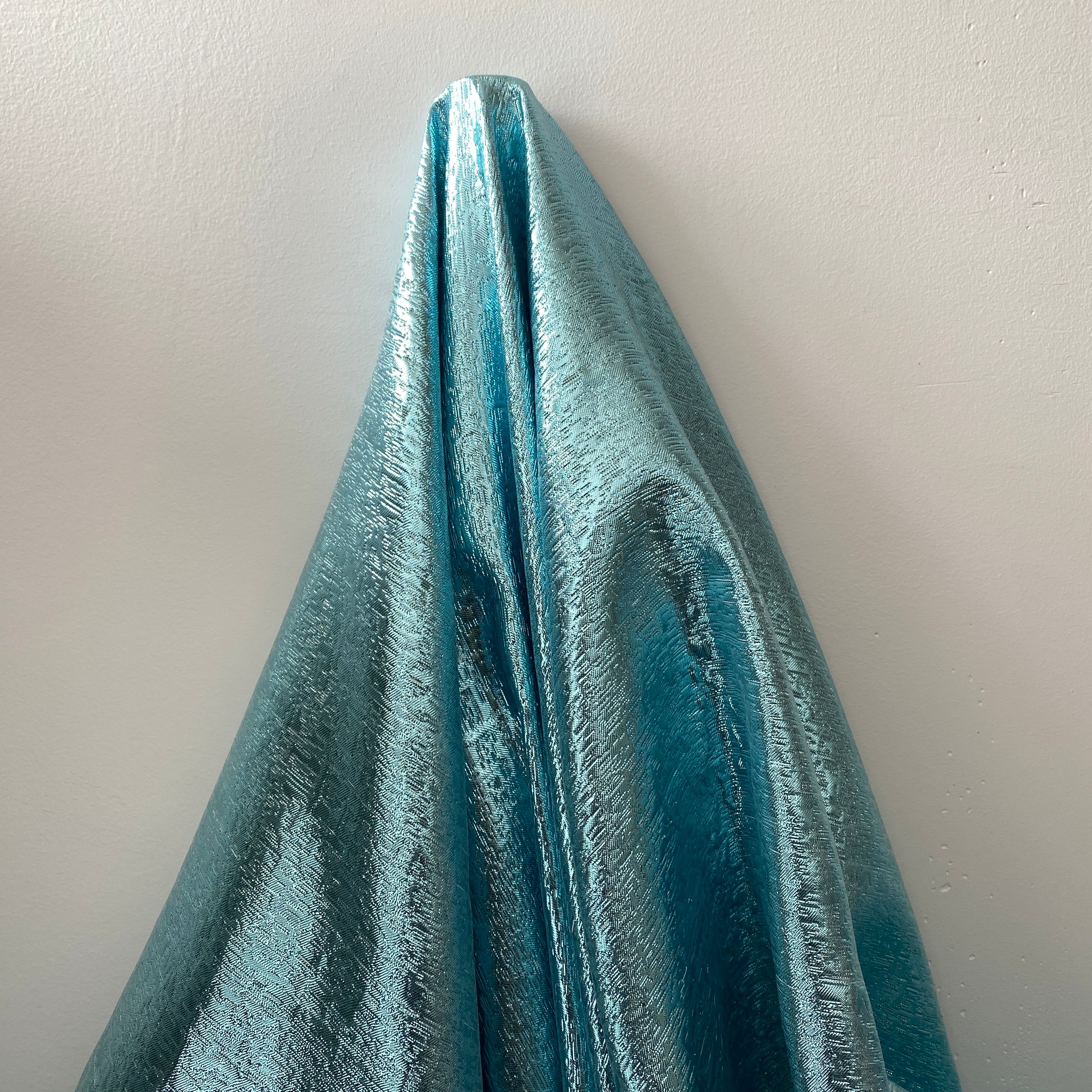
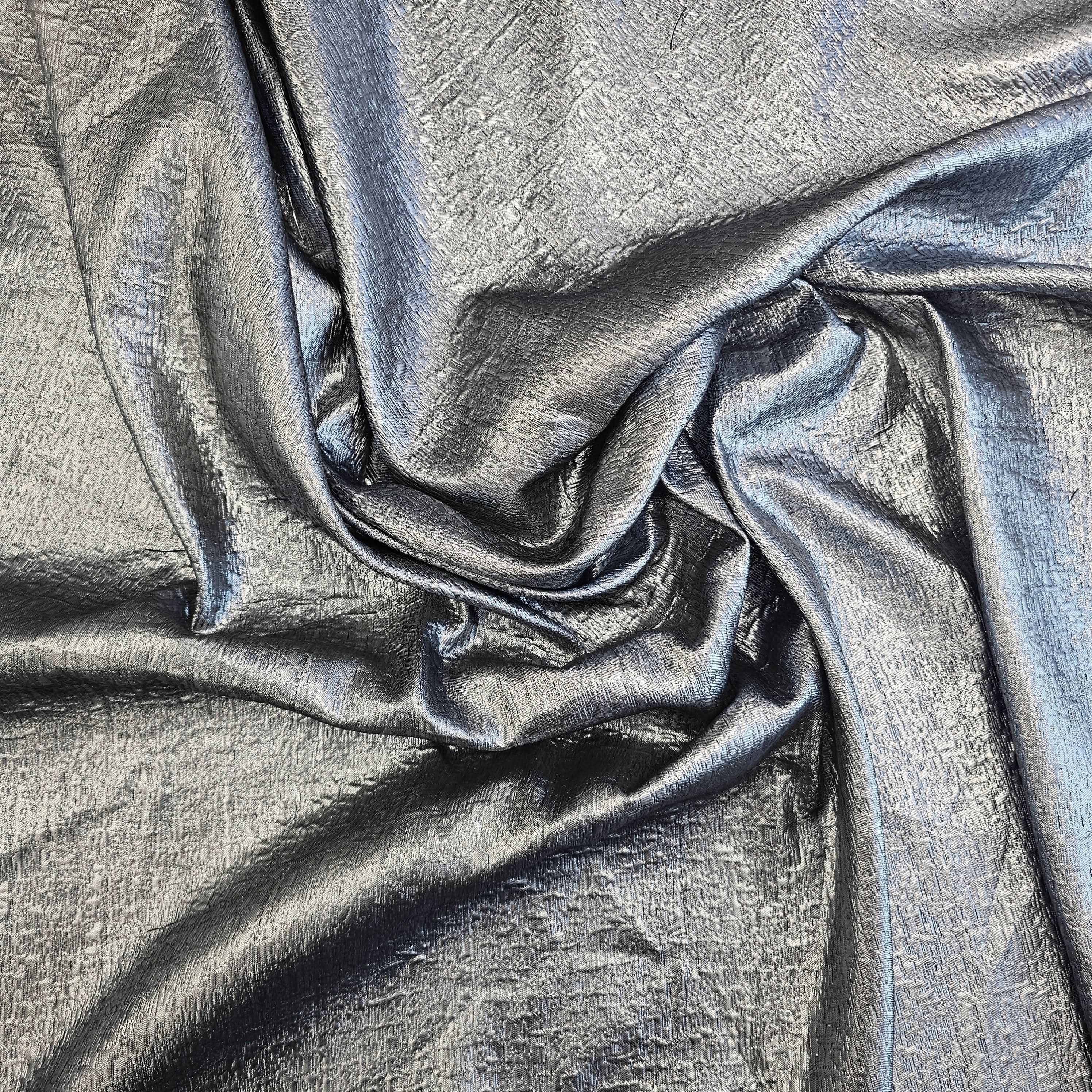
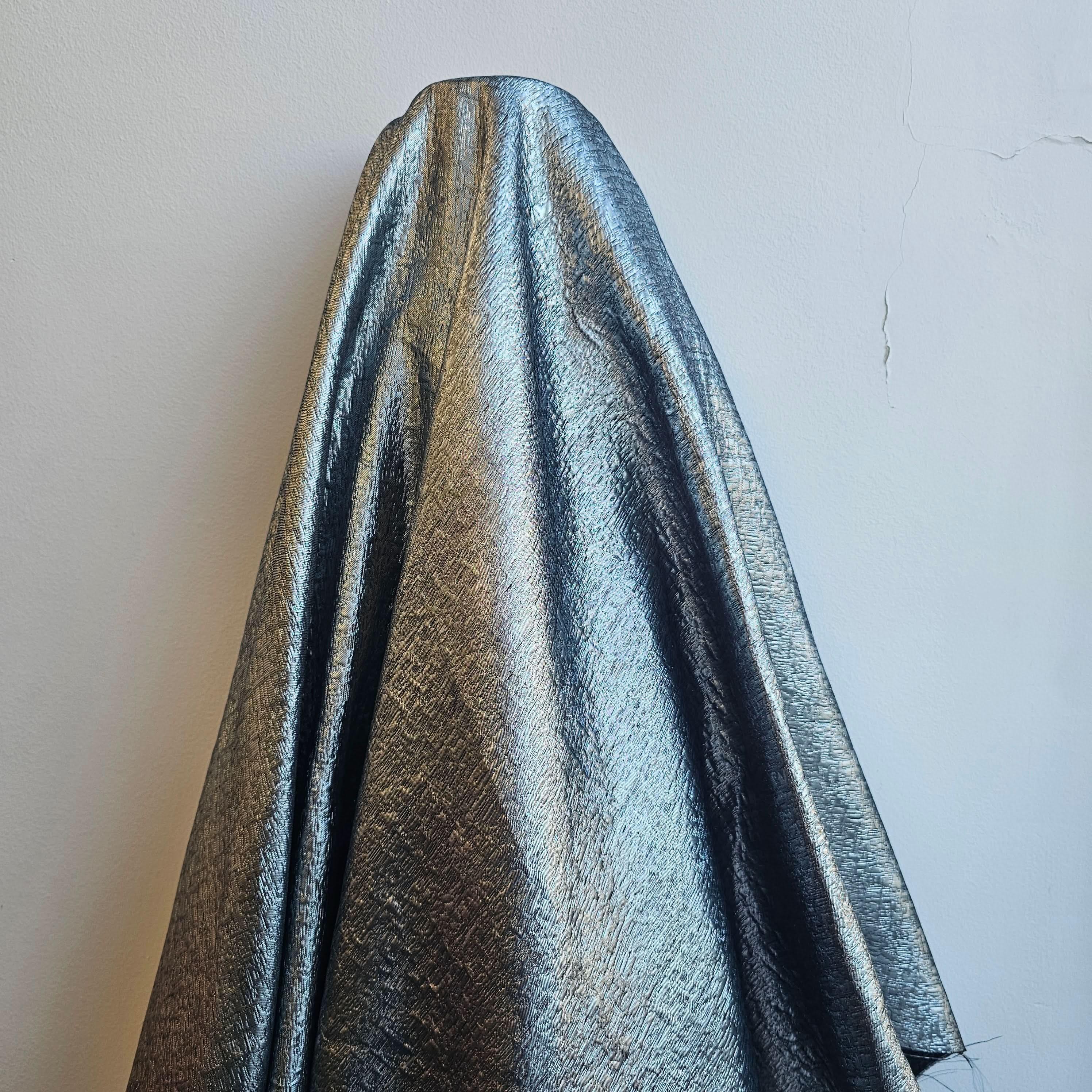
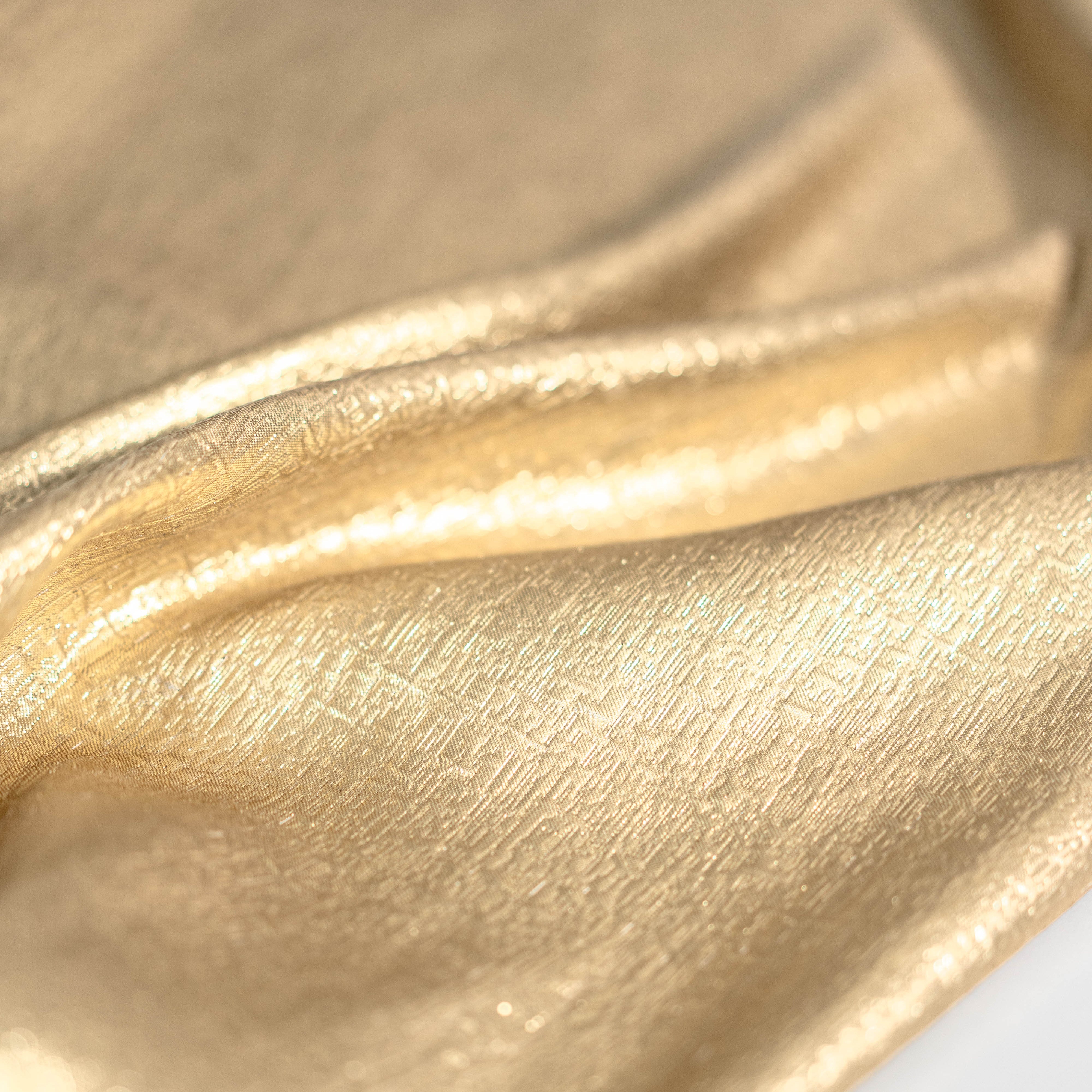
 Sold out


Guide
Jacquard & Brocade Fabric: A Guide
What jacquard and brocade are, how our metallic and ivory jacquards compare, and tips for sewing them at home.
What is jacquard?
- Woven-in patterns. In a jacquard the pattern is woven into the cloth, not printed on it, so it has texture you can feel and it won't wash or wear off.
- Brocade is a jacquard with a raised, often metallic, pattern that stands out from the background.
- Cloqué has a puckered, blistered texture, like our Rose Jacquard.
- Fil coupé is woven with extra threads that are cut between the motifs, like our Allegra Silk Jacquard on its organza base.
- Body and structure. Most jacquards have a stiff fall, so they hold the shape of a skirt, a jacket or a structured dress.
Metallic or ivory jacquard?
We have two families of jacquard. Here's how they differ.
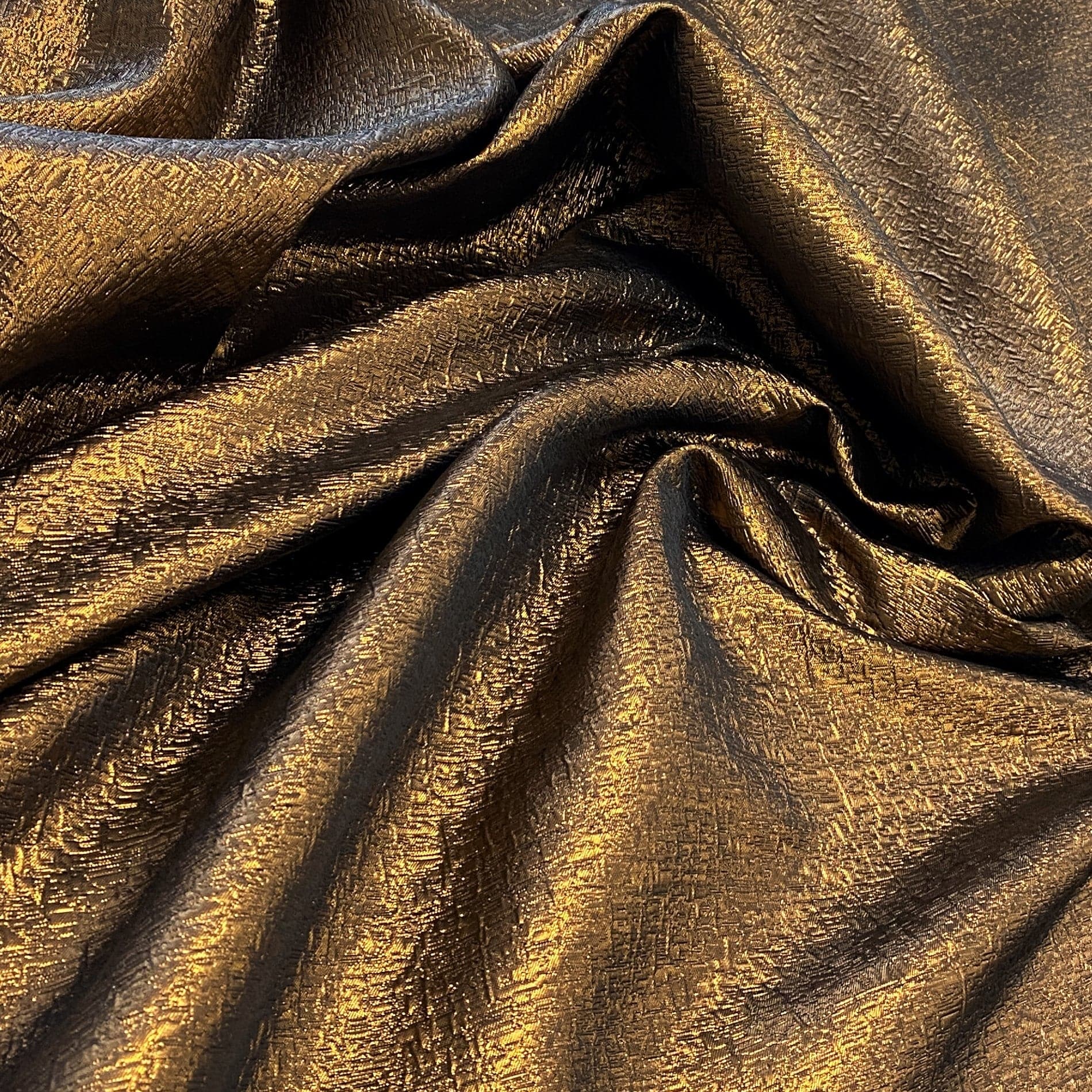
| Metallic jacquard | Patterns woven with metallic yarn, in gold, copper, gunmetal, black and jewel colours, 140 cm wide. Great for: evening and formal wear, jackets and statement skirts. |
| Bridal jacquard | Ivory jacquards with a raised rose, leaf or waffle texture, including a silk and polyester fil coupé. Great for: bridal gowns, skirts, bodices and jackets. |
What to make with it
- Structured skirts and A-line dresses
- Fitted bodices and corset-style tops
- Jackets, coats and evening wraps
- Bridal gowns and two-piece bridal sets
- Mother of the bride and groom outfits
Cutting
- Cut as a single layer, right side up, so you can see where each motif lands.
- Place the big motifs first: centre them on the front and back, and keep them clear of darts and the bust point.
- Cut every piece facing the same way, as the pattern and sheen can change with direction.
- Use pattern weights, or pin inside the seam allowance only.
- Most jacquards fray, so finish the edges soon after cutting.
Sewing
- Use a fresh, sharp needle (size 80) and a good-quality polyester or mercerised cotton thread. Change the needle often on metallic jacquards, as metallic yarn blunts it quickly.
- Use a stitch length of about 2.5 to 3 mm.
- Finish seams with an overlocker or a zigzag, or bind them with a bias strip of lining for an unlined jacket.
- Keep the design simple: the pattern does the work, so you only need a few seams.
- Line the garment so it's soft against the skin and slides on easily.
Hems
- Hand-stitched hem. Finish the raw edge, turn the hem up once (3 to 5 cm) and hand stitch it with a catch stitch, catching just a thread so nothing shows.
- Faced hem. On a curved hem, or to cut bulk on a thick jacquard, face the hem with a strip of lining instead of turning it up.
Pressing
Press from the wrong side on a low setting, through a pressing cloth, over a thick towel so the raised pattern isn't flattened. Metallic jacquards are different: don't iron them (see pressing metallic jacquard). Test on a scrap first.
Questions
What is the difference between jacquard and brocade?
Jacquard is any fabric with the pattern woven in. Brocade is a jacquard with a raised, often metallic, pattern that stands out from the background.
Is jacquard good for a wedding dress?
Yes. Our ivory bridal jacquards hold a structured shape and add texture to gowns, skirts and bodices.
Does jacquard fray?
Most do, so finish the edges soon after cutting and overlock, zigzag or bind the seams.
Can you iron jacquard?
Press from the wrong side on a low setting through a cloth, over a towel. Don't iron metallic jacquards: heat can dull the metallic yarn.
Wholesale for fashion labels, bridal studios and designers buying in bulk. Apply for an account