

Polyester Lining Fabric
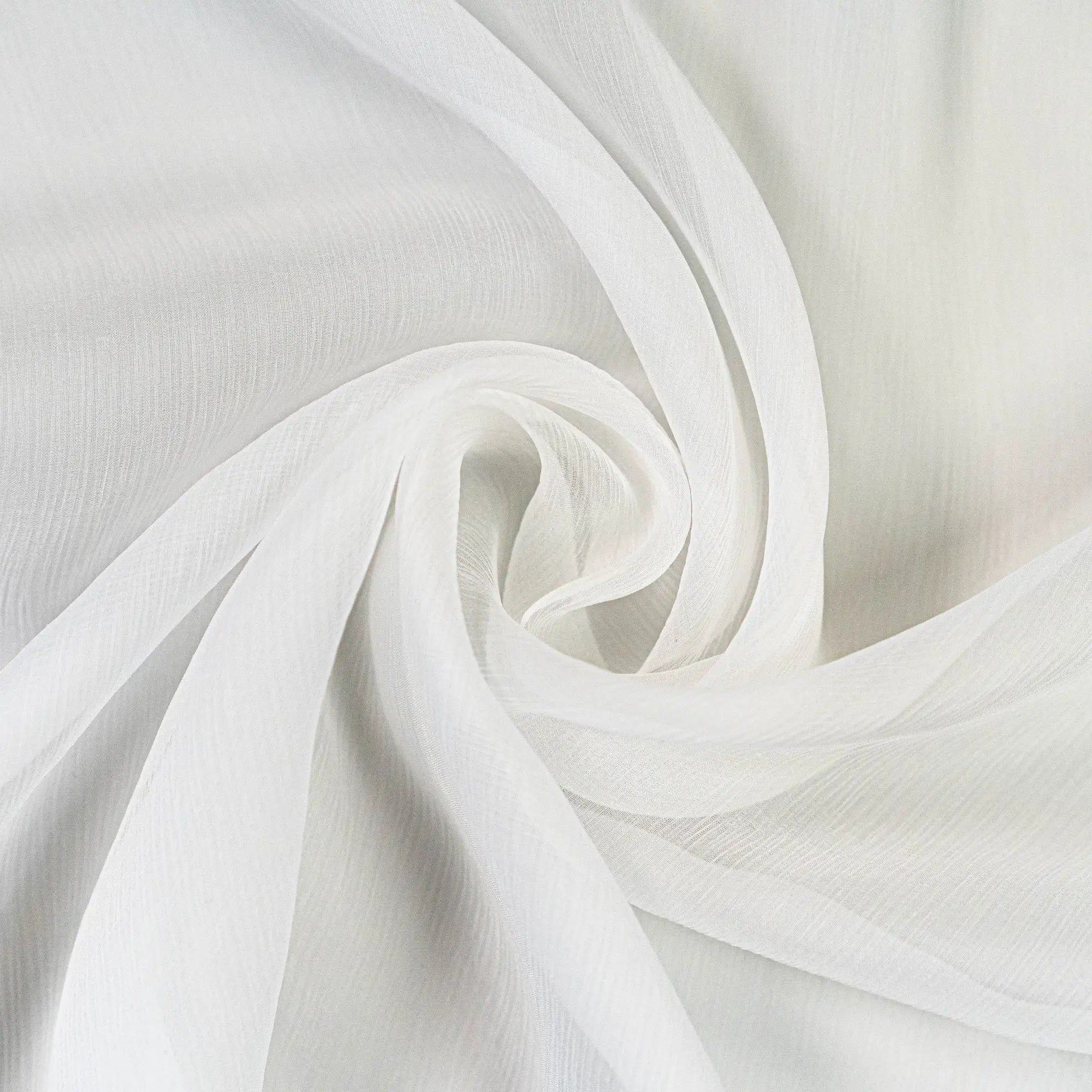
A smooth, lightweight lining with a satin face and a matte back, so garments slide on easily. 85 gsm and 150 cm wide, in ivory, white, black, biscuit, ruby, lemon and emerald.
- 10 colours
- 150 cm wide
- 100% Polyester
- From $9.90 per metre


 Sold out


 Sold out

 Sold out


Guide
Polyester Lining: How to Choose and Sew It
What our polyester lining is like, when to choose it, and easy tips for cutting, sewing and hemming a lining at home.
About our polyester lining
- Satin face, matte back. A lightweight lining, 85 gsm, with a smooth satin side and a matte reverse.
- Slips on easily. It's smooth and slippery, so dresses, skirts and jackets slide on and off over other clothes.
- Hard-wearing and washable. A good everyday lining for garments that get a lot of wear.
- 150 cm wide. In ivory, white, black, biscuit, ruby, lemon and emerald.
Which lining?
We sell plain and stretch polyester linings, and silk linings. Here's how they differ.
| Polyester lining | Light and smooth, with a satin face and a matte back, 85 gsm, 150 cm. Great for: dresses, skirts, pants and jackets in woven fabrics. |
| Stretch polyester lining | Light, with a satin face and a slight one-way stretch, 150 cm. Great for: fitted dresses and skirts in stretch fabrics. |
| Silk linings | Habotai, crepe de chine and sandwash satin: soft, breathable and light. Great for: anything made in silk. |
Making something in silk? Choose a silk lining, so the whole garment breathes and moves the same way. See our lining guide to compare them.
Choosing a lining
- Choose a lining a little lighter than your fashion fabric, so it doesn't change how the garment hangs.
- Under lace and sheer fabrics the lining shows through, so match it to the fabric, or to your skin tone for an illusion effect.
- For a jacket or coat, the smooth satin face helps it slide on over other clothes.
- If your fashion fabric has stretch, choose stretch lining instead.
Cutting
- Linings are slippery, so cut as a single layer, laid on paper or a cotton sheet, with pattern weights or pins inside the seam allowance.
- Use sharp scissors or a rotary cutter.
- Cut the lining from your garment pattern pieces, leaving out the facings, and add a pleat at the centre back of a jacket lining for ease.
Sewing
- Use a fresh, fine needle (size 60 or 70) and a good-quality polyester thread.
- Sew with a 2 to 2.5 mm stitch, and hold the lining gently taut in front of and behind the needle as you sew.
- Understitch the seam where the lining meets the facing, so the lining stays inside and doesn't roll out.
- In a skirt or dress, make the lining 2 to 3 cm shorter than the garment, and hold the two together at the side seams with a short thread chain if you like.
Hems
A lining is hemmed on its own, so it hangs free. A machine baby hem gives a fine, flat edge: press up 1 cm, stitch close to the fold, trim the allowance right up to the stitching, then turn it once more and stitch again.
Pressing
Press on the lowest setting through a pressing cloth. Polyester can melt or go shiny under a hot iron, so test on a scrap first.
Questions
What is polyester lining used for?
Lining dresses, skirts, pants and jackets made from woven fabrics, so they hang well and slide on easily.
How wide is your polyester lining?
150 cm.
Which side of the lining faces out?
The smooth satin side usually faces in, towards the body, so the garment slides on easily. The matte side faces the fashion fabric.
Should I use polyester lining in a silk dress?
We recommend a silk lining for silk: habotai, crepe de chine or sandwash satin. They breathe and move like the silk itself.
Wholesale for fashion labels, bridal studios and designers buying in bulk. Apply for an account