

Cotton Fabric
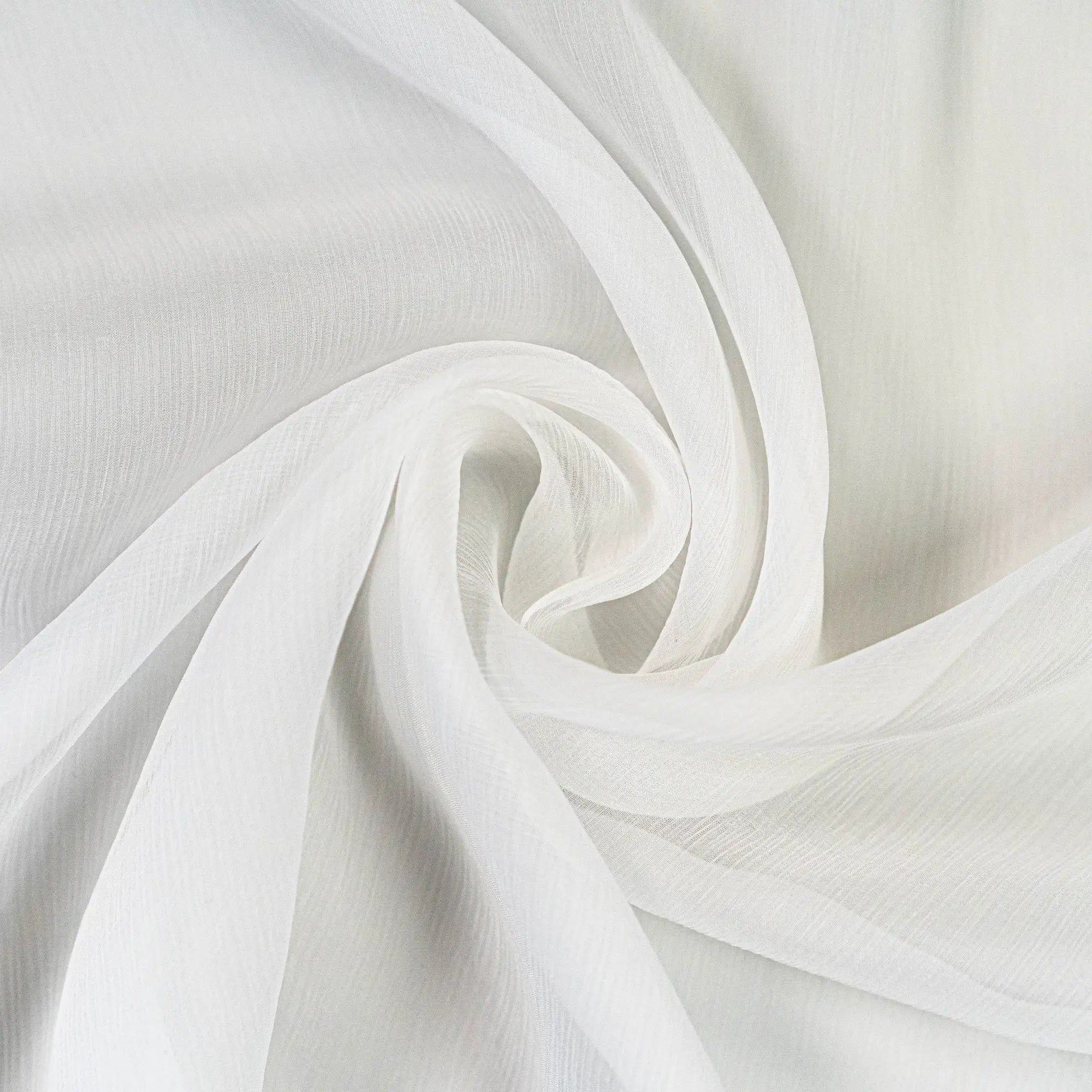
Natural cotton and cotton blends: silk cotton voile and sateen for shirts and sleepwear, crisp cotton organdy, ikat shirting and broderie anglaise, plus lace and Italian tweed with cotton in the blend.
- Voile, sateen, organdy, shirting and lace
- Pure cotton and cotton blends
- 110 to 150 cm wide


Guide
Cotton Fabric: How to Choose and Sew It
Our cottons and cotton blends, which one suits your project, and tips for sewing them at home.
Why cotton?
- It breathes. Cotton is a natural fibre, so it's cool and comfortable to wear in warm weather.
- Easy to sew. Cotton stays put on the table, takes a crisp press and holds a seam, so it's a lovely fabric to learn on.
- Cotton blends too. Our silk cotton voile and sateen add a soft drape and a gentle sheen, and our cotton-blend laces have a soft, matte look.
Which cotton?
Our cottons and cotton blends, from light to heavy.
| Silk cotton voile | 30% silk, 70% cotton. Light and mostly opaque, with a low sheen and a soft drape. 15 colours, 137 cm. Great for: shirts, sleepwear, summer dresses, linings and toiles. |
| Silk cotton sateen | 30% silk, 70% cotton. Light, with a satin finish on the face and matte on the back. Ivory, 137 cm. Great for: shirts, sleepwear, linings and bridal. |
| Cotton organdy | 100% cotton. Light, semi-sheer and very crisp. White and black, 110 cm. Great for: crisp blouses, petticoats, historical costume, and as a natural interfacing. |
| Ikat cotton shirting | 100% cotton. Light, with a subtle end-on-end stripe and resist-dyed ikat rings. Midnight, 110 cm. Great for: shirts, blouses, light dresses and sleepwear. |
| Broderie anglaise | 100% cotton, with eyelet embroidery in a linear pattern of scrolls and palm fronds. Off-white, 135 cm. Great for: summer shirts, skirts and dresses, and relaxed bridal gowns. |
| Cotton lace | Cotton and nylon blends, soft and matte, with scalloped edges and matching trims. Great for: bridal, christening and debutante wear. |
| Cotton tulle | A breathable square-mesh cotton net. Great for: foundations and linings for couture evening wear, historical underpinnings and corsets. |
| Italian tweed | A houndstooth tweed of 60% cotton with wool, nylon and acetate. Medium to heavy, 147 cm. Great for: tailored jackets, coats, skirts and pants. |
Organdy, the natural interfacing
Cotton organdy is light, crisp and stable, so dressmakers use it inside garments instead of fusible interfacing. Cut it from the same pattern piece and sew or tack it to the wrong side of your fabric, then sew the two as one.
- Collars, cuffs and button bands keep a soft, crisp shape, with no glue to bubble or show through.
- A bias strip of organdy inside a hem gives skirts and jackets a clean, rounded edge.
- It's a lovely base for petticoats and historical costume, like soft corsets.
Cutting
- Pre-wash the length the same way you'll wash the finished garment, as cotton can shrink on its first wash. Organdy's crispness comes from a finish that softens with washing, so only pre-wash it if you'll wash the garment. See our fabric care guide.
- Press the fabric before you cut, and line up the grain with the edge of your table.
- Cut lace flat as a single layer, never folded and cut double, and plan where the scallops and motifs will sit.
- On broderie anglaise, line up the embroidered pattern on the front pieces and at the centre seams.
Sewing
- Use a fresh needle (size 70 for voile, sateen, organdy and shirting) and a fine mercerised cotton thread.
- French seams are the neatest finish on voile and organdy, where seams can show through. On shirts, a flat-felled seam is strong and neat on both sides.
- Sew with a 2 to 2.5 mm stitch on light cottons.
- For tweed, see the tips on our wool page.
Hems
- Voile, sateen and shirting: a machine baby hem gives a fine, flat edge. Press up 1 cm, stitch close to the fold, trim the allowance right up to the stitching, then turn it once more and stitch again.
- Organdy: a narrow double-fold hem, as the hem shows through the semi-sheer fabric. Keep it even and narrow.
- Broderie anglaise: a narrow double-fold hem, stitched so it doesn't cut through an eyelet.
- Lace: there's nothing to hem: use the scalloped edge.
Pressing
Pure cotton takes a hot iron, ideally while slightly damp. Silk cotton voile and sateen need the silk setting, on the reverse, with light or no steam; press sateen on the reverse to protect its sheen. Press organdy while damp to bring back its body, and lace face down on a thick, clean towel. Test on a scrap first.
Questions
What cotton fabrics do you sell?
Silk cotton voile and sateen, cotton organdy, ikat cotton shirting and broderie anglaise, plus cotton-blend lace, cotton tulle and an Italian tweed with cotton in the blend.
What is cotton organdy used for?
Crisp blouses, dresses, children's clothes, petticoats and historical costume. It's also a natural alternative to fusible interfacing for collars, cuffs and hems.
Should I pre-wash cotton?
Yes, if the finished garment will be washed, as cotton can shrink on its first wash. Organdy's crispness comes from a finish that softens with washing, so only pre-wash it if you'll wash the garment.
Is silk cotton voile see-through?
It's mostly opaque. It's light, but not sheer.
Wholesale for fashion labels, bridal studios and designers buying in bulk. Apply for an account