

Silk Satin Chiffon
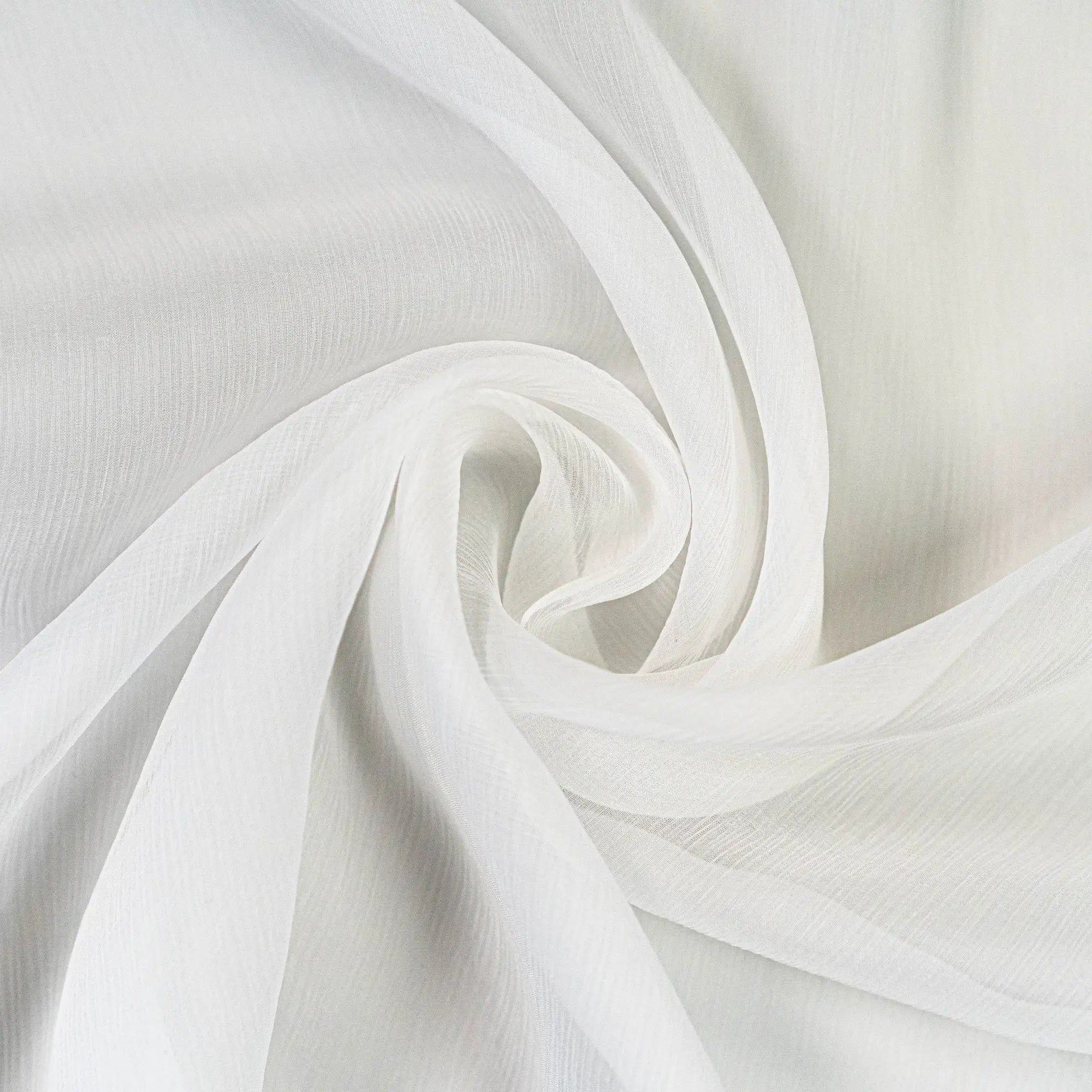
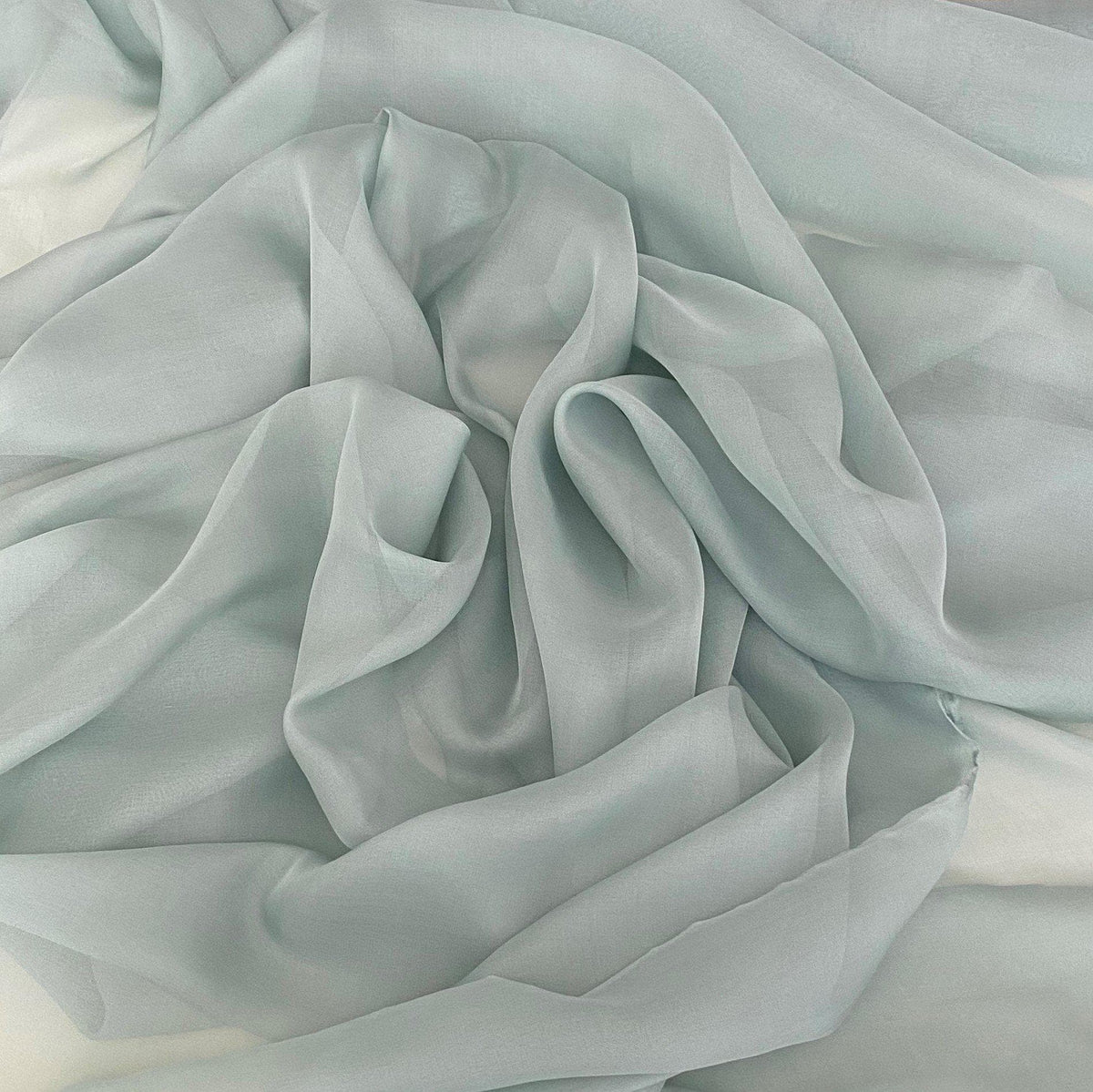
Semi-sheer silk satin chiffon with a soft satin lustre. It drapes, pleats and layers beautifully for gowns, sleeves and overlays.
- 30 colours
- 137 cm wide
- 100% Silk
- From $39.60 per metre




Guide
Silk Satin Chiffon: Uses and How to Sew It
Why silk satin chiffon is worth it, how it compares with our other lightweight silks, what to make with it, and easy tips for sewing it at home.
Why silk satin chiffon?
- It breathes. Silk is a natural fibre, so it's comfortable against the skin.
- A soft satin lustre. A gentle sheen that catches the light without looking hard or shiny.
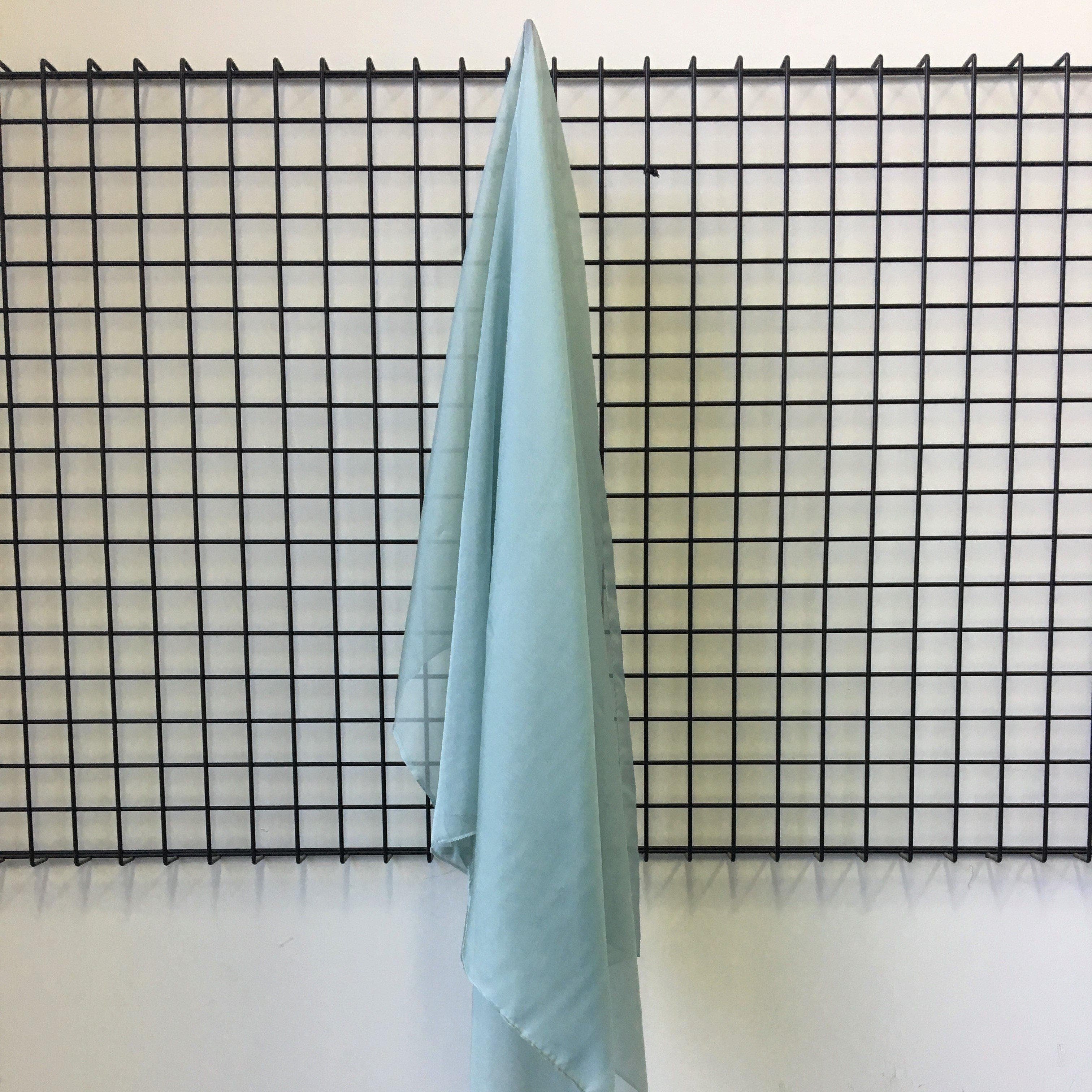
- Beautiful drape. It's light and fluid, so it falls into soft folds, pleats and gathers.
- It lasts. Looked after well, silk keeps its colour and character for years.
Certified silk. All of our silk satin chiffon is 100% pure mulberry silk, certified to two independent standards:
- GOTS (Global Organic Textile Standard): the silk is organic, and traced from the farm to the finished cloth.
- OEKO-TEX Standard 100: tested for harmful substances, so it's safe against the skin.
Which lightweight silk?
These are our five lightweight silks. They're all 100% silk and 137 cm wide, but each one feels, falls and sews a little differently. Here's a quick look to help you choose.
| Georgette | Satin chiffon | Crinkle chiffon | Habotai | Crepe de chine | |
|---|---|---|---|---|---|
| Feel | Springy, with a soft grainy texture | Soft and silky, with a gentle satin shine | Feather-light, with a soft crinkle | Smooth and soft, with a light sheen | Fluid, with a fine grainy texture |
| How sheer | Semi-sheer | Semi-sheer | Semi-sheer | Mostly opaque; pale colours show through slightly | Mostly opaque; lighter colours show through a little |
| How it hangs | Flows and moves | Falls softly against the body | Floats, with lots of movement | Light and close to the body | Drapes and swings |
| Great for | Floaty skirts, sleeves, blouses, printing | Draped and gathered styles, soft layers | Scarves, sleeves, easy layers | Linings, blouses, scarves, silk painting | Blouses, slip dresses, bias-cut styles |
| To sew | A little shifty | Trickiest: it's slippery | Shifty, but the crinkle hides small wobbles | Fairly easy | The easiest of the five |
| Weight | 10 momme | 6.5 momme | 5.5 momme | 8.5 momme | 16 momme |
New to silk? Crepe de chine is the easiest to start with, then habotai.
What to make with it
- Draped and gathered gowns and overlays
- Soft sleeves and capes
- Pleated and layered skirts
- Bridal and evening layers over a heavier silk
Cutting
- Satin chiffon is slippery, so cut one layer at a time on top of a sheet of paper, and cut through the fabric and paper together.
- Use sharp scissors or a rotary cutter, and pattern weights or fine silk pins inside the seam allowance.
- It frays, so finish the edges soon after cutting.
- Mark with tailor's tacks (a few loose hand stitches in a contrast thread) or a fine chalk pen. Avoid waxy chalk, which can leave marks.
Sewing
- Start with a fresh, fine, sharp needle (size 60 to 70) and a fine mercerised cotton thread. Polyester thread is stronger, but it can make fine silk pucker. Silk thread is lovely for tacking and hand sewing.
- Sew with tissue paper underneath, then gently tear it away.
- French seams look the neatest on a semi-sheer silk.
- Go slowly, and hold the thread ends as you start so the fabric doesn't get pulled under.
- Sew with a short straight stitch, 1.5 to 2 mm, to stop puckering.
- Use a straight-stitch foot and a single-hole needle plate if your machine has one. If not, move the needle to the far left so the fabric is supported around it.
- Every so often, stop with the needle down and lift the presser foot so any ripple in the fabric can relax.
- Skip backstitching and topstitching, which can pucker chiffon. Tie the thread ends by hand instead.
- Don't use iron-on interfacing. Where a collar, cuff or zip needs support, add a layer of skin-coloured silk organza instead.
- Put zips in by hand, or back the zip seam with a strip of silk organza first.
Hems
A hand-rolled hem is the classic couture finish for chiffon: soft and flexible, so it never weighs down the drape. Let a skirt hang overnight before you hem it, then level the hem.
For a rolled hem, trim the hem allowance to about 3 mm, then roll it over to hide the raw edge and stitch by hand or machine. Keep a little finger pressure behind the foot so the edge doesn't stretch.
Pressing
Use a dry iron on the silk setting with a pressing cloth on top. Test on a scrap first.
Questions
Is satin chiffon see-through?
It's semi-sheer, so it's usually layered or used over a heavier fabric.
What's the difference between satin chiffon and crinkle chiffon?
Satin chiffon is smooth, with a soft satin shine. Crinkle chiffon is a little lighter, with a soft crinkled texture.
Is silk chiffon hard to sew?
It's the trickiest of our lightweight silks because it's slippery. Cutting on paper, sewing over tissue and going slowly make it much easier.
Wholesale for fashion labels, bridal studios and designers buying in bulk. Apply for an account