

Silk Blend Fabric
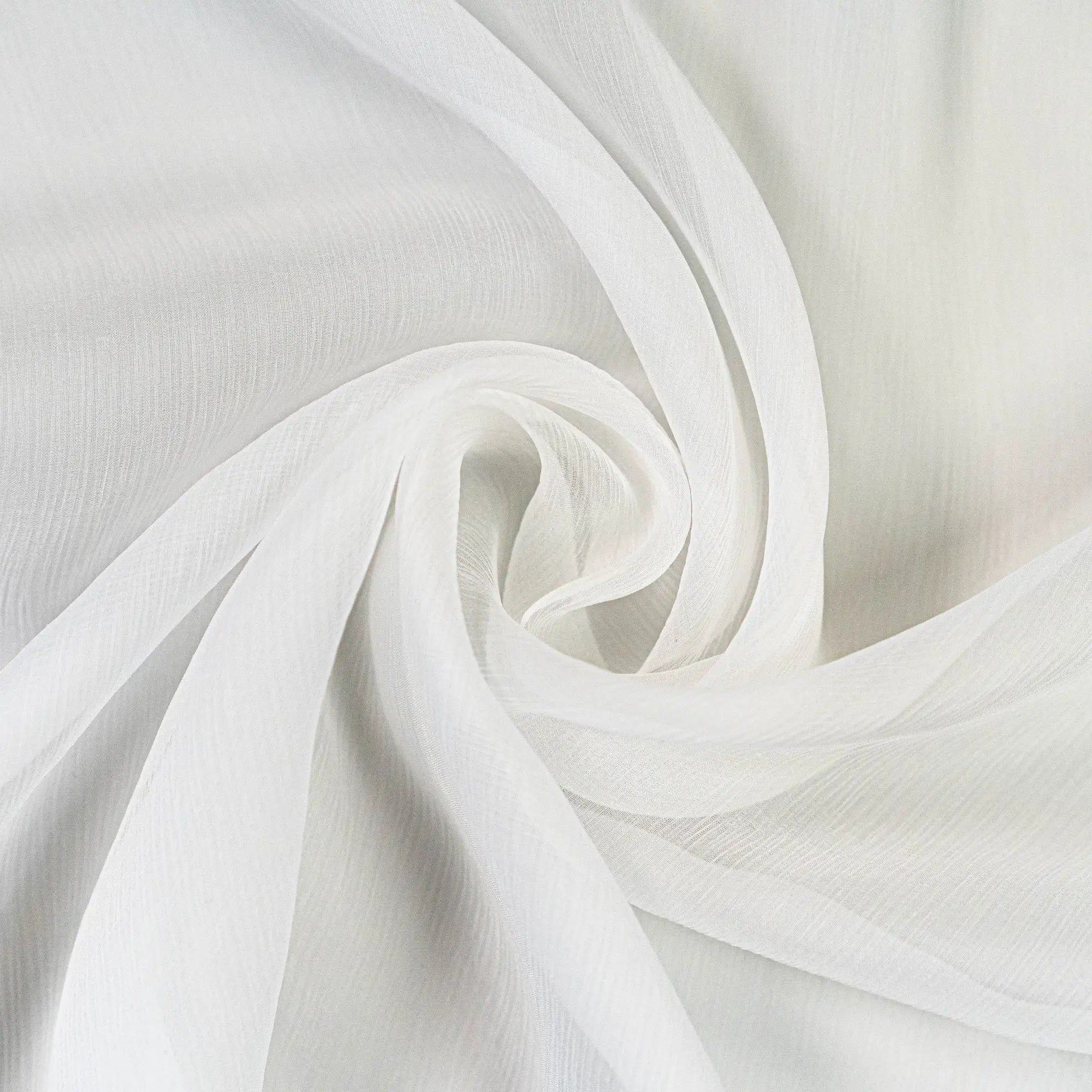
Silk blended with cotton or viscose: soft, easy-to-sew silk cotton voile in 15 colours and silk cotton sateen, plus crisp silk viscose stripe organza with silver or gold metallic stripes.
- Silk with cotton or viscose
- Voile, sateen and stripe organza
- 110 to 137 cm wide


Guide
Silk Blend Fabric: Uses and How to Sew It
Our silk cotton and silk viscose blends, which one suits your project, and easy tips for sewing them.
About our silk blends
- Silk with cotton. Our silk cotton voile and sateen are 30% silk and 70% cotton: the cotton makes them easy to handle, and the silk adds a soft drape and a gentle sheen.
- Silk with viscose. Our stripe organzas are 20% silk and 80% viscose, crisp and sheer, with metallic stripes in silver or gold.
- Comfortable to wear. Silk, cotton and viscose all come from natural sources, so these blends feel soft against the skin.
Which silk blend?
| Silk cotton voile | Light and mostly opaque, with a low sheen and a soft drape. 15 colours, 137 cm. Great for: shirts, sleepwear, summer dresses, linings and toiles. |
| Silk cotton sateen | Light, with a satin finish on the face and matte on the back. Ivory, 137 cm. Great for: shirts, sleepwear, linings and bridal. |
| Stripe organza | Sheer and crisp, with a metallic stripe: fine 7 to 8 mm stripes in silver, or wide 6.5 to 8 cm stripes in silver and gold. 110 cm. Great for: blouses, skirts, evening wear and sheer curtains. |
| Pure silk organza | For comparison: 100% silk, sheer and crisp, in many colours. Great for: sleeves, overlays and underlining. |
What to make with it
- Shirts and blouses (voile, sateen)
- Pyjamas and sleepwear (voile, sateen)
- Summer dresses and skirts (voile)
- Linings and toiles (voile)
- Evening tops, skirts and overlays (stripe organza)
- Sheer curtains and soft furnishings (stripe organza)
Cutting
- Voile and sateen: pre-wash the length the way you'll wash the finished piece, then cut with sharp scissors or a rotary cutter. See our fabric care guide.
- Sateen has a sheen on one side, so cut every piece with the satin face up and facing the same way.
- Stripe organza: cut as a single layer, and line the stripes up on the grain and at the side seams and centre front.
- Stripe organza frays, so sew or finish the edges soon after cutting.
Sewing
- Use a fresh, fine needle (size 70) and a fine mercerised cotton thread.
- Sew with a short straight stitch, about 2 mm.
- French seams are the neatest finish on voile and stripe organza, where seams can show through.
- The metallic threads in the stripe organza are delicate, so handle it gently and don't unpick more than you need to.
Hems
- Voile and sateen: a machine baby hem. Press up 1 cm, stitch close to the fold, trim the allowance right up to the stitching, then turn it once more and stitch again.
- Stripe organza: a deep double hem on skirts and curtains, so the hem shows through as one clean band; or a hand-rolled hem on blouses and lighter pieces.
Pressing
Voile and sateen: the silk setting, on the reverse, with light or no steam. Stripe organza: the lowest setting, dry, through a pressing cloth, to protect the metallic threads. Test on a scrap first.
Questions
What is a silk blend?
A fabric woven from silk and another fibre. Ours blend silk with cotton (voile and sateen) or with viscose (stripe organza).
Is silk cotton easier to sew than pure silk?
Yes. The cotton makes it stay put on the table, so it's easier to cut and sew than a slippery pure silk.
What is silk cotton voile used for?
Shirts, sleepwear, summer dresses and linings, and toiles to test the fit of a gown.
How wide are they?
Silk cotton voile and sateen are 137 cm; stripe organza is 110 cm.
Wholesale for fashion labels, bridal studios and designers buying in bulk. Apply for an account