

Christening Gown Fabric & Lace
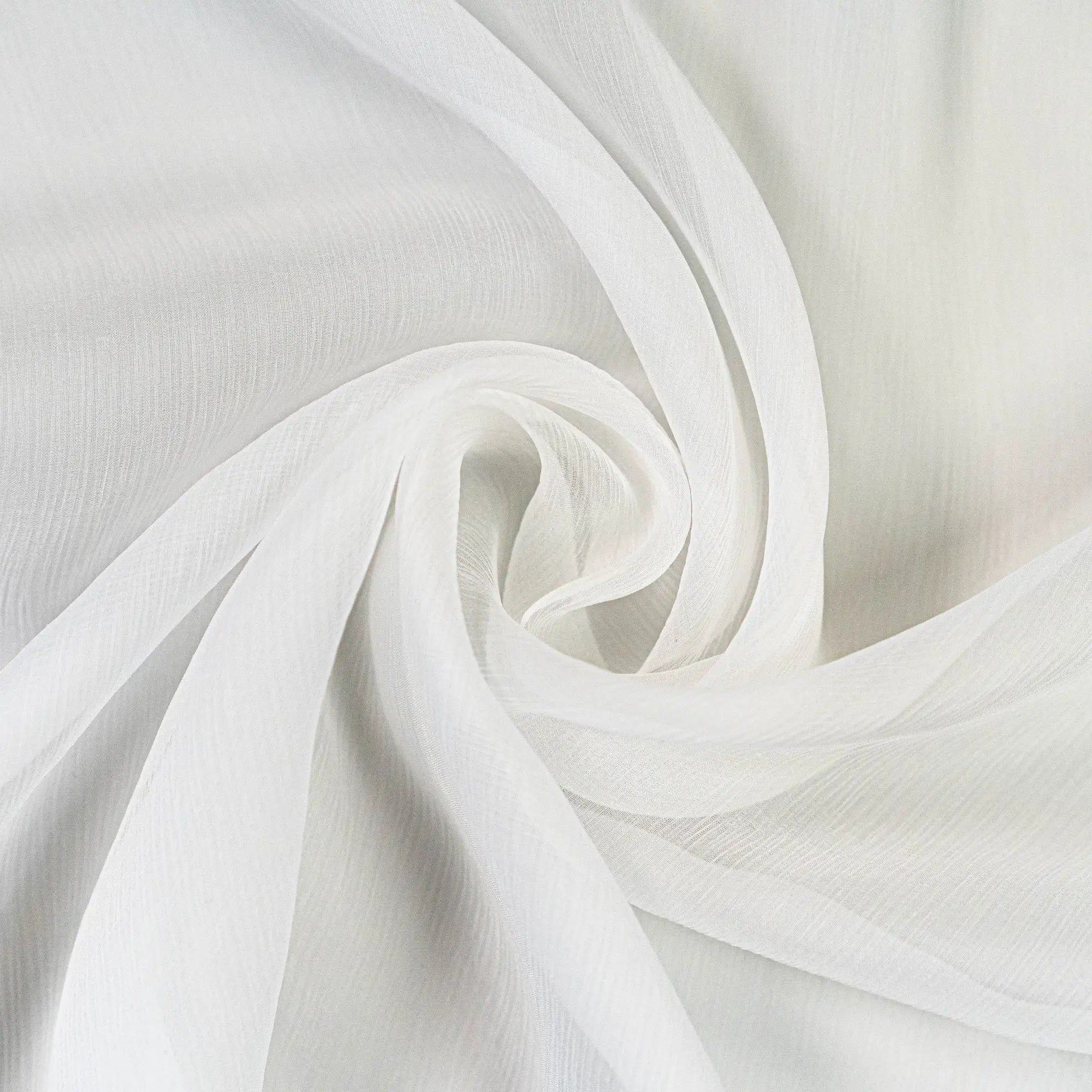
Lace, tulle and silk for christening and blessing gowns: fine and corded laces with scalloped edges, embroidered tulle, and habotai, organza, silk cotton voile and dupion to go underneath, in ivory and white.
- Fine, corded and guipure lace
- Embroidered tulle and trims
- Silks to go underneath, in ivory and white


 Sold out


 Sold out

 Sold out


Guide
Christening Gown Fabric: Lace, Tulle and Silk
Which laces and tulles suit a christening gown, which silks to put underneath, and easy tips for sewing an heirloom gown at home.
Choosing fabric for a christening gown
- Soft and light. Fine and corded laces and embroidered tulle are light enough for a baby to wear comfortably.
- Made to last. Many christening gowns are passed down, so it's worth choosing a lace and silk you love.
- Practical for little hands. Babies grab and chew, so lace and embroidered tulle are the easiest choices. If you use beaded or sequinned fabric, keep it away from the hands and face, and make sure every bead is firmly sewn on.
Which lace or tulle?
Our christening laces and tulles, side by side. Most are ivory, with some white.
| Fine lace | Delicate motifs on a very fine net. Great for: soft overskirts, sleeves and bonnets. |
| Corded lace | Motifs outlined in a fine cord, with scalloped edges. Great for: bodices, hems and heirloom gowns. |
| Guipure lace | Bold motifs joined without a net base. Great for: collars, yokes and edgings. |
| Embroidered tulle | Fine tulle embroidered with flowers and scrolls. Great for: full skirts and overlays. |
| Lace trims | Narrow lace with a finished edge. Great for: hems, cuffs and bonnets. |
| Broderie anglaise | 100% cotton with traditional eyelet embroidery. Great for: simple, classic gowns. |
Silks to put underneath
The ivory and white of each are on this page.
| Habotai | Light and smooth, soft against the skin. Great for: the lining layer next to the baby. |
| Organza | Sheer and crisp. Great for: giving a lace skirt body. |
| Silk cotton voile | Light and soft, with a low sheen. Great for: a soft, matte gown or underdress. |
| Dupion | Crisp, with natural slubs. Great for: christening coats and capes. |
Buying lace and tulle
Most of our laces are made in panels about 3 metres long, so if you order more than the length of one panel, it may come in more than one piece. Guipure and stretch lace aren't made in panels. Our plain bridal tulle, crystal tulle and stiff net are sold in bolts of about 50 metres.
What to make with it
- Christening and blessing gowns
- Bonnets
- Christening coats and capes
- Heirloom gowns with long lace skirts
Cutting
- Always cut lace and embellished tulle flat on the table as a single layer: don't fold it and cut double.
- Place the scalloped edge along the hem, cuffs and neckline before you cut.
- Plan where the main motifs will sit on the front and back, and allow extra for matching.
Sewing
- Use a fresh, fine needle (size 70) and a fine mercerised cotton thread. Silk thread is lovely for tacking and hand sewing.
- French seams on habotai and voile keep the inside soft against the baby's skin.
- For invisible joins in lace, overlap two pieces, stitch around the outline of a motif, then trim away the extra lace.
- Beaded lace and tulle: clear the beads from the seam allowances before sewing, and keep any beads that come loose, to sew back on.
Edges and hems
- Lace: use the scalloped edge, so there's nothing to hem.
- Habotai and voile: a machine baby hem: press up 1 cm, stitch close to the fold, trim the allowance right up to the stitching, then turn it once more and stitch again. A hand-rolled hem gives the softest edge.
- Organza: on a full skirt, a deep double hem: turn up 4 to 8 cm, then the same again, so it shows through as one clean band.
Ivory and white
"Ivory" covers many different shades of off-white, and it varies from one lace or silk to another, so we always recommend ordering samples of the lace and the silk you'll put under it, and comparing them side by side.
Pressing
- Lace: face down on a thick, clean towel, on a low setting, through a pressing cloth, so the motifs sink in rather than flatten.
- Light silks and satins: a dry iron on the silk setting, on the wrong side, through a pressing cloth. Satin marks easily, so test on a scrap first.
Questions
What fabric is best for a christening gown?
A soft lace or embroidered tulle over a light silk like habotai or silk cotton voile, with organza underneath if you want a fuller skirt.
Can I use bridal lace for a christening gown?
Yes. Our christening laces come from our bridal range, so you can even match a gown to the bride's dress.
Is beaded lace safe for a baby?
Lace and embroidered tulle are the easiest choices. If you use beading, keep it away from the hands and face and make sure every bead is firmly sewn on.
How is lace sold?
Most of our laces are made in panels about 3 metres long, so longer orders may come in more than one piece.
Wholesale for fashion labels, bridal studios and designers buying in bulk. Apply for an account