

Silk Satin Organza
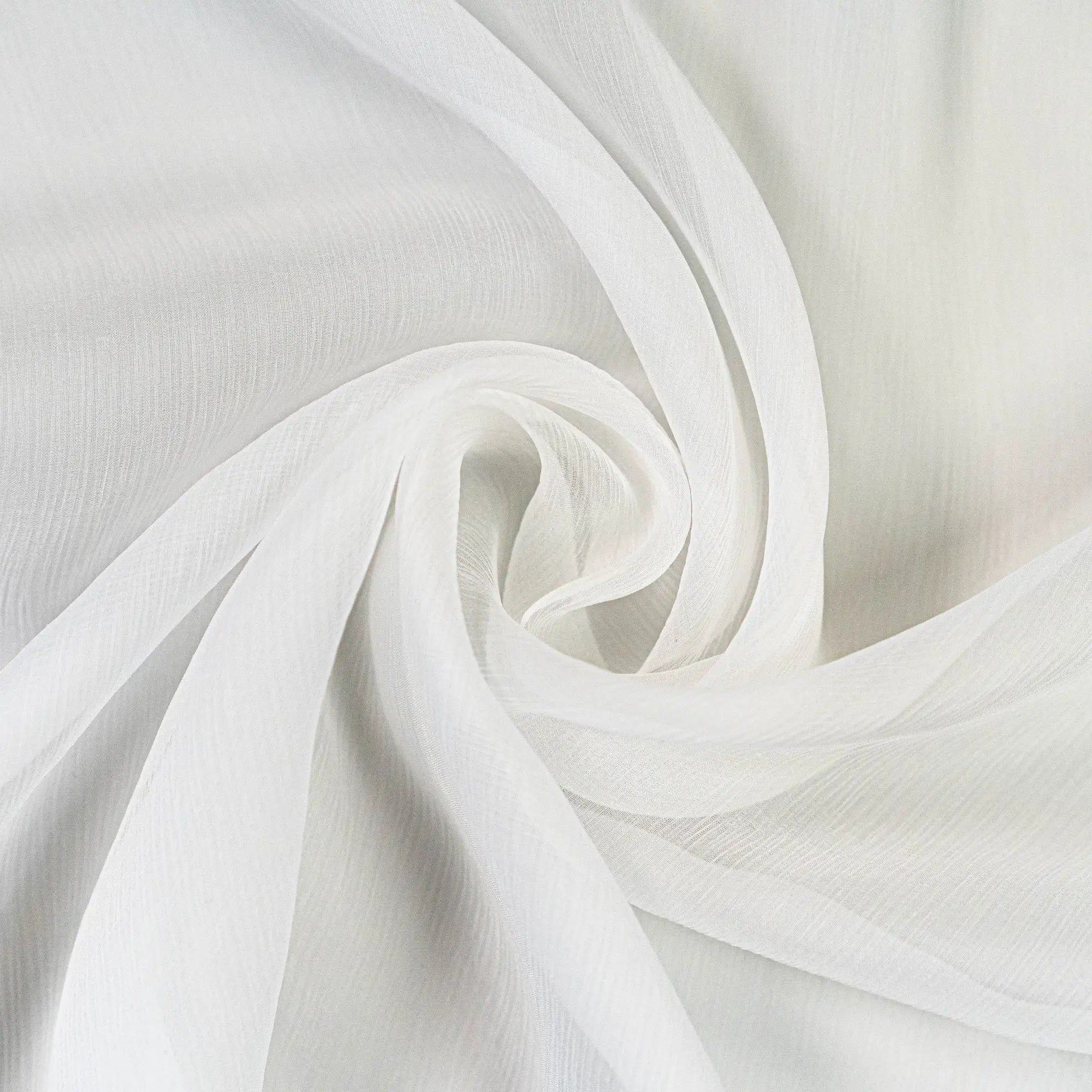
Also called silk gazar: an organza with a satin finish, a very sculptural drape and a strong structural hold. 100% mulberry silk in 12 and 16 momme, for sculpted skirts, sleeves and bows.
- 2 colours
- 137 cm wide
- 100% Silk
- From $48.40 per metre


Guide
Silk Satin Organza (Gazar): Uses and How to Sew It
What satin organza is like, how it compares with our other structured silks, what to make with it, and tips for sewing it.
Why silk satin organza?
- Also called silk gazar. An organza with a satin finish on the face, a very sculptural drape and a strong structural hold.
- Shapes without stiffness. It stands away from the body and holds a sculpted line, yet stays light.
- Two weights. 12 momme in silk white, and a fuller 16 momme in ivory, both 137 cm wide.
- It breathes. Silk is a natural fibre, so it's comfortable to wear all day.
Certified silk. All of our satin organza is 100% pure mulberry silk, certified to two independent standards:
- GOTS (Global Organic Textile Standard): the silk is organic, and traced from the farm to the finished cloth.
- OEKO-TEX Standard 100: tested for harmful substances, so it's safe against the skin.
Satin organza or other structured silks?
| Look and feel | Great for | |
|---|---|---|
| Silk organza | Sheer, light and crisp, 5.5 momme | Sleeves, overlays and the hidden layer inside a gown |
| Satin organza | A satin face, very sculptural, 12 or 16 momme | Sculpted skirts, overskirts, statement sleeves and bows |
| Duchess satin | Very structured, with a low sheen and more weight | Sculptural gowns and bodices |
| Zibeline (mikado) | Stiff, with a fine diagonal weave | Structured gowns, coats and big bows |
What to make with it
- Sculpted bridal skirts and overskirts
- Statement sleeves, capes and collars
- Big bows and architectural details
- Structured evening gowns
Cutting
- Cut as a single layer, with all the pieces facing the same way, as the satin face can look different from each direction.
- Use pattern weights, or pin only inside the seam allowance: pins can mark the satin.
- Mark on the wrong side with tailor's chalk, tested on a scrap first.
- It frays, so sew or finish the edges soon after cutting.
Sewing
- Use a fresh, fine needle (size 60 or 70) and a fine mercerised cotton thread. Polyester thread is stronger, but it can make fine silk pucker. Silk thread is lovely for tacking and hand sewing.
- Because it's sheer, seams show through: French seams are the neatest finish, or a flat-felled seam on a structured skirt.
- It's crisp and doesn't ease much, so take care setting in sleeves and shaping curves.
- Sew a test seam first, and try not to unpick: needle holes can show on the satin face.
Hems
- Deep double hem. On a structured skirt, turn up 4 to 8 cm, then the same again, so the hem shows through as one clean band and adds a little body.
- Hand-rolled hem. On sleeves, frills and lighter pieces, a hand-rolled hem keeps the edge fine.
Pressing
Use a dry iron on the silk setting, with a pressing cloth on top and no steam: water drops can leave marks. Test on a scrap first.
Questions
What is silk gazar?
Another name for satin organza: an organza with a satin finish, a very sculptural drape and a strong structural hold.
What is the difference between organza and satin organza?
Silk organza is sheer, light and crisp. Satin organza is heavier, with a satin face, and holds a sculpted shape.
Is satin organza good for a wedding dress?
Yes. It's lovely for sculpted skirts, overskirts, statement sleeves and bows.
Which weight should I choose?
12 momme for lighter sculpted pieces and sleeves, and 16 momme for the fullest skirts and the most hold.
Wholesale for fashion labels, bridal studios and designers buying in bulk. Apply for an account