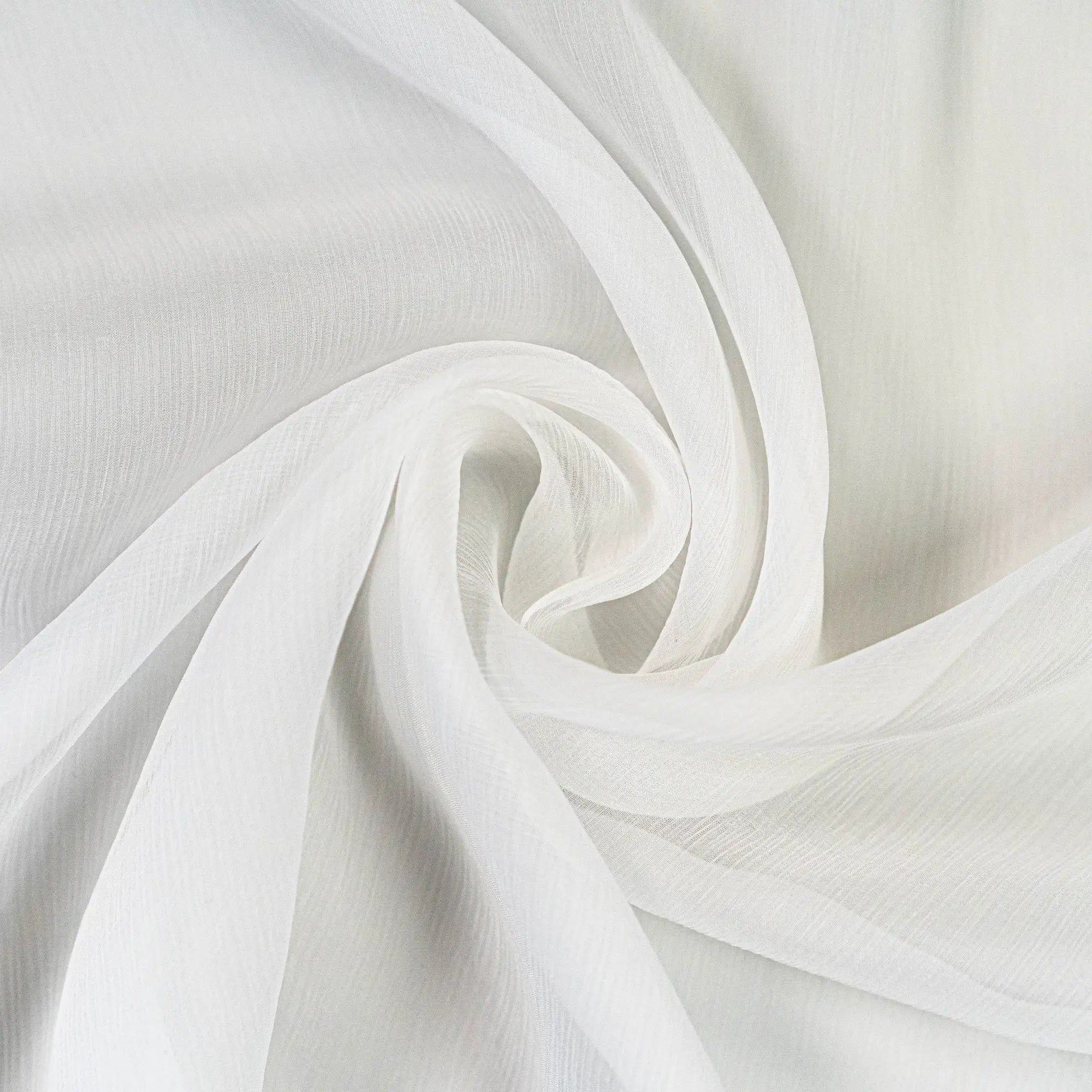


Stretch Polyester Lining
A lightweight satin lining with a slight stretch, so it moves with fitted garments and stretch fabrics. 97% polyester and 3% spandex, 150 cm wide, in ivory, black and soft colours.
- 8 colours
- 150 cm wide
- 97% Polyester, 3% Spandex
- From $11.00 per metre


 Sold out


Guide
Stretch Polyester Lining: How to Choose and Sew It
What our stretch lining is like, when you need one, and easy tips for sewing a lining that moves with your garment.
About our stretch polyester lining
- A little stretch. 97% polyester and 3% spandex, with a slight one-way stretch, so the lining moves with the garment.
- Satin face, matte back. A lightweight satin with a matte reverse and a soft fall.
- 150 cm wide. In ivory, black, red, pale blue, pale pink, antique pink and toffee.
When do you need a stretch lining?
- When your fashion fabric has stretch, like stretch satin, stretch crepe or scuba. A plain lining would stop it stretching and could tear at the seams.
- For close-fitting dresses and skirts, so you can sit, walk and move comfortably.
- Lay the pattern pieces so the stretch goes the same way as in your fashion fabric, usually around the body.
Stretch or plain lining?
| Stretch polyester lining | Light, with a satin face and a slight one-way stretch, 150 cm. Great for: fitted dresses and skirts in stretch fabrics. |
| Polyester lining | Light and smooth, with a satin face and a matte back, 85 gsm, 150 cm. Great for: dresses, skirts, pants and jackets in woven fabrics. |
| Stretch silk satin | Silk with a little stretch and a soft sheen. Great for: lining garments made in stretch silk. |
Lining a stretch silk? Choose stretch silk satin, so the whole garment breathes like silk.
Cutting
- Cut as a single layer, laid on paper or a cotton sheet, with pattern weights or pins inside the seam allowance.
- Check which way it stretches before you cut, and place every piece the same way.
- Use sharp scissors or a rotary cutter.
Sewing
- Use a fresh stretch or ballpoint needle (size 70) and a good-quality polyester thread, which has a little give.
- Sew seams with a narrow zigzag, or a slightly longer straight stitch, and don't pull the fabric as you sew.
- Understitch the seam where the lining meets the facing, so the lining stays inside.
- In a skirt or dress, make the lining 2 to 3 cm shorter than the garment.
Hems
A lining is hemmed on its own, so it hangs free. Turn up a narrow hem and sew it with a narrow zigzag or a twin needle, so the hem can stretch with the garment.
Ivory and colour matching
Ivory and other colours vary from one fabric to another, and many quite different off-white shades are all called ivory, so we always recommend ordering samples and comparing them side by side.
Pressing
Press on the lowest setting through a pressing cloth, without stretching the fabric. Test on a scrap first.
Questions
What is stretch lining made of?
Our stretch polyester lining is 97% polyester and 3% spandex.
Do I need a stretch lining for a stretch dress?
Yes. A stretch lining moves with the fabric. A plain lining would stop it stretching and could pull at the seams.
How wide is your stretch lining?
150 cm.
What thread should I use?
A good-quality polyester thread, which has a little give, with a stretch or ballpoint needle.
Wholesale for fashion labels, bridal studios and designers buying in bulk. Apply for an account