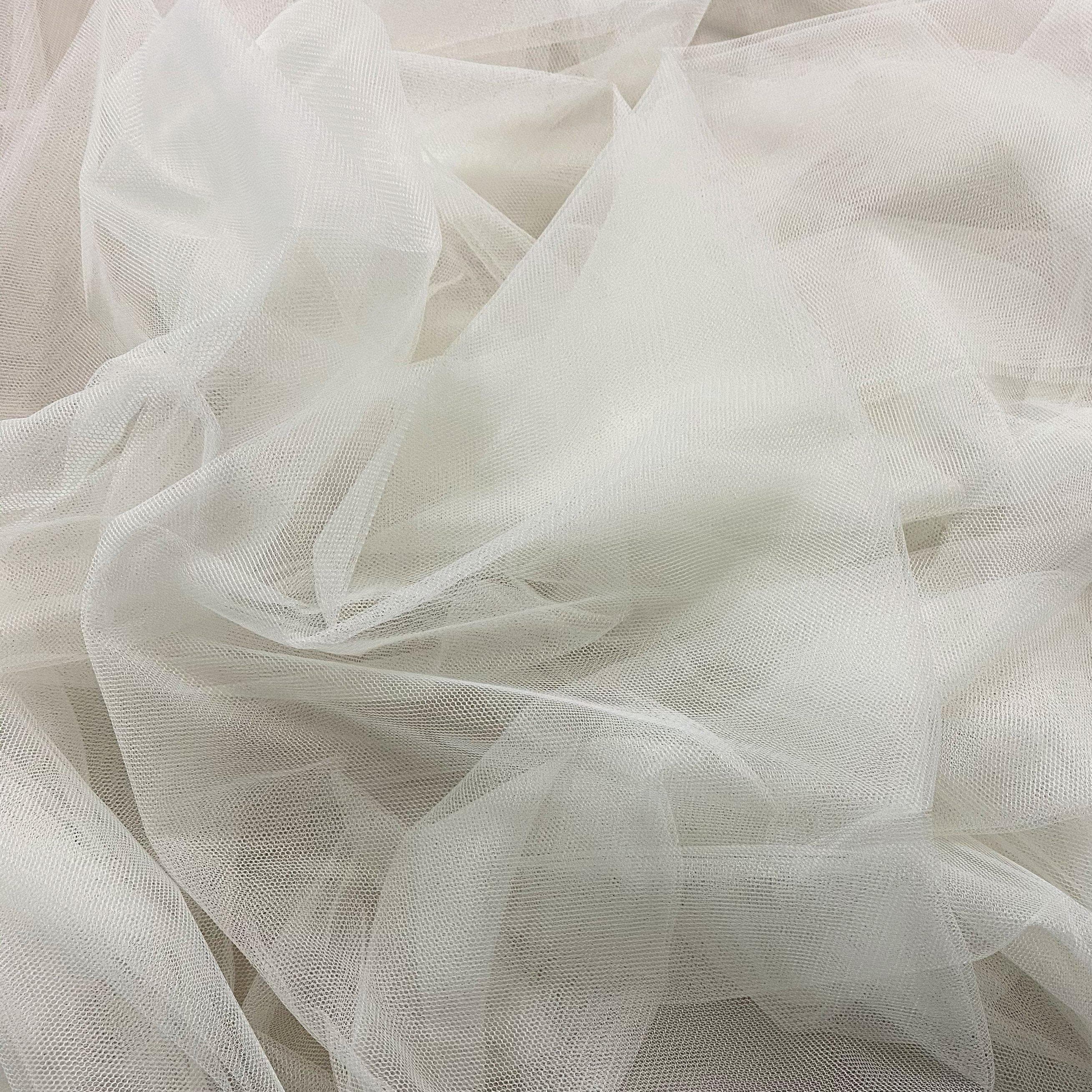
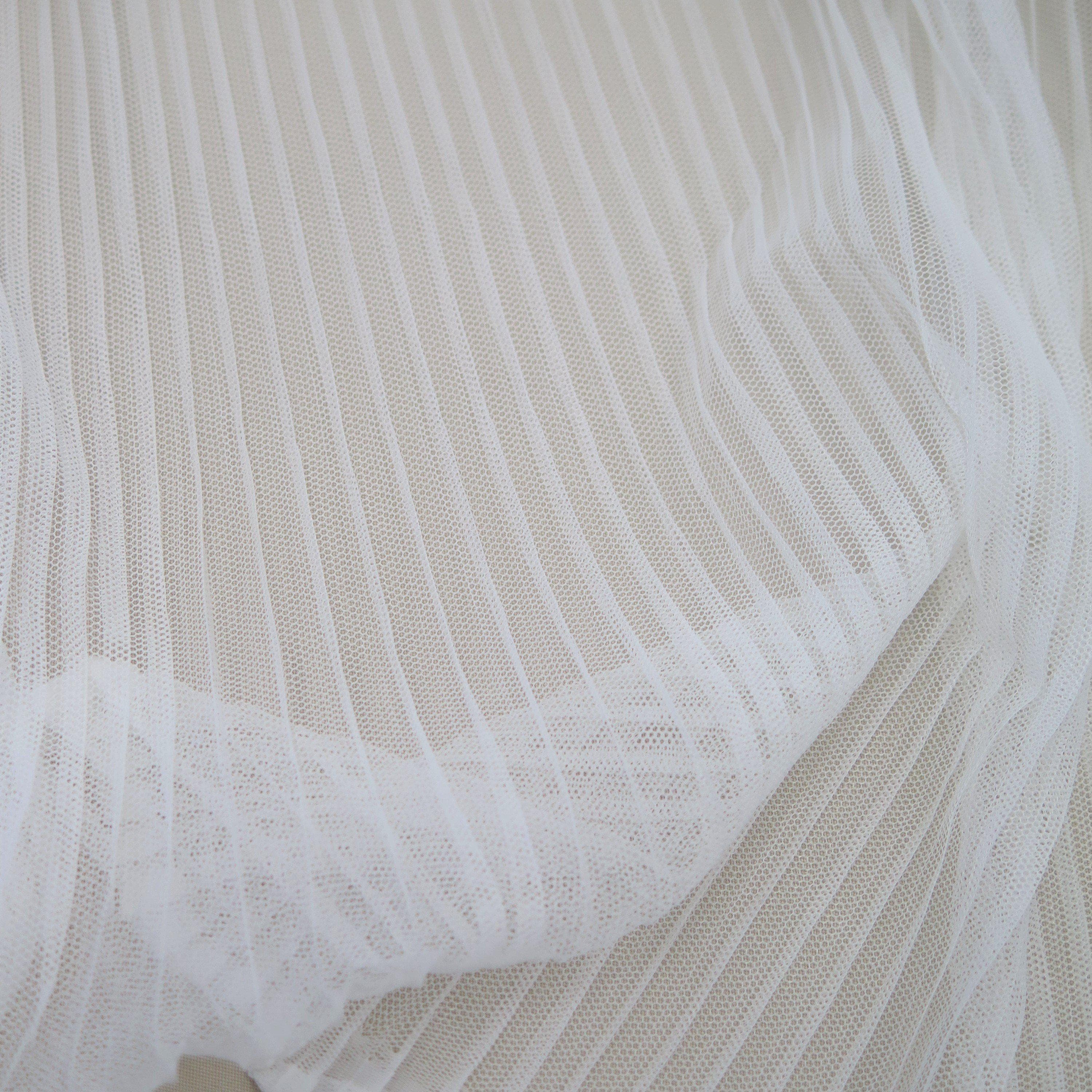
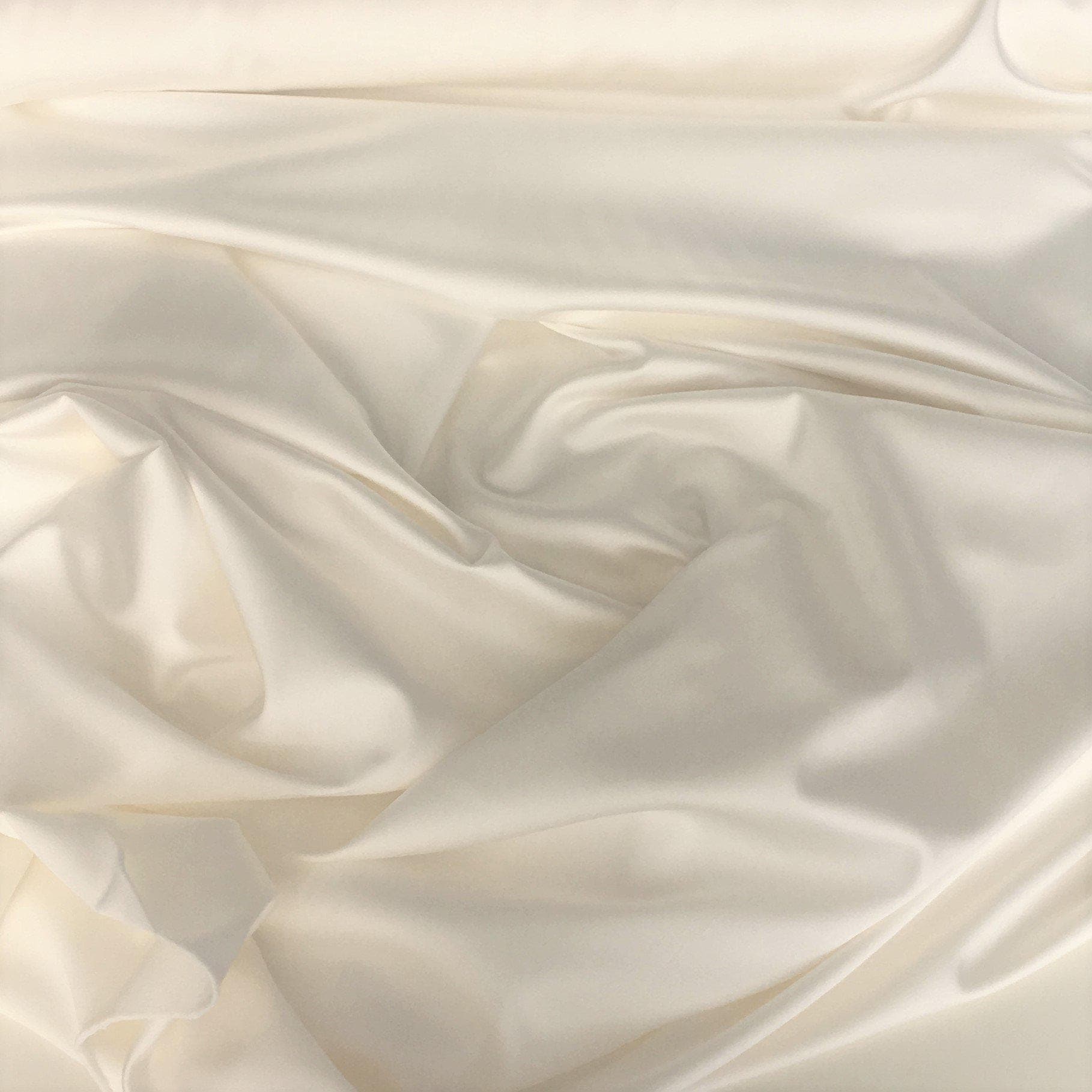
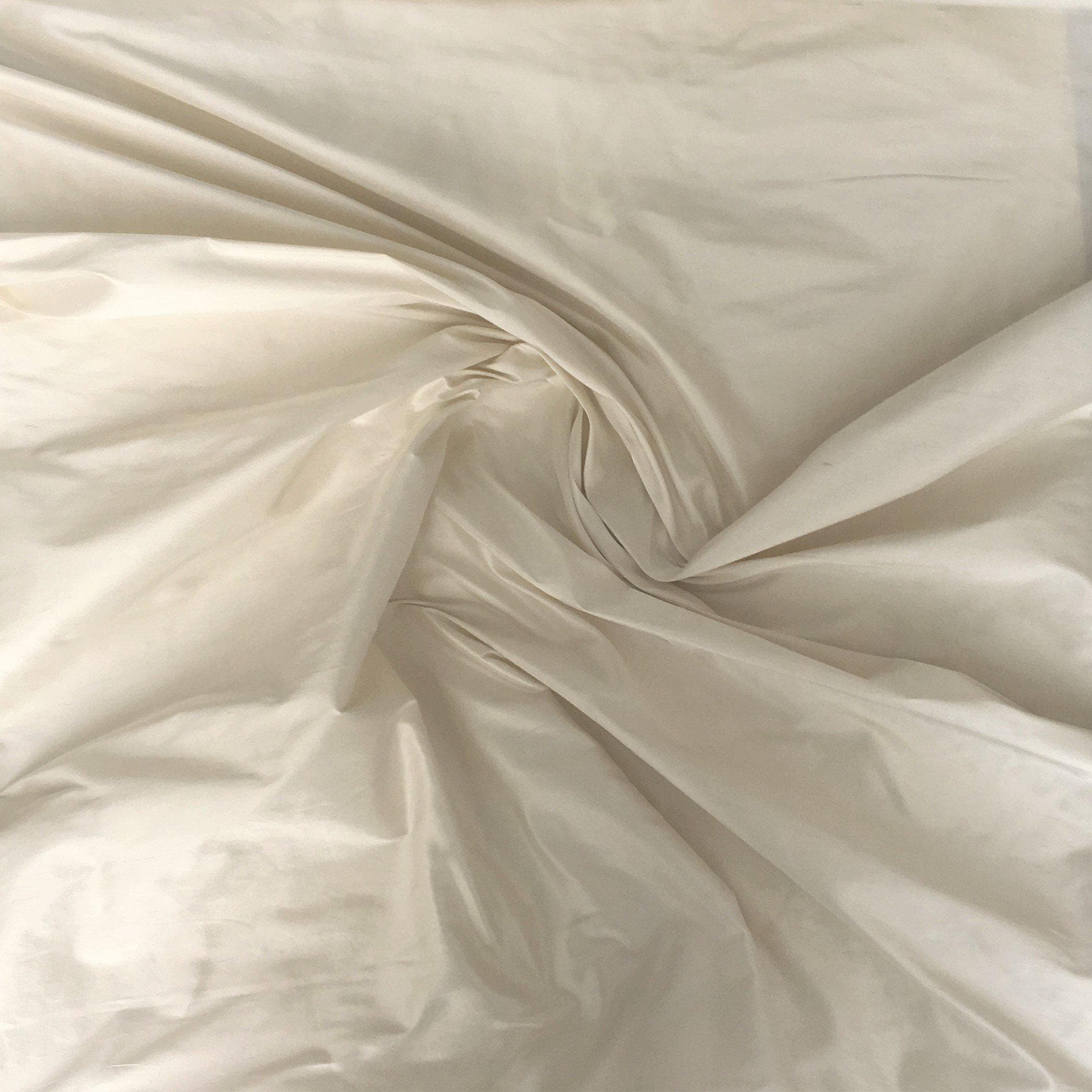
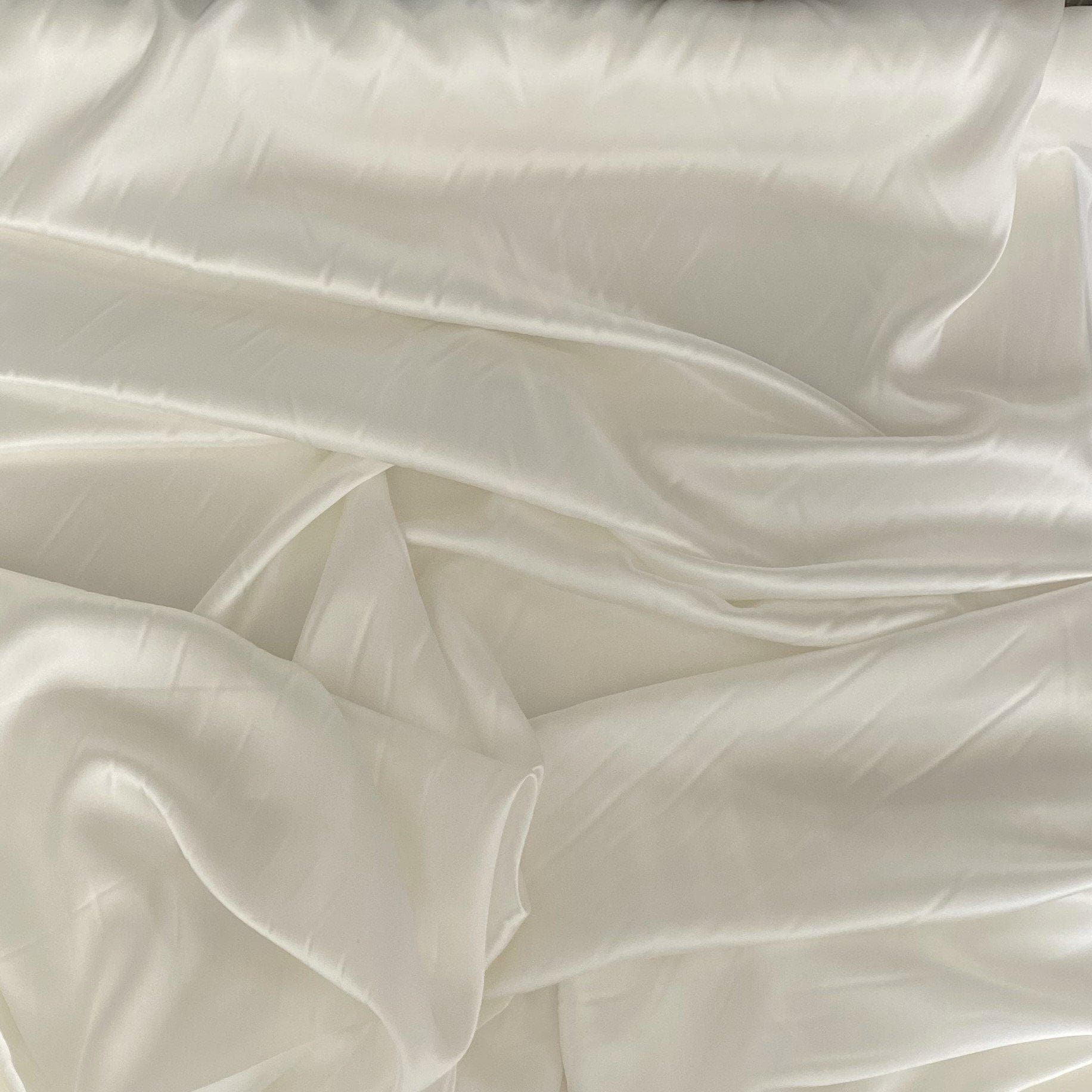
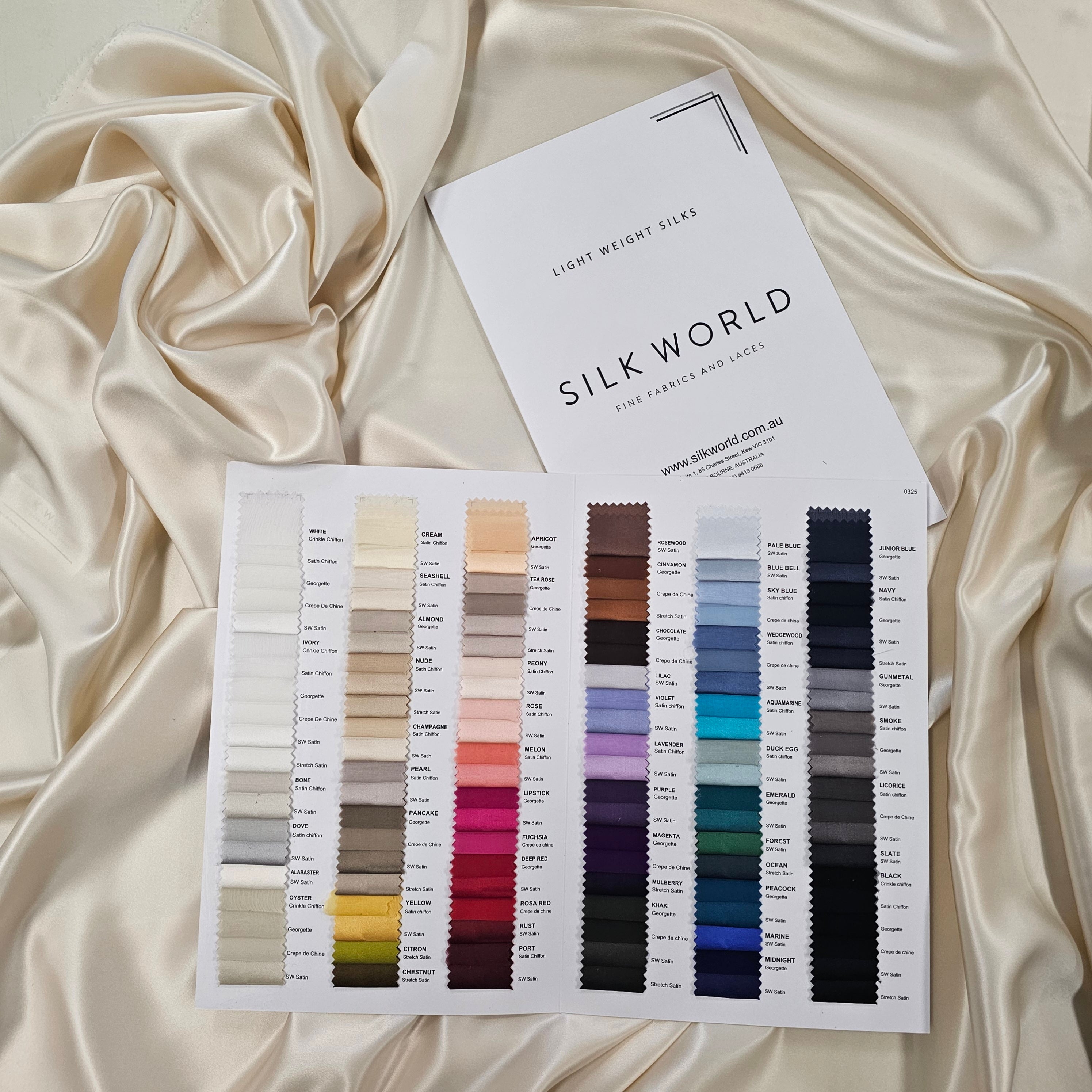
Sheer Silk Fabric
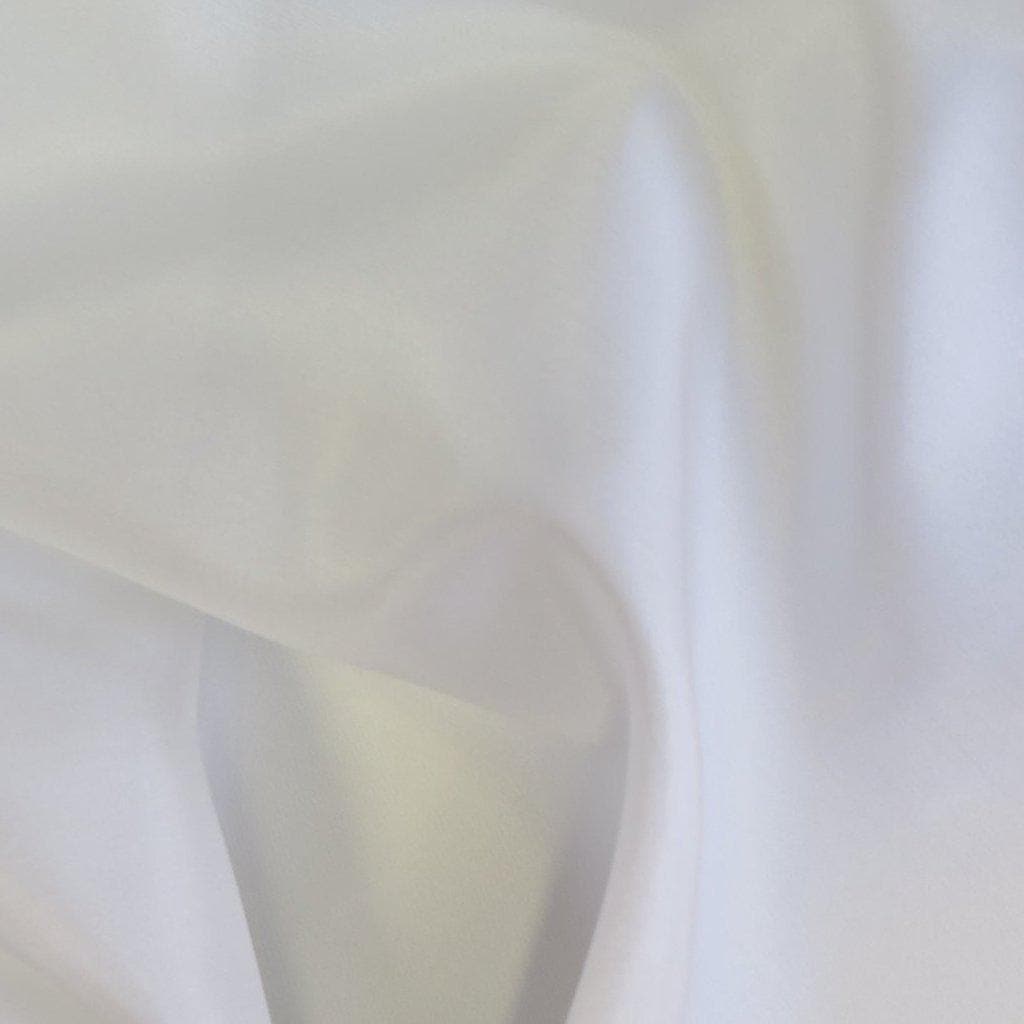
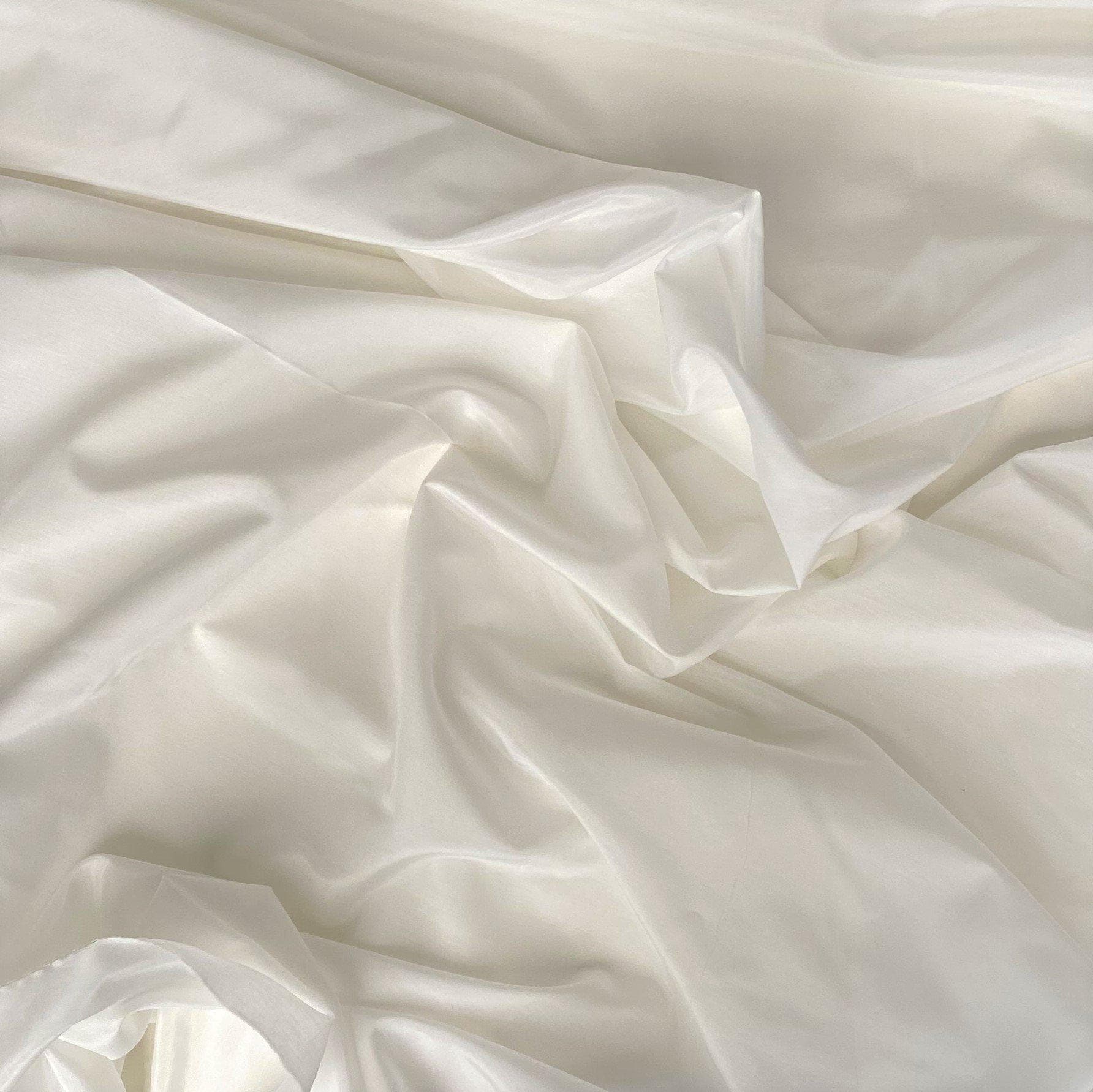
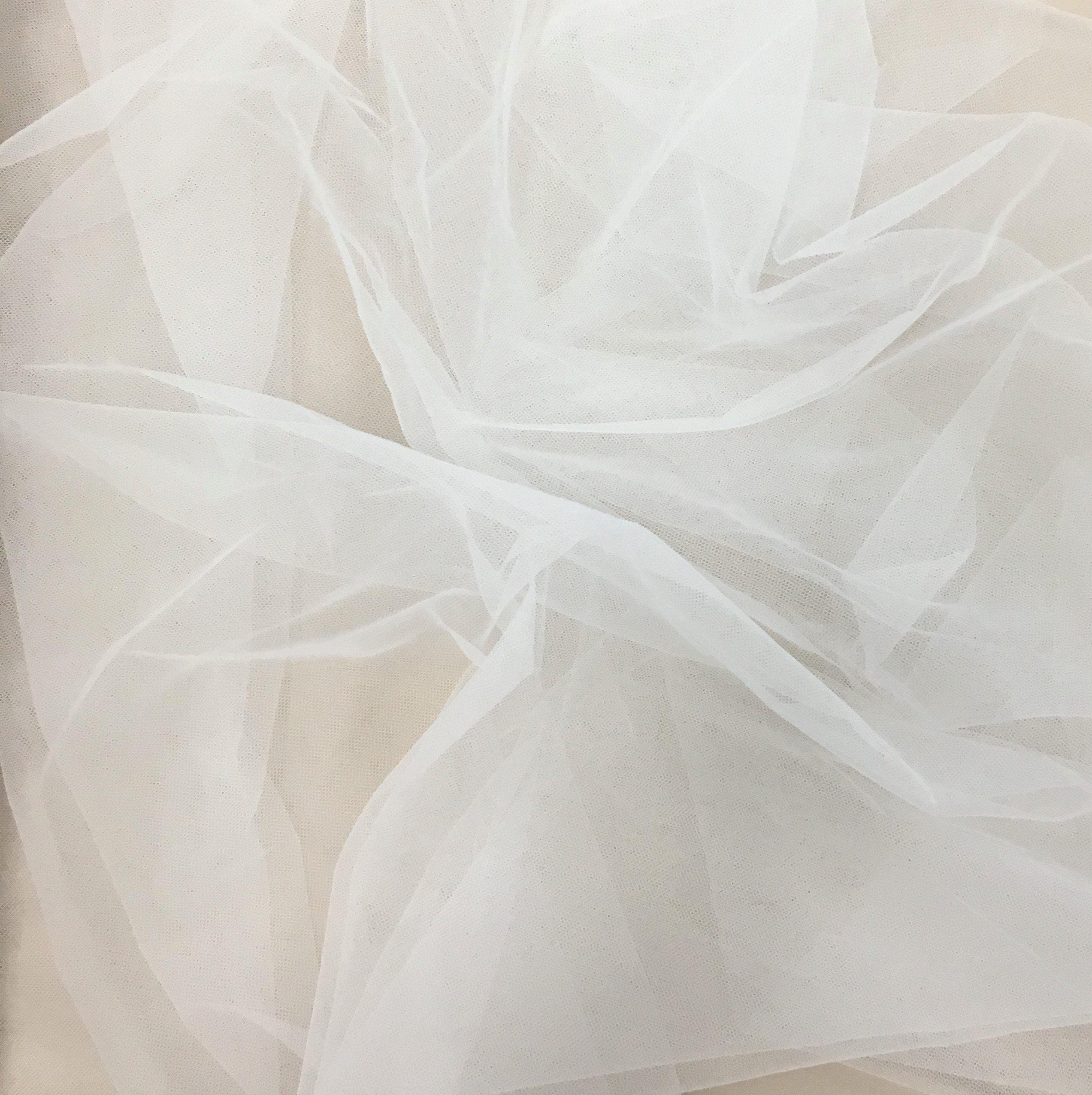
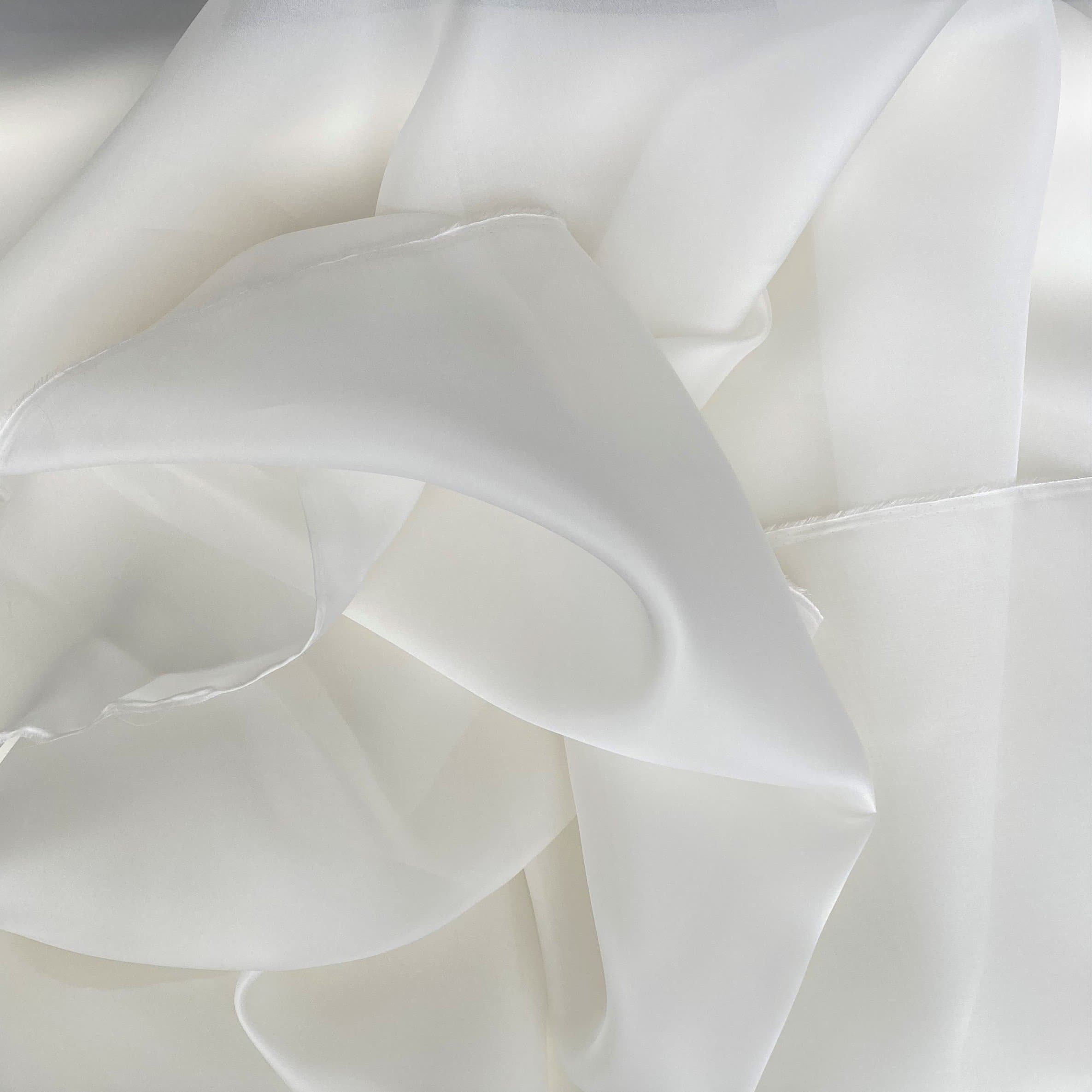
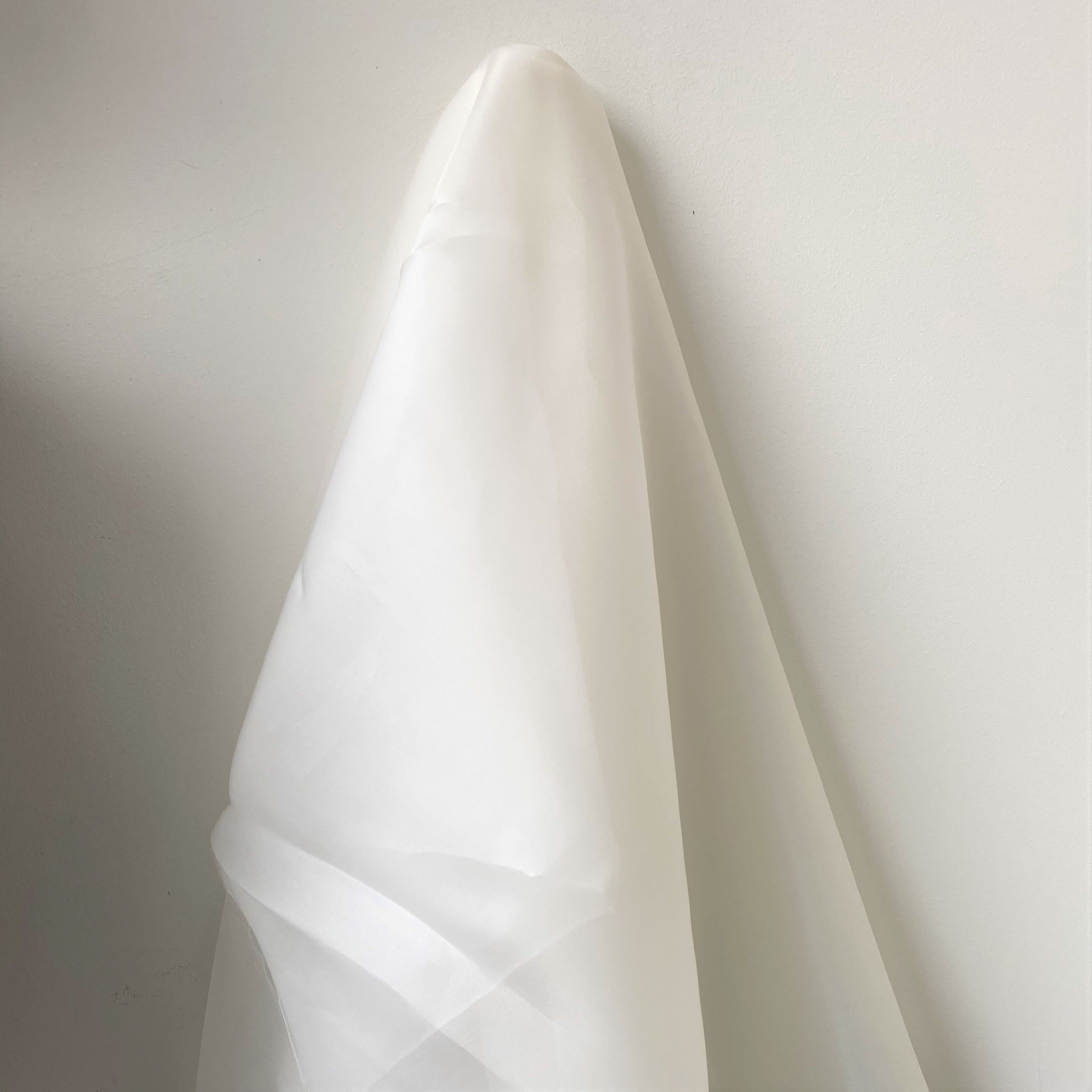
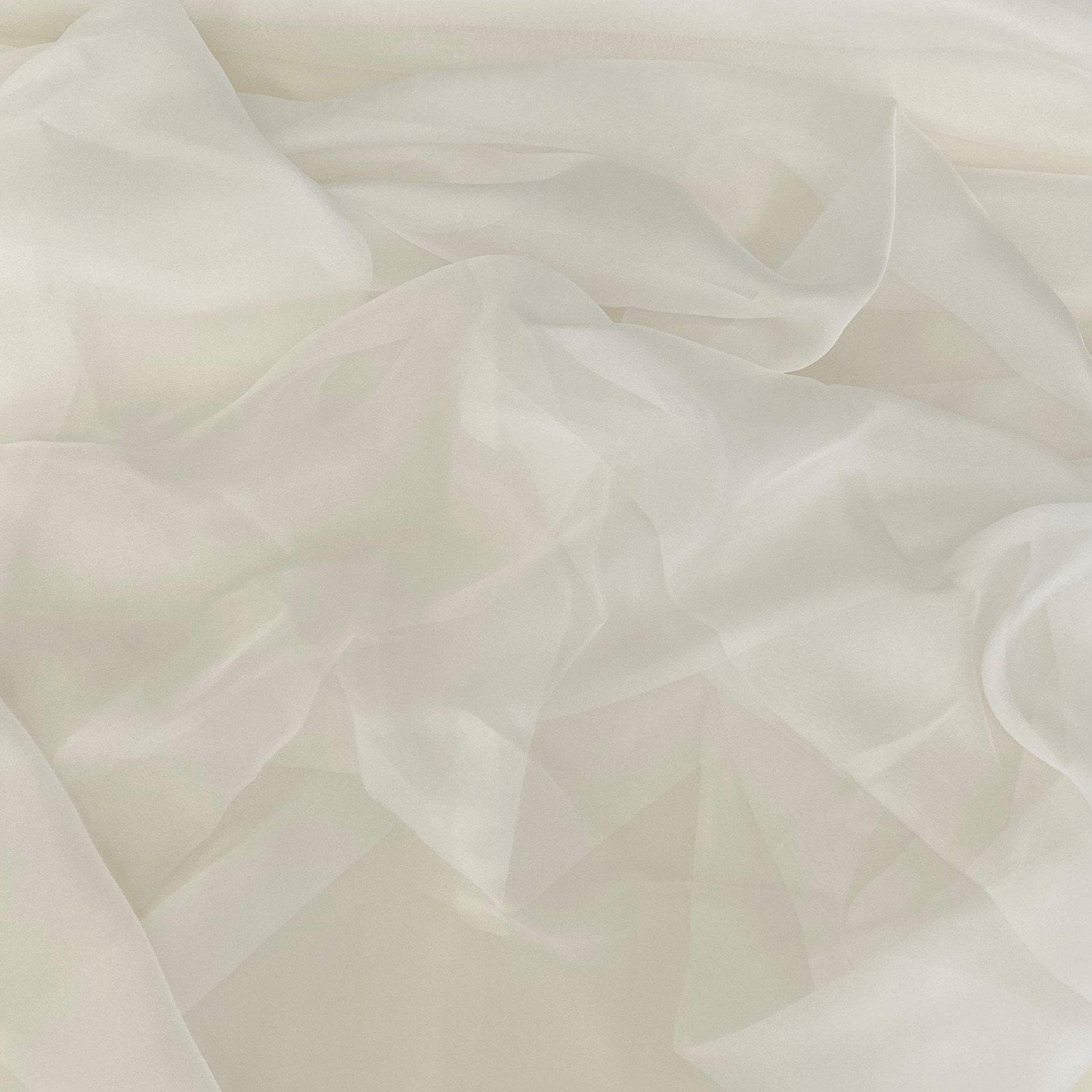
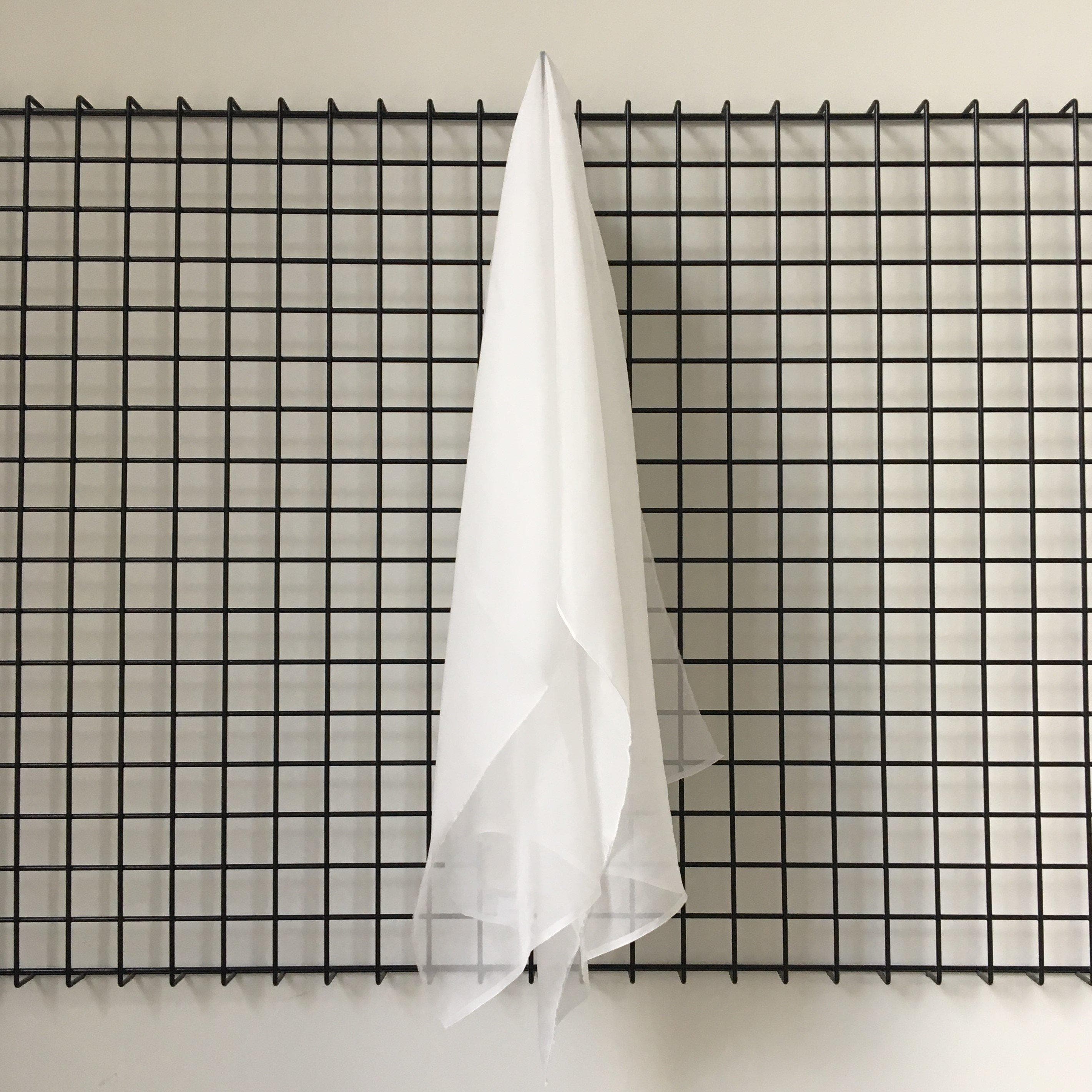
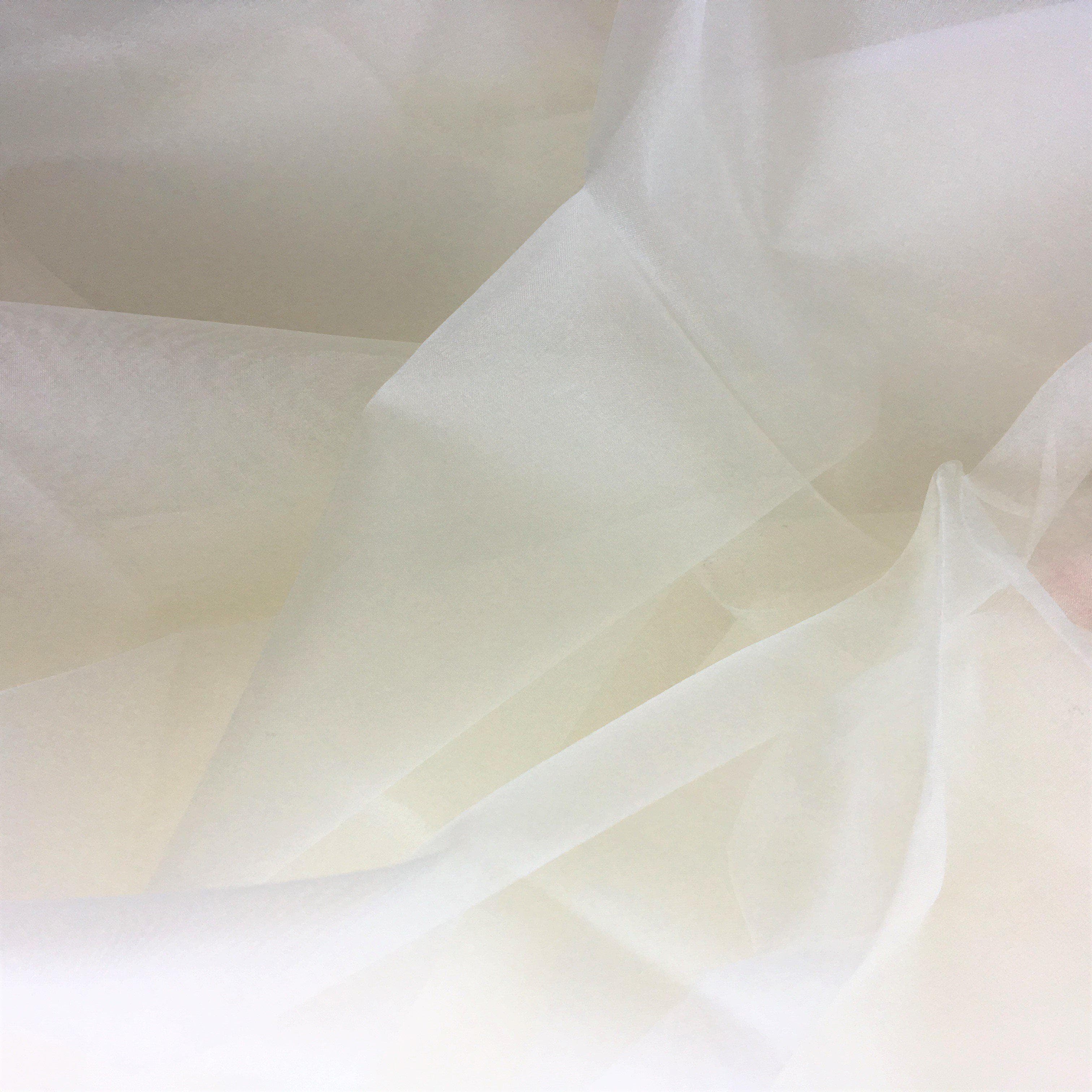
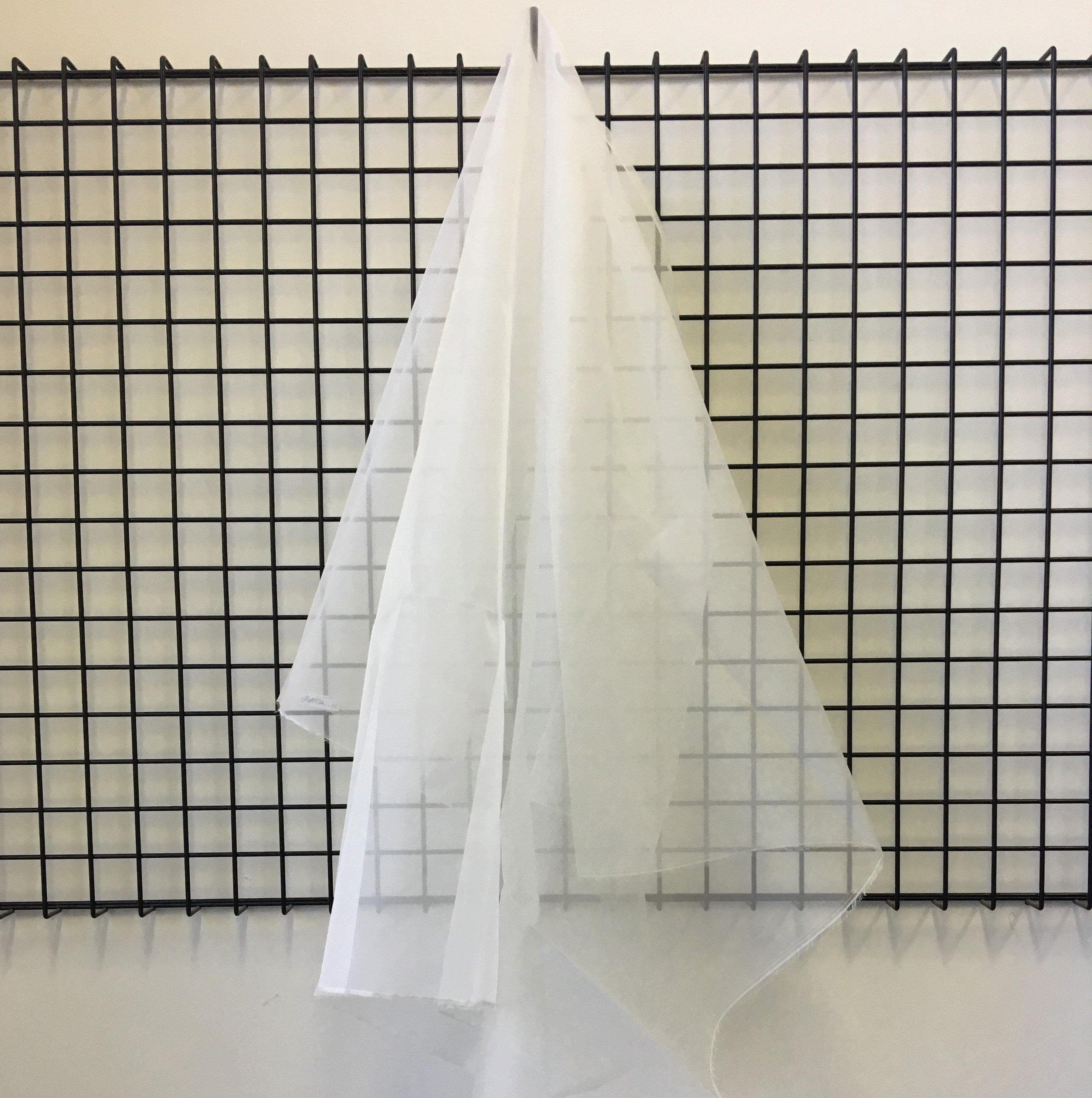
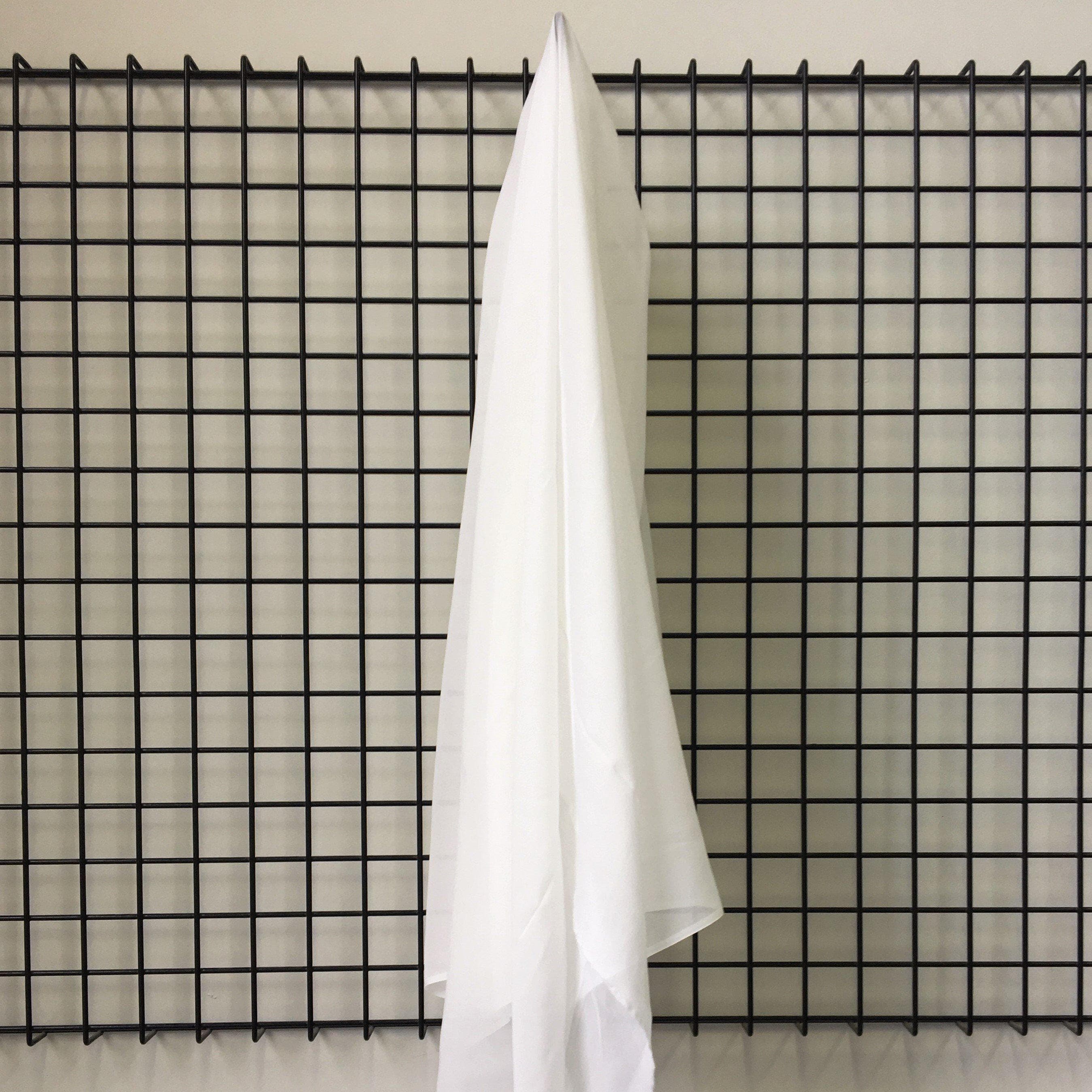
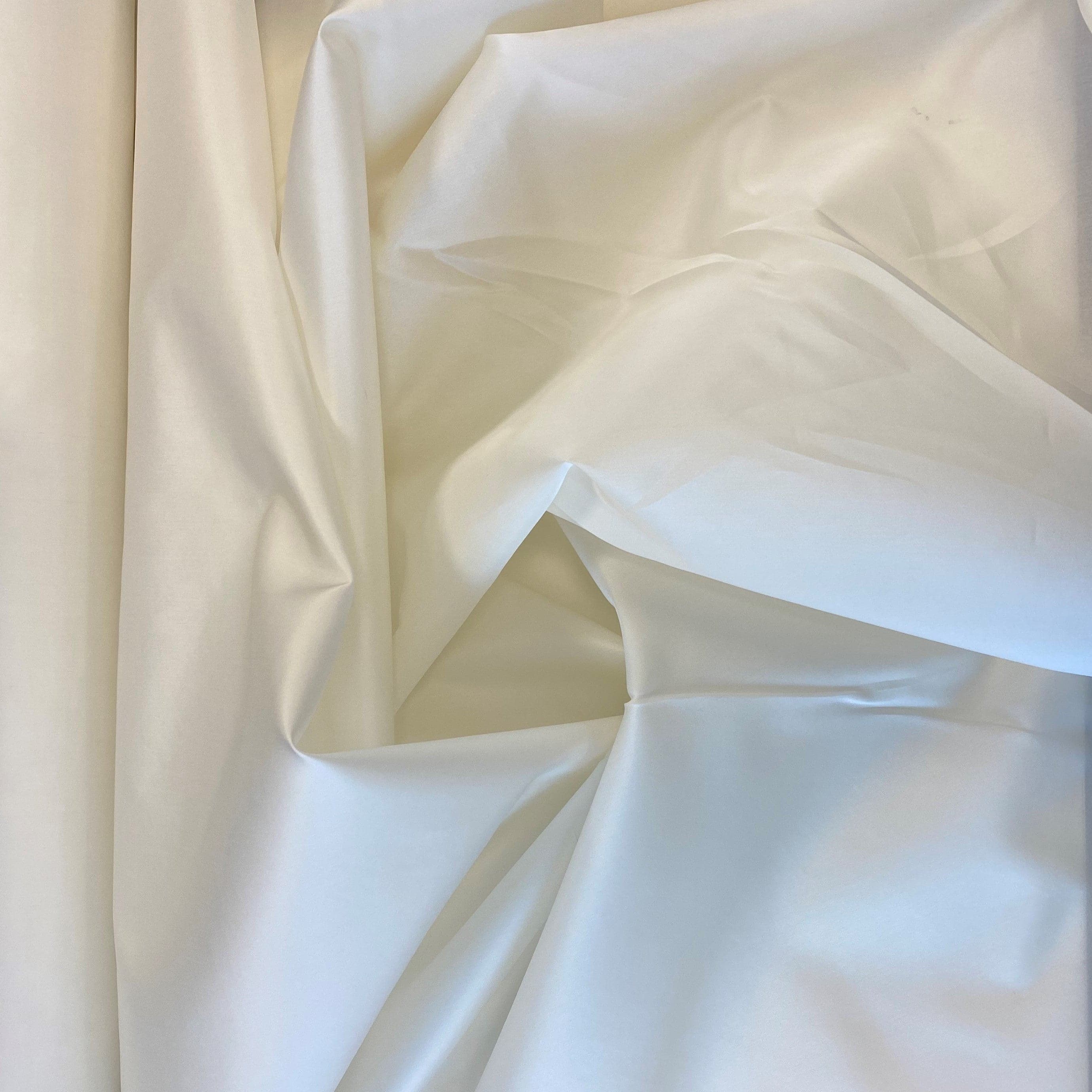
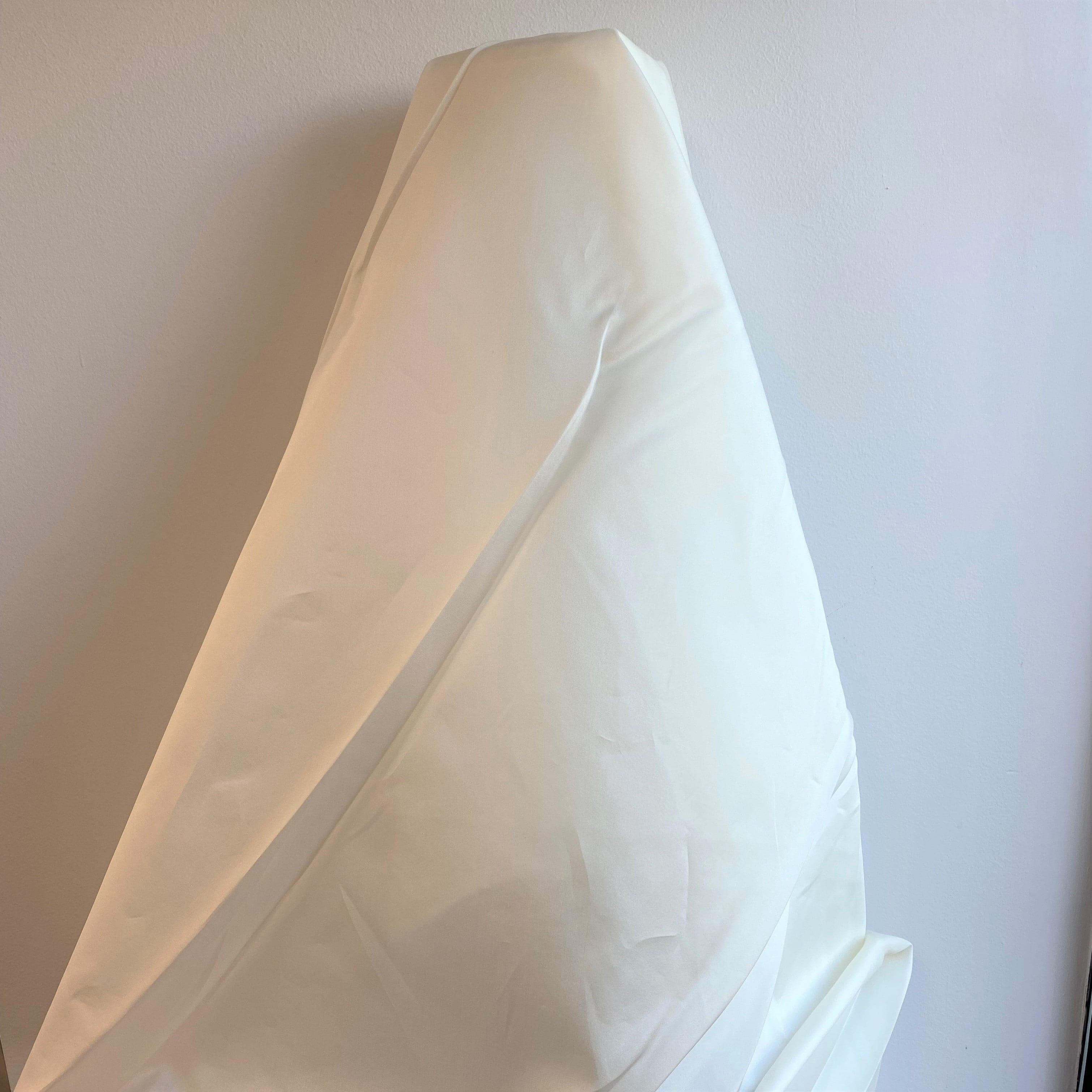
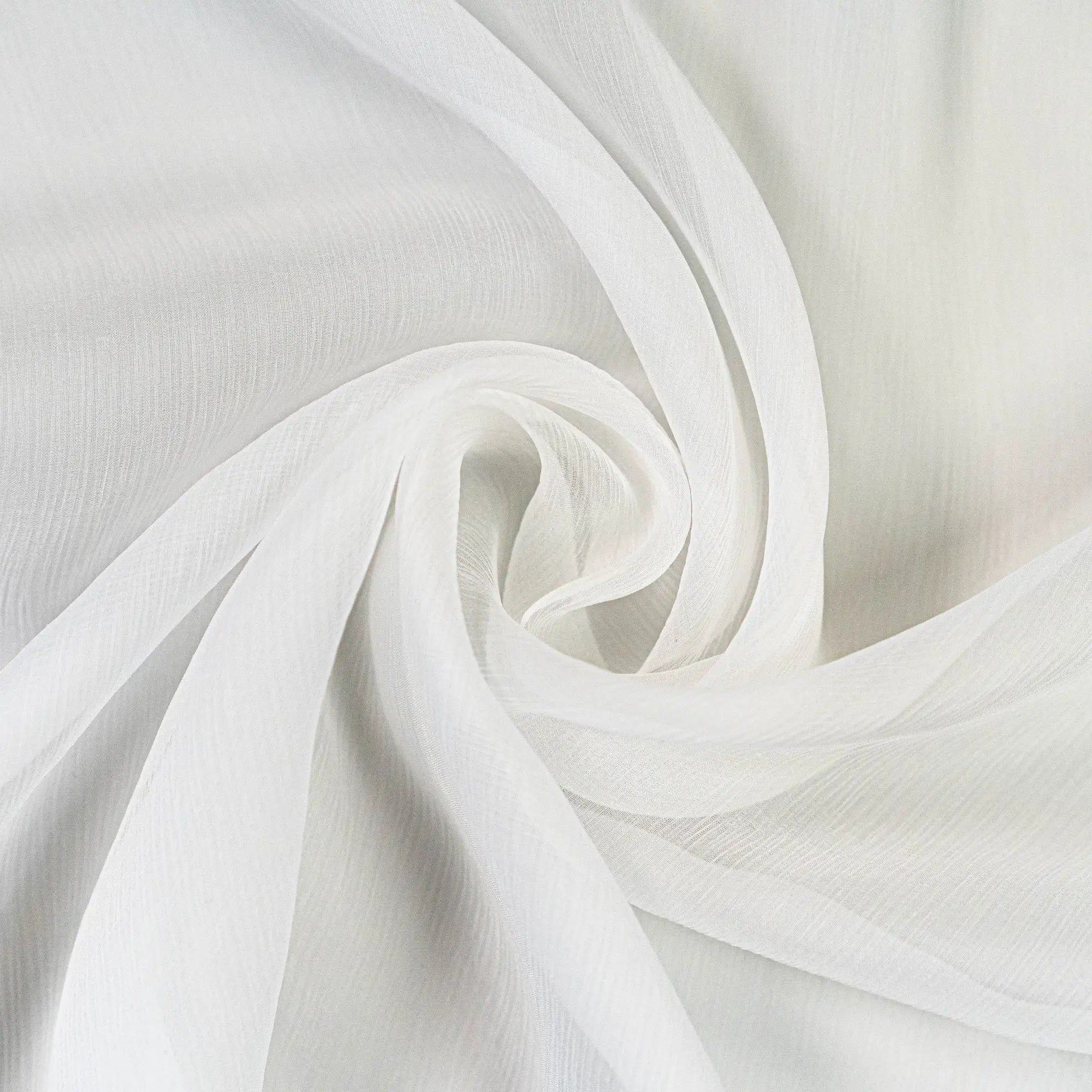
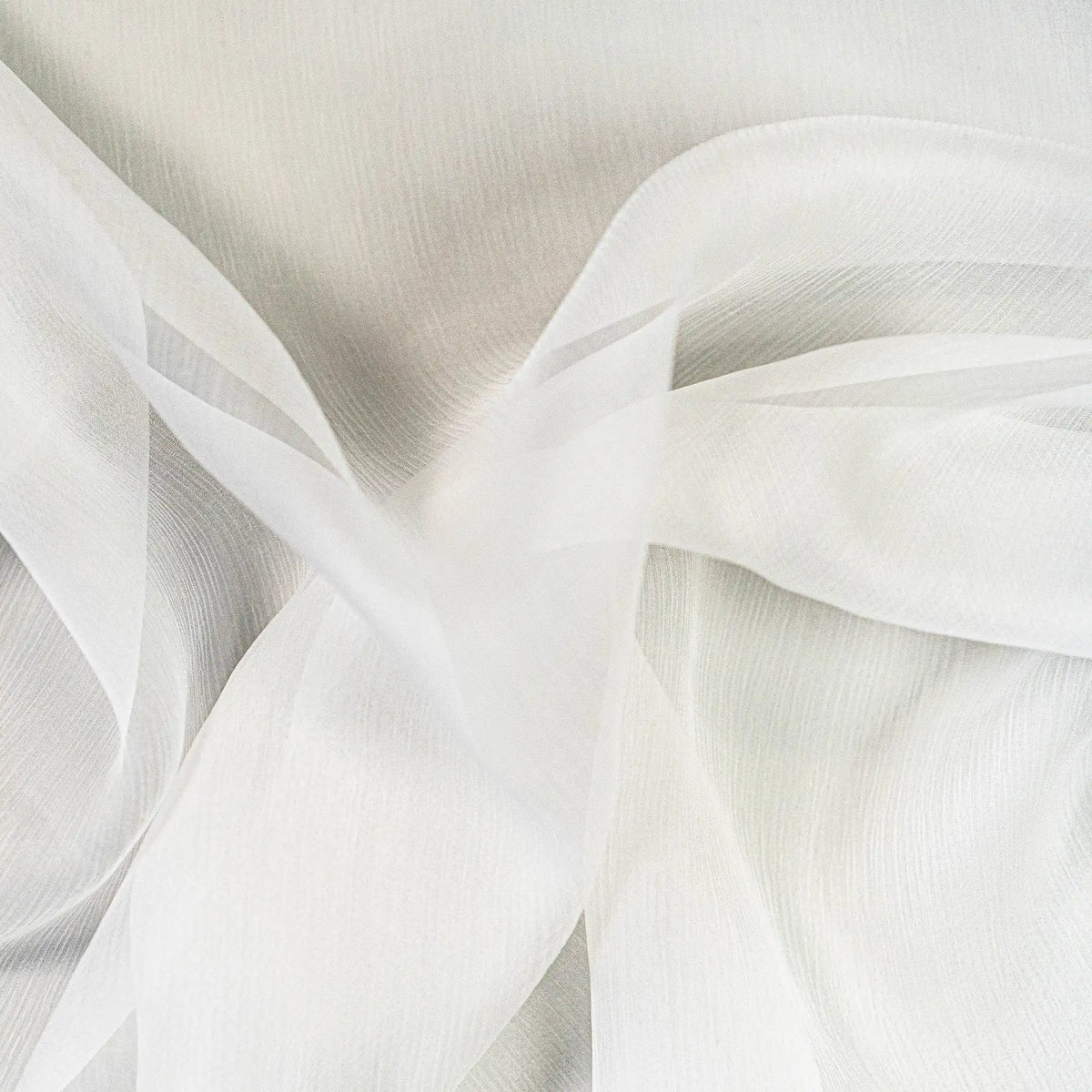
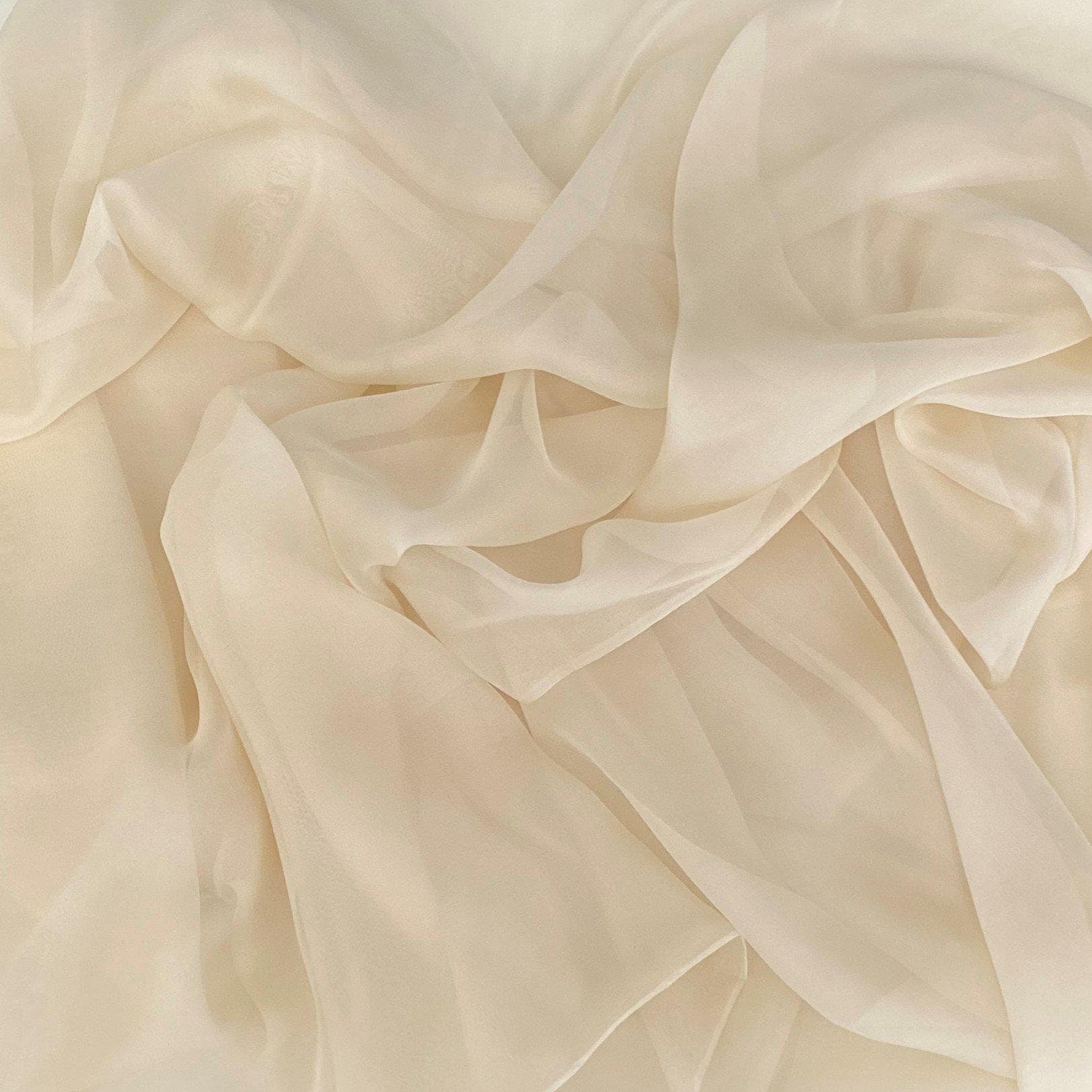
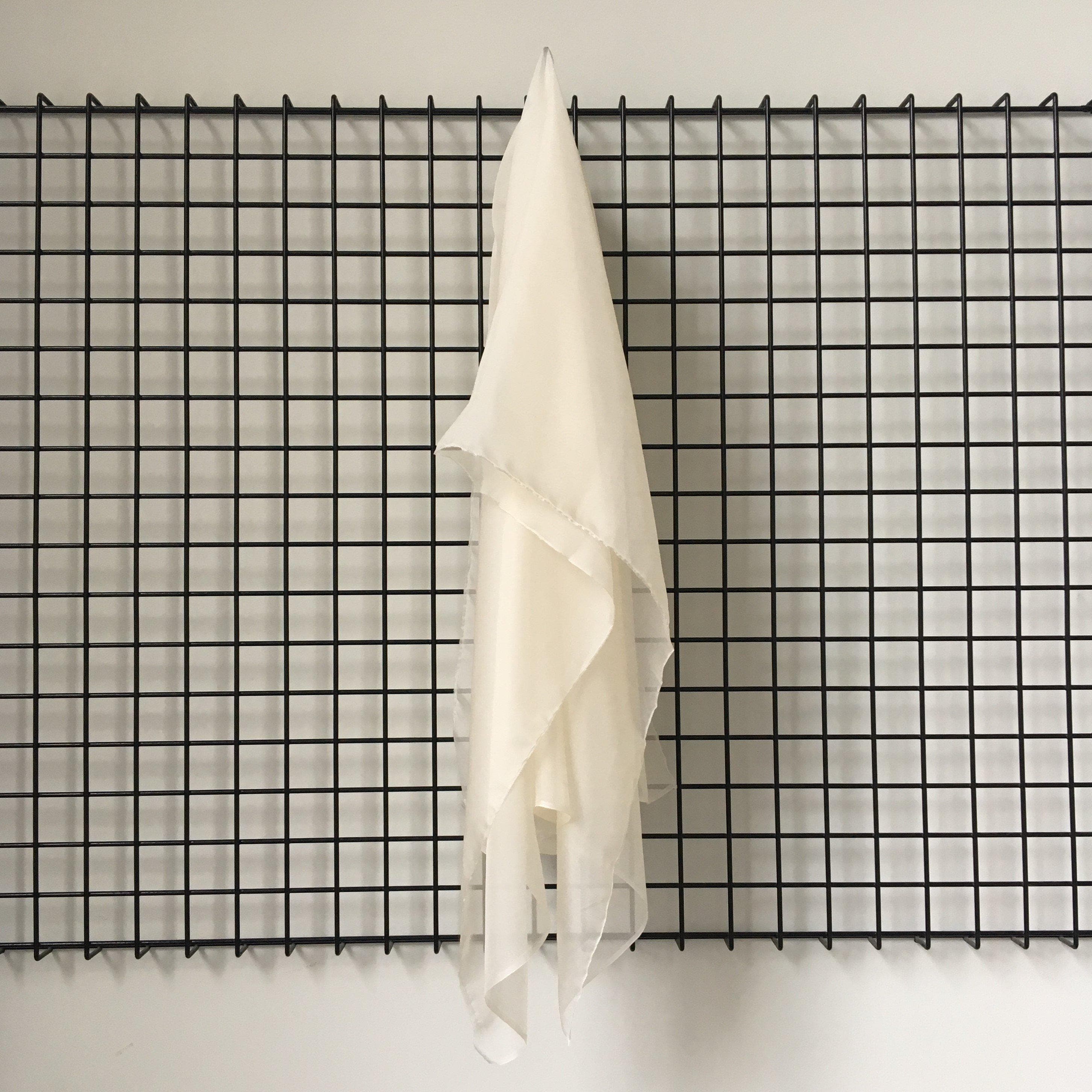
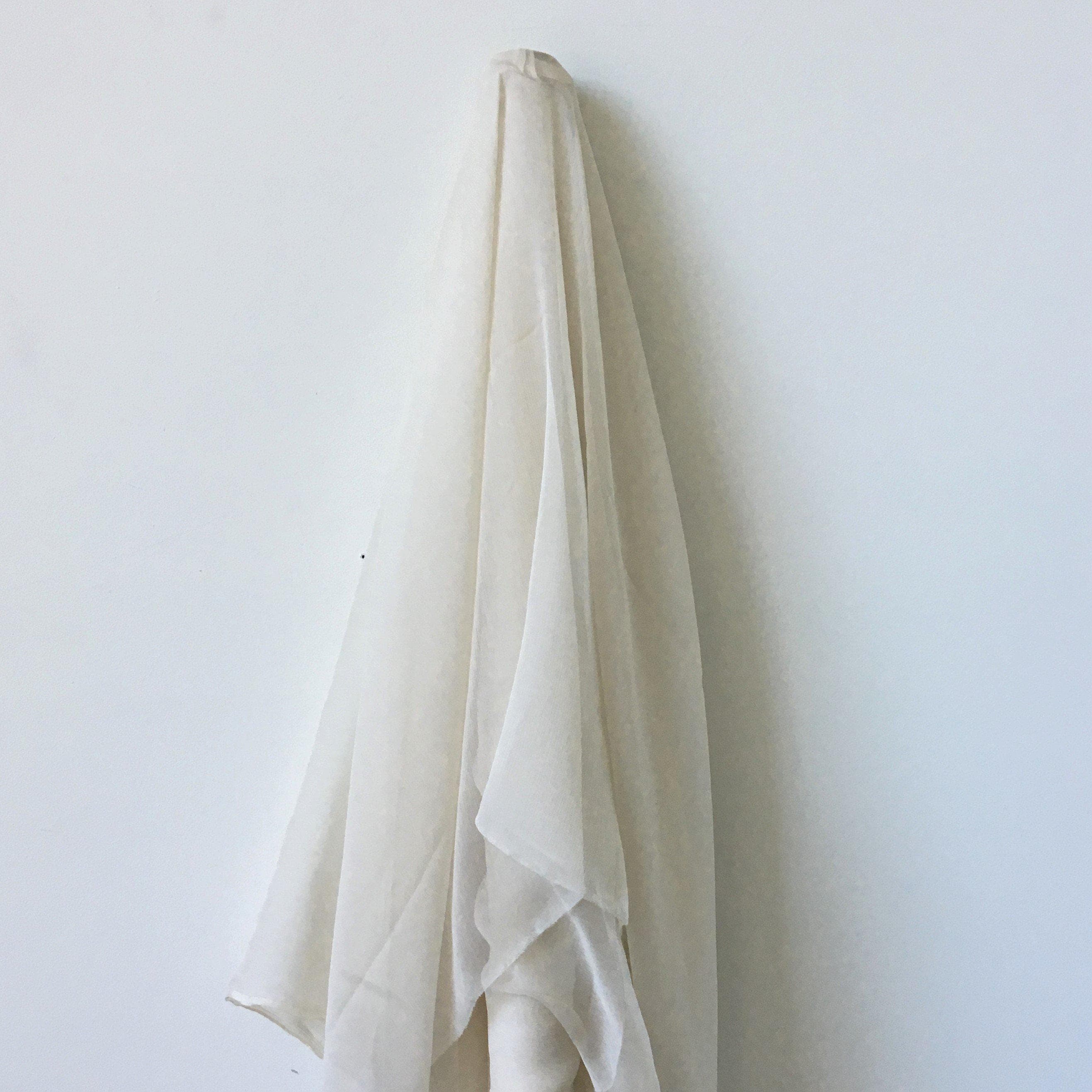
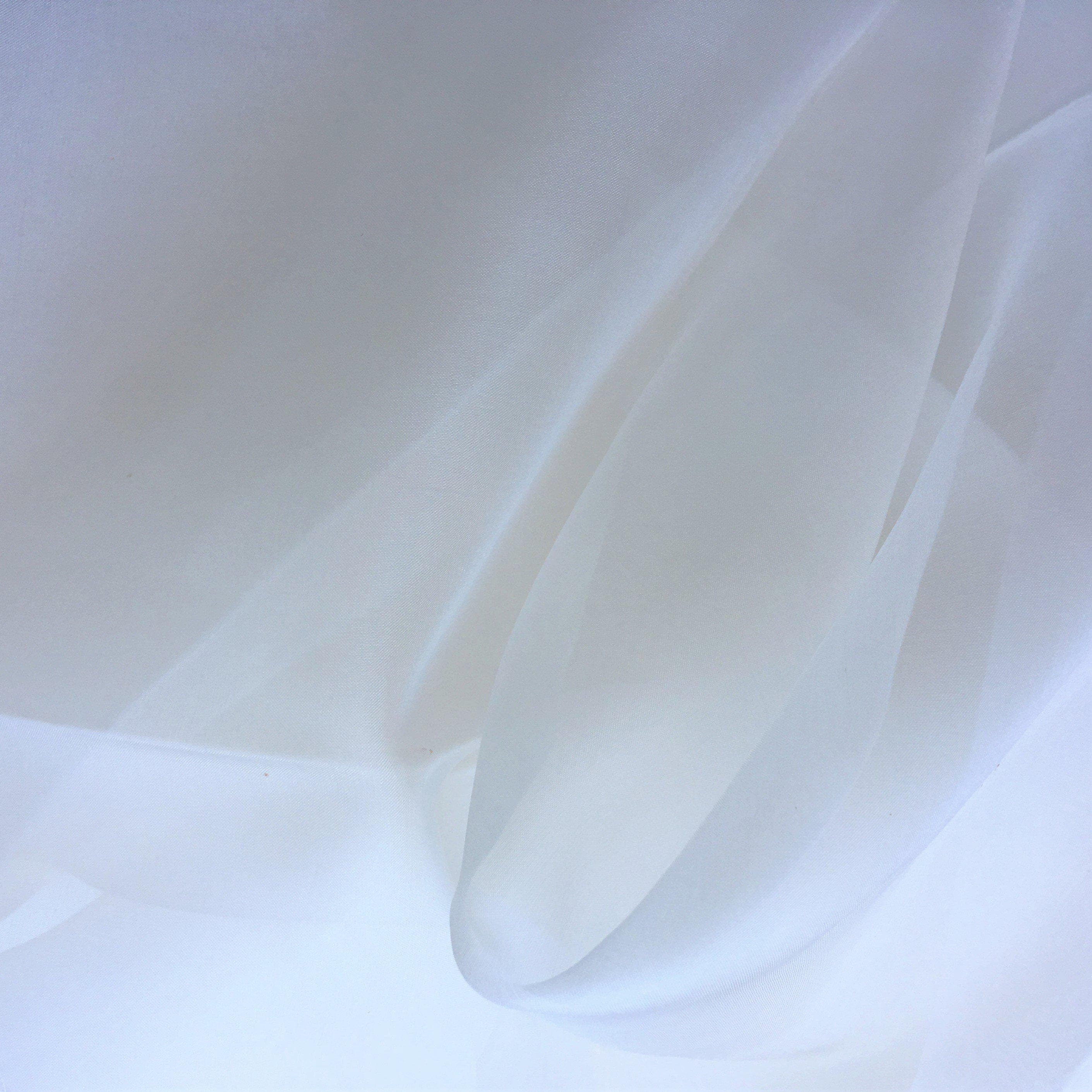
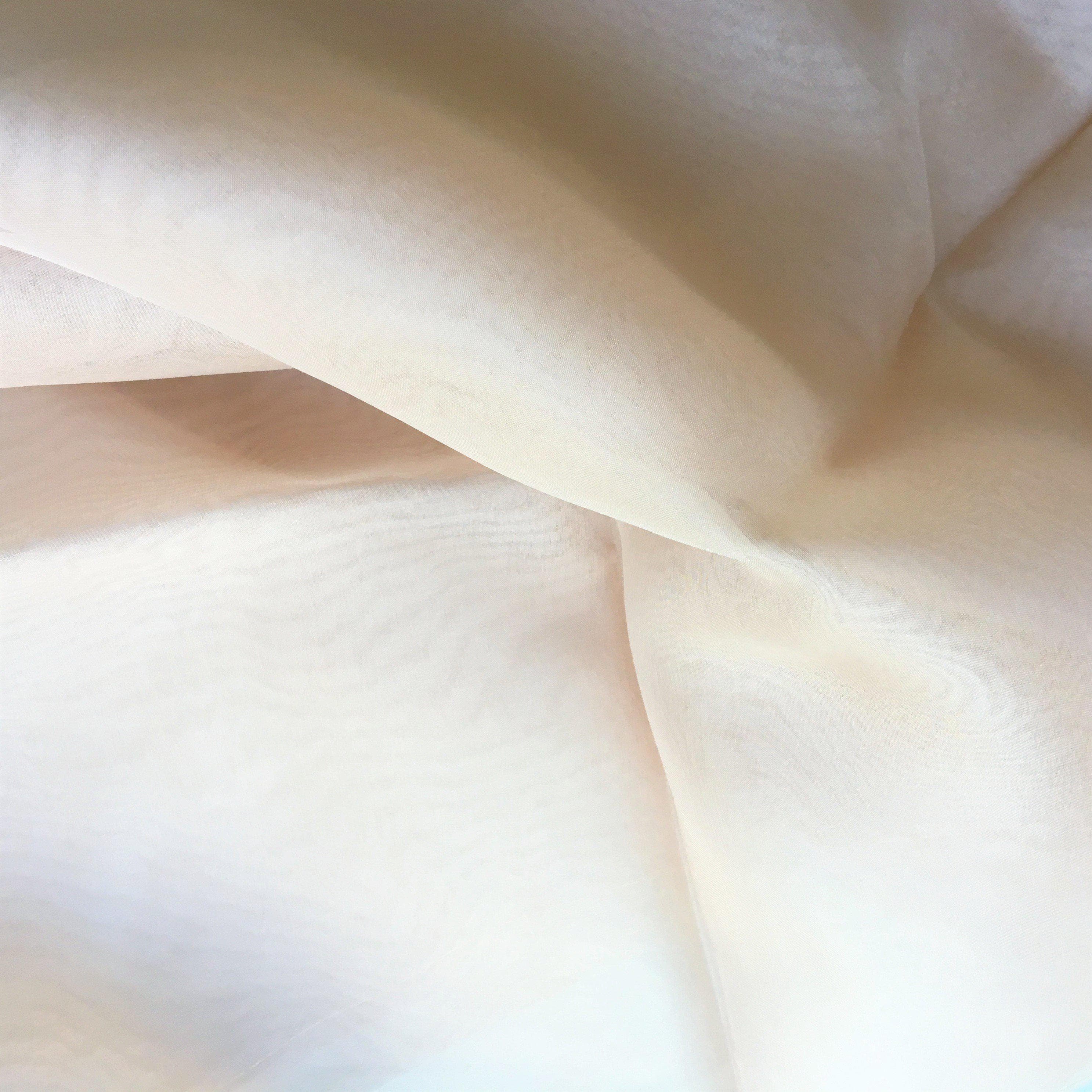
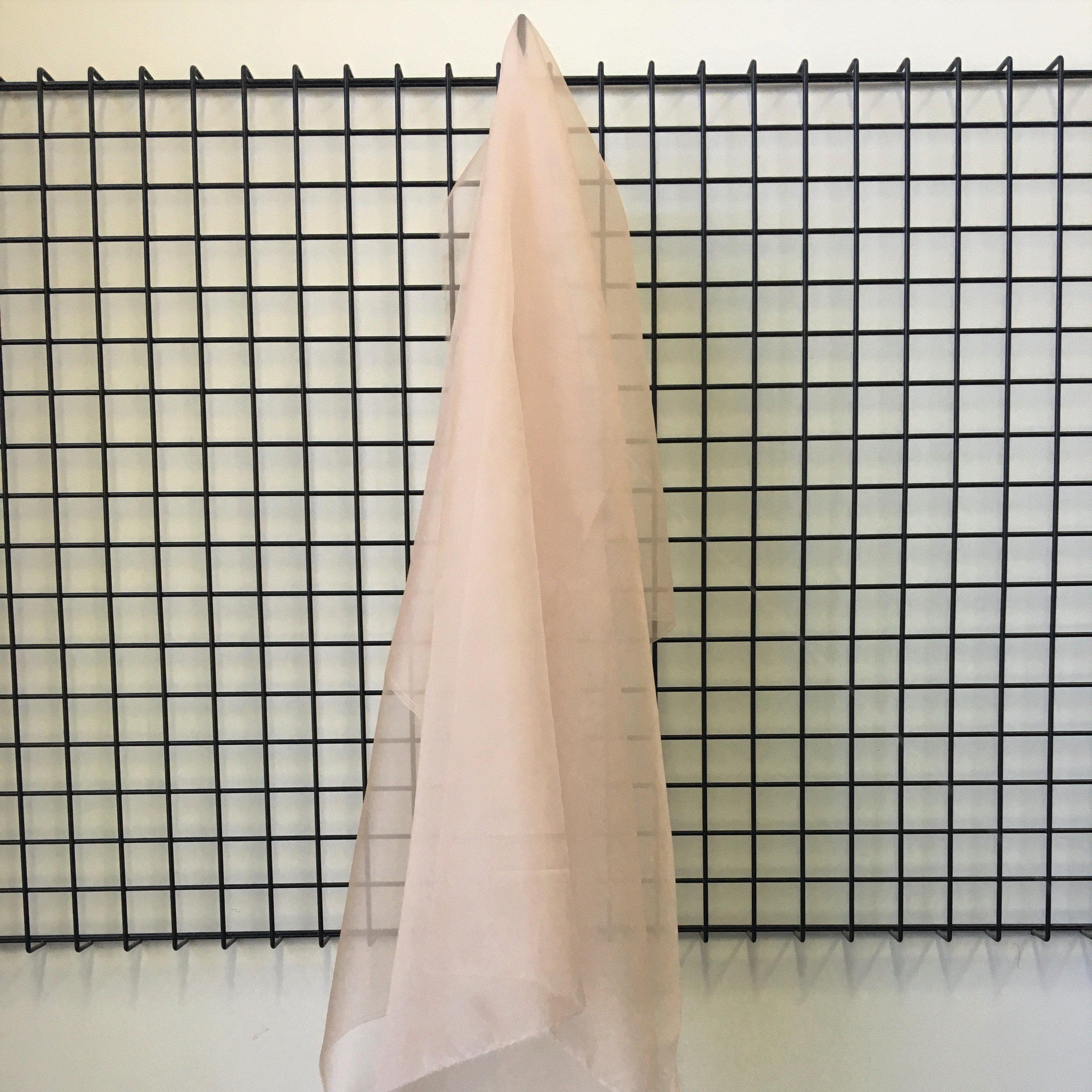
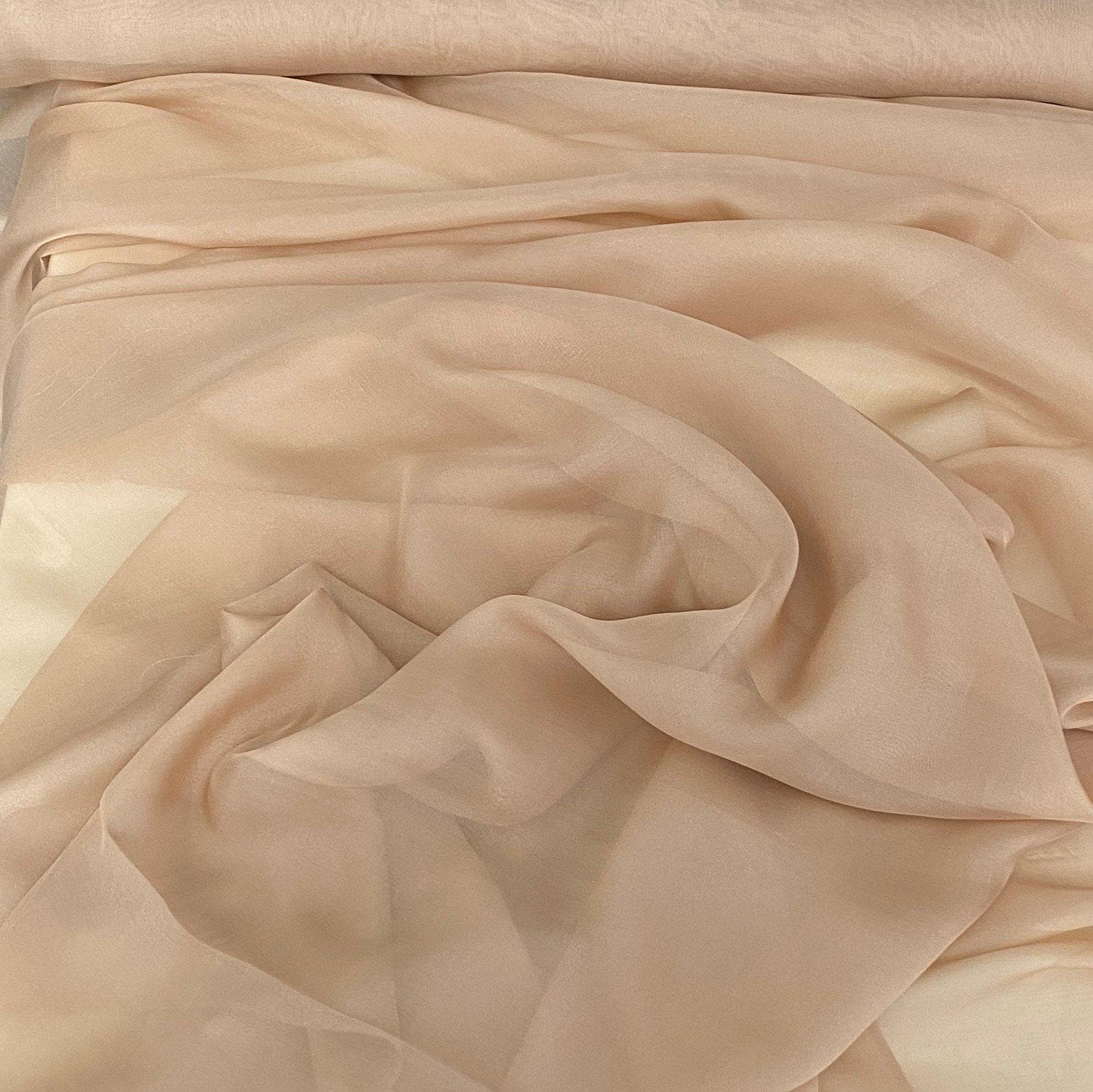
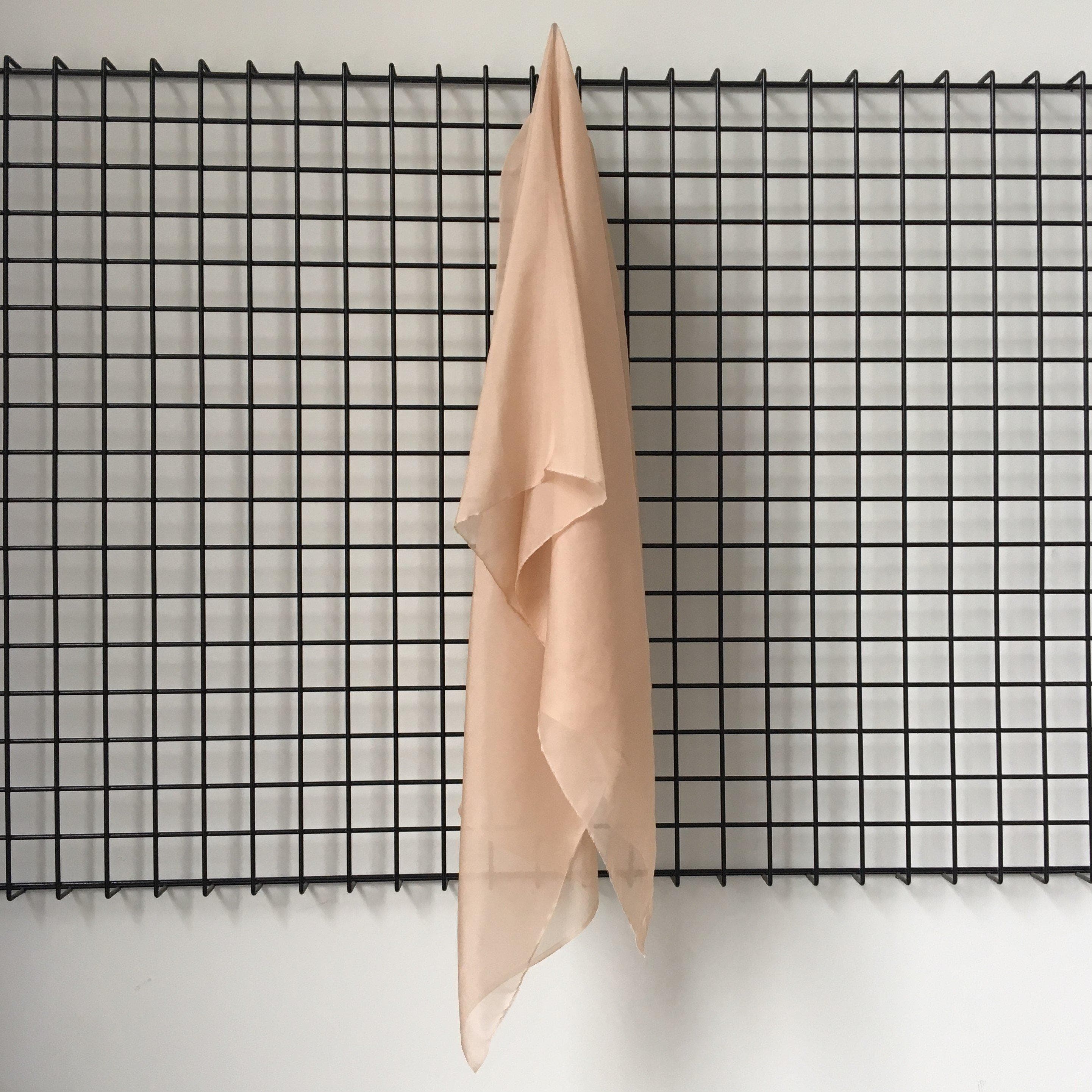
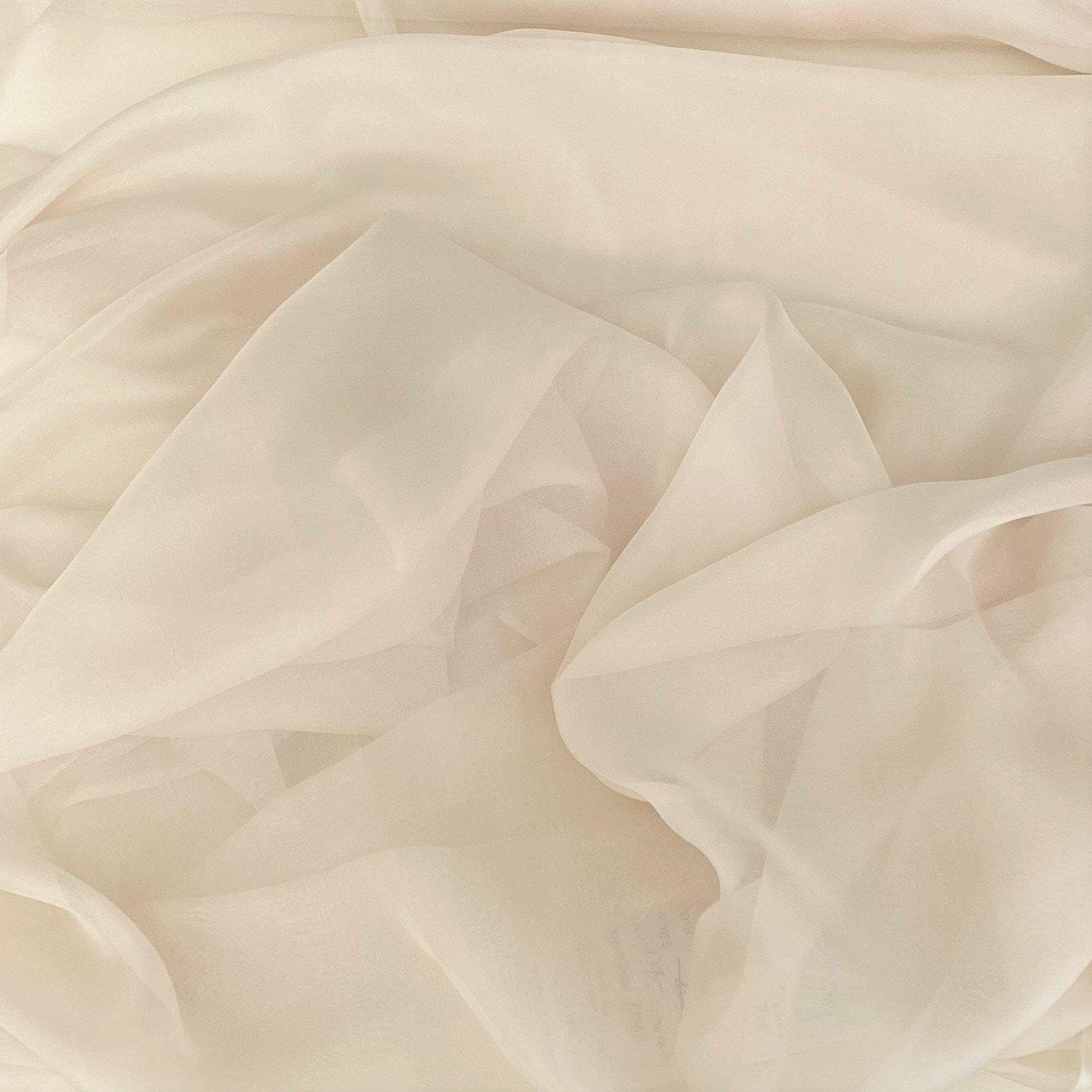
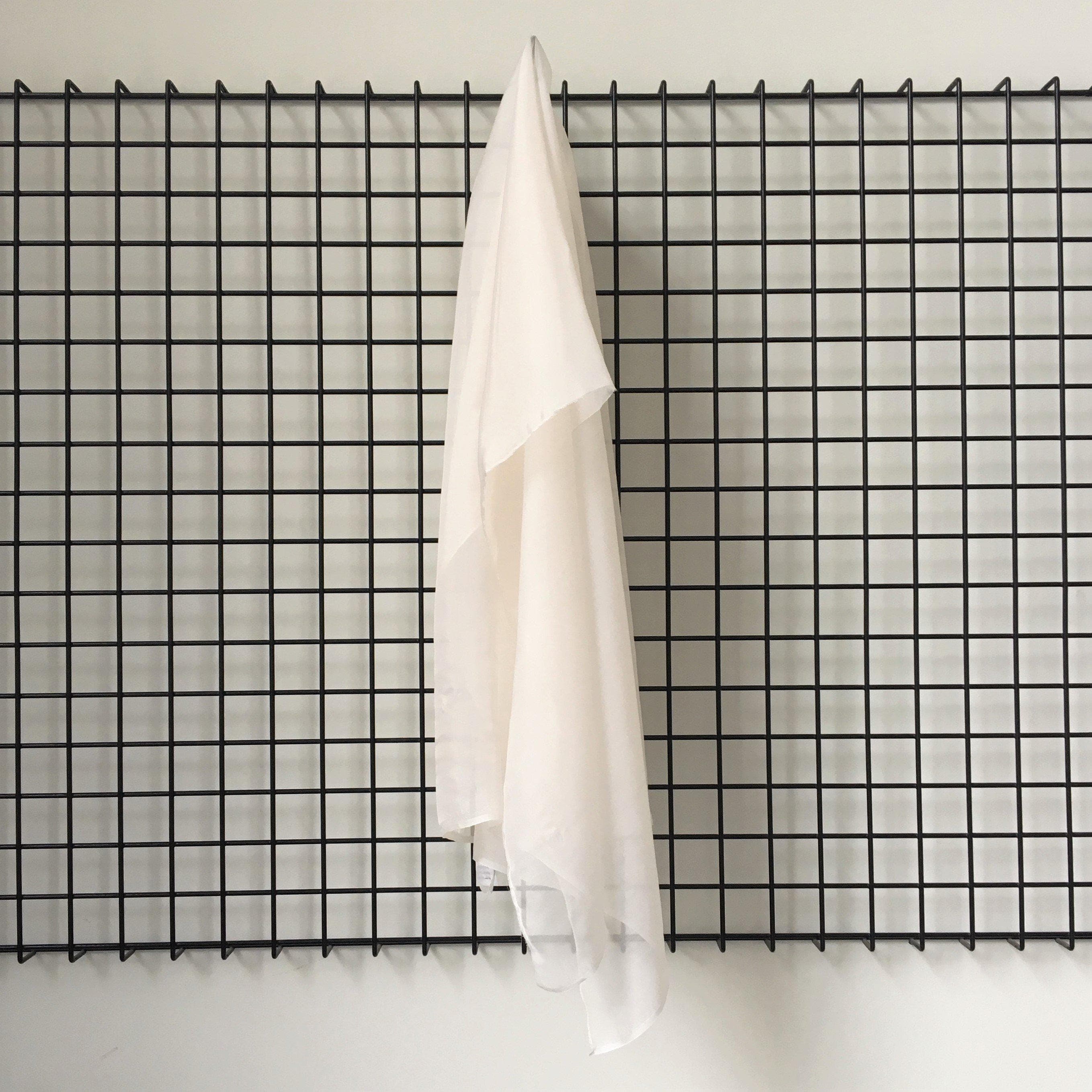
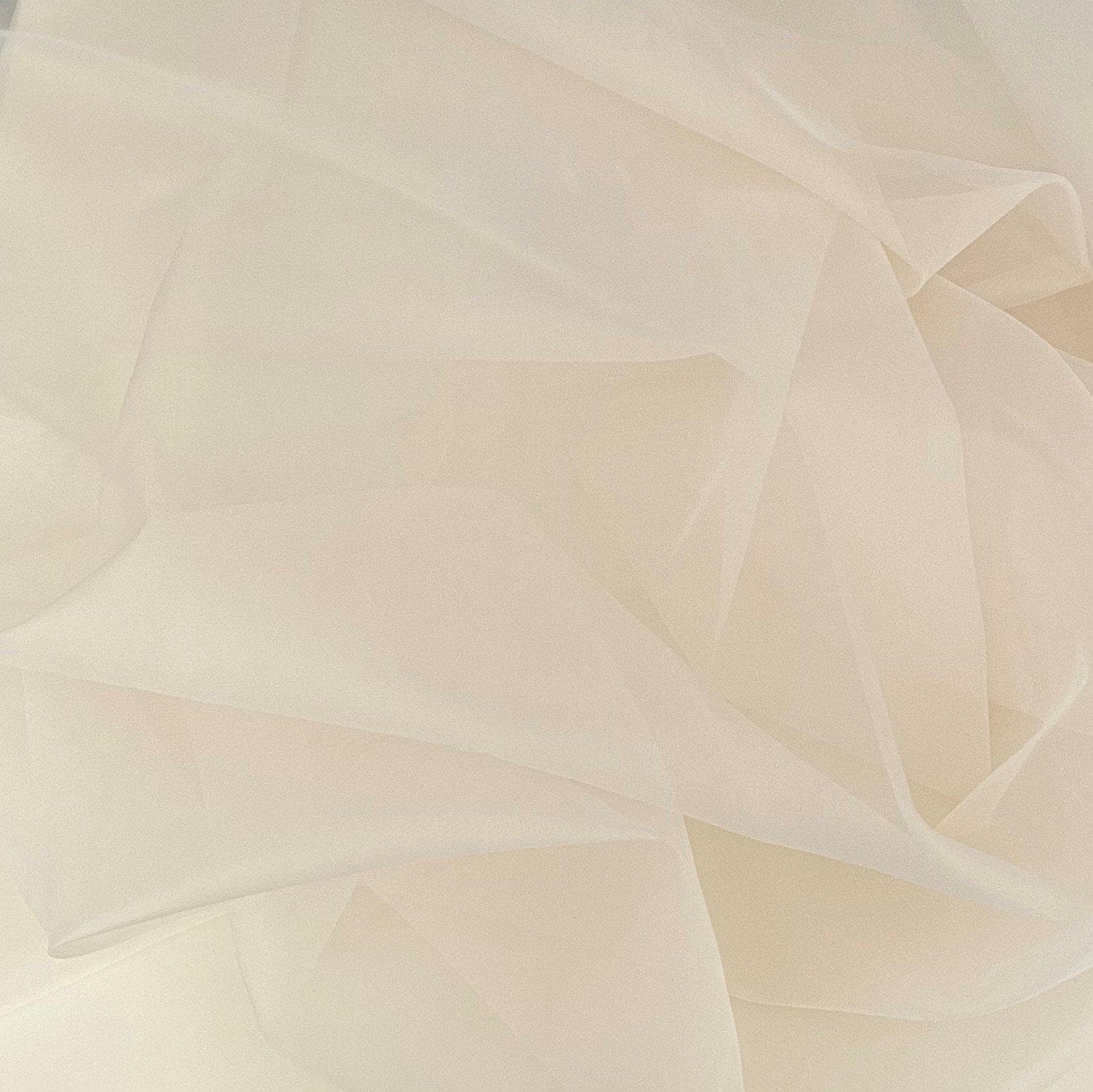
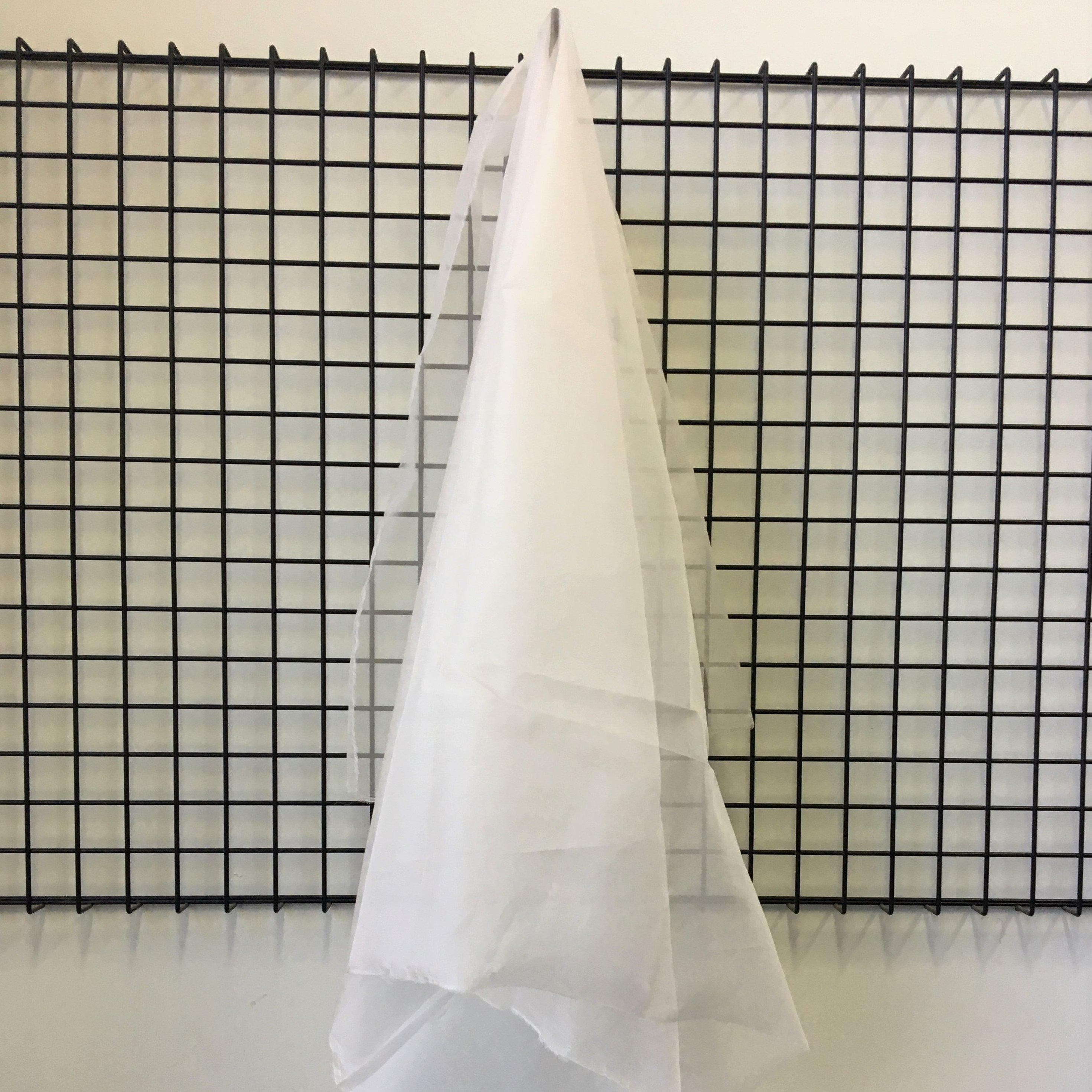
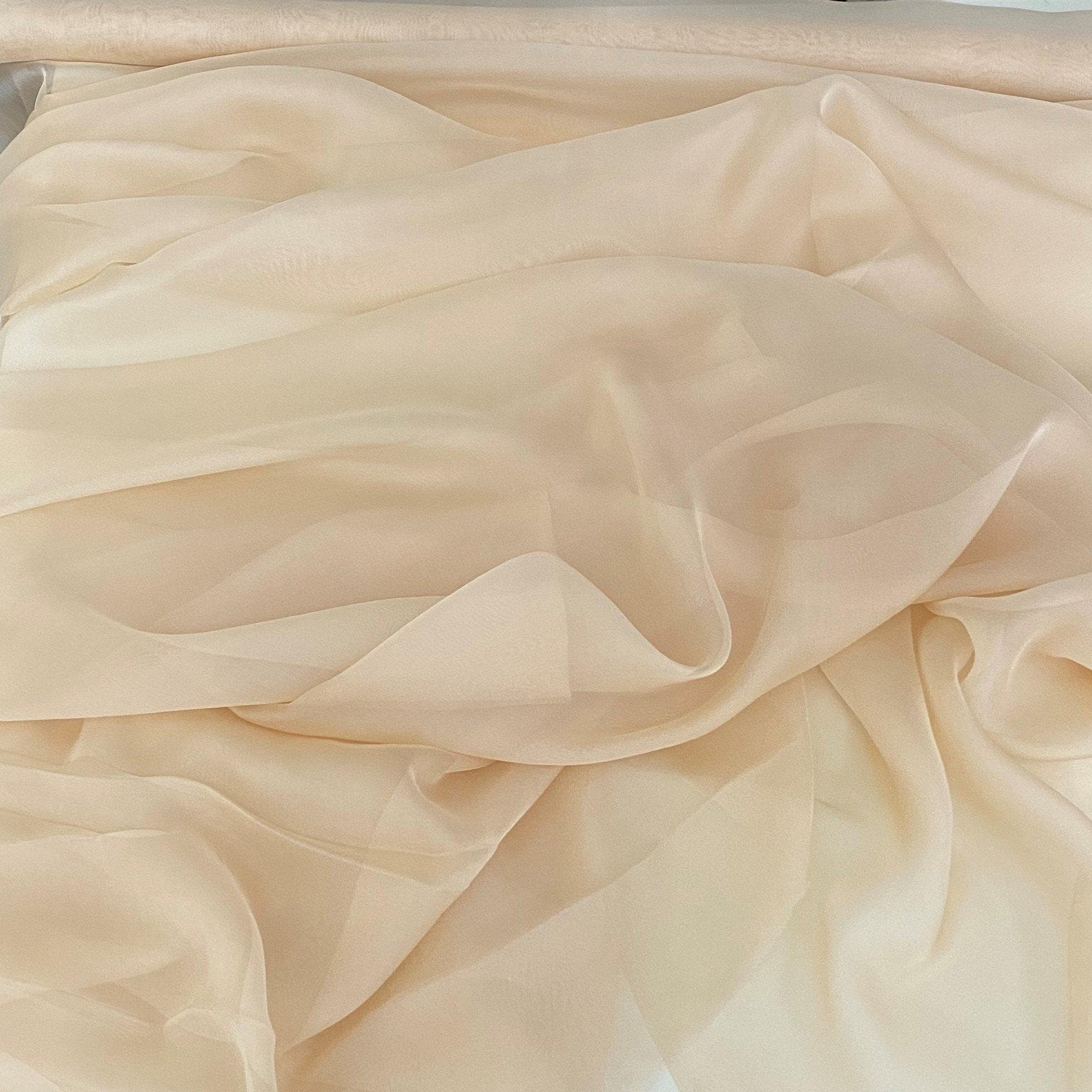
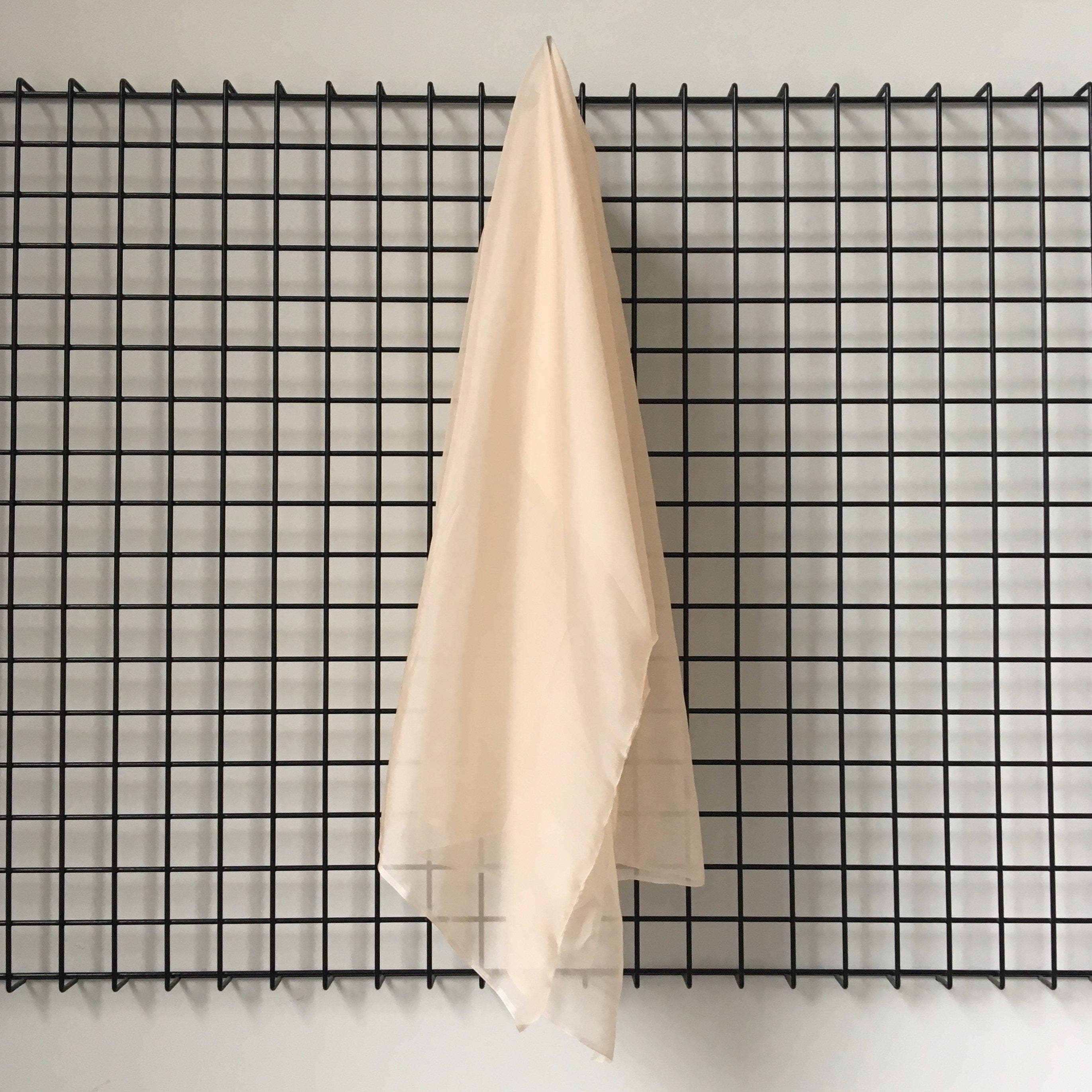
Sheer and semi-sheer silks by the metre: crisp organza and satin organza, floaty georgette, satin chiffon and crinkle chiffon, plus silk devoré. For overlays, sleeves, scarves and soft layers.
- Sheer and semi-sheer
- 5.5 to 16 momme
- Overlays, sleeves and scarves
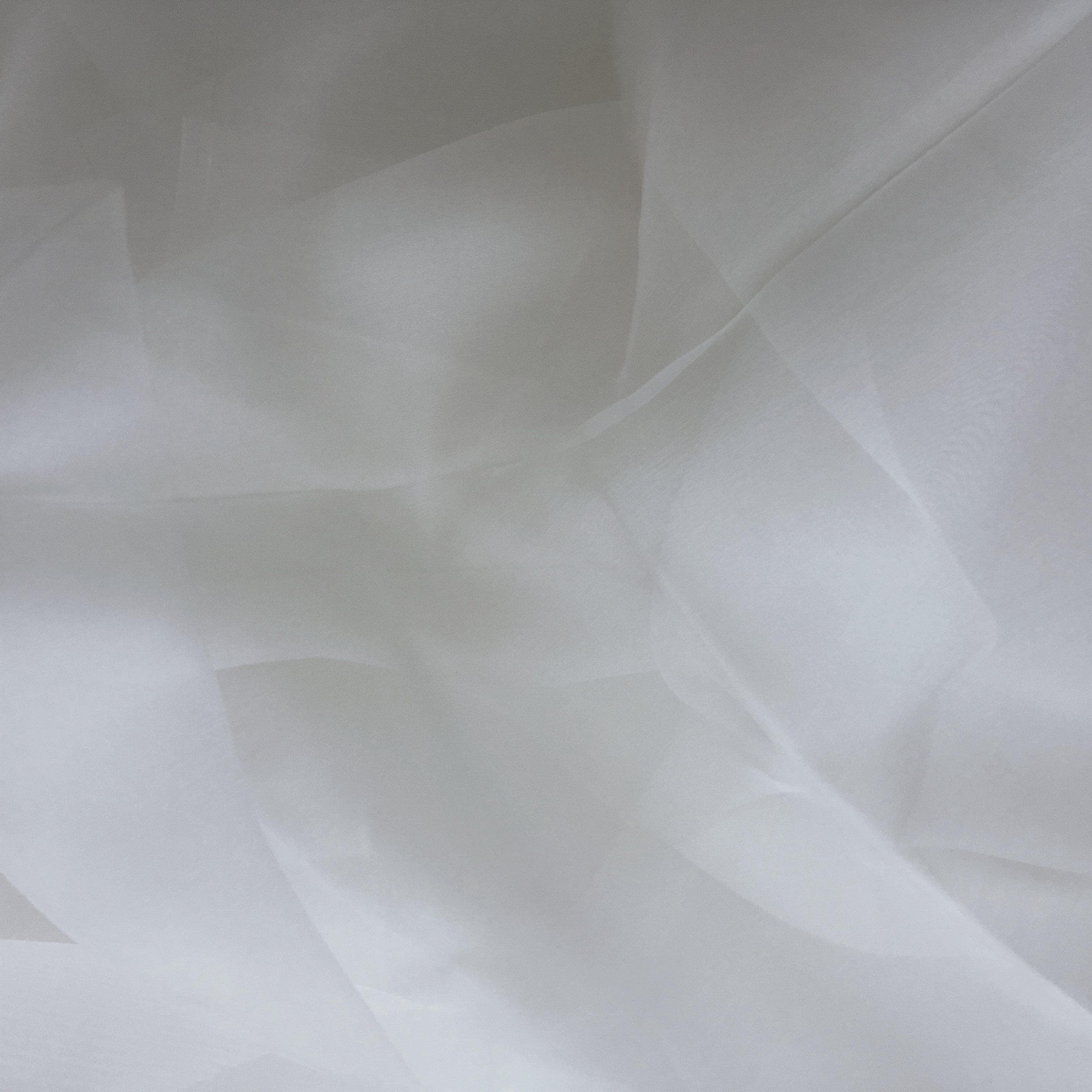
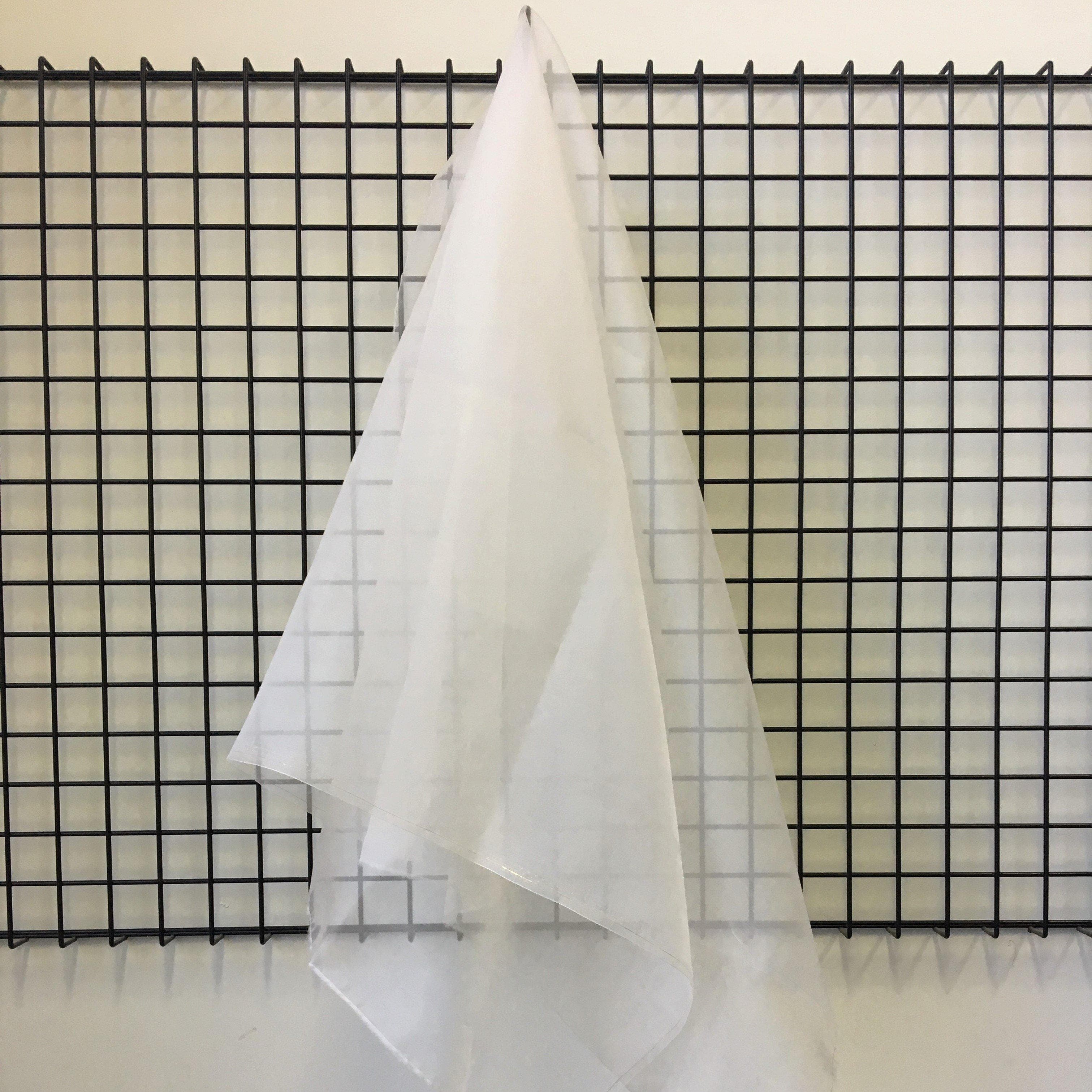
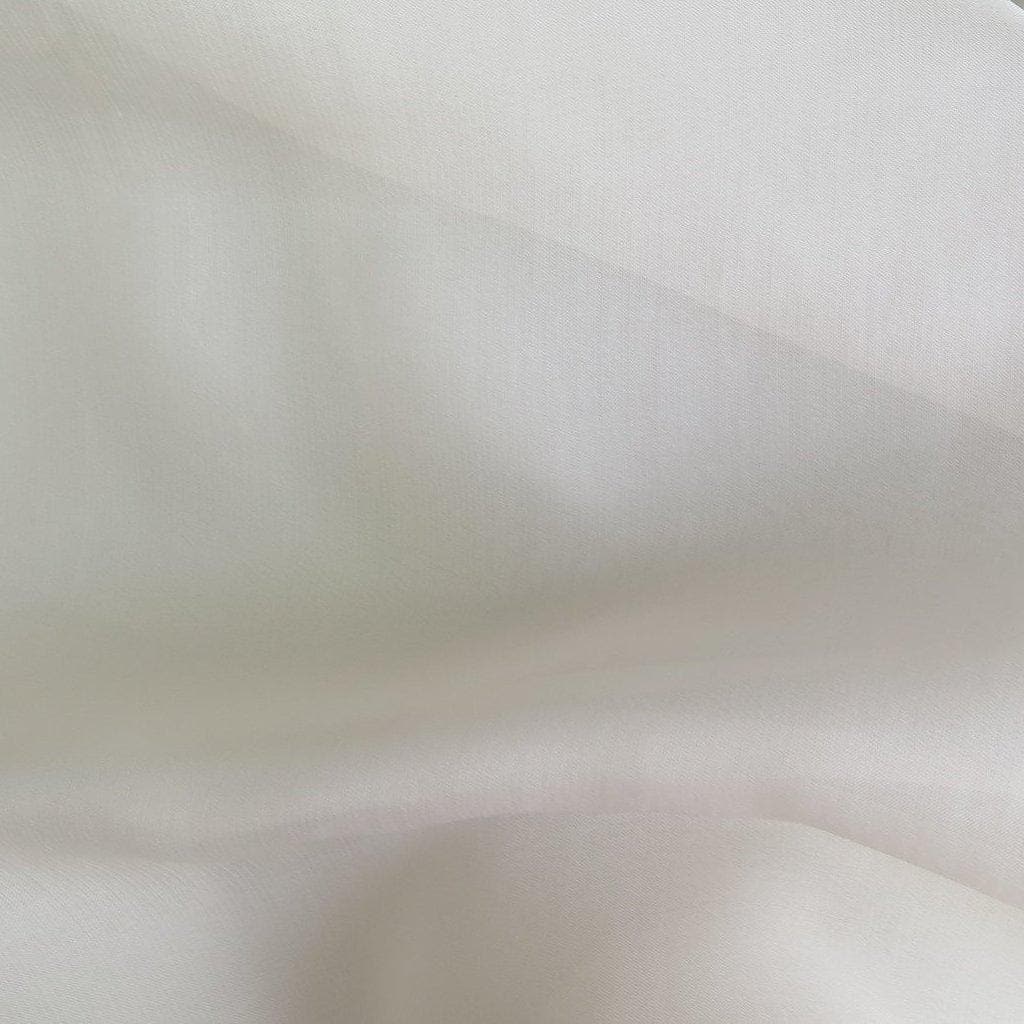
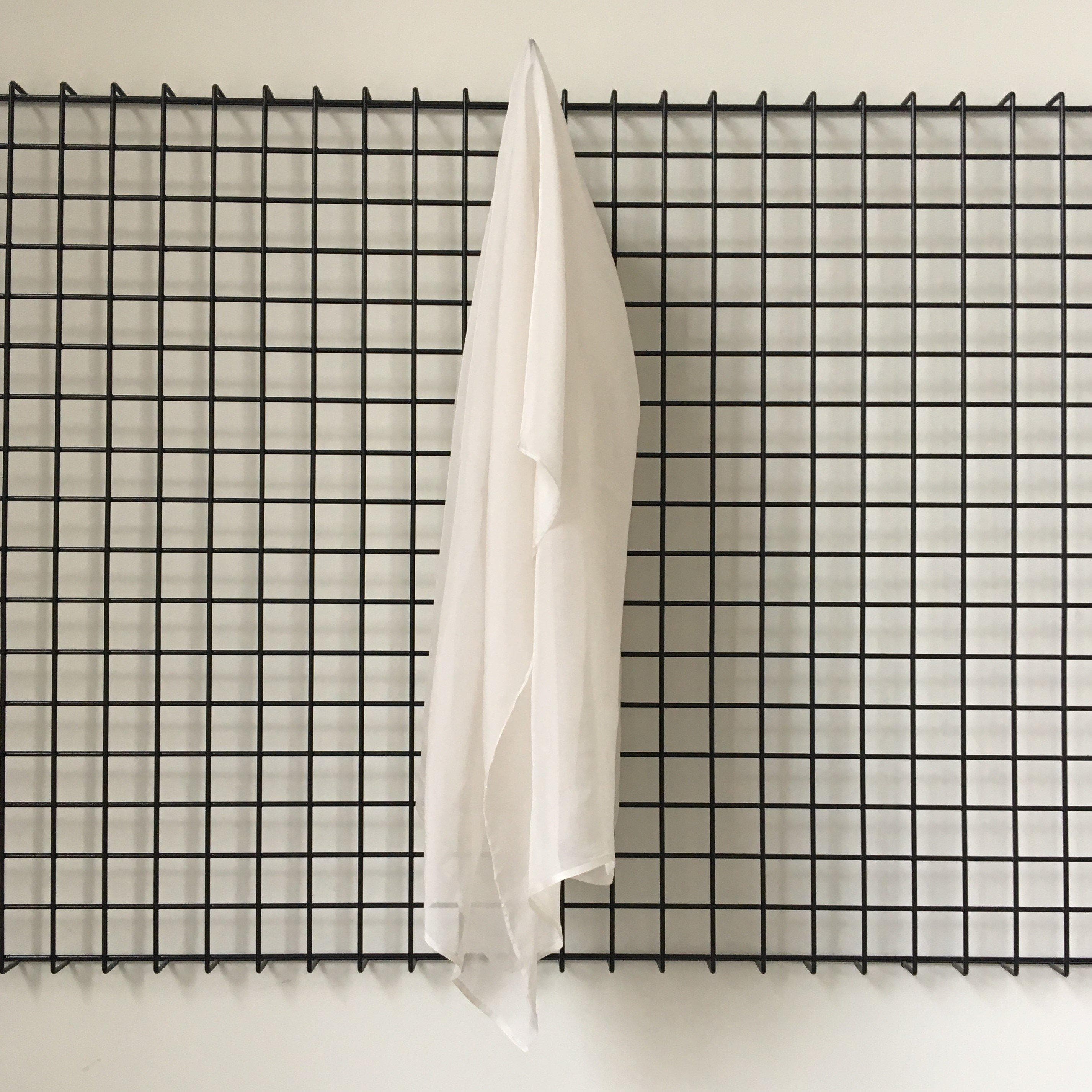

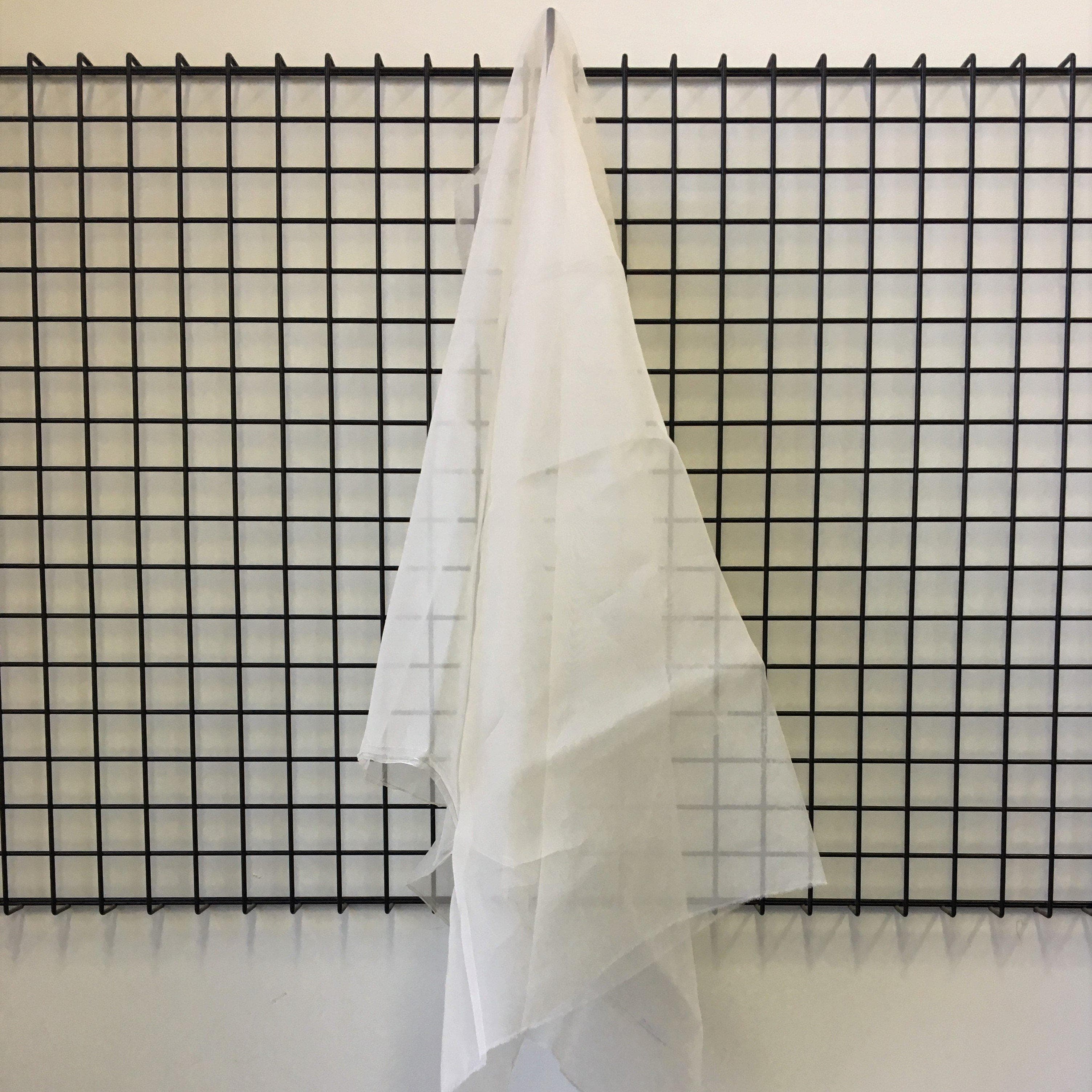
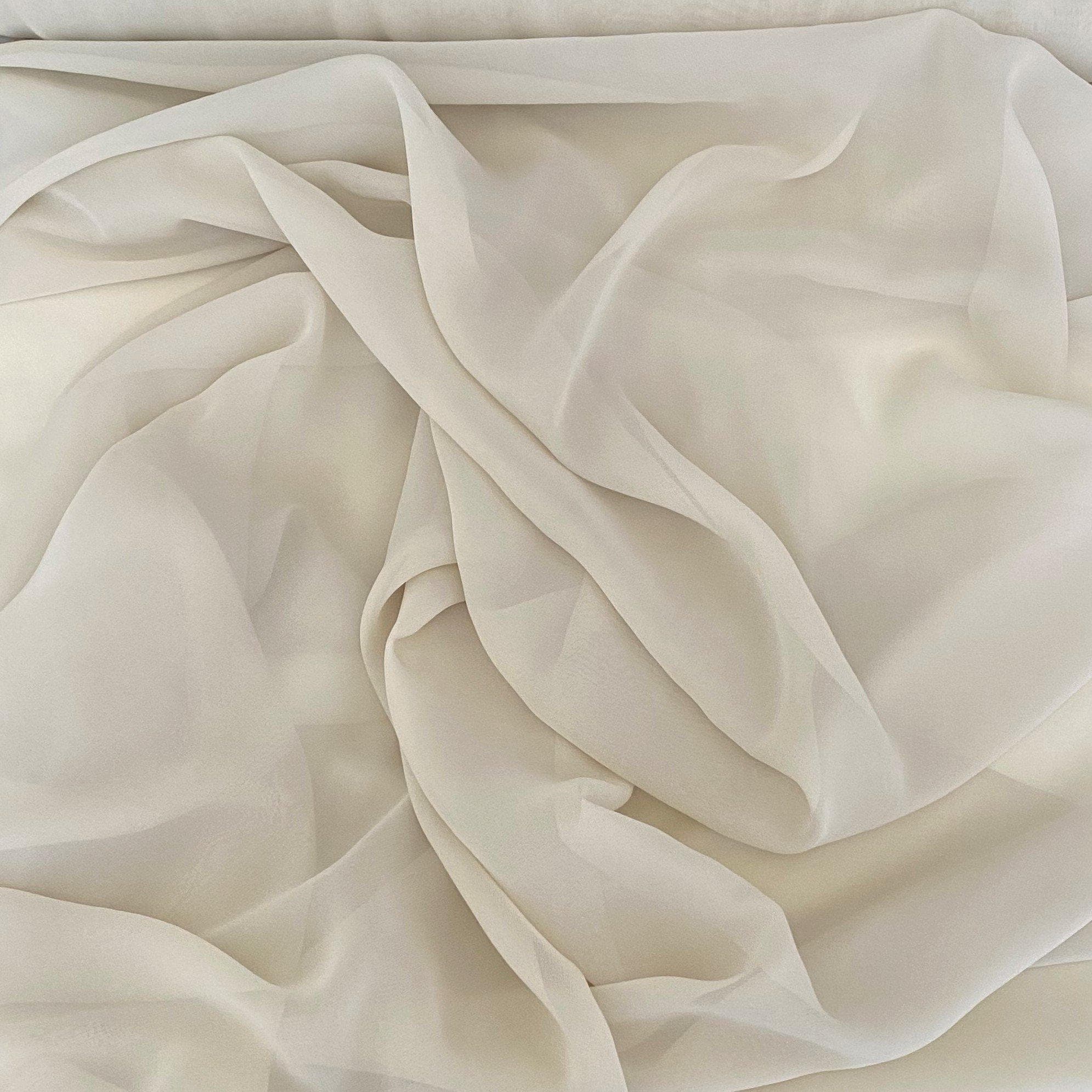

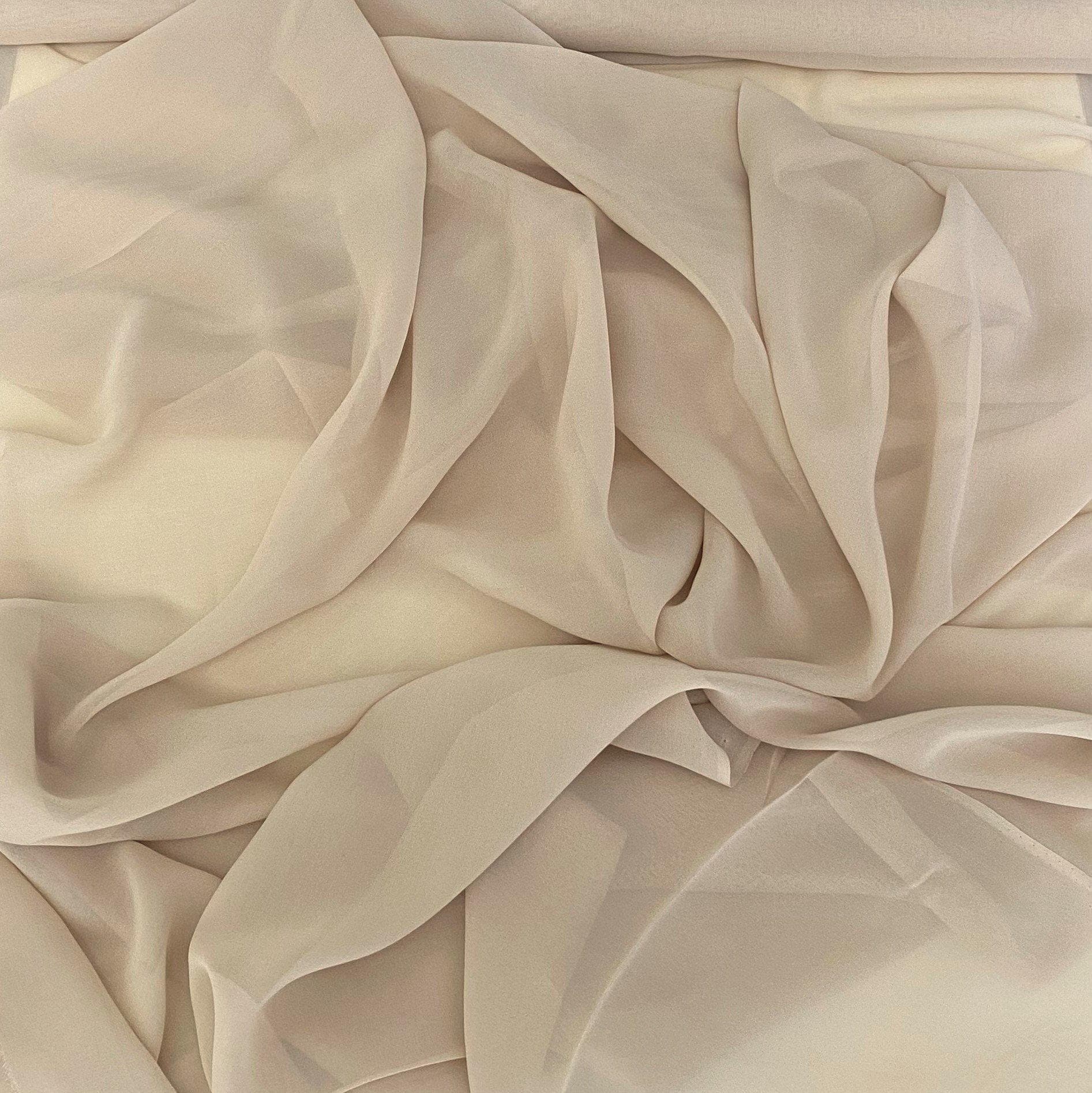
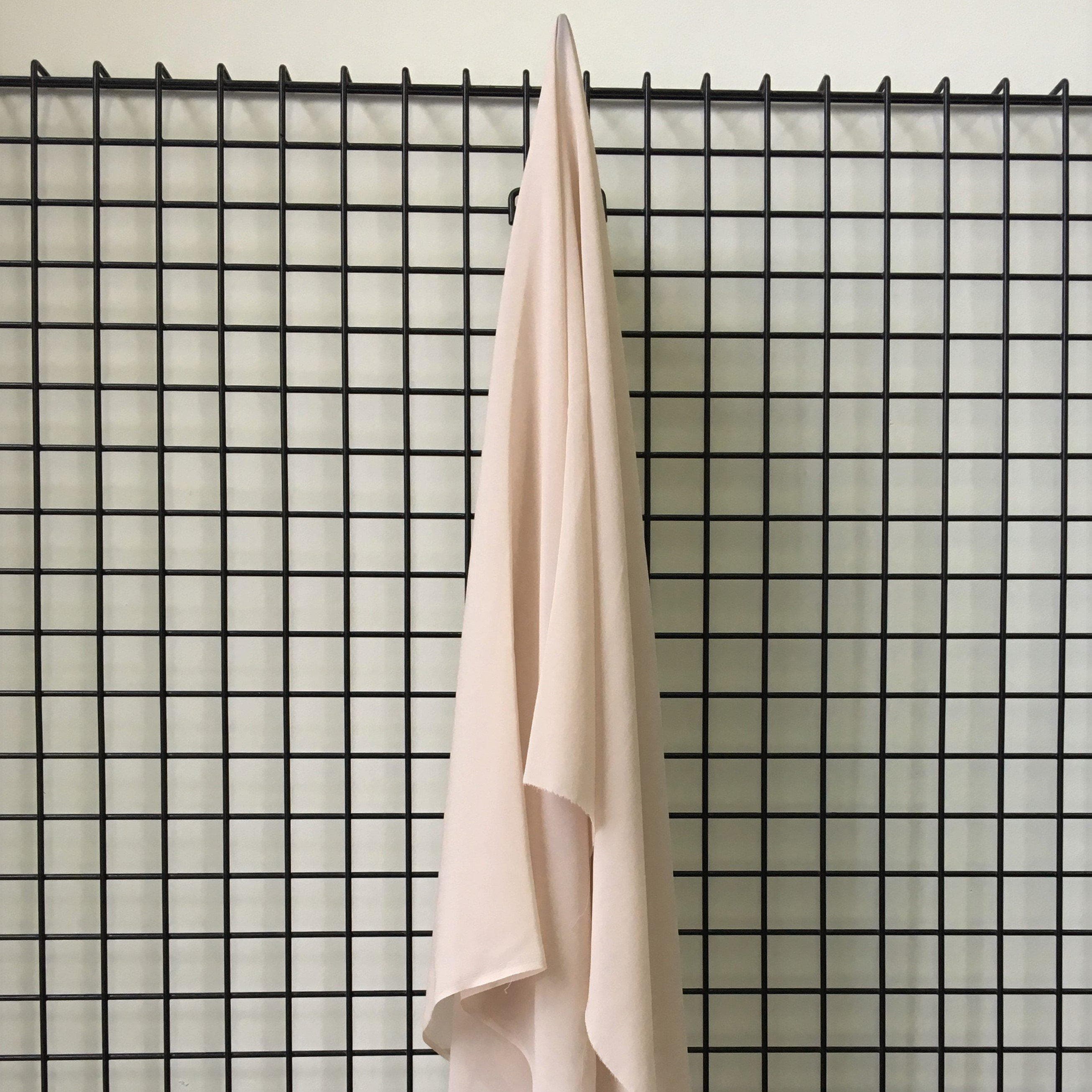


Guide
Sheer Silk Fabric: How to Choose and Sew It
How our sheer silks compare, which one suits your project, how to layer them, and easy tips for sewing them at home.
Which sheer silk?
From crisp organza that holds its shape to feather-light chiffon that floats, here's how our sheer and semi-sheer silks compare.
| Organza | Satin organza | Georgette | Satin chiffon | Crinkle chiffon | |
|---|---|---|---|---|---|
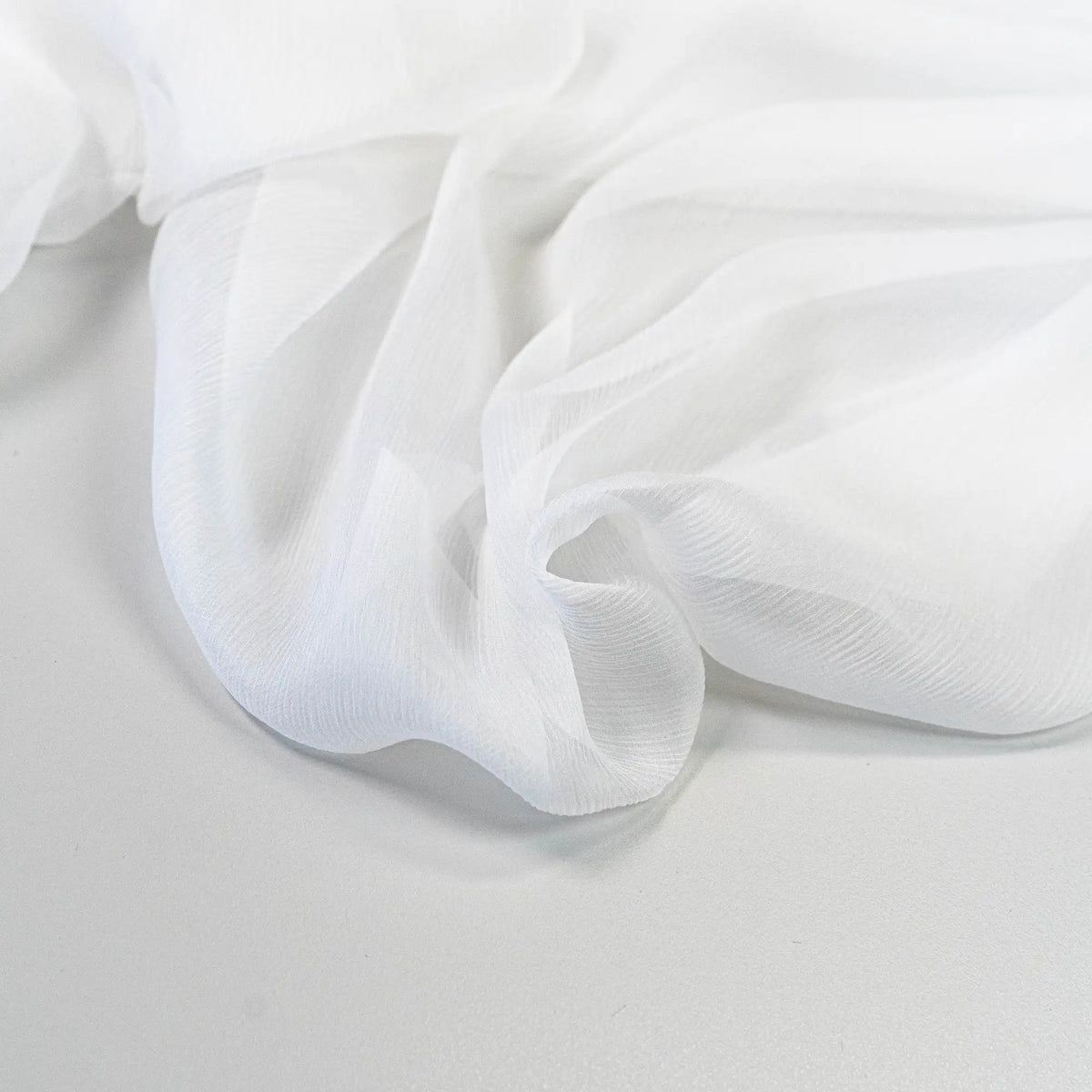
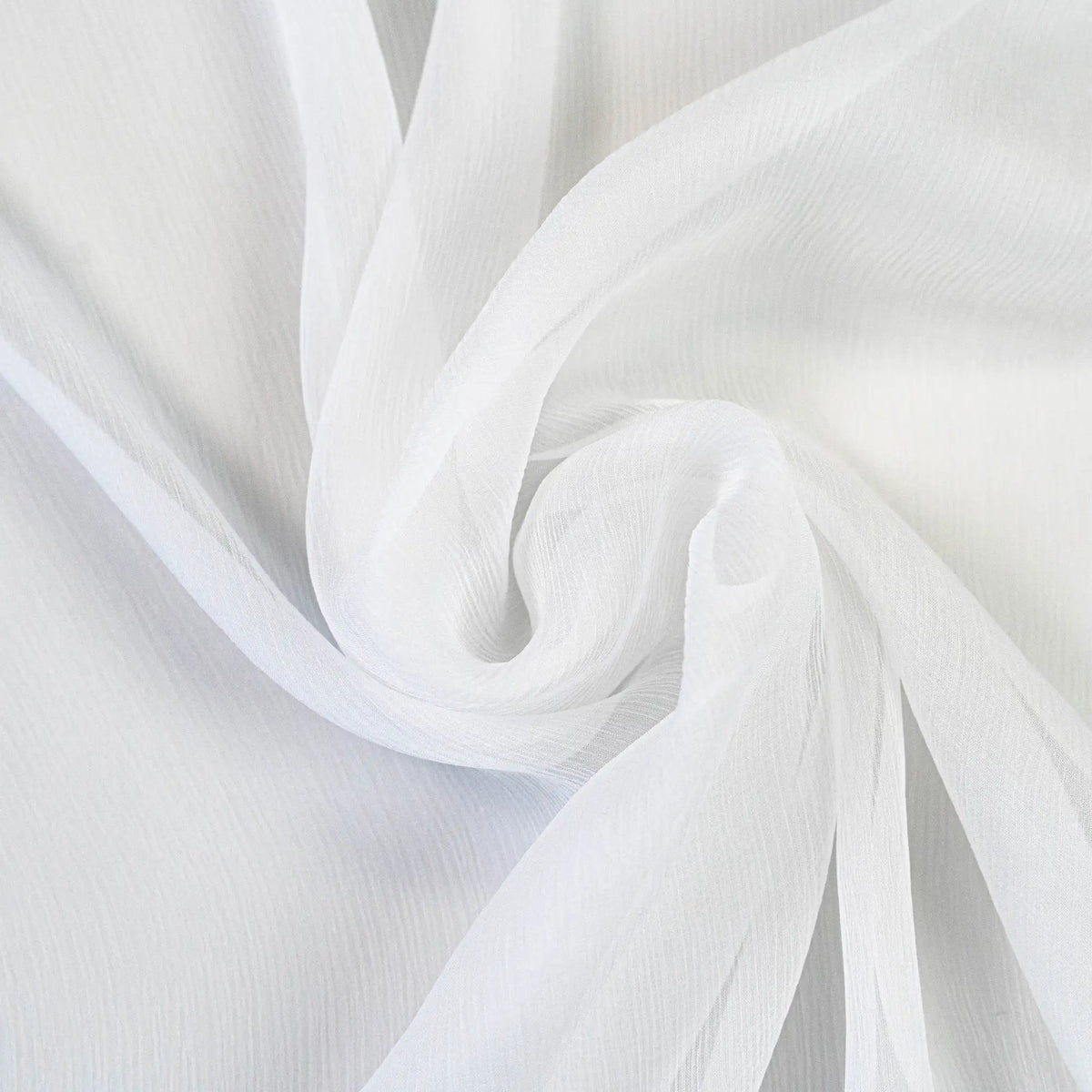
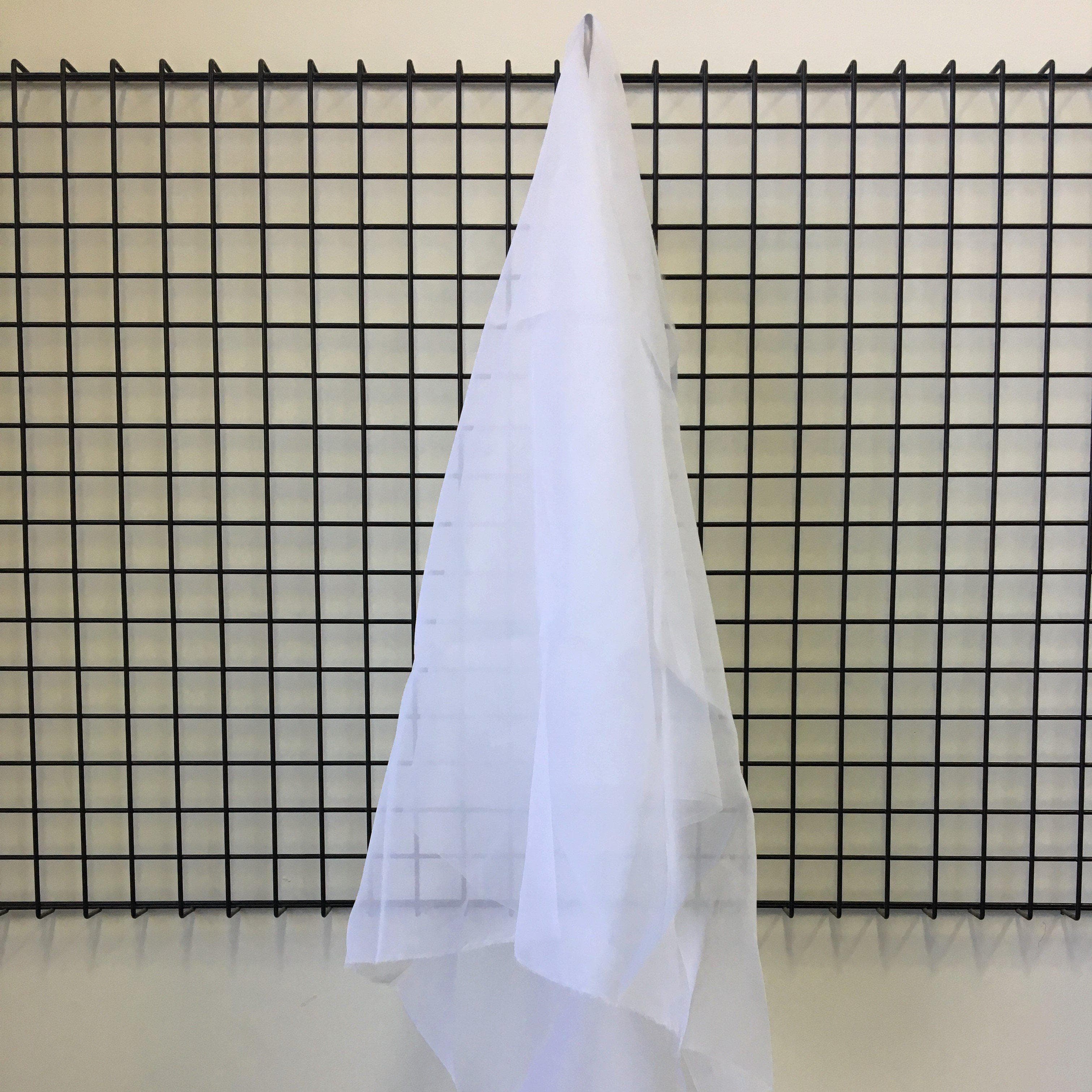
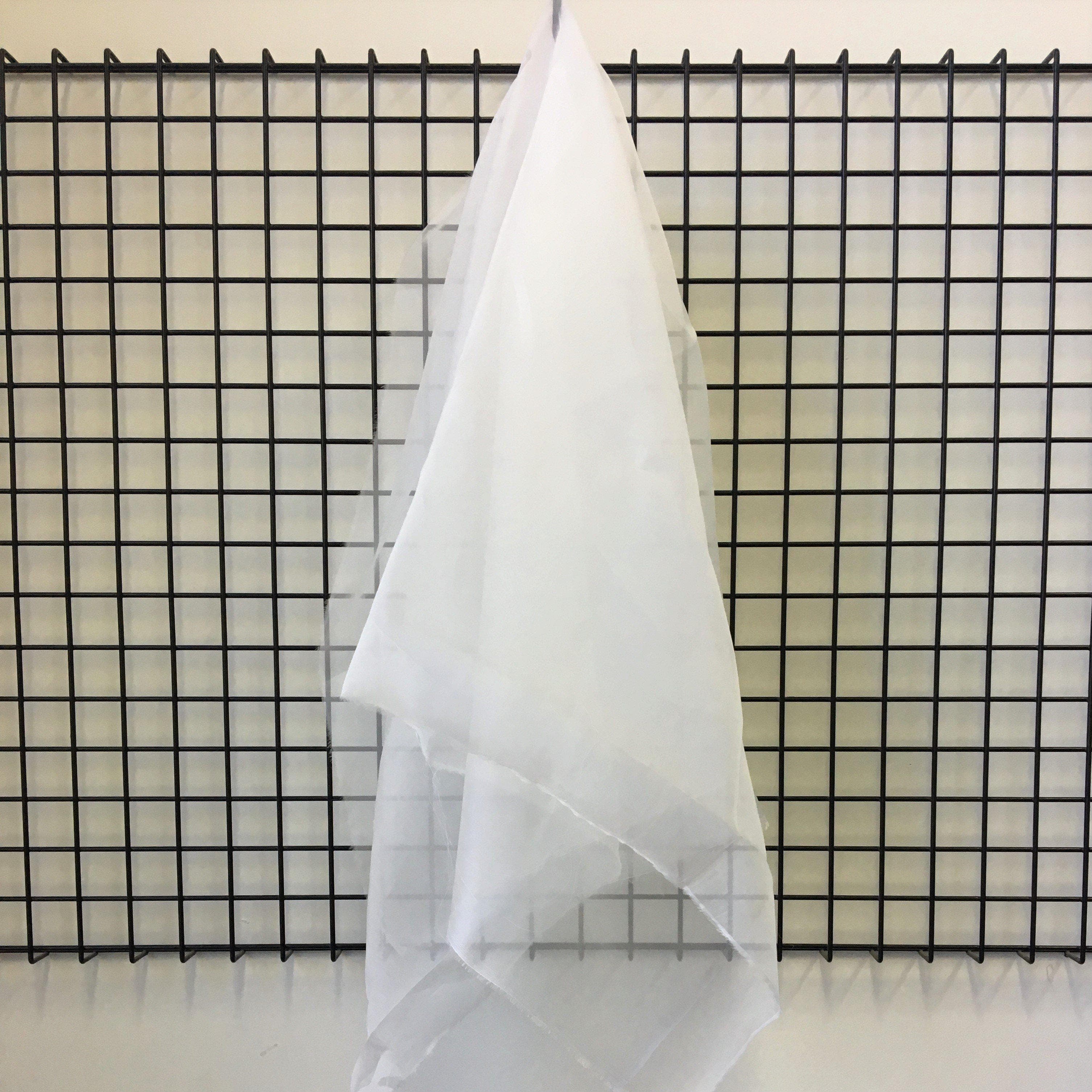
| Feel | Crisp, holds its shape | Crisp, with a satin sheen | Springy, with a soft grainy texture | Soft and silky, with a gentle satin shine | Feather-light, with a soft crinkle |
| How it hangs | Stands away from the body | Stands away, with more body | Flows and moves | Falls softly against the body | Floats, with lots of movement |
| Great for | Volume, puffy sleeves, the hidden layer inside garments | Skirts, bodices and bows | Floaty skirts, sleeves and blouses | Draped and gathered styles, soft layers | Scarves, sleeves and easy layers |
| To sew | Easiest: it stays put | Stays put | A little shifty | Trickiest: it's slippery | Shifty, but the crinkle hides small wobbles |
| Weight | 5.5 momme | 12 or 16 momme | 10 momme | 6.5 momme | 5.5 momme |
Also in this range: printed silk devoré and lace appliqué silk devoré, 30% silk and 70% viscose, semi-sheer with a burnt-out pattern, and satin striped silk burnout, 20% silk and 80% viscose, partly sheer and partly opaque, with satin stripes on a matte ground and a heavy, fluid drape.
Looking for something else? See our lightweight silks, medium weight silks, heavyweight silks or stretch silks, or all our silks.
Which sheer silk for your project?
| Making | Silks to try |
|---|---|
| Overlays on gowns | Satin chiffon or georgette |
| Volume and puffy sleeves | Organza or satin organza |
| Floaty blouses and sleeves | Georgette or crinkle chiffon |
| Scarves | Crinkle chiffon or satin chiffon |
| Bows and structured details | Satin organza |
| Body and support | Organza, as a hidden layer inside the garment |
Layering sheer silk
- Sheers are lovely layered. Put a similar colour underneath for depth, or a contrasting colour to make the top layer glow.
- For a draped gown, float satin chiffon or georgette over crepe satin.
- For dresses and skirts, add a lining or a slip underneath, as sheers show what's beneath them.
Cutting
- Cut as a single layer, on a large, clean table. Laying the silk on paper or a cotton sheet stops it sliding.
- Use pattern weights, or pin only inside the seam allowance.
- Use sharp scissors or a rotary cutter, and mark with tailor's tacks or tailor's chalk, tested on a scrap first.
Sewing
- Use a fresh, fine, sharp needle (size 60 or 70) and a fine mercerised cotton thread. Polyester thread is stronger, but it can make fine silk pucker. Silk thread is lovely for tacking and hand sewing.
- Sew with a short straight stitch, 1.5 to 2 mm, to stop puckering. If seams still pucker, sew with tissue paper underneath and tear it away after.
- Use a straight-stitch foot and a single-hole needle plate if your machine has one. If not, move the needle to the far left so the fabric is supported around it.
- To start a seam, hold the needle and bobbin threads taut behind the foot, and turn the wheel by hand for the first stitch, so the fabric isn't pulled down into the machine.
- French seams look the neatest on sheer silk: the raw edges are tucked away inside. On crisp organza, a flat-felled seam works well too.
- Skip backstitching on chiffon and georgette, which can pucker them. Tie the thread ends by hand instead.
- Don't use iron-on interfacing. Where a collar, cuff or zip needs support, add a layer of skin-coloured silk organza instead.
- Let skirts hang overnight before you hem them, as georgette and chiffon can drop a little.
Hems
A hand-rolled hem is the couture finish for chiffon and georgette: trim the hem allowance to about 3 mm, then roll it over to hide the raw edge and stitch by hand (or by machine for speed). On a structured organza skirt, a deep double hem (turned up the same depth twice) shows through as one clean band.
Pressing
Use a dry iron on the silk setting with a pressing cloth on top, and no steam: water drops can leave marks. Don't press crinkle chiffon flat, or you'll lose the crinkle. How firmly the crinkle is set varies from batch to batch, so if you do want to try steam on it, test on a scrap first. Always test on a scrap before you press.
Questions
What's the difference between chiffon and georgette?
Our satin chiffon is softer and silkier, with a gentle shine, and falls close to the body. Georgette is springier, with a soft grainy texture and a little more body.
Which sheer silk is the easiest to sew?
Organza. It's crisp and stays put, so it's the best one to start with.
What's the lightest sheer silk?
Organza and crinkle chiffon, both 5.5 momme.
Do sheer silks need lining?
For dresses and skirts, usually yes, or a slip underneath. Scarves, sleeves and overlays are left unlined.
Wholesale for fashion labels, bridal studios and designers buying in bulk. Apply for an account