

Silk Satin Dupion
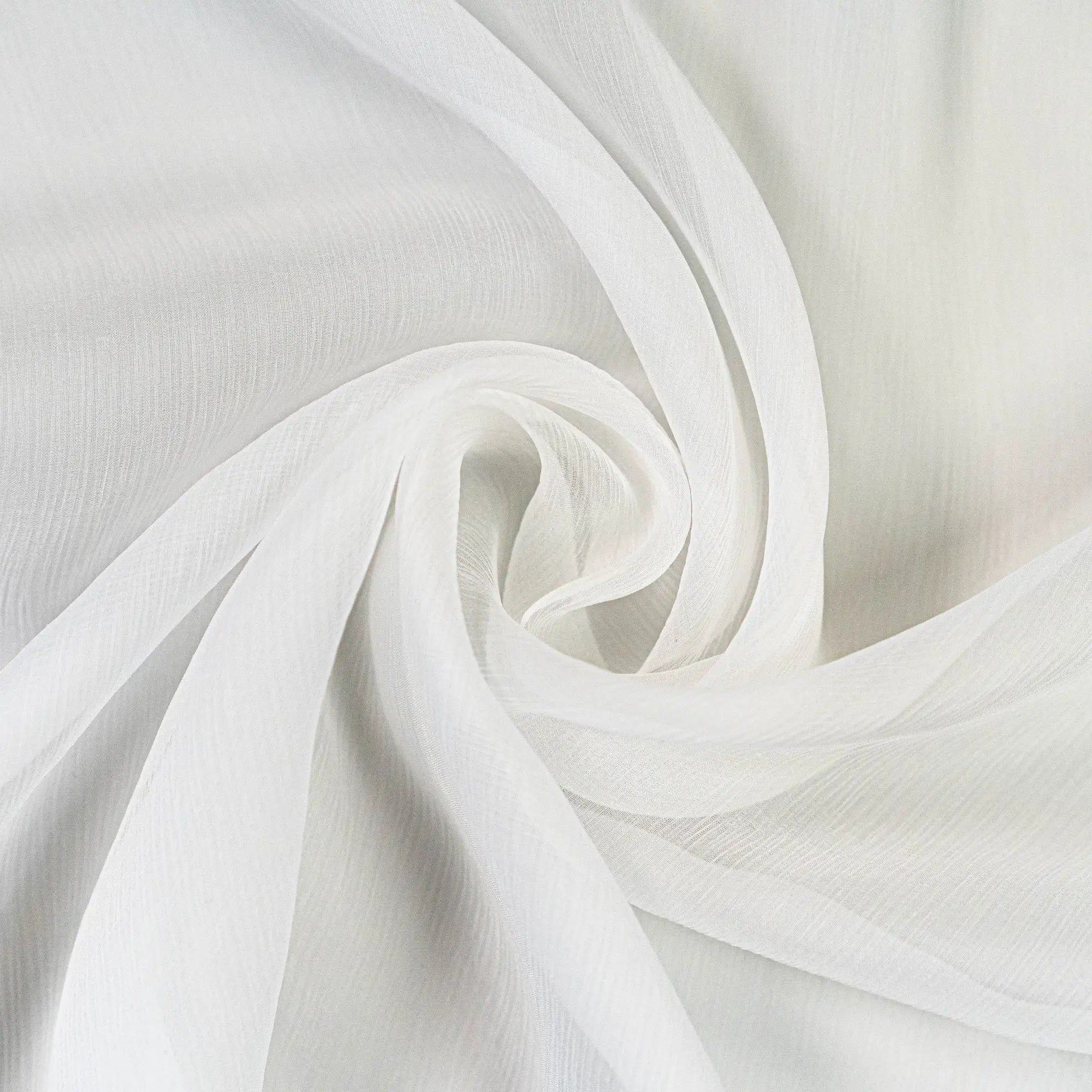
A 100% silk with a soft satin sheen and a colour that changes as it moves, 137 cm wide. Soft in the hand but holds its shape, it sculpts into folds and volume, and both sides can be used.
No products found
Use fewer filters or clear all
Guide
Silk Satin Dupion: Uses and How to Sew It
What makes satin dupion different, how it compares with our silk dupion, taffeta and duchess satin, using both sides, and tips for sewing it.
What is silk satin dupion?
- Colour that changes as it moves. It's woven with threads in two shades, a darker one running the length of the fabric and a lighter one across it, so the colour shifts and deepens as it moves and catches the light. This is what's called a shot silk.
- A soft satin sheen. The lighter threads sit on the surface, giving it a satin sheen over the texture of dupion.
- Some natural slubs. Like dupion, it has some slubs and small irregularities. They're part of the fabric, not a fault, and they give it its character.
- Sculptural. It's soft in the hand but holds its shape, so it can be folded, pleated and draped into shapes that stay where you put them.
- Delicate on the surface. Pins, and stitching that's been unpicked, push the shiny surface threads aside and let the darker threads show through, leaving a darker line. Pin only inside the seam allowance and try to sew each seam once.
Two sides, both usable
Satin dupion is double sided. One side has the satin sheen and the lighter colour; the other shows more of the darker thread, so it looks deeper and richer. Both sides are finished well enough to be the right side.
- Choose either side as the right side for the whole garment, whichever colour you prefer.
- Or use both: a collar, cuff, lapel or bodice panel in the other side, a contrast bow, or a turned-back hem or wrap that shows the other side.
- Because the inside is just as good as the outside, it suits unlined pieces, reversible wraps and anything where the back of the fabric is seen.
Order a sample to see both sides of a colour before you buy.
Satin dupion or silk dupion?
Both are 100% silk with dupion's natural slubs, but they look and behave quite differently.
| Silk satin dupion | Silk dupion | |
|---|---|---|
| Look | A satin sheen, with a colour that deepens and changes as it moves | A soft glow in one colour |
| Texture | Some natural slubs and irregularities | Smooth finish, with fewer, random slubs |
| Handle | Soft, but holds its shape | Crisp |
| Sides | Double sided: both sides usable | One right side |
| Shaping | Sculpts into soft folds and volume | Crisp structure, stands away from the body |
| To sew | Take care: pins and unpicking can leave darker lines | Easy: stable and doesn't slip |
| Colours | 5 colours | Over 60 shades |
| Width | 137 cm | 137 cm (white and ivory also 150 cm) |
- Choose satin dupion when you want sculpted volume that still moves softly, a colour that changes with the light, or both sides on show.
- Choose silk dupion for crisp, tailored structure, easier sewing and the widest choice of colours.
Structured silks side by side
| Satin dupion | Silk dupion | Silk taffeta | Duchess satin | |
|---|---|---|---|---|
| Look | Satin sheen, colour that changes, light slubs | Soft glow, subtle slubs | Fine, even sheen | Rich satin lustre |
| Handle | Soft, holds its shape | Crisp | Crisp, with a rustle | Smooth and weighty |
| Great for | Sculpted gowns, draped bodices, bows, jackets | Dresses, jackets, soft furnishings | Full skirts, ball gowns, bows | Bridal gowns, fitted bodices |
| Sides | Both usable | One | One | One |
What to make with it
- Evening and bridal gowns with sculpted folds, drapes and volume
- Structured bodices, peplums and full skirts
- Jackets, coats and waistcoats, with the other side showing on lapels and cuffs
- Bows, sashes, ruffles and statement sleeves
- Reversible wraps and stoles
Cutting
- Lay all your pattern pieces facing the same way: the colour changes with direction, so a piece cut the other way will look a different shade.
- Decide which side you want as the right side before you cut, and mark the wrong side of each piece with tailor's chalk, tested on a scrap.
- Use pattern weights, or fine pins only inside the seam allowance: pins can leave darker marks on the satin surface.
- It frays, so finish the edges soon after cutting.
Sewing
- Use a fresh, fine to medium needle (size 70 or 80) and a good-quality polyester or mercerised cotton thread in a standard weight. Silk thread is lovely for tacking and hand sewing.
- Sew with a straight stitch of about 2 to 2.5 mm, and test on a scrap first.
- Try to sew each seam once: unpicked stitching leaves darker lines where the shiny threads have been pushed aside. Check the fit with a toile first, so there's nothing to unpick.
- If both sides will be seen, use seams that are neat on both sides, like French seams on straight edges, or bind the seam allowances with a bias strip of silk habotai.
- For sculpted pieces, underline with silk organza where you want extra hold.
Hems
For a soft, sculpted hem, turn up 4 to 5 cm, bind the raw edge with a bias strip of silk habotai and blindstitch it by hand. Where the other side will show, a faced hem in the same fabric, or a narrow rolled hem by hand on bows and ruffles, keeps both sides clean.
Pressing
Press on the silk setting through a pressing cloth, with no steam: water drops can mark it. Press lightly, mostly on the seams, so you don't flatten the satin surface or the sculpted folds. Test on a scrap first.
Questions
What is silk satin dupion?
A 100% silk with a soft satin sheen and a colour that changes as it moves. It has some of dupion's natural slubs, and it's soft but holds its shape, so it sculpts beautifully.
Can I use both sides of silk satin dupion?
Yes. It's double sided: one side has the satin sheen and the lighter colour, the other is deeper and richer. Either can be the right side, or you can use both in one garment.
Are the slubs in satin dupion a fault?
No. Satin dupion has some natural slubs and small irregularities. They're part of the fabric and give it its character.
Why does satin dupion show pin marks?
Its shiny surface threads are delicate. A pin, or stitching that's been unpicked, pushes them aside and lets the darker threads underneath show as a darker line. Pin only inside the seam allowance and try to sew each seam once.
What does shot silk mean?
It's woven with threads in two different shades, so the colour changes as the fabric moves. In our satin dupion, the threads running the length of the fabric are the darker shade.
Wholesale for fashion labels, bridal studios and designers buying in bulk. Apply for an account