
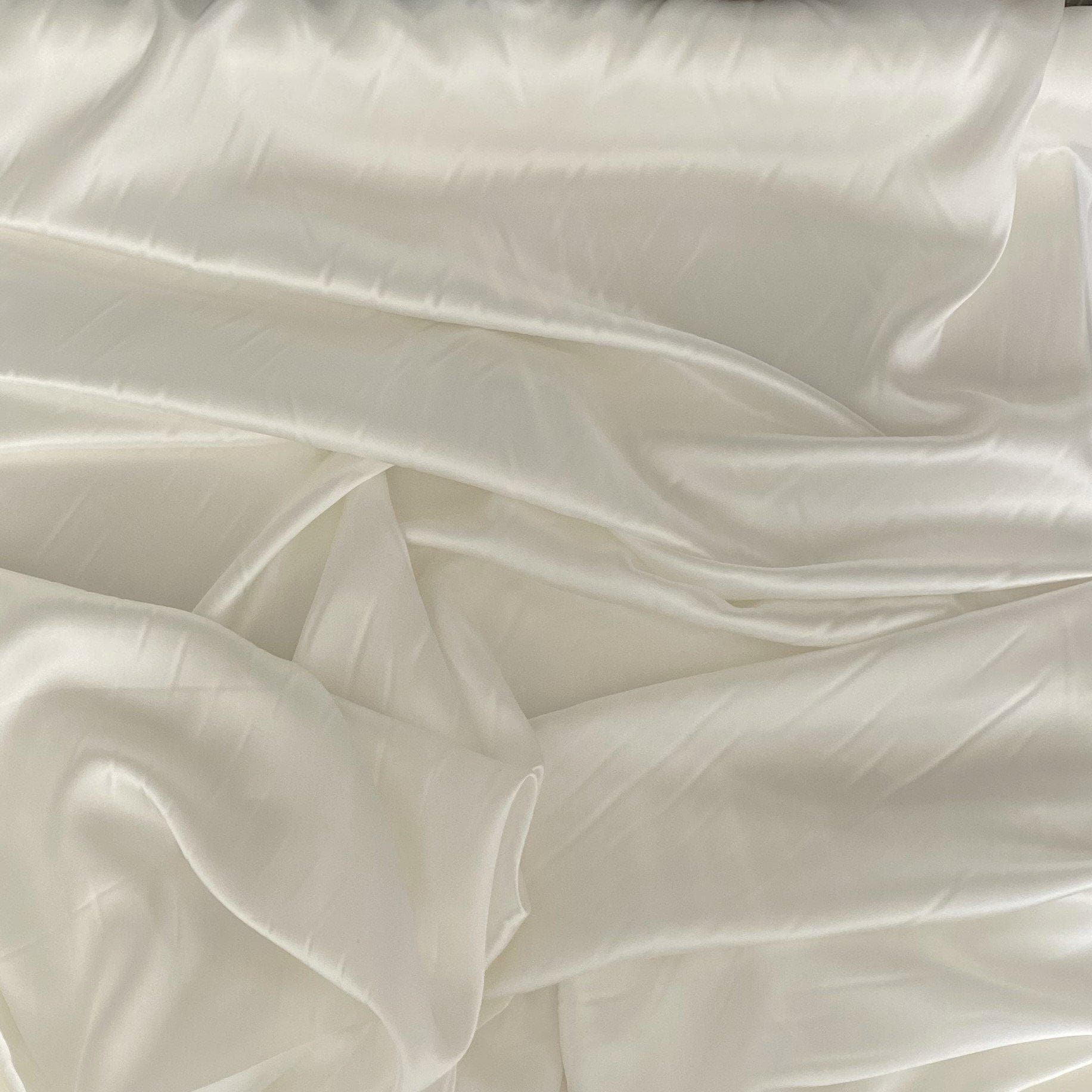
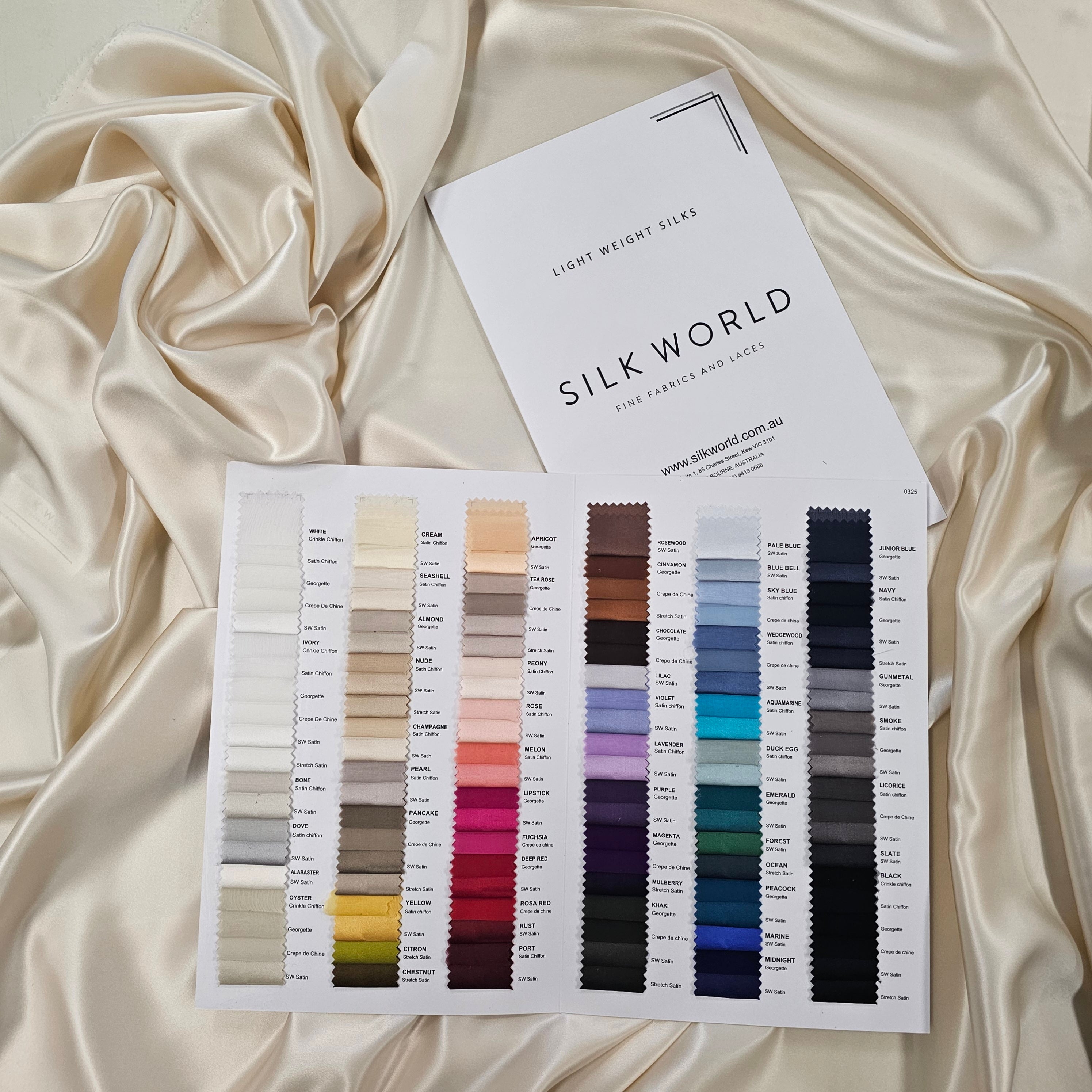
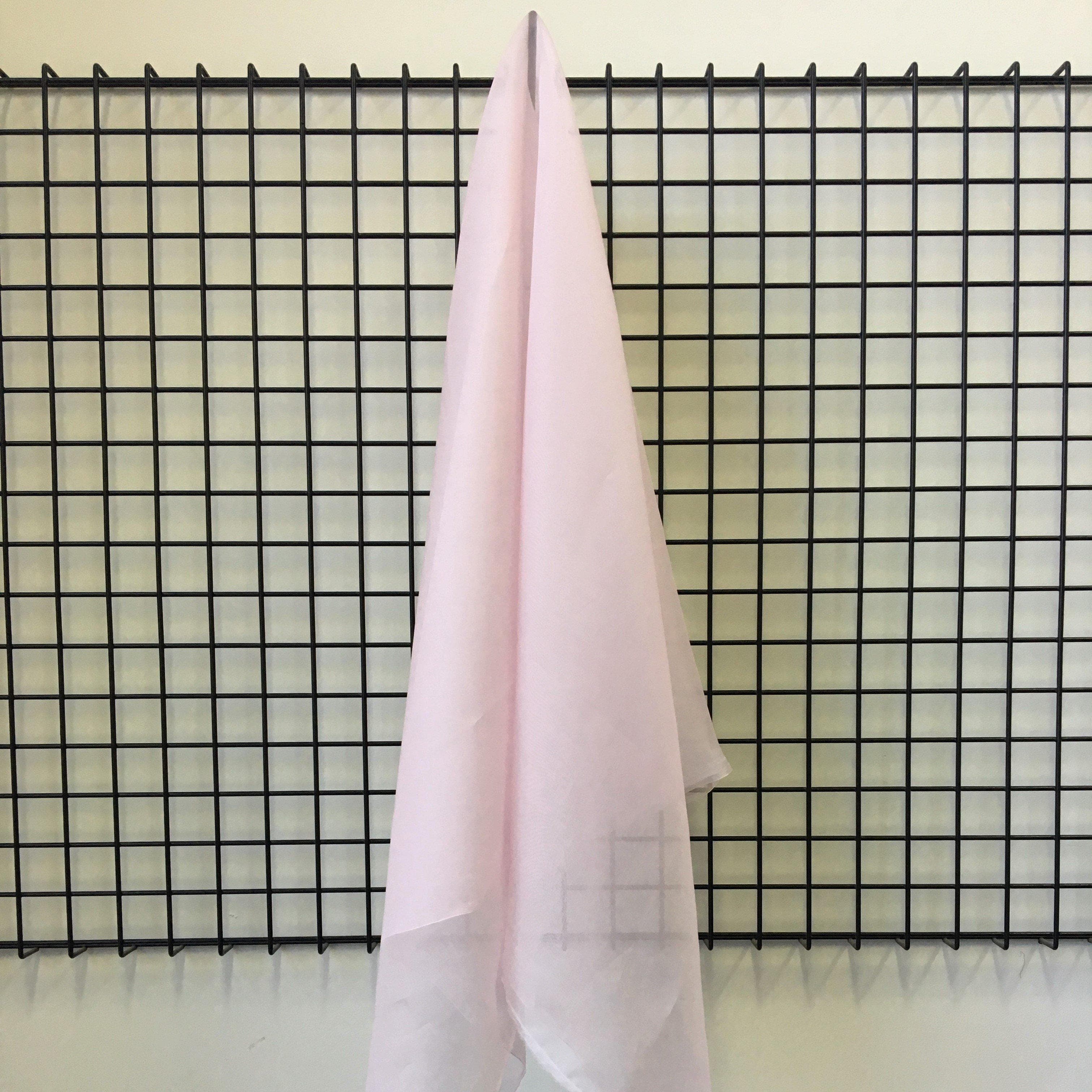
Silk Organza Fabric
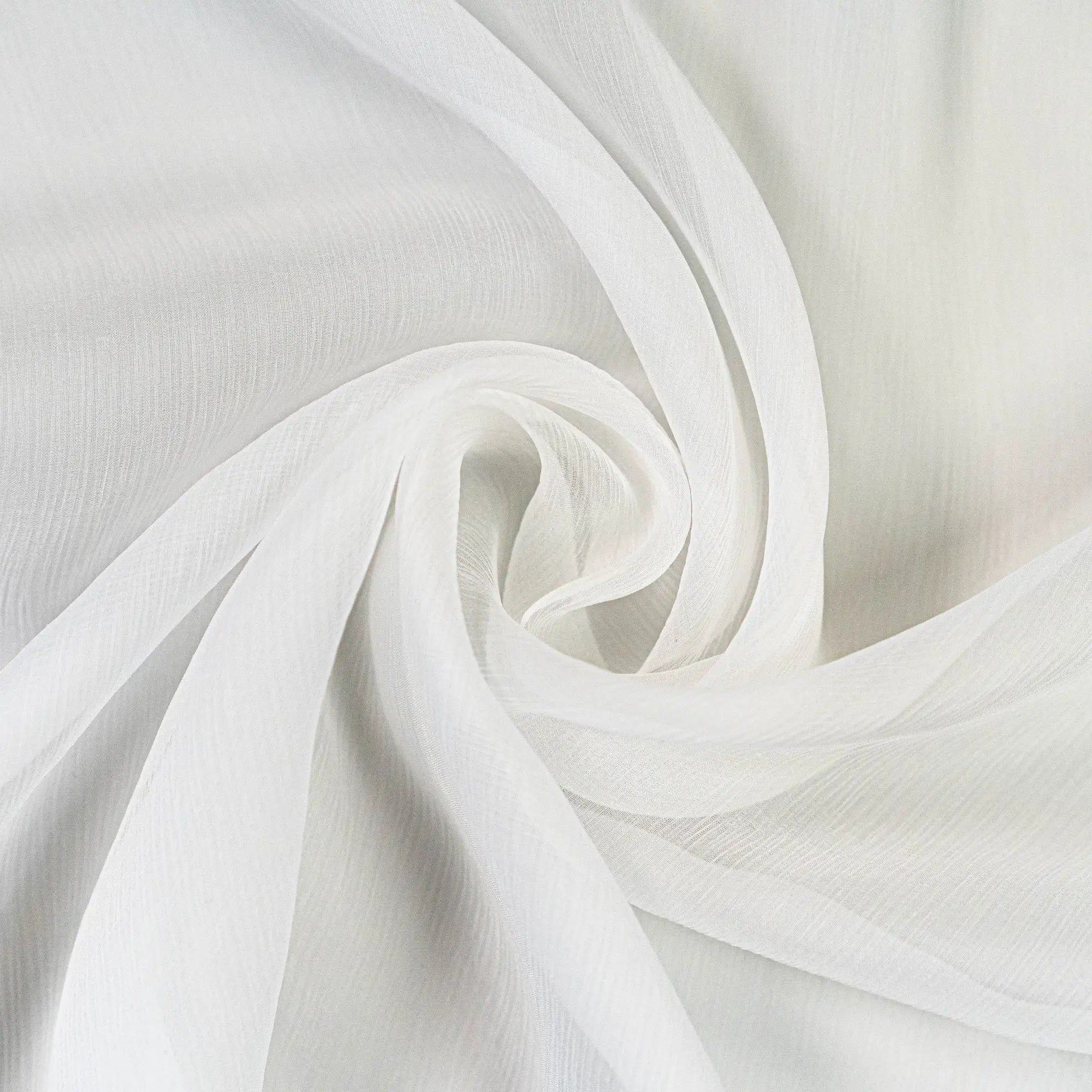
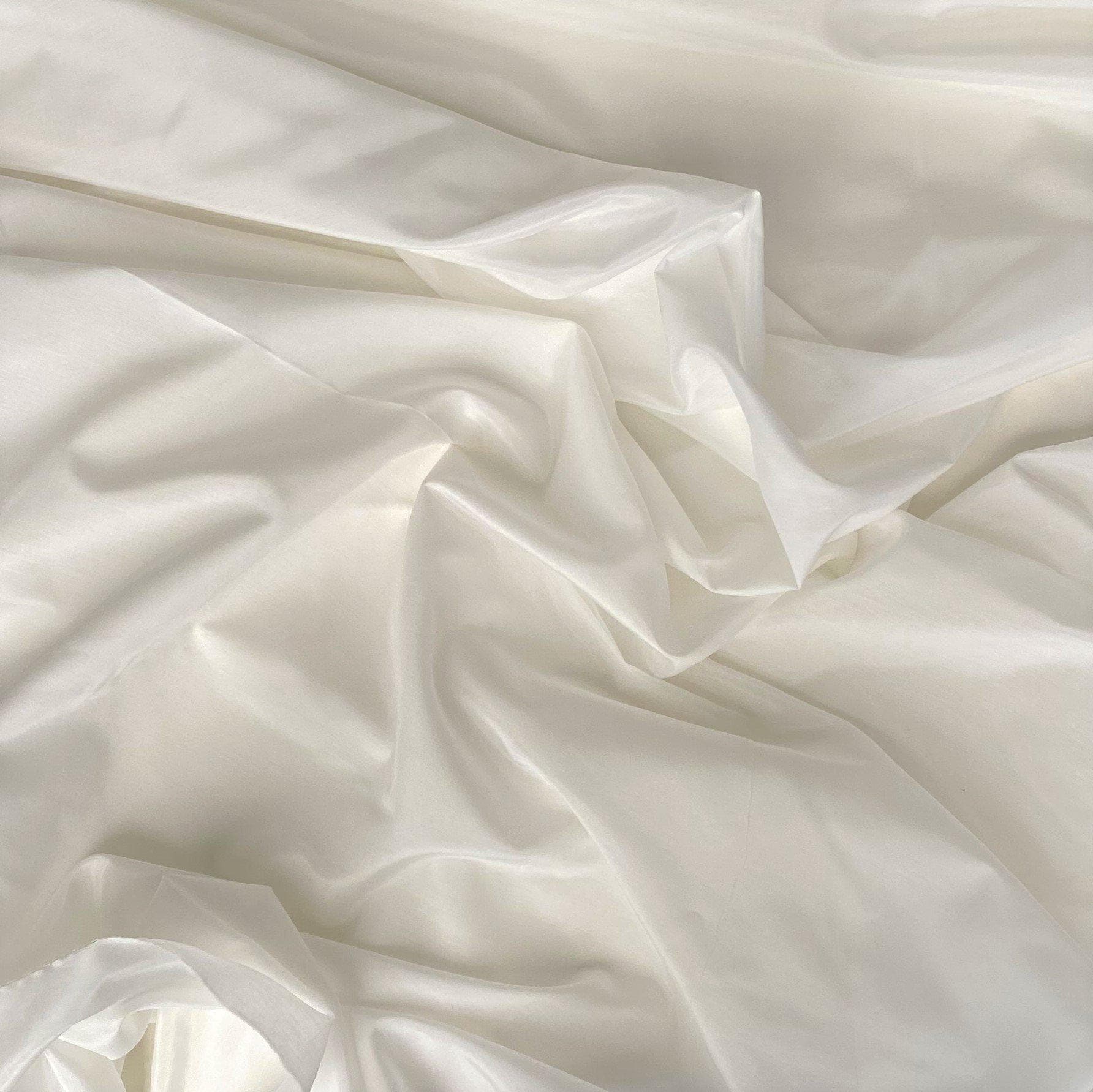
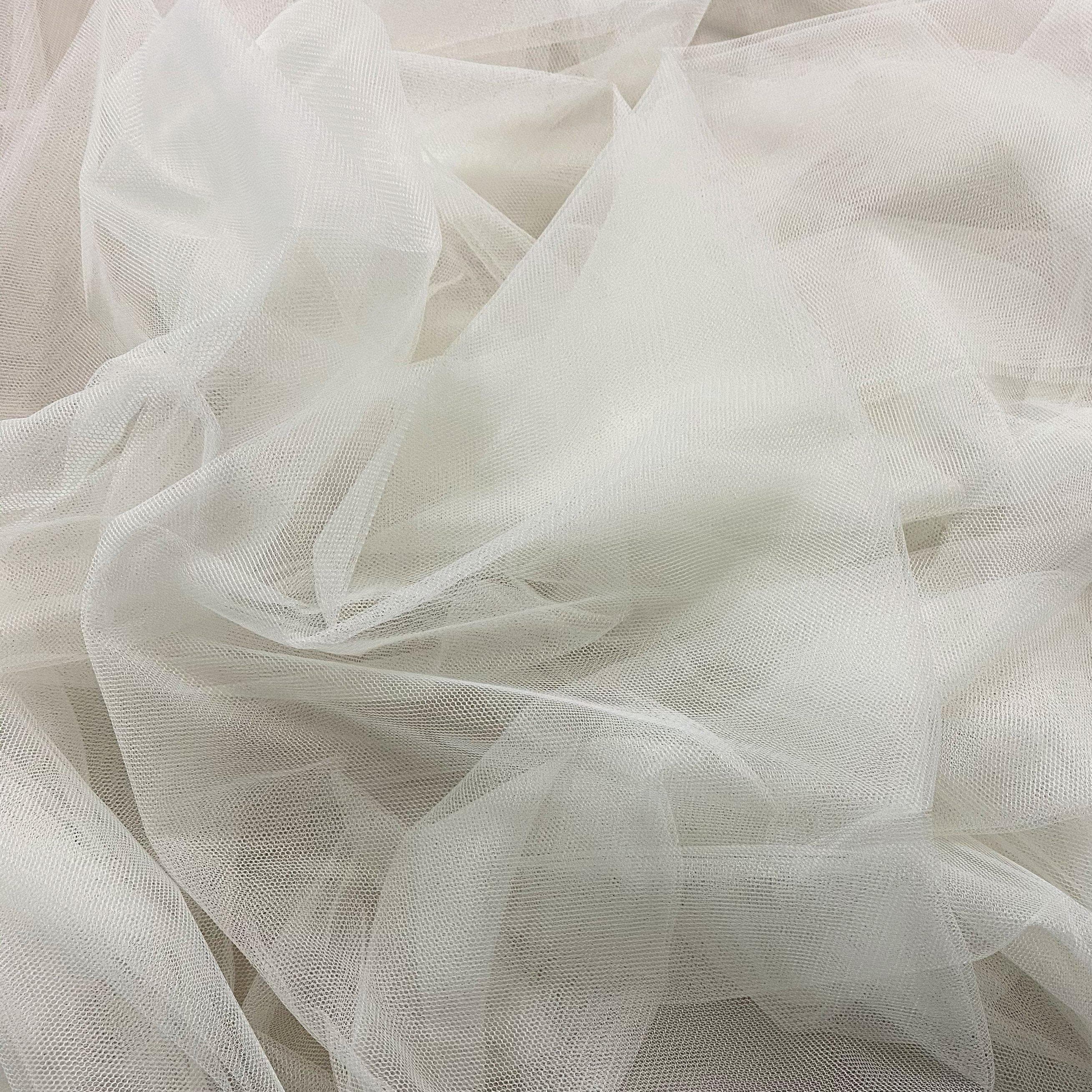
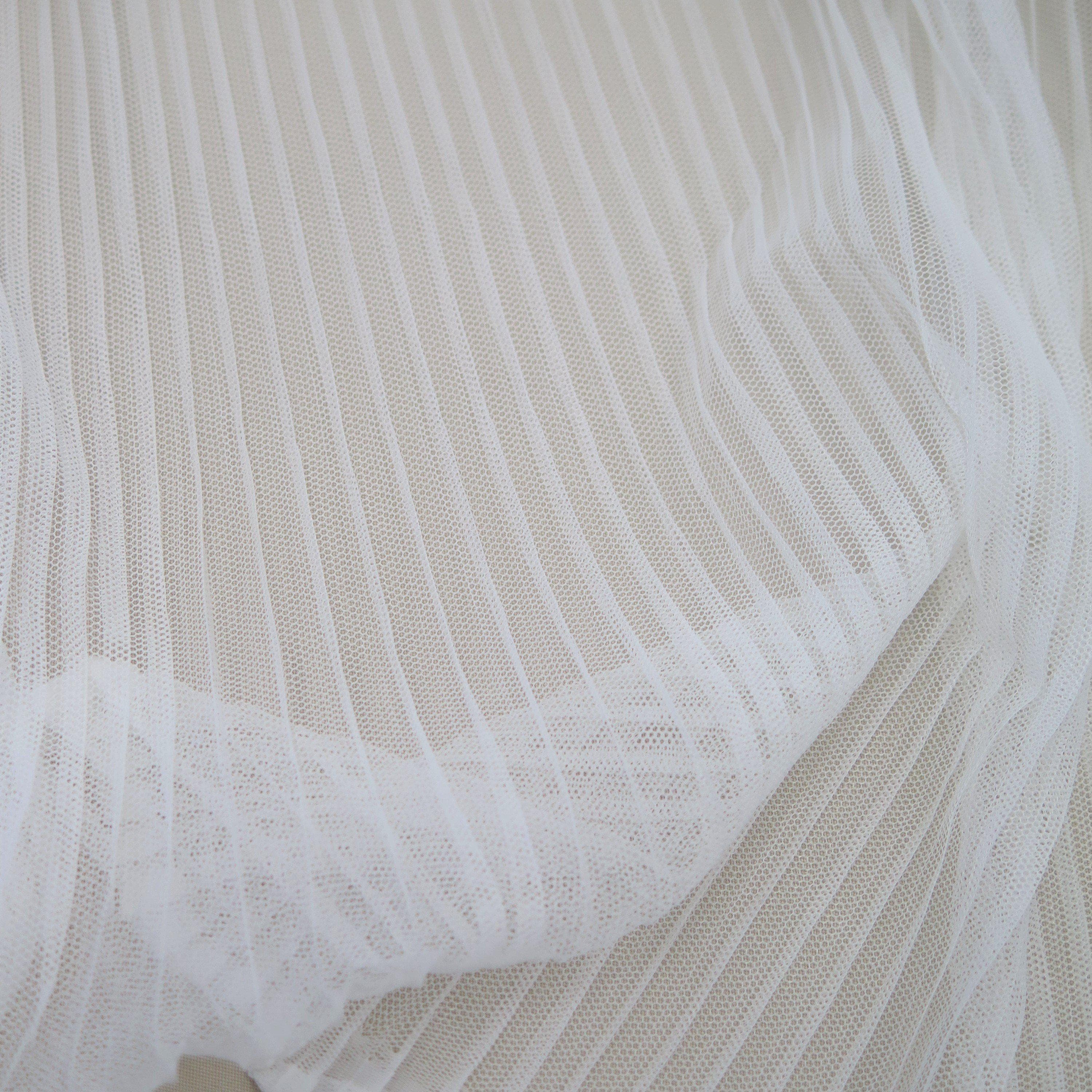
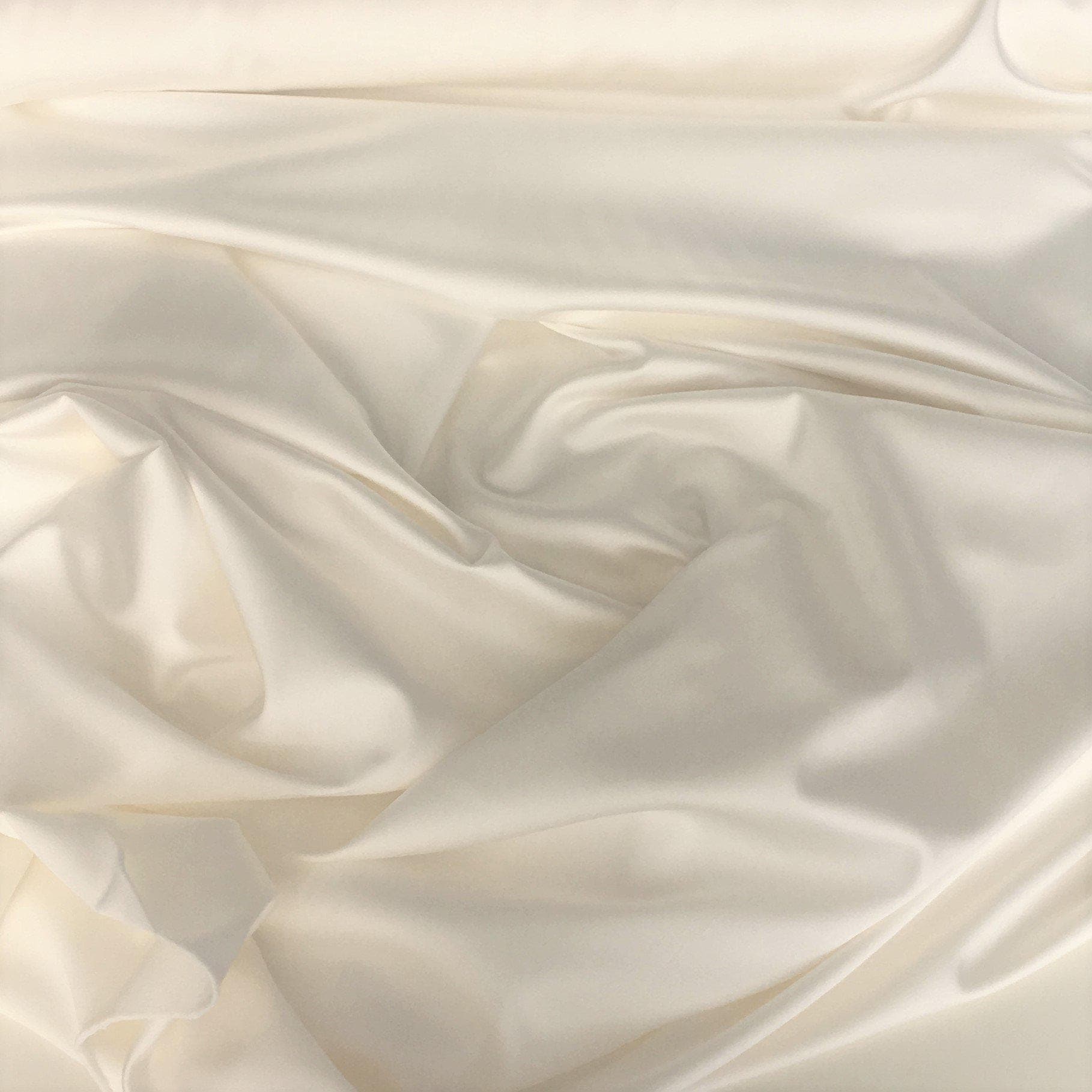
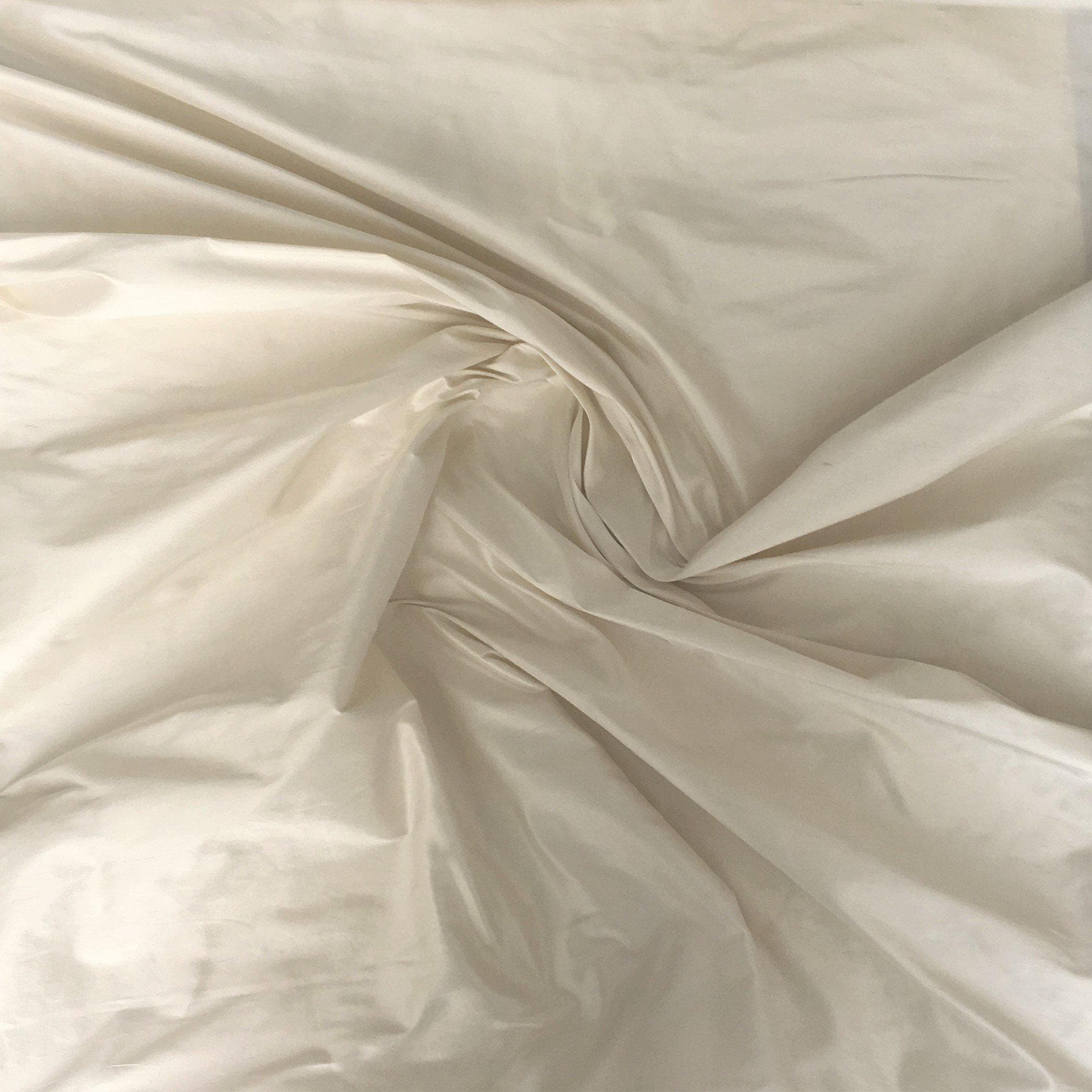
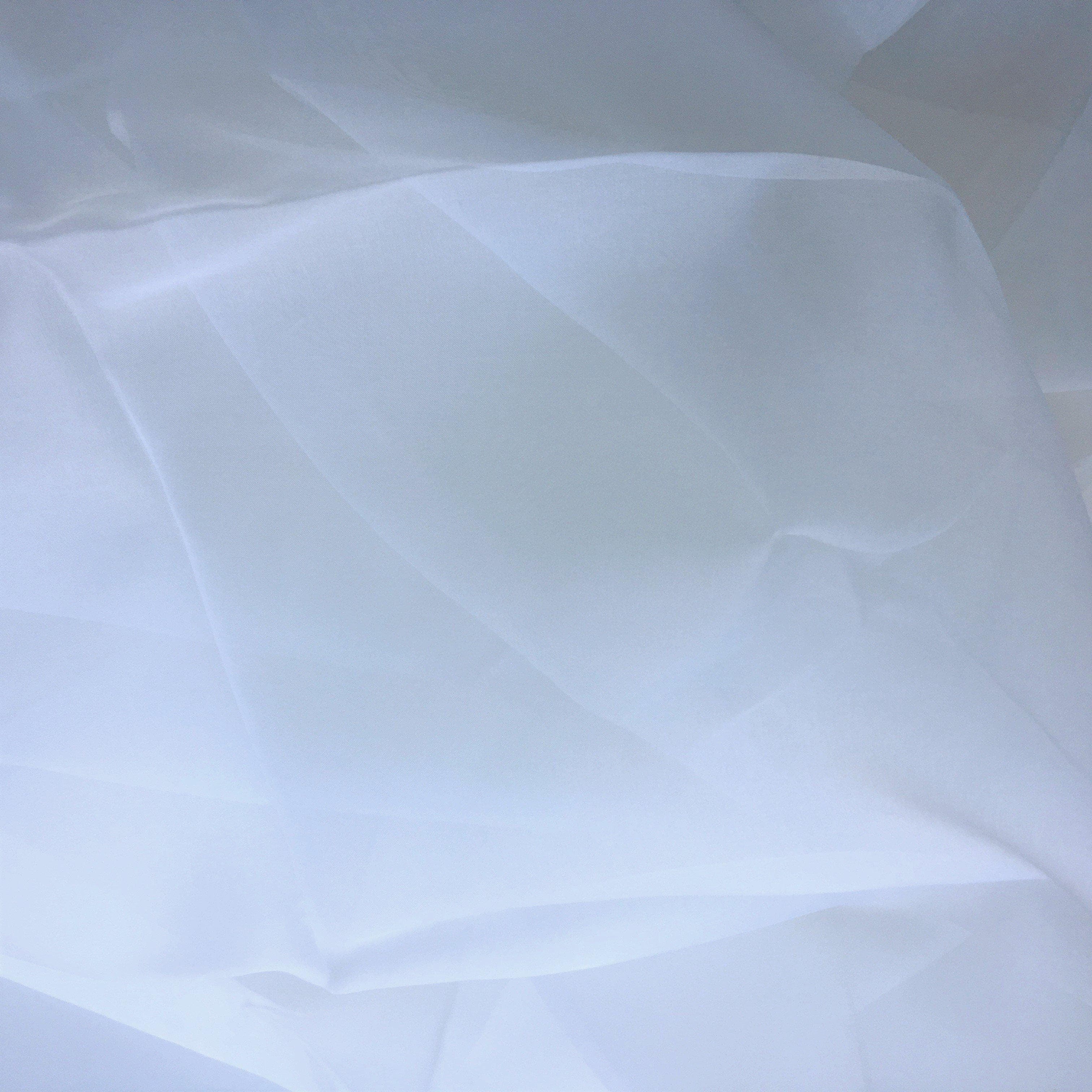
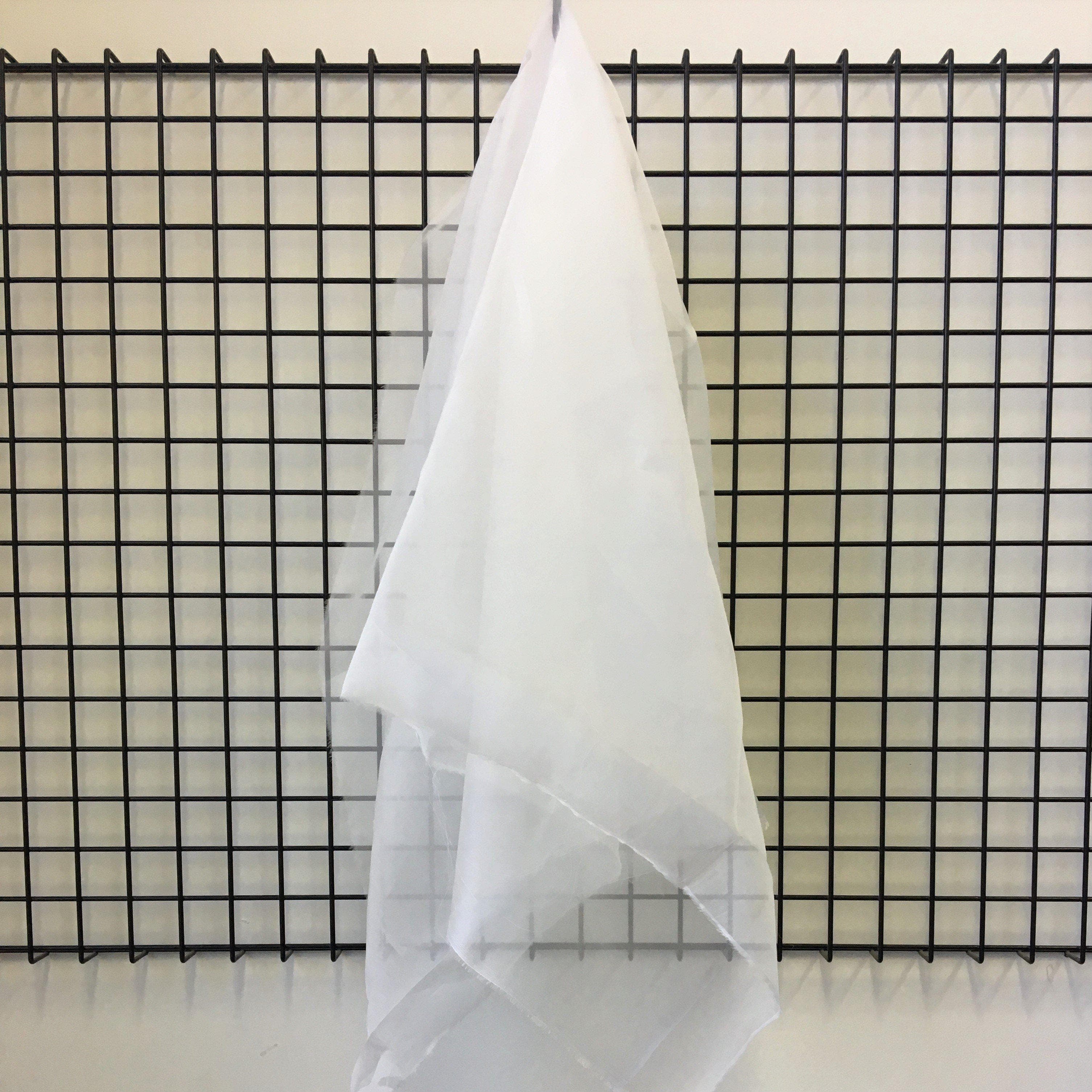
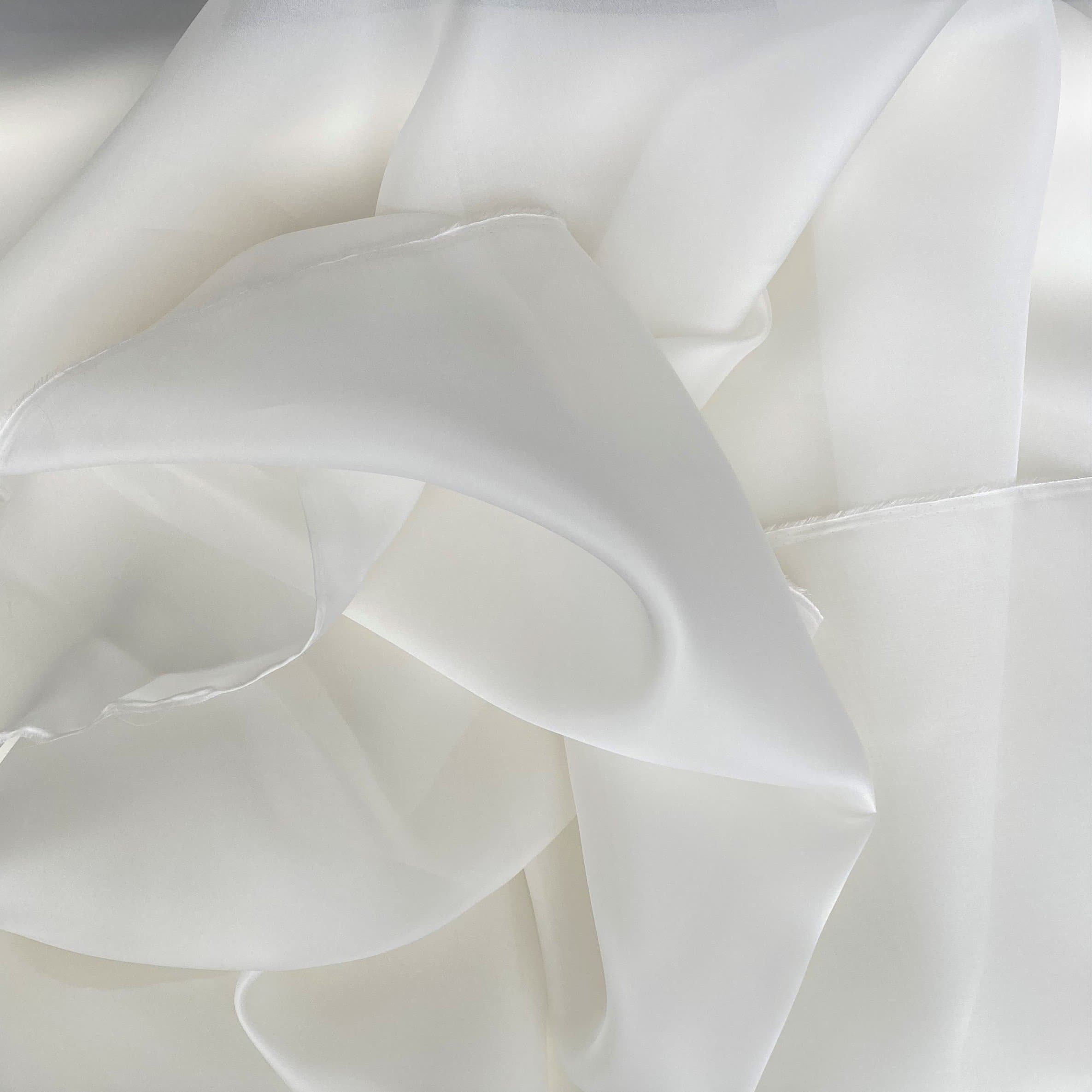
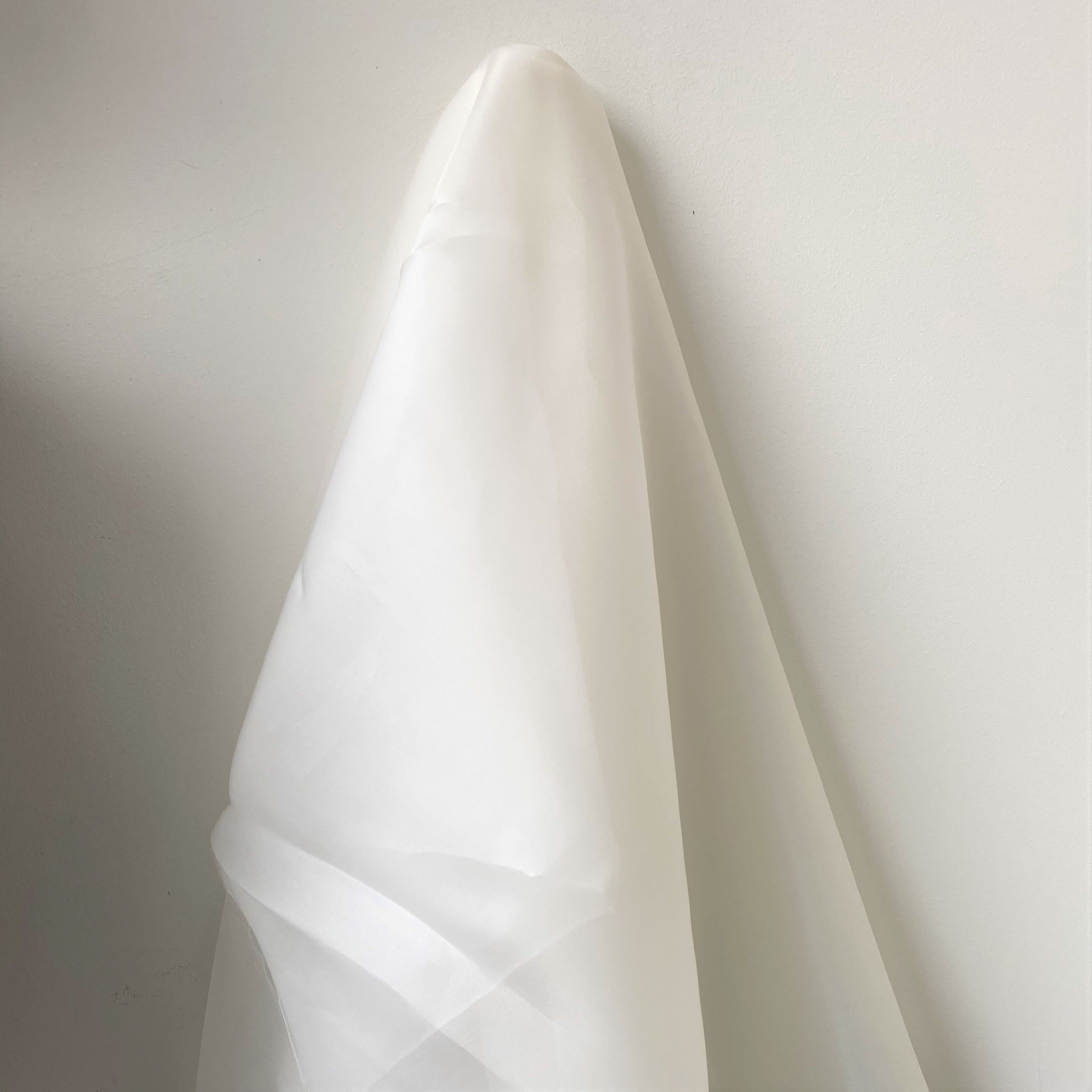
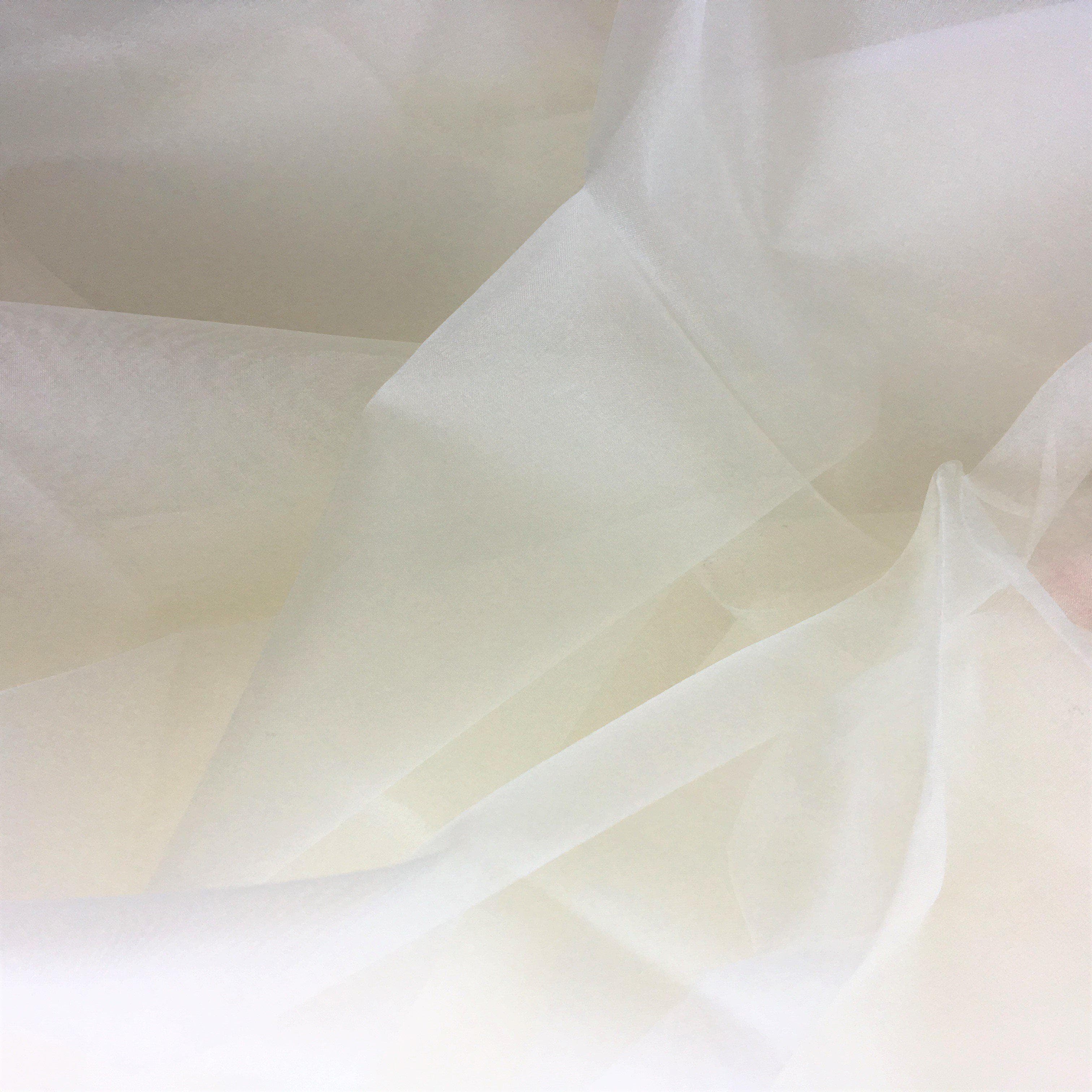
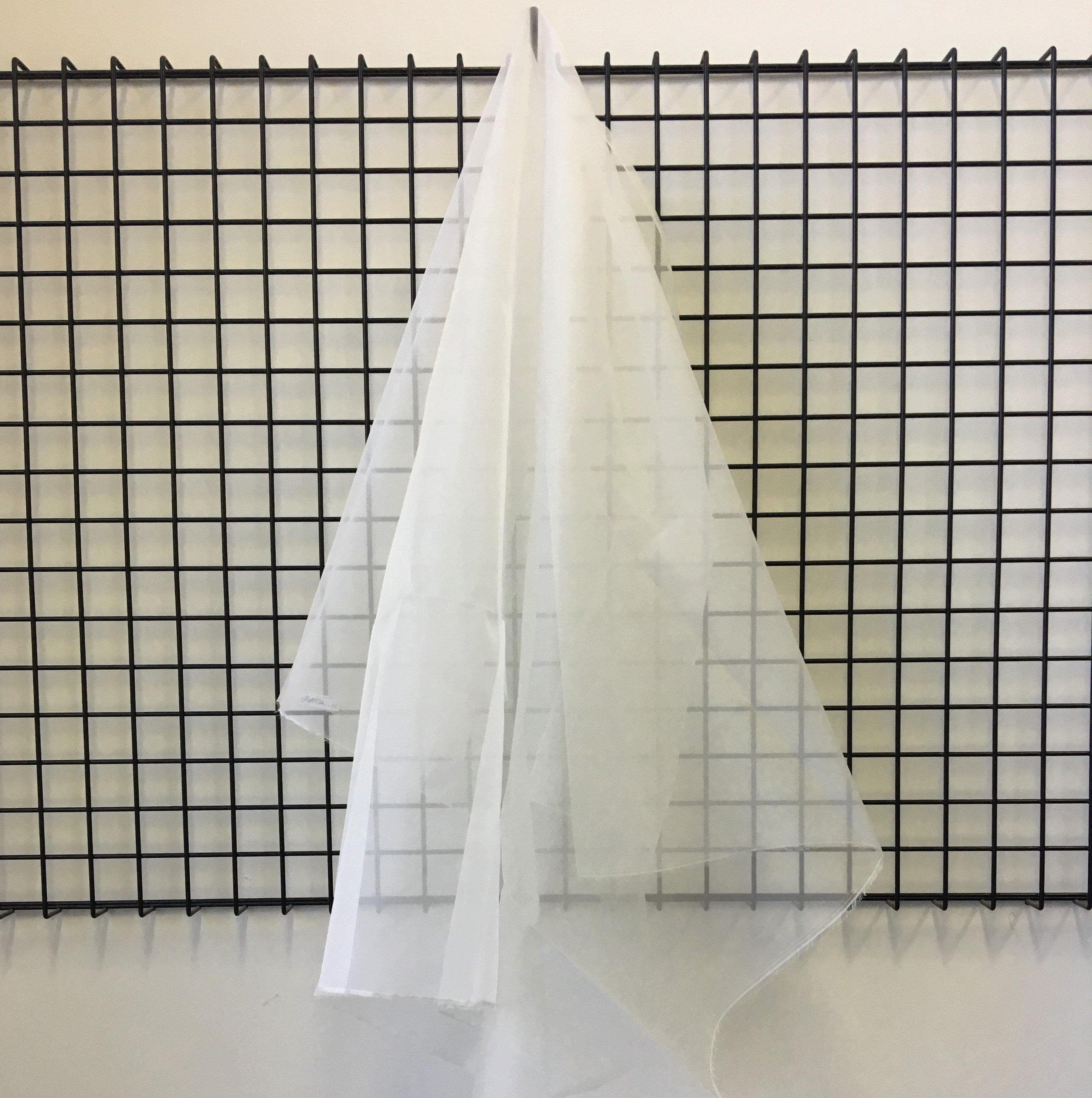
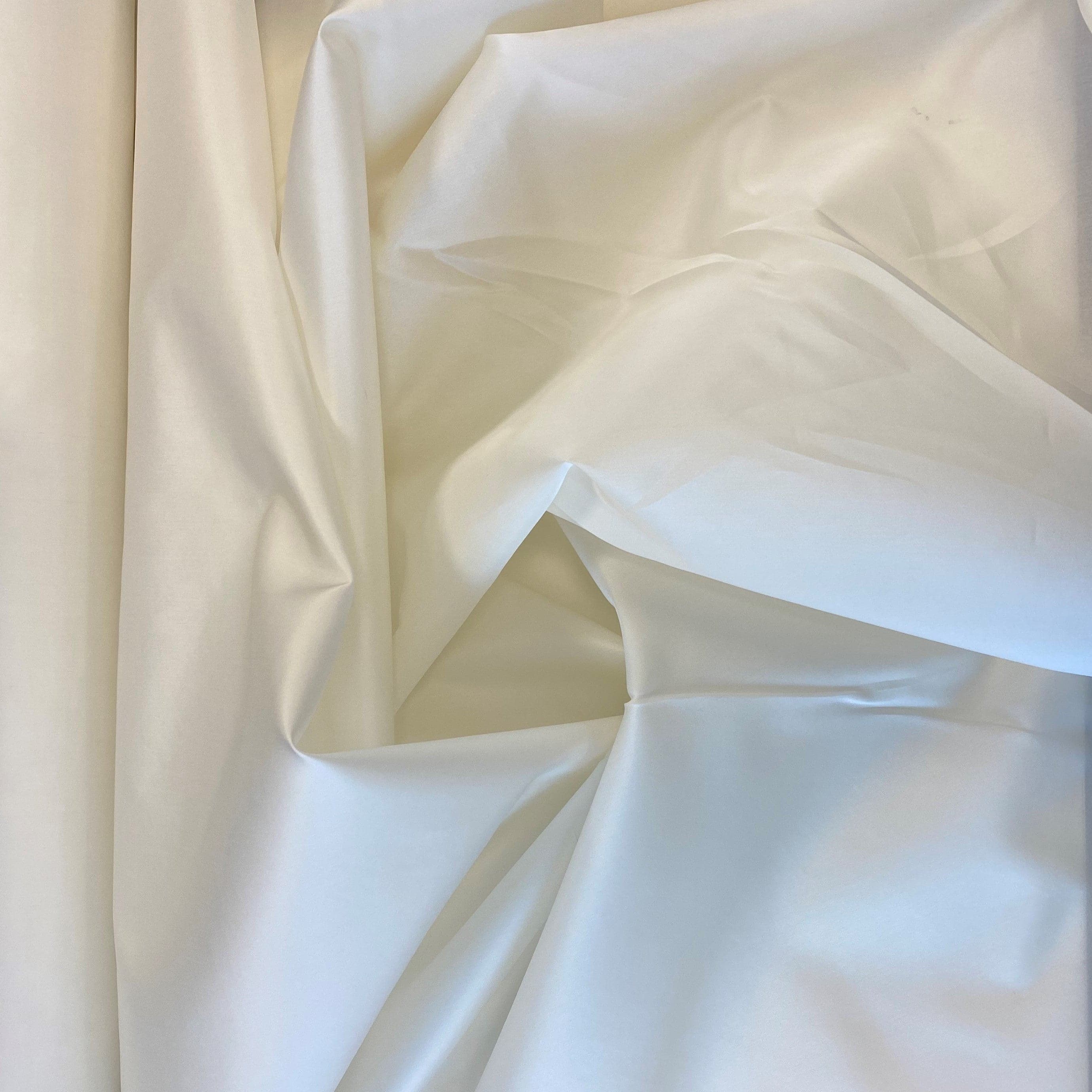
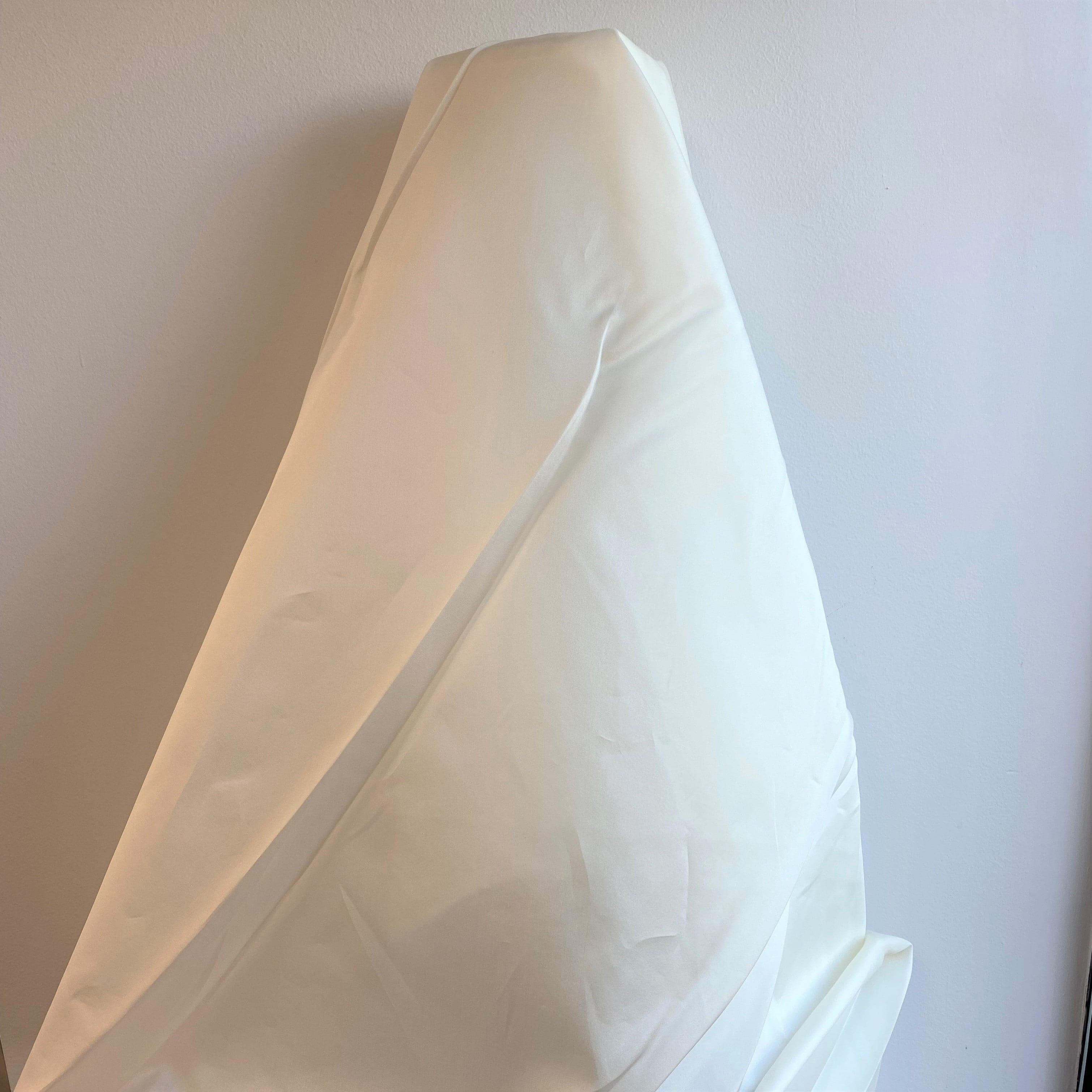
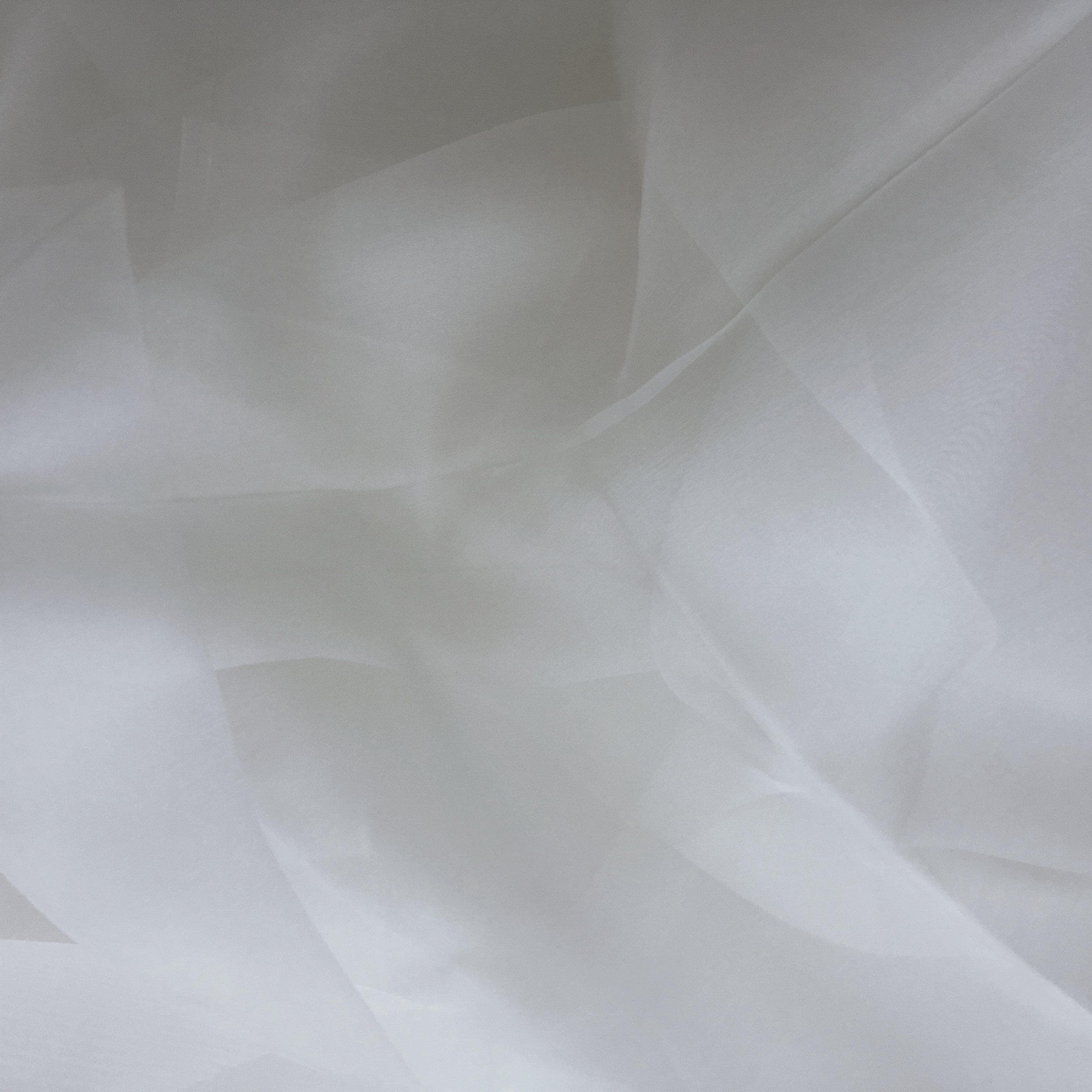
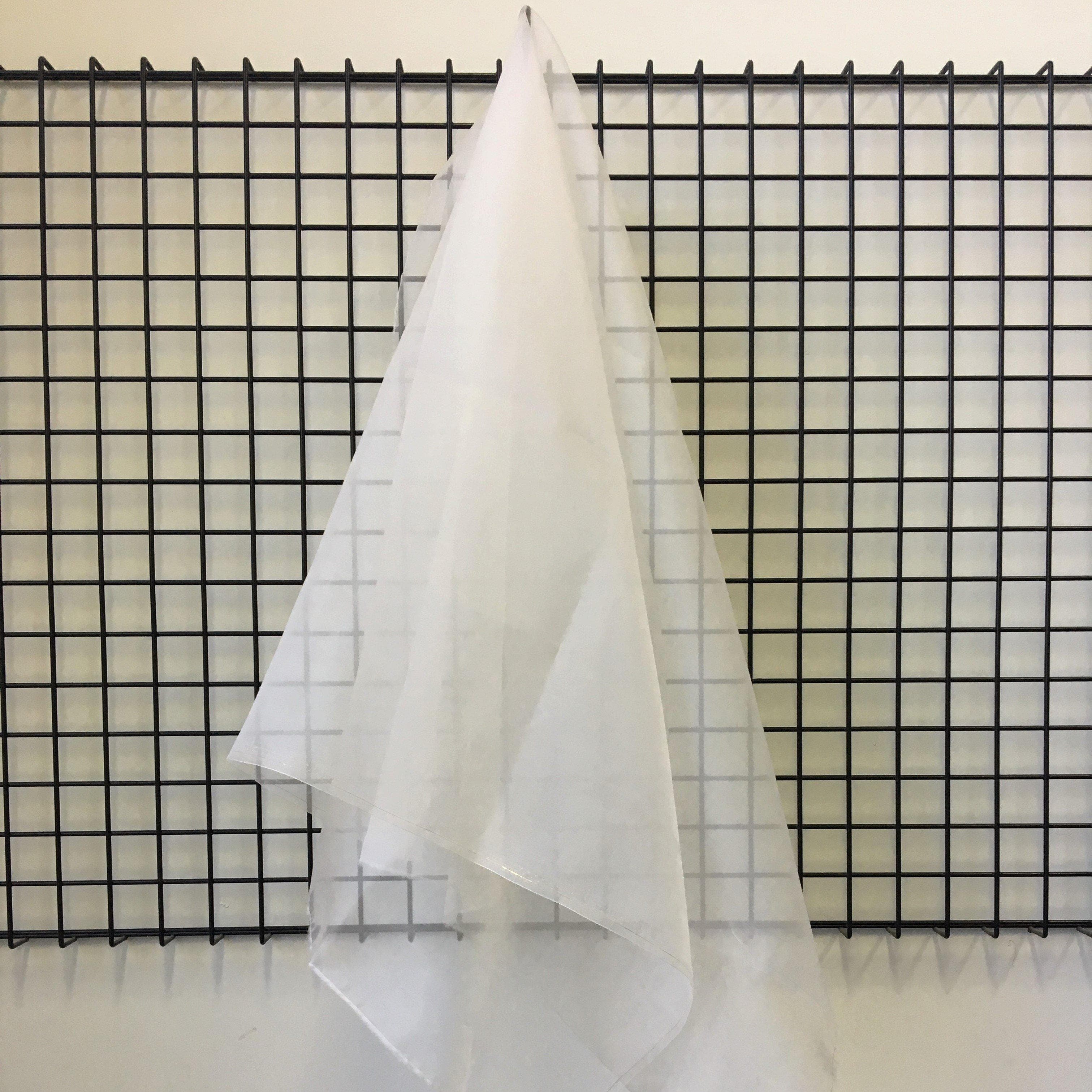
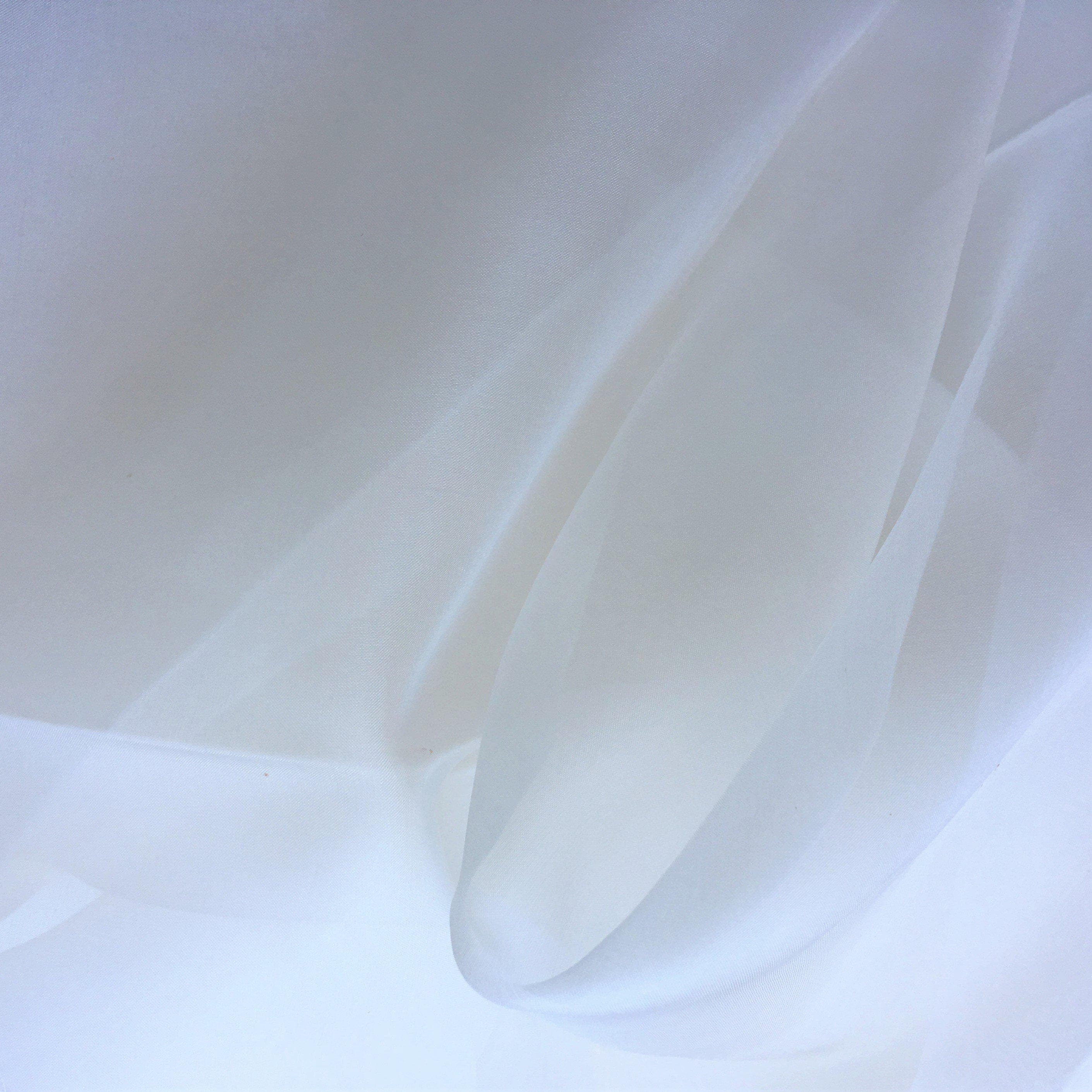
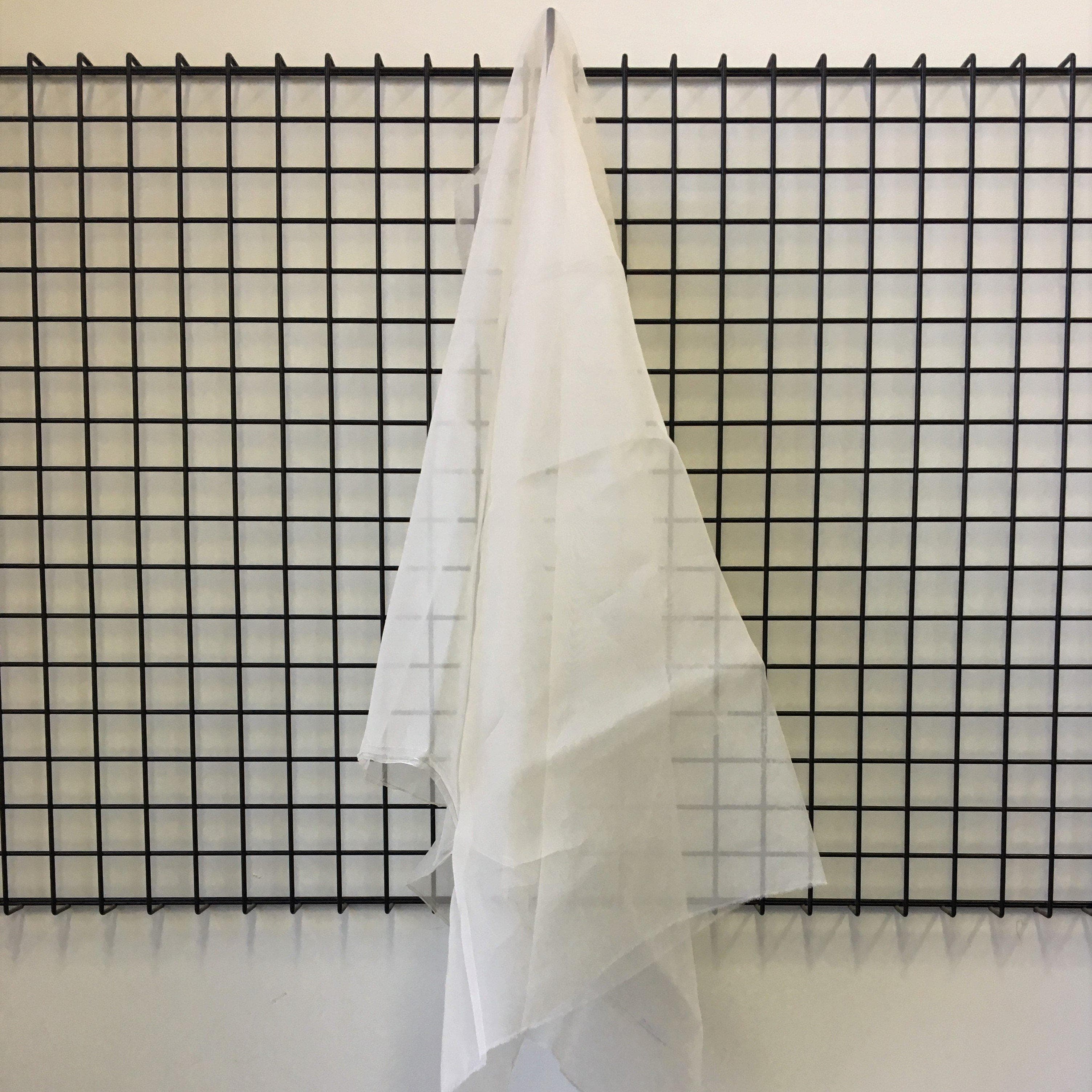
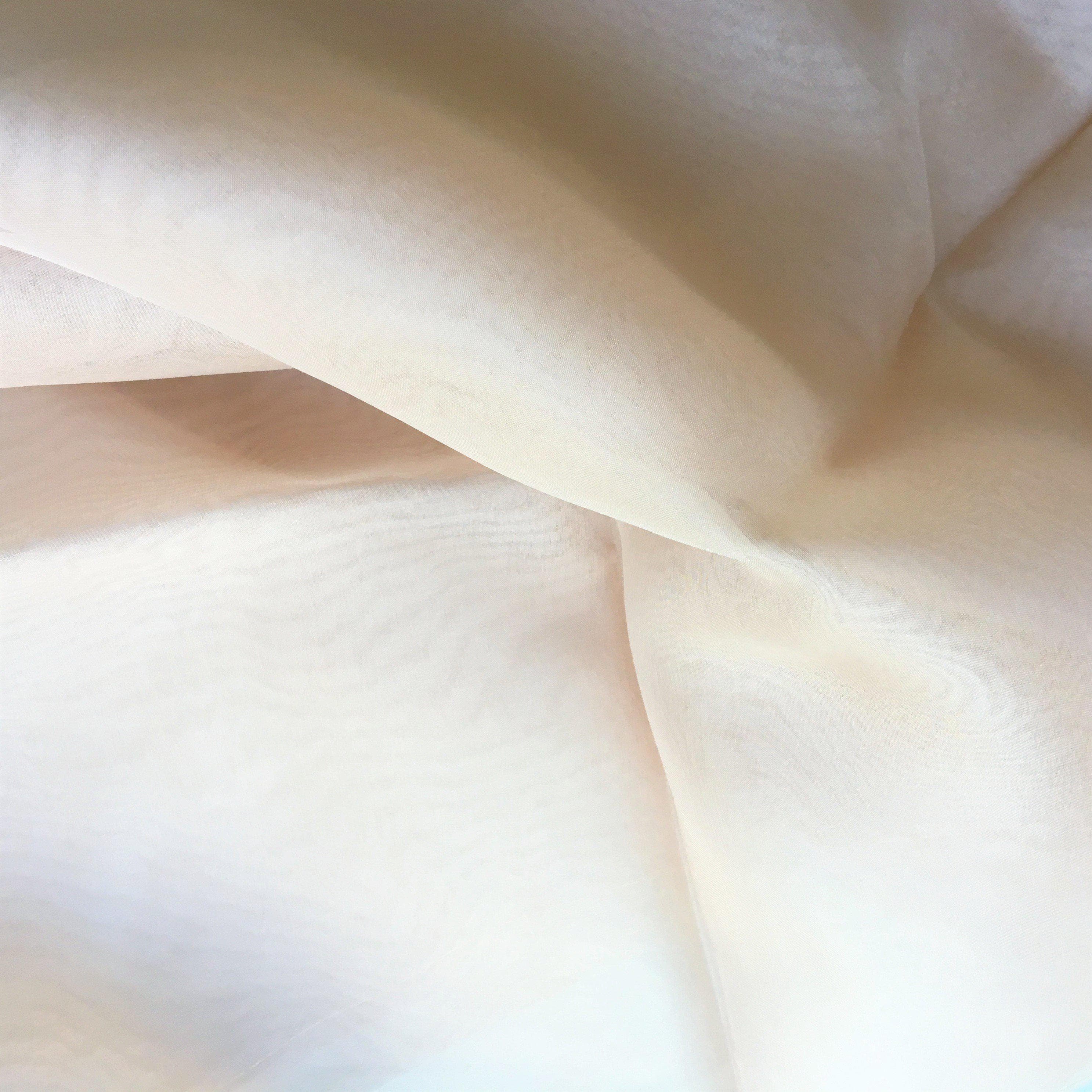
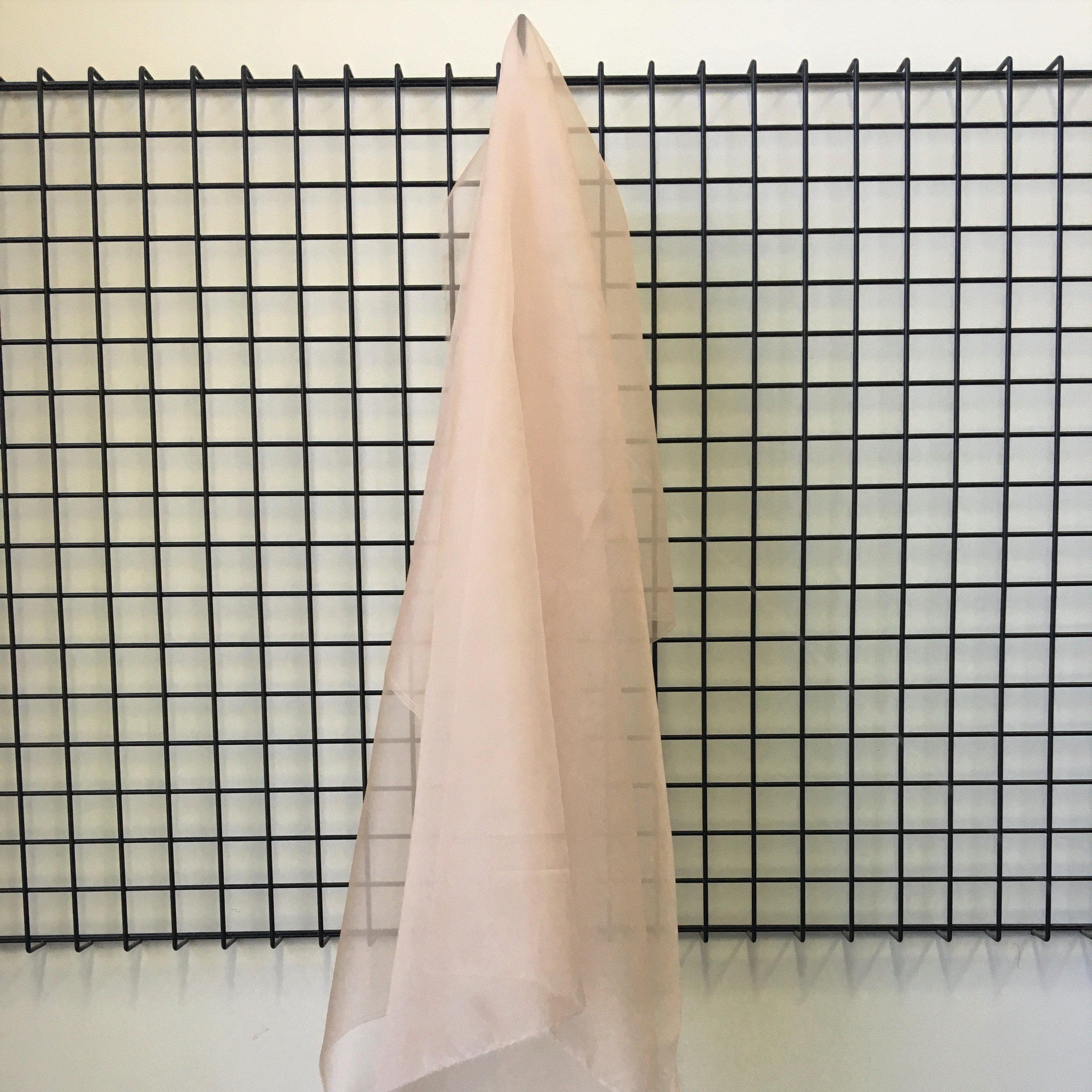
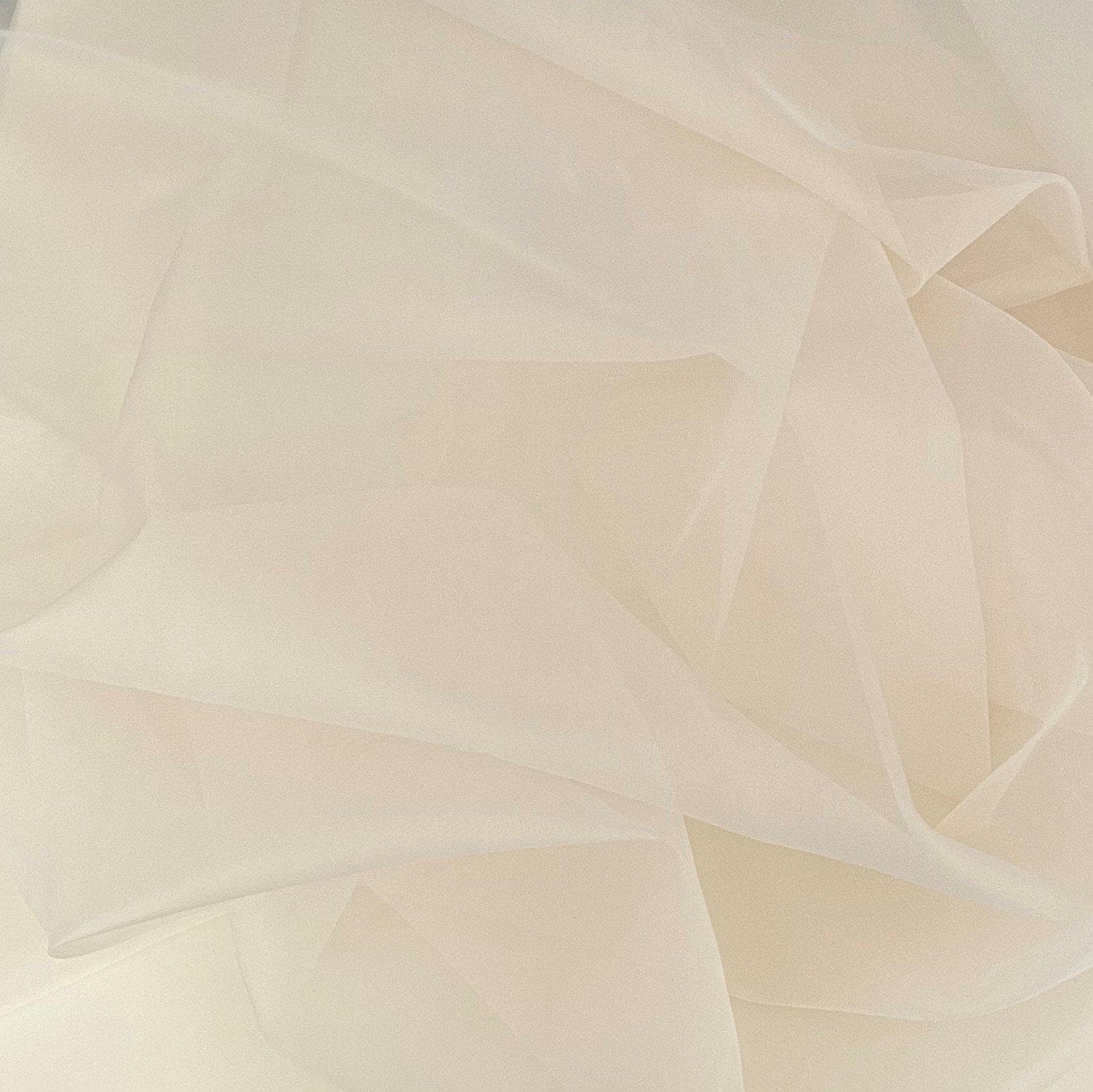
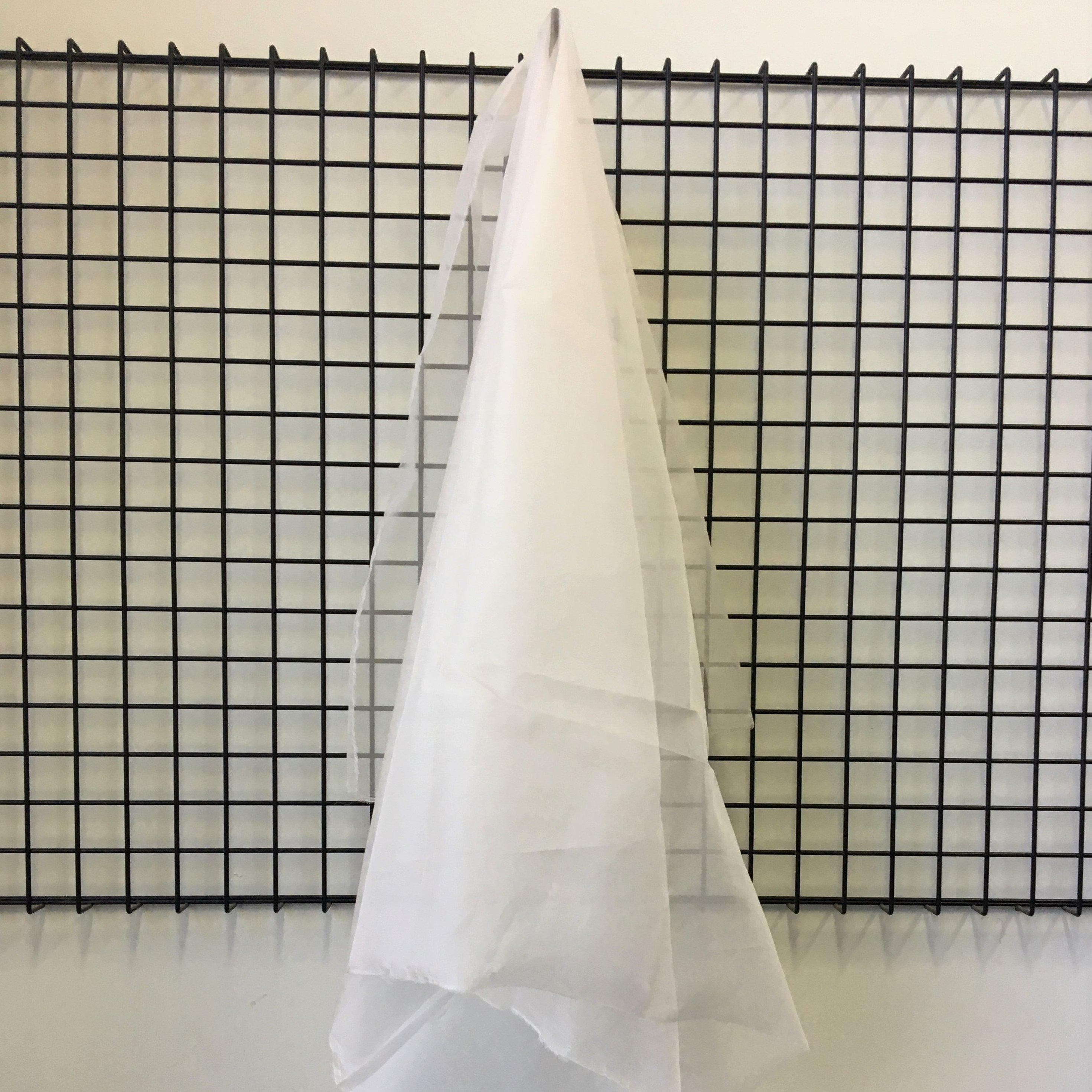
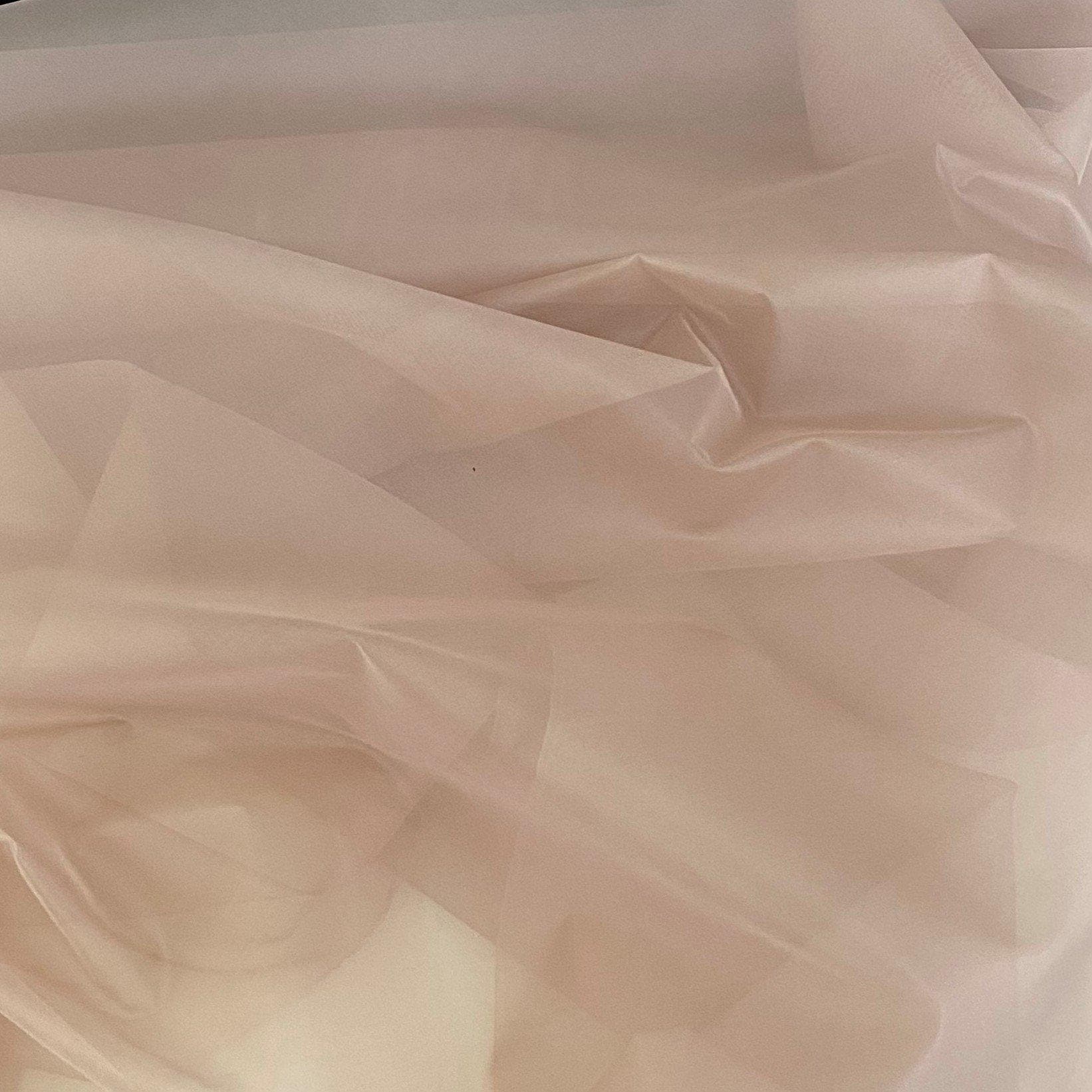
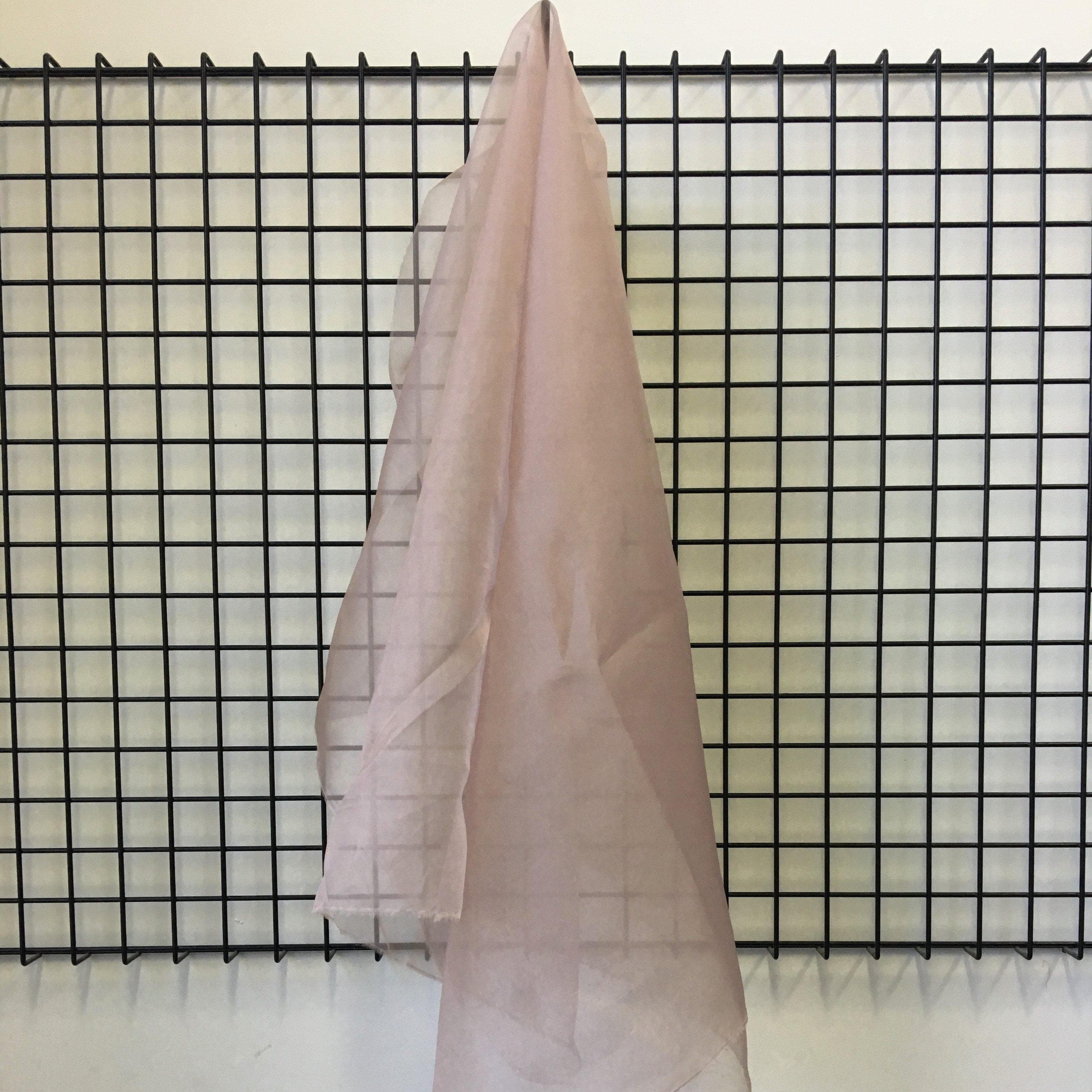
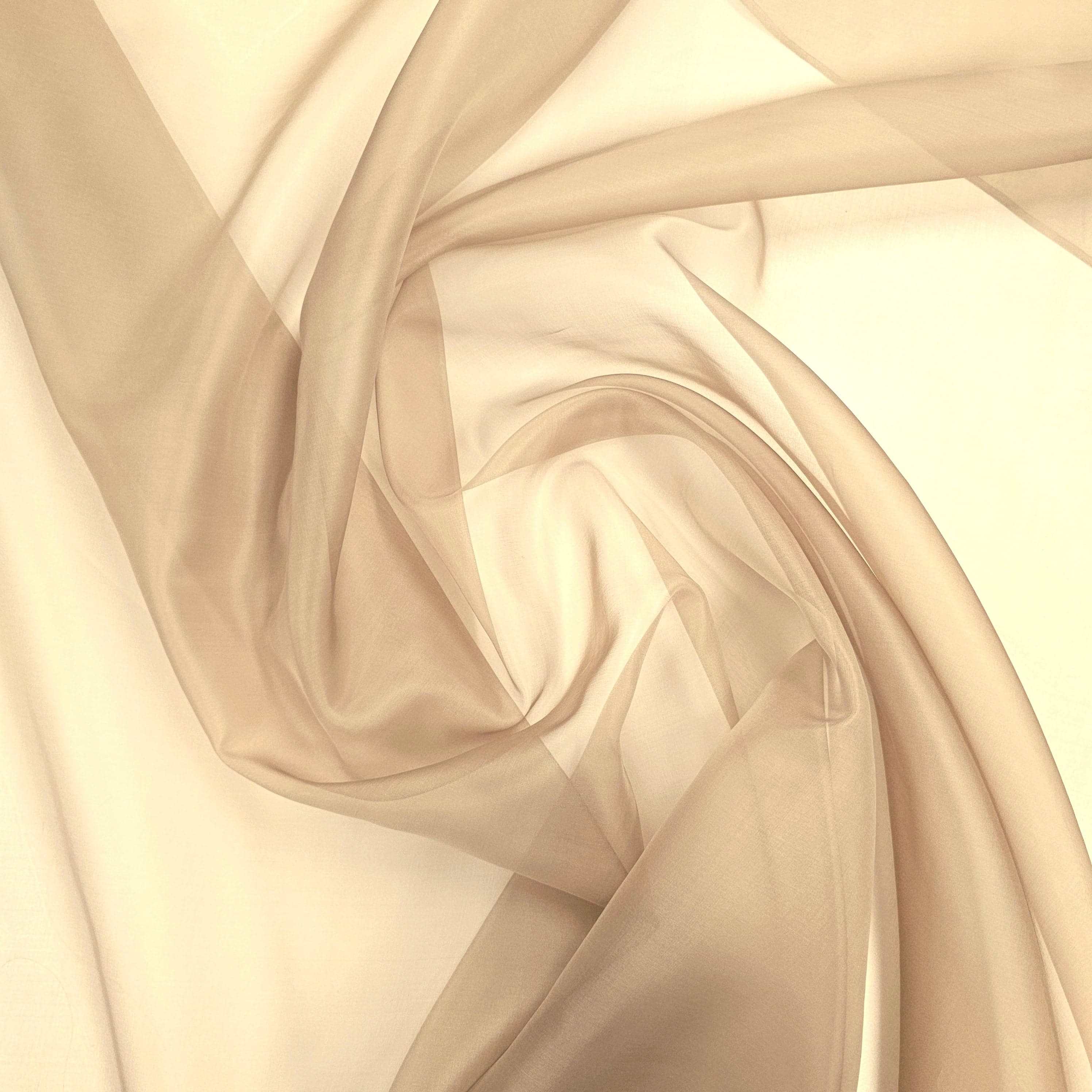
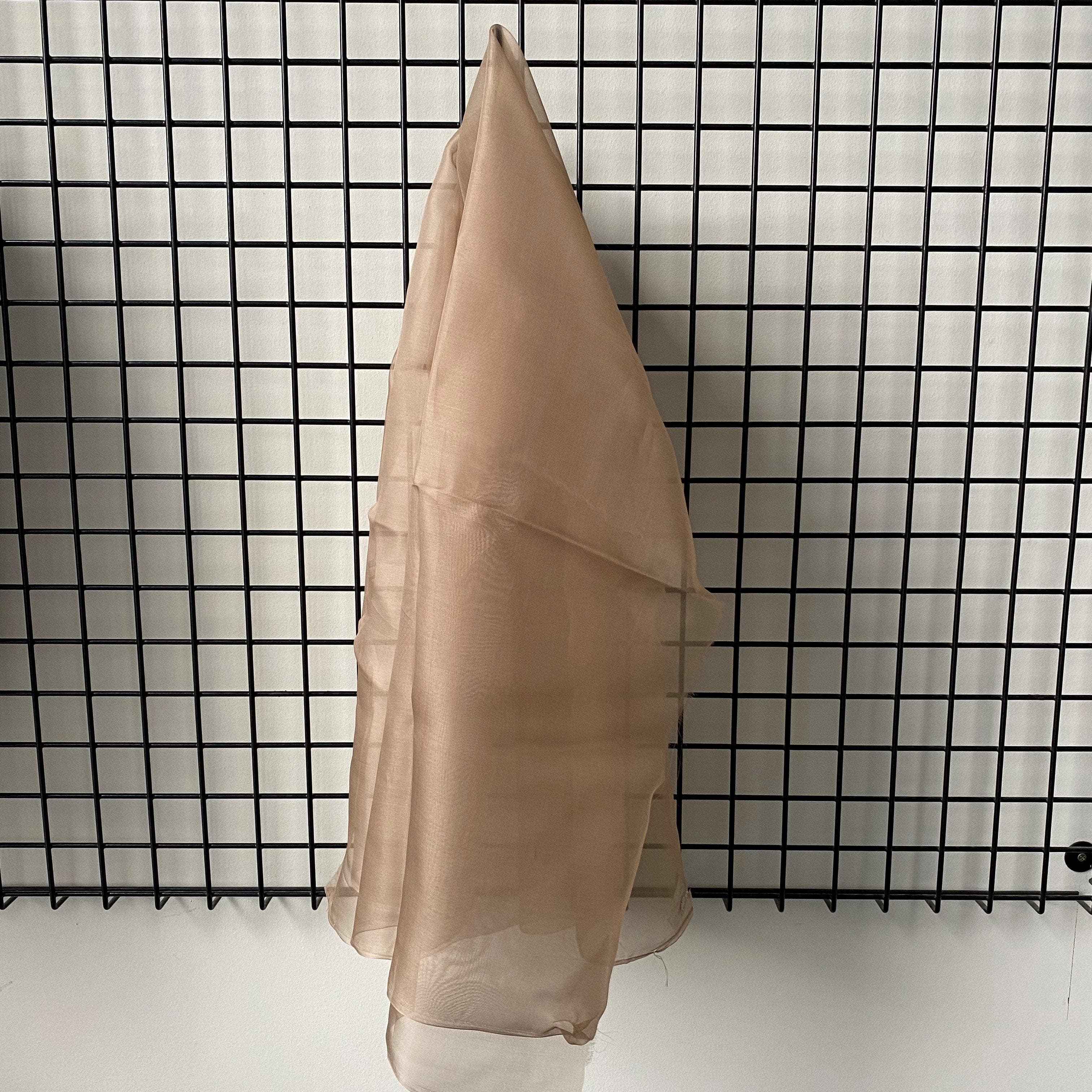
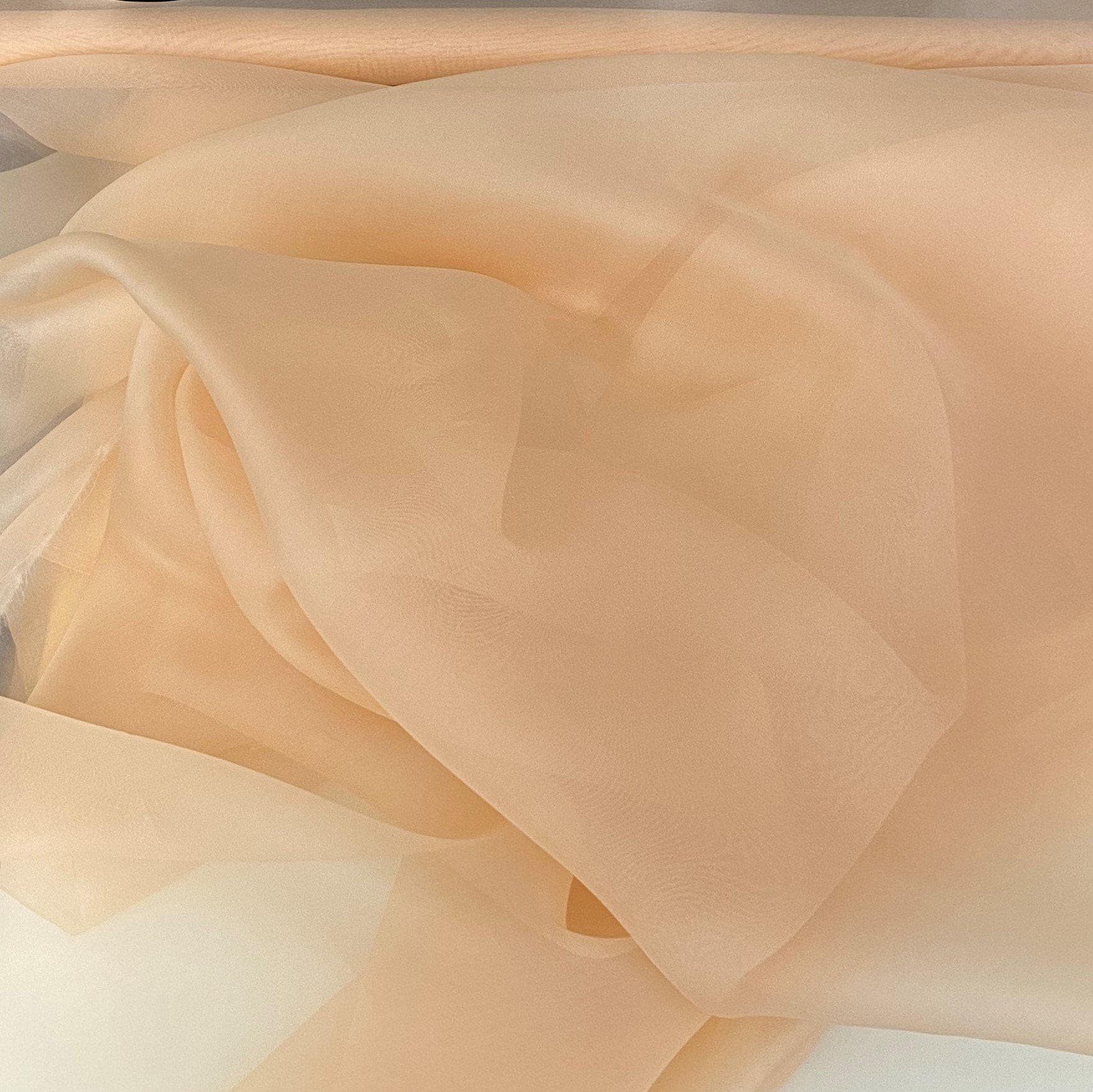
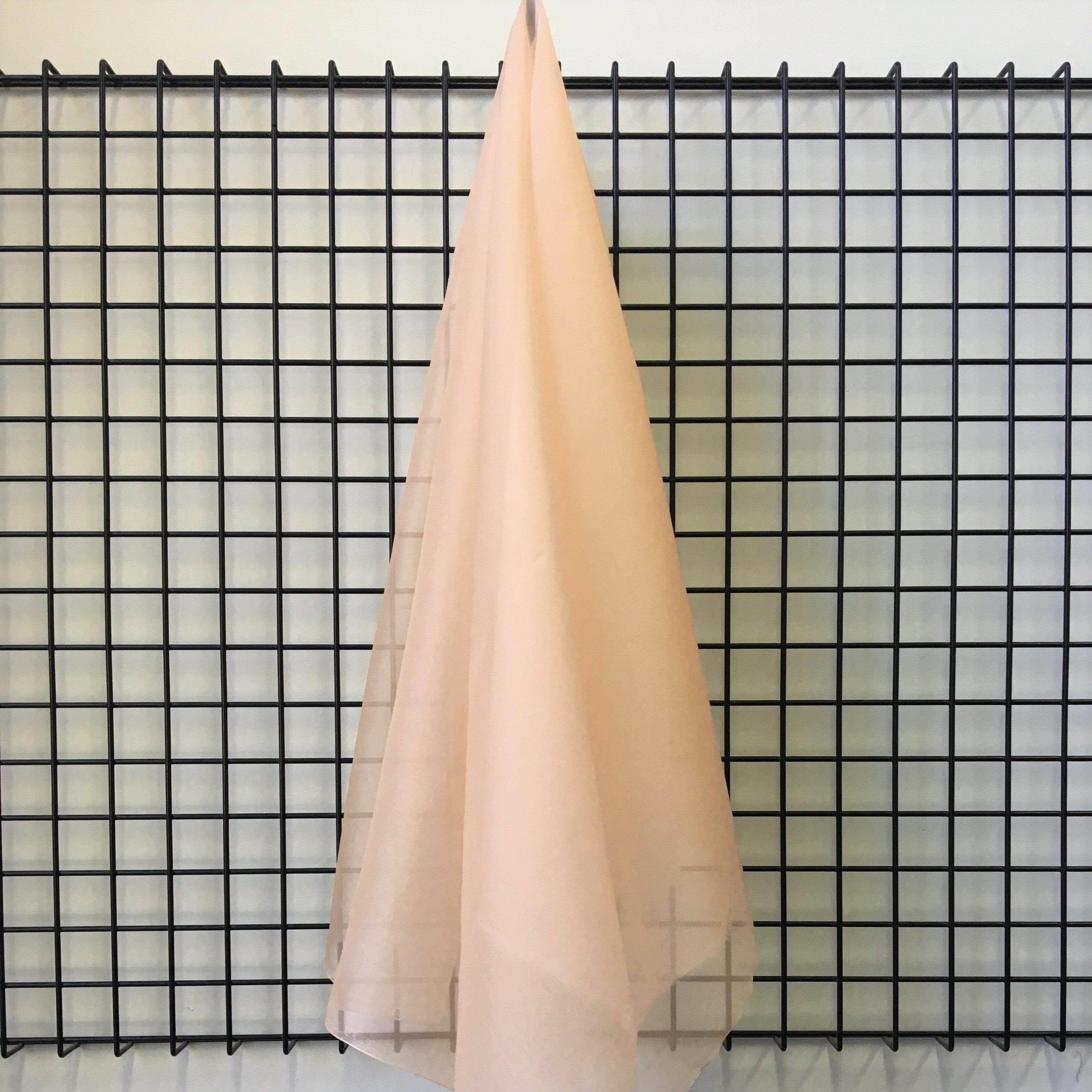
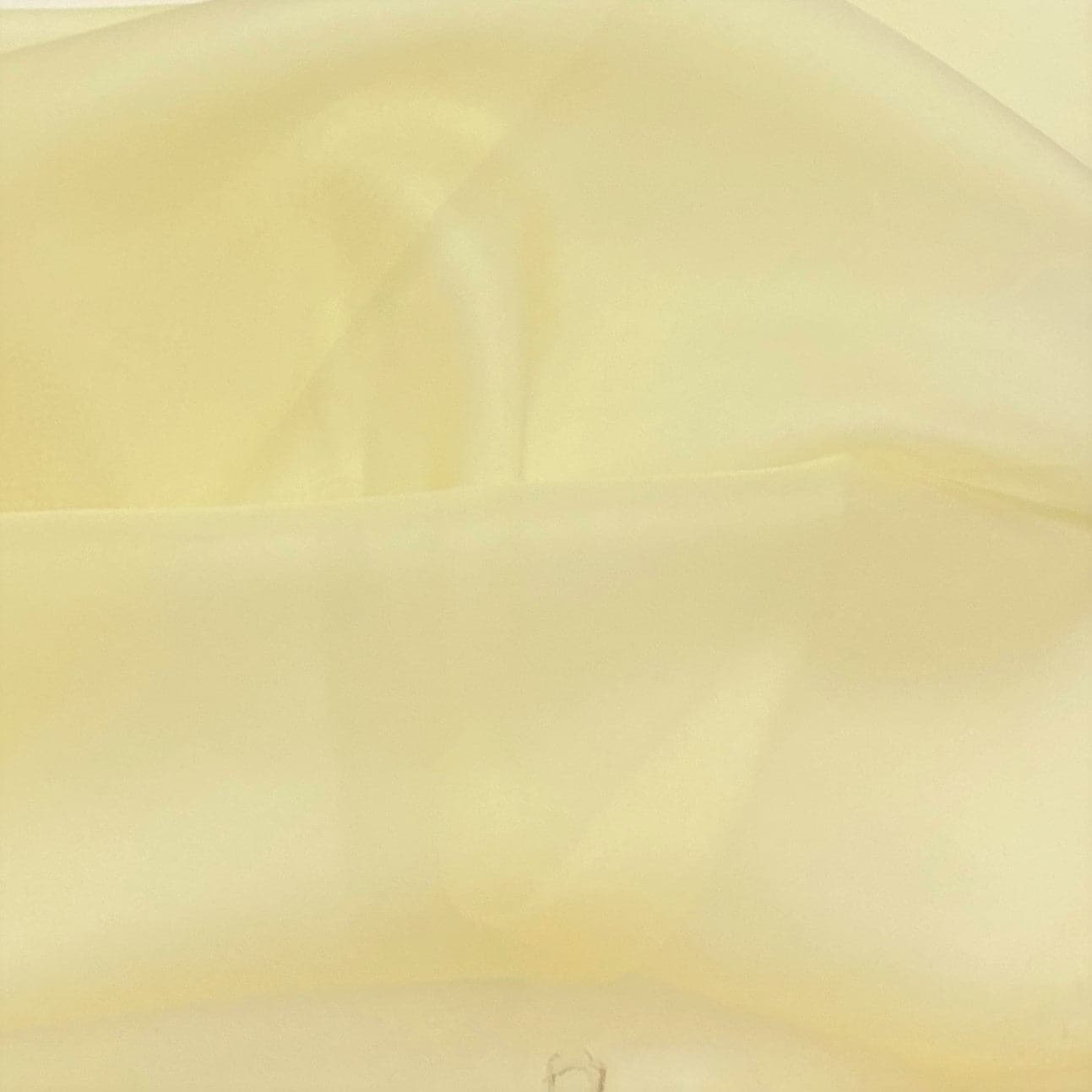
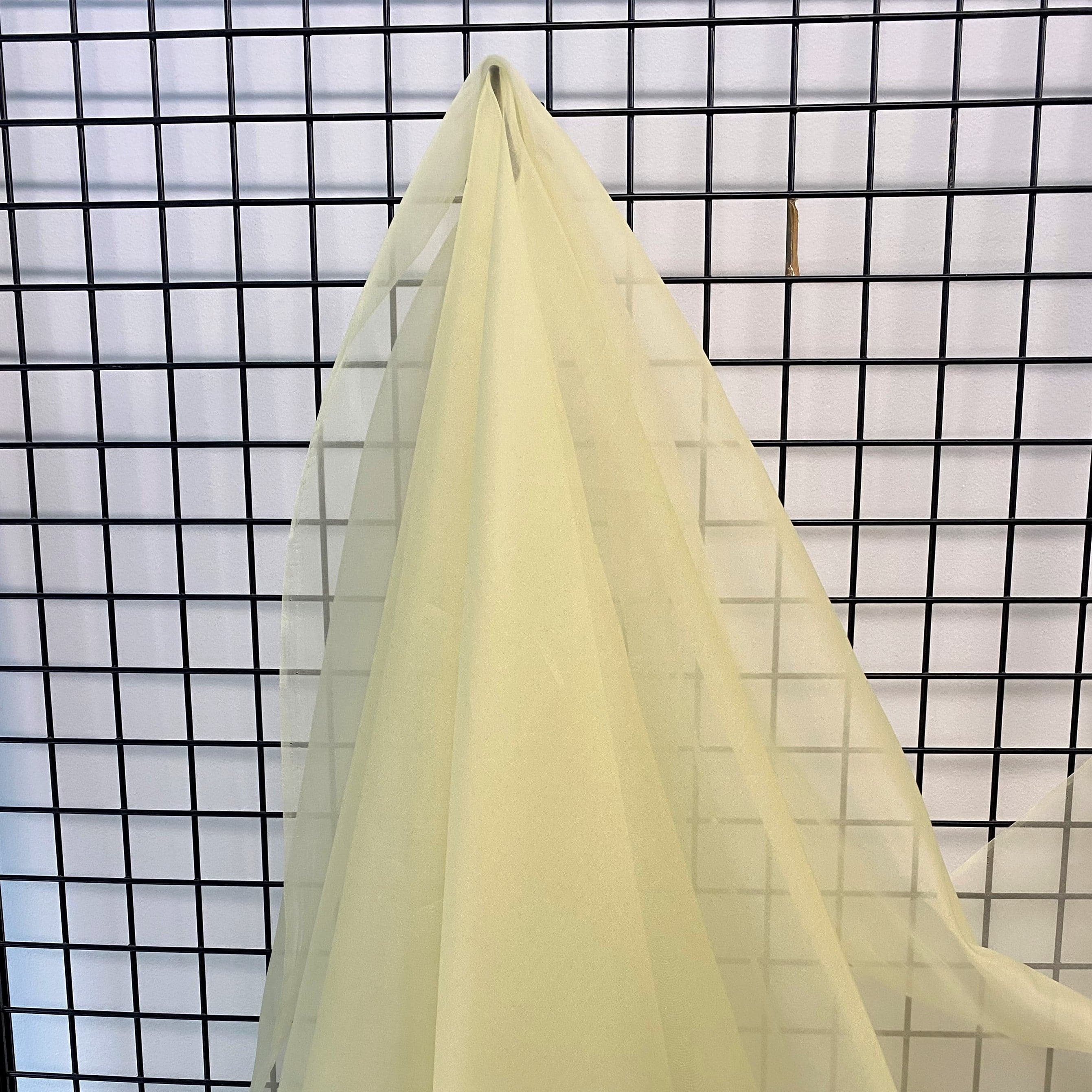
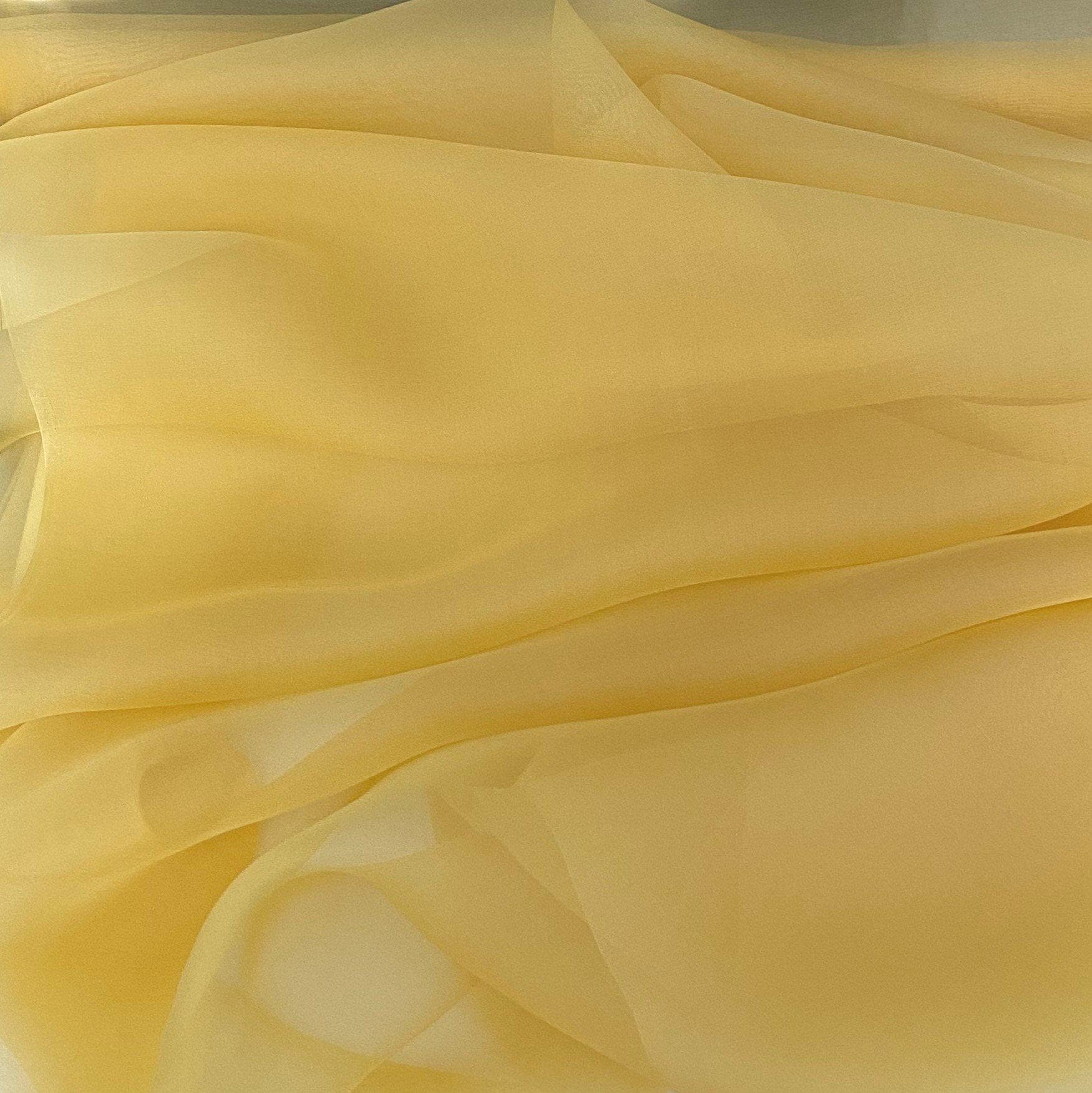
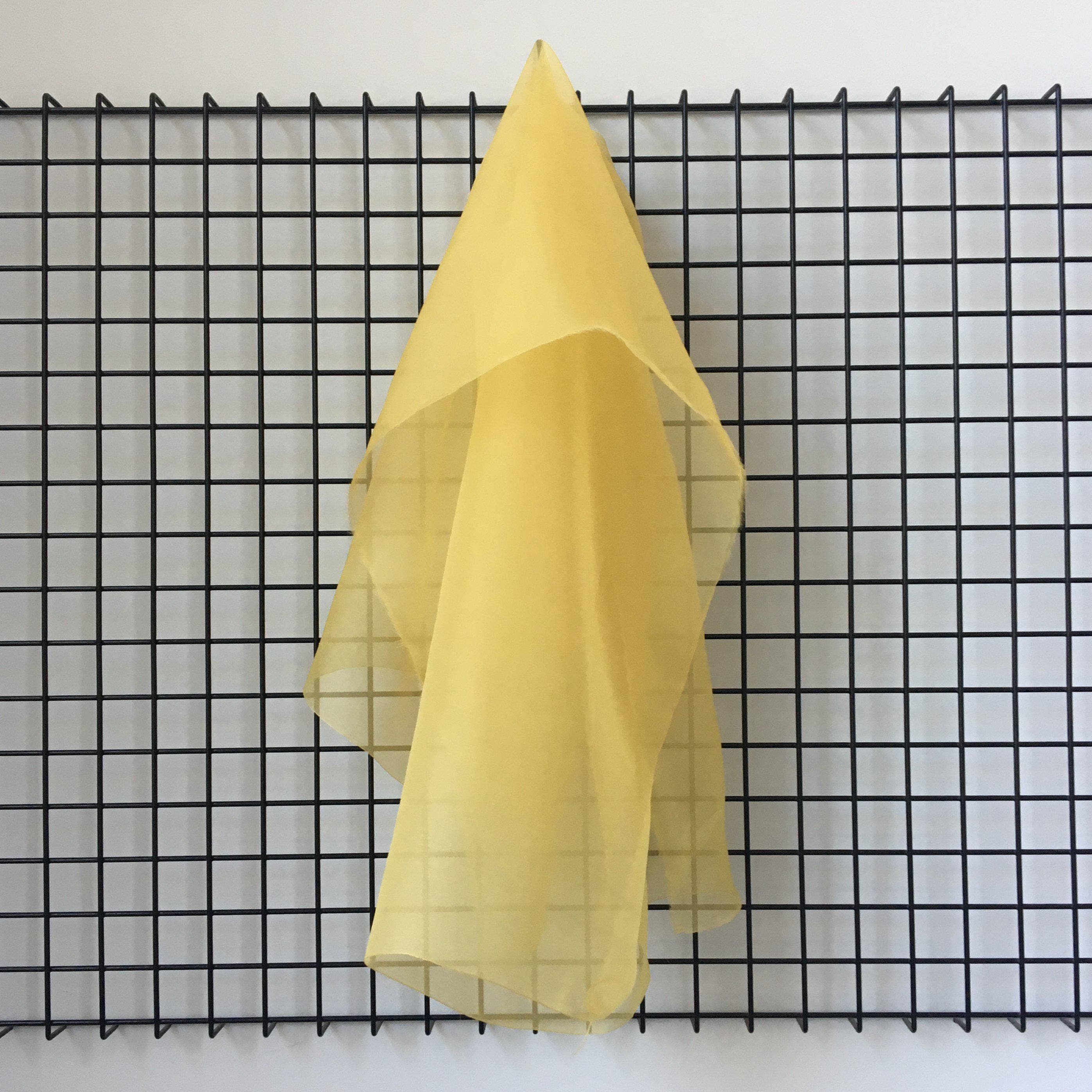
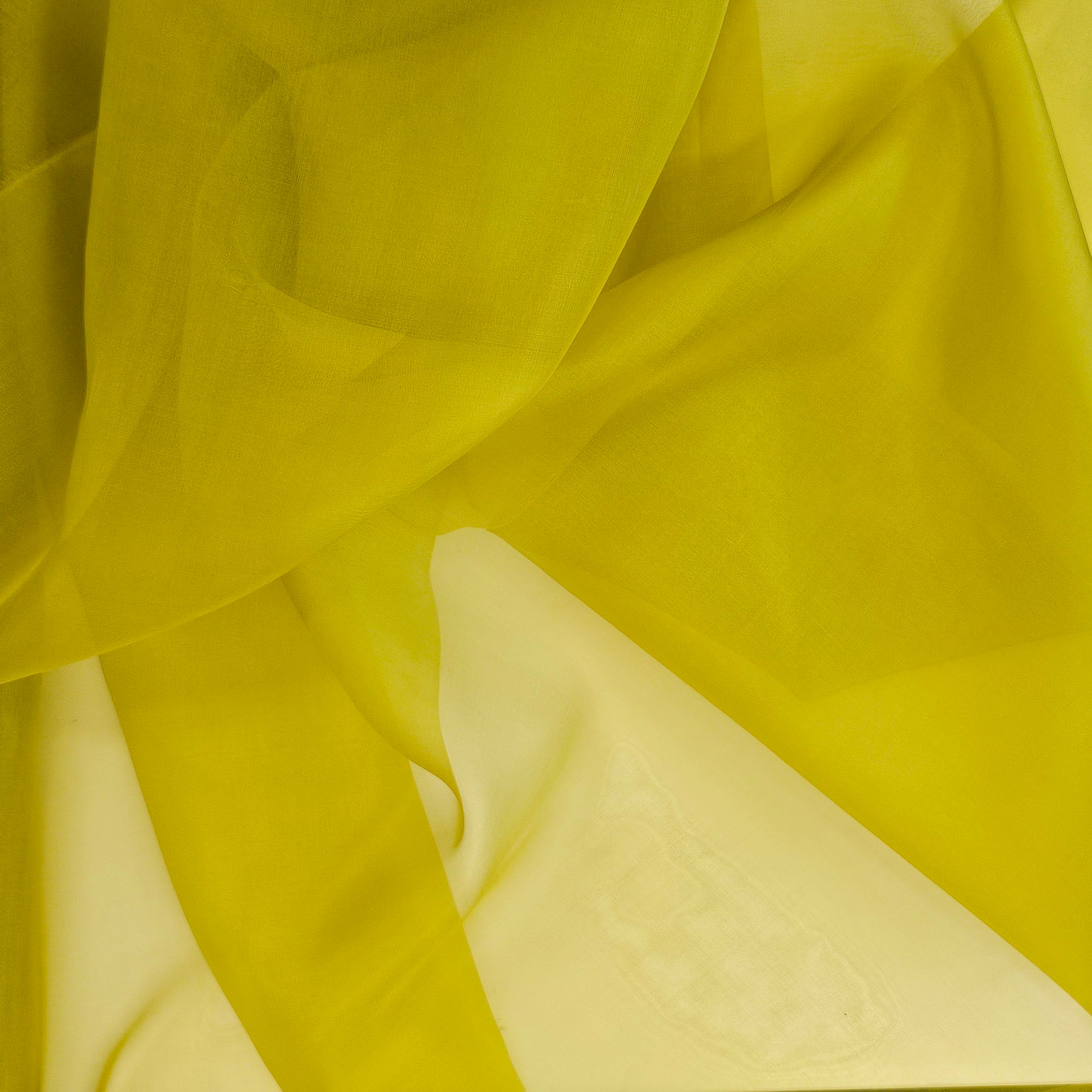
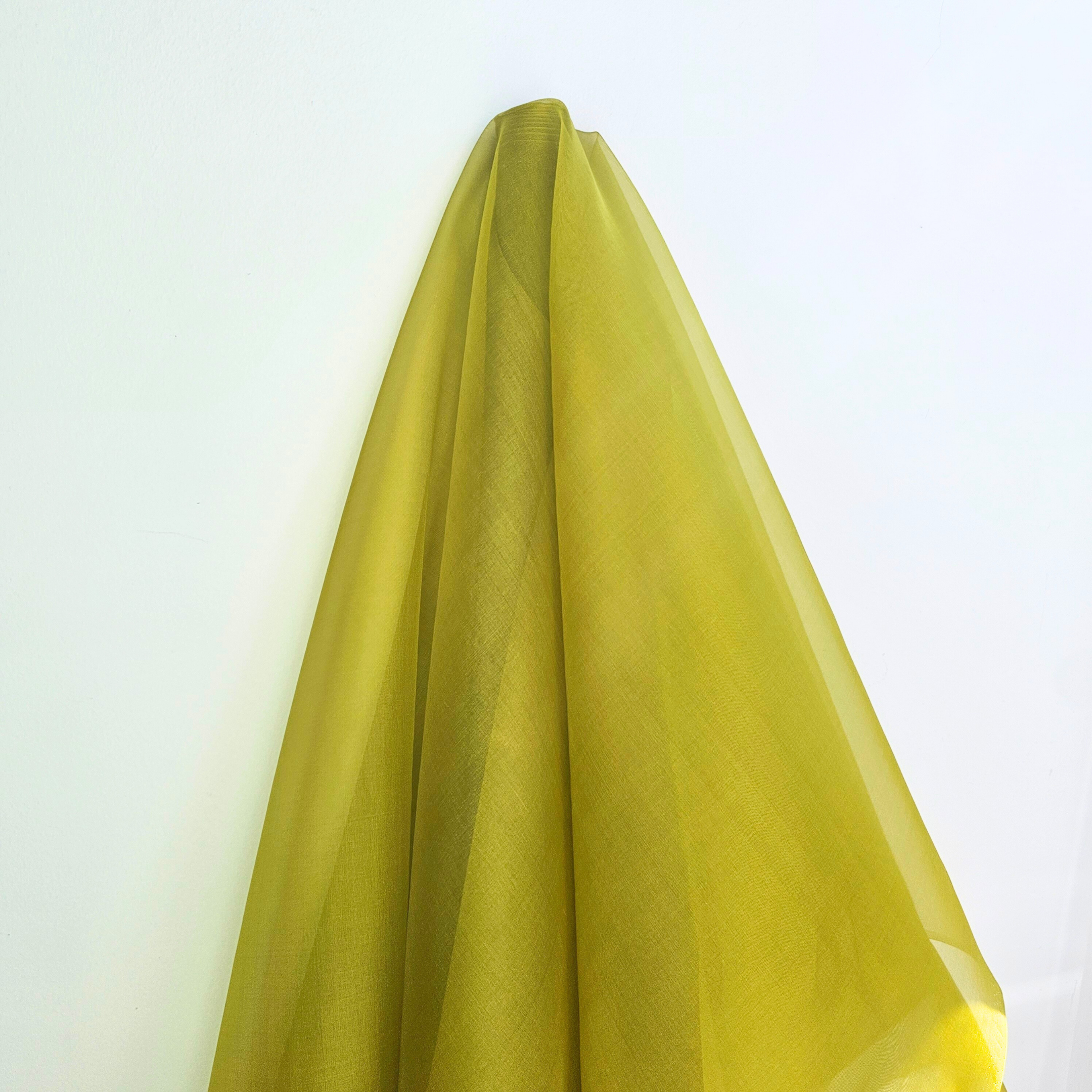
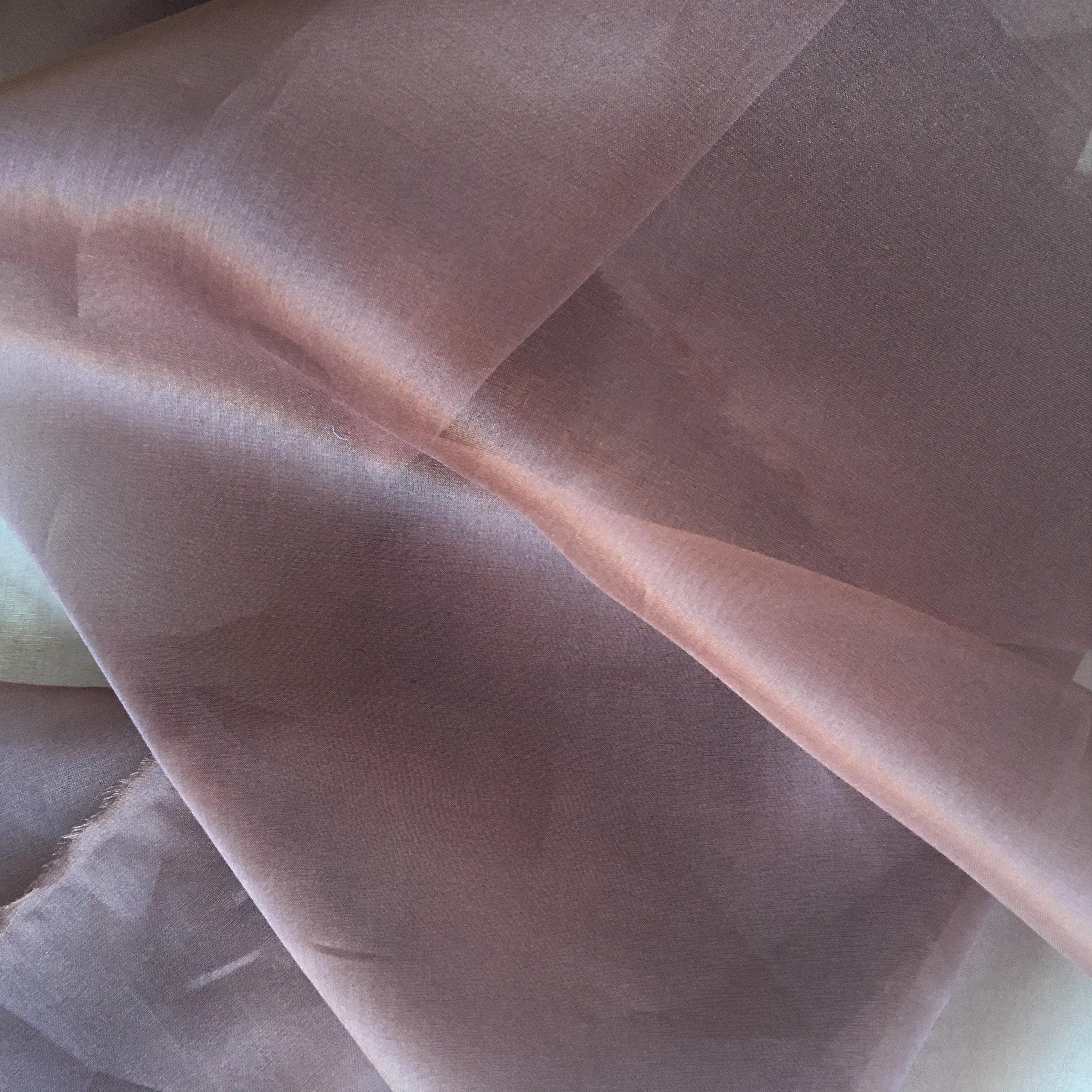
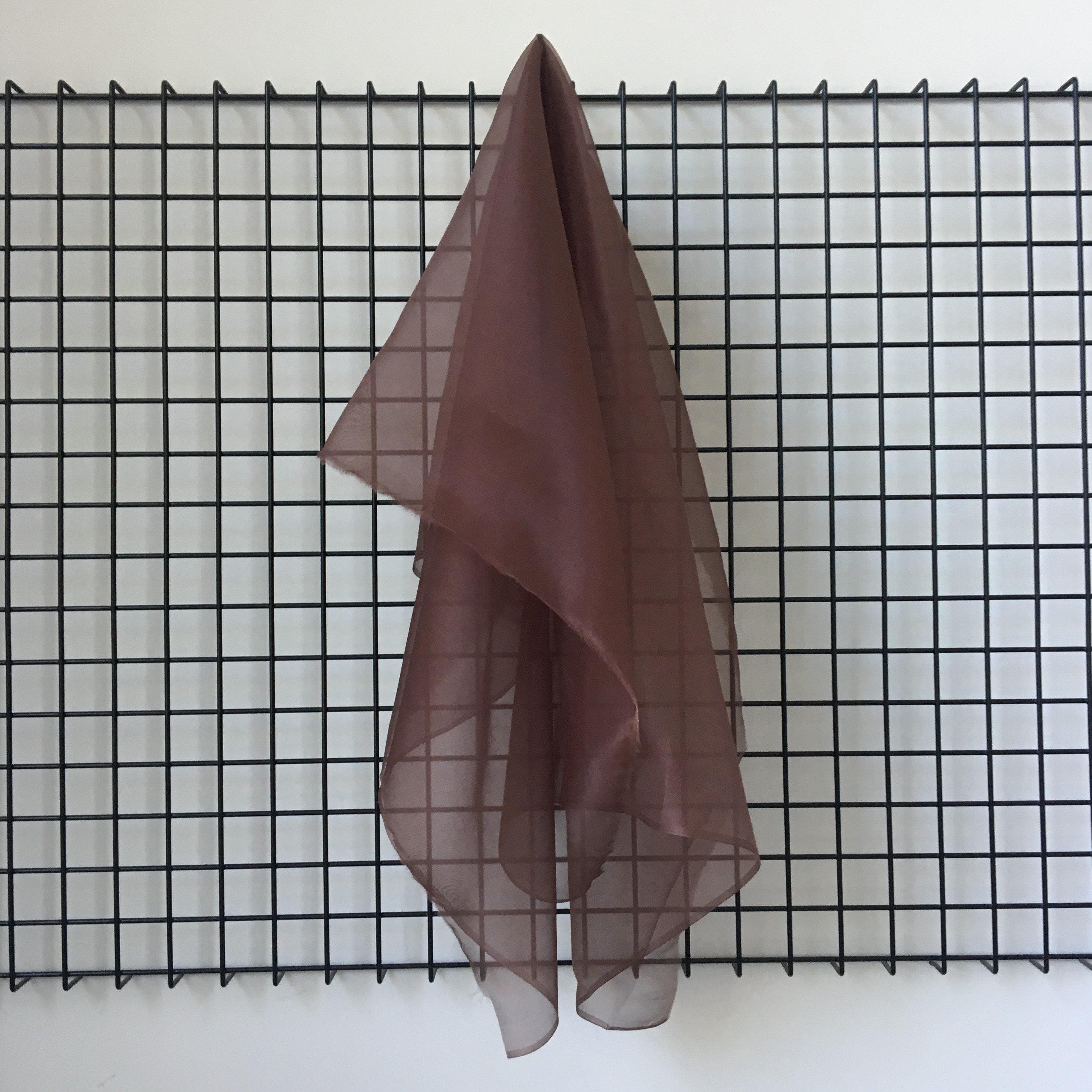
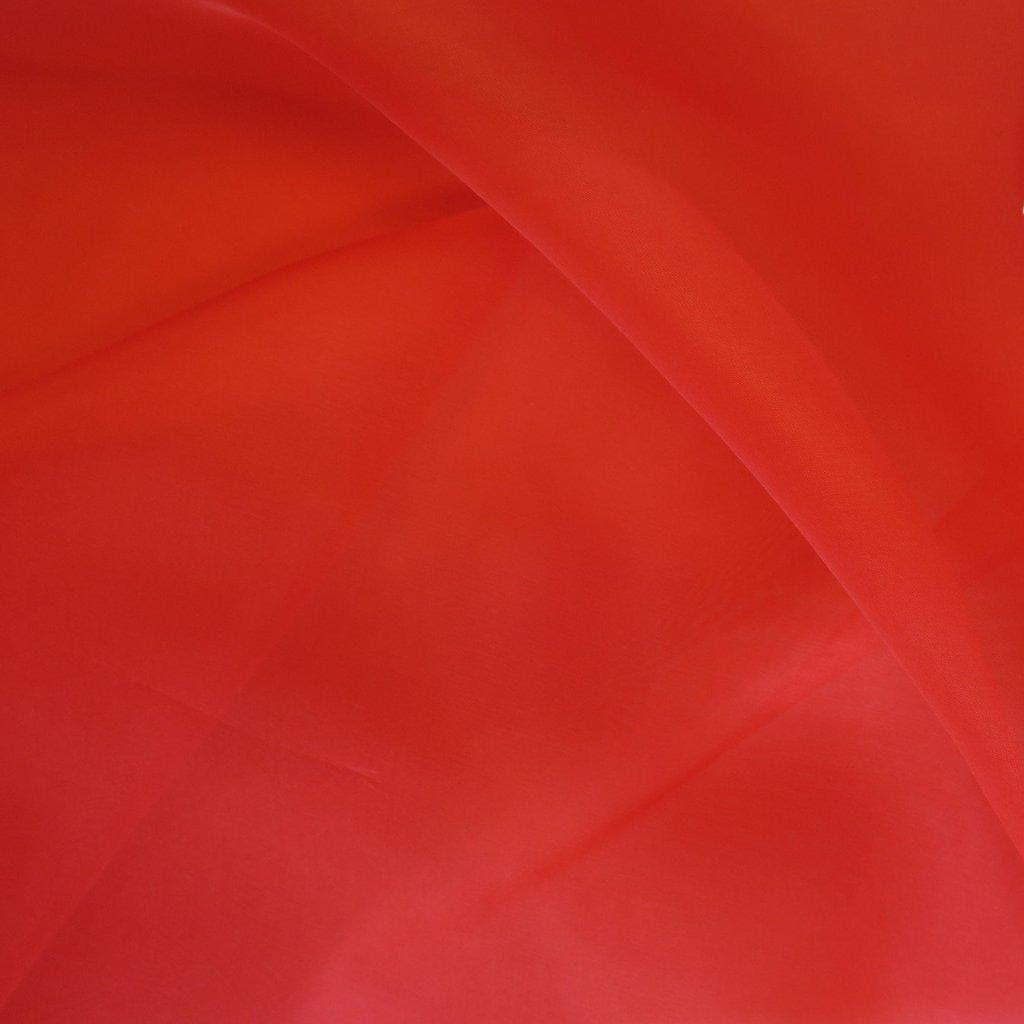
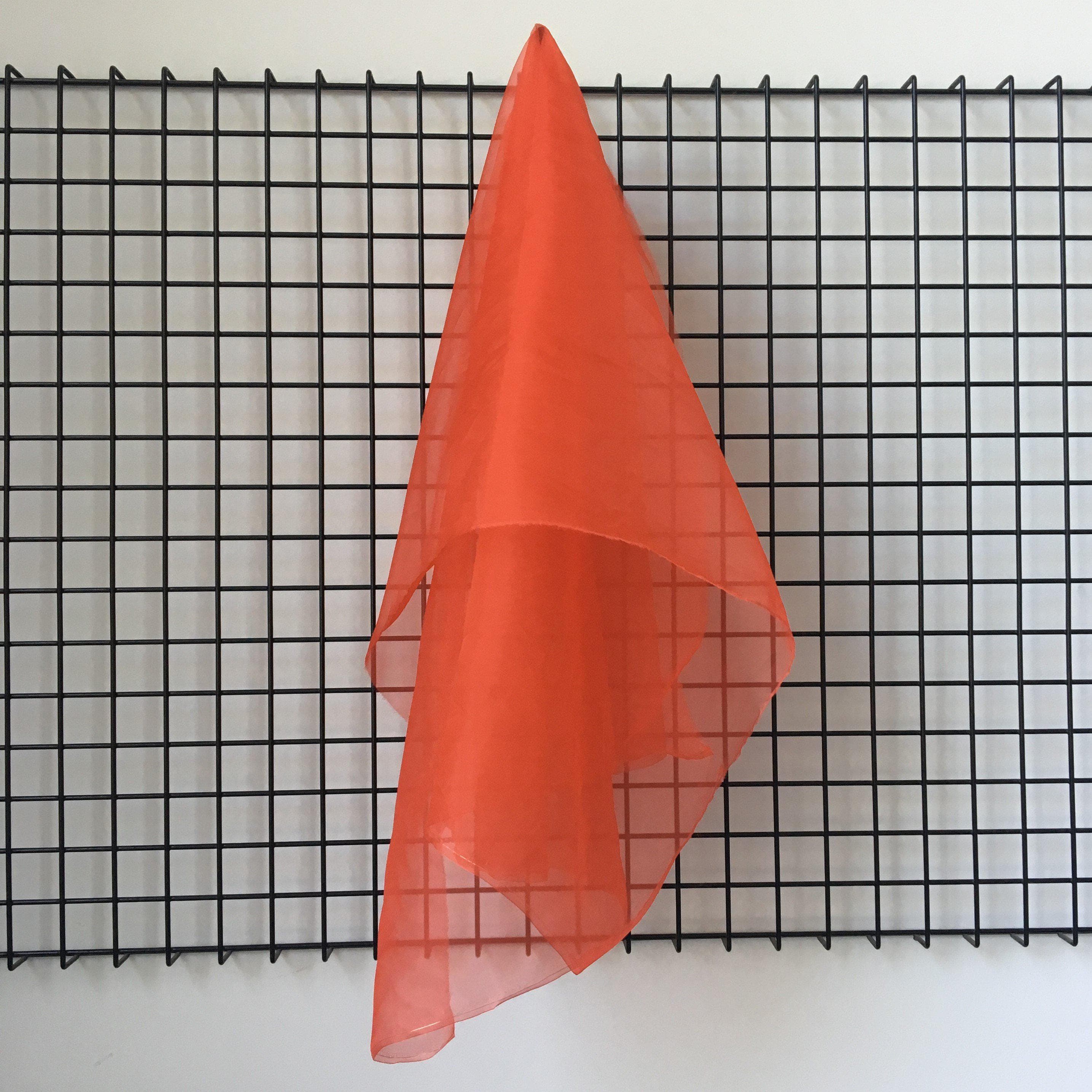
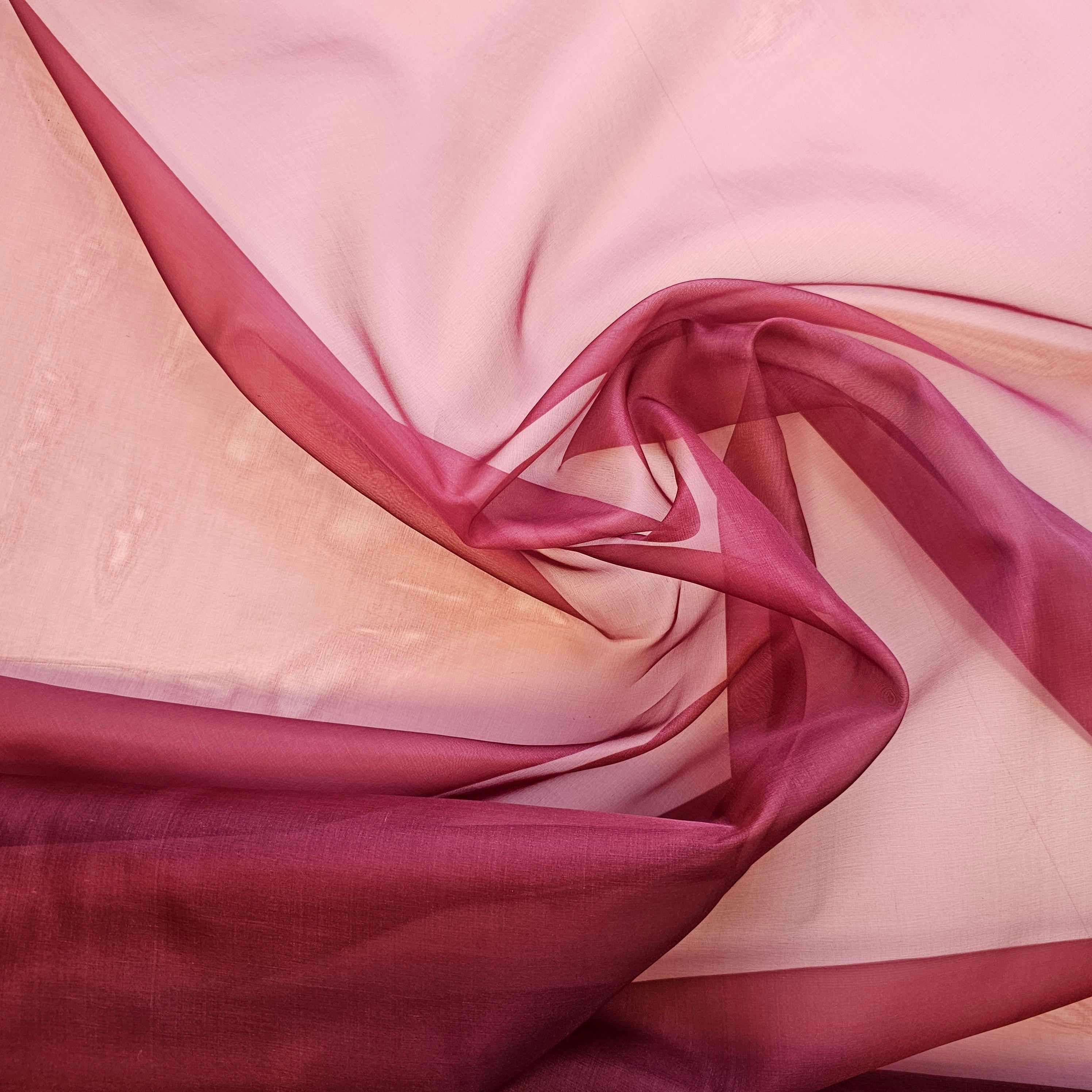
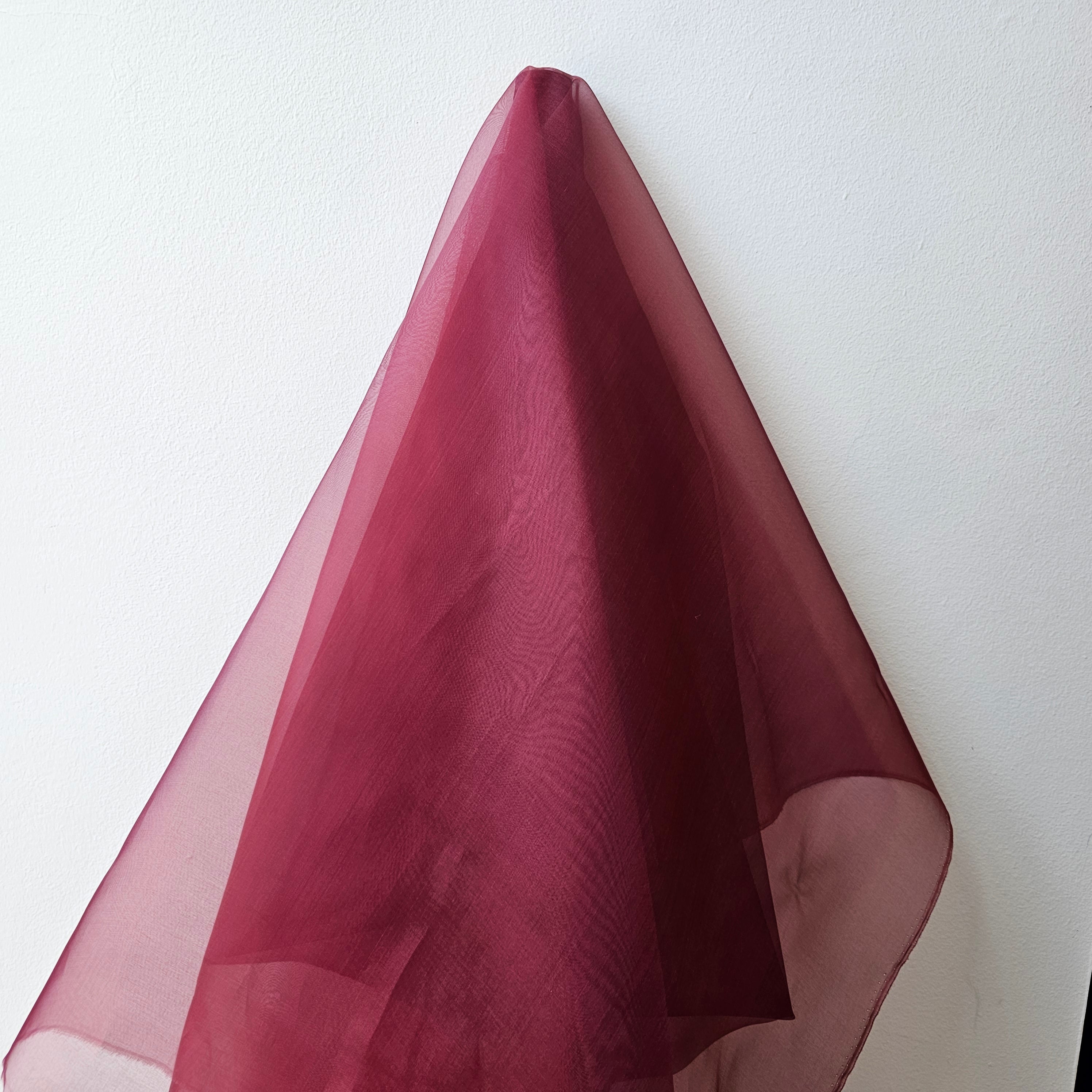
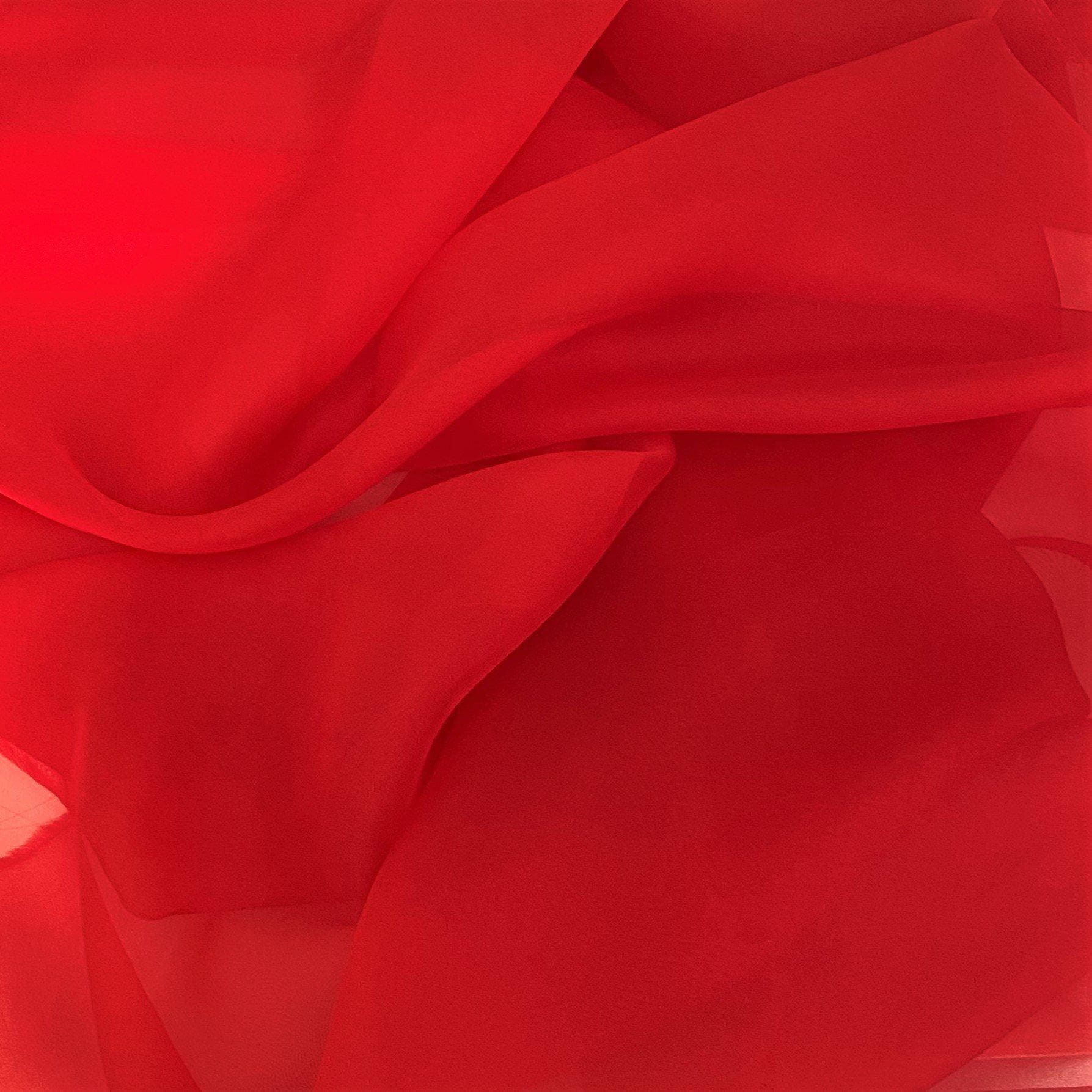
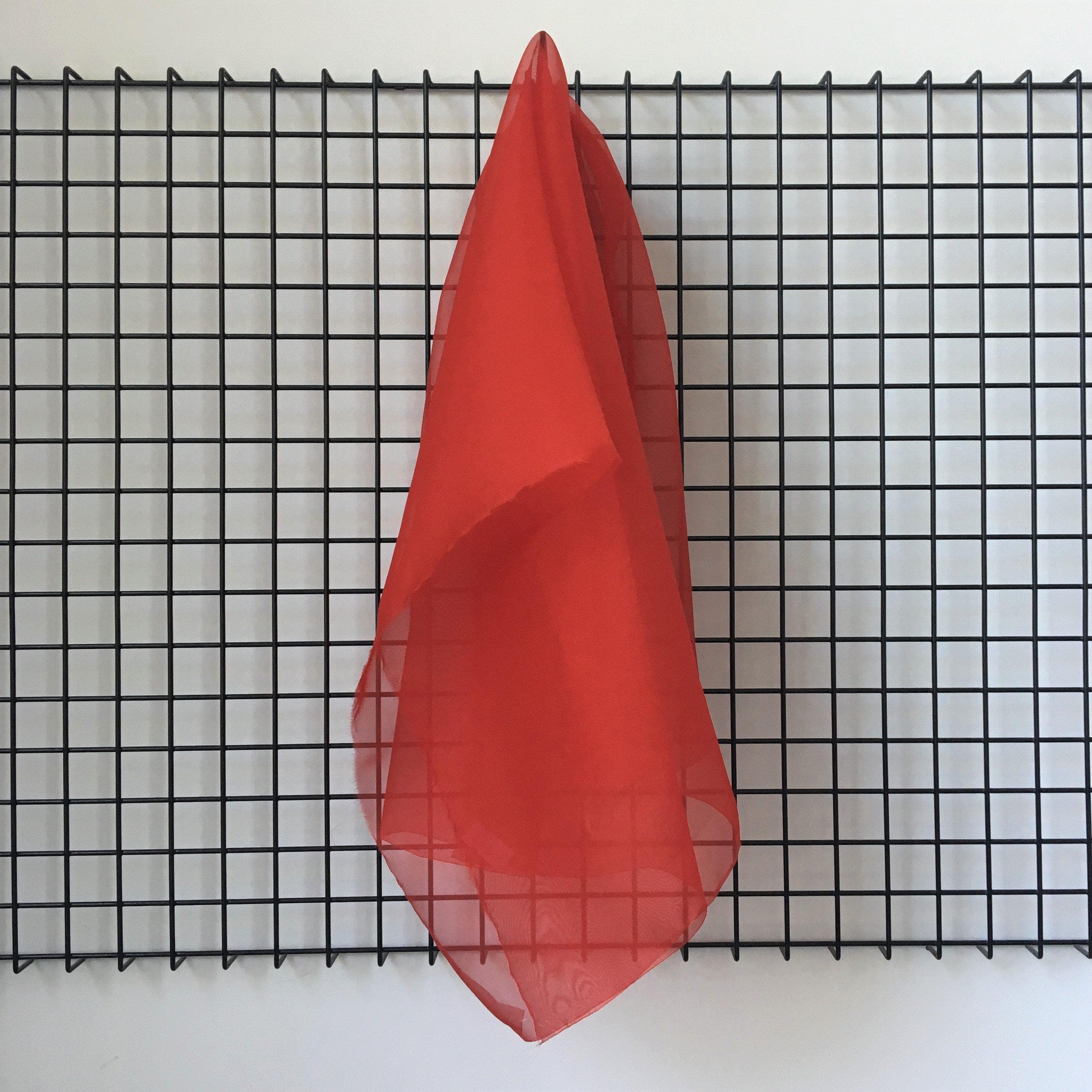
Crisp, sheer 100% silk organza that holds its shape. Use it for bridal overlays, structured sleeves and as a light underlining for silk and lace.
- 40 colours
- 100% Silk
- From $28.20 per metre
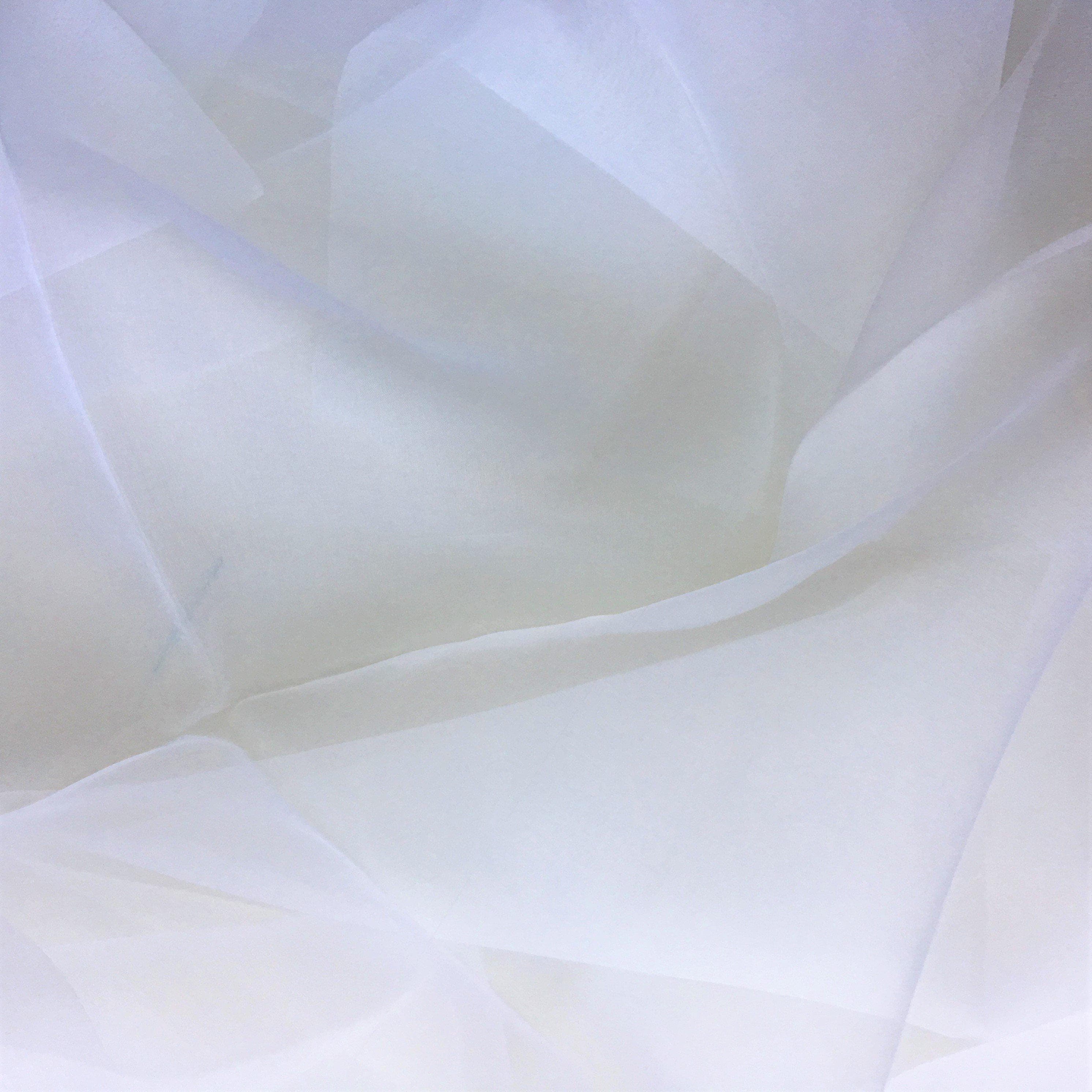
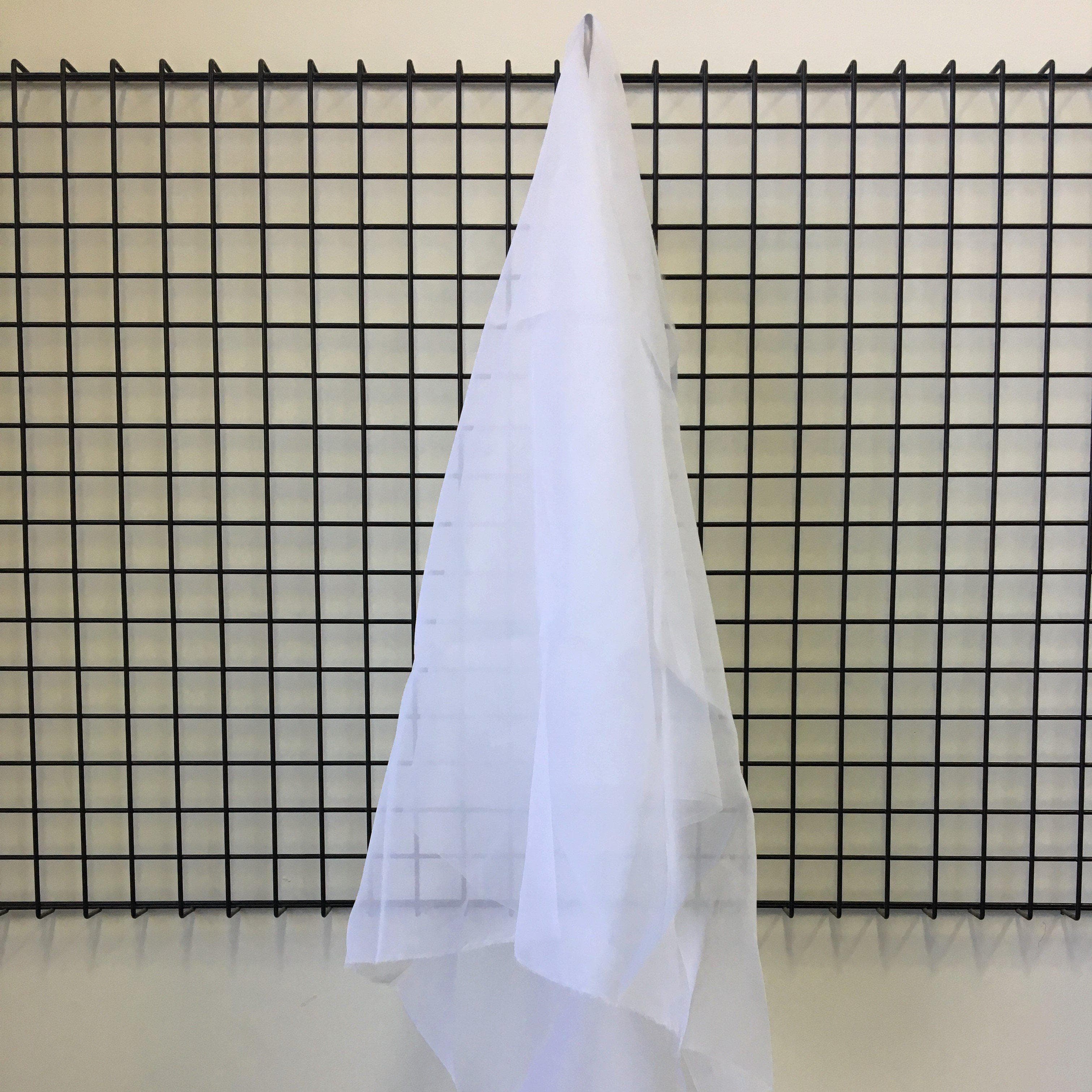






Guide
Silk Organza: Uses and How to Sew It
Why silk is worth it, how organza compares with georgette and chiffon, what it's great for, and easy tips for sewing it at home.
Why silk organza?
Polyester organza looks similar on the roll, but silk is a different fabric to wear and to sew.
- It breathes. Silk is a natural fibre, so it's comfortable against the skin and doesn't trap heat the way polyester does.
- A softer, richer glow. Silk has a gentle natural sheen, not the hard shine of synthetics, and colours look deep and clear.
- Crisp but light. It holds its shape with very little weight, so skirts and sleeves keep their volume without dragging.
- It presses beautifully. Silk takes a crisp press and holds a fold. Polyester tends to spring back, and can melt under a hot iron.
- It lasts. Looked after well, silk keeps its colour and character for years: worth it for a dress you'll keep.
Certified silk. Our plain silk organza is 100% pure mulberry silk, certified to two independent standards:
- GOTS (Global Organic Textile Standard): the silk is organic, and traced from the farm to the finished cloth.
- OEKO-TEX Standard 100: tested for harmful substances, so it's safe against the skin.
Organza, georgette or chiffon?
These are our three lightweight sheer silks. They're all 100% silk and 137 cm wide, but each one feels and falls quite differently.
| Silk organza | Silk georgette | Silk satin chiffon | |
|---|---|---|---|
| Feel | Crisp, holds its shape | Springy, with a soft grainy texture | Soft and silky, with a gentle shine |
| How sheer | Sheer | Semi-sheer | Semi-sheer |
| How it hangs | Stands away from the body | Flows and moves | Falls softly against the body |
| Great for | Volume, puffy sleeves, adding body | Floaty skirts, sleeves, blouses | Draped and gathered styles, soft layers |
| To sew | Easiest: it stays put | A little shifty | Trickiest: it's slippery |
| Weight | 5.5 momme | 10 momme | 6.5 momme |
New to sheer fabrics? Organza is the easiest of the three to start with.
Which organza?
| Fabric | Feel | Great for |
|---|---|---|
| Silk organza, 5.5 momme | Light and see-through | Overlays, sleeves, sheer layers |
| Satin organza, 12 momme | Shinier, with more body | Skirts and bodices |
| Satin organza, 16 momme | The fullest and firmest | Big skirts and bows |
| Crushed silk organza, 108 cm | Crisp and sheer, with a crinkled texture | Textured overlays, sleeves and skirts |
Plain or crushed silk organza?
Crushed silk organza is silk organza with a fine, all-over crushed texture. It's just as sheer and crisp, but the crinkles add texture, volume and movement.
| Silk organza | Crushed silk organza | |
|---|---|---|
| Surface | Smooth, with a low sheen | Fine, all-over crinkled texture |
| Width | 137 cm | 108 cm |
| Great for | Overlays, sleeves, underlining, pressing cloths | Textured overlays, sleeves and skirts |
| Pressing | Press flat, dry, through a cloth | Never press flat: seams only, dry, through a cloth |
- Cut it without pulling it flat: lay it out relaxed, so the pieces don't shrink back once the crinkles settle.
- Don't stretch it under the presser foot as you sew. Let the machine feed it through as it lies, and sew straight through and over the creases rather than smoothing them out ahead of the needle: this gives a clean, flat seam and finish.
- Use a medium stitch length, about 2.5 mm, rather than a very short one, and lighten the presser foot pressure if your machine lets you, so the foot doesn't push and stretch the fabric. Test on a scrap first.
- It isn't suited to underlining or interfacing: use plain silk organza for that.
What to make with it
- Full skirts and overskirts that puff out without feeling heavy
- See-through sleeves, capes and collars
- A layer behind thin silk or lace to give it a little more body
- A pressing cloth: you can see through it while you iron
Organza, the hidden layer
Couture dressmakers use silk organza inside garments as invisible, weightless support. Cut it from the same pattern piece, lay it on the wrong side of your fabric and hand tack the two together around the edges, then sew them as one.
- Collars, cuffs, sleeve heads and pockets hold their shape.
- Lace and loose weaves don't stretch.
- Zips and buttonholes have something firm to sit in.
Choose a colour close to your fabric, or to skin tone under sheers, so it doesn't show through.
Cutting
- Cut one layer at a time, on top of a sheet of paper, so the fabric doesn't slide around.
- Use sharp scissors or a rotary cutter, and pattern weights instead of lots of pins.
- Organza frays, so try to sew or finish the edges soon after cutting.
Sewing
- Start with a fresh, fine needle (size 60 or 70) and a fine mercerised cotton thread. Polyester thread is stronger, but it can make fine silk pucker. Silk thread is lovely for tacking and hand sewing.
- Use a slightly shorter stitch, and hold the thread ends as you start so the fabric doesn't get pulled under.
- Because you can see through organza, French seams look the neatest: the raw edges are tucked away inside.
- If your seams pucker, try loosening the top tension a little, or sew with tissue paper underneath and tear it away after.
Hems
For floaty skirts, sleeves and overlays, a hand-rolled hem is the couture finish: trim the hem allowance to 3 mm a little ahead of your stitching, roll it under between your fingers and slipstitch it with a fine silk thread. For a structured skirt, use a deep double hem instead: turn up 4 to 8 cm, then turn up the same amount again, so the hem shows through as one clean band and gives the skirt a little body.
Pressing
Use a dry iron on the silk setting with a pressing cloth on top, and no steam: water drops can leave marks on organza. Test on a scrap first.
Questions
Is silk organza see-through?
Yes, in every colour. It's usually layered over another fabric or used where you want a sheer look.
Is organza hard to sew?
Not really. It's one of the easier sheer fabrics because it's crisp and stays where you put it. A sharp needle and French seams make a big difference.
Organza or tulle for a full skirt?
Organza gives a smoother, crisper fullness with a soft sheen. Tulle is lighter and airier, and you can see its net texture.
Can I use organza instead of interfacing?
Yes. It's the couture choice for fine silks and lace: it adds shape without weight or stiffness, and there's no glue to show through or bubble.
What is crushed silk organza?
Silk organza with a fine, all-over crushed texture. It's as sheer and crisp as plain silk organza, with added texture and movement. Never press it flat, or the texture will be lost.
Wholesale for fashion labels, bridal studios and designers buying in bulk. Apply for an account