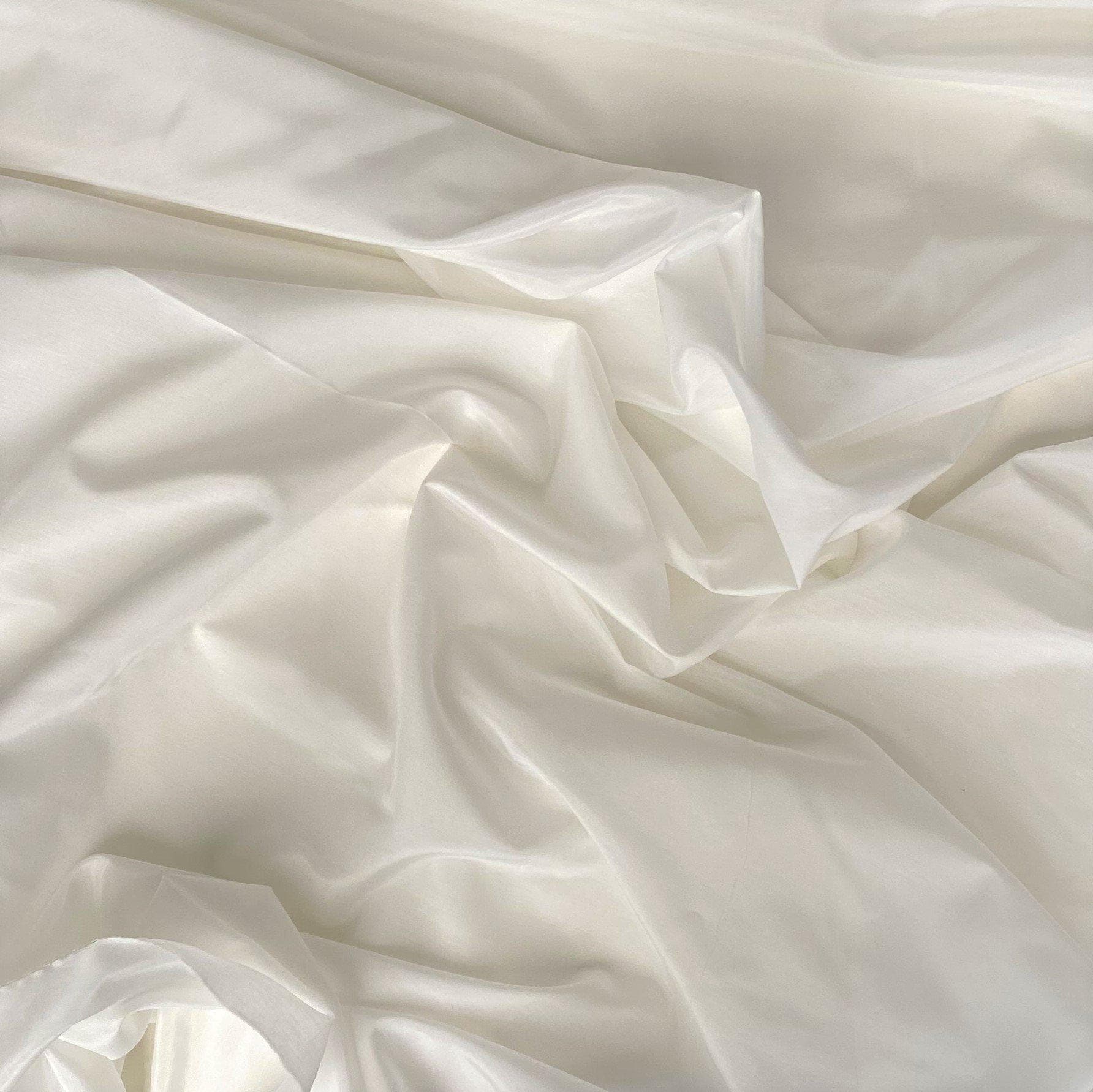
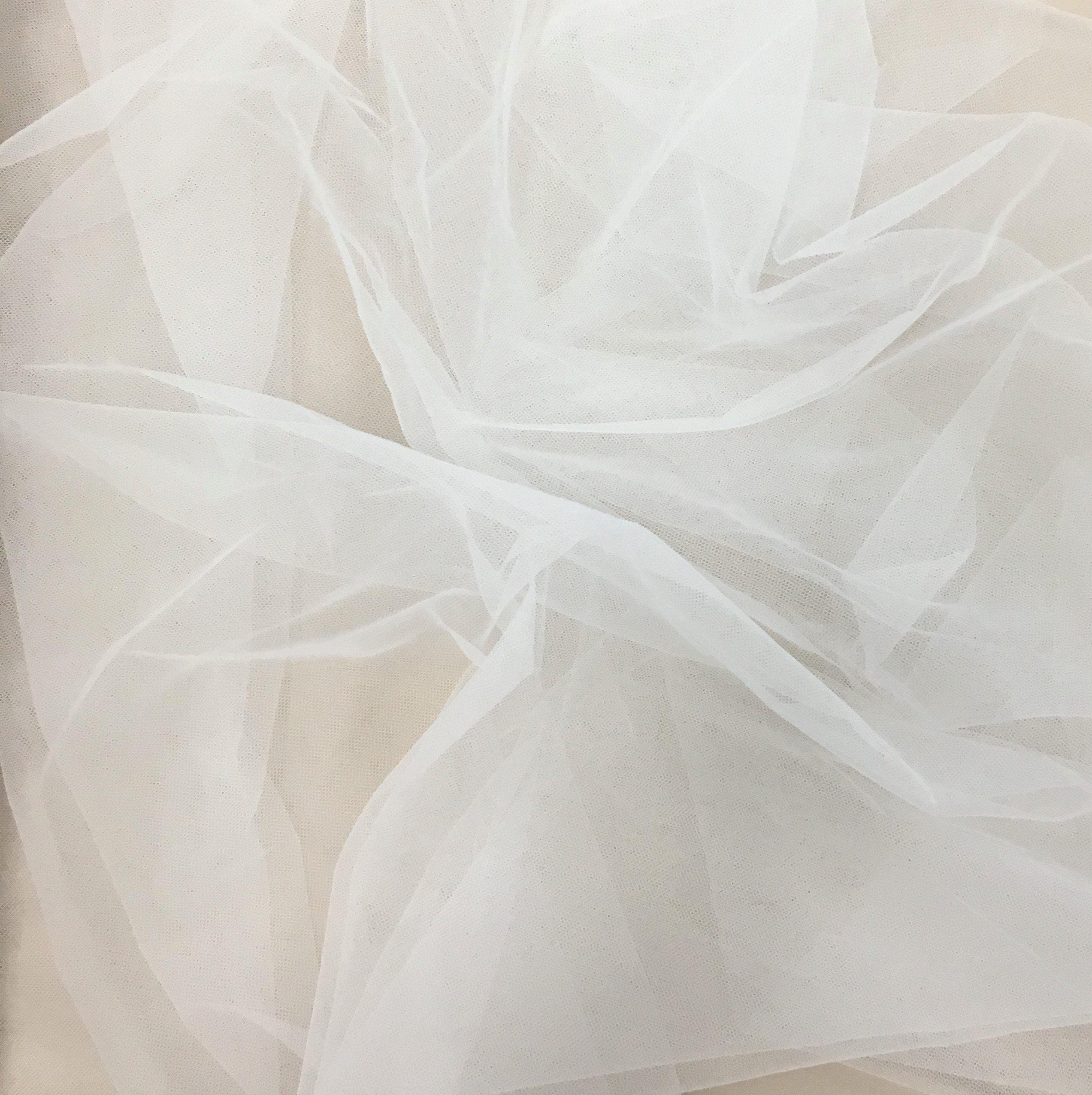
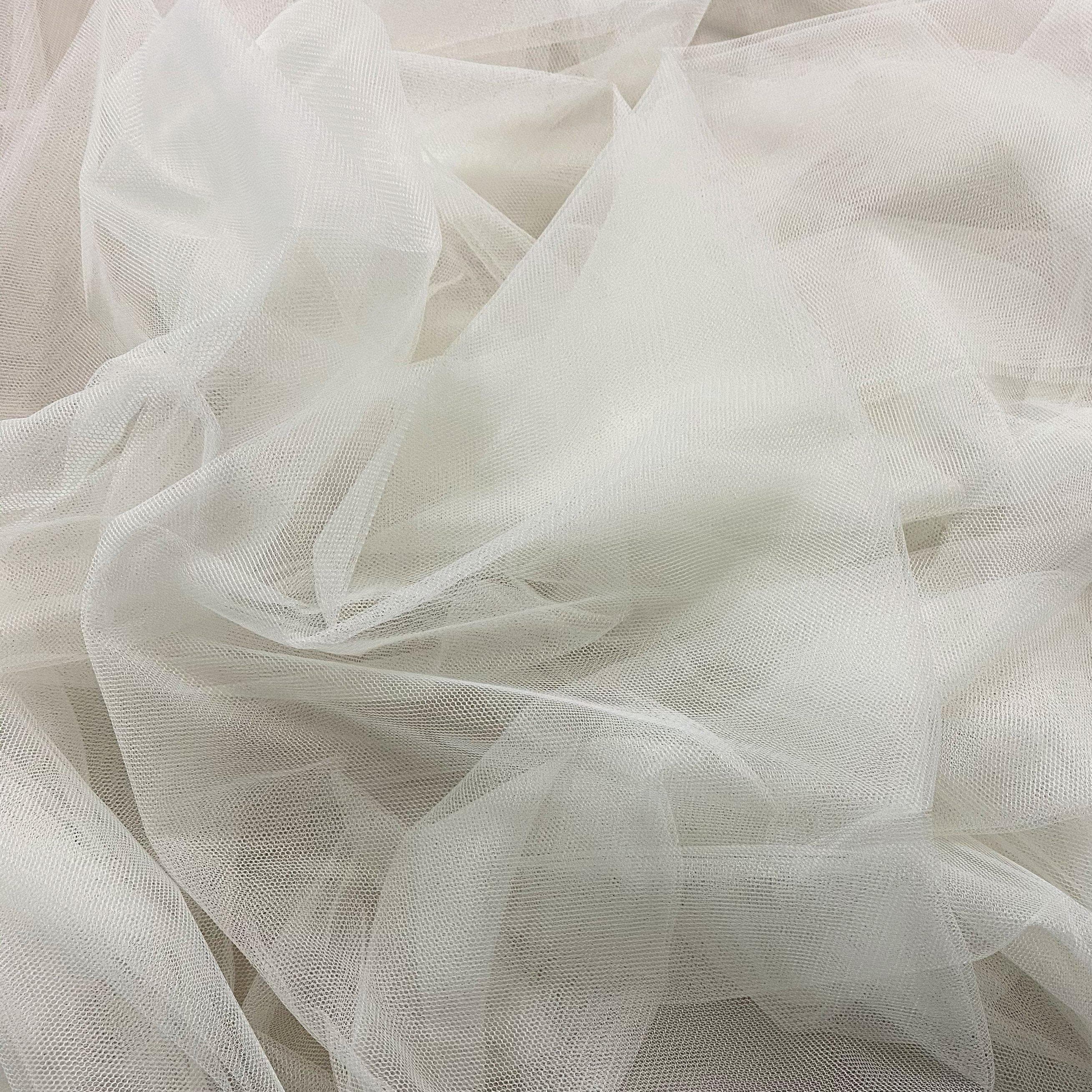
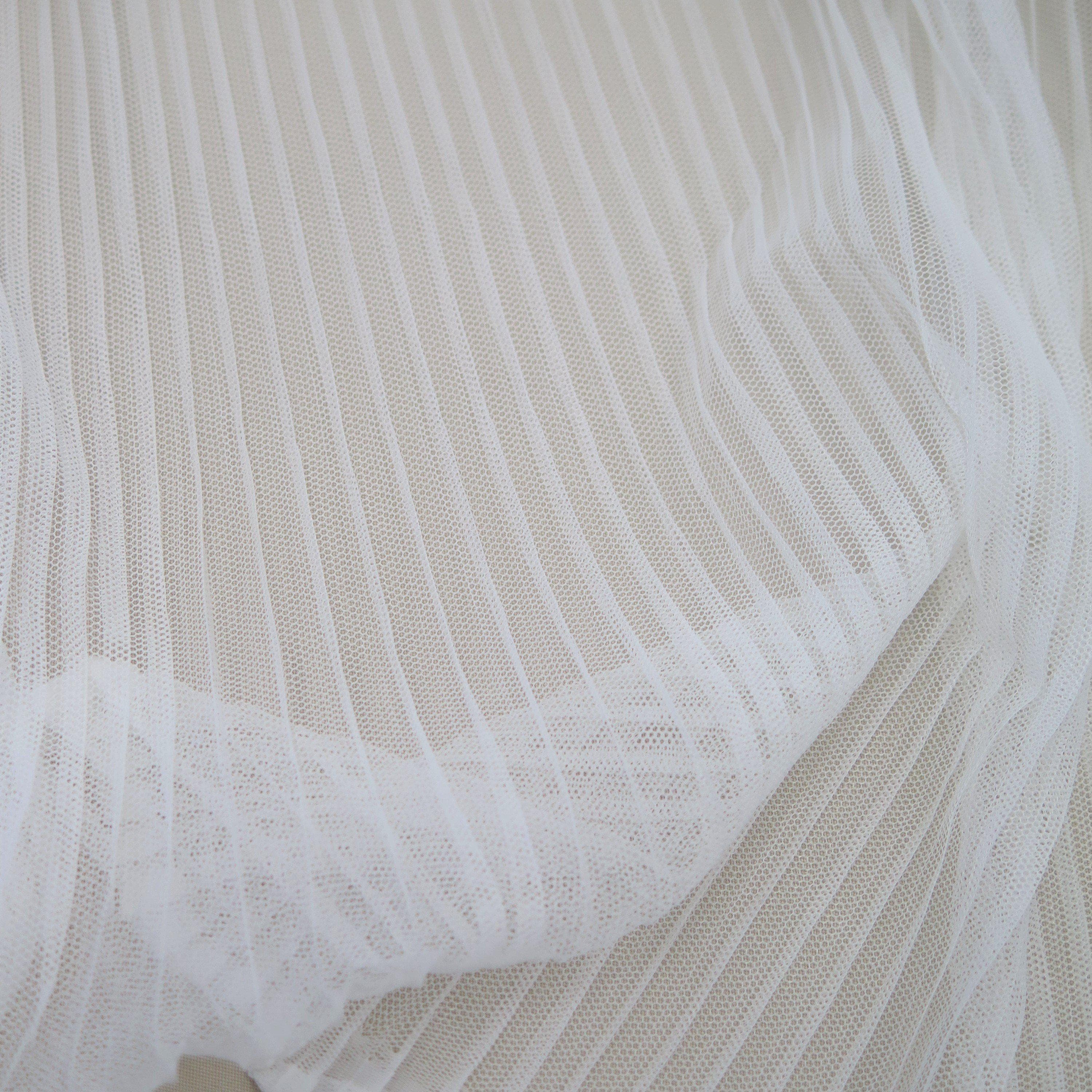
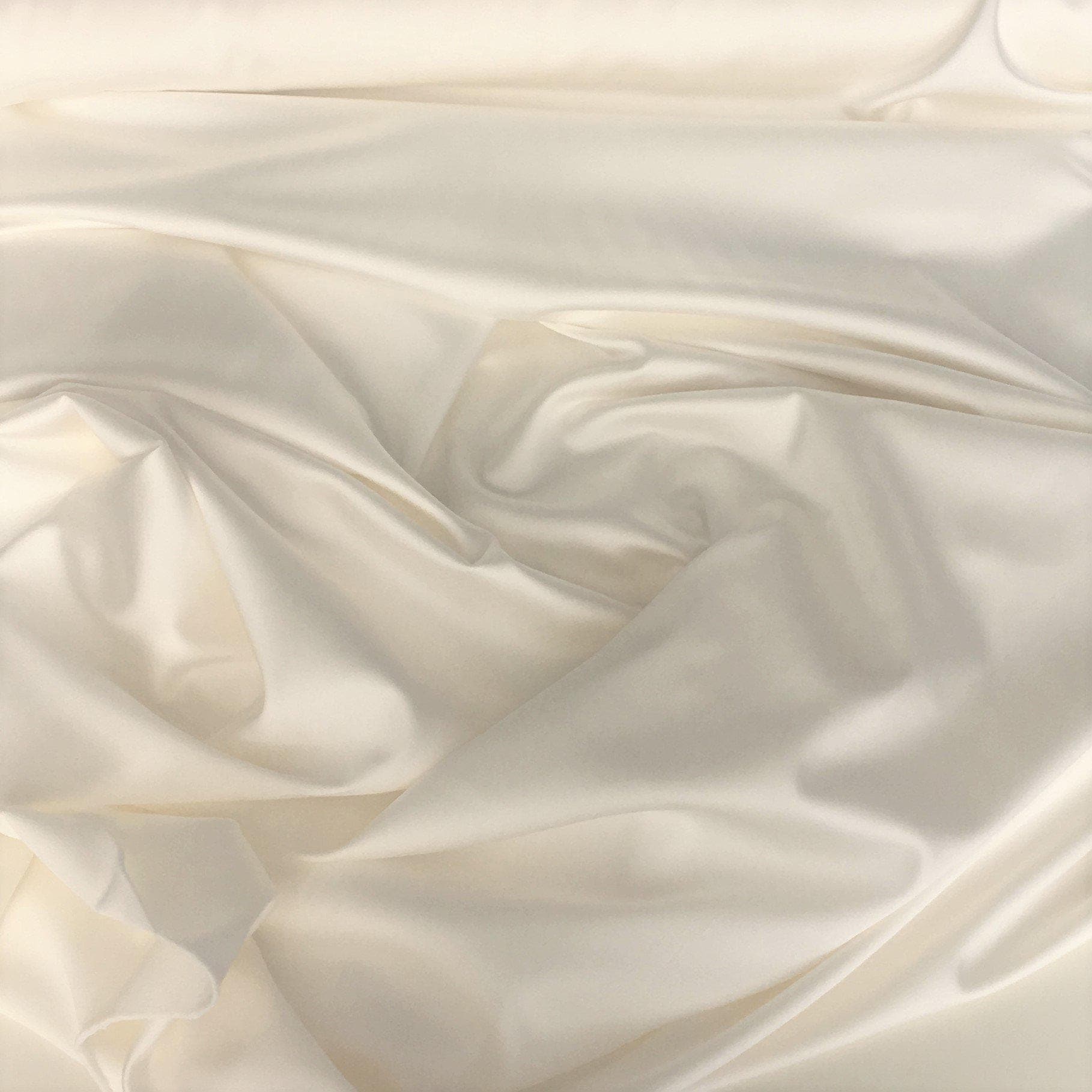
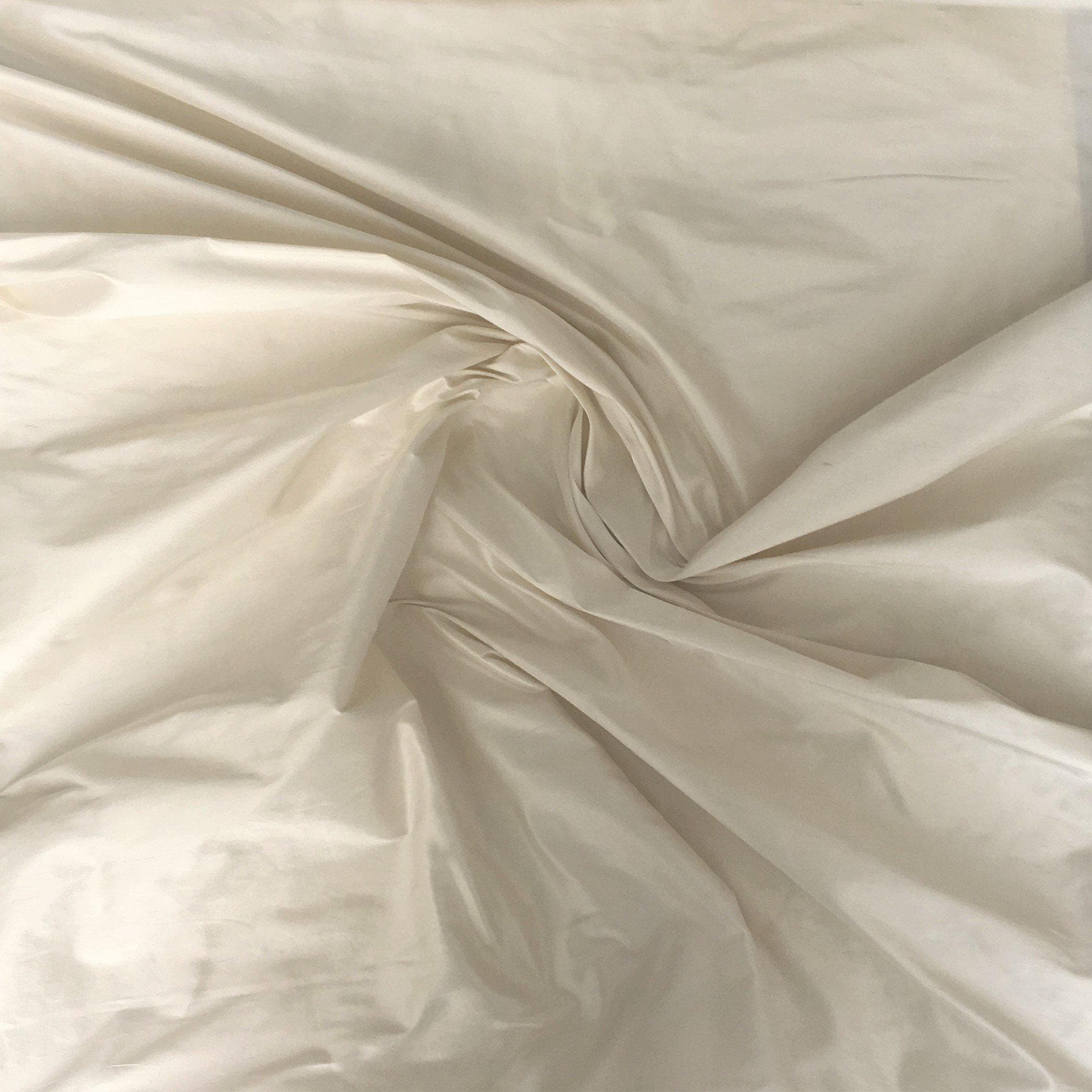
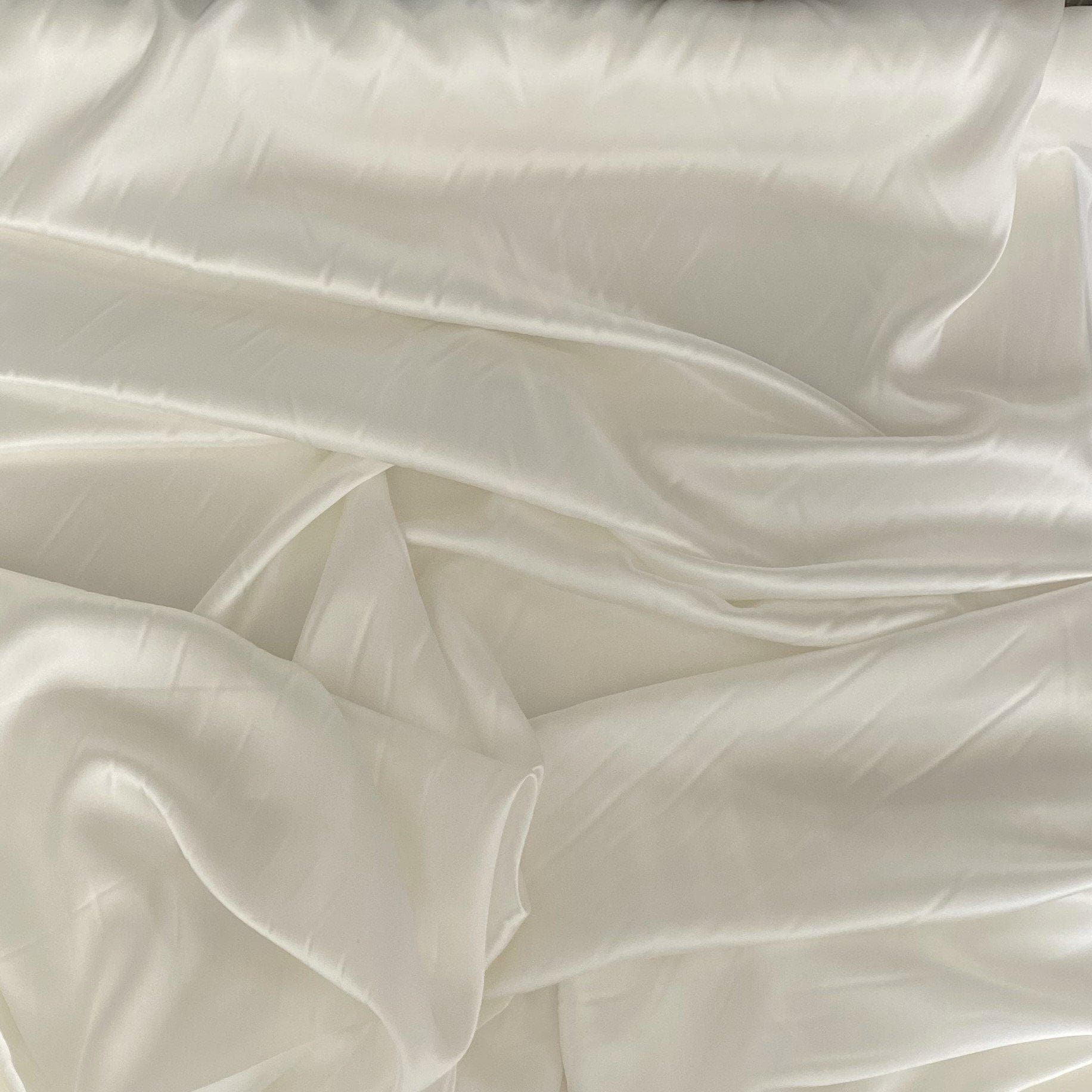
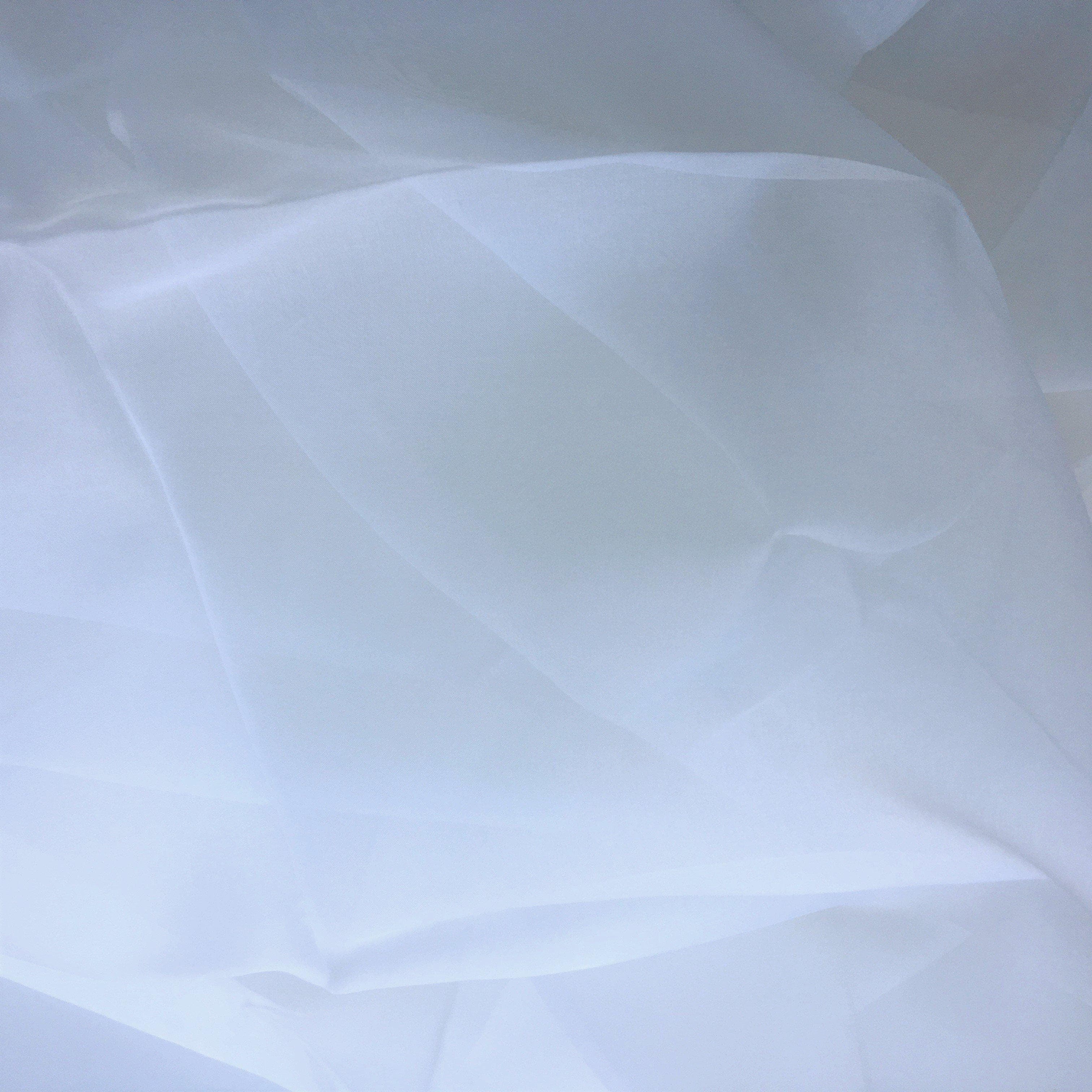
Polyester, Cotton & Blended Bridal Fabric
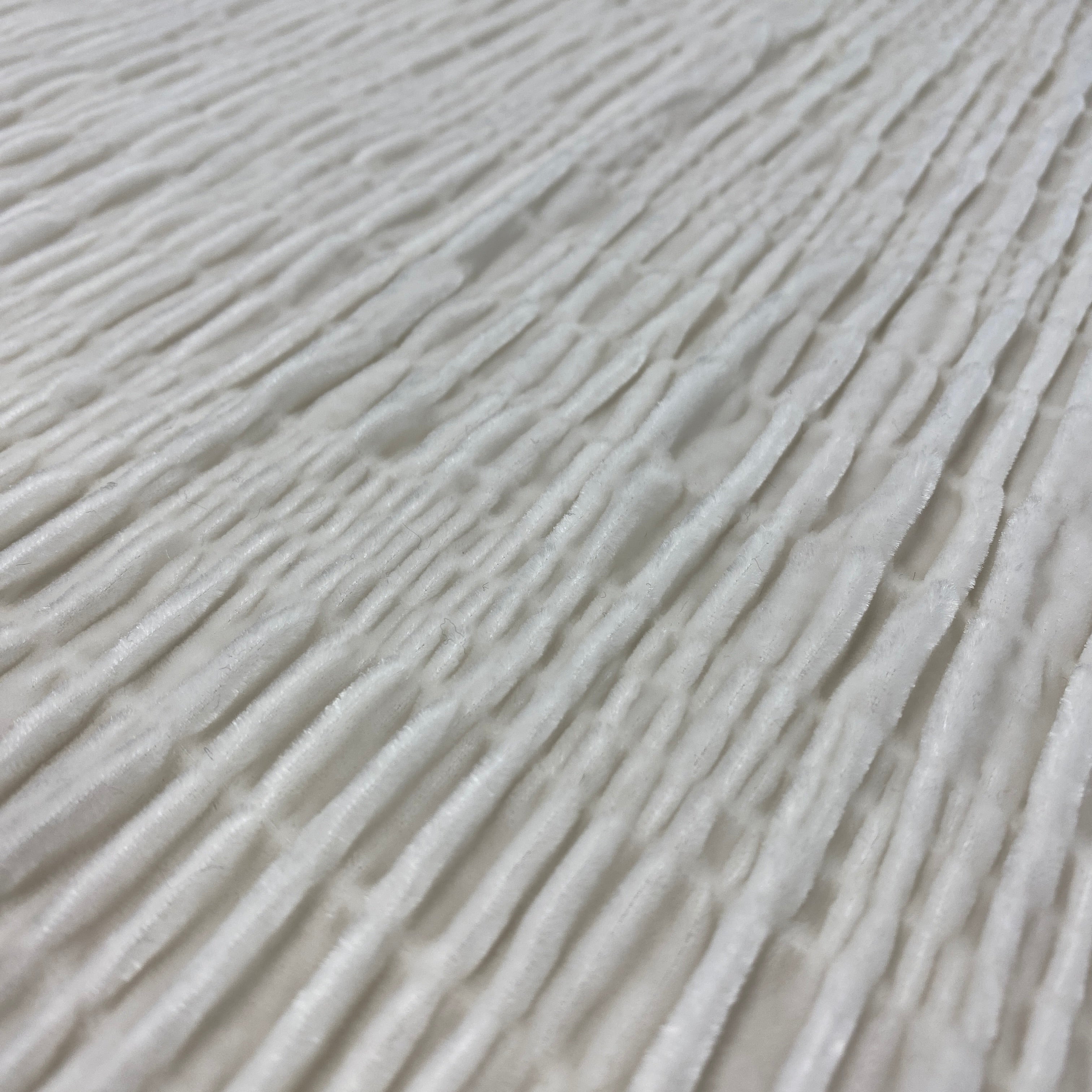
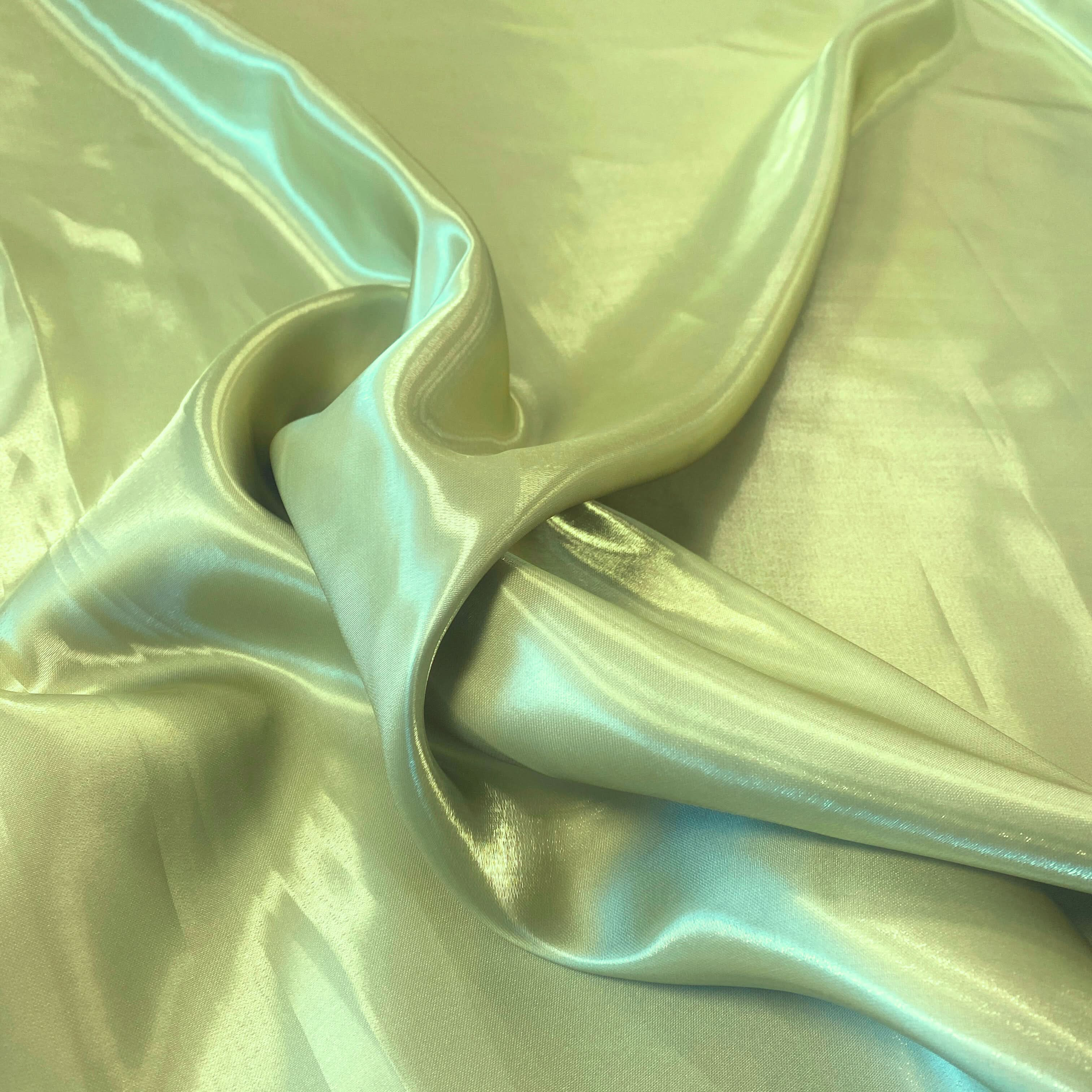
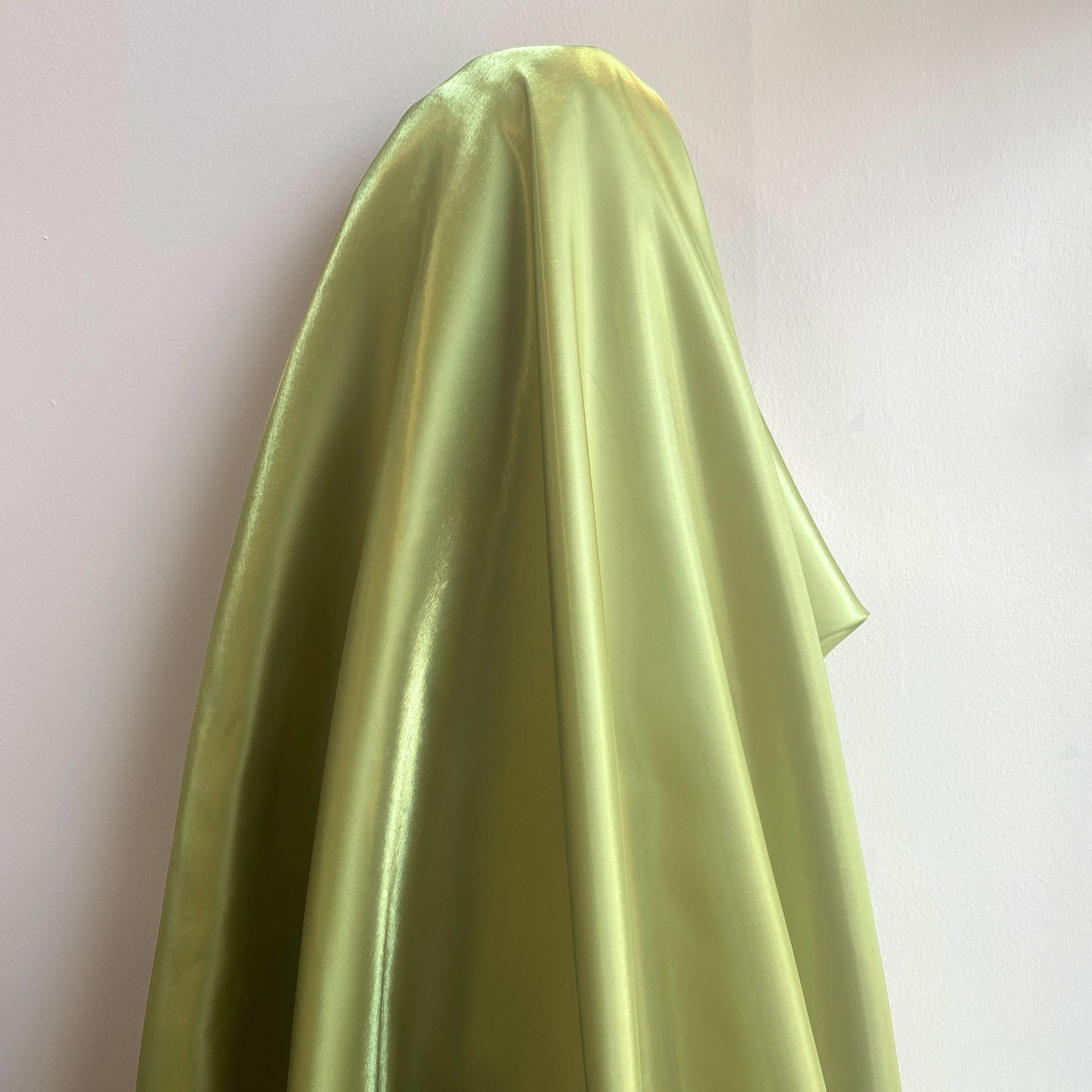
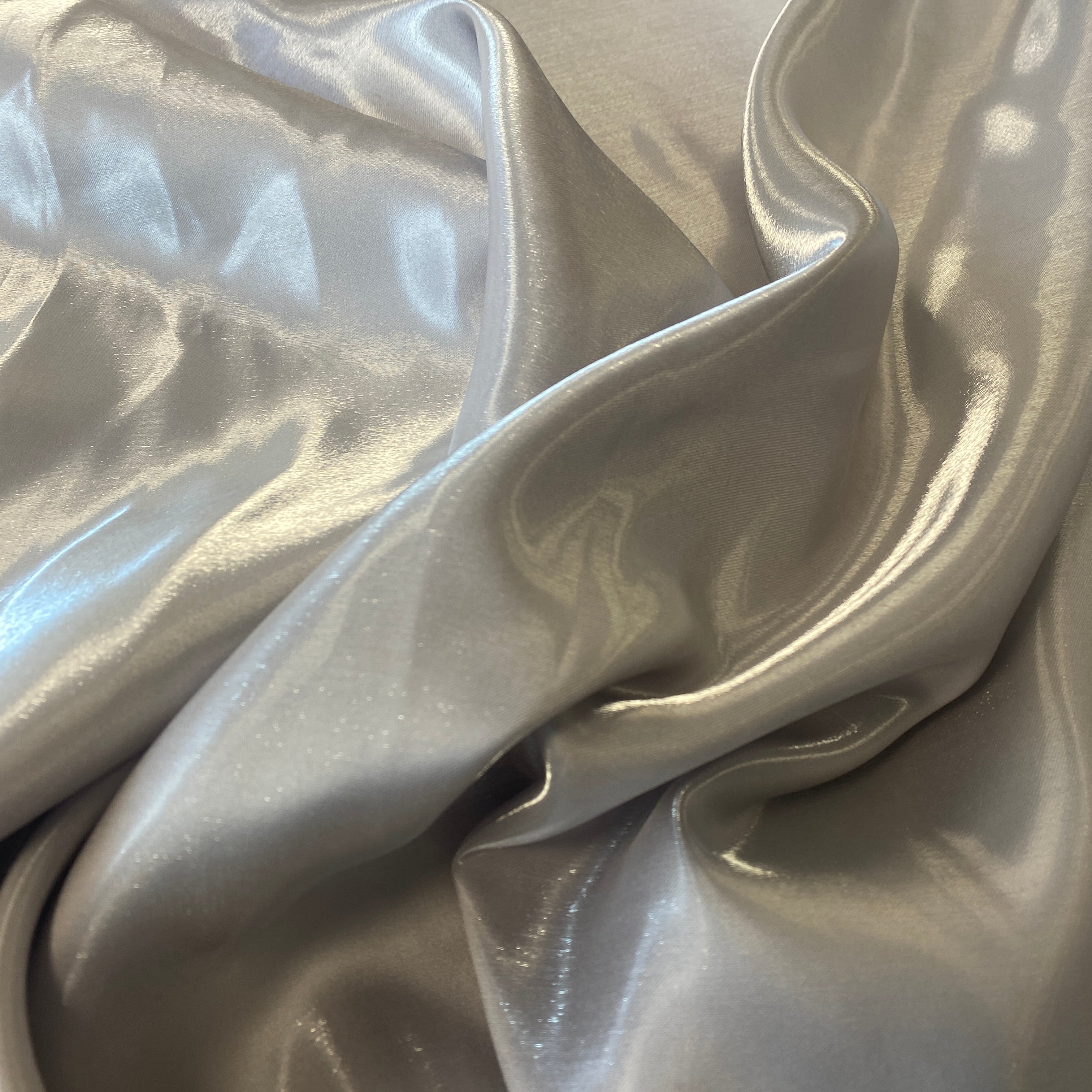
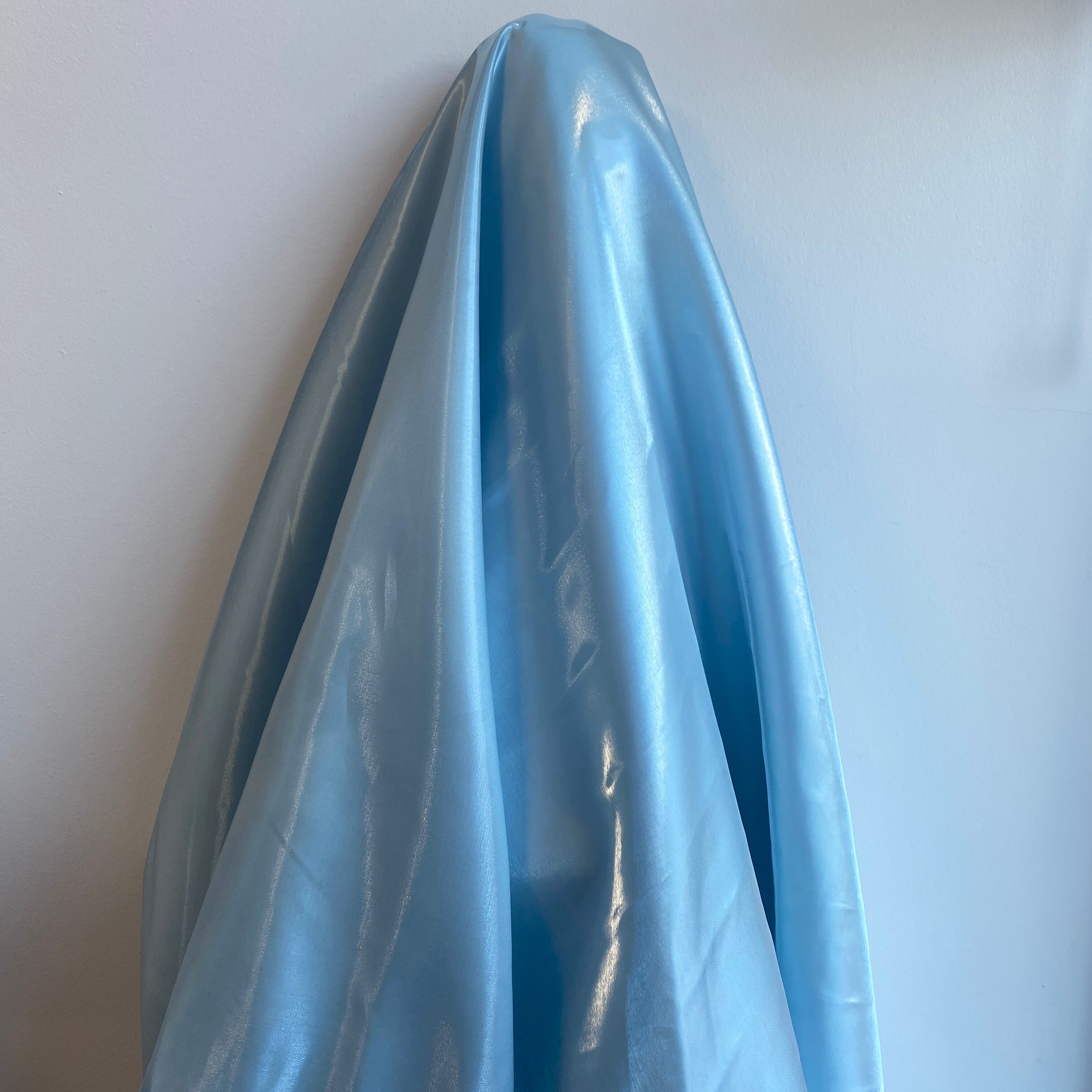
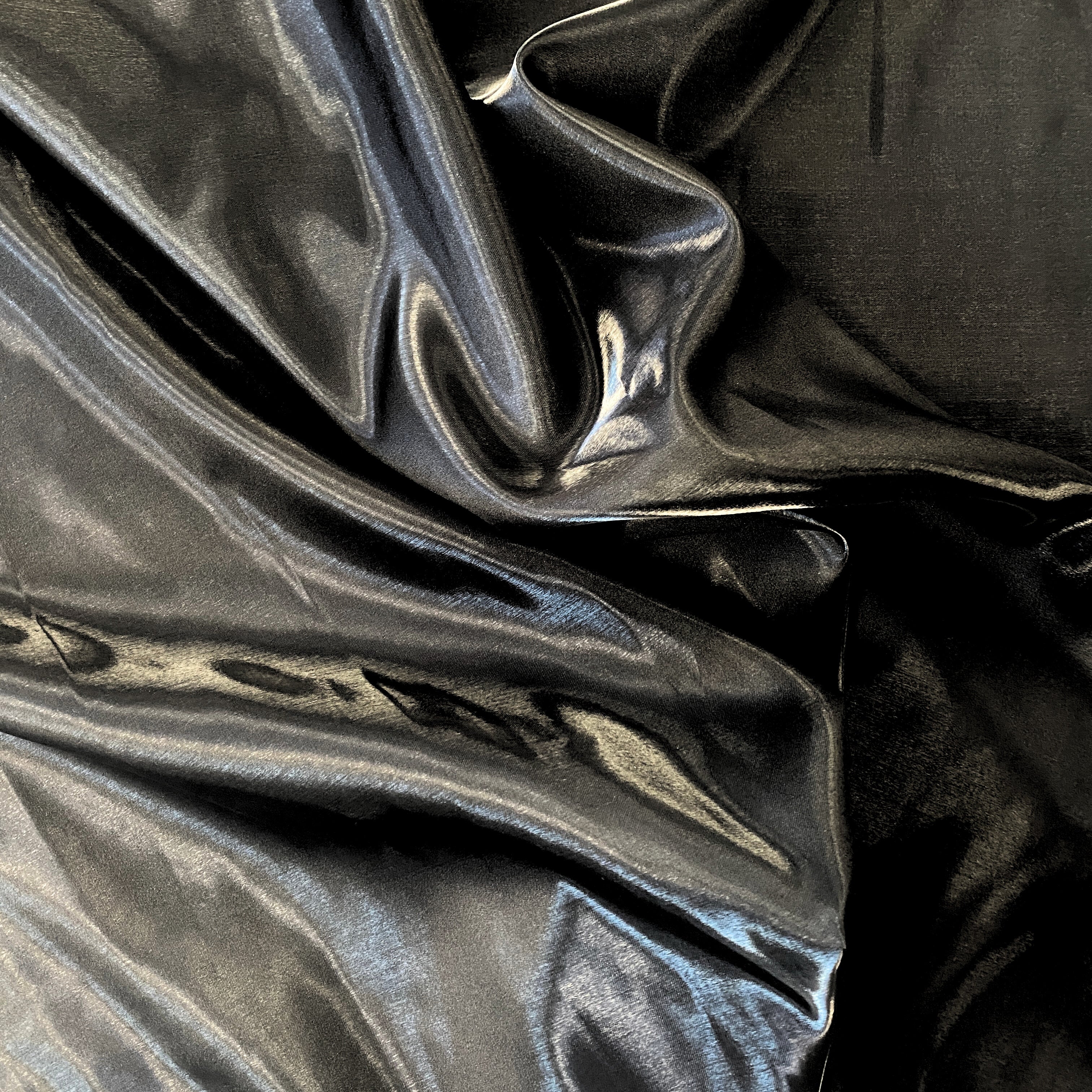
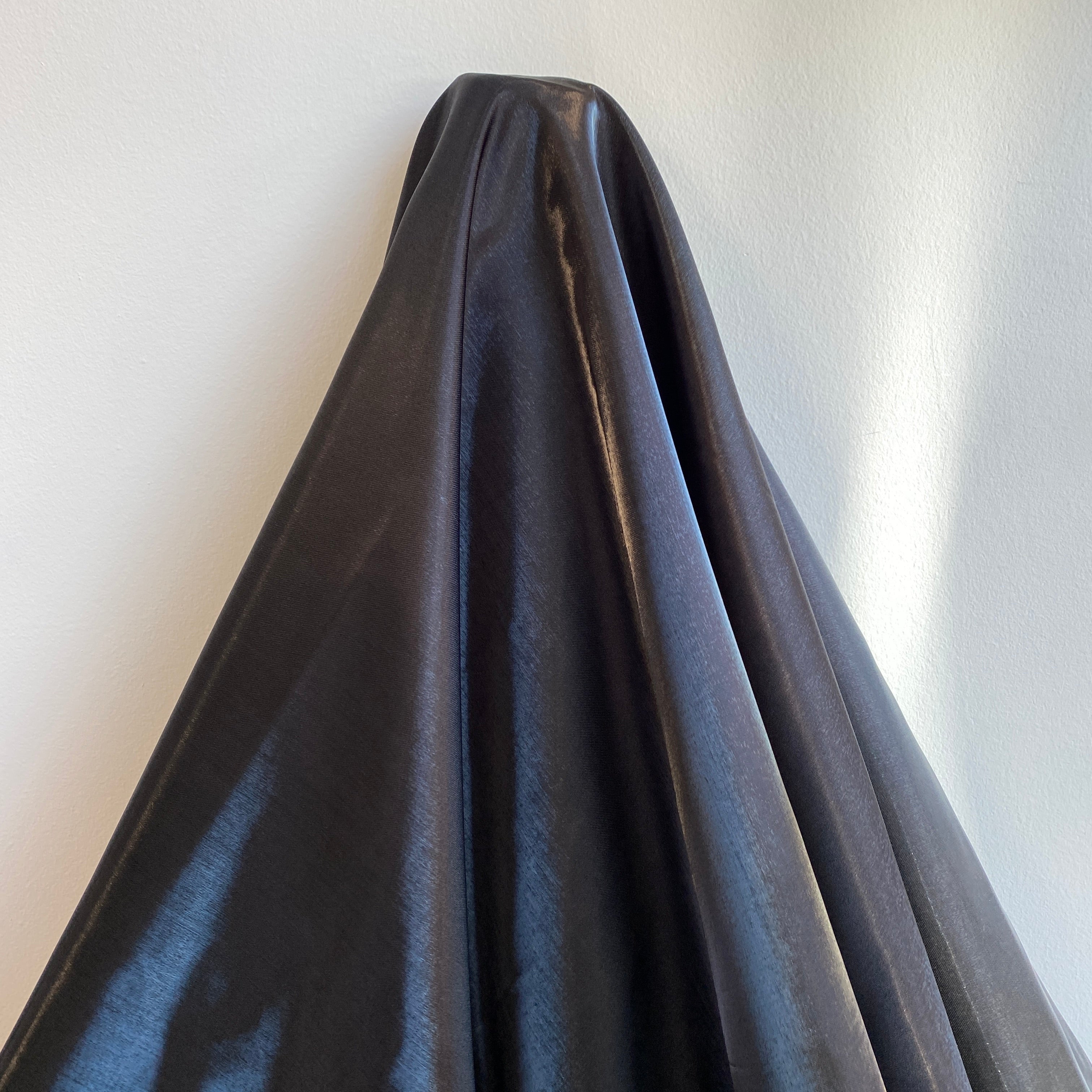
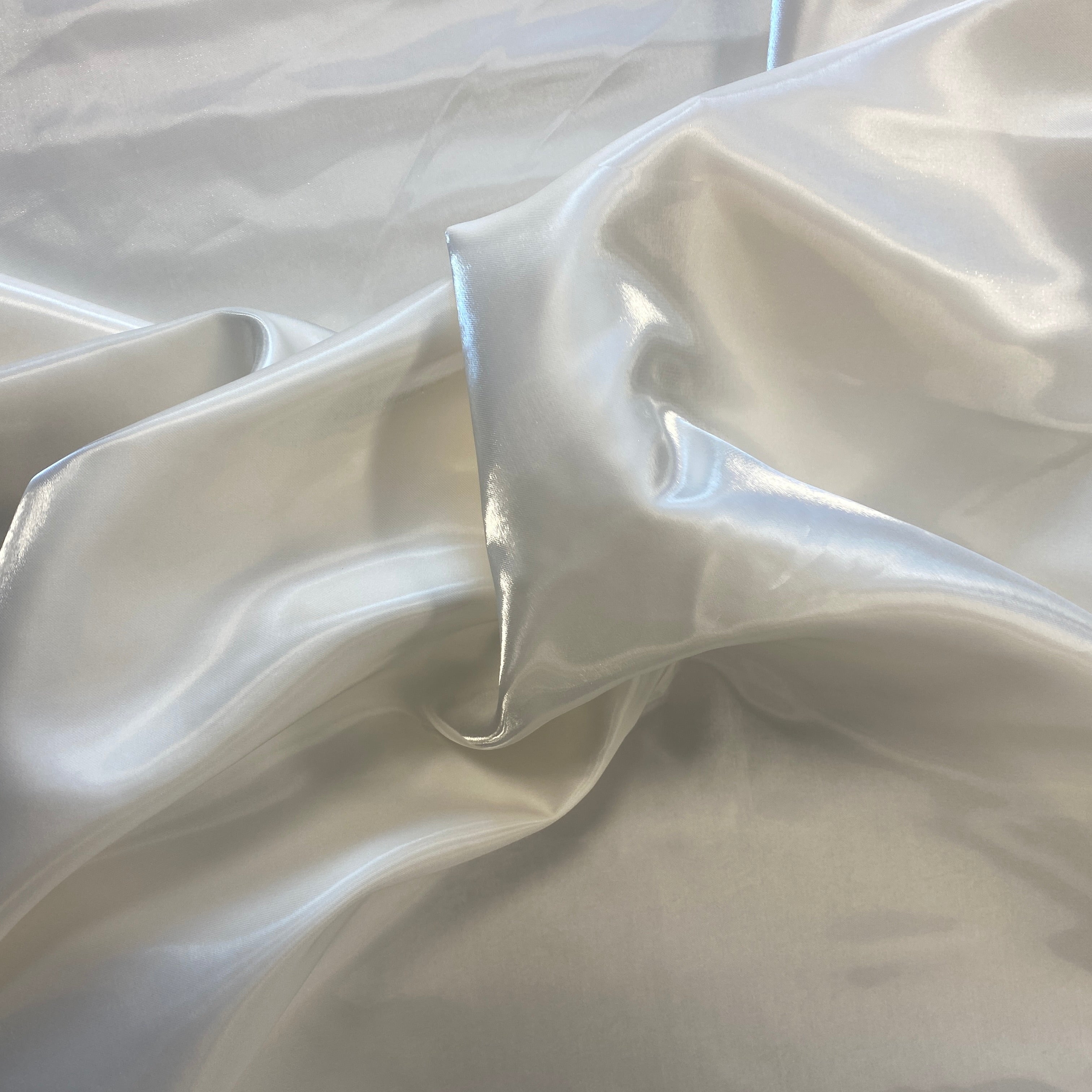
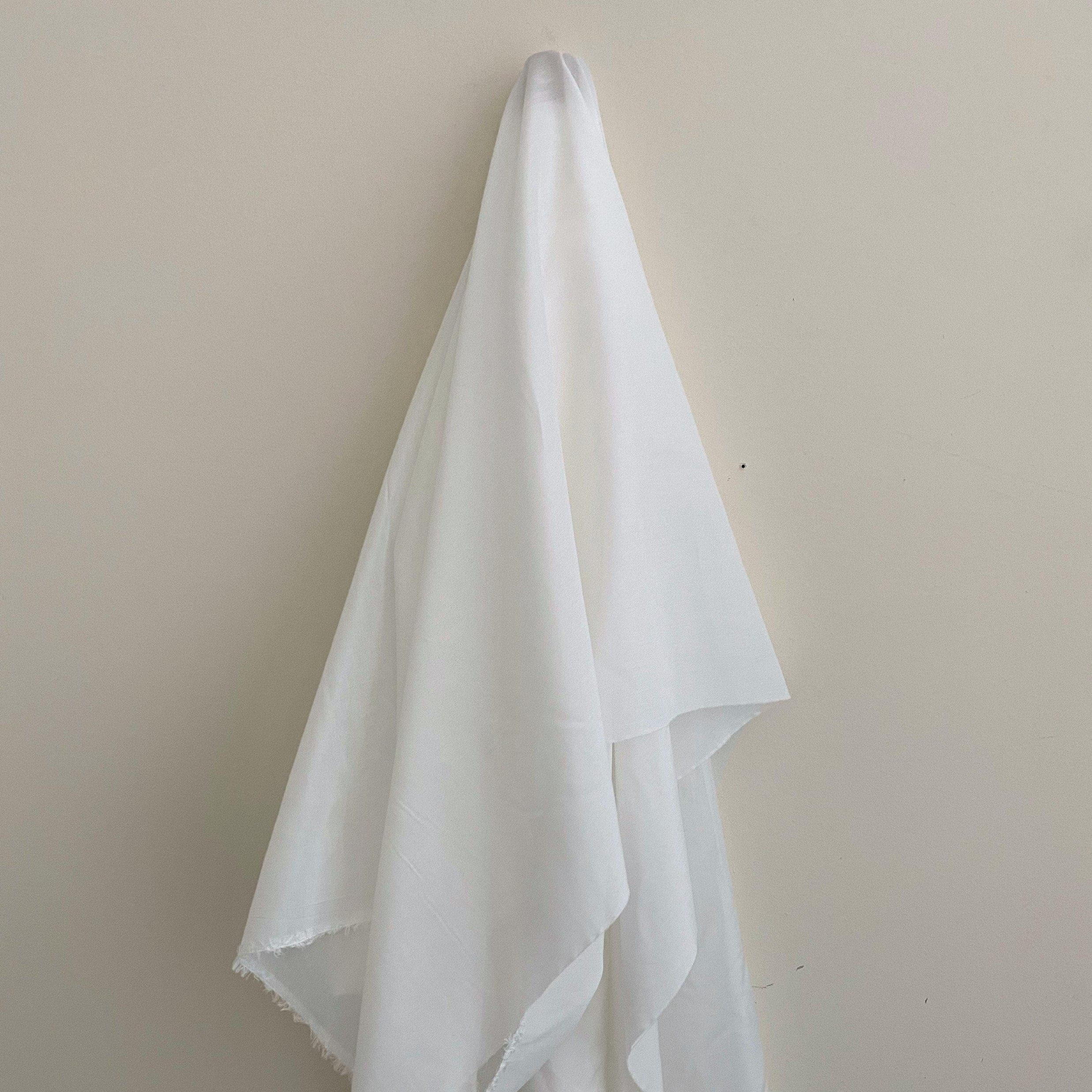
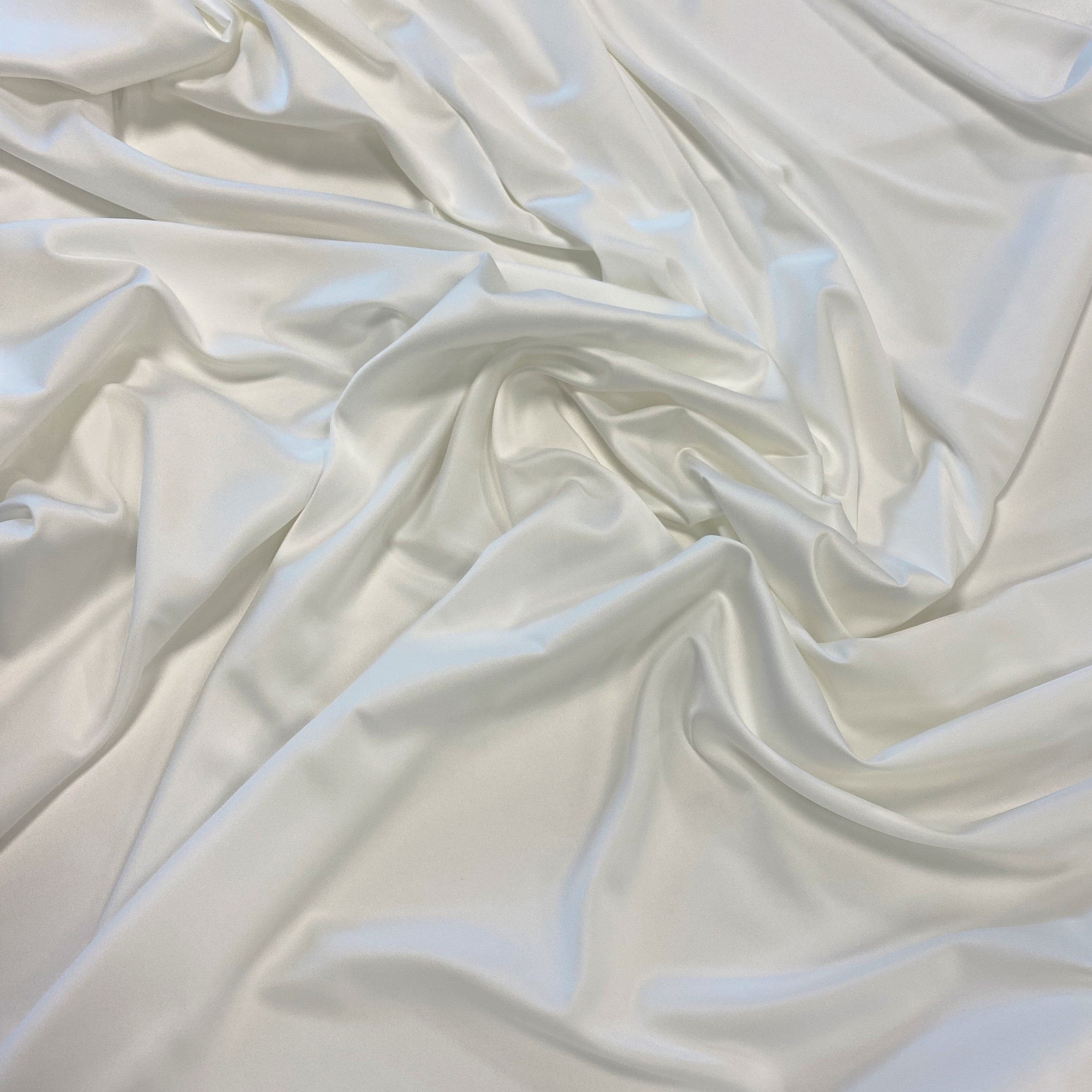
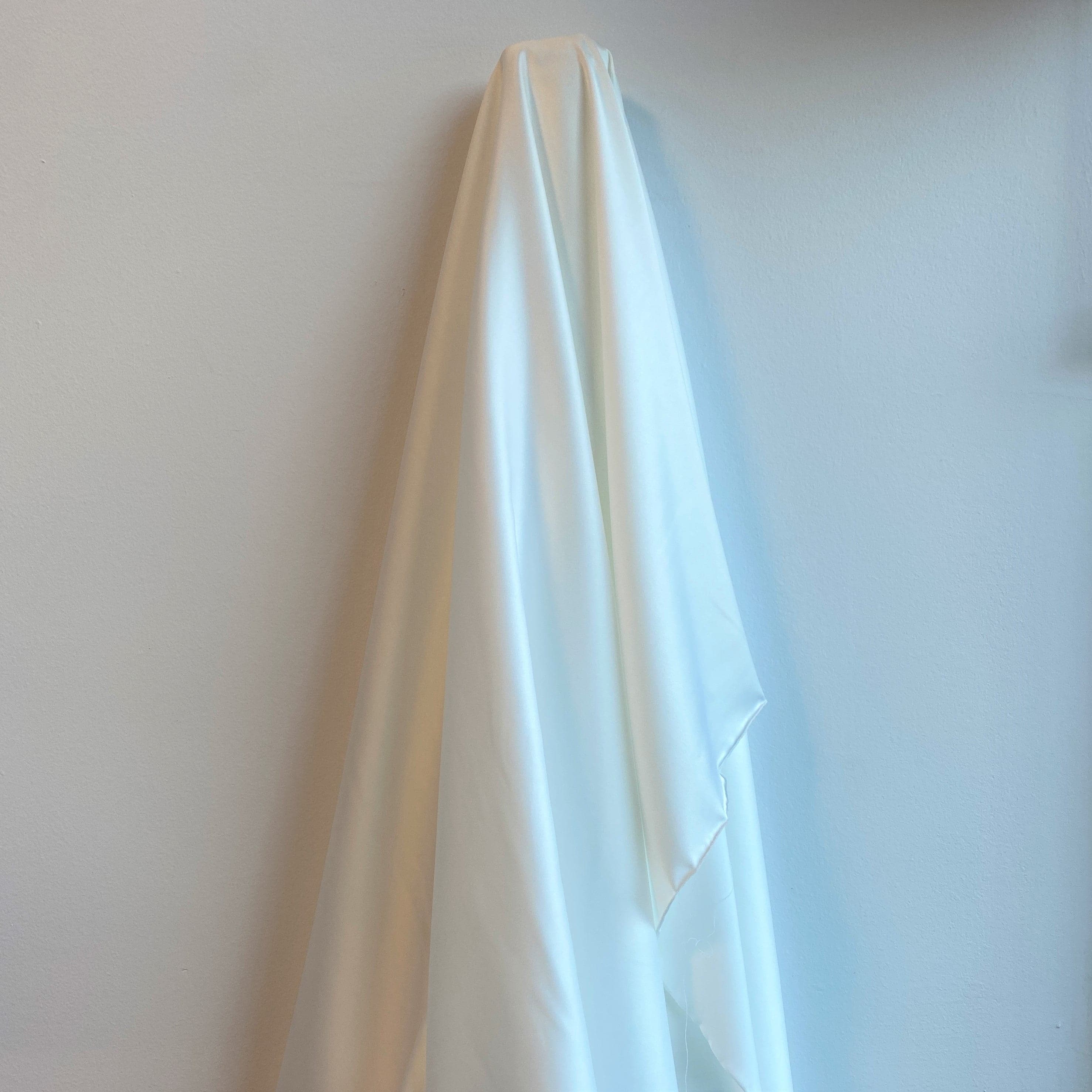
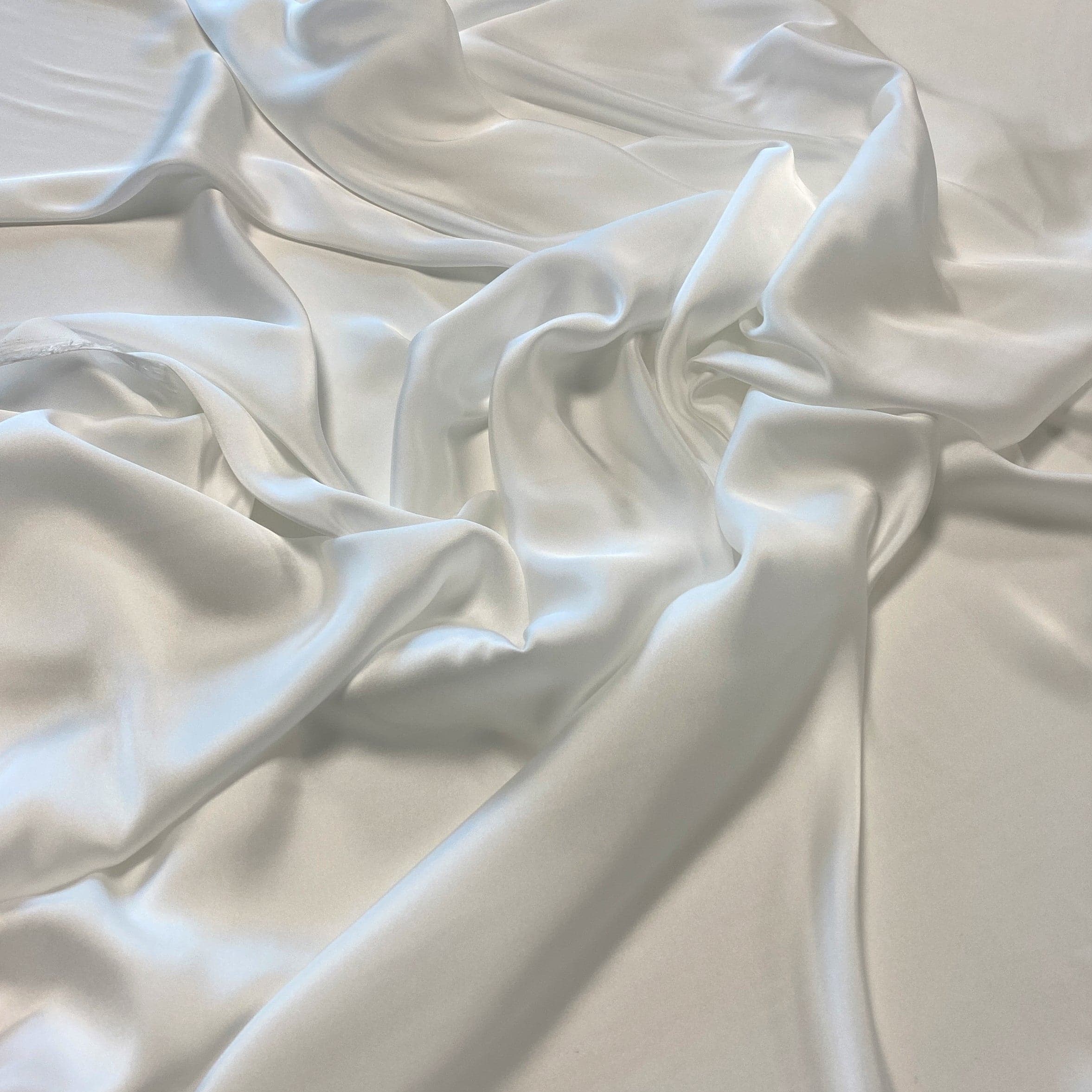
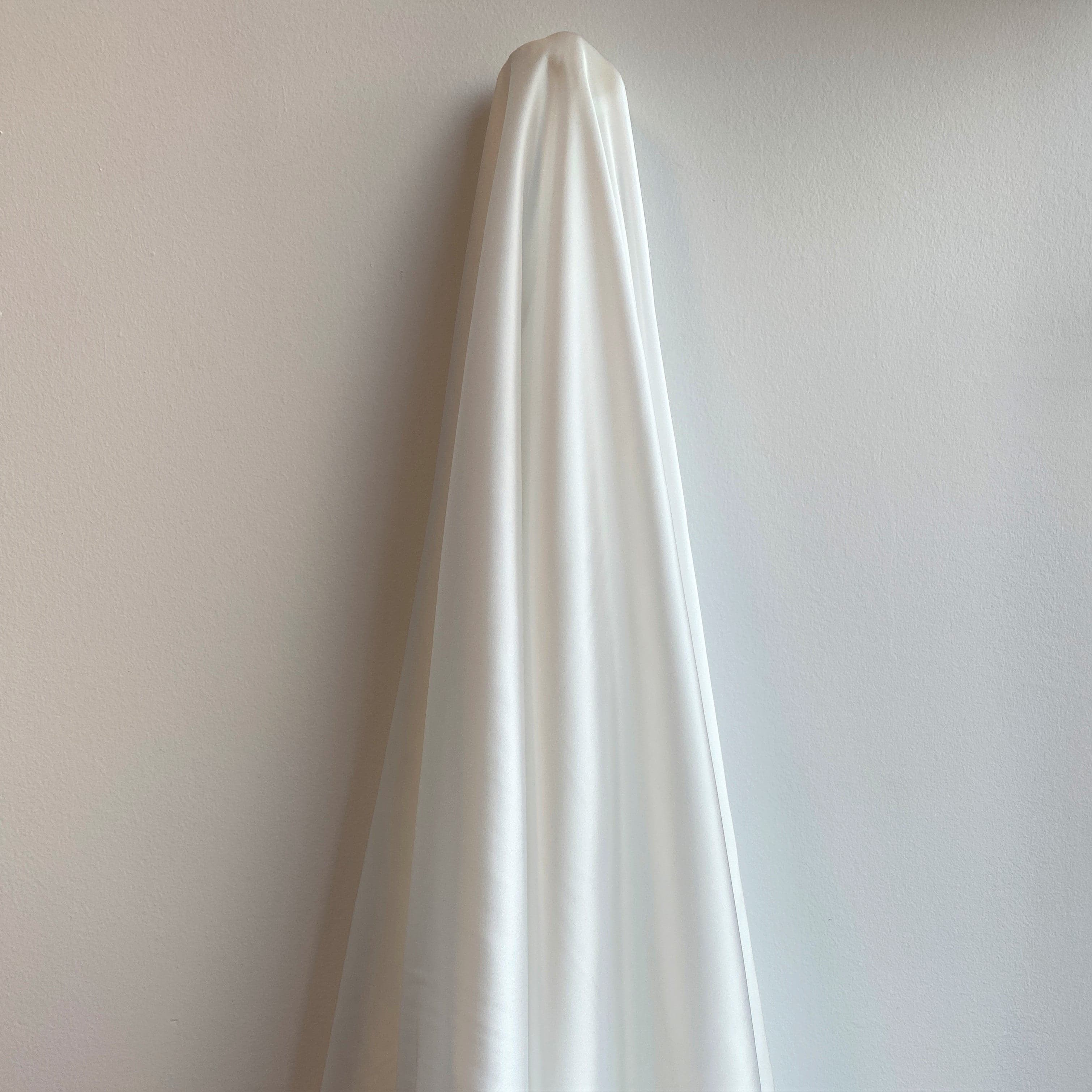
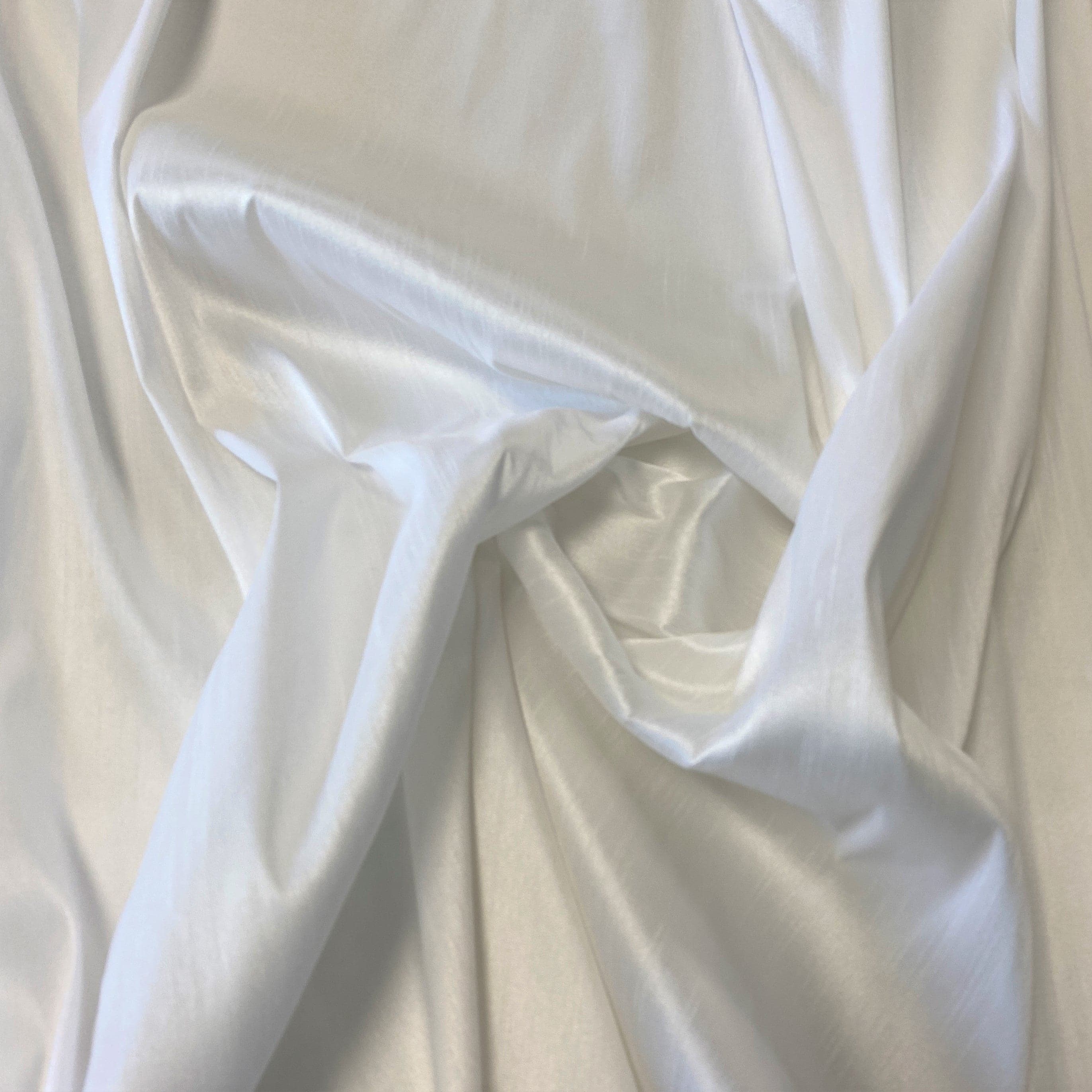
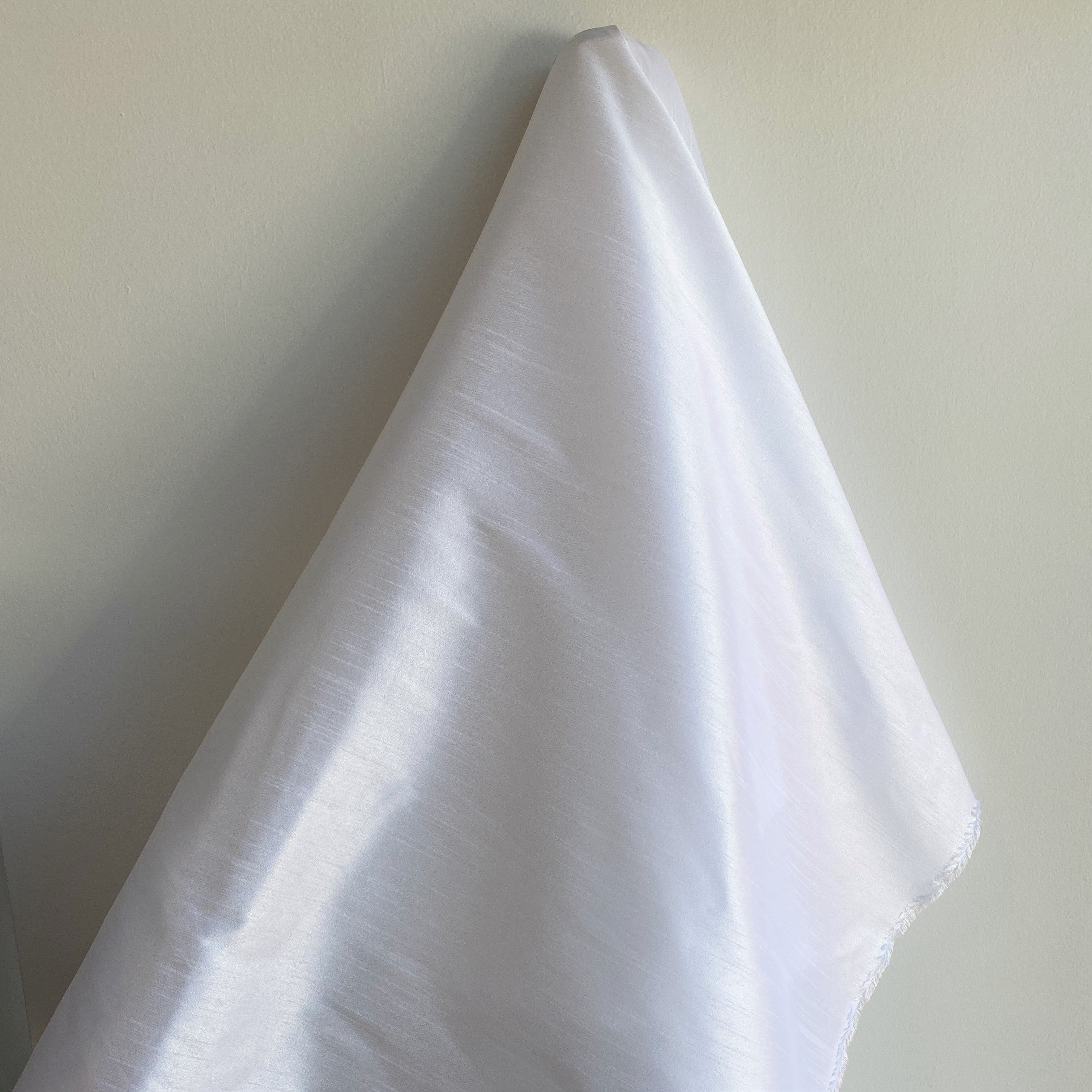
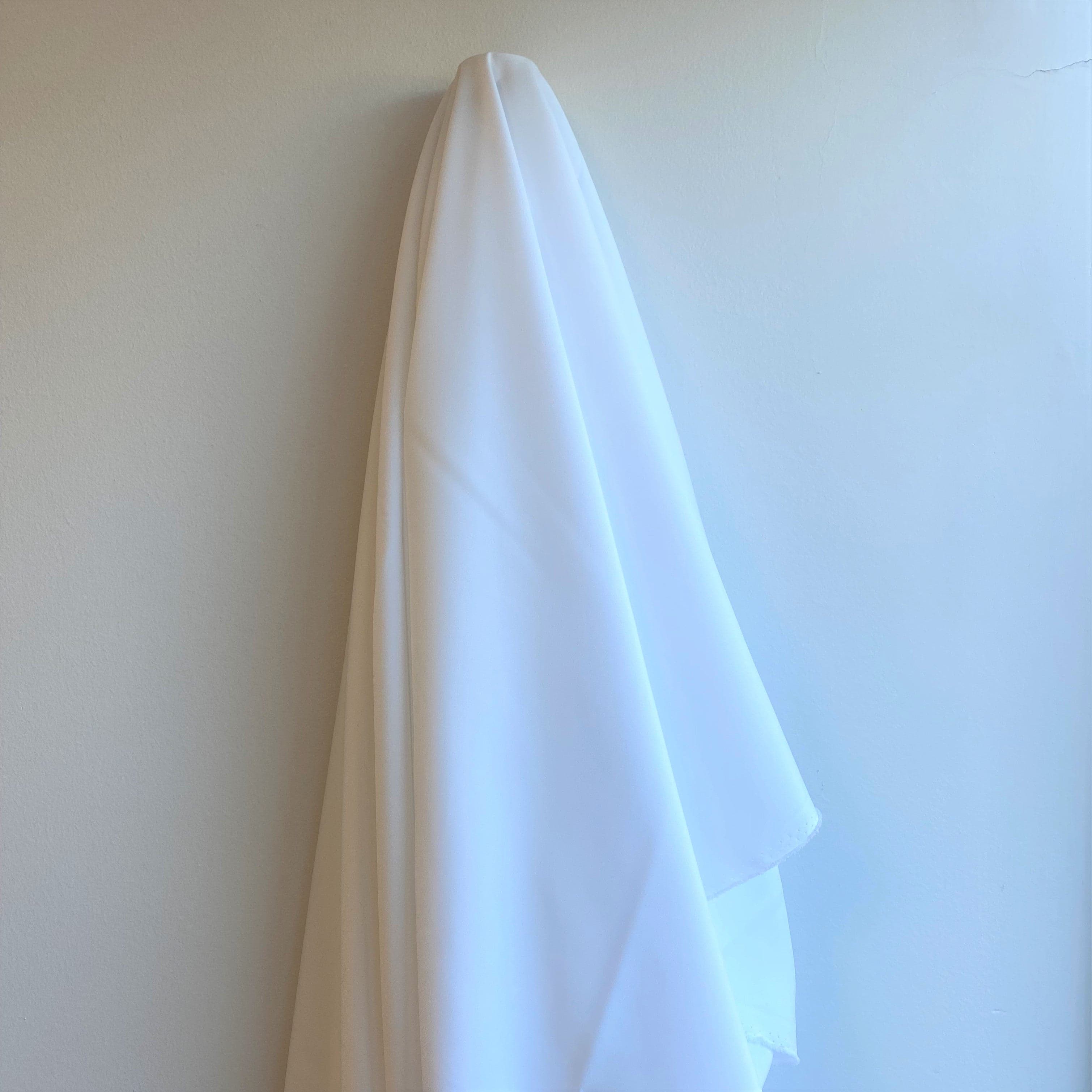
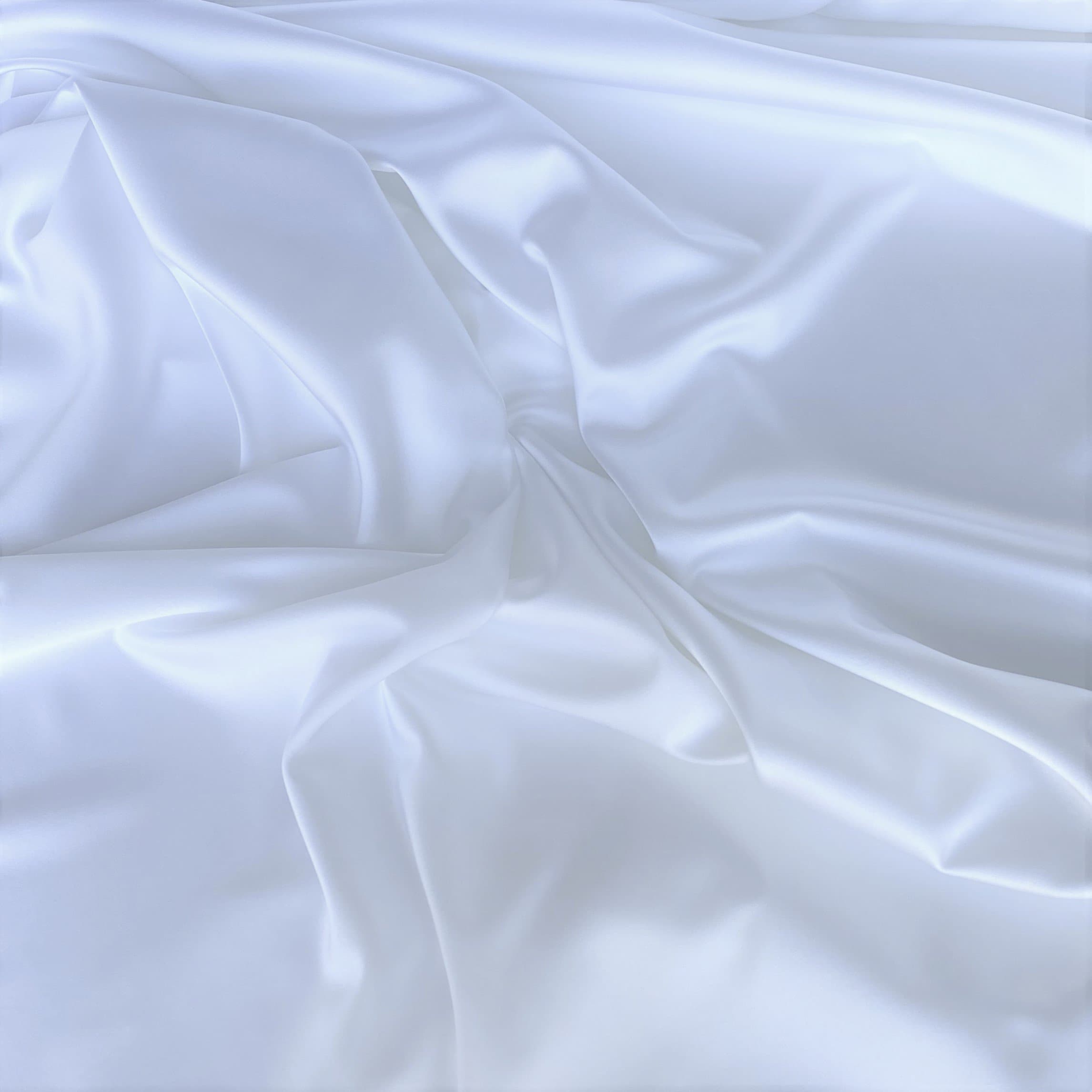
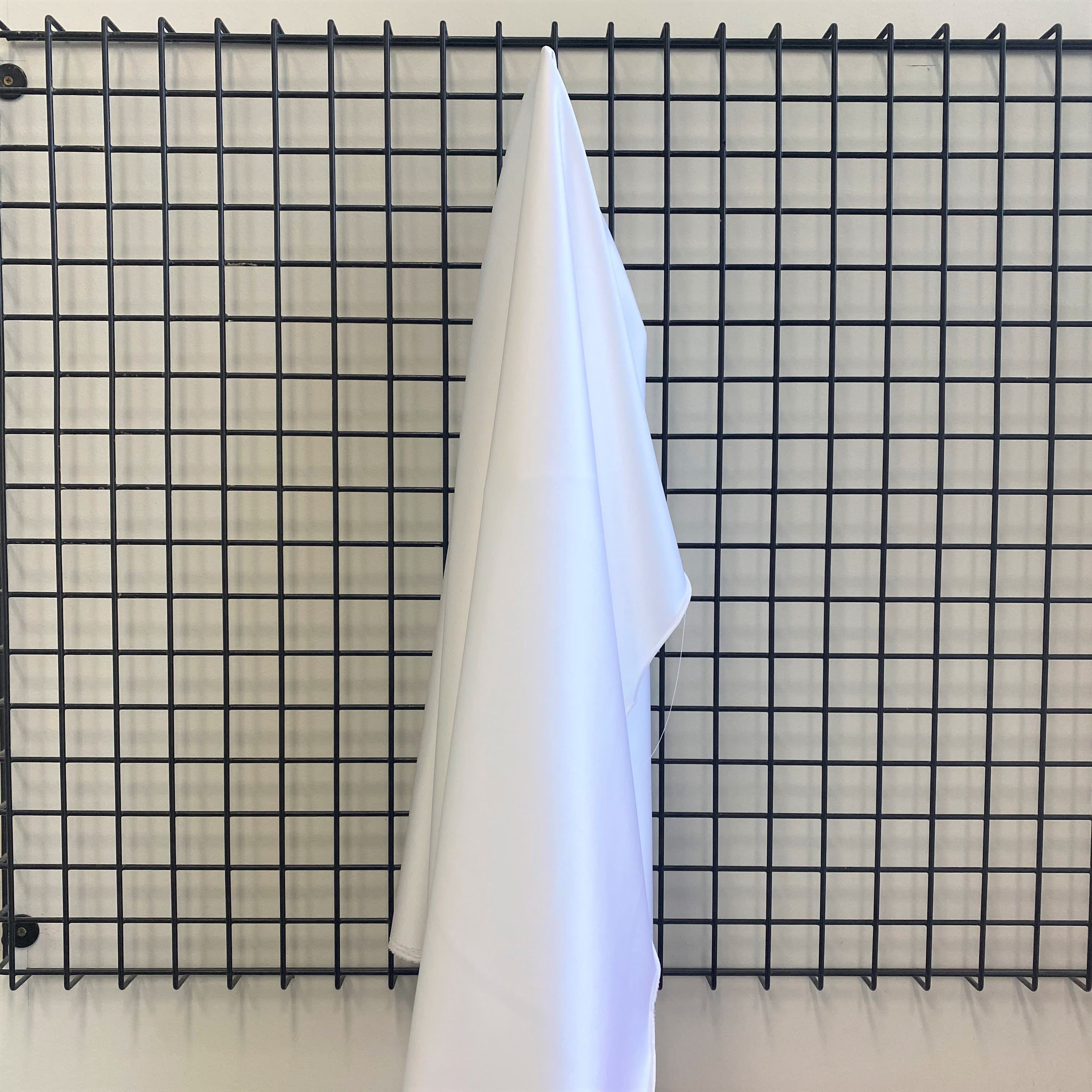
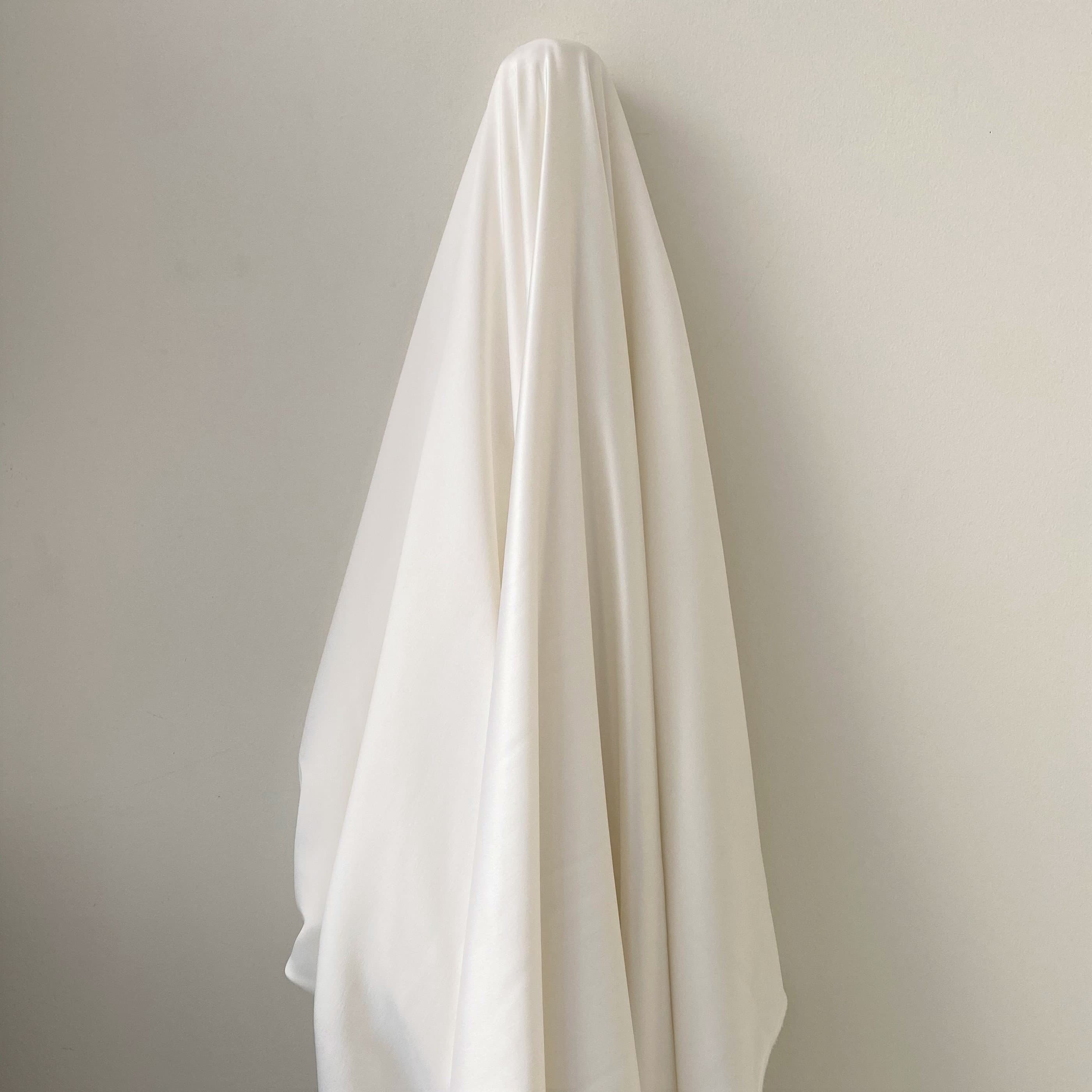
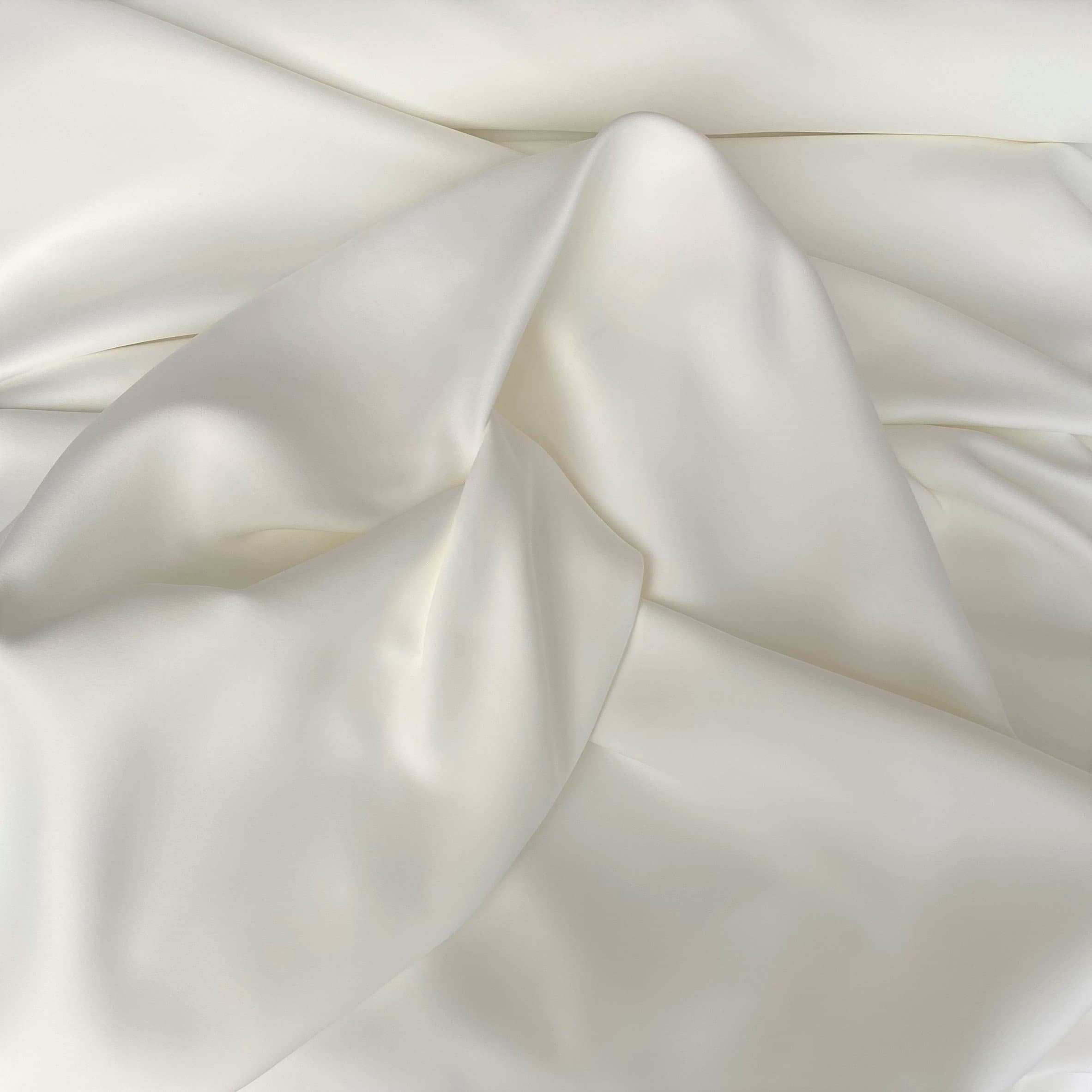
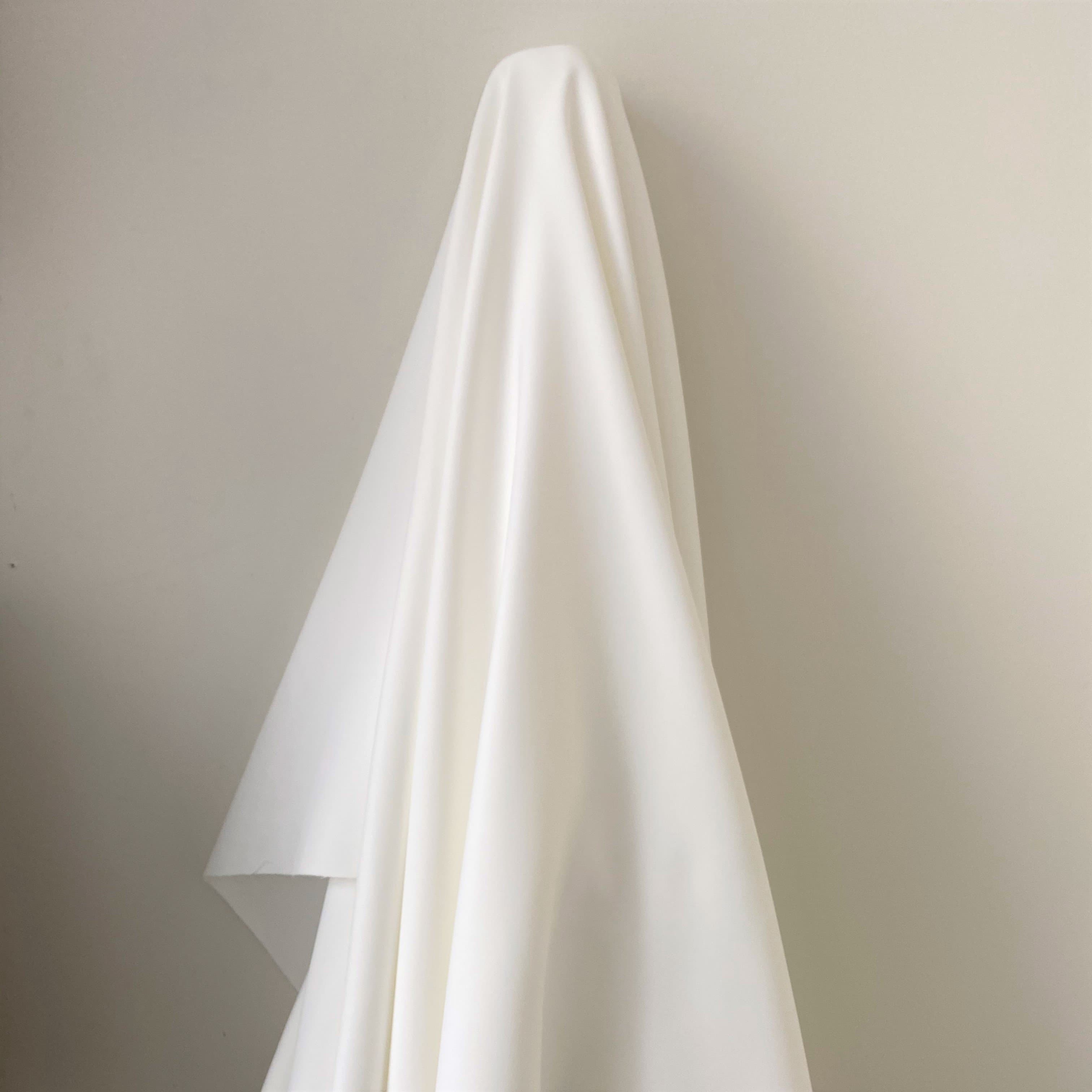
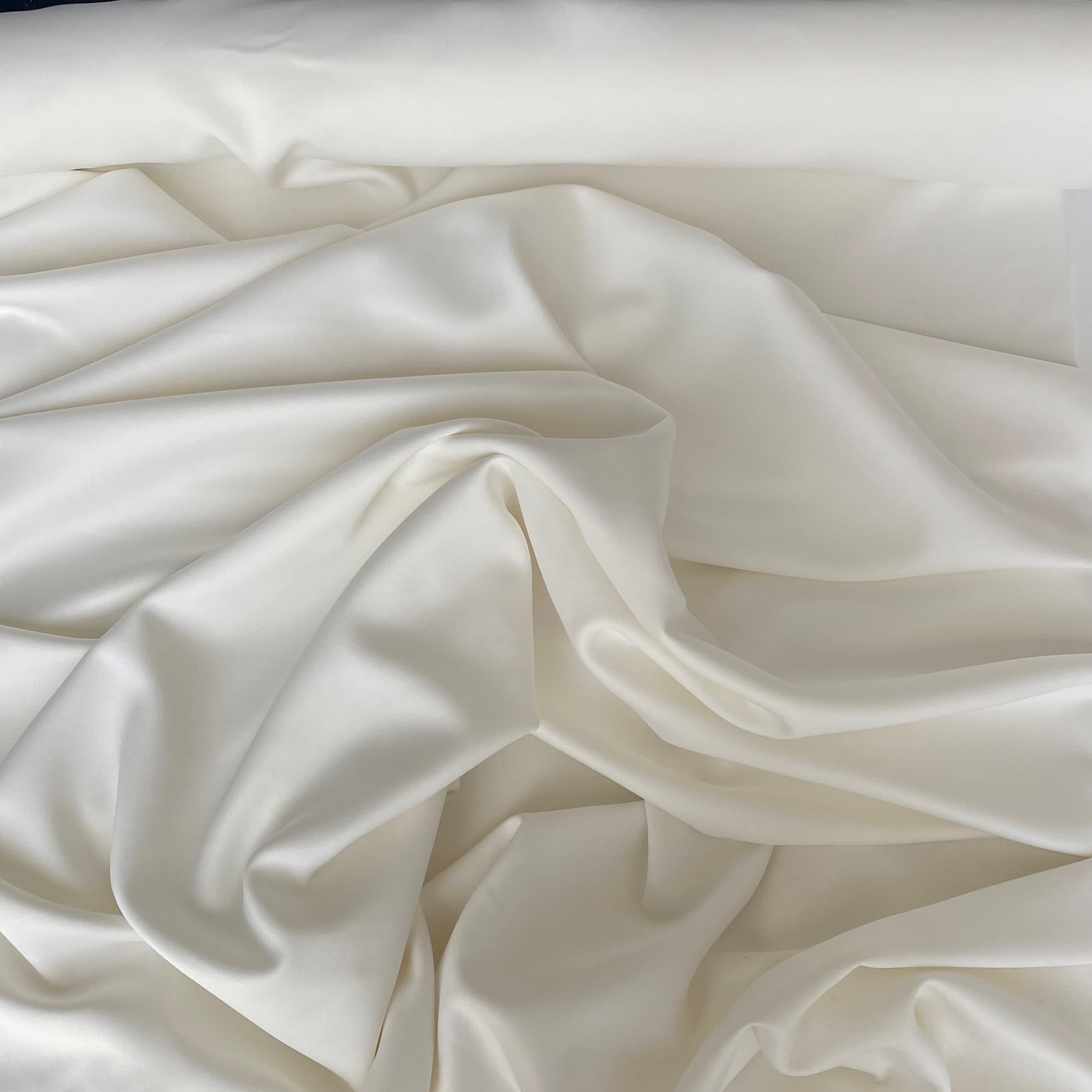
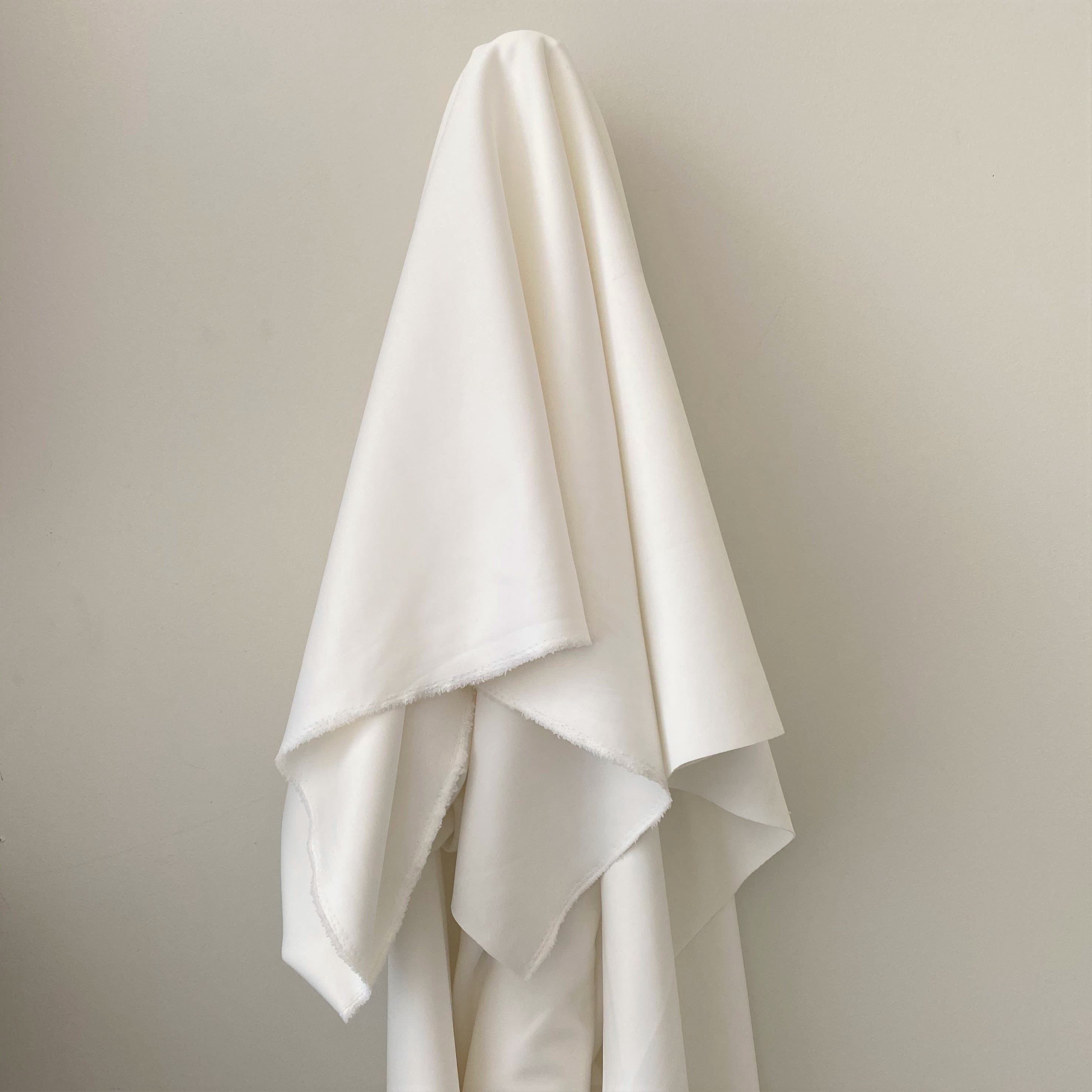
Bridal fabrics beyond pure silk: structured polyester mikado and dupion, fluid satins, stretch satin and crepe for fitted gowns, linen and broderie anglaise for relaxed weddings, plus jacquards, velvet and sequinned georgette.
- Polyester, cotton, linen and blends
- Mostly ivory and white
- For gowns, separates and linings
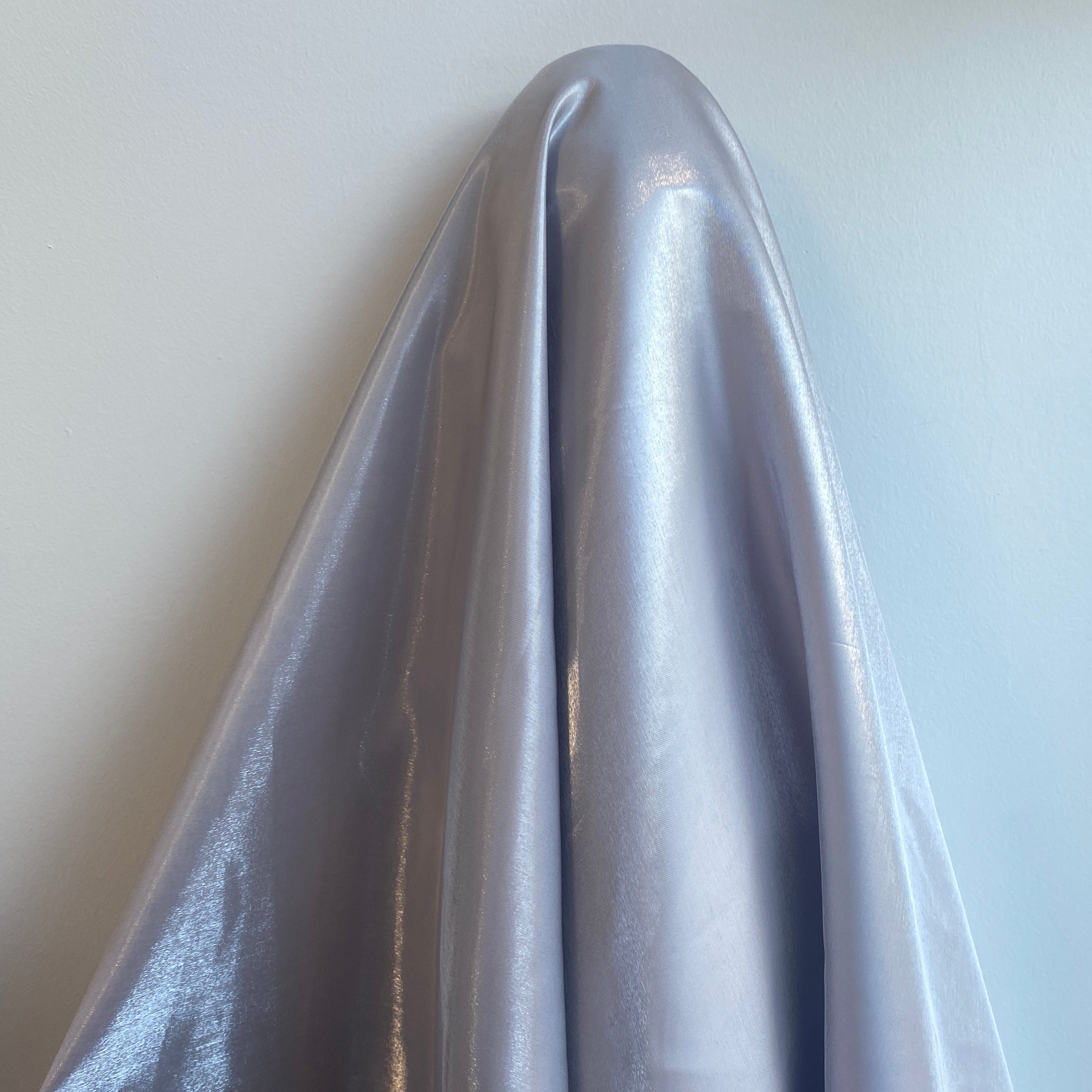
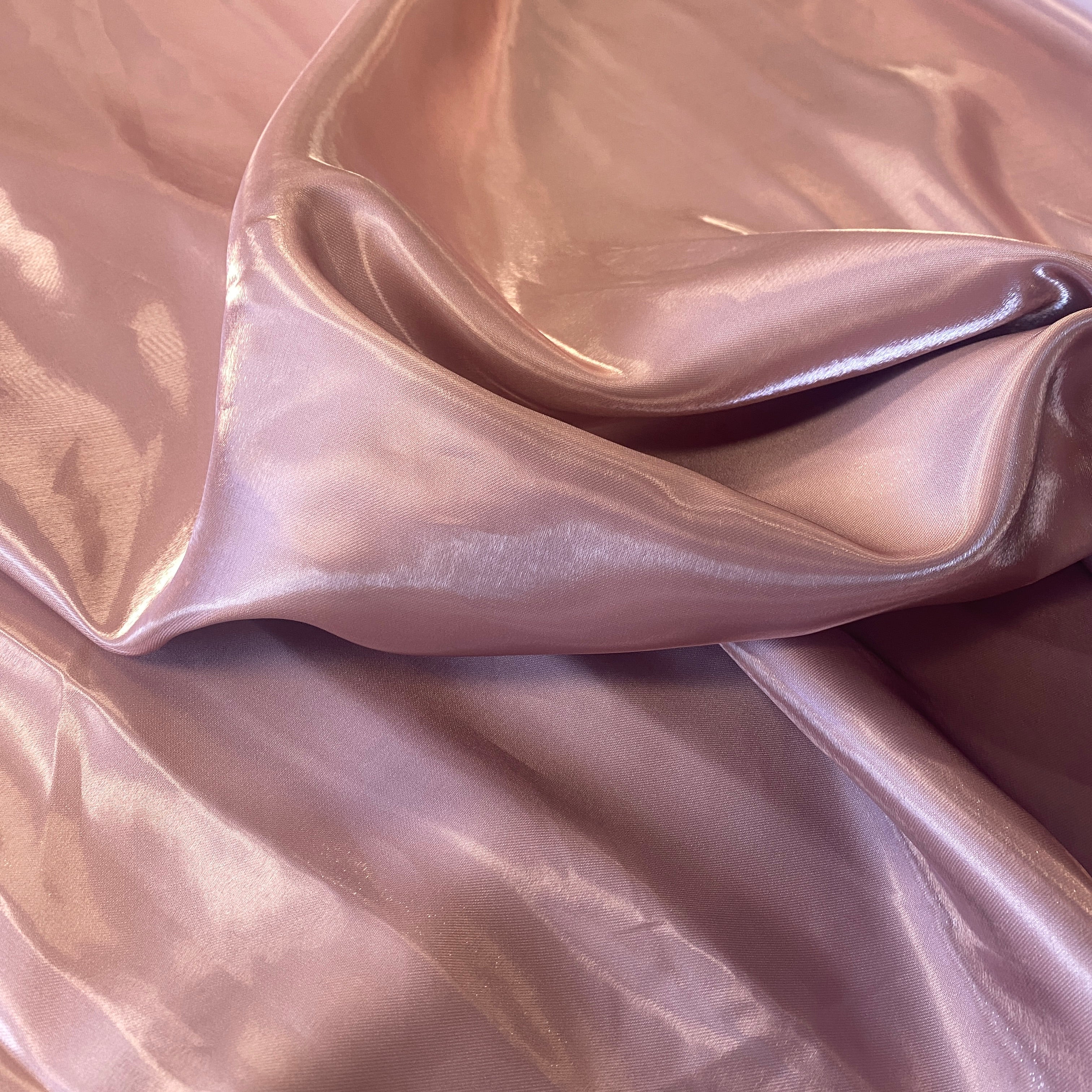
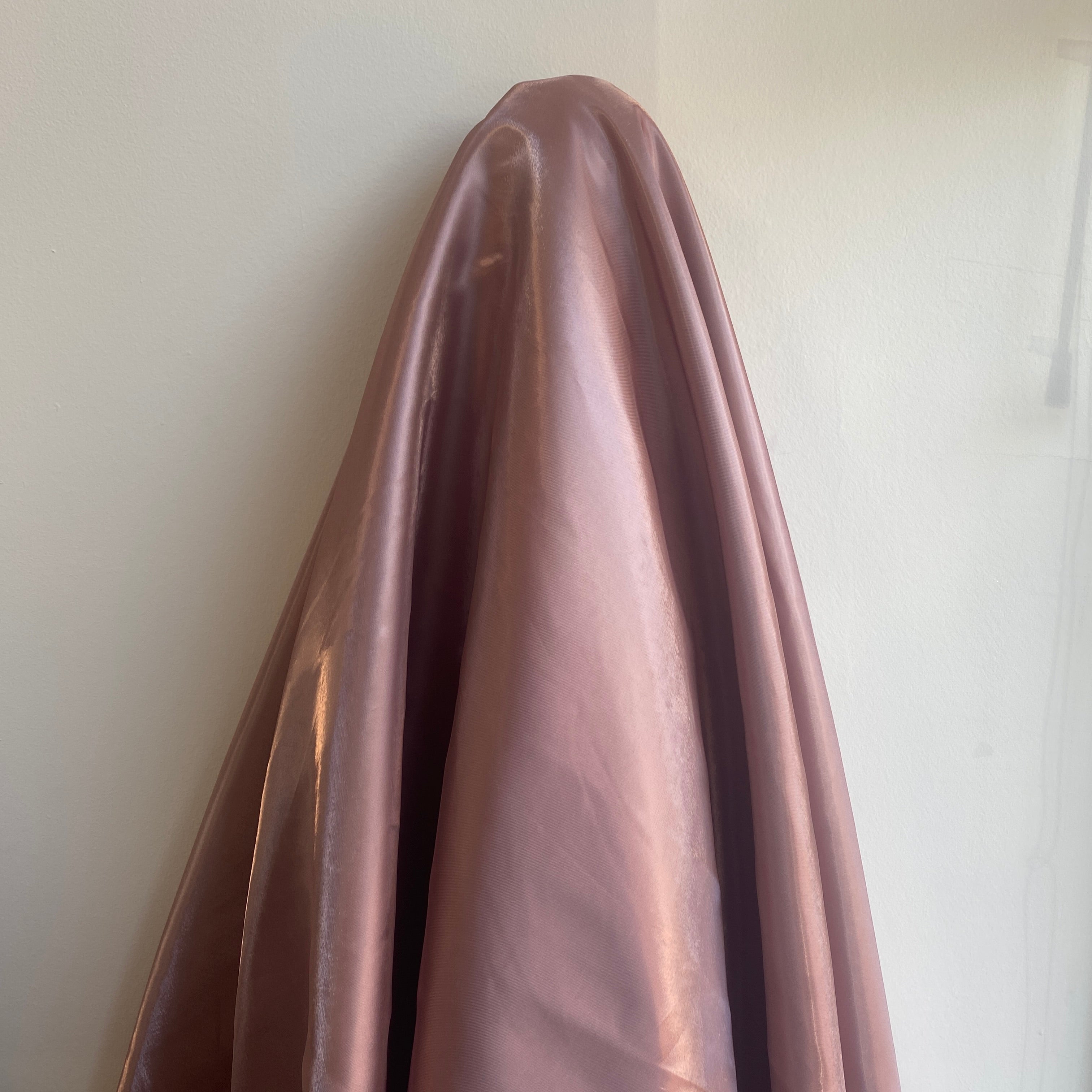 Sold out
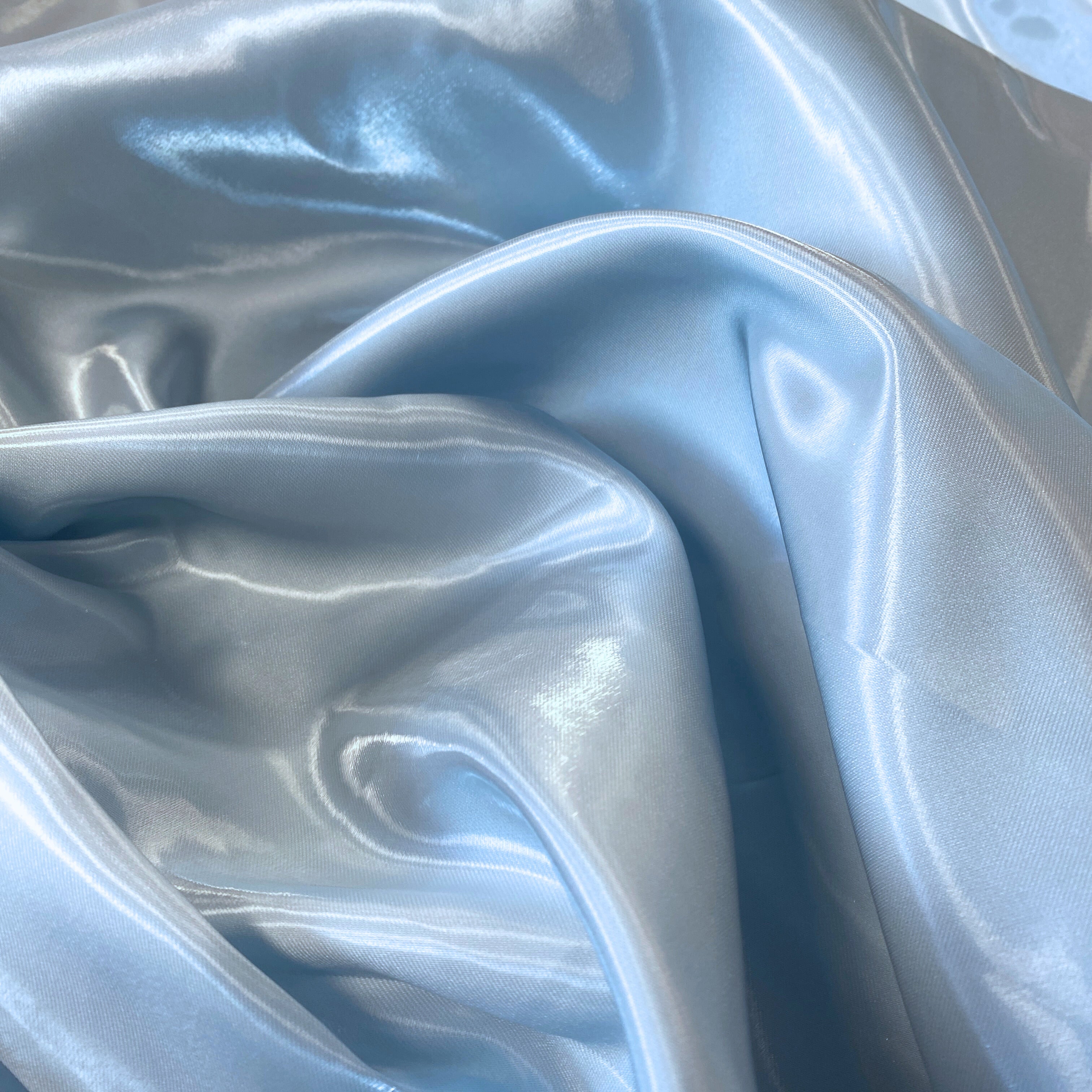
 Sold out
Guide
Polyester, Cotton and Blended Bridal Fabric: How to Choose and Sew It
Our bridal fabrics beyond pure silk: which one suits each look, and tips for sewing them.
Why choose these?
- Easy to wear. Polyester resists creasing, so a gown still looks fresh at the end of the night.
- Stretch for a close fit. Stretch satin, stretch crepe and stretch mikado move with you in fitted gowns.
- Natural and relaxed. Linen, broderie anglaise and silk cotton suit garden, beach and relaxed weddings.
- Texture and sparkle. Jacquards, silk velvet and sequinned georgette add pattern and shine.
- Mostly ivory and white. Plus a few colours for bridesmaids and the bridal party.
Which fabric for which look?
| Look | Fabrics |
|---|---|
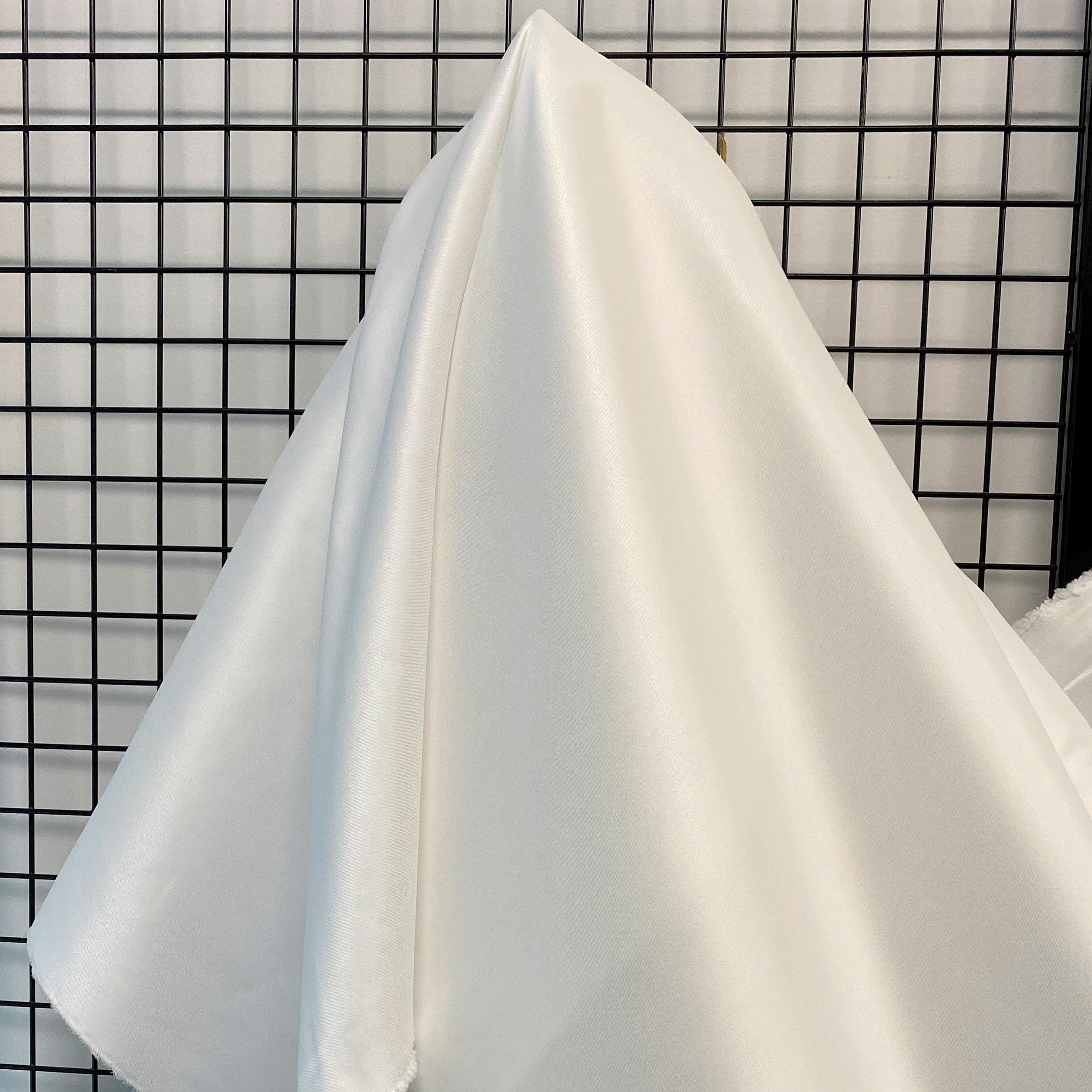
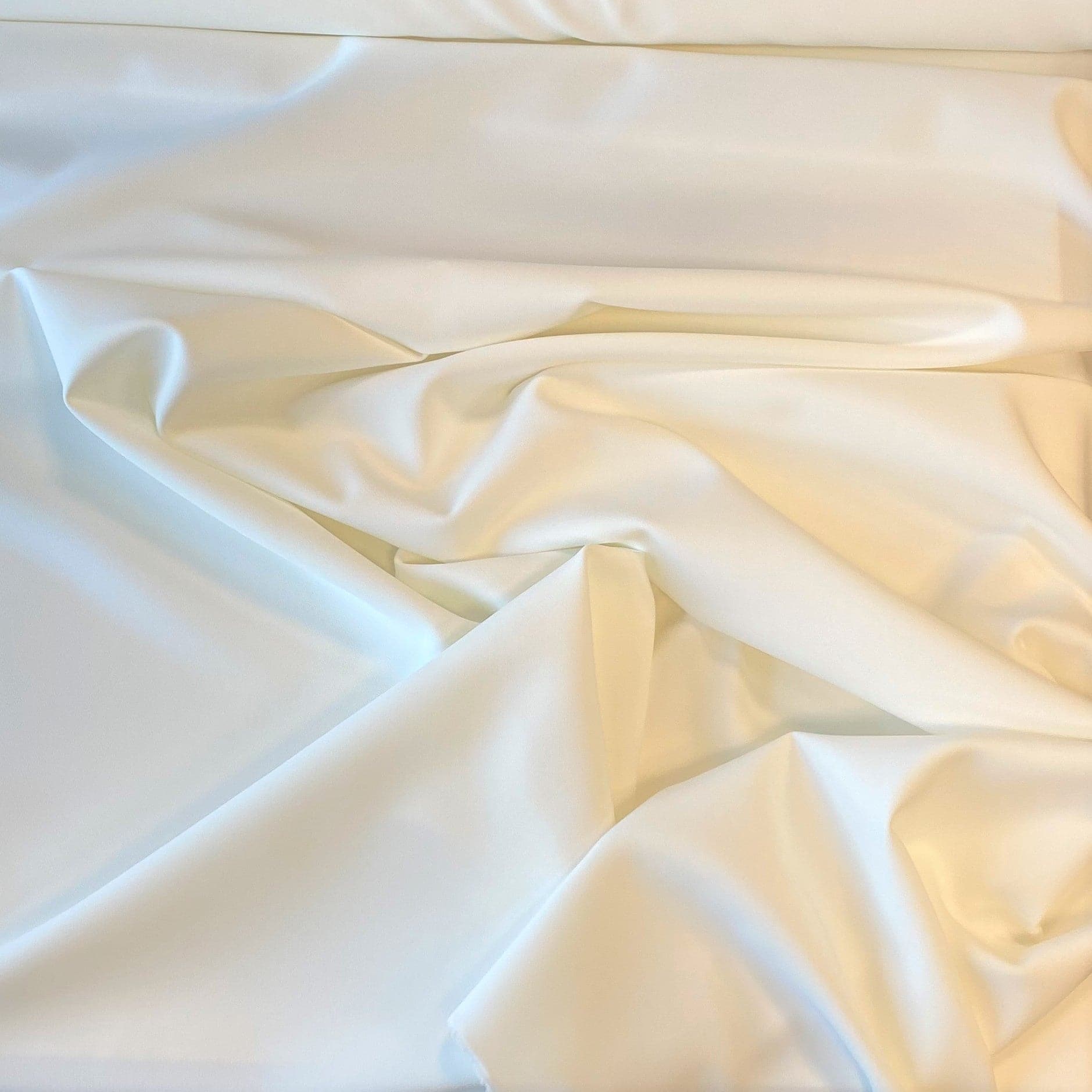
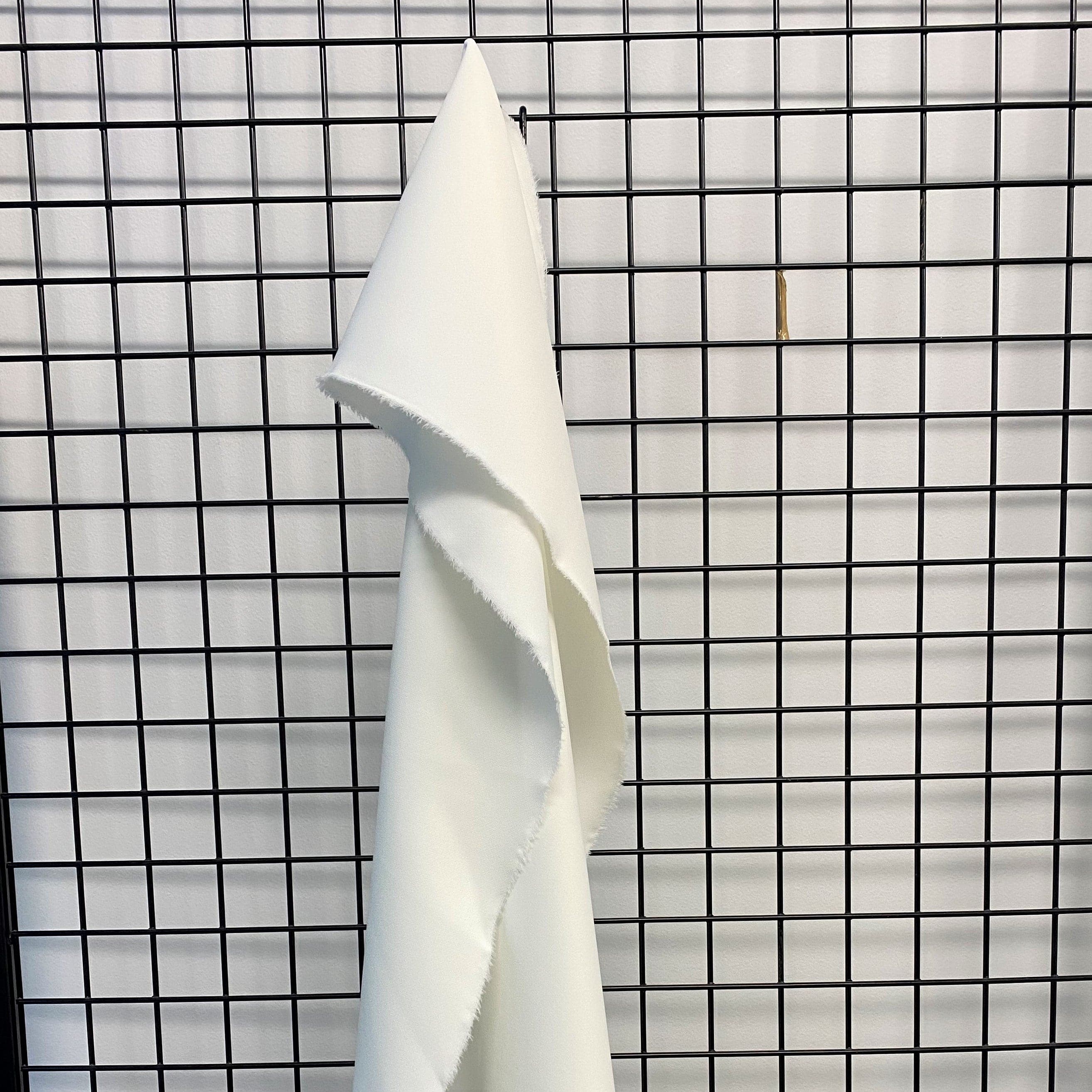
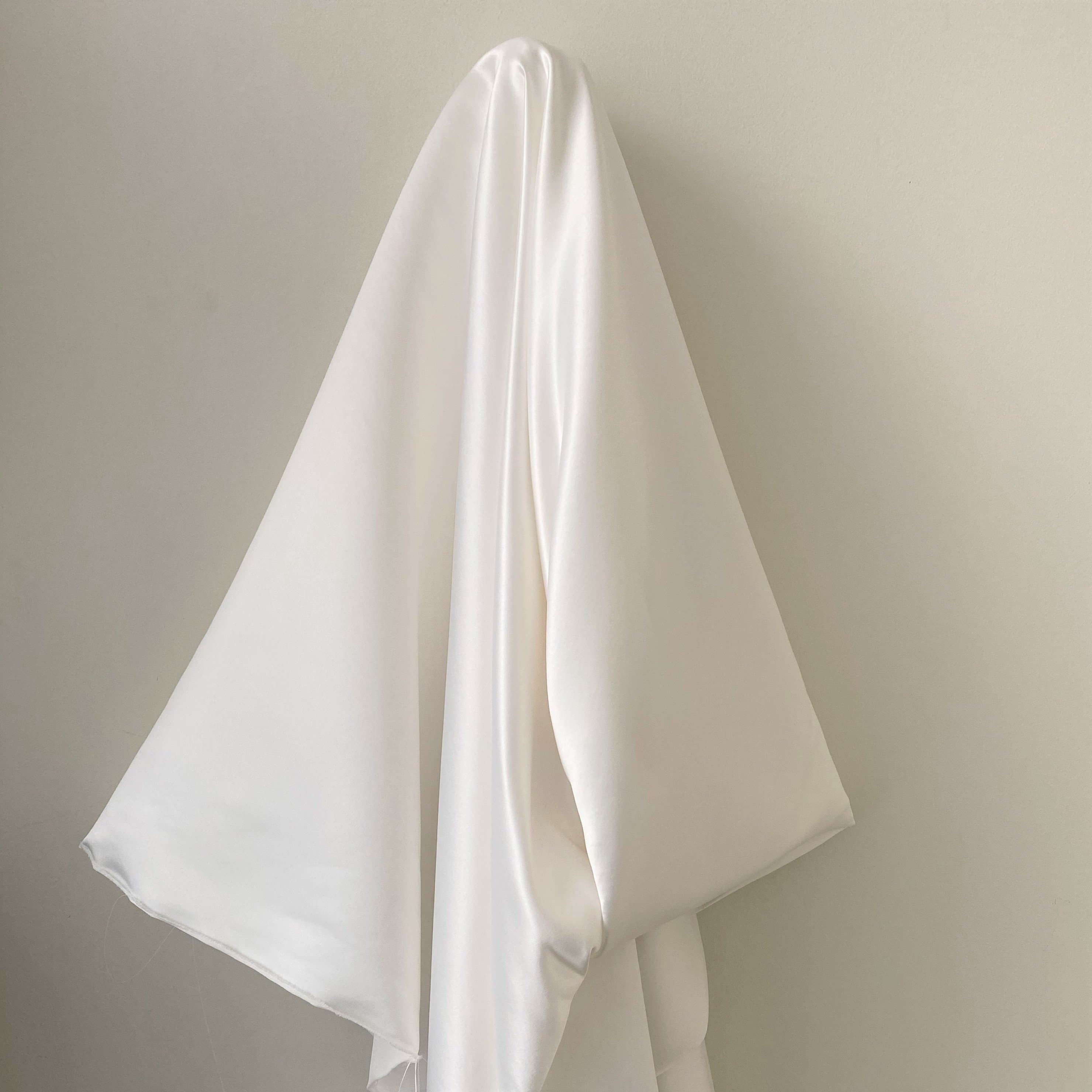
| Structured | Polyester mikado (also in stretch), polyester dupion, polyester faille and scuba. Great for: A-line and ball gowns, sculpted skirts and bodices. |
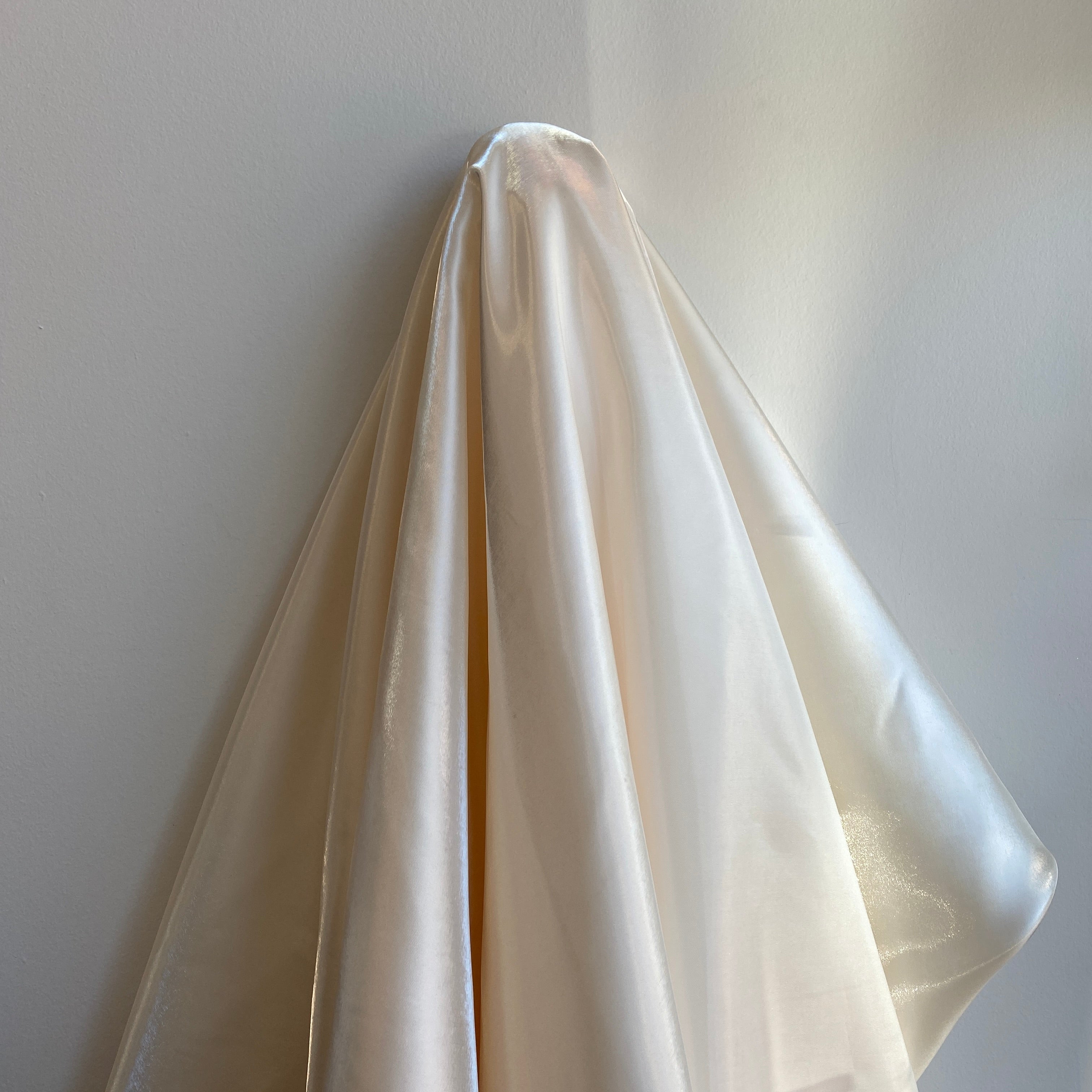
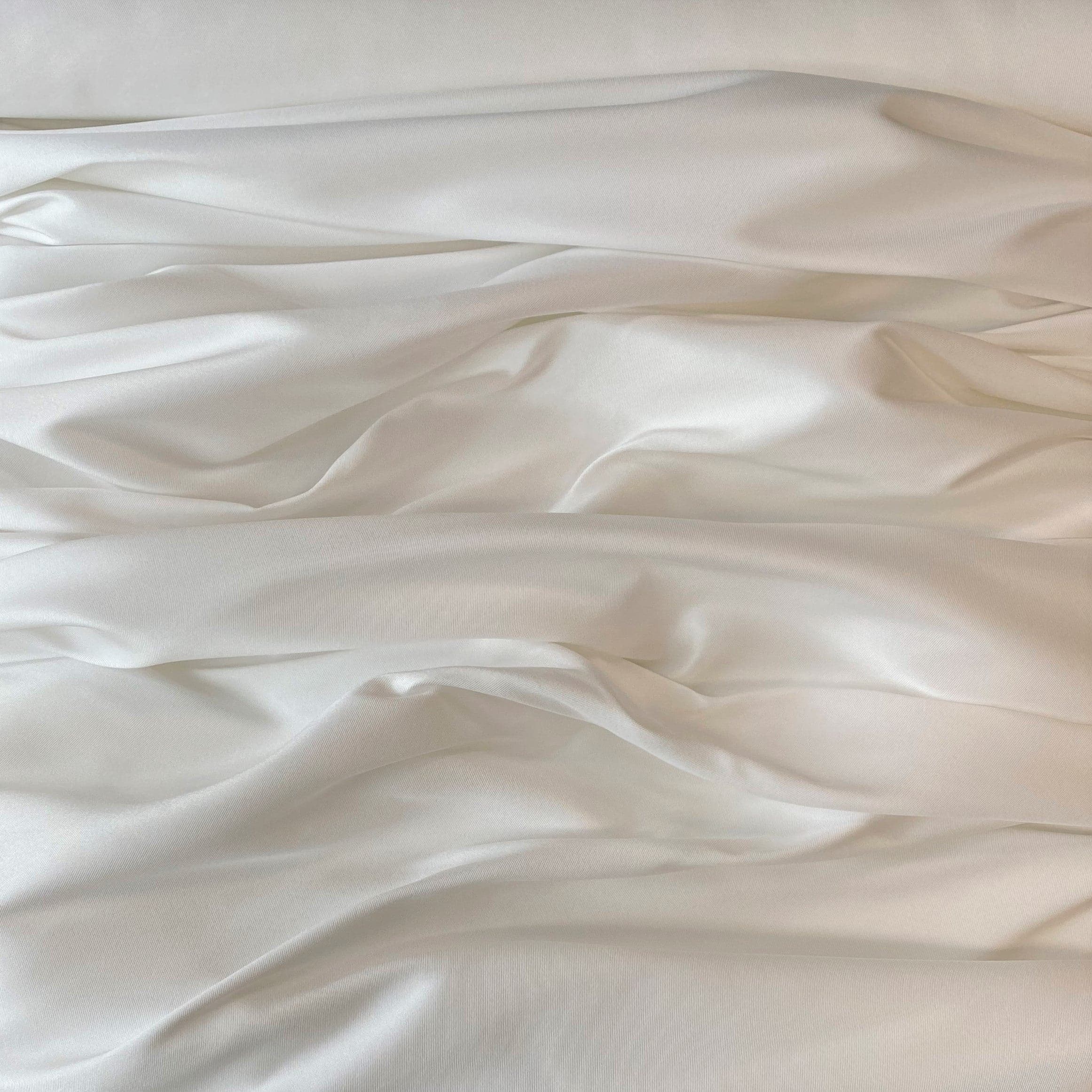
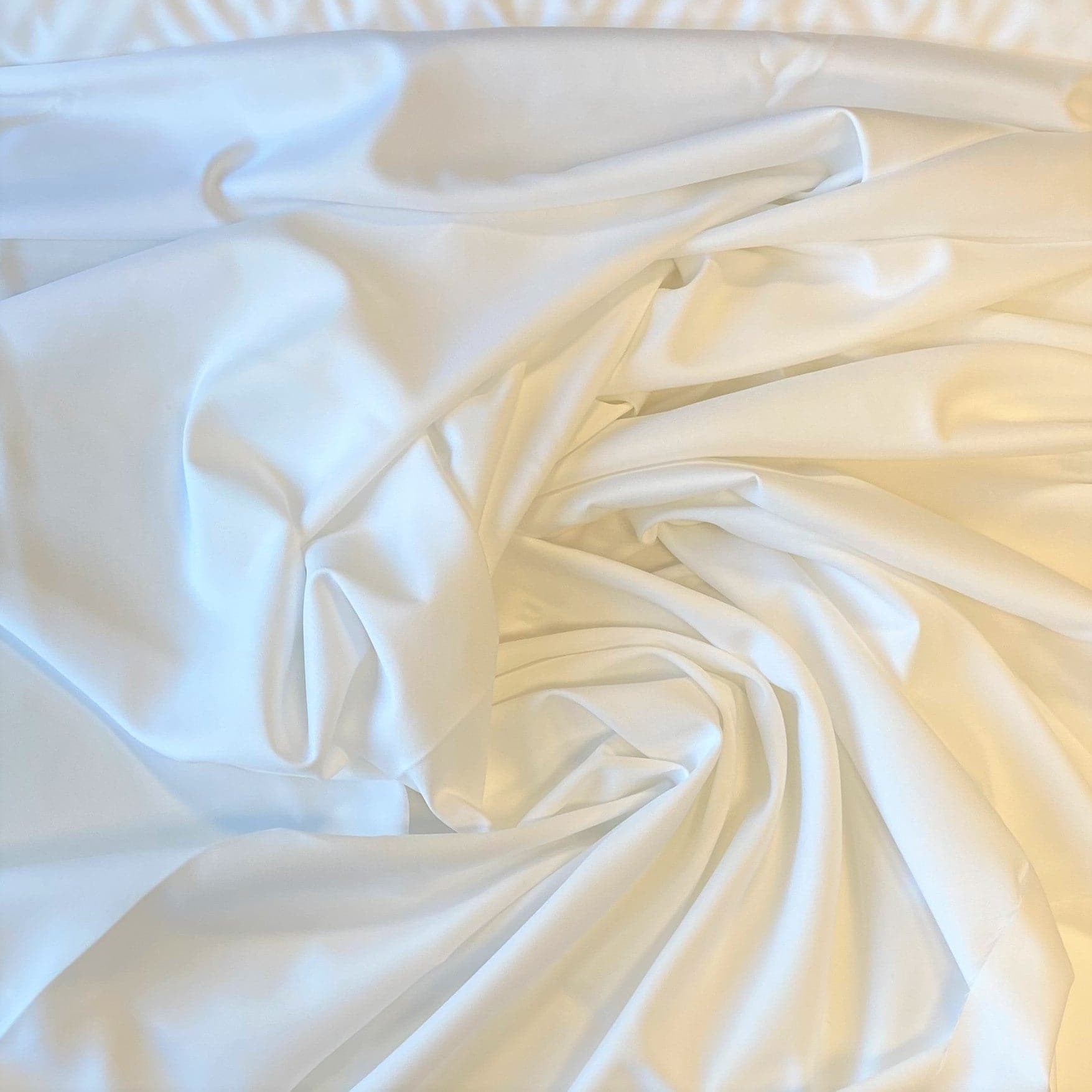
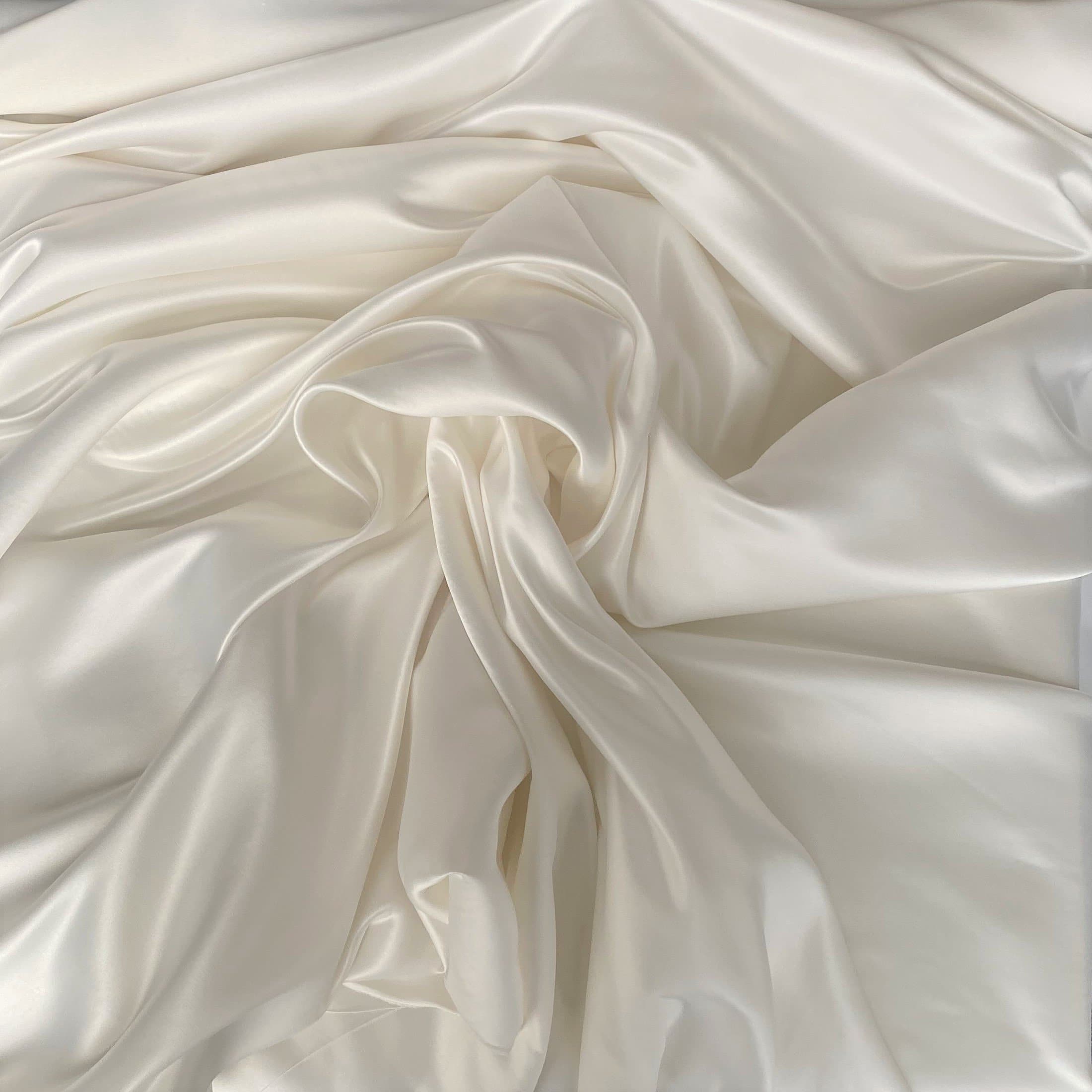
| Fluid | Faux acetate satin and liquid satin. Great for: slip dresses, bias-cut and draped gowns. |
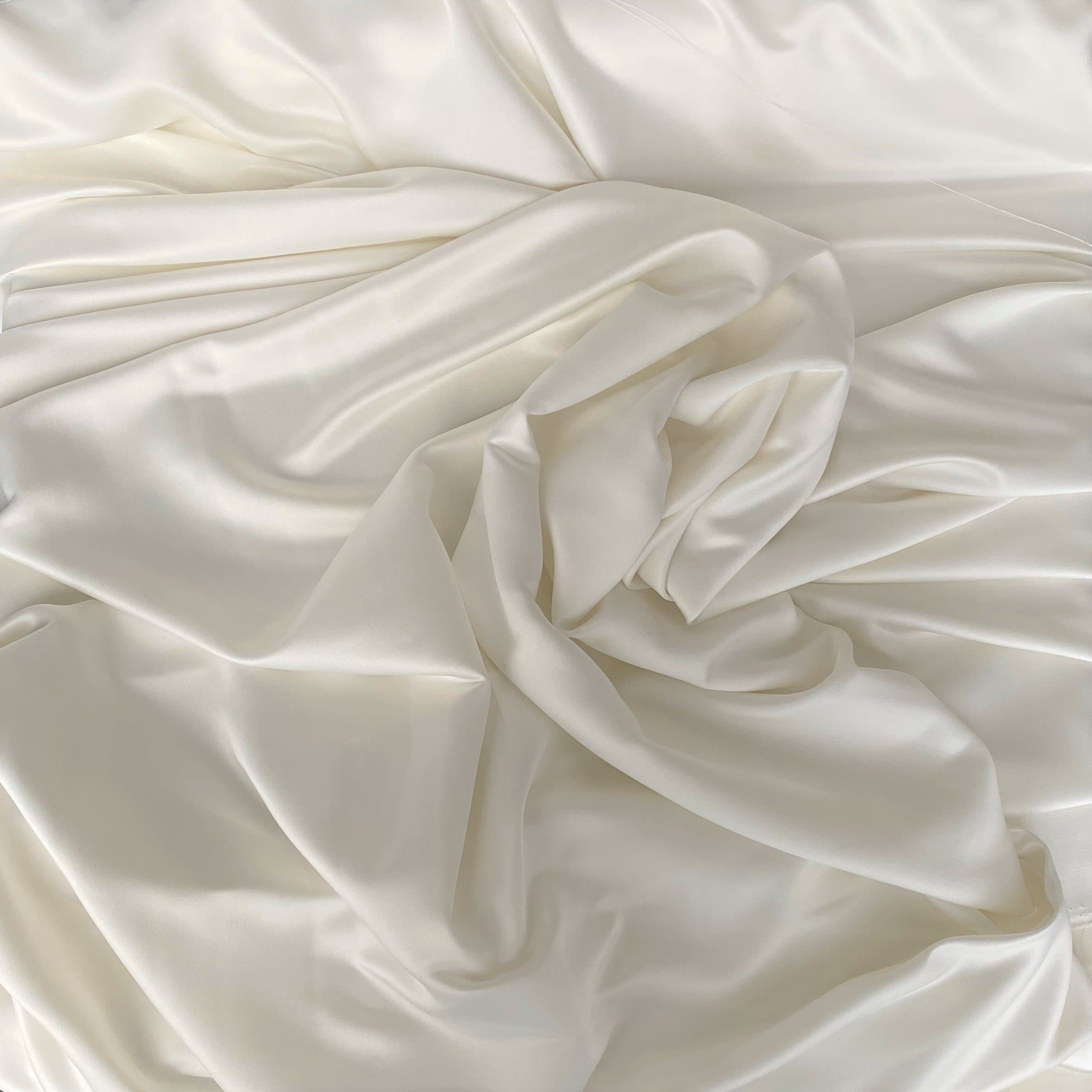
| Fitted, with stretch | Stretch polyester satin and stretch polyester crepe, including a four-way stretch crepe. Great for: mermaid and sheath gowns, jumpsuits and pants. |
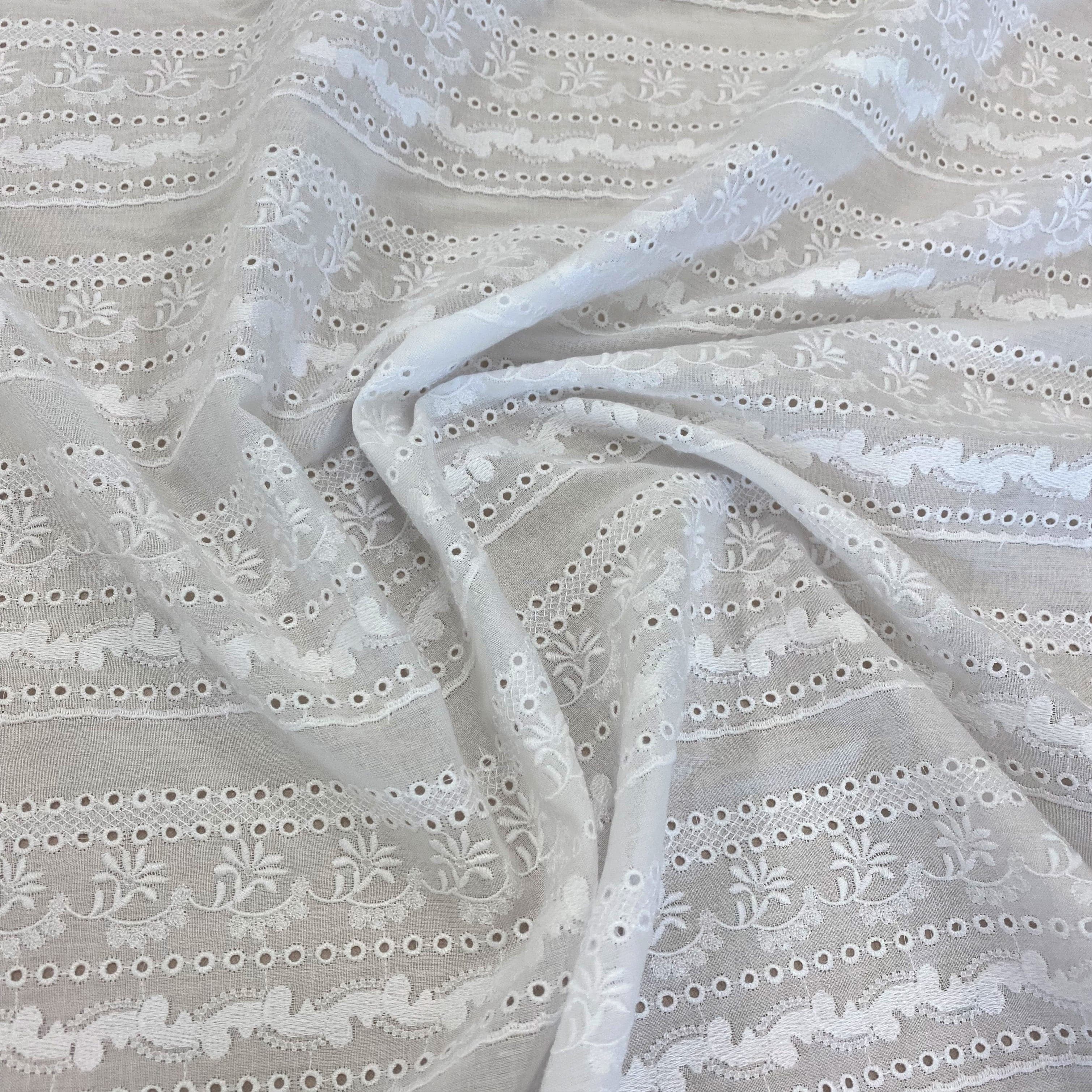
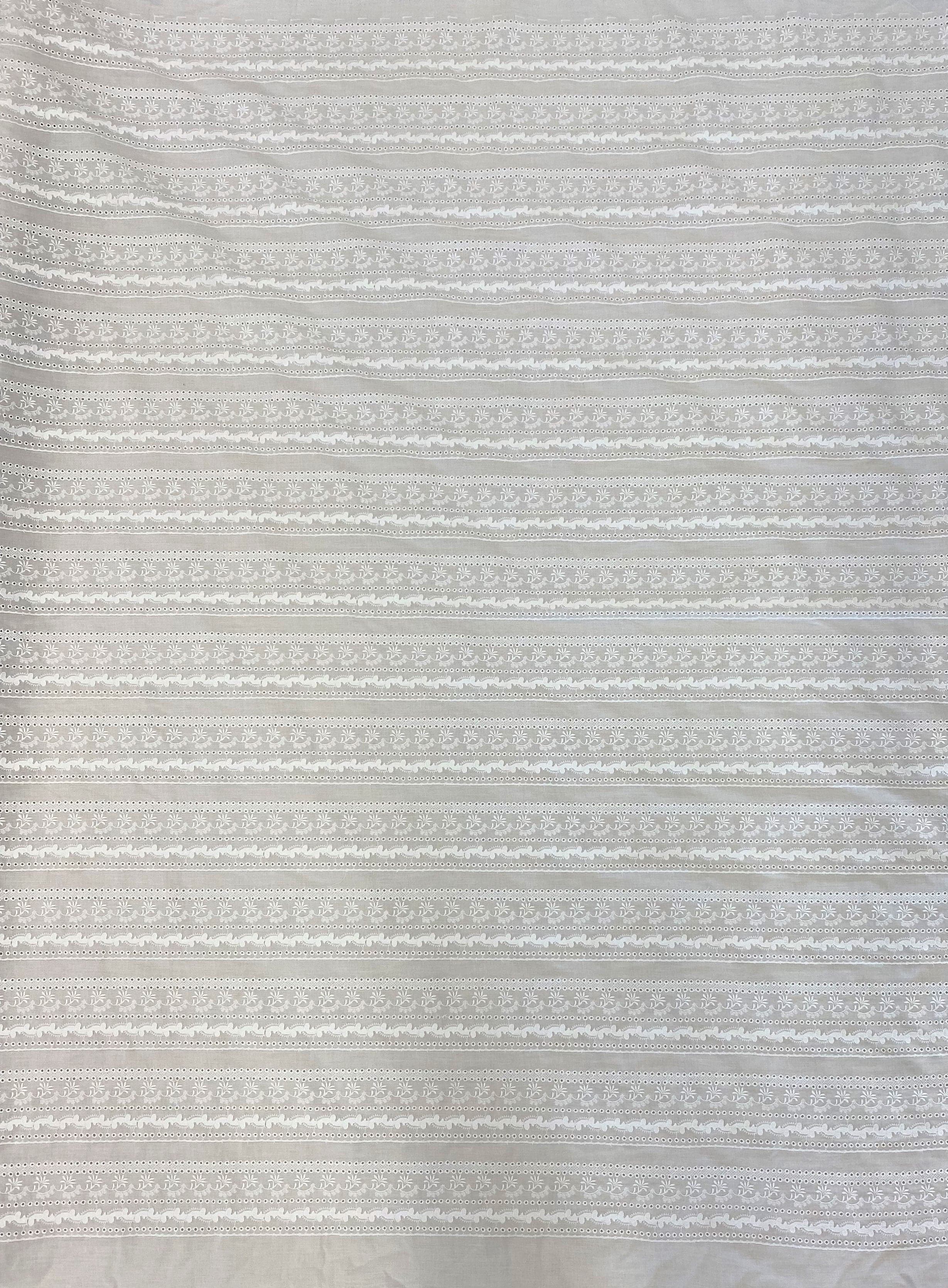
| Natural and relaxed | Linen, broderie anglaise, and silk cotton voile and sateen. Great for: relaxed gowns, separates and linings. |
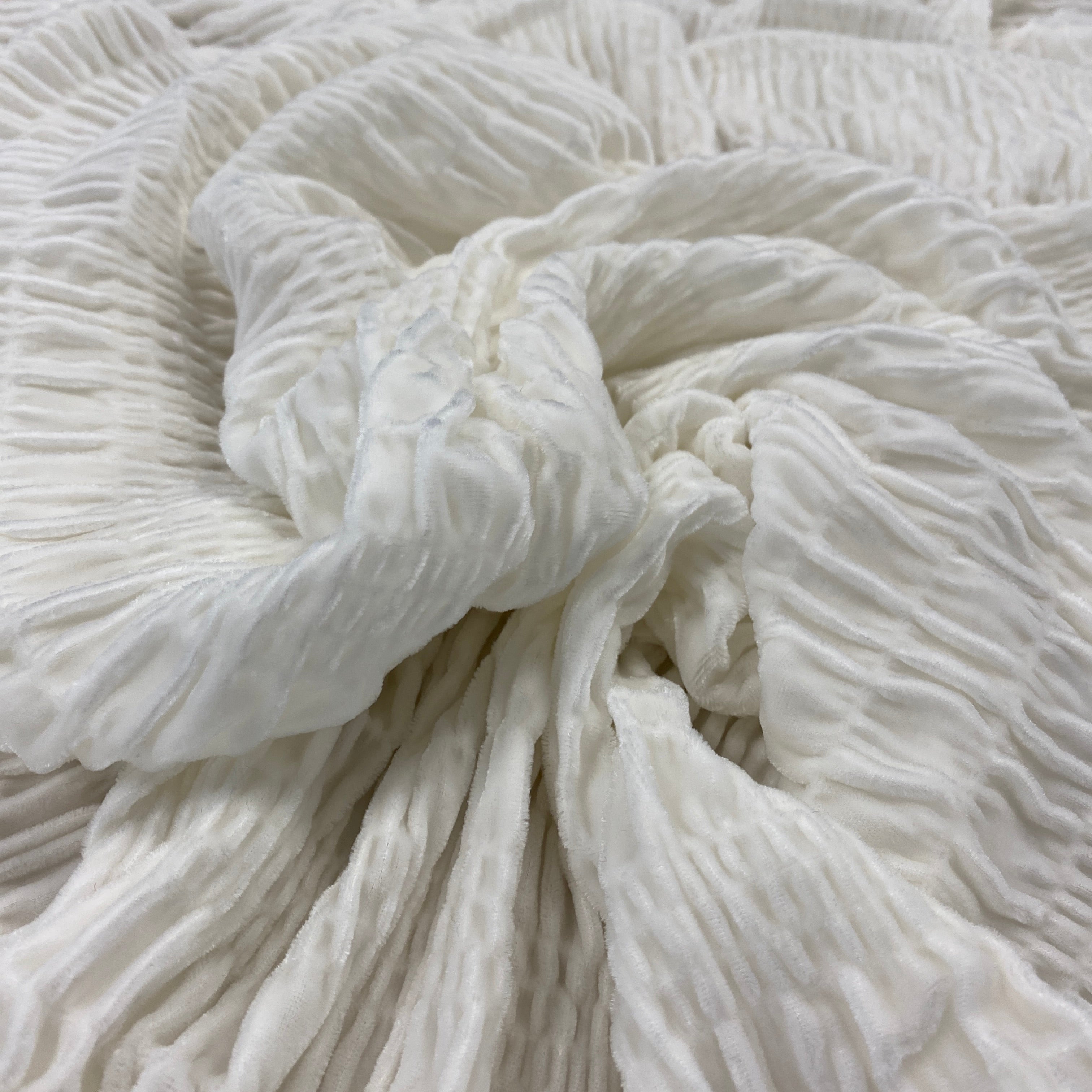
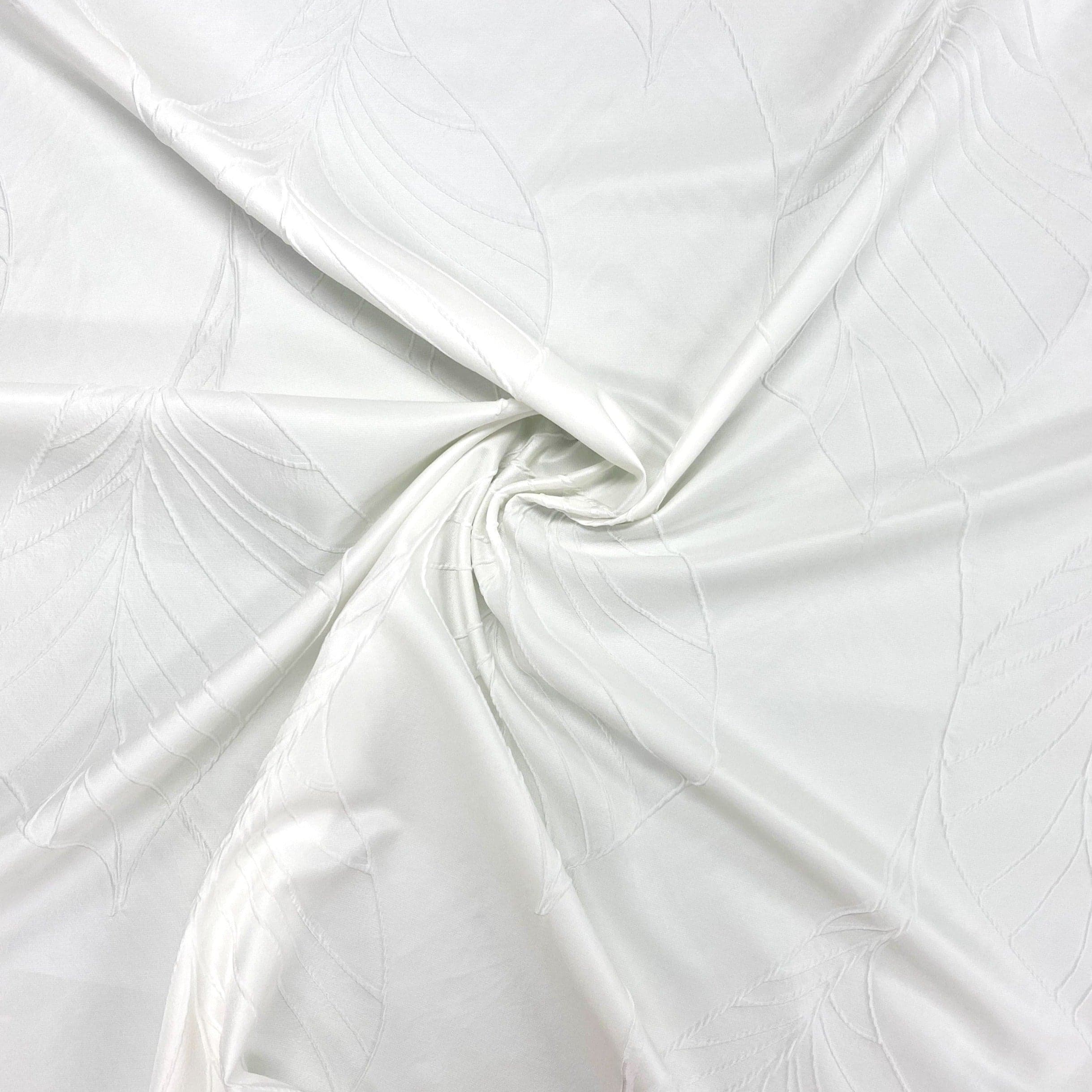
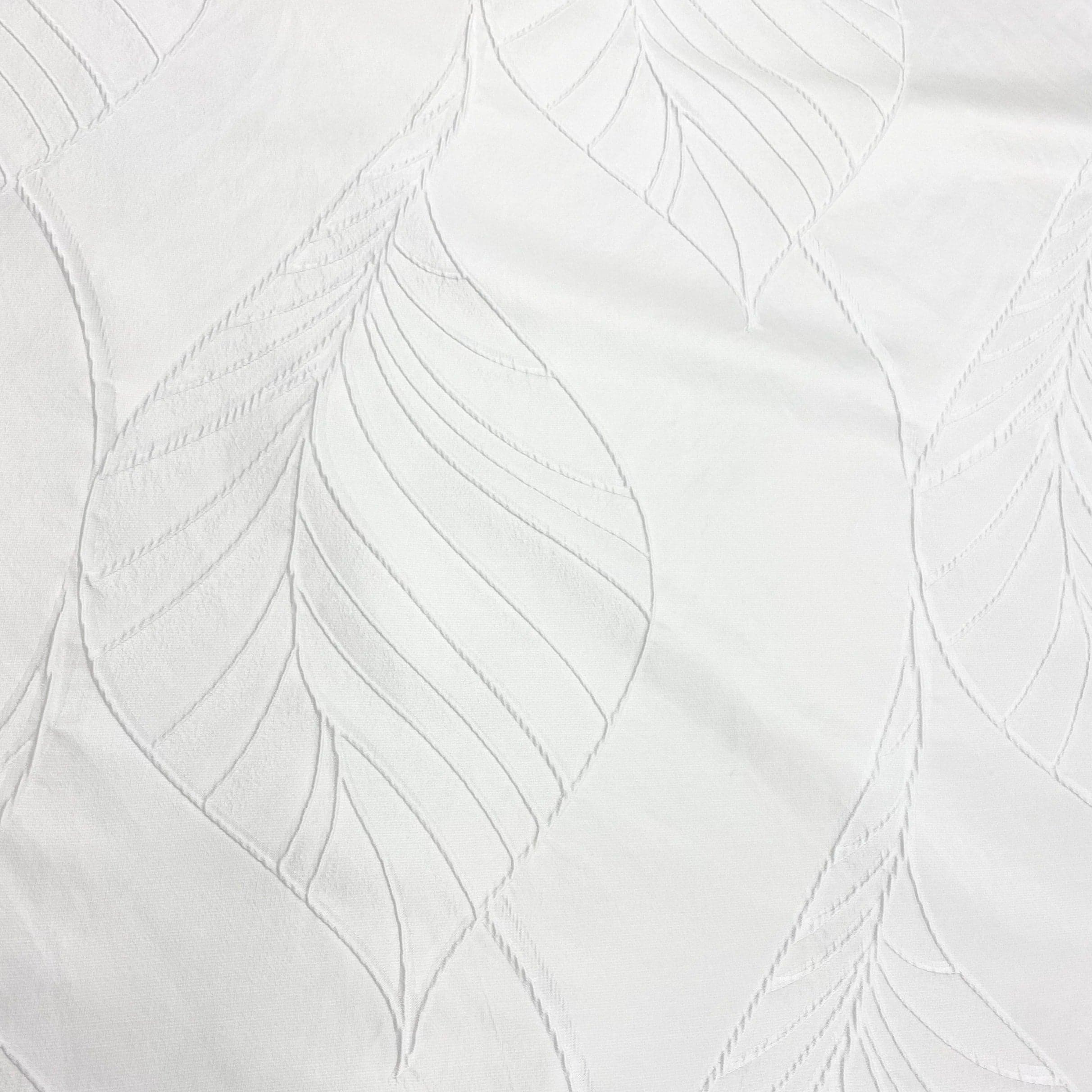
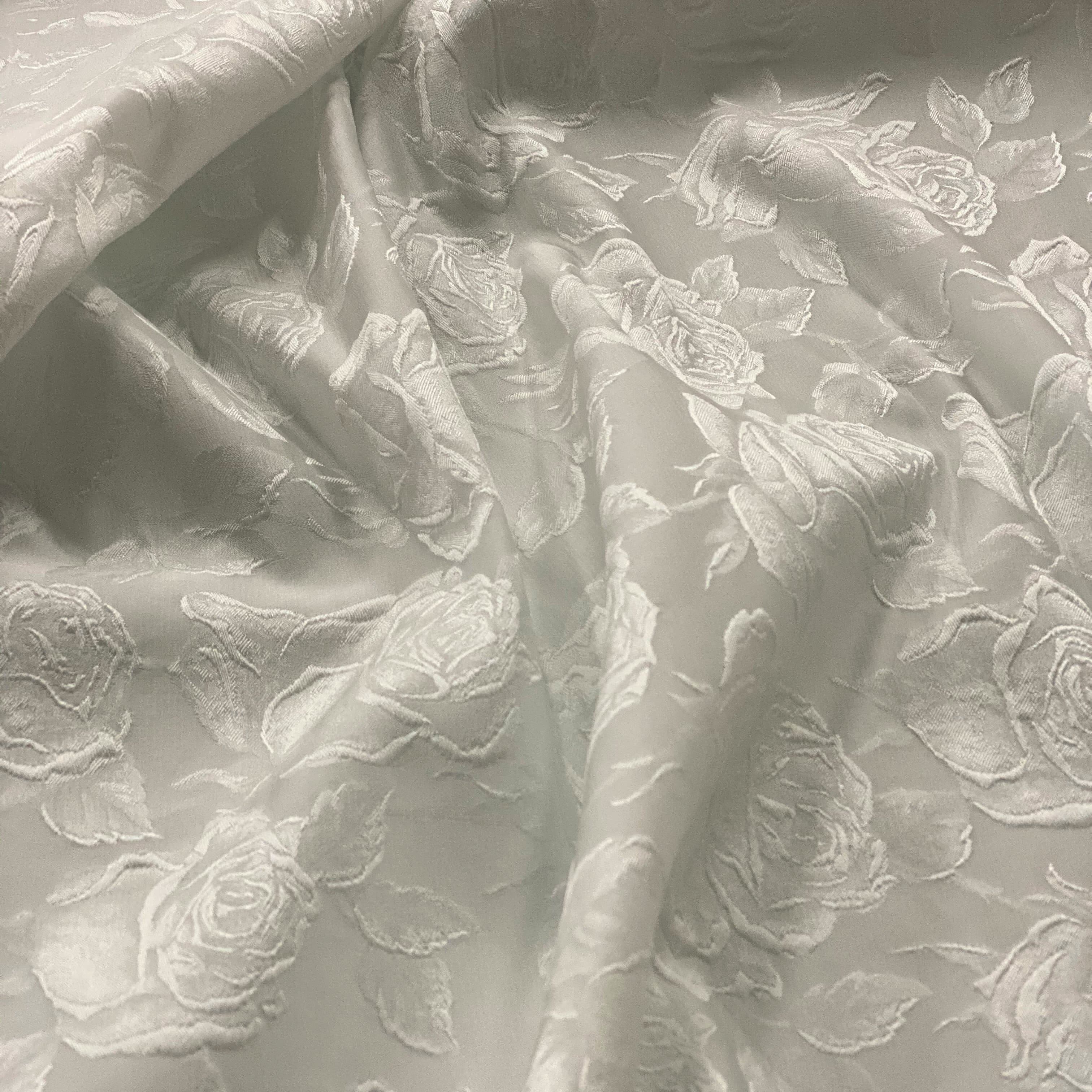
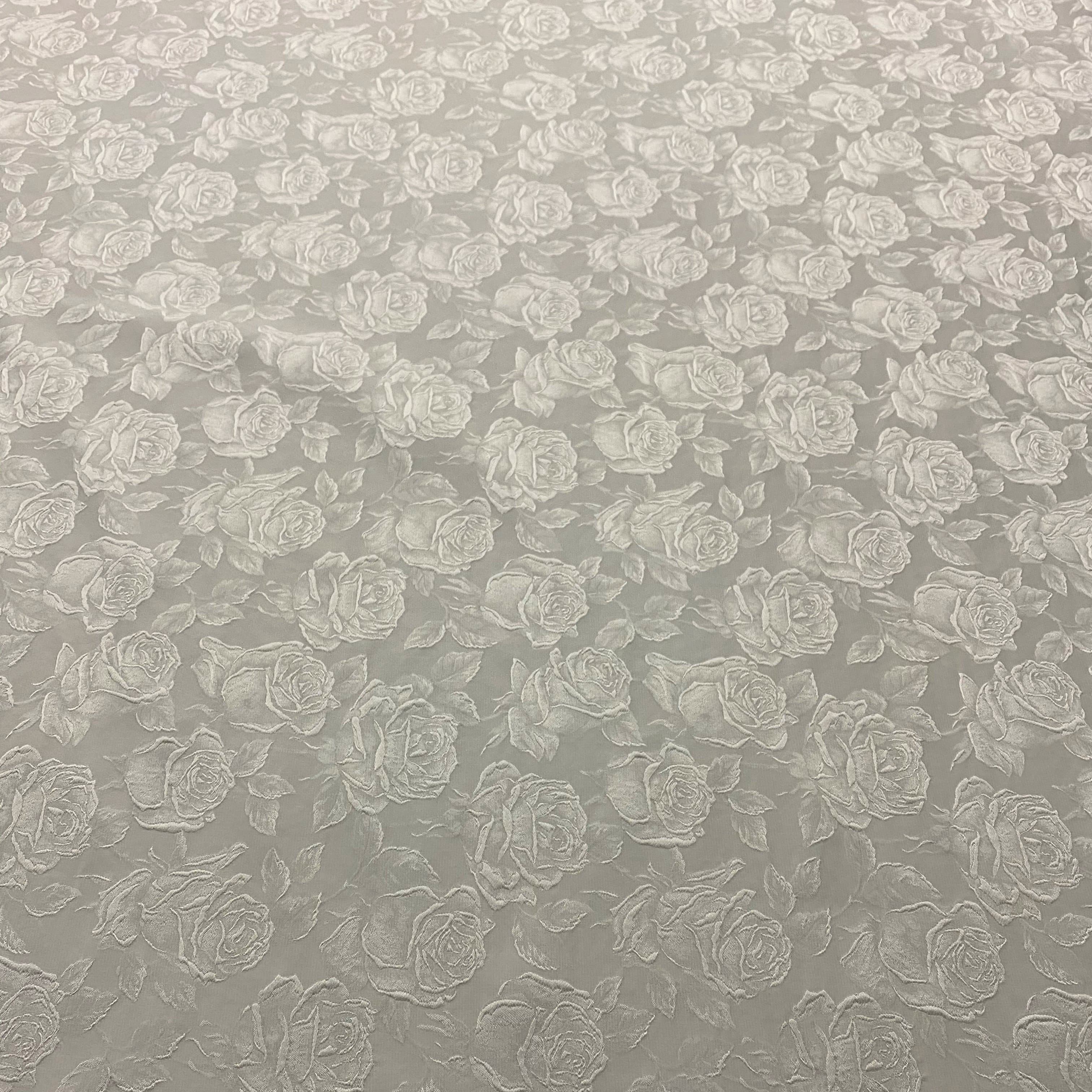
| Texture | Rose, leaf and waffle jacquards (see bridal jacquards), and silk velvet, plain and ruched. Great for: winter weddings, jackets and statement skirts. |
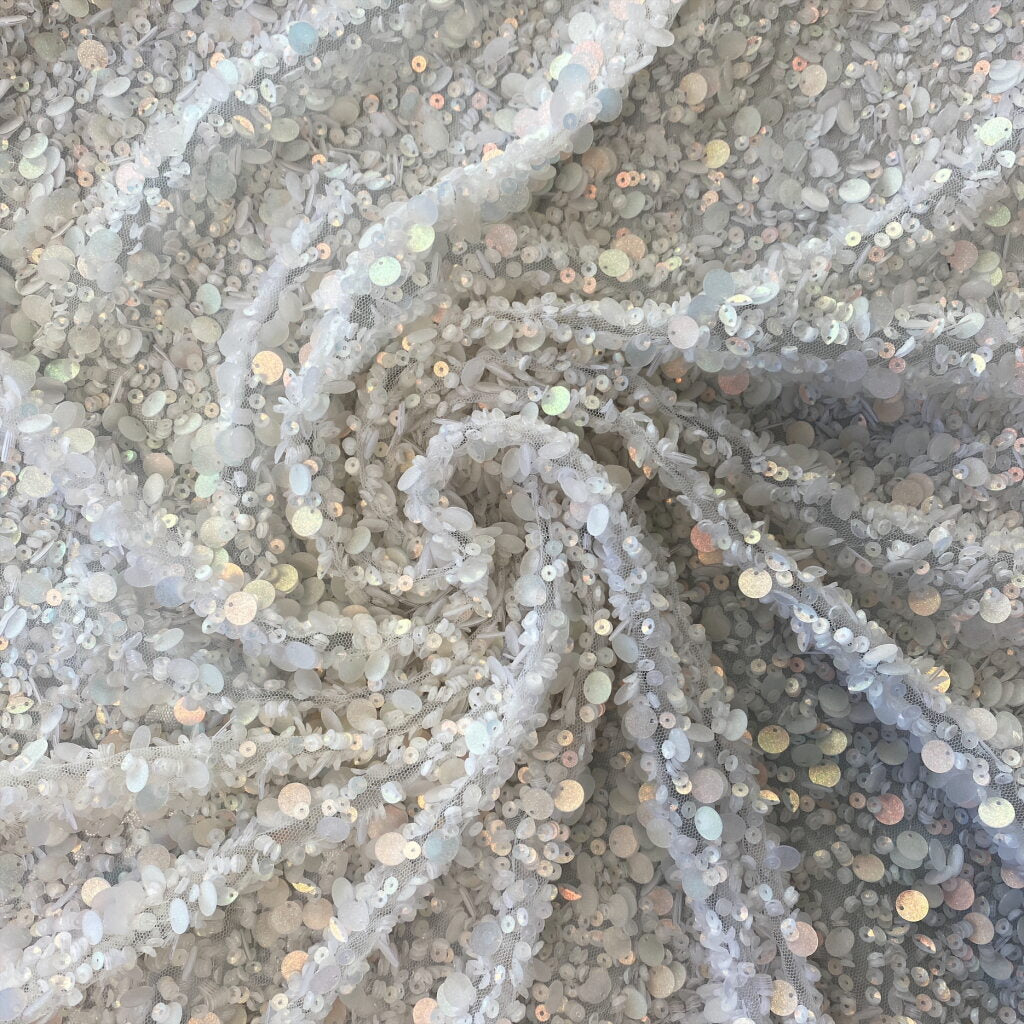
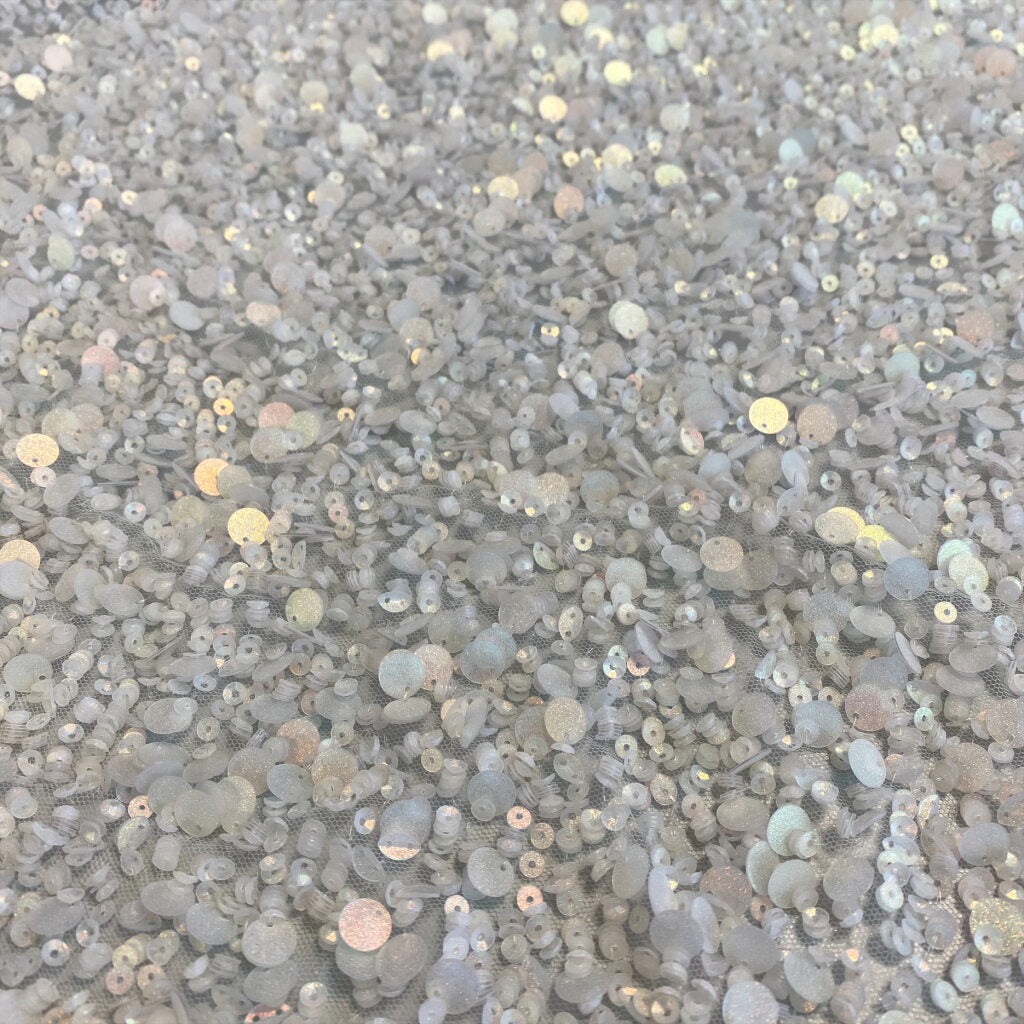
| Sparkle | Sequinned georgette and sequin tulle (see embellished georgette). Great for: overlays, sleeves and reception dresses. |
| Recycled | Recycled polyester chiffon, satin, crepe and poplin (see recycled polyester). Great for: soft layers and separates. |
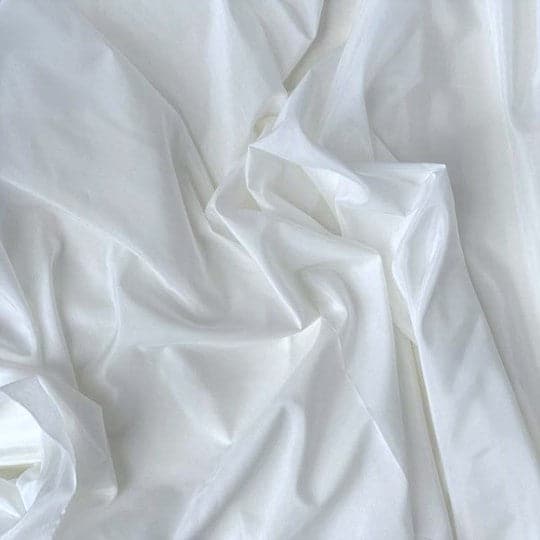
| Lining | Polyester lining in ivory and white. Great for: lining polyester gowns and skirts. |
Silk or polyester?
Silk breathes and has a soft, luminous glow; polyester resists creasing, travels well and is forgiving to handle. Both make beautiful gowns. See bridal silks to compare, and our polyester guide for each polyester side by side.
Ivory and matching
Ivory and white vary a lot from one fabric to the next, so we always recommend ordering samples of every fabric in your gown, including the lining, and comparing them side by side in daylight.
Cutting
- Cut satins, mikado and velvet as a single layer, with all the pieces facing the same way: their sheen or pile can look different from each direction.
- Cut slippery satins on paper or a cotton sheet, and pin only inside the seam allowance, as pins can mark.
- Cut stretch fabrics with the most stretch going around the body.
- Cut sequinned fabrics flat as a single layer, and keep any beads or sequins that come loose to sew back on later.
- Pre-wash linen and cotton only if you'll wash the finished piece. See our fabric care guide.
Sewing
- Polyesters: a fresh needle (size 70 to 90, or a stretch needle for stretch fabrics) and a good-quality polyester thread.
- Linen and broderie anglaise: a good-quality polyester or mercerised cotton thread. Silk cotton voile and sateen: a fine mercerised cotton thread.
- Sew a test seam on a scrap first: needle holes can show on satin.
- Polyester is springy and doesn't ease well, so take care setting in sleeves and shaping curves.
- Each fabric has its own guide with more tips: follow the links in the table above.
Hems
- Mikado, dupion and faille: a faced or bound hem keeps the edge crisp and clean.
- Faux acetate and liquid satin: let the gown hang for a few days, level the hem, then sew a narrow hem by hand or machine.
- Stretch satin and crepe: a blind catch stitch by hand, or a stretch blind hem on the machine, so the hem can stretch.
- Scuba: it doesn't fray, so a clean-cut raw edge works well.
- Silk cotton voile and sateen: a machine baby hem. Press up 1 cm, stitch close to the fold, trim the allowance right up to the stitching, then turn it once more and stitch again.
- Linen and broderie anglaise: a double-fold hem, stitched by hand for an invisible finish.
Pressing
Polyester can melt or go shiny under a hot iron, so press on the synthetic (low) setting through a pressing cloth. Linen and cotton take a hotter iron. Never press an iron onto velvet or sequins: steam velvet from the reverse with the iron held clear, and press sequinned fabrics face down on a thick towel on a low setting. Test on a scrap first.
Questions
Is polyester good for a wedding dress?
Yes. It resists creasing, travels well and comes in structured, fluid and stretch weaves, so there's one for most gown shapes.
Which fabric is best for a fitted wedding dress?
Stretch polyester satin or stretch crepe, which move with you. Stretch mikado gives a fitted gown more structure.
What fabric suits a relaxed or beach wedding?
Linen, broderie anglaise and silk cotton voile are light, breathable and relaxed.
Why order samples?
Ivory and white vary a lot between fabrics, so samples let you compare your gown fabric, lining and lace side by side.
Wholesale for fashion labels, bridal studios and designers buying in bulk. Apply for an account