

Silk Duchess Satin
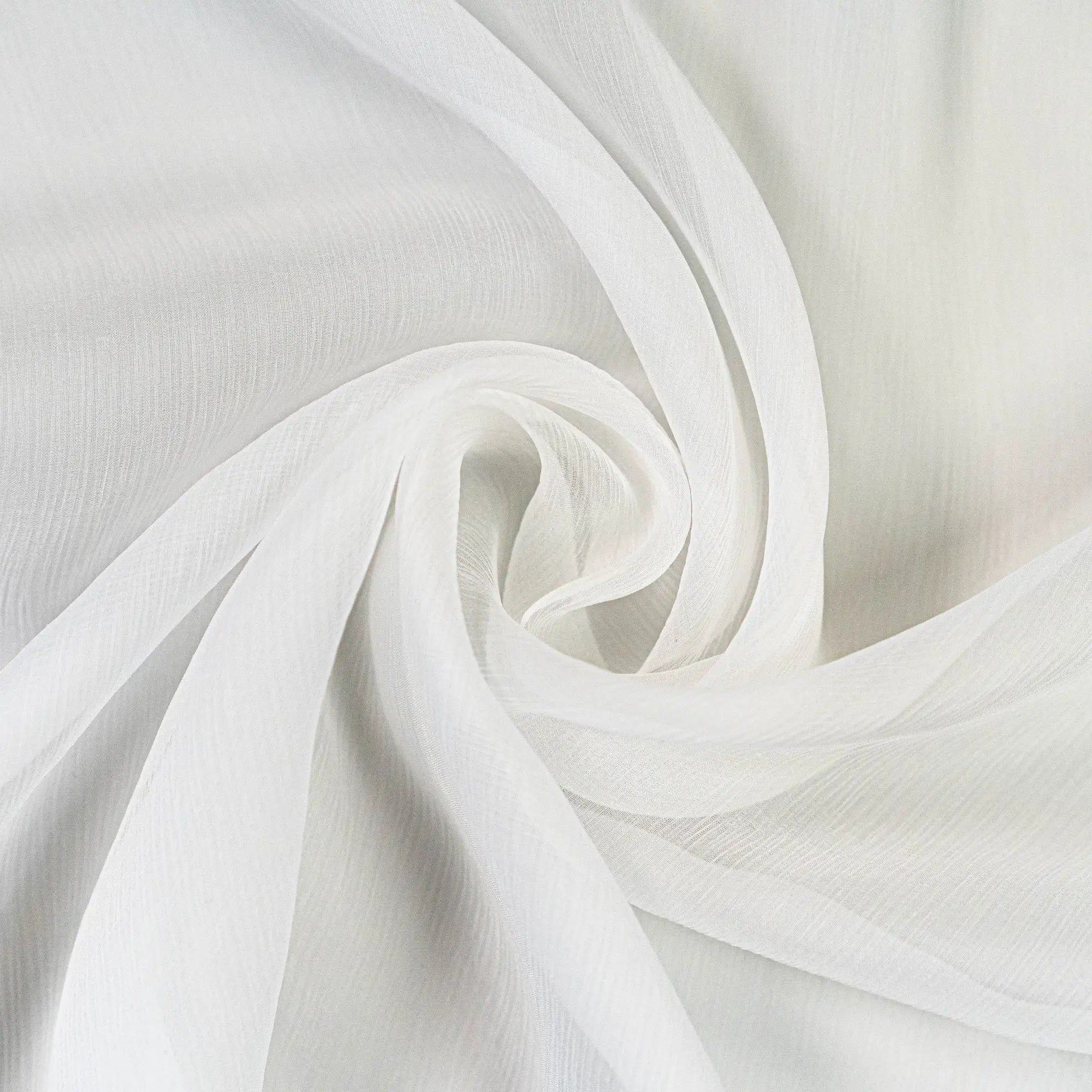
A very structured silk satin, sculptural in one direction, with a soft, low-sheen finish. A classic for structured wedding gowns, bodices and full skirts.
- 2 colours
- 140 cm wide
- 100% Silk
- From $173.80 per metre


Guide
Silk Duchess Satin: Uses and How to Sew It
Why silk duchess satin is worth it, how it compares with our other silk satins, what to make with it, and easy tips for sewing it at home.
Why silk duchess satin?
- Very structured. Duchess satin is sculptural in one direction, so it holds crisp, defined shapes.
- A soft, low sheen. Its delustred finish glows gently rather than shines.
- Weight with substance. A mid-weight satin, which is heavyweight for a silk.
- It breathes. Silk is a natural fibre, so it's comfortable to wear all day.
- It lasts. Looked after well, silk keeps its colour and character for years: worth it for a gown you'll keep.
Certified silk. All of our silk duchess satin is 100% pure mulberry silk, certified to two independent standards:
- GOTS (Global Organic Textile Standard): the silk is organic, and traced from the farm to the finished cloth.
- OEKO-TEX Standard 100: tested for harmful substances, so it's safe against the skin.
Which silk satin?
Our silk satins range from soft and fluid to crisp and structured. Here's how they compare, to help you pick the right one for your project.
| Sandwash satin | Silk satin 25mm | Crepe satin | Stretch satin | Duchess satin | Queen satin | |
|---|---|---|---|---|---|---|
| Fibre | 100% silk | 100% silk | 100% silk | 93% silk, 7% Lycra | 100% silk | 100% silk |
| Finish | Soft satin, with a faille-like matte side | Lustrous satin face, matte back | Satin on one side, matte crepe on the other | Satin face, matte back | Low-sheen, delustred satin | Low-sheen, delustred satin |
| Handle | Soft and fluid | Super soft, drapes and layers beautifully | Soft, with a weighty fall | Soft, with a moderate one-way stretch | Very structured, sculptural in one direction | Soft, but holds its shape |
| Great for | Slips, blouses, lingerie | Blouses, lingerie, draped dresses, luxurious linings | Draped and bias-cut gowns | Fitted dresses, skirts and pants | Structured, sculptural gowns and bodices | Voluminous couture and bridal shapes |
| To sew | Slippery: take your time | Smooth: take your time | Weighty and smooth | Easy to fit | Stays put, but shows pin marks | Stays put, but shows pin marks |
| Weight | 82 gsm | 108 gsm | 174 gsm | 82 gsm | 109 gsm | 117 gsm |
| Width | 137 cm | 137 cm | 137 cm | 137 cm | 140 cm | 140 cm |
For a soft, flowing gown, look at crepe satin. For crisp, sculptural structure, look at duchess satin, and for soft volume that holds its shape, queen satin.
What to make with it
- Structured, sculptural wedding gowns
- Fitted bodices and full skirts
- Evening wear with clean, defined lines
- Bows, sashes and structured details
Cutting
- Duchess satin shows pin marks, so use pattern weights, or pin only inside the seam allowance.
- Mark on the wrong side with tailor's chalk, tested on a scrap first.
- Its structure runs in one direction, so follow the grainline on your pattern carefully.
Sewing
- Use a fresh, sharp needle (size 70 or 80) and a good-quality polyester or mercerised cotton thread. Silk thread is lovely for tacking and hand sewing. A blunt needle can leave holes or pulls.
- Sew a test seam first: unpicked stitches can leave marks, so try to get seams right the first time.
- Handle it with clean, dry hands to keep the satin pristine.
- Neatly finished seams keep the inside smooth under a structured gown.
Hems
Duchess satin is too structured for a narrow hem. Give it a deep hem, 5 to 8 cm: bind the raw edge with a bias strip of silk habotai, then blindstitch it by hand to the underlining (or catch just one thread of the satin), so no stitches show on the right side. On a strongly curved hem or a train, use a faced hem instead: a shaped facing of silk habotai, sewn on, understitched, turned and hand-sewn at the top.
Pressing
Press from the wrong side on the silk setting, through a pressing cloth, with no steam: water drops can leave marks. Test on a scrap first.
Questions
Is duchess satin good for a wedding dress?
Yes. It's a classic for structured gowns, with a sculptural handle and a soft, low sheen.
Duchess satin or queen satin?
Duchess satin is very structured and sculptural in one direction. Queen satin is softer, but still holds its shape, so it can be sculpted into voluminous shapes without being stiff.
Does duchess satin mark easily?
It can show pin marks and unpicked stitches, so pin inside the seam allowance and sew a test seam first.
Wholesale for fashion labels, bridal studios and designers buying in bulk. Apply for an account