

Silk Cotton Voile
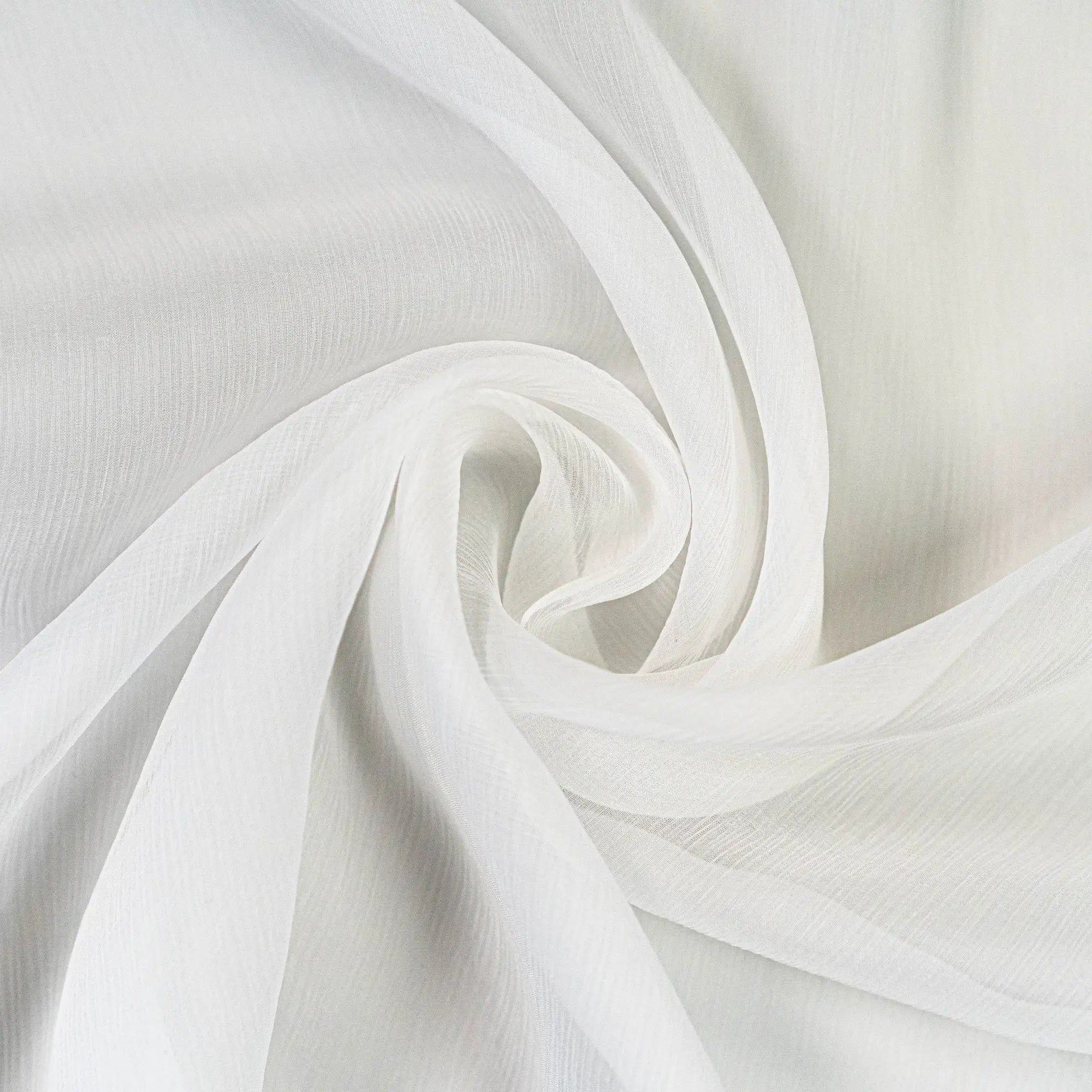
A light, breathable voile of 30% silk and 70% cotton, with a low sheen, a subtle texture and a soft drape. In 15 colours, for shirts, sleepwear, summer dresses and linings.
- 15 colours
- 137 cm wide
- 30% Silk, 70% Cotton
- From $30.80 per metre


Guide
Silk Cotton Voile: Uses and How to Sew It
What silk cotton voile is like, how it compares with silk habotai, what to make with it, and tips for sewing it.
About silk cotton voile
- The best of both fibres. 30% silk and 70% cotton: the cotton makes it easy to handle, and the silk adds a soft drape and a gentle, low sheen.
- Light and breathable. A 12 momme voile with a subtle texture, so it's cool and comfortable to wear in warm weather.
- Mostly opaque. Light, but not see-through like a sheer voile, so shirts and dresses can be worn without a lining.
- 15 colours. From ivory, white and black to tea rose, mink, turmeric, rust and khaki, 137 cm wide.
Silk cotton voile or habotai?
Both are light and soft, and both are used for shirts, sleepwear and linings. Here's how they differ.
| Silk cotton voile | Silk habotai | |
|---|---|---|
| Fibre | 30% silk, 70% cotton | 100% silk |
| Look | A low sheen with a subtle texture | Smooth, with a light sheen |
| Feel | Soft and dry, with a gentle drape | Smooth and slippery, with a fluid drape |
| To sew | Stays put on the table, so it's easy to cut and sew | Lighter and more slippery; cut it on paper |
| Weight | 12 momme | 8.5 momme |
| Great for | Shirts, sleepwear, summer dresses, linings and toiles | Linings, blouses, scarves and sleepwear |
What to make with it
- Shirts and blouses
- Pyjamas, nightdresses and sleepwear
- Summer dresses and skirts
- Linings for cotton, linen and summer clothes
- Toiles: a test version of a dress or gown to check the fit before you cut into your silk
- Bridal linings
Cutting
- Pre-wash the length the same way you'll wash the finished garment, before you cut. See our fabric care guide.
- Cut with sharp scissors or a rotary cutter, and pin inside the seam allowance.
- Mark on the wrong side with tailor's chalk, tested on a scrap first.
Sewing
- Use a fresh, fine needle (size 70) and a fine mercerised cotton thread.
- Sew with a short straight stitch, about 2 mm.
- French seams are the neatest finish: the raw edges are tucked away inside, so nothing frays.
- Use a light sew-in interfacing, or a layer of the voile itself, for collars, cuffs and button bands.
Hems
- Machine baby hem. On shirts, sleepwear and linings: press up 1 cm, stitch close to the fold, trim the allowance right up to the stitching, then turn it once more and stitch again. It gives a fine, flat edge.
- Hand-rolled hem. For the softest edge on a fine dress or blouse: trim the hem allowance to 3 mm a little ahead of your stitching, roll it under between your fingers and slipstitch it.
Pressing
Press on the silk setting, on the reverse, while the fabric is slightly damp, with light or no steam. Test on a scrap first.
Questions
What is silk cotton voile?
A light, soft voile woven from 30% silk and 70% cotton. It has a low sheen, a subtle texture and a gentle drape.
What is silk cotton voile used for?
Shirts, blouses, sleepwear, summer dresses and linings. Dressmakers also use it for toiles, to test the fit of a gown before cutting the silk.
Is silk cotton voile see-through?
It's mostly opaque. It's light, but not sheer.
Is silk cotton voile good for summer?
Yes. Silk and cotton are both natural fibres that breathe, so it's light and cool to wear.
How wide is it?
137 cm.
Wholesale for fashion labels, bridal studios and designers buying in bulk. Apply for an account