

Silk Taffeta
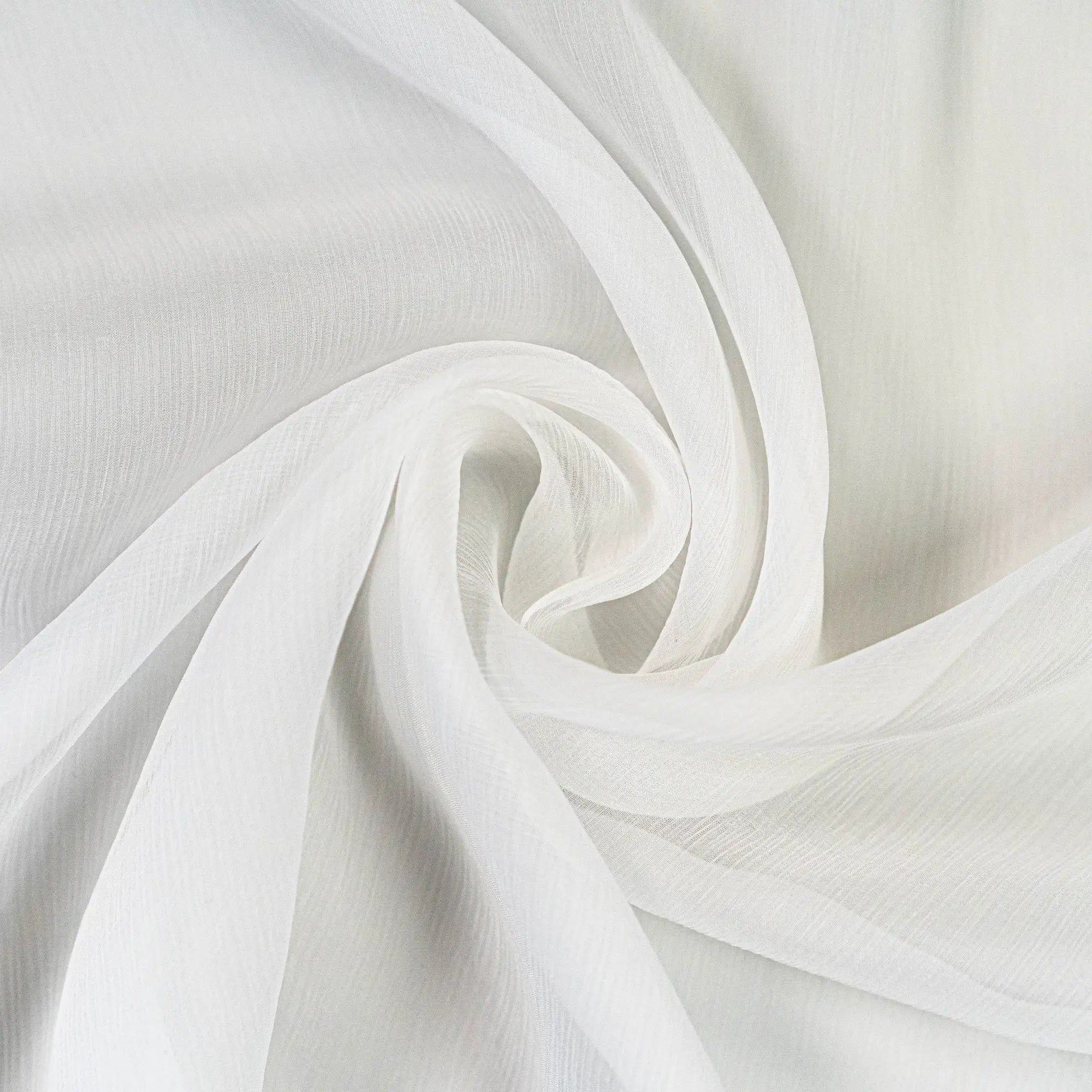
Crisp 100% silk taffeta, 137 cm wide, with a smooth finish, a slight sheen and the gentle rustle taffeta is known for. For full skirts, ball gowns and bows.
- 3 colours
- 137 cm wide
- 100% Silk
- From $145.20 per metre


Guide
Silk Taffeta: Uses and How to Sew It
What silk taffeta is, how it compares with our other structured silks, what to make with it, and easy tips for sewing it at home.
What is silk taffeta?
- Crisp and smooth. A 100% silk with a fine, smooth surface and a slight sheen. The crosswise threads are a little heavier than the lengthwise ones, which gives a very fine rib and the gentle rustle taffeta is known for, called scroop.
- Like dupion, but smoother. It has the same crisp body as silk dupion, without the slubs.
- Lots of body, and stable. It stands away from the body, and its firm, tight weave doesn't stretch or distort like softer silks, so it's easier to sew than it looks.
Structured silks side by side
Our crisper and heavier silks, to help you choose the right one for the shape you want.
| Taffeta | Zibeline (mikado) | Grace satin | Faille | |
|---|---|---|---|---|
| Fibre | 100% silk | 100% silk | 32% silk, 68% viscose | 100% silk |
| Look | Smooth, with a slight sheen | Fine diagonal weave, low sheen | Satin on both sides | Matte on both sides |
| Handle | Crisp, with a rustle | Stiff, holds its shape | Stiff, holds its shape | Soft, with a weighty fall |
| Great for | Full skirts, ball gowns, bows, soft furnishings | Structured gowns, coats, big bows | Structured dresses, skirts and pants | Draped dresses, skirts and pants |
| Weight | About 110 gsm | 40 momme | About 222 gsm | 40 momme |
| Width | 137 cm | 140 cm | 140 cm | 137 cm |
Ribbed taffeta: silk grosgrain
Silk grosgrain is a ribbed taffeta: the same crisp body, but with a fine, narrow cord you can see and feel, and a soft sheen on the ribs. It suits shirts, ties and bow ties as well as structured gowns and jackets, and it sews much like taffeta.
| Silk taffeta | Silk grosgrain | |
|---|---|---|
| Surface | Smooth, with a very fine rib | A fine, narrow cord you can see and feel |
| Sheen | Slight, even sheen | Soft sheen on the ribs |
| Handle | Crisp, with a rustle | Crisp |
| Great for | Full skirts, ball gowns, bows, soft furnishings | Shirts, ties, gowns, jackets |
| Width | 137 cm | 137 cm |
What to make with it
- Ball gowns and full skirts, with gathers or unpressed pleats
- Full sleeves and ruffles
- Petticoats
- Fitted bodices and structured dresses
- Evening capes, coats and jackets
- A-line skirts
- Bows, sashes and details
- Cushions and curtains
Designing with it
- Taffeta can't really be eased. Where a pattern eases a sleeve head into the armhole, use small darts, pleats or gathers instead.
- Underline fitted styles with silk organza, so the seams don't strain.
- For support inside full skirts and sleeves, use silk organza or self-fabric as the interfacing, or stiff net for extra volume.
Cutting
- Use pattern weights rather than pins: taffeta marks easily. If you must pin, use fine pins inside the seam allowance.
- You can cut it folded double, with all the pieces facing the same way.
- Use sharp shears or a rotary cutter.
- Mark with tailor's chalk, tailor's tacks or thread tracing, tested on a scrap first. Avoid wax-based markers: they leave spots.
Sewing
- Use a fresh, fine needle (size 60 to 80, sharp or microtex), tested on a scrap, and a good-quality polyester or mercerised cotton thread in a standard weight (a finer thread on very light taffeta gives a flatter seam). Silk thread is lovely for tacking and hand sewing.
- Sew with a straight stitch, 1.75 to 2.5 mm, with the tension loosened slightly. A straight-stitch foot and single-hole needle plate support the fabric, and lighter presser-foot pressure helps.
- Hold the fabric gently taut in front of and behind the foot as you sew, to stop the seams puckering.
- Tack by hand with silk or cotton thread for fitting: it comes out easily and doesn't leave marks when you press over it.
- Unpick carefully, as ripping can mark taffeta. Gently rub the threads back into place with your thumbnail if needed.
- Line it, rather than using bulky seam finishes, which can show through on the right side. Silk habotai makes a lovely lining. On any exposed seam allowances, a light hand overcast is enough.
Hems
Taffeta can't be eased, so on a full or curved skirt a faced hem gives the crispest finish: cut a 5 cm facing to the shape of the hem, sew it on, understitch, turn it up and hand-sew the top edge to the underlining. On a straight hem, turn up 4 to 5 cm, bind the raw edge with a bias strip of silk habotai, and blindstitch it to the organza underlining only, so no stitches show on the right side.
Pressing
Press lightly from the wrong side on the silk setting, through a pressing cloth, with no steam. Press seams open over a seam roll or a rolled towel, so the edges of the seam allowances don't mark the right side. Take care not to press in creases you don't want: they can be hard to remove. Test on a scrap first.
Questions
What is the difference between taffeta and dupion?
Both are crisp silks with body. Taffeta is smooth with a slight sheen, while dupion has natural slubs that give it texture.
What is silk taffeta used for?
Full ball gowns, petticoats, structured dresses, evening capes and coats, bows and soft furnishings: anywhere you want crisp volume.
Is your taffeta 100% silk?
Yes.
Do you have a ribbed taffeta?
Yes. Our silk grosgrain is a ribbed taffeta with a fine, narrow cord, often sold elsewhere as silk faille. It's crisp and suits shirts, ties, gowns and jackets.
Wholesale for fashion labels, bridal studios and designers buying in bulk. Apply for an account