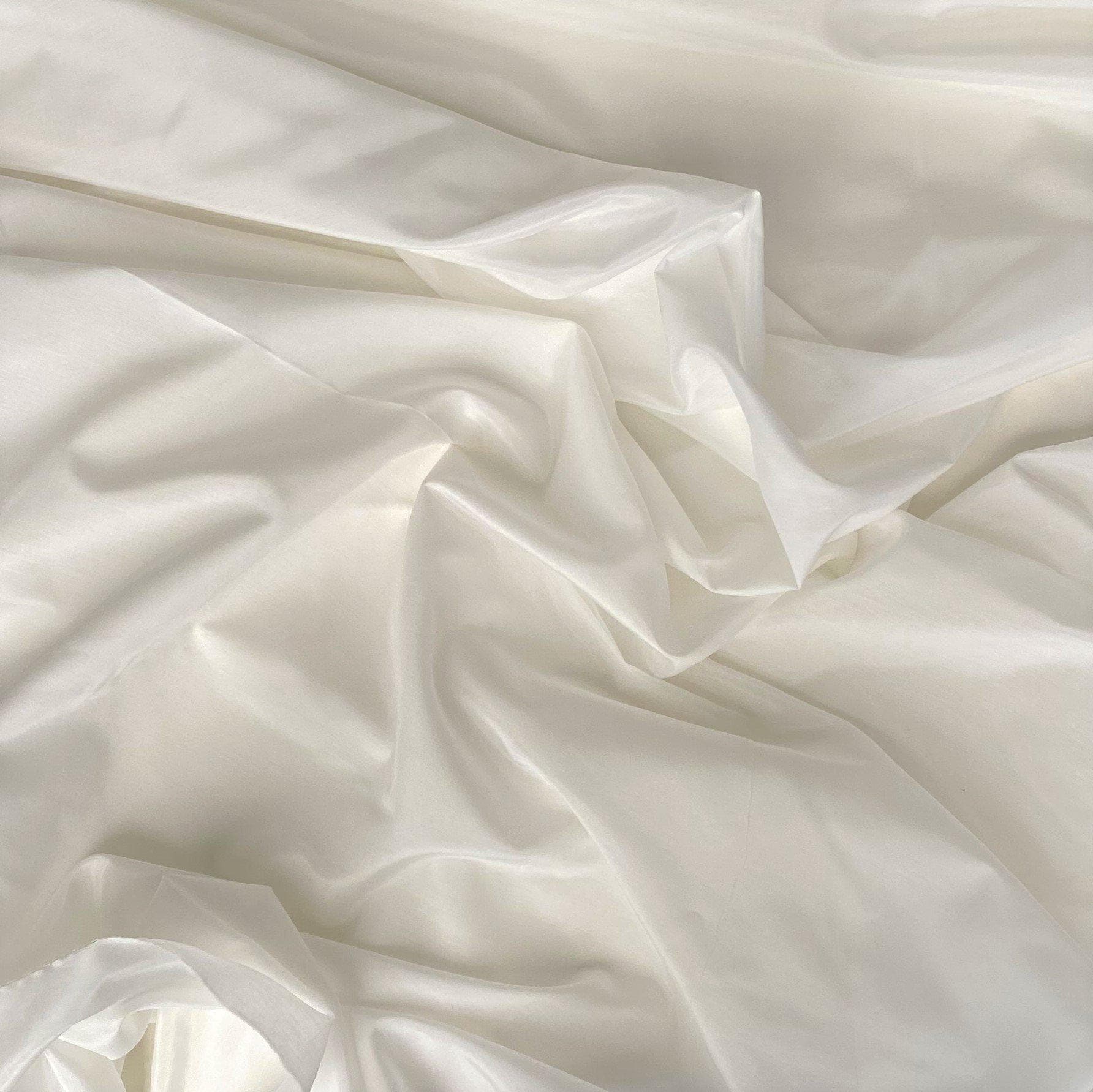
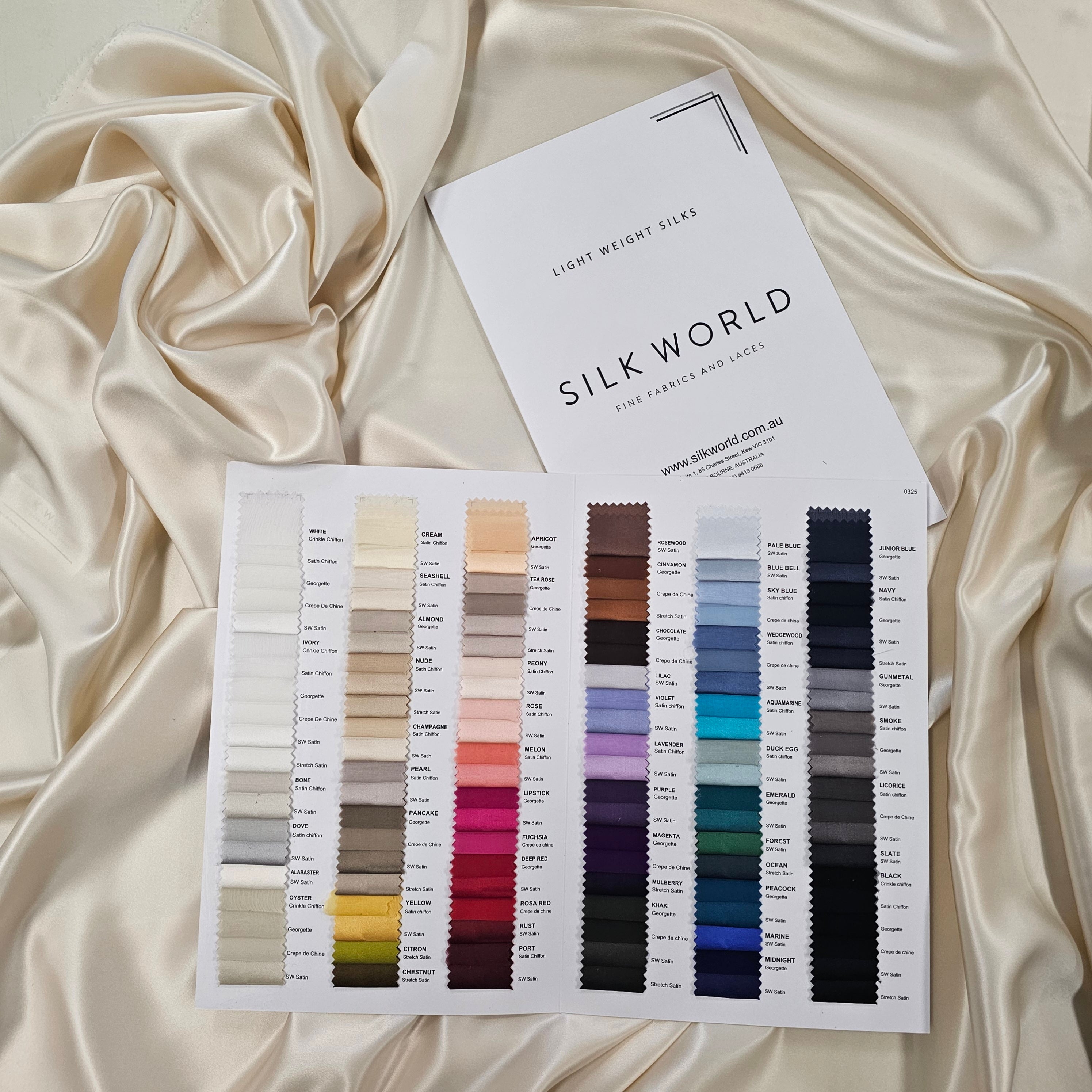
Heavyweight Silk Fabric
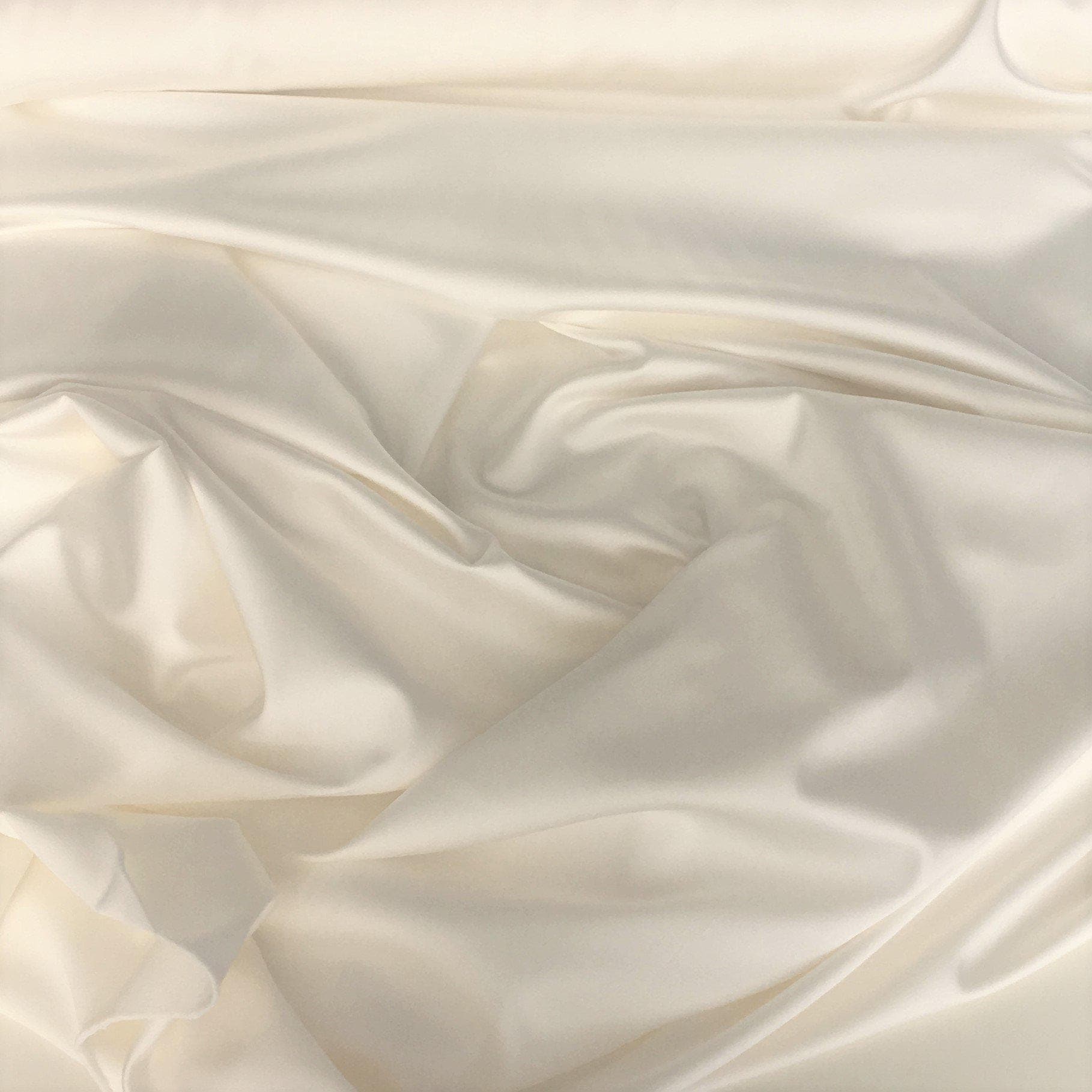
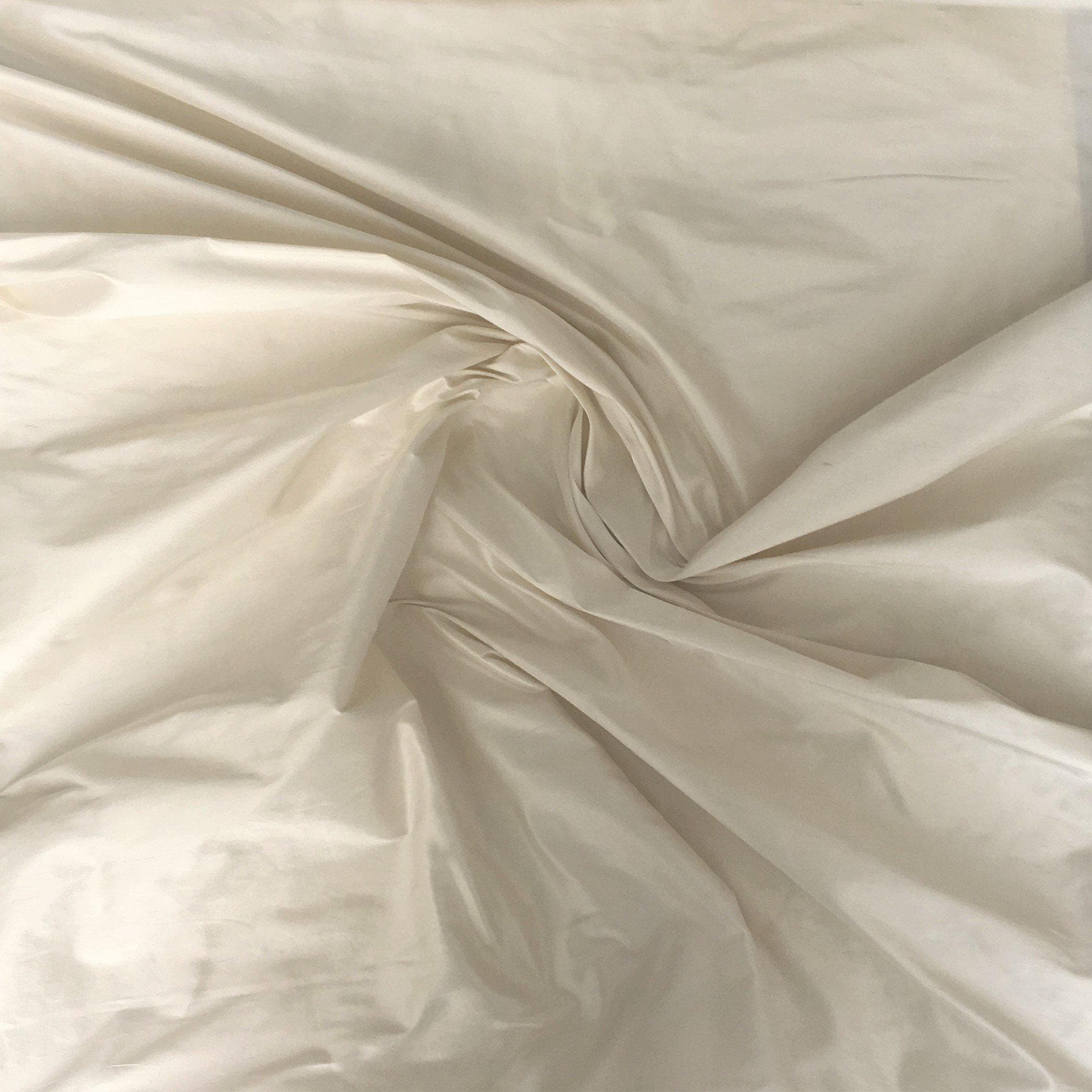
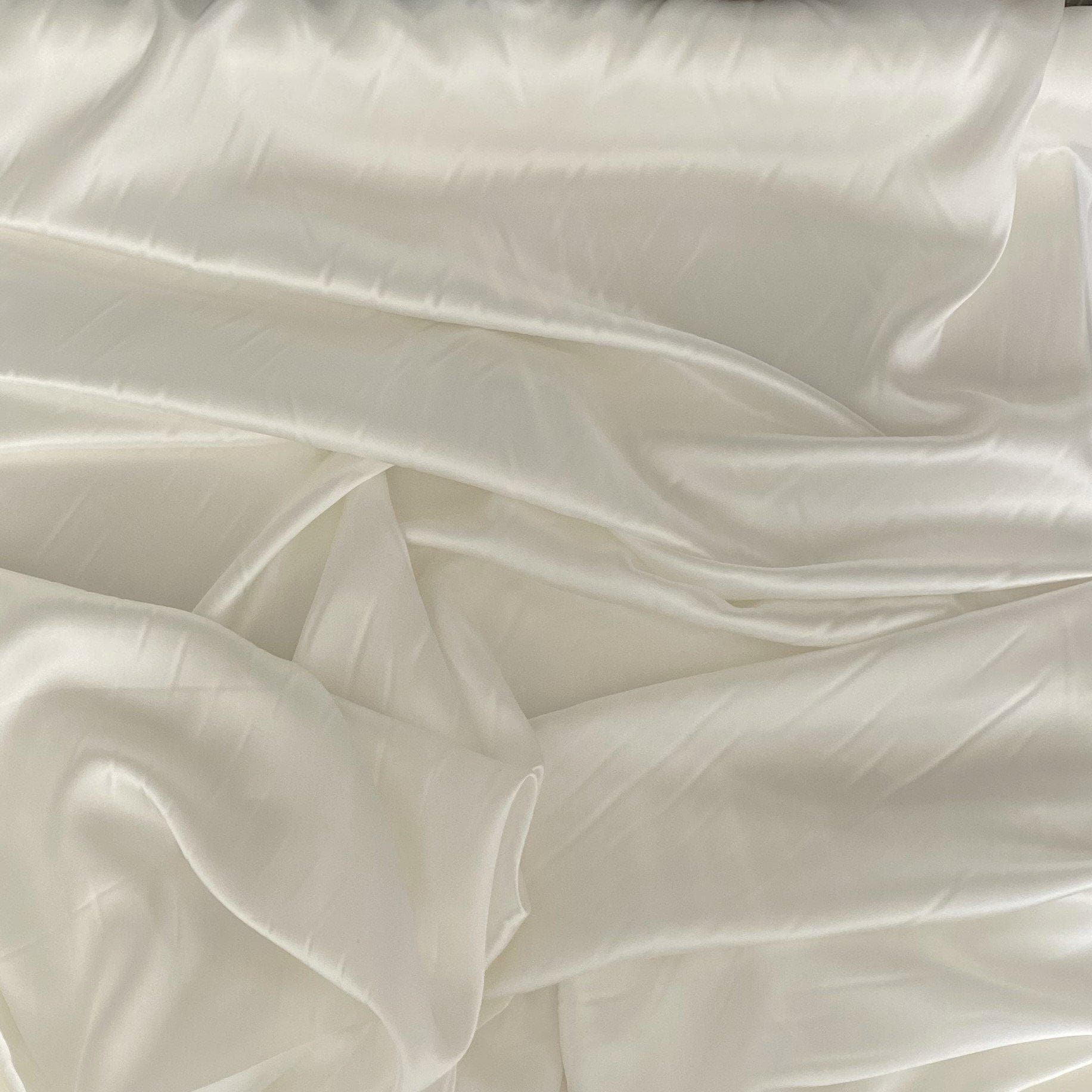
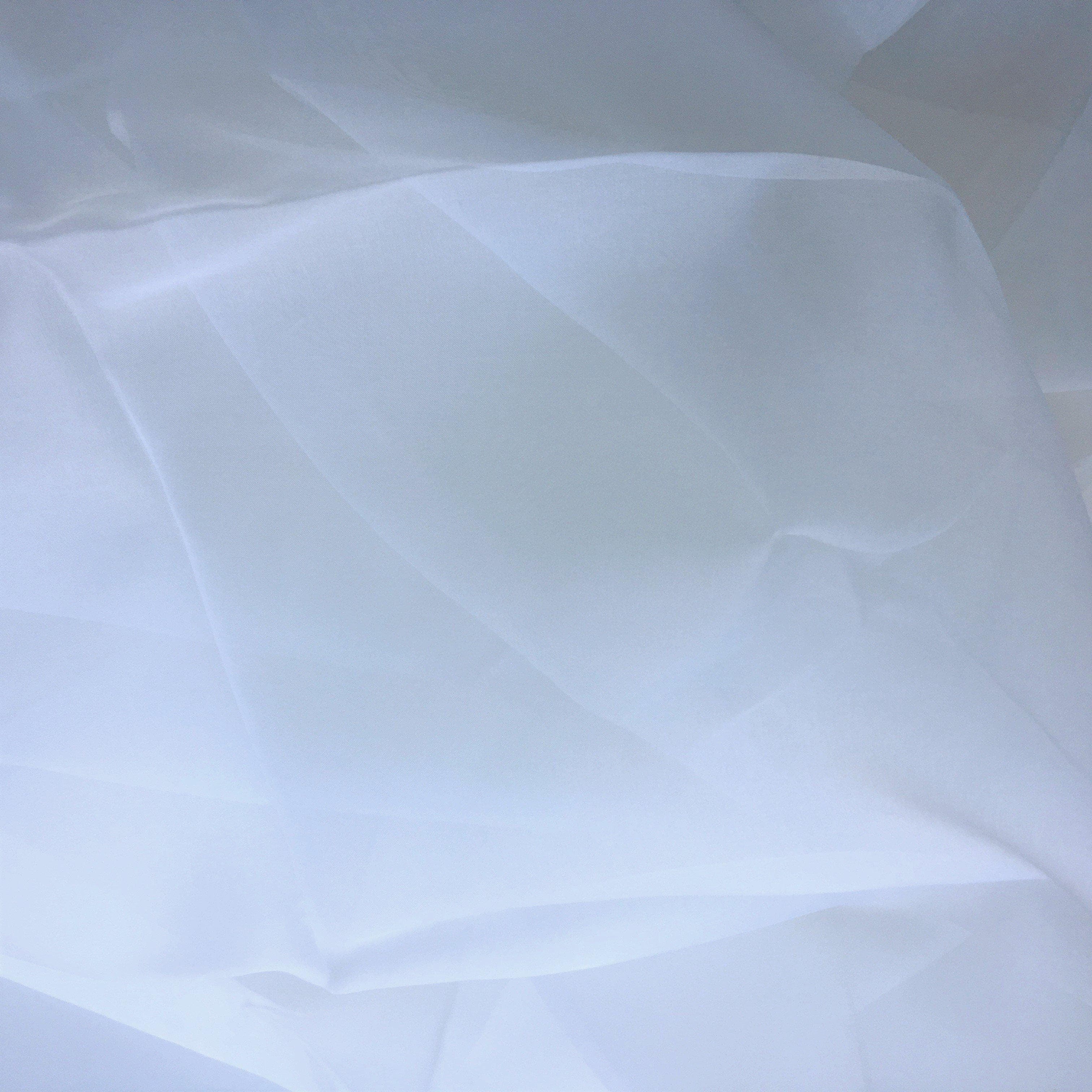
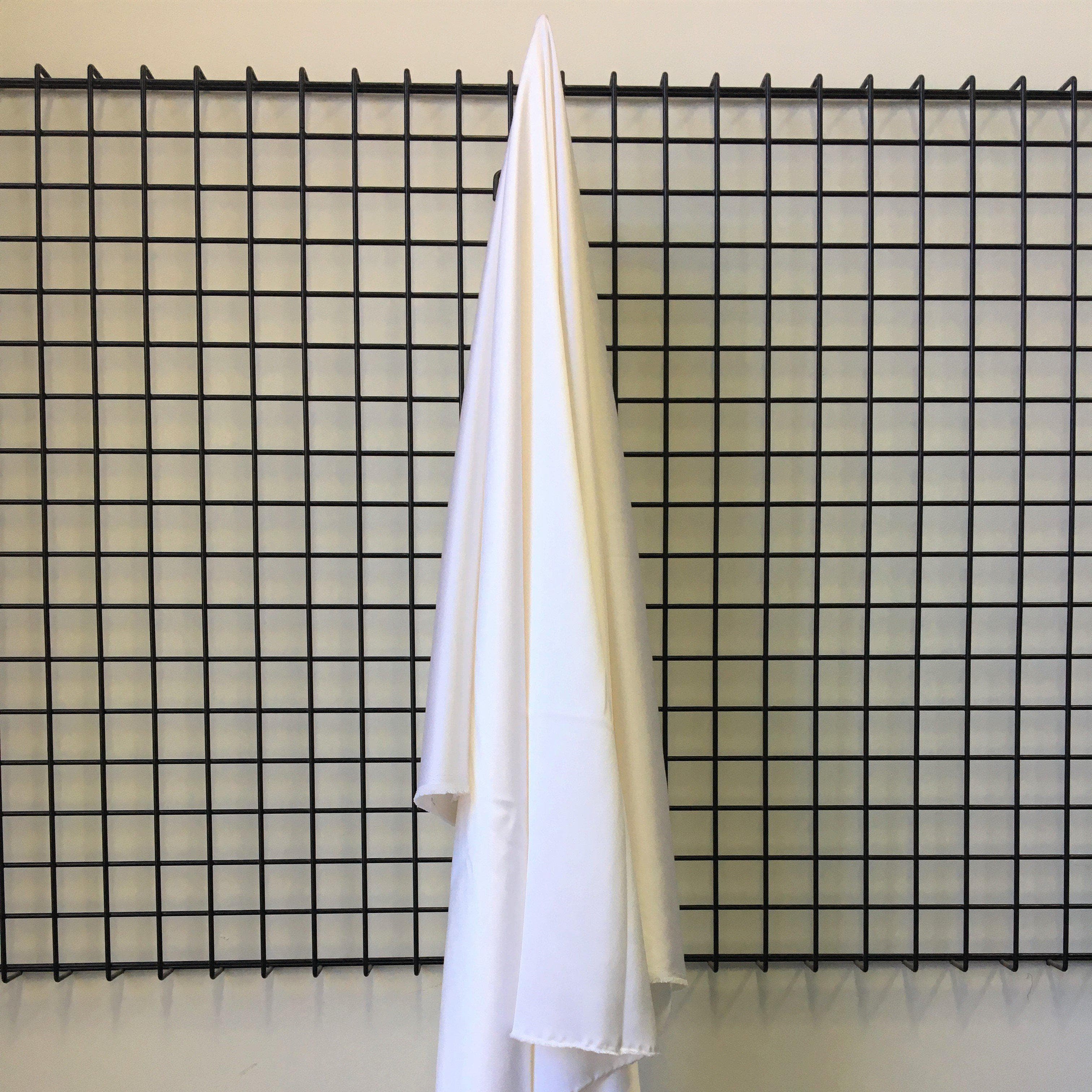
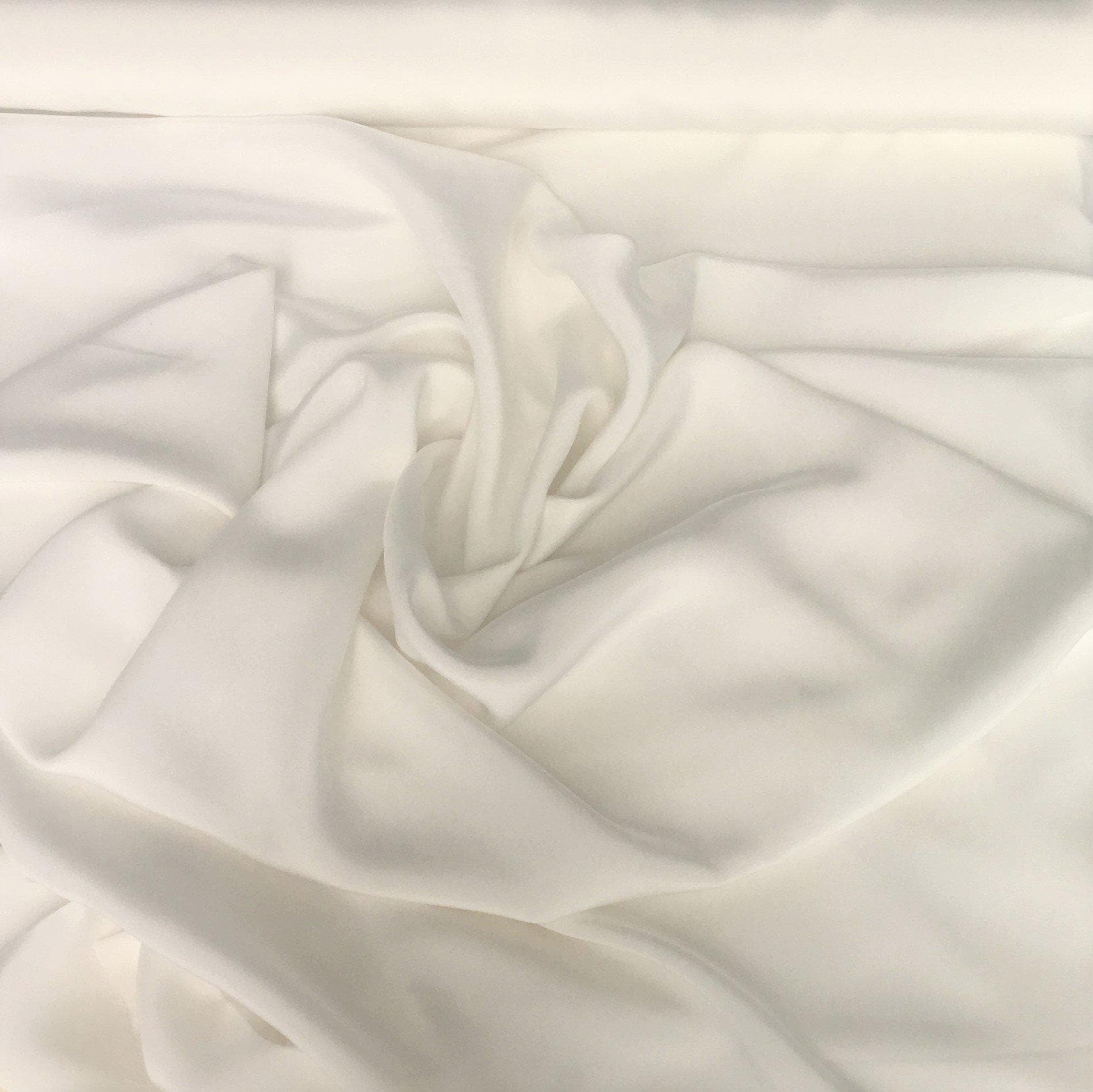
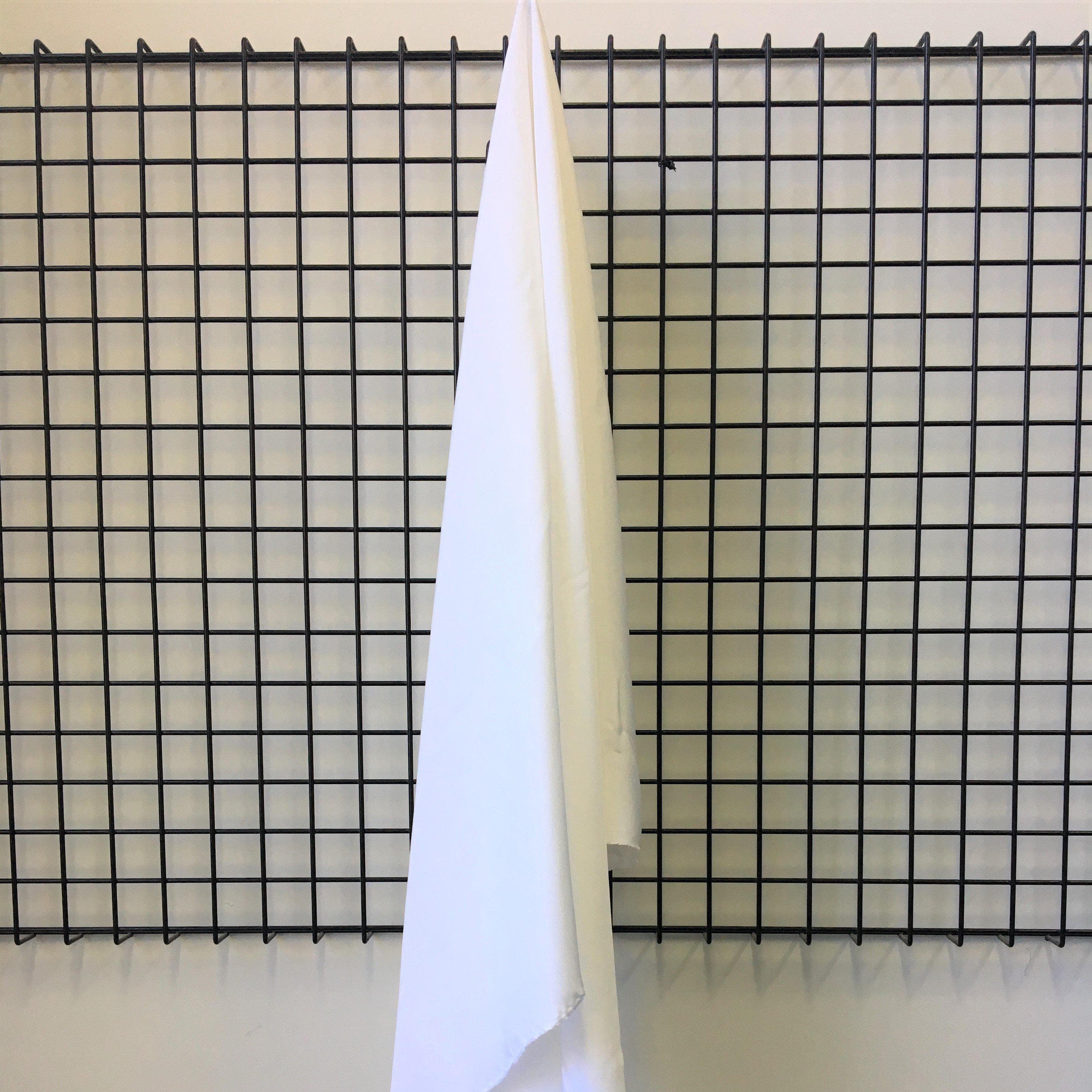
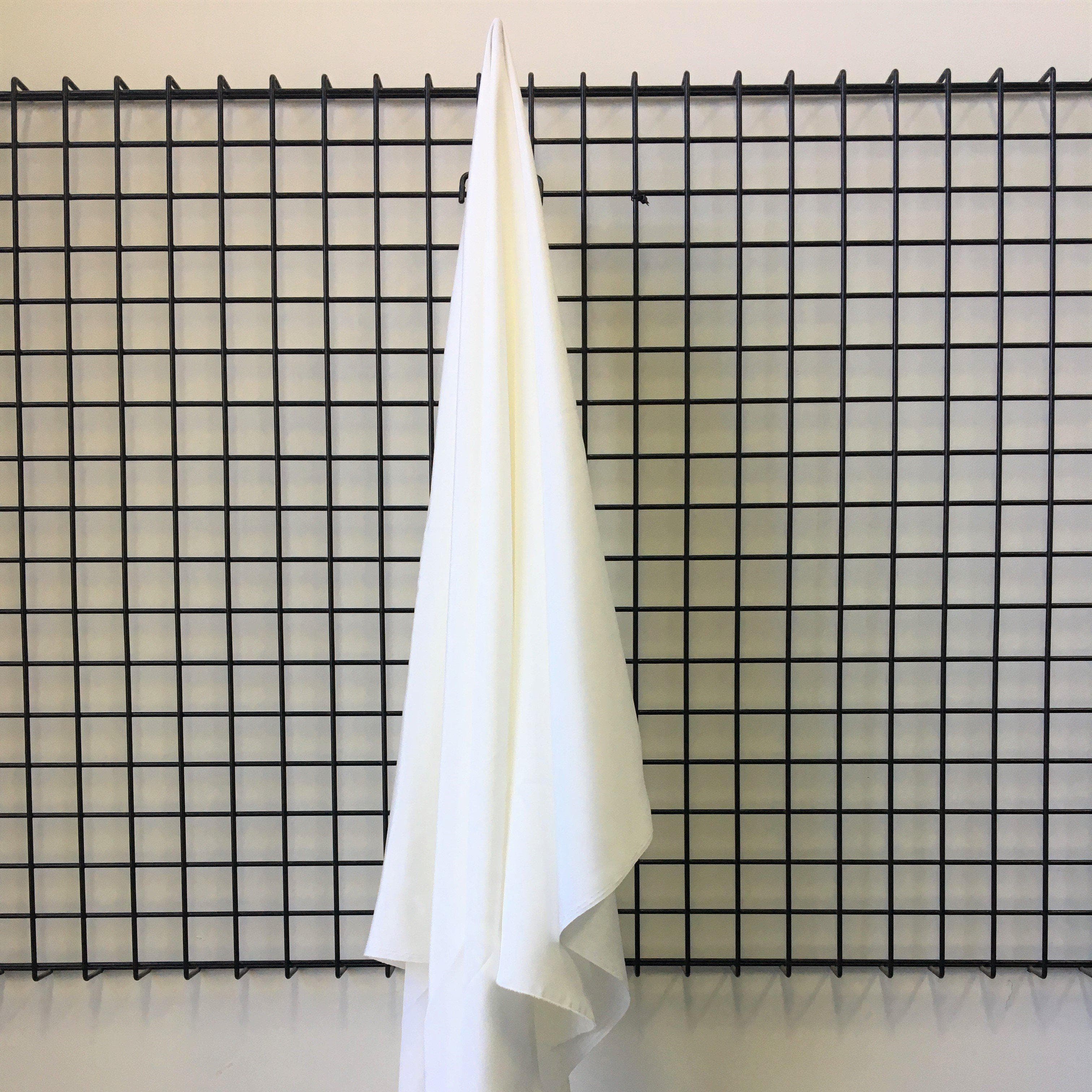
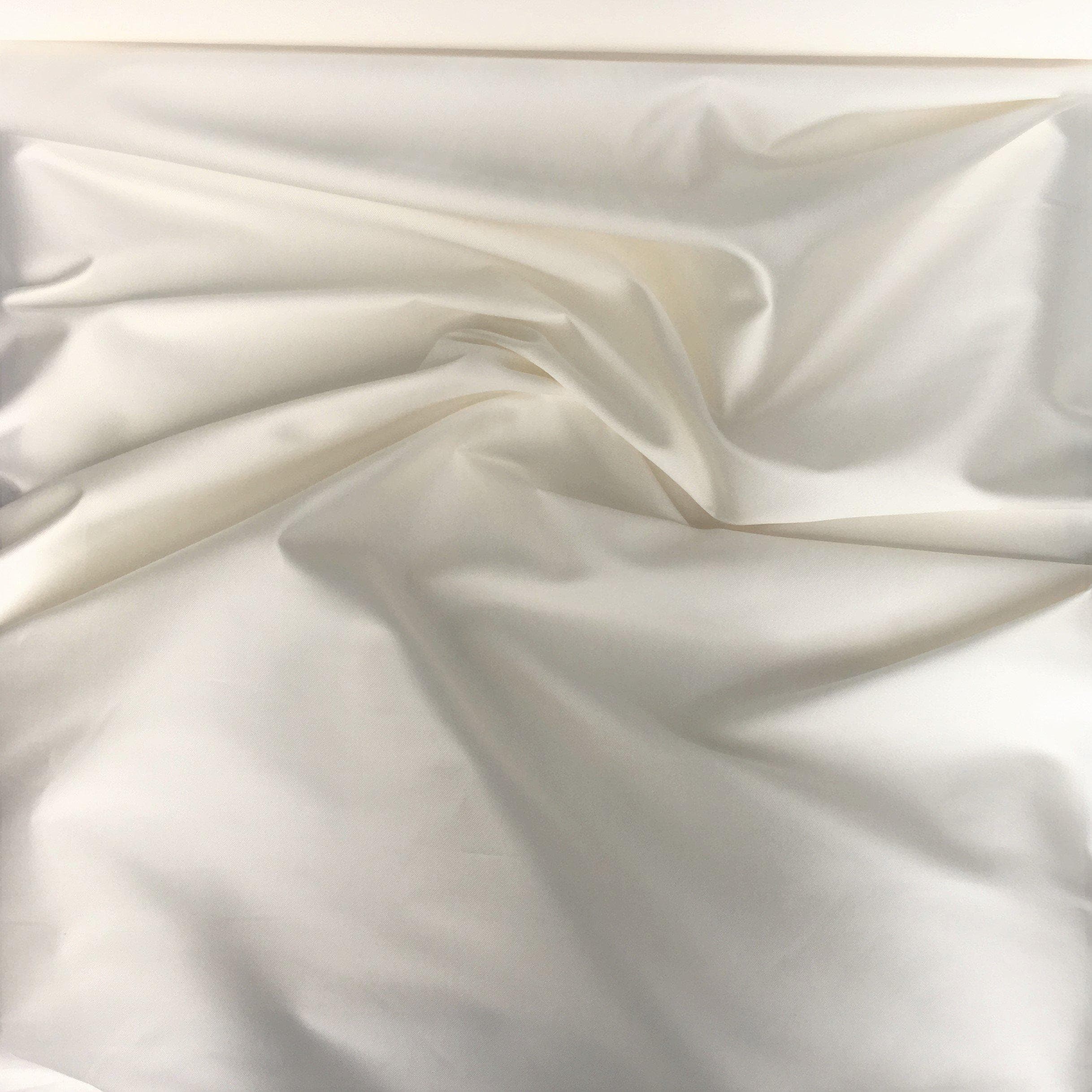
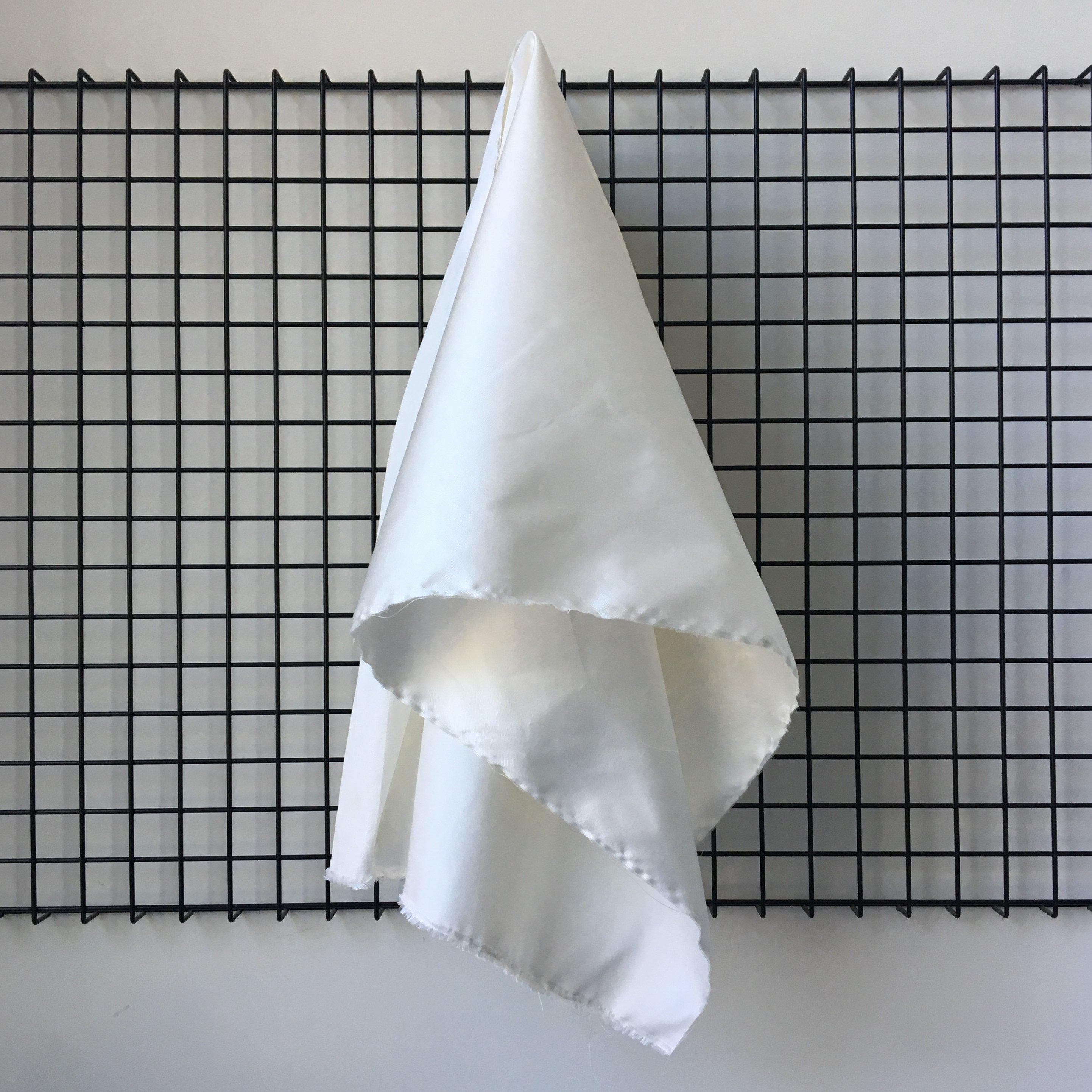
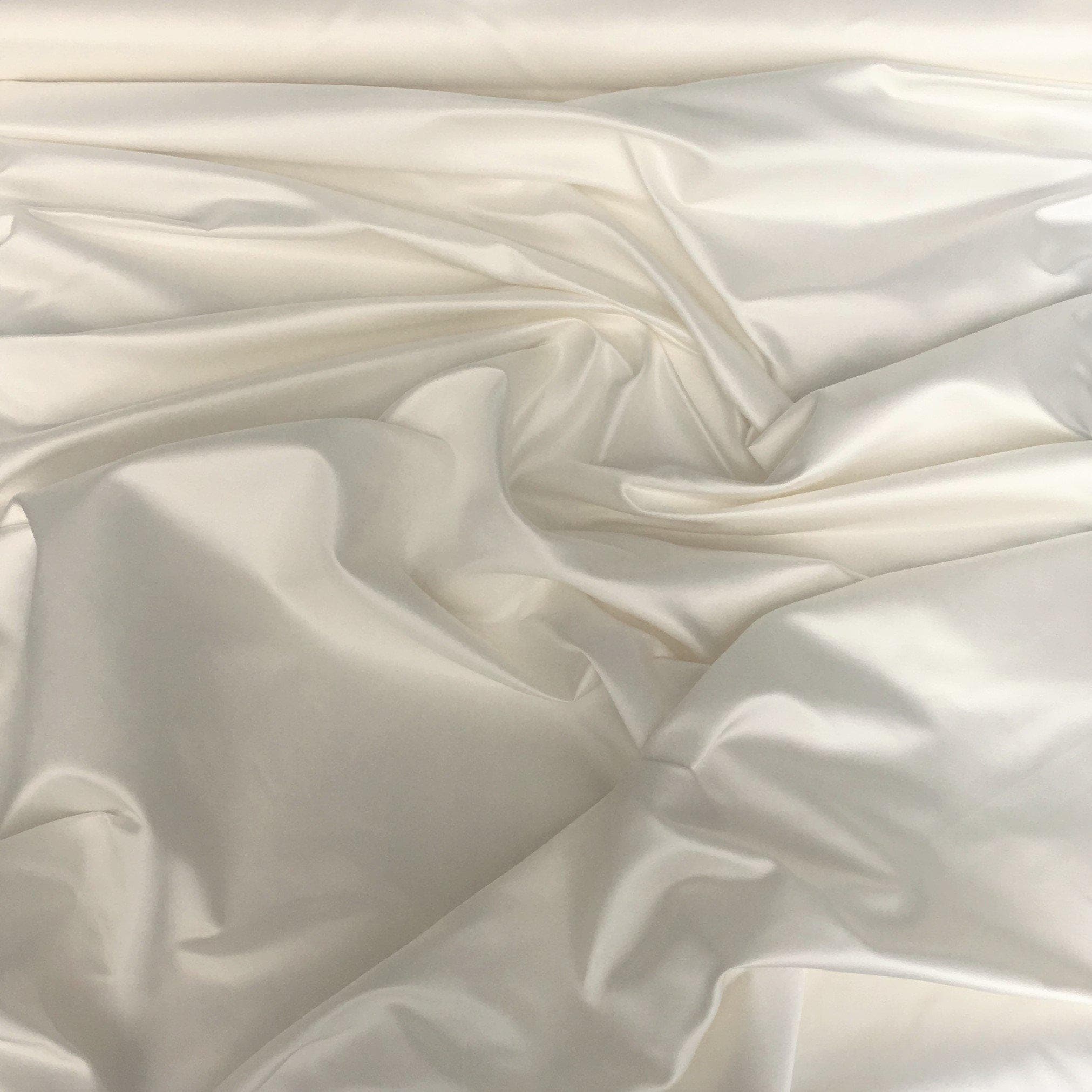
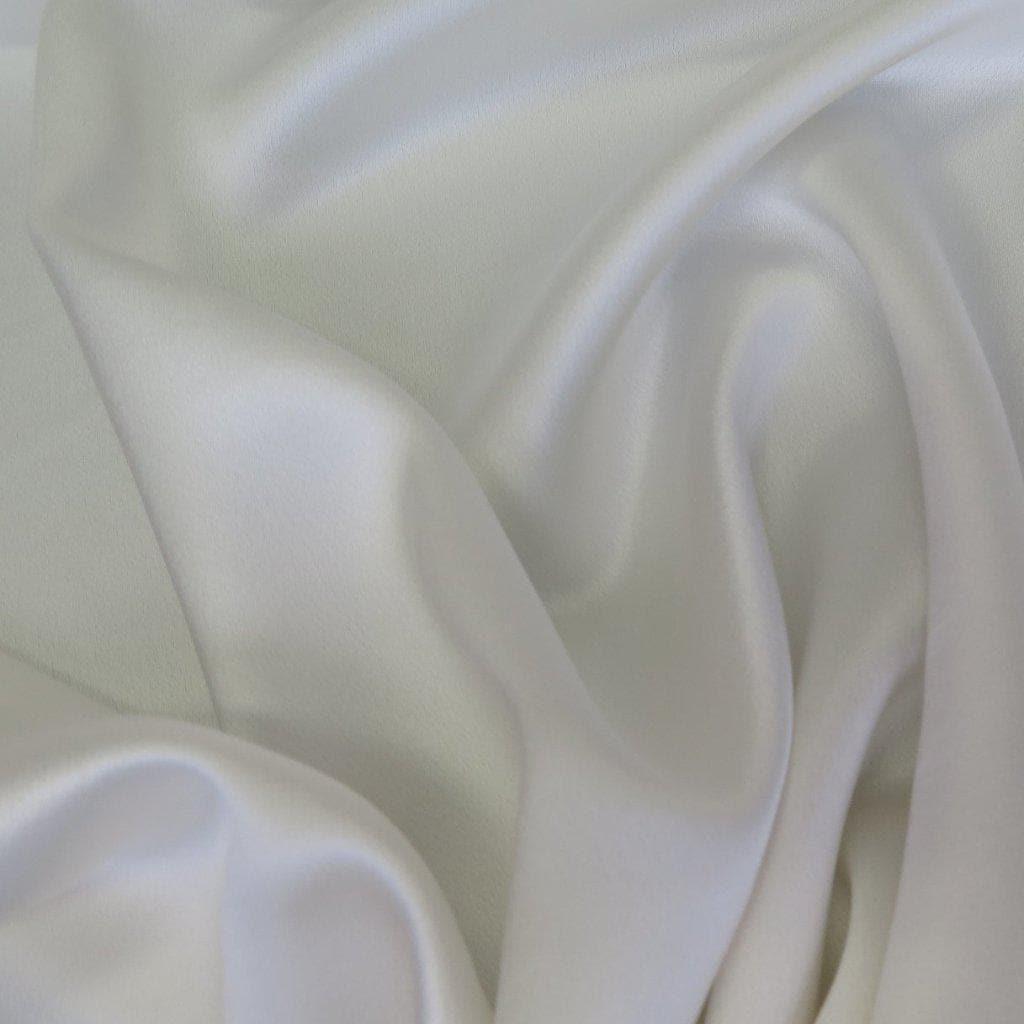
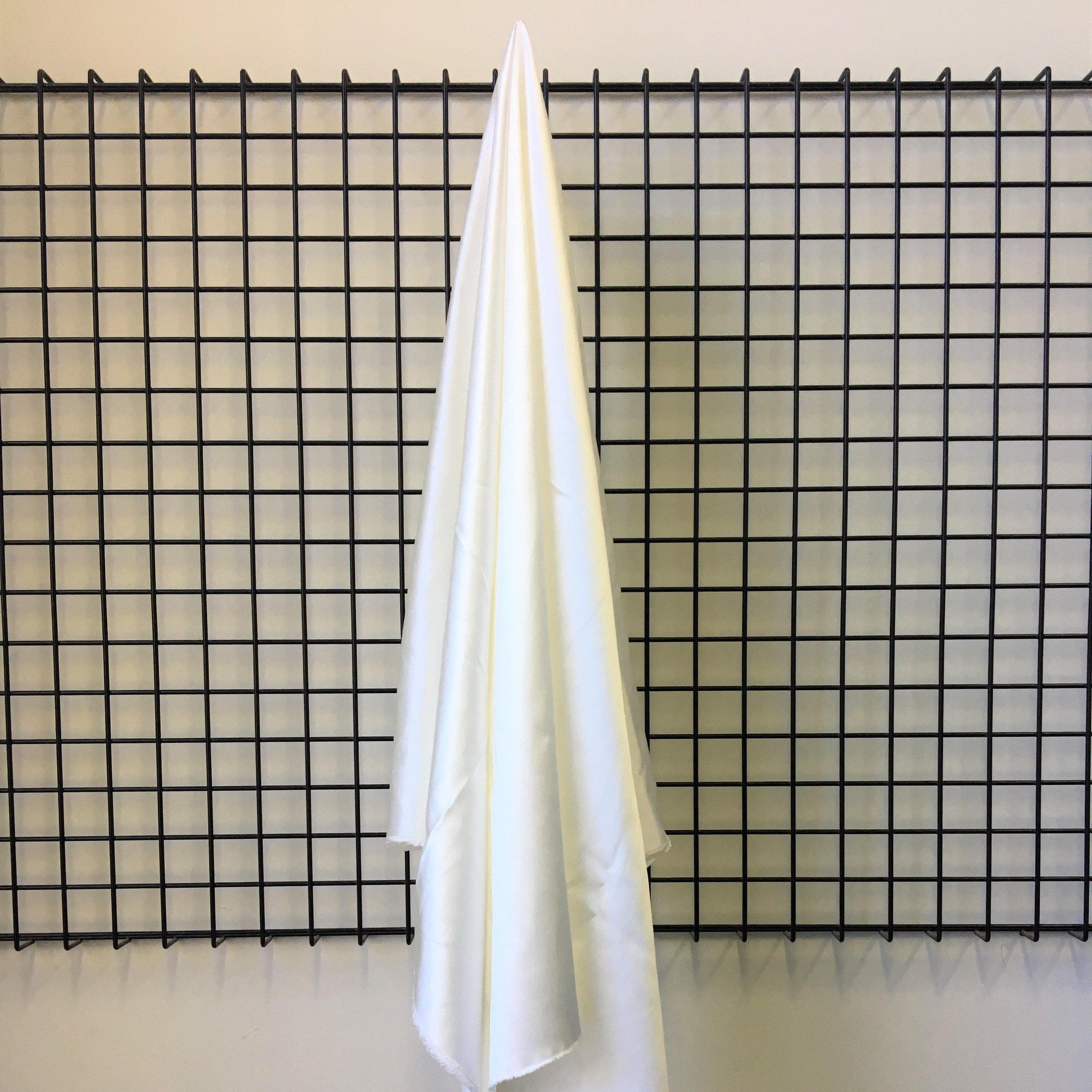
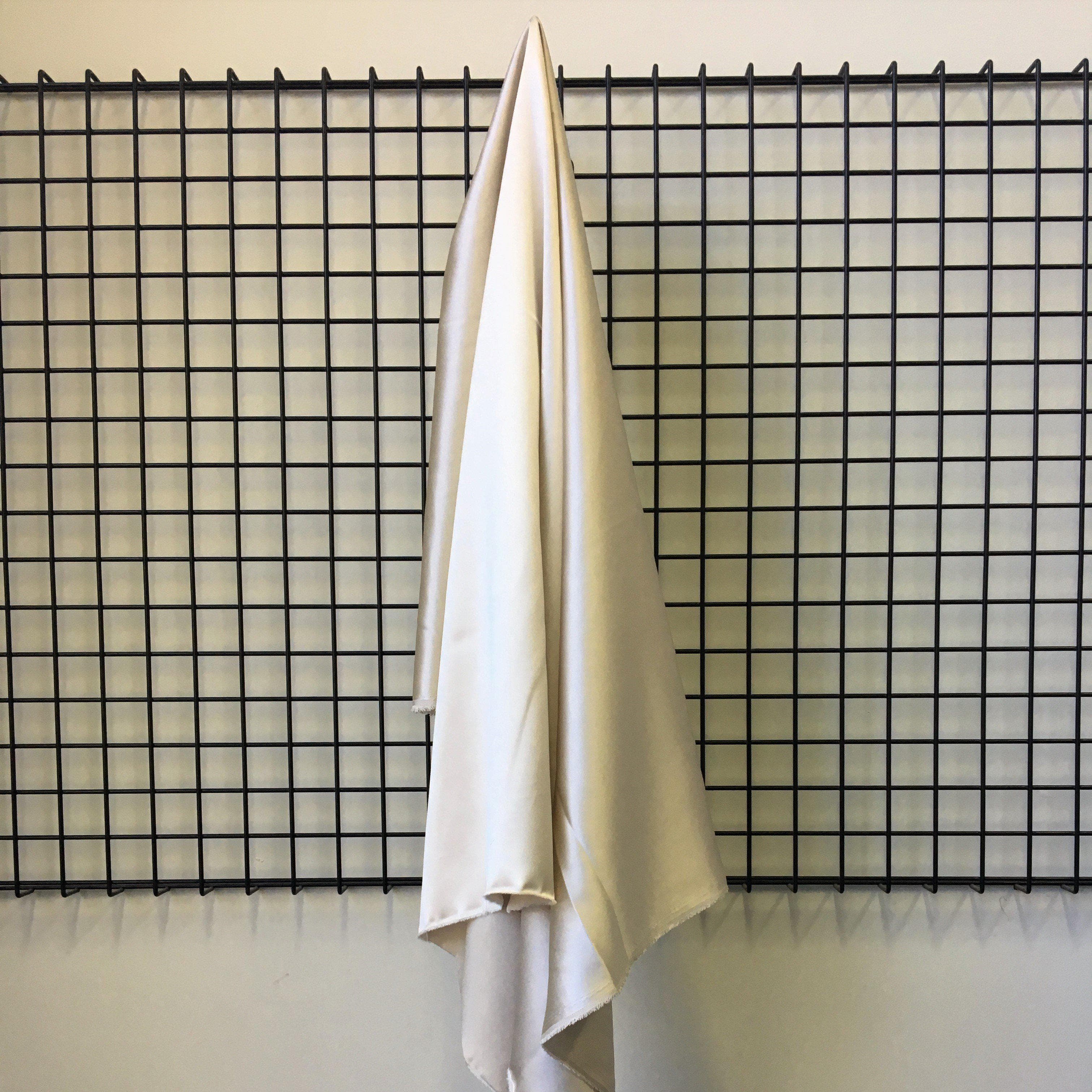
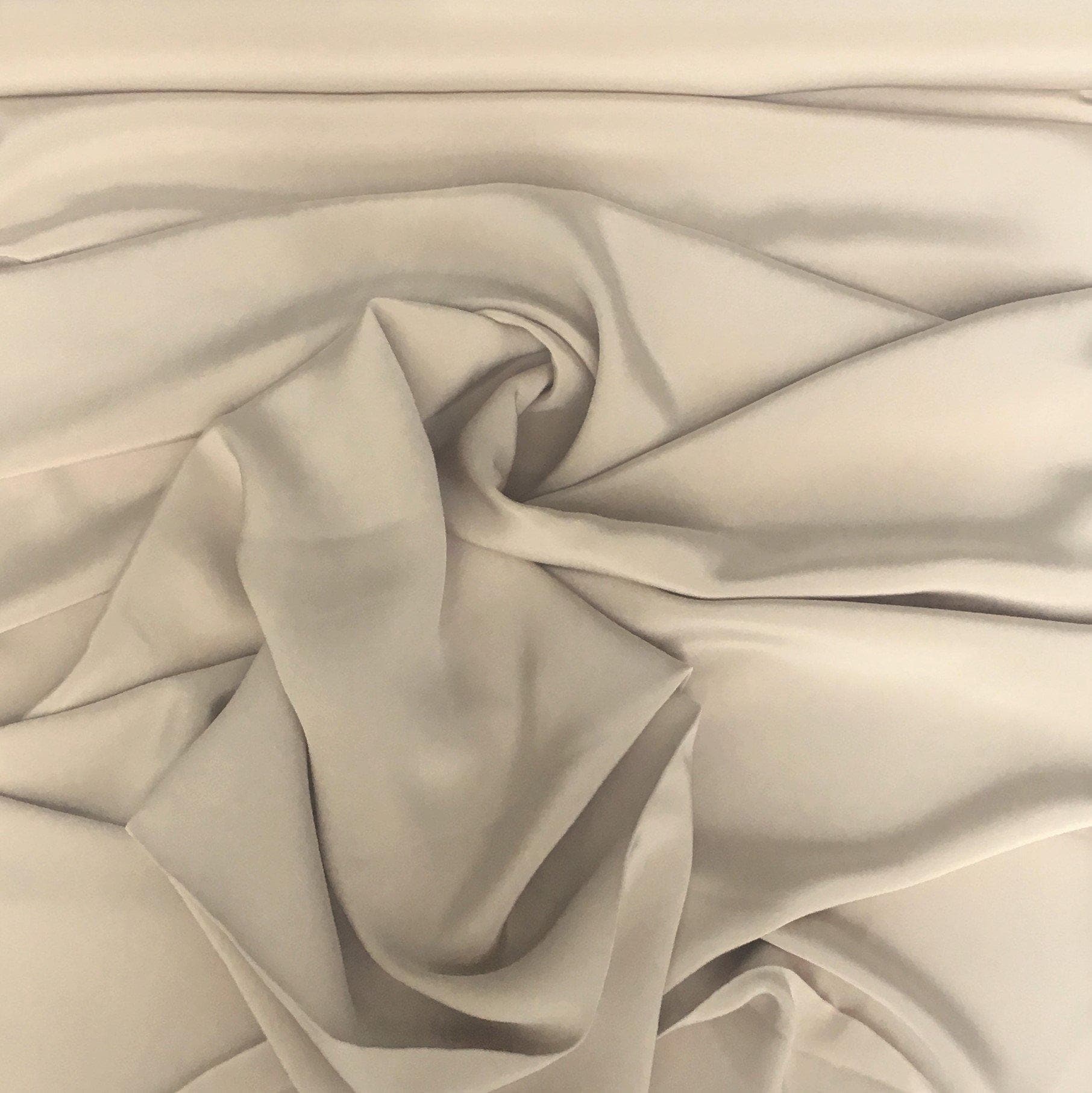
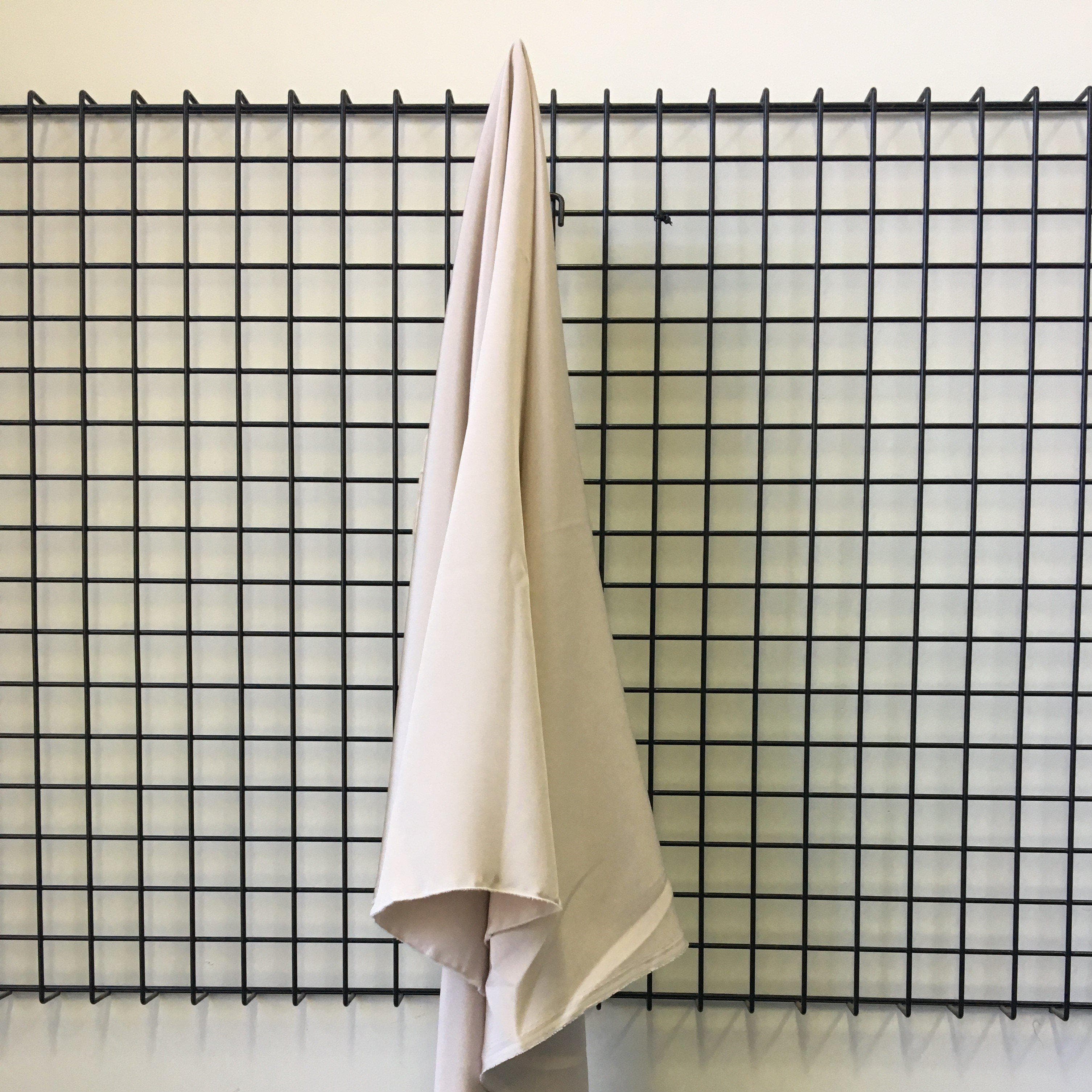
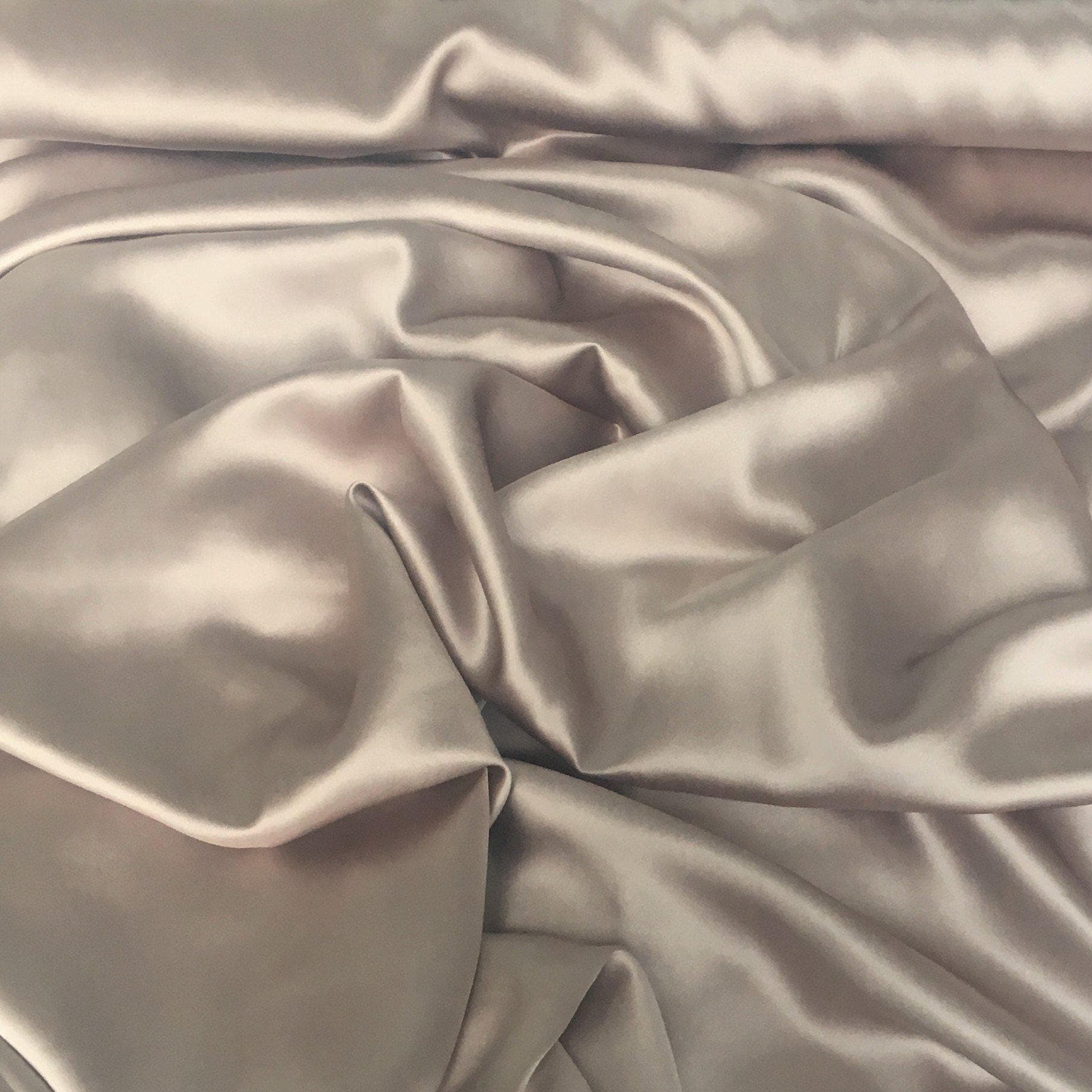
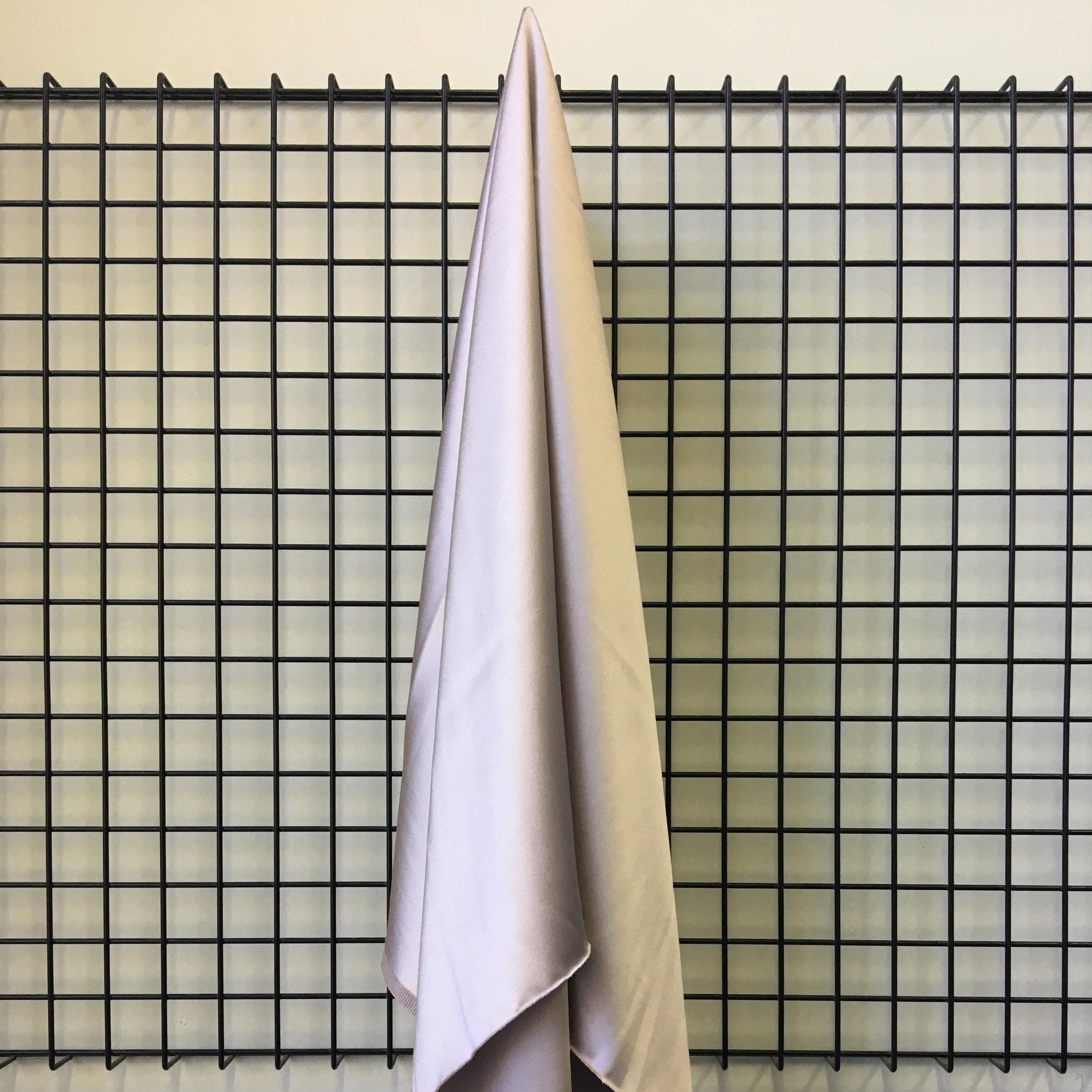
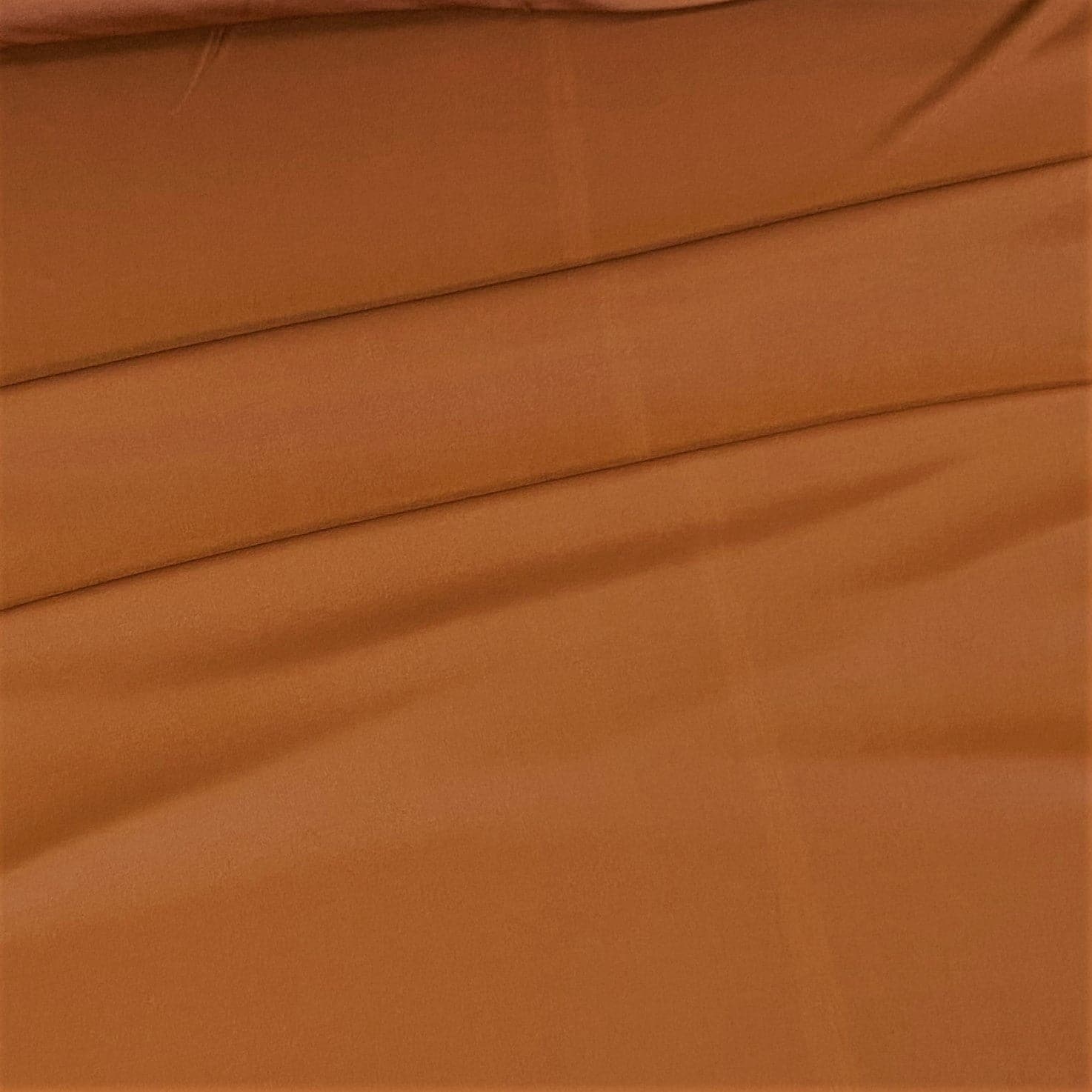
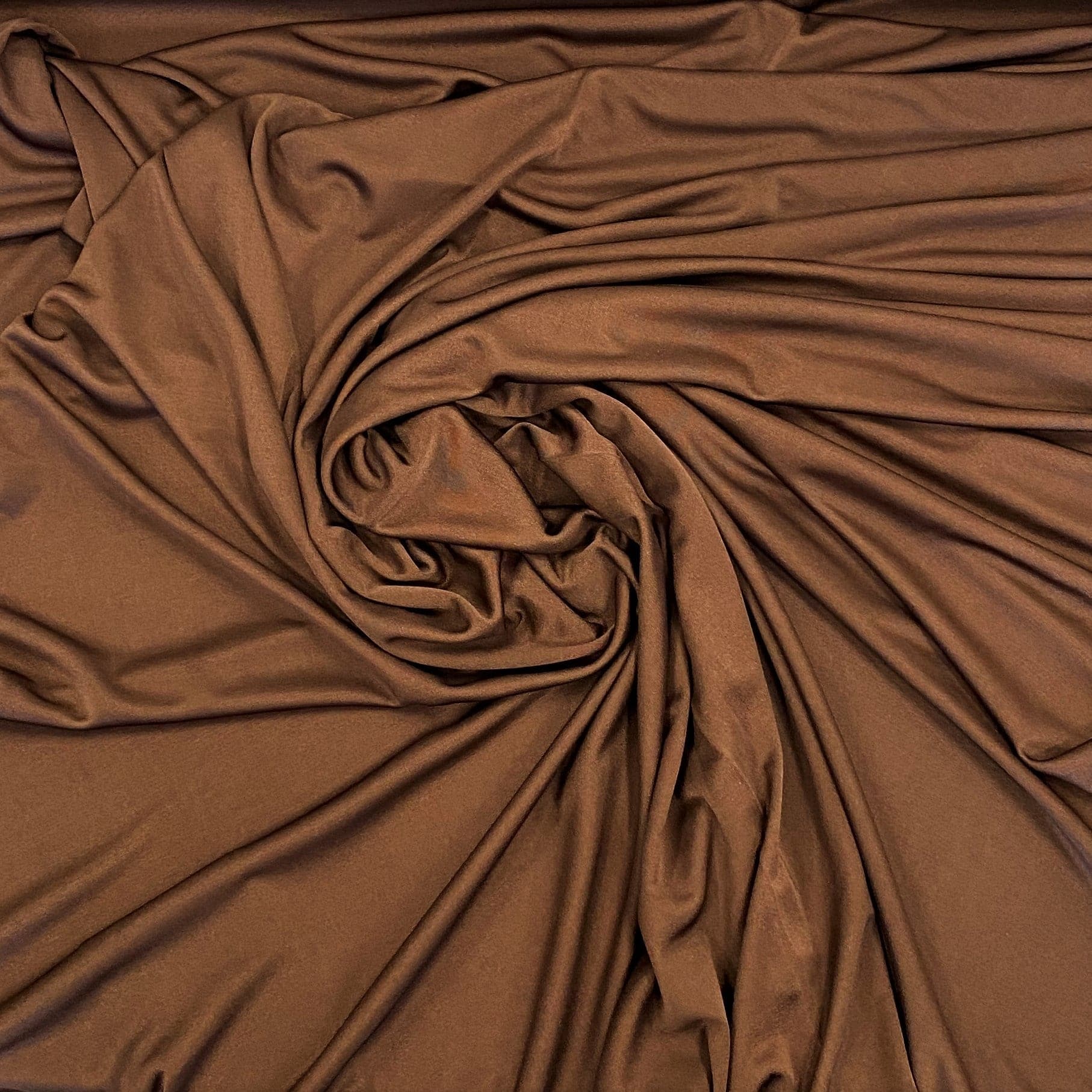
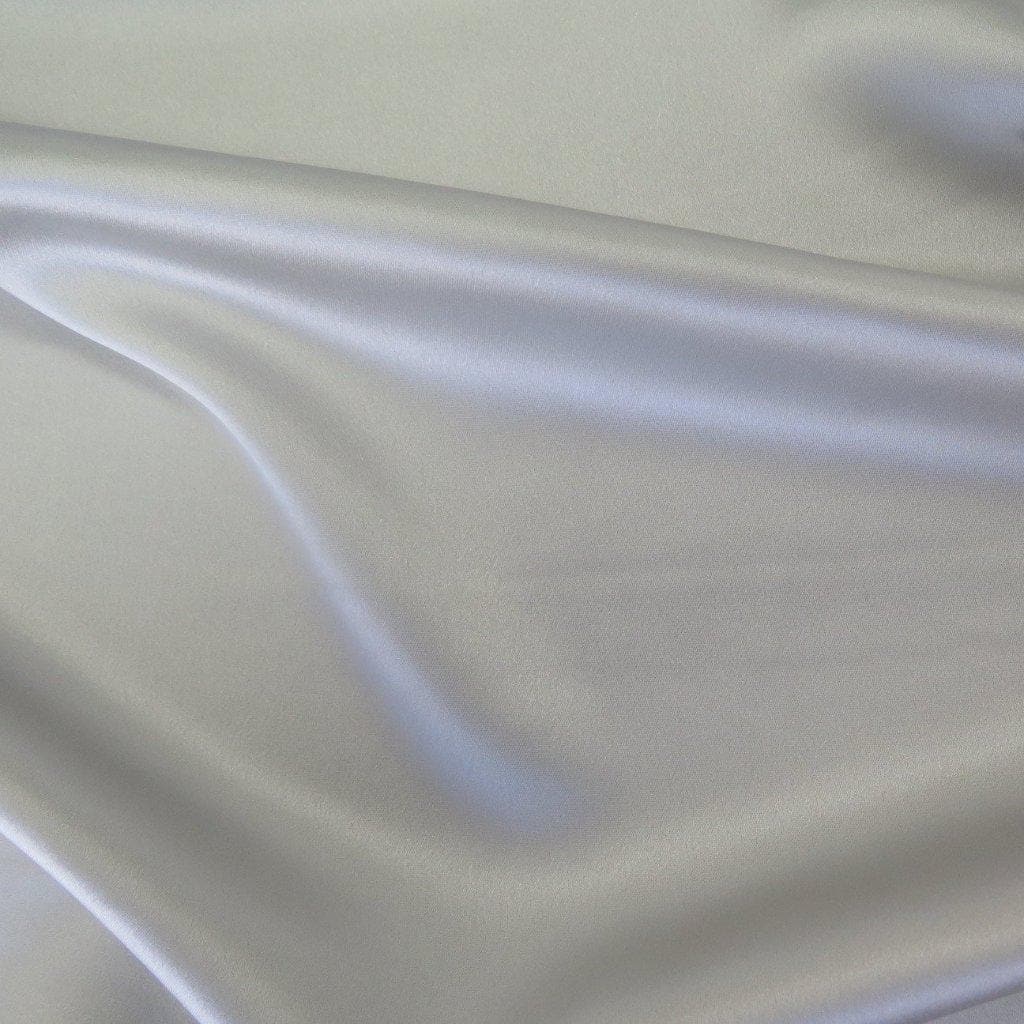
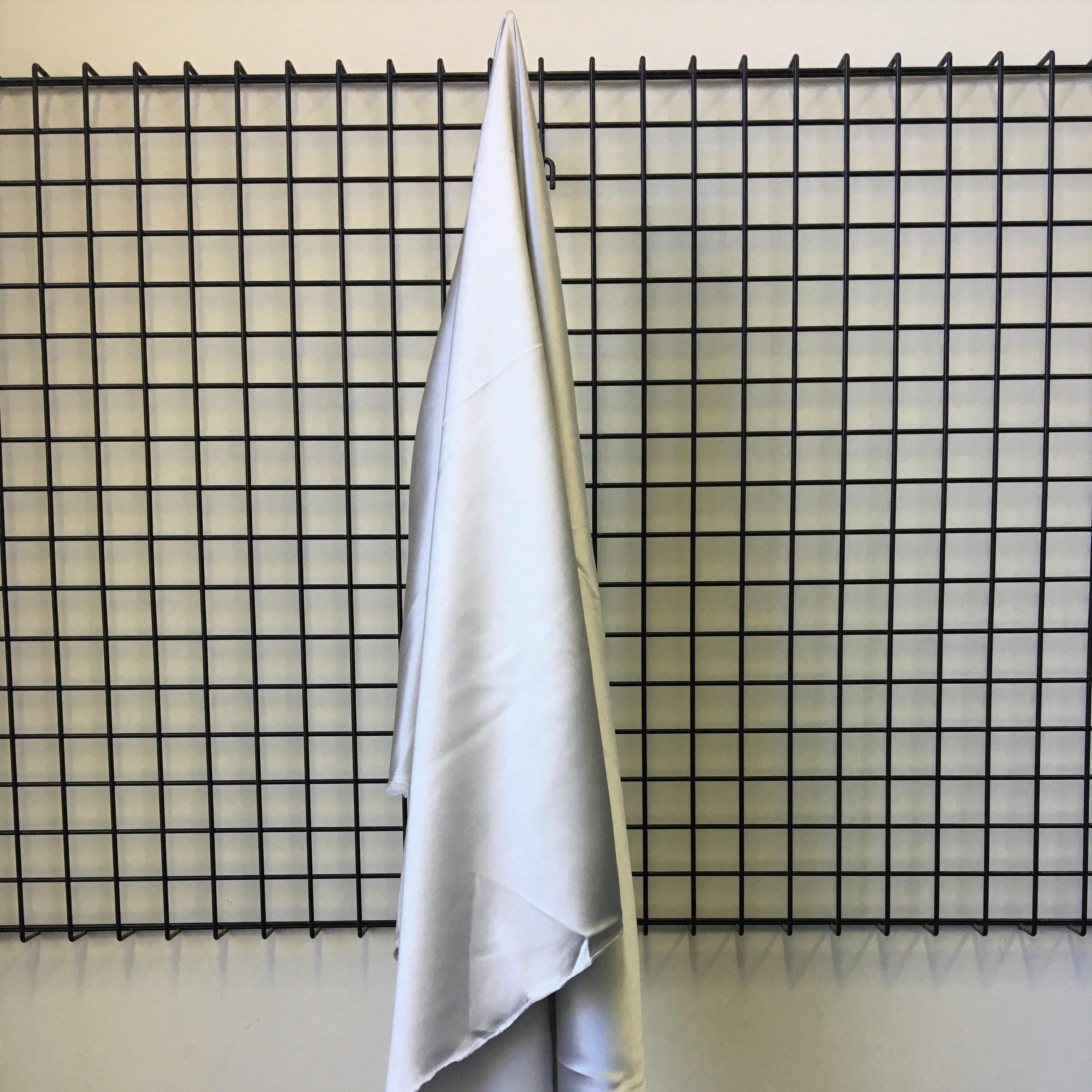
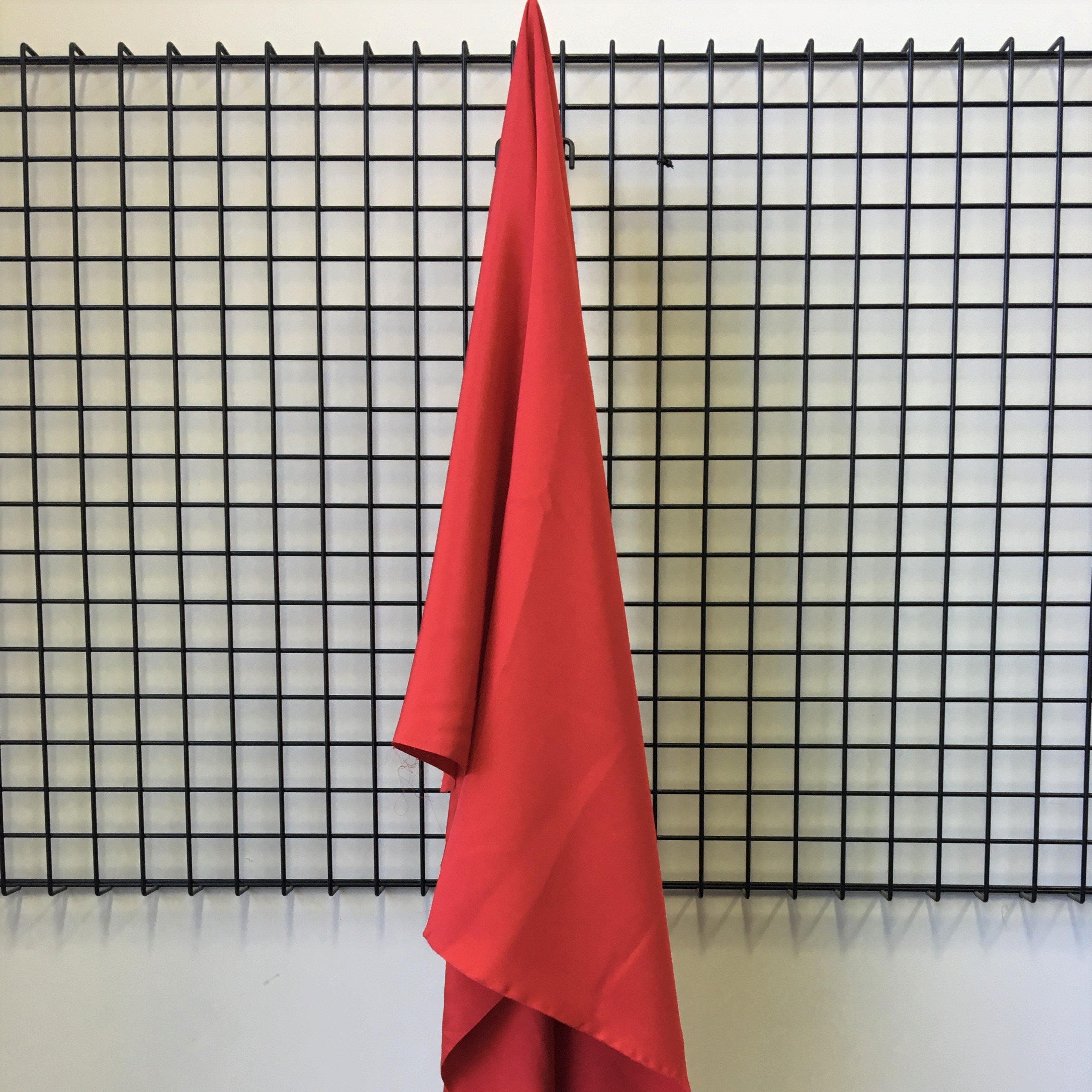
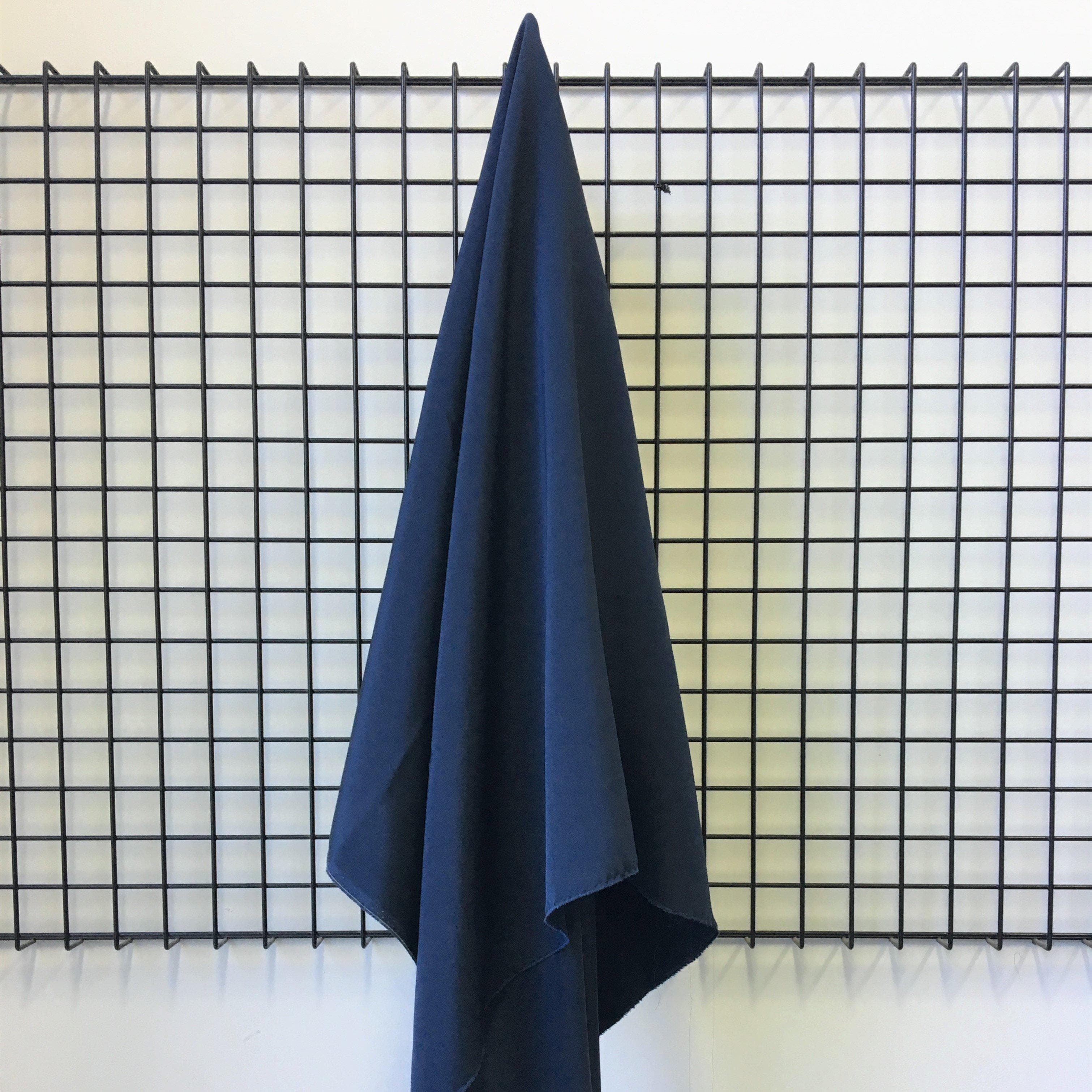
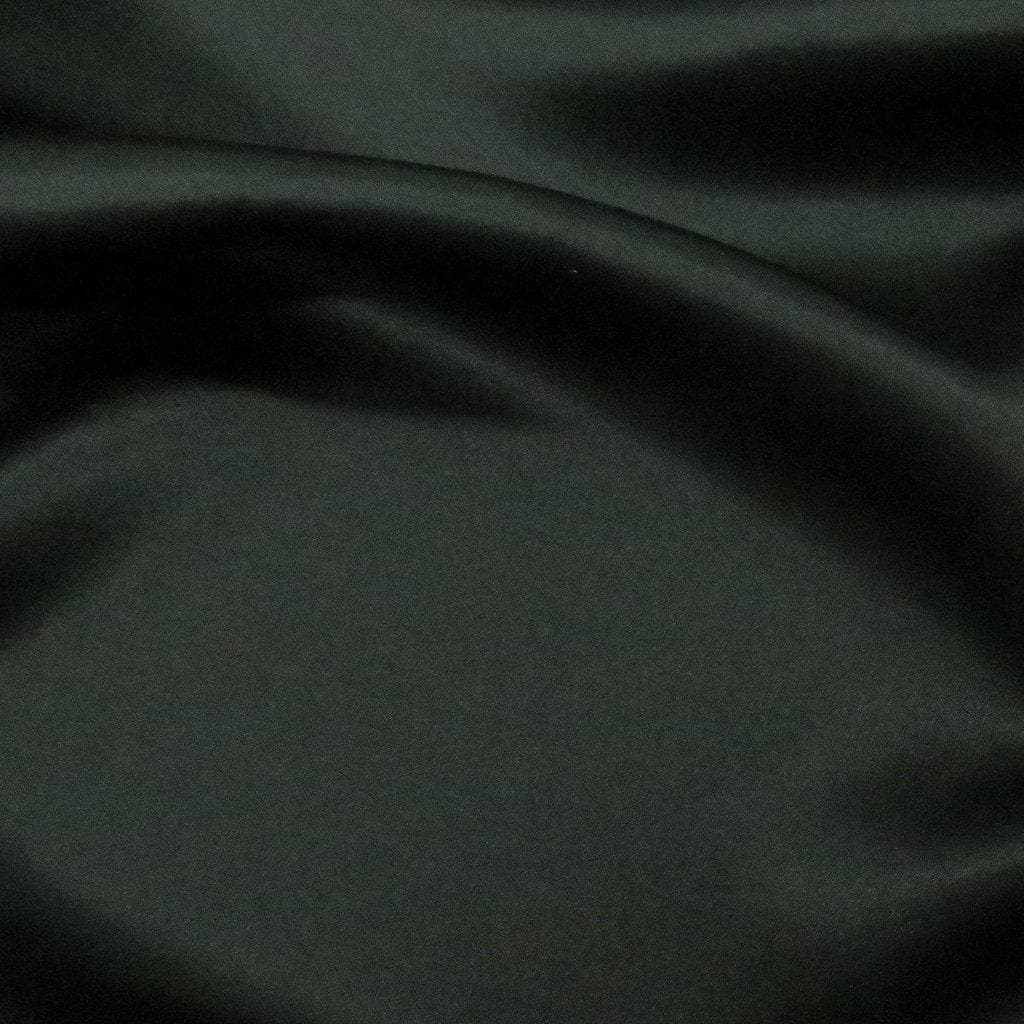
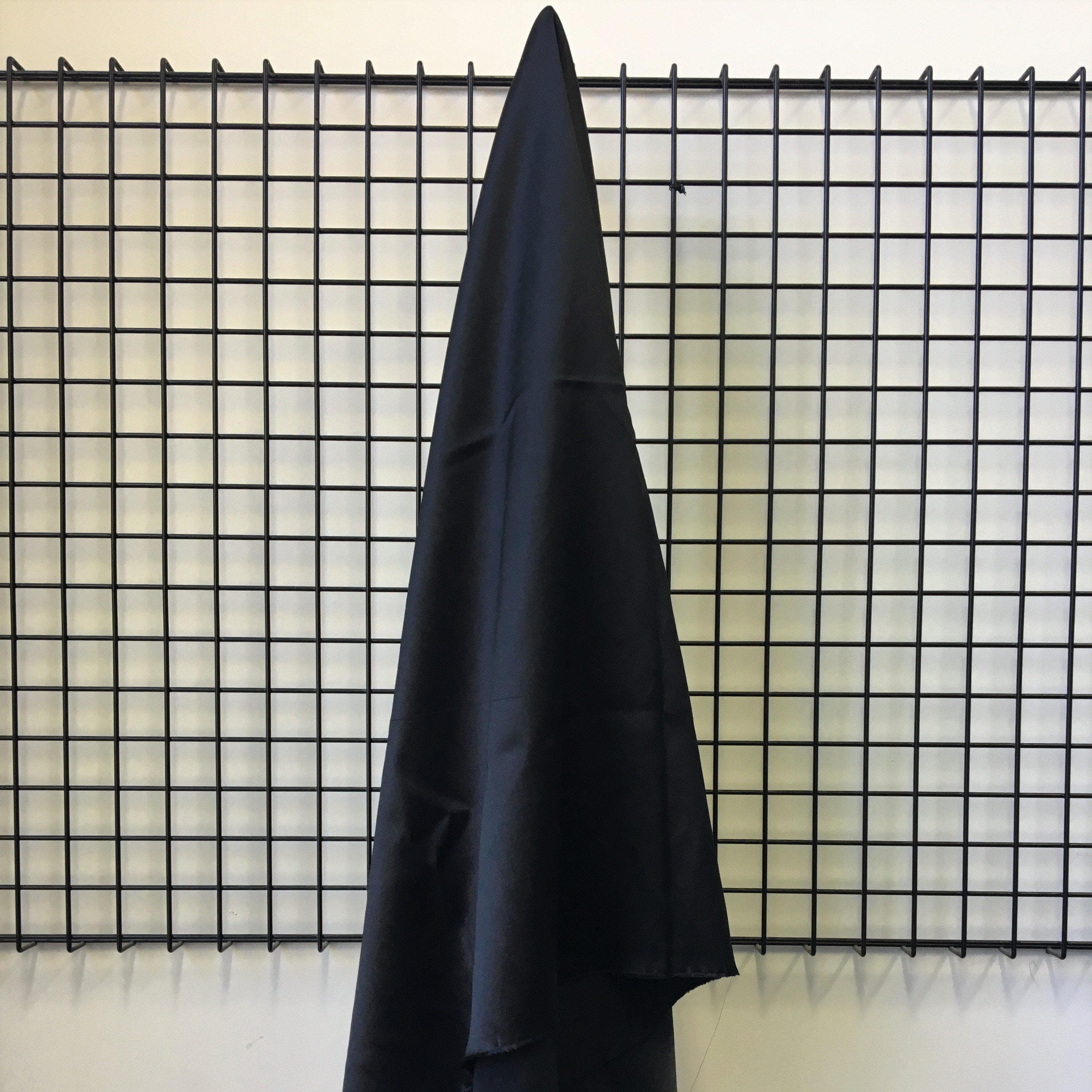
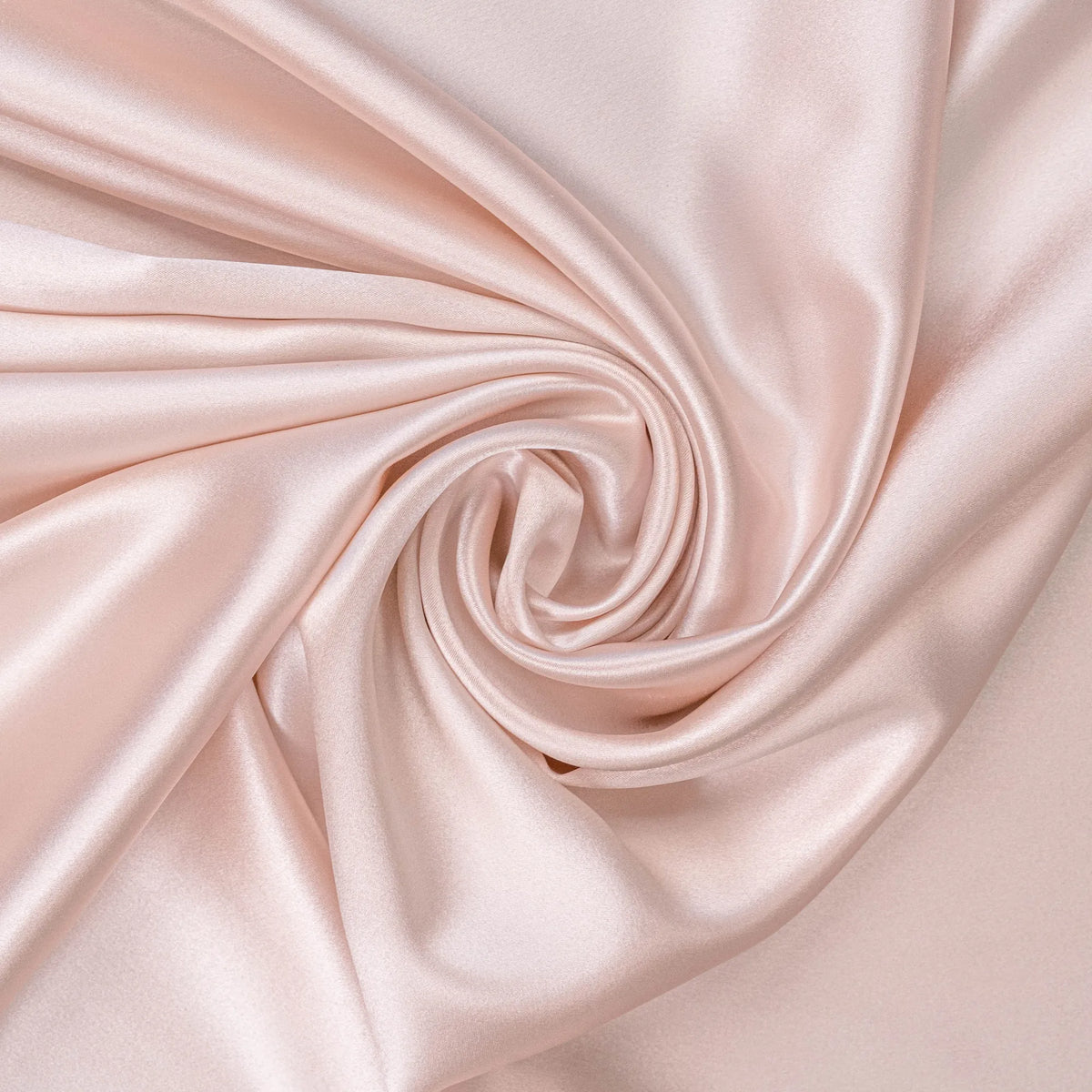
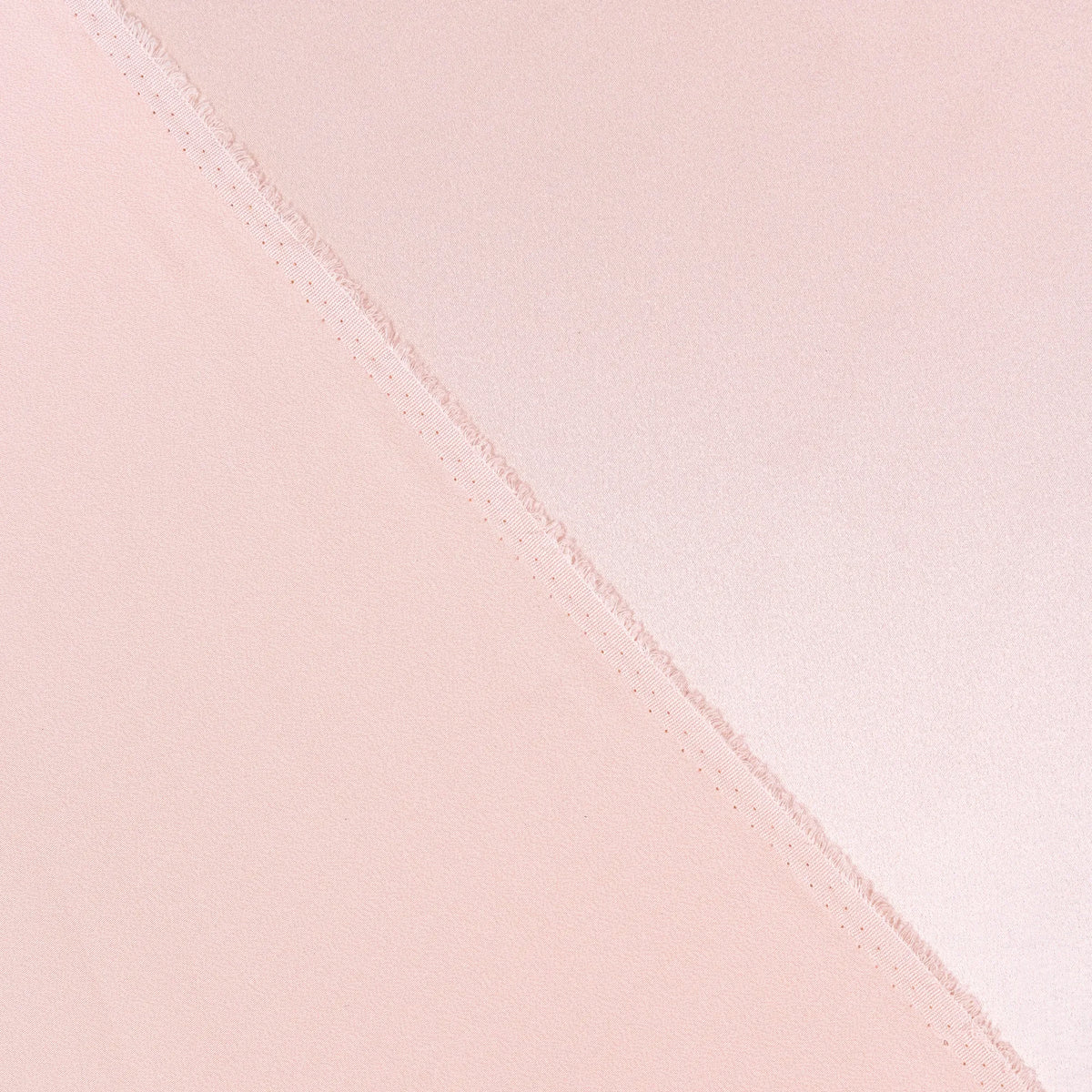
Our heaviest silks by the metre: crepe satin, faille, zibeline (mikado), grace satin and silk jersey. A weighty drape or a sculpted shape, for gowns, coats and tailoring.
- Drape or structure
- Up to 40 momme
- 110 to 140 cm wide
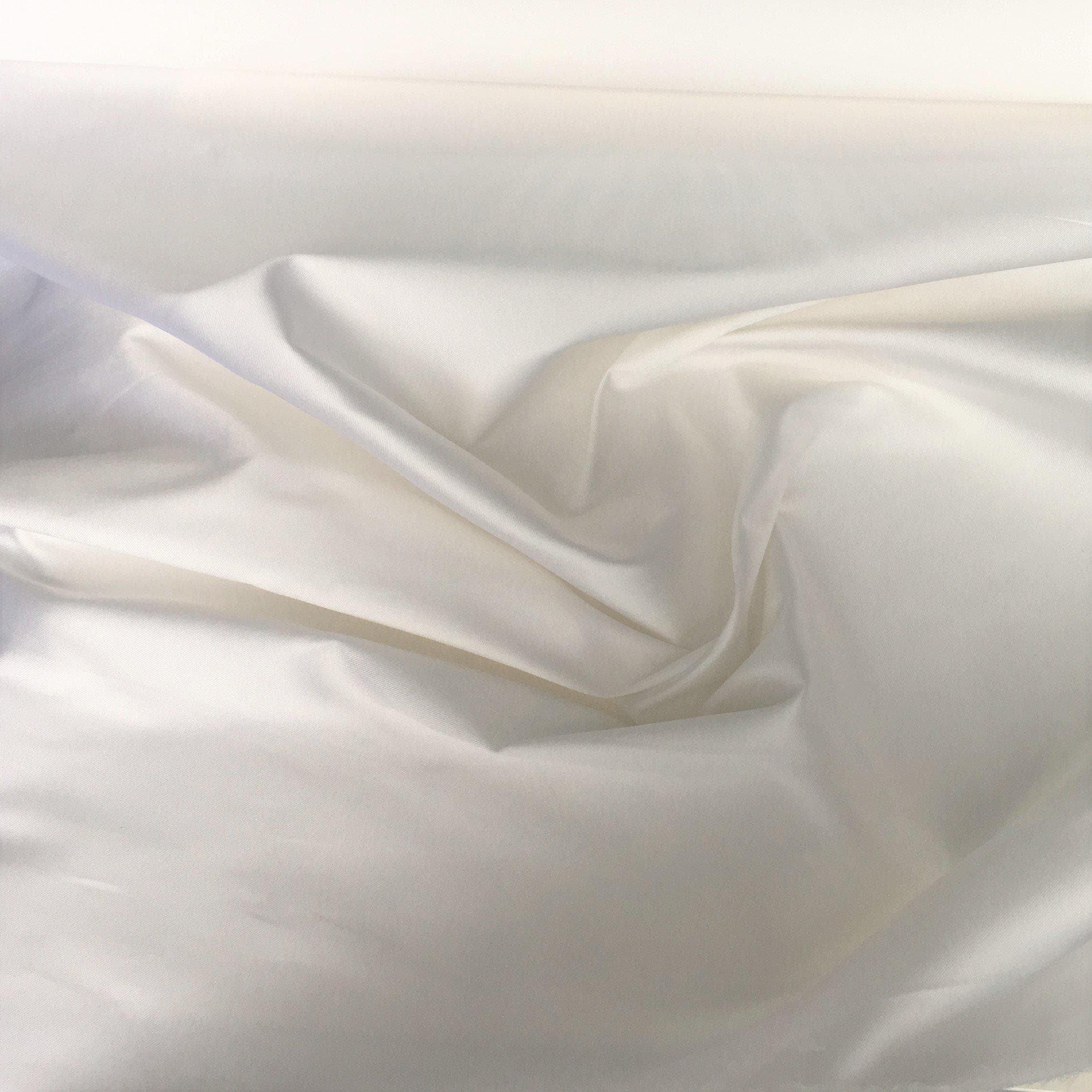
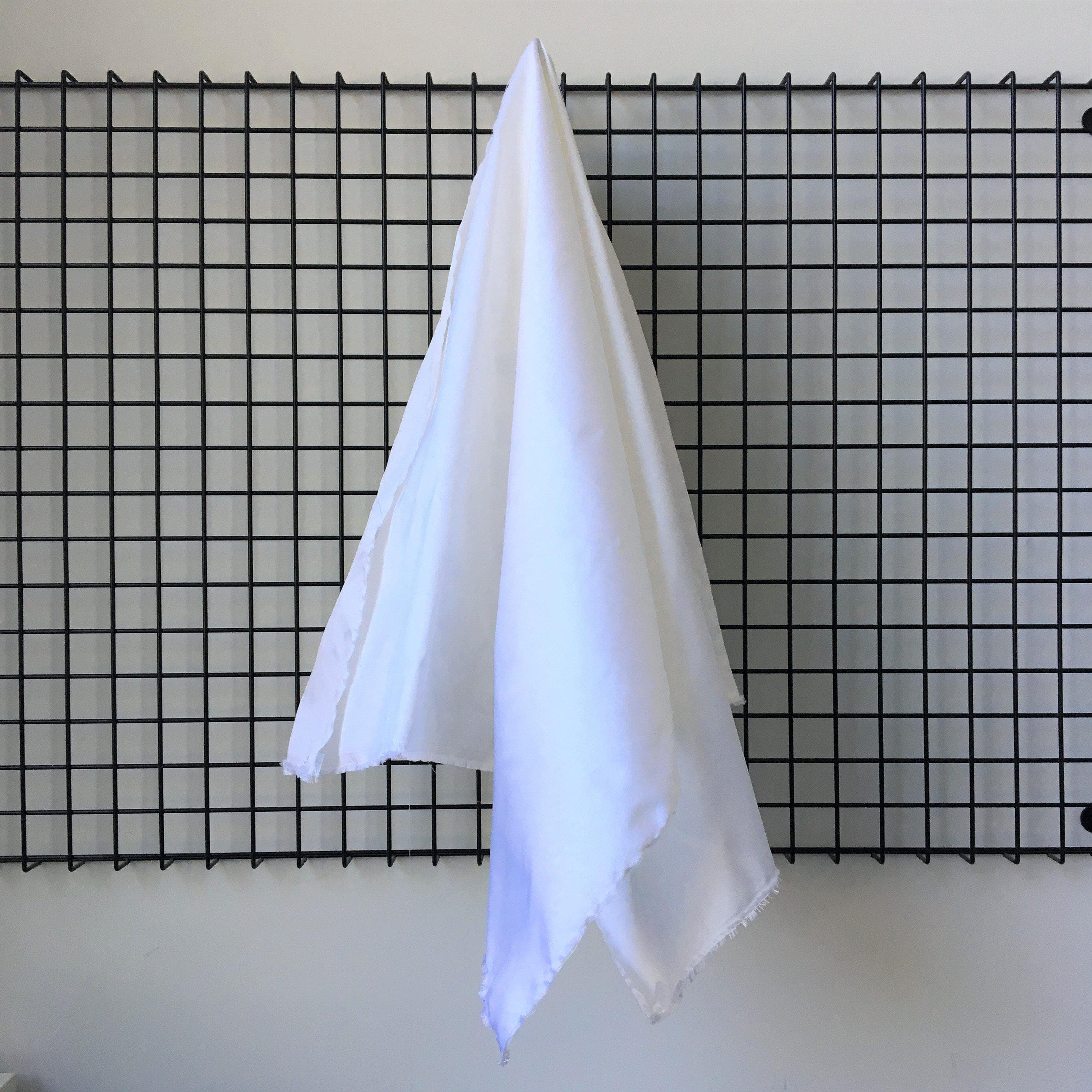
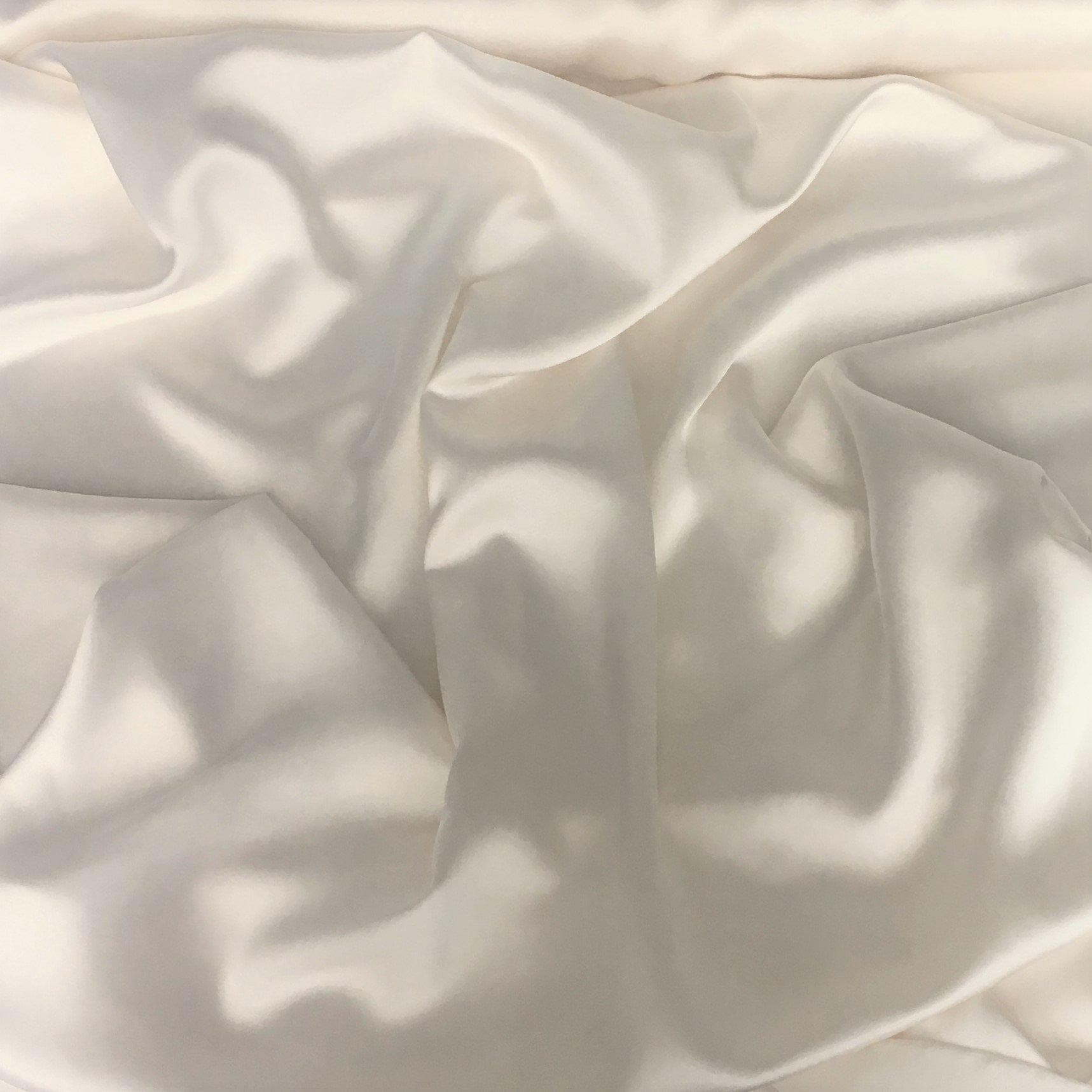

 Sold out
 Sold out

 Sold out
 Sold out


 Sold out

 Sold out


 Sold out
Guide
Heavyweight Silk Fabric: How to Choose and Sew It
How our heaviest silks compare, which one suits your project, and tips for sewing them at home.
Which heavyweight silk?
Our heaviest silks fall into two groups: soft and weighty for draped styles, or firm and structured for sculpted ones.
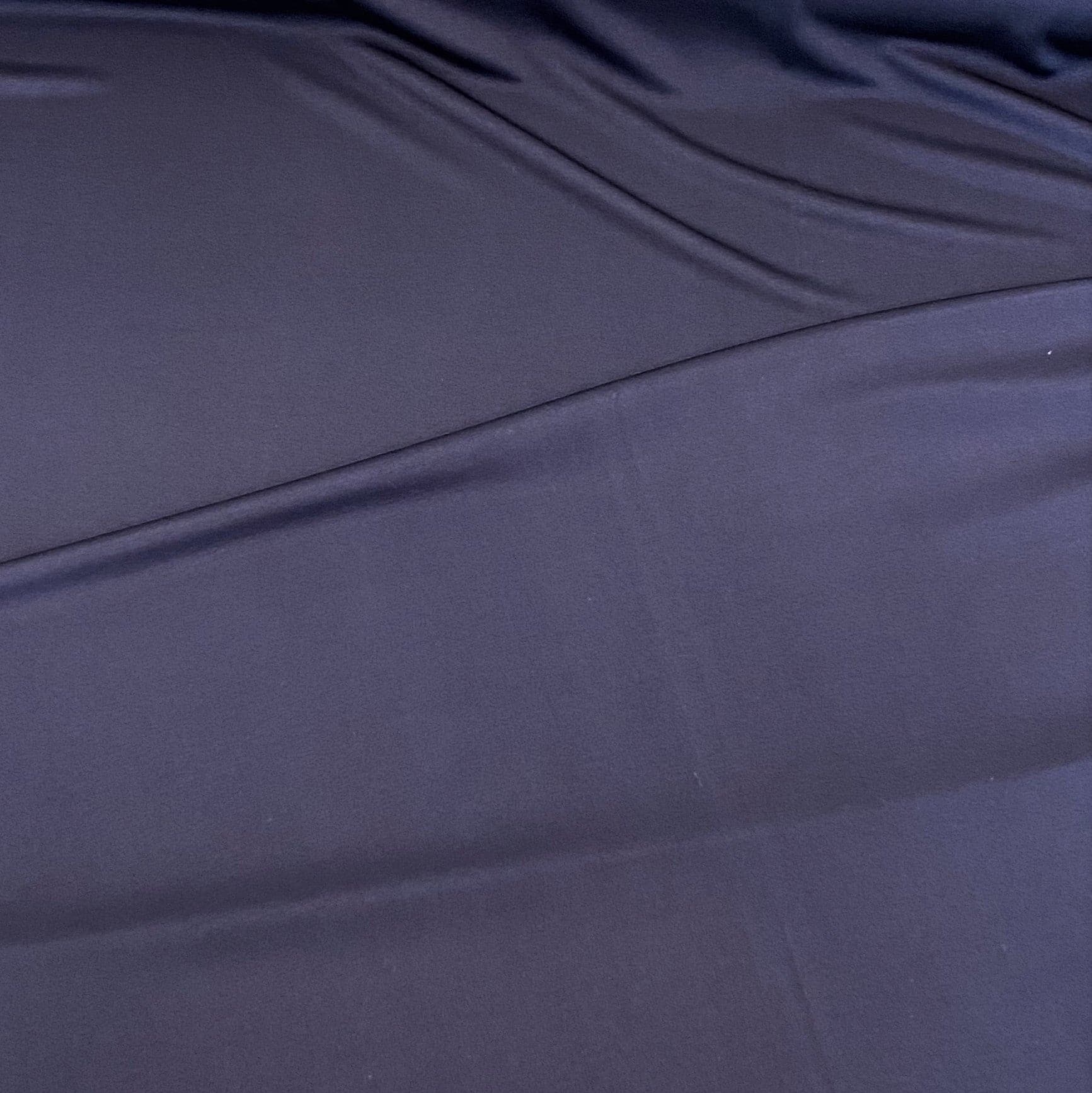
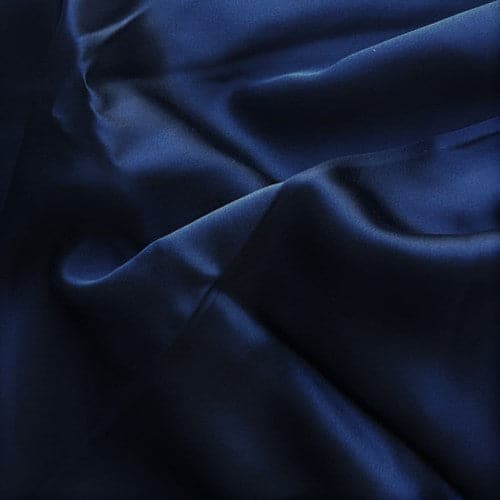
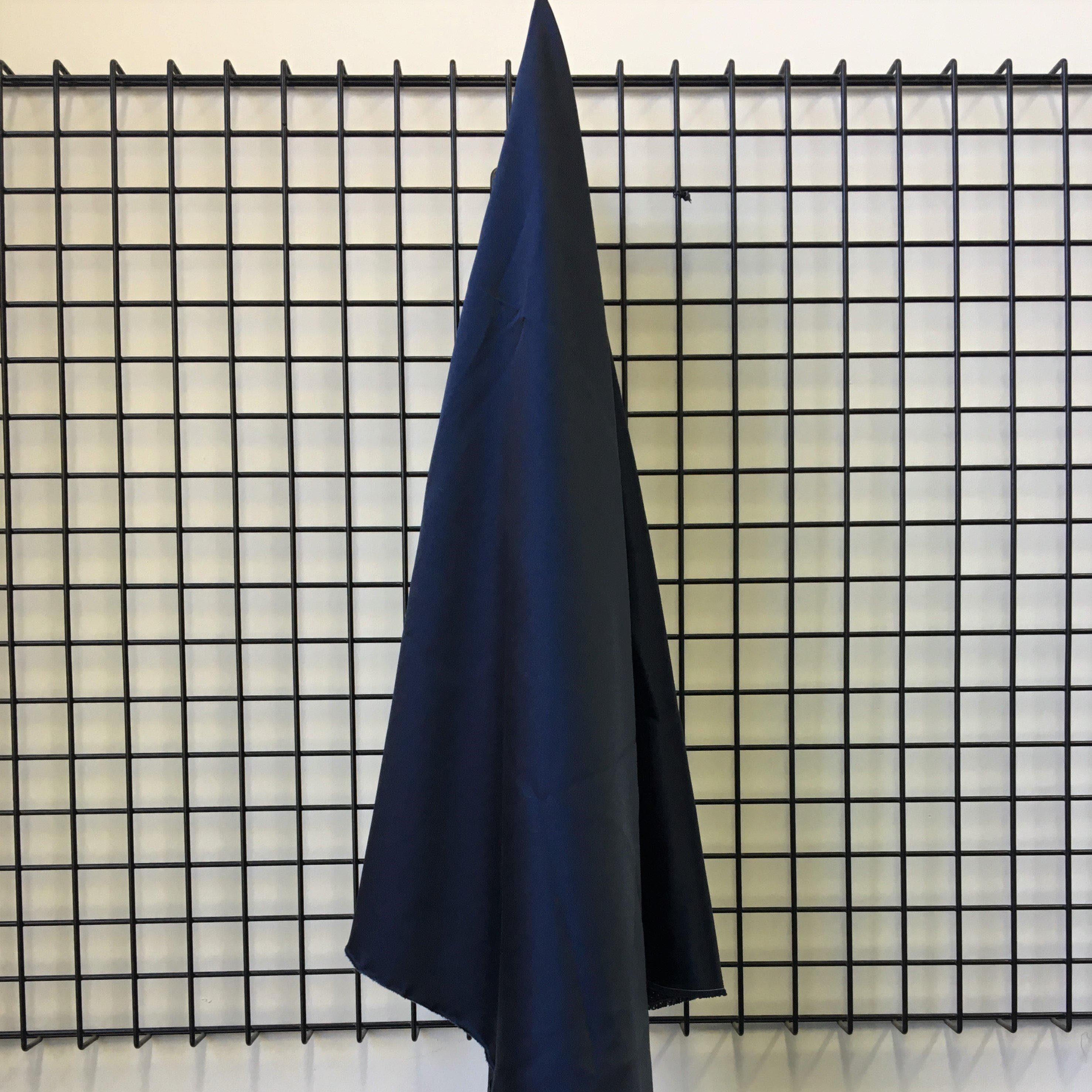
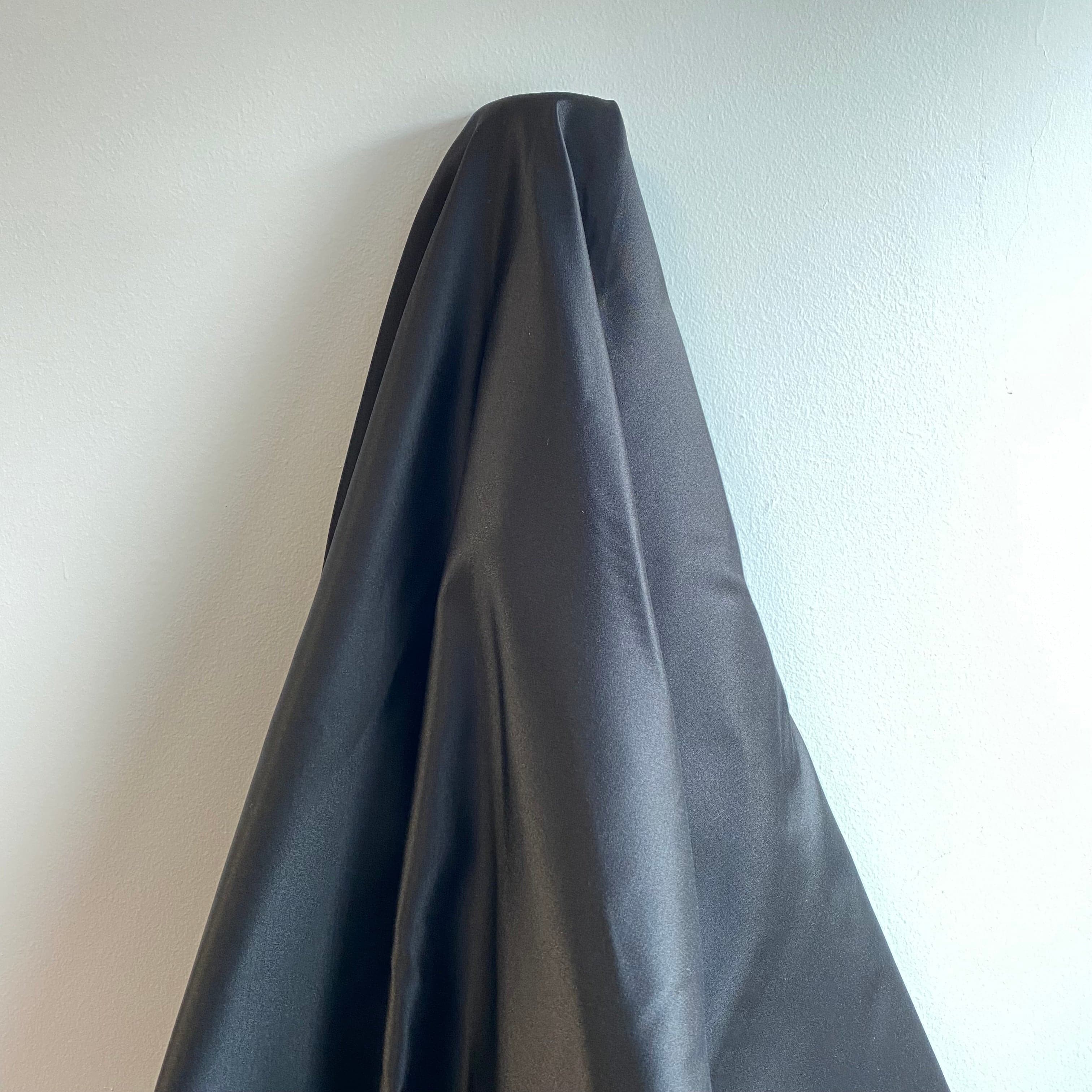
| Crepe satin | Faille | Zibeline (mikado) | Grace satin | Silk jersey | |
|---|---|---|---|---|---|
| Fibre | 100% silk | 100% silk | 100% silk | 32% silk, 68% viscose | 100% silk |
| Look | Satin on one side, matte crepe on the other | Matte on both sides | Fine diagonal weave, low sheen | Satin on both sides | Soft jersey knit |
| Handle | Soft, with a weighty fall | Soft, with a weighty fall | Stiff, holds its shape | Stiff, holds its shape | Soft and heavy, with a natural stretch |
| Great for | Draped and bias-cut gowns | Draped dresses, skirts and pants | Structured gowns, coats, big bows | Structured dresses, skirts and pants | Dresses, tops and loungewear |
| Weight | 40 momme | 40 momme | 40 momme | About 222 gsm | 140 gsm |
| Width | 137 cm | 137 cm | 140 cm | 140 cm | 110 cm |
Looking for something else? See our sheer silks, lightweight silks, medium weight silks or stretch silks, or all our silks.
Which heavyweight silk for your project?
| Making | Silks to try |
|---|---|
| Draped and bias-cut gowns | Crepe satin or faille |
| Structured and A-line gowns | Zibeline (mikado) or grace satin |
| Coats and evening jackets | Zibeline (mikado) |
| Tailored pants and skirts | Faille or grace satin |
| Dresses, tops and loungewear | Silk jersey |
Cutting
- Cut as a single layer on a large, clean table, without letting the fabric hang off the edge: its weight can pull it off grain.
- Pin only inside the seam allowance, or use pattern weights: pins can leave marks.
- Mark on the wrong side with tailor's chalk, tested on a scrap first.
- Cut silk jersey with the stretch going around the body.
Sewing
- Use a fresh, sharp needle (size 70 or 80) and a good-quality polyester thread, strong enough for the heavier seams, or a mercerised cotton thread. Silk thread is lovely for tacking and hand sewing.
- For silk jersey, use a ballpoint or stretch needle and polyester thread, which has a little give, with a narrow zigzag or stretch stitch.
- A walking foot, if you have one, helps the layers feed evenly without shifting.
- Trim and layer the seam allowances inside collars, waistbands and facings to reduce bulk.
- Let draped and bias-cut pieces hang overnight before you hem them.
Hems
Heavy silks look best with a deep hem, 5 to 8 cm, the raw edge bound with a bias strip of silk habotai and blindstitched by hand. On curves and trains, a faced hem sits flatter; on crisp zibeline and taffeta, a bias strip of cotton organdy inside the hem holds the shape. On silk jersey, turn the hem up once and sew it with a loose figure-eight stitch so it can stretch.
Pressing
Press from the wrong side on the silk setting, through a pressing cloth, with no steam: water drops can leave marks. On jersey, lift the iron rather than sliding it, so the knit doesn't stretch. Test on a scrap first.
Questions
What is the heaviest silk?
Our heaviest pure silks are crepe satin, faille and zibeline, all 40 momme. Grace satin, a silk and viscose blend, is heavier still at about 222 gsm.
Crepe satin or faille?
Both drape beautifully. Crepe satin has a satin side and a matte crepe side, while faille is matte on both sides.
Is zibeline the same as mikado?
Yes. Zibeline and mikado are two names for a heavy silk with a fine diagonal weave and a low sheen.
Wholesale for fashion labels, bridal studios and designers buying in bulk. Apply for an account