

Silk Tulle
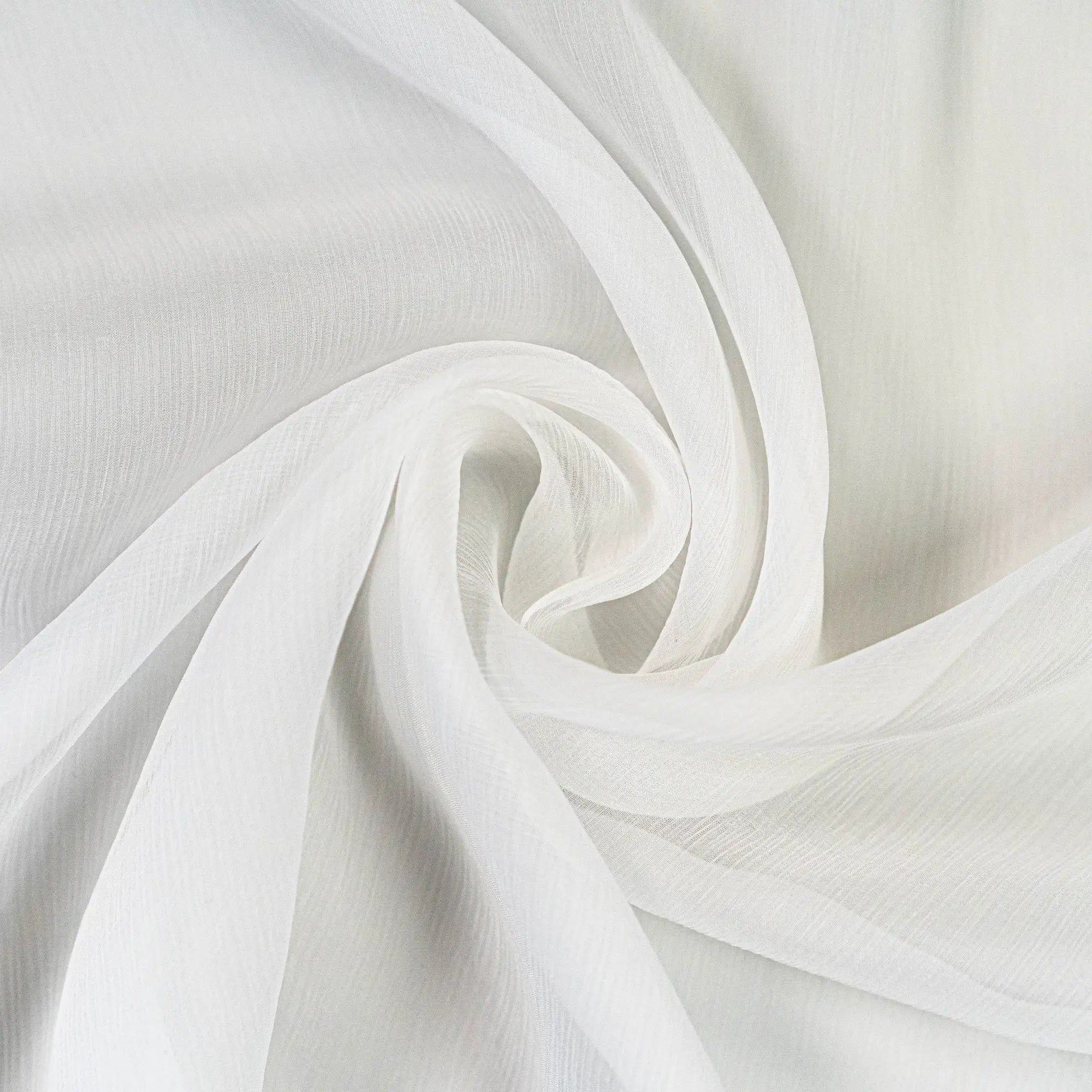
Feather-light French silk tulle with the softest, most fluid drape of all our veil tulles. At 180 cm wide, it is made for veils and delicate bridal layers.
- 3 colours
- 180 cm wide
- 84% Silk, 16% Polyamide
- From $209.00 per metre


 Sold out


Guide
Silk Tulle: Uses and How to Sew It
How silk tulle compares with our other veil tulles, what to make with it, and easy tips for sewing it at home.
Which veil tulle?
We have five tulles made for veils. They all look lovely, and the main difference is how they fall: soft and flowing, or crisp and full. Here's a quick look to help you choose.
| Silk tulle | Soft tulle | 2D tulle | Bridal tulle | Crystal tulle | |
|---|---|---|---|---|---|
| Fibre | 84% silk, 16% polyamide | 100% polyester | 100% nylon | 100% nylon | 100% nylon |
| How it falls | The softest, most fluid drape | Ultra-soft, with a natural give | A soft fall | Crisp, holds its volume | Crisp, with a light crystal shimmer |
| Veil look | Flowing and romantic | Soft and floaty | Soft and classic | Full, standing away from the body | Full, with a subtle sparkle |
| Weight | 19 gsm | 15 gsm | 19 gsm | 12 gsm | 14 gsm |
| Width | 180 cm | 300 cm | 300 cm | 300 cm | 300 cm |
| Sold | By the metre | By the metre | By the metre | By the bolt, about 50 m | By the bolt, about 50 m |
Silk, soft and 2D tulle are cut to your length. Bridal and crystal tulle come on full bolts of about 50 metres, so they suit dressmakers and larger orders.
What to make with it
- Bridal veils with a soft, flowing drape
- Soft overlays on skirts and bodices
- Delicate sleeves and necklines
- A fine layer under lace for a soft, barely-there look
Cutting
- Silk tulle is very fine, so cut one layer at a time on top of a sheet of paper.
- Use sharp scissors or a rotary cutter, and pattern weights instead of pins.
- Handle it with dry hands and take off rings and bracelets so they don't catch.
Sewing
- Start with a fresh, fine needle (size 60 or 65) and a fine mercerised cotton thread. Polyester thread is stronger, but it can make fine silk pucker. Silk thread is lovely for tacking and hand sewing.
- Sew with tissue paper underneath, then gently tear it away.
- For a veil, gather the top edge with two rows of long stitches, pull them up to fit, then hand stitch it to a comb.
Edges
Tulle doesn't fray, so you can leave the edges of a veil raw for the softest finish. For a neater edge, add a narrow rolled hem.
Pressing
Use the silk setting with a pressing cloth on top. Test on a scrap first.
Questions
What's the softest tulle for a veil?
Silk tulle has the softest, most fluid drape of all our veil tulles. For a soft look in a wider width, try soft tulle or 2D tulle.
Why does silk tulle have some polyamide in it?
A small amount of polyamide gives the very fine silk net extra strength, while it keeps the softness of silk.
Can I leave the edges raw?
Yes. Tulle doesn't fray, so a raw edge is a lovely, soft finish for veils and overlays.
Wholesale for fashion labels, bridal studios and designers buying in bulk. Apply for an account