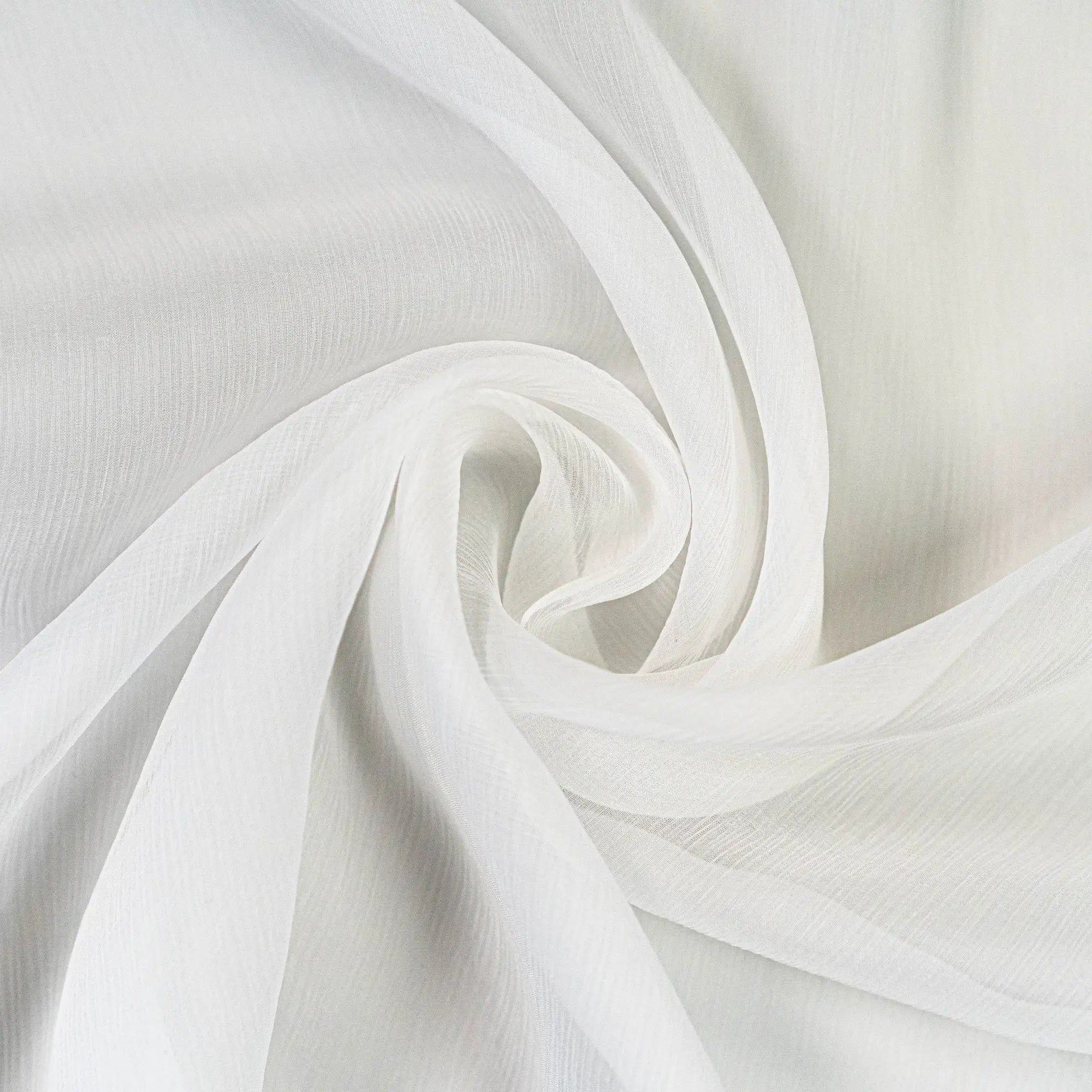


Silk Sandwash Satin
Fluid silk satin with a faille-like matte side and a smooth satin side, so it can be worn either way. It drapes beautifully for slip dresses, blouses and luxurious linings.
- 8 colours
- 137 cm wide
- 100% Silk
- From $83.60 per metre


Guide
Silk Sandwash Satin: Uses and How to Sew It
Why silk satin is worth it, how sandwash compares with our other lightweight silks, what to make with it, and easy tips for sewing it at home.
Why silk sandwash satin?
Polyester satin can look similar in a photo, but silk feels and moves completely differently.
- It drapes like water. Silk satin falls softly against the body, where polyester satin tends to be stiffer and stand away.
- A soft, pearly sheen. Sandwashing gives the satin a gentle glow, not the hard shine of synthetics.
- It breathes. Silk is a natural fibre, so it's comfortable against the skin and doesn't feel clammy like polyester.
- Two right sides. The matte side has a soft, faille-like finish that makes a beautiful fashion side, with the smooth satin side against the skin like a built-in lining. Or wear it satin side out.
- Soft on the skin. That's why it's a favourite for slips, sleepwear and lingerie.
Certified silk. All of our sandwash satin is 100% pure mulberry silk, certified to two independent standards:
- GOTS (Global Organic Textile Standard): the silk is organic, and traced from the farm to the finished cloth.
- OEKO-TEX Standard 100: tested for harmful substances, so it's safe against the skin.
Sandwash, habotai or crepe de chine?
These are our lightweight silks for garments and linings. They're all 100% silk and 137 cm wide.
| Sandwash satin | Silk habotai | Crepe de chine | |
|---|---|---|---|
| Feel | Soft and fluid, slightly peachy | Light and smooth | Fine, slightly grainy texture |
| Look | Satin on one side, faille-like matte on the other | Gentle sheen | Matte with a subtle lustre |
| How it hangs | Falls close to the body | Light and floaty | Flows and moves |
| Great for | Slip dresses, blouses, lingerie, linings | Linings, scarves, silk painting | Blouses, shirts, dresses |
| To sew | Slippery: take your time | Slippery, but light | Easier: less slippery |
| Weight | 19 momme | 8.5 momme | 16 momme |
New to silk satin? Crepe de chine is a little easier to start with, then move on to sandwash.
What to make with it
- Bias-cut slip dresses and skirts
- Blouses, camisoles and shirts
- Sleepwear and lingerie
- A luxurious lining for jackets and coats
- Piping, and bias binding to finish necklines, armholes and hems on other fabrics
It drapes softly, so it suits flowing shapes rather than structured, tailored ones.
Cutting
- Satin slides around, so cut one layer at a time on top of a sheet of paper.
- Use very sharp scissors or a rotary cutter, and pattern weights instead of lots of pins.
- Pins can leave small holes in satin, so use fine pins and keep them inside the seam allowance.
Sewing
- Start with a fresh, fine needle (size 60 or 70) and a fine mercerised cotton thread. Polyester thread is stronger, but it can make fine silk pucker. Silk thread is lovely for tacking and hand sewing.
- French seams give a neat, soft finish, perfect for slips and blouses.
- Try not to unpick: needle holes can show on satin.
- For bias-cut pieces, let the garment hang overnight before hemming, as the fabric can drop a little.
- Sew with a 2 mm stitch to stop puckering.
- Guide the fabric lightly with one hand in front of the needle and one behind, keeping it gently taut. Don't pull it through.
- A walking foot, if you have one, helps two slippery layers feed evenly.
- To start a seam, hold both thread ends behind the foot and turn the wheel by hand for the first stitch, so the fabric isn't pulled down into the machine.
- Press each seam flat as soon as you've sewn it, before you press it open: this settles the stitches.
Hems
On slips and bias-cut dresses, a machine baby hem gives a fine, fluid edge: press up 1 cm, stitch close to the fold, trim the allowance right up to the stitching, then turn it once more and stitch again. For the softest finish on a bias skirt, roll the hem by hand instead.
Pressing
Use the silk setting on the wrong side, with a pressing cloth. Satin marks easily under a hot iron, so test on a scrap first.
Questions
Which side is the right side?
Both. The faille-like matte side can be the fashion side, with the smooth satin side against the skin as a self-lined finish. Or use the satin side out for more sheen.
Will sandwash satin shrink?
Very little. It's washed while it's being made, so it shrinks no more than about 2% if washed.
Can I use sandwash satin as a lining?
Yes. It makes a beautiful, soft lining for jackets, coats and dresses.
Wholesale for fashion labels, bridal studios and designers buying in bulk. Apply for an account